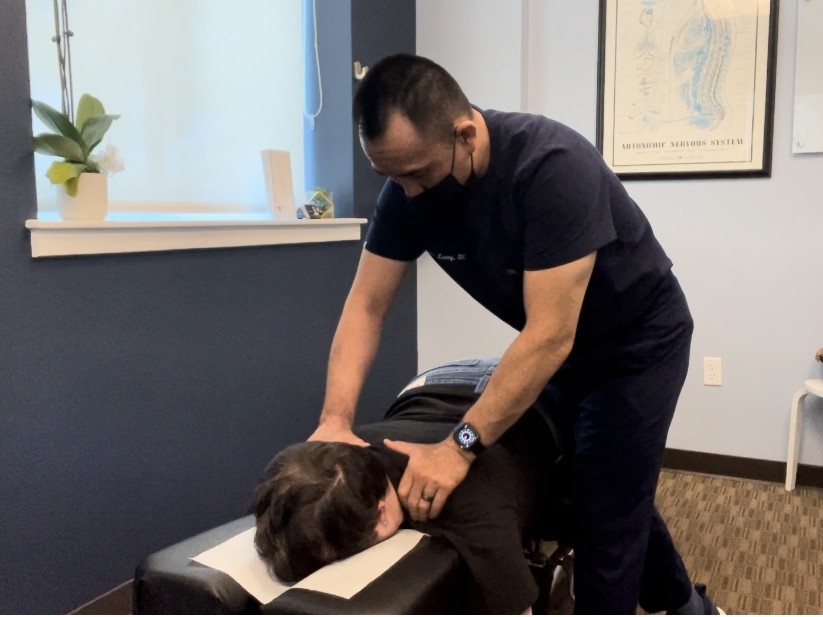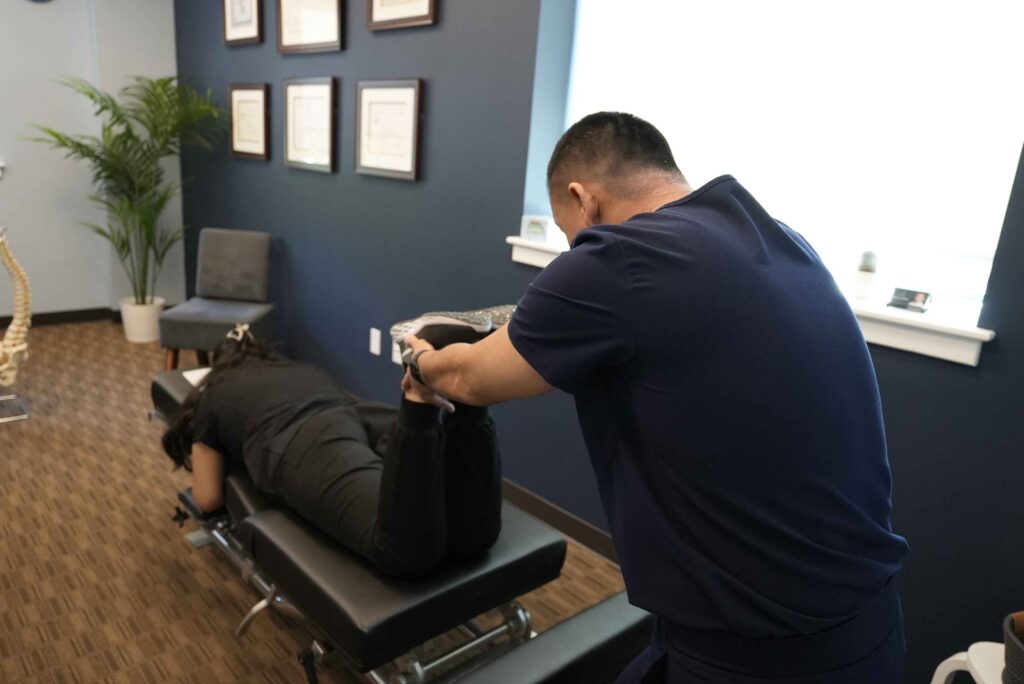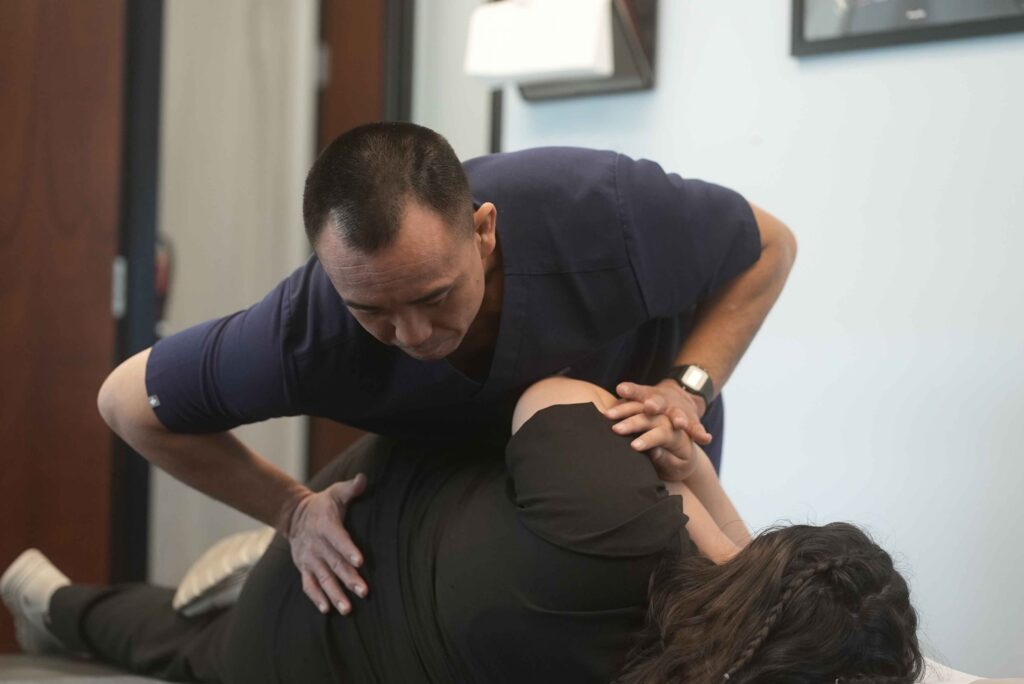
As a local chiropractor, I want to share some insights on how to effectively recover from an injury and enhance your athletic performance. Many people overlook the vital role that a holistic approach to rehabilitation plays in their recovery journey. It's not just about getting back on your feet; it's about optimizing your body's natural healing processes.
One of the key components is maintaining a balanced diet. The right nutrients can significantly aid in healing and help you regain strength. Additionally, effective rehabilitation techniques, including chiropractic adjustments, can improve your mobility, reduce pain, and enhance your overall physical function.
Don't underestimate the power of mental strategies either. A positive mindset can greatly influence your body's ability to recover. By incorporating relaxation techniques and visualization exercises, you can reduce stress and promote healing.
As you work through your recovery, think about how your daily choices impact not only your healing but also your long-term athletic performance. Have you considered how regular chiropractic care can help prevent future injuries? Let's delve into some targeted strategies that can help you bounce back stronger and more resilient than ever. Remember, your recovery is a journey, and I'm here to support you every step of the way.
Understanding Injury Types
As a local chiropractor, I want to help you understand the various types of injuries and how they can impact your recovery journey. Injuries typically fall into two primary categories: acute and chronic.
Acute injuries occur suddenly, often as a result of a specific event or trauma, such as a fall or collision. Common examples include sprains, fractures, and strains. It's crucial to recognize the signs of acute injuries—like swelling, bruising, or sharp pain—so you can seek prompt care. Chiropractic adjustments can often aid in managing pain and improving mobility after such injuries.
Chronic injuries, on the other hand, develop gradually over time, usually due to repetitive stress or overuse. These injuries often present as dull, persistent pain and may include conditions like tendonitis or stress fractures. If you're experiencing ongoing discomfort that doesn't improve with rest, it's important to evaluate your activity levels and consider adjusting your routine.
As a chiropractor, I can work with you to address these issues through targeted treatments, helping to alleviate pain and restore function.
Another key aspect to consider is the severity of your injury. Injuries are often classified by grades: Grade I indicates mild damage, Grade II represents moderate damage, and Grade III denotes severe injuries that may require more intensive interventions.
By understanding both the type and severity of your injury, we can develop a tailored recovery plan. This might involve chiropractic adjustments, therapeutic exercises, or lifestyle modifications to support your healing process.
Ultimately, being informed about the different types of injuries empowers you to make better decisions regarding your health. It's my goal to help you recover effectively and return to your sport or activity feeling stronger and more resilient than before.
Together, we can navigate your path to recovery through natural healing methods that chiropractic care offers.
Importance of Rest
As a local chiropractor, I want to emphasize the crucial role that rest plays in your recovery journey. Your body needs time to heal and regenerate, and that's where quality sleep and active recovery days come into play.
Many people overlook how powerful these elements can be, but they're vital in helping you get back on your feet.
In addition to physical recovery, taking time to rest can significantly enhance your mental well-being. A well-rested mind not only helps you stay motivated but also supports your overall healing process.
Healing Through Sleep
As a local chiropractor, I want to emphasize the vital role that sleep plays in your healing process. Recovery isn't instantaneous; it requires time, and one of the most effective ways to enhance your recovery is by prioritizing quality sleep.
When you sleep, your body enters a state of repair. This is when your muscles rebuild, inflammation subsides, and your immune system becomes more robust. Neglecting sleep doesn't just slow down your recovery; it can also increase your risk of re-injury.
I recommend aiming for 7 to 9 hours of restorative sleep each night. Establishing a consistent sleep schedule can help your body regulate its internal clock, making it easier for you to fall asleep and wake up feeling rejuvenated.
It's also essential to pay attention to your sleep environment; a dark, cool, and quiet room can significantly enhance your rest.
Be mindful of stimulants like caffeine and the blue light from electronic devices before bedtime, as these can hinder your ability to relax and fall asleep. Instead, consider engaging in calming activities such as reading a book or practicing gentle stretching to help your body unwind.
By prioritizing sleep, you're not only supporting your body's natural healing processes but also optimizing the benefits of your chiropractic care.
Let's work together to ensure you're on the path to recovery!
Active Recovery Days
As a chiropractor, I often emphasize the importance of active recovery days for maintaining optimal health and facilitating healing.
Active recovery is a crucial component of your wellness journey, allowing your body to recover while still engaging in beneficial activities. By incorporating light movements into your routine, you can promote blood circulation, alleviate muscle stiffness, and accelerate the healing process.
Here are four effective strategies to enhance your active recovery days:
- Gentle Stretching: Incorporating both dynamic and static stretches into your day can significantly improve your flexibility and help relieve tension in your muscles. This simple practice can complement your chiropractic adjustments.
- Low-Intensity Cardio: Activities such as walking, cycling, or leisurely swimming are excellent choices. They allow you to maintain an elevated heart rate without putting undue stress on your body, which is essential for recovery.
- Foam Rolling: Utilizing a foam roller or massage ball can be incredibly beneficial. Targeting tight areas helps release muscle knots and improves circulation, supporting the work we do in the office.
- Mindful Movement: Engaging in practices like yoga or tai chi can be transformative. These activities not only enhance balance and flexibility but also promote relaxation, contributing to your overall healing process.
By incorporating these practices into your recovery days, you can support your body's natural healing capabilities and maintain your physical well-being.
Mental Recovery Benefits
As a local chiropractor, I want to emphasize the critical role that mental recovery plays in your overall well-being, especially when you're navigating the challenges of injury. While many people focus on the physical aspects of healing, it's essential to recognize that your mind also needs care and attention during this time. Mental recovery isn't just a luxury; it's a necessary component for regaining strength and mobility.
When you take the time to focus on mental recovery, you can significantly reduce stress, anxiety, and mental fatigue, which are common companions during the recovery process. This mental clarity is crucial for making better decisions and maintaining focus, both of which are vital for athletes and active individuals alike. Techniques such as mindfulness meditation and deep breathing exercises can enhance your emotional resilience and improve your ability to cope with physical challenges.
Rest is often misunderstood – it's not solely about getting enough sleep. It's important to allow yourself moments of downtime to engage in activities that bring you joy and relaxation, whether that's reading a good book, spending quality time with family, or simply taking time to unwind.
These restorative practices can help you return to your sport or daily activities with a refreshed mindset and renewed motivation. Incorporating mental recovery into your routine complements the physical healing process supported by chiropractic care.
A balanced approach that nurtures both your body and mind will enhance your mental toughness and overall performance. As you work towards recovery, remember that prioritizing your mental health is just as important as addressing your physical injuries.
Let's work together to create a holistic healing plan that supports both aspects of your health!
Nutrition for Recovery
What role does nutrition play in your recovery journey? As a local chiropractor, I can't stress enough how essential proper nutrition is for healing. The food you consume can significantly influence how well and how quickly you recover from injuries.
Good nutrition provides your body with the vital nutrients it needs to repair tissues, reduce inflammation, and regain strength. Here are four key aspects of nutrition to focus on during your recovery process:
- Protein: It's crucial to ensure you're getting enough protein, as it plays a key role in muscle repair and rebuilding. Lean sources like chicken, fish, eggs, and legumes are excellent choices to support your muscle recovery.
- Healthy Fats: Don't shy away from healthy fats! Incorporate foods like avocados, nuts, and olive oil into your diet. These healthy fats can help reduce inflammation and promote overall wellness, which is important for your recovery.
- Hydration: Water is your best friend during recovery! Staying well-hydrated is essential for optimal healing. Make it a habit to drink plenty of fluids, especially after your chiropractic adjustments or any physical therapy sessions.
- Vitamins and Minerals: A colorful variety of fruits and vegetables should be a staple in your diet. They provide your body with the vitamins and minerals it needs for healing and immune support. Nutrients like vitamin C, zinc, and magnesium are particularly important for recovery.
By focusing on these nutritional aspects, you can enhance your recovery journey and support the natural healing process that chiropractic care promotes.
Effective Rehabilitation Techniques
As a local chiropractor, I want to emphasize the importance of proper nutrition as a crucial foundation for your recovery, but it's equally vital to integrate effective rehabilitation techniques to enhance your healing journey.
To begin your recovery process, consider a personalized rehabilitation program tailored to your specific injury. Working closely with a knowledgeable chiropractor can provide you with the guidance needed for the right exercises that cater to your unique condition.
A well-rounded approach should include a mix of strength, flexibility, and mobility exercises. Strength training is essential for rebuilding muscle and stabilizing the injured area. Flexibility exercises are equally important, as they help improve your range of motion and prevent stiffness. Gentle stretching should be a key component of your routine, promoting blood circulation, which is vital for healing.
Don't overlook the significance of functional movements. Engaging in activities that closely resemble your sport can play a major role in rebuilding your confidence and preparing your body for the physical demands of athletic performance. It's important to start at a comfortable pace and gradually increase the intensity as your recovery progresses.
Always be attentive to your body's signals. If you encounter pain during your exercises, don't hesitate to modify your routine or reach out to your chiropractor for advice.
Consistency is essential, so try to incorporate rehabilitation into your daily habits. Set achievable goals and monitor your progress; this practice not only keeps you motivated but also highlights areas that might require additional focus.
Lastly, consider utilizing therapeutic modalities such as ice, heat, or ultrasound therapy, as recommended by your chiropractor. These therapies can help reduce inflammation and support the healing process.
Mental Strategies for Healing
As a local chiropractor, I want to emphasize how crucial your mindset is during your recovery journey from an injury. Engaging in visualization techniques can be an effective way to envision your healing process and set positive goals for yourself.
Additionally, incorporating mindfulness practices into your daily routine can help manage stress, which is vital for your overall well-being.
I also encourage you to harness the power of positive affirmations. These simple yet powerful statements can significantly enhance your confidence and motivation as you navigate through the healing process.
Visualization Techniques for Recovery
As a local chiropractor, I want to share some valuable insights into how visualization techniques can significantly enhance your recovery journey. Many people may not realize the profound impact that harnessing the power of the mind can have on physical healing.
Here are four effective visualization techniques that I encourage my patients to incorporate into their recovery routine:
- Imagery of Success: Take a moment to picture yourself fully healed and performing at your peak. By visualizing your success, you can boost your confidence and motivation, which are crucial for recovery.
- Body Scan Visualization: Close your eyes and mentally scan your body, paying attention to the area that's injured. Imagine it healing and growing stronger. This practice helps to reinforce a sense of control over your recovery process.
- Guided Visualization: Consider using audio recordings or apps that lead you through a guided visualization session. These tools can help create a calming and focused mental space, which is essential for effective healing.
- Future Performance Visualization: Envision yourself engaging in activities, whether competing or training, without any pain. This not only motivates you but also establishes a neural pathway that prepares your body for that performance, increasing your likelihood of success.
Incorporating these visualization techniques into your daily routine can provide a powerful boost to your recovery, leading to a smoother and more effective healing process.
Start visualizing today, and you'll be on your way to a brighter and healthier tomorrow!
Mindfulness and Stress Management
As a local chiropractor, I want to emphasize the importance of mindfulness practices and effective stress management techniques in your healing journey. When you experience an injury, stress levels can increase, making it more challenging to focus on your recovery. By incorporating mindfulness into your daily routine, you can develop a greater awareness of your thoughts and emotions, allowing you to navigate the healing process with greater ease.
I encourage you to set aside a few minutes each day for mindfulness meditation. Find a quiet space, close your eyes, and concentrate on your breath. As you breathe, pay attention to any tension or discomfort in your body and acknowledge it without judgment. This simple practice can help ground you and reduce feelings of anxiety.
Additionally, consider engaging in relaxing activities such as gentle yoga or deep-breathing exercises. These techniques not only relieve physical tension but also promote a sense of calm and well-being. Maintaining a positive mindset during your recovery is crucial, as it can have a significant impact on your healing process.
By integrating mindfulness and stress management techniques into your routine, you empower yourself to stay present and foster resilience as you heal. Prioritizing your mental well-being creates a supportive environment that allows your body to recover effectively and return to peak performance.
As your chiropractor, I'm here to guide you on this journey and help you understand the benefits of natural healing.
Positive Affirmations for Healing
As a local chiropractor dedicated to helping you on your healing journey, I want to share how positive affirmations can significantly enhance your recovery process. By embracing the power of positive thinking, you can create a mindset that supports your healing.
Here are some effective strategies to incorporate affirmations into your daily routine:
- Create Specific Affirmations: It's important to make your affirmations relevant to your situation. Instead of a general statement like, "I will heal," consider something more specific, such as, "Every day, my body feels stronger and more aligned."
- Practice Daily: I encourage you to repeat your affirmations each morning or before you go to sleep. Consistency is key; it helps reinforce your beliefs and shifts your mindset towards healing.
- Visualize Success: As you repeat your affirmations, take a moment to visualize yourself fully healed and engaging in the activities you love. This mental imagery can amplify the effectiveness of your affirmations and strengthen your healing journey.
- Share with Others: Talking about your affirmations with a friend or family member can be incredibly beneficial. Sharing your healing goals not only creates accountability but can also boost your motivation and support network.
Integrating these positive affirmations into your routine can profoundly influence your outlook and resilience.
Cross-Training Alternatives
As a local chiropractor, I understand how important it's to stay active during injury recovery, and I want to help you find effective cross-training alternatives that support your healing process.
When you're unable to engage in your primary sport, it's crucial to keep your body moving in ways that minimize stress on your injury.
One of the best options is swimming. It provides a full-body workout while the buoyancy of the water alleviates strain on your joints. I encourage you to visit your local pool and focus on gentle strokes or even consider water aerobics to stay active without aggravating your condition.
Cycling is another excellent choice, whether you prefer stationary bikes or riding outdoors. This activity helps build endurance and strength while being low-impact, making it easier on your body as it recovers.
In addition to these activities, practices like yoga and Pilates can greatly benefit your recovery. They emphasize flexibility, strength, and core stability, which are essential for healing. However, it's important to listen to your body and modify any poses or movements that could exacerbate your injury.
To maintain muscle strength during this time, consider resistance training with bands or light weights. Focus on exercises that avoid the injured area, ensuring that you preserve overall body strength.
Lastly, incorporating balance or coordination exercises, such as tai chi or using balance boards, can enhance your body awareness and stability as you heal.
Monitoring Progress
As your local chiropractor, I want to emphasize the importance of monitoring your recovery progress as you explore various cross-training alternatives. Understanding how your body is responding to treatment and exercise is crucial for ensuring you're on the right path to healing.
Keeping track of your improvements not only enhances your motivation but also helps us identify what's effective and what might need adjustments. Here are some practical ways to monitor your recovery during our journey together:
- Set Clear Goals: It's essential to establish specific, measurable, achievable, relevant, and time-bound (SMART) goals for your recovery. This will provide you with a clear target to focus on and keep you engaged in your healing process.
- Maintain a Recovery Journal: I encourage you to document your daily activities, pain levels, and any exercises you perform. This practice will help us recognize patterns over time and understand how your body is reacting to different treatments and workouts.
- Use Technology: Consider utilizing apps or fitness trackers to monitor your workouts and recovery metrics. Many of these devices can provide insights into your heart rate, sleep quality, and activity levels, which can be valuable information for us to assess your recovery status.
- Schedule Regular Check-Ins: I recommend setting aside time each week to review your progress with me. Together, we can evaluate whether you're meeting your recovery goals and make any necessary adjustments to your treatment and training plan.
This regular reflection won't only keep you accountable but also enhance your motivation as you move forward on your healing journey.
Preventing Future Injuries
As your local chiropractor, I want to share some valuable insights on how you can protect your body from future injuries. It's essential to adopt a proactive approach to both your training and recovery routines. One of the first steps you can take is to incorporate a proper warm-up before each workout. Warming up increases blood flow to your muscles and prepares your body for the physical demands ahead. I often recommend dynamic stretches, as they effectively enhance flexibility and improve your range of motion.
Another critical aspect to consider is your technique. Whether you're lifting weights, running, or engaging in sport-specific drills, using the correct form is vital to minimizing your risk of injury. If you're ever unsure about your technique, I encourage you to seek guidance from a coach or consider taking lessons. Proper alignment and movement patterns are foundational to injury prevention.
Cross-training is also an excellent strategy for safeguarding your body. By mixing different types of workouts, you can strengthen various muscle groups and reduce the risk of overuse injuries in any single area. Additionally, don't underestimate the importance of rest days in your training schedule. Your body requires time to recover and rebuild, which is crucial for preventing fatigue-related injuries.
It's also important to listen to your body. If something feels off or if you experience pain, it's essential to take a step back and assess the situation rather than pushing through discomfort. Ignoring early signs of pain can lead to more serious injuries later on. As a chiropractor, I can help you identify and address these issues before they escalate.
Lastly, maintaining a well-balanced diet and staying hydrated are fundamental to your overall health. Proper nutrition fuels your body and supports recovery, while hydration is vital for joint health.
Conclusion
As a local chiropractor dedicated to helping you recover from injuries and enhance your athletic performance, I want to emphasize the importance of a holistic approach during your recovery process. It's crucial to prioritize rest and give your body the time it needs to heal. Nutrition plays a significant role as well; nourishing your body with the right foods can aid in recovery and overall performance.
In addition to rest and nutrition, effective rehabilitation techniques are essential. Chiropractic care can help realign your body and improve mobility, which is vital during recovery. I encourage you to consider mental strategies, such as visualization and mindfulness, to keep your motivation high.
Cross-training can also be beneficial, allowing you to maintain your fitness levels while focusing on your recovery. Always remember to monitor your progress closely and listen to your body's signals; this will help you prevent future injuries and setbacks. By committing to these practices and incorporating chiropractic care into your recovery plan, you can not only heal but also come back stronger and more resilient than ever.