When dealing with a sports injury, it's crucial to recognize that recovery is not solely about waiting for time to pass; it's also about the method you adopt for healing. As a local chiropractor, I want to emphasize that there are specific steps you can take to enhance your recovery process. Prioritizing rest and ensuring you have the right nutrition are just the beginning. Each of these elements plays a significant role in restoring your body to its optimal performance level.
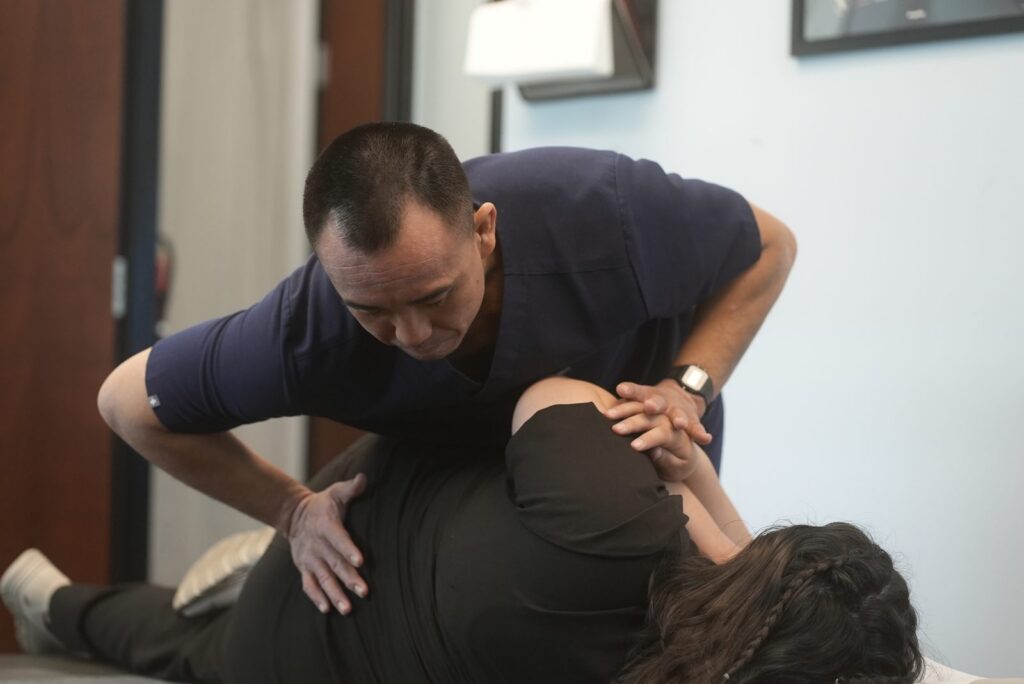
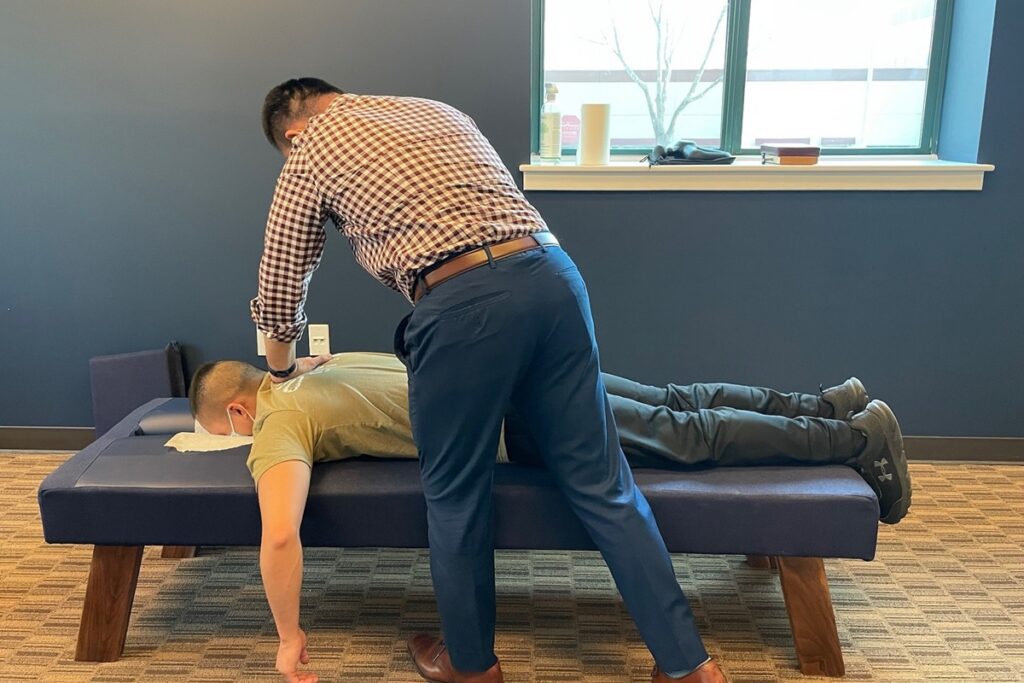
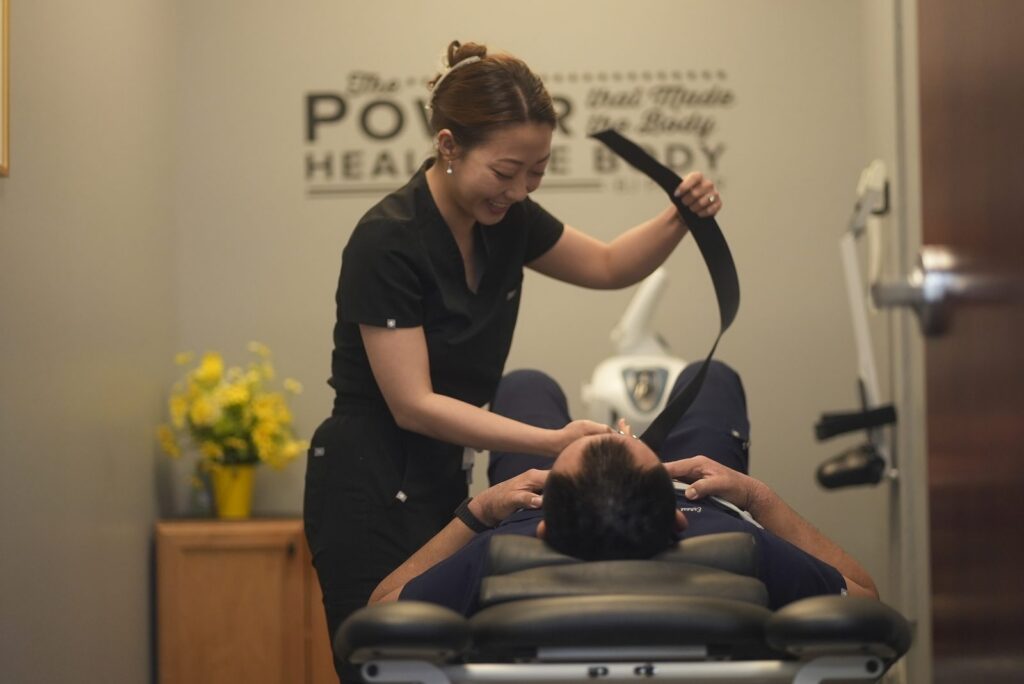
So, what should you focus on first? One of the key aspects is understanding the importance of spinal health and alignment, which can significantly impact your overall recovery. Chiropractic care can help address any misalignments that may be contributing to your pain, allowing your body to heal more efficiently.
In addition to chiropractic adjustments, engaging in gentle rehabilitation exercises can help strengthen the affected area and prevent future injuries. It's also essential to incorporate anti-inflammatory foods into your diet, as nutrition can greatly influence your body's healing capabilities.
The journey to recovery might seem daunting, but by taking these steps and considering the benefits of chiropractic care, you may find that the path to healing is smoother and faster than you anticipated. Let's work together to get you back to your favorite activities as quickly and safely as possible!
Prioritize Rest and Sleep
As a local chiropractor, I want to emphasize the vital role that rest and sleep play in your recovery from sports injuries. When you're dealing with an injury, your body requires adequate time to heal, and much of this healing occurs during sleep. While you rest, your body releases growth hormones that are essential for tissue repair and cell regeneration. This restorative time is crucial for reducing inflammation and allowing your immune system to function optimally.
Listening to your body is key when it comes to prioritizing rest. If you're experiencing fatigue or discomfort, it's important not to push through the pain. Instead, grant yourself permission to take a break. This could involve dialing back your activity levels or even taking a few days off from training.
Integrating rest days into your routine isn't a sign of weakness; rather, it's a strategic approach that supports long-term recovery.
In addition to rest, focusing on quality sleep is equally important. Establish a calming bedtime routine that signals to your body that it's time to unwind. Avoid screens before bedtime, as the blue light emitted can disrupt your sleep quality. Instead, consider activities like reading a book, practicing deep breathing exercises, or engaging in gentle stretching to help you relax.
Ensure that your sleep environment is conducive to rest—keep it dark, quiet, and cool. Investing in a quality mattress and supportive pillows can make a significant difference in your sleep quality.
Consistency is also essential; aim to go to bed and wake up at the same time each day, including weekends, to help regulate your body's internal clock.
Maintain Proper Nutrition
As a local chiropractor, I want to emphasize the critical role that proper nutrition plays in your recovery from sports injuries. Many people may not realize that when you're injured, your body needs specific nutrients to effectively heal tissues, reduce inflammation, and regain strength. By focusing on a balanced diet, you can significantly enhance your recovery process.
To start, it's essential to include plenty of lean proteins in your meals. Foods like chicken, fish, beans, and legumes are fantastic options that help rebuild damaged muscle and promote healing.
Additionally, don't overlook the importance of healthy fats; incorporating sources like avocados, nuts, and olive oil can help reduce inflammation and support your overall health.
Carbohydrates are another vital component of your diet. They supply the energy necessary for both your daily activities and your recovery. Aim for complex carbohydrates such as whole grains, fruits, and vegetables, which also provide valuable vitamins and minerals that your body needs.
Hydration is equally important in the healing process. Drinking enough water is crucial for maintaining optimal bodily functions, aiding digestion, and supporting recovery. A good rule of thumb is to drink at least half your body weight in ounces of water each day, and be sure to adjust this amount based on your activity level.
Certain vitamins and minerals can also play a significant role in your recovery. For instance, vitamin C is known to boost collagen production, which is essential for healing, while zinc is vital for tissue repair. Incorporating foods rich in these nutrients—like citrus fruits, berries, nuts, seeds, and leafy greens—can provide your body with the support it needs.
If you're uncertain about your nutritional needs during your recovery, I encourage you to consider consulting with a nutritionist.
With the right dietary choices, you can effectively fuel your body and facilitate a more efficient healing process, getting you back to your active lifestyle sooner.
Implement Rehabilitation Exercises
As a local chiropractor, I want to emphasize the importance of rehabilitation exercises in your recovery from a sports injury. These exercises play a vital role in restoring strength, flexibility, and function to the affected area, allowing you to return to your favorite activities safely and effectively.
First and foremost, I recommend consulting with a qualified physical therapist or chiropractor who can develop a tailored rehabilitation program suited specifically to your needs. They'll evaluate your injury and create a personalized plan that takes into account your recovery goals and the current stage of your healing process.
To get started, you'll want to focus on gentle range-of-motion exercises. These movements are designed to stimulate blood flow and prevent stiffness without putting excessive strain on the injured area.
As your condition improves, we can introduce strengthening exercises that target not only the injured site but also the surrounding muscles. This approach ensures balanced support and reduces the risk of future injuries.
It's crucial to be patient and listen to your body throughout your rehabilitation journey. Adjust the intensity of your exercises based on how you feel, and don't rush the process. Consistency is key; aim to incorporate these exercises into your routine several times a week.
Establishing a regular schedule won't only enhance your recovery speed but will also help create long-lasting habits that promote overall health.
Consider keeping a journal to document your progress and any symptoms you experience. This valuable information can aid in refining your treatment plan as we work together toward your recovery.
Lastly, remember that healing takes time. While it can be frustrating, pushing yourself too hard too soon may lead to setbacks. Stay committed to your rehabilitation exercises, and before you know it, you'll regain your strength and mobility, setting the stage for a successful return to the activities you love.
Use Ice and Compression
As a local chiropractor dedicated to promoting natural healing, I want to share the importance of using ice and compression when managing sports injuries. These simple yet effective techniques can significantly alleviate pain and reduce swelling, setting you on the path to a quicker recovery.
When an injury occurs, applying ice is crucial. Ice helps by constricting blood vessels in the affected area, which numbs the pain and decreases inflammation. Alongside this, compression plays a key role in providing support to the injured area. By applying gentle pressure, compression minimizes swelling, allowing your body to heal more efficiently.
Here are some guidelines to help you make the most of ice and compression:
- Ice application: Consider using an ice pack or even a bag of frozen peas wrapped in a cloth. Aim to apply it for 15-20 minutes every hour, especially within the first 24-48 hours following your injury. This timing is critical for optimal results.
- Compression techniques: Wrap the injured area with an elastic bandage. Ensure it's snug enough to provide support, but not so tight that it restricts blood flow. You should still be able to move your toes or fingers comfortably.
- Elevation: Elevating the injured limb above heart level is vital whenever possible. This position helps reduce swelling by aiding the drainage of fluids away from the injury site.
By incorporating these techniques into your recovery routine, you can enhance your healing process and get back to your active lifestyle more swiftly.
Stay Positive and Motivated
As a local chiropractor, I want to emphasize how a positive mindset can significantly influence your recovery from sports injuries. It's common to feel frustrated or disheartened during this process, but maintaining an optimistic outlook can truly make a difference.
Focus on what you can control—your attitude, your effort, and your daily routines. When you approach your recovery with positivity, you're more likely to adhere to your rehabilitation plan and see consistent progress.
Setting small, achievable goals is key to your recovery journey. Celebrate each milestone, whether it's regaining strength, improving flexibility, or simply completing your rehabilitation exercises. These small victories will boost your motivation and keep you on track.
Remember, recovery isn't always a straight path; there will be ups and downs along the way. Instead of feeling discouraged by setbacks, remind yourself that they're a natural part of the healing process.
Surrounding yourself with supportive people can also enhance your recovery. Share your goals and progress with friends, family, or teammates who can uplift and encourage you. Their positivity can be contagious and help you remain focused on your journey.
Additionally, consider joining a local support group or an online community where you can connect with others facing similar challenges.
Lastly, don't forget the importance of self-care. Engage in activities that uplift your spirits and keep you mentally and emotionally balanced. Whether it's reading, meditating, or pursuing a hobby, these joyful moments can provide a necessary counterbalance to the stress of recovery.
Conclusion
As a local chiropractor dedicated to helping you recover from sports injuries, I want to emphasize the importance of a holistic approach to healing. Prioritizing rest and quality sleep is crucial for your body to repair itself effectively. Additionally, fueling your body with the right nutrition can provide the essential nutrients needed for recovery.
Incorporating tailored rehabilitation exercises into your routine can significantly enhance your healing process. These exercises, designed specifically for your injury, can help restore mobility and strength. Remember to utilize ice and compression therapies to manage pain and reduce swelling effectively.
Most importantly, maintaining a positive mindset and having a supportive network around you can make a world of difference in your recovery journey. Embracing these steps not only promotes healing but also keeps you motivated and resilient as you work towards regaining your peak performance. As your chiropractor, I'm here to guide you through each step of this natural healing process.