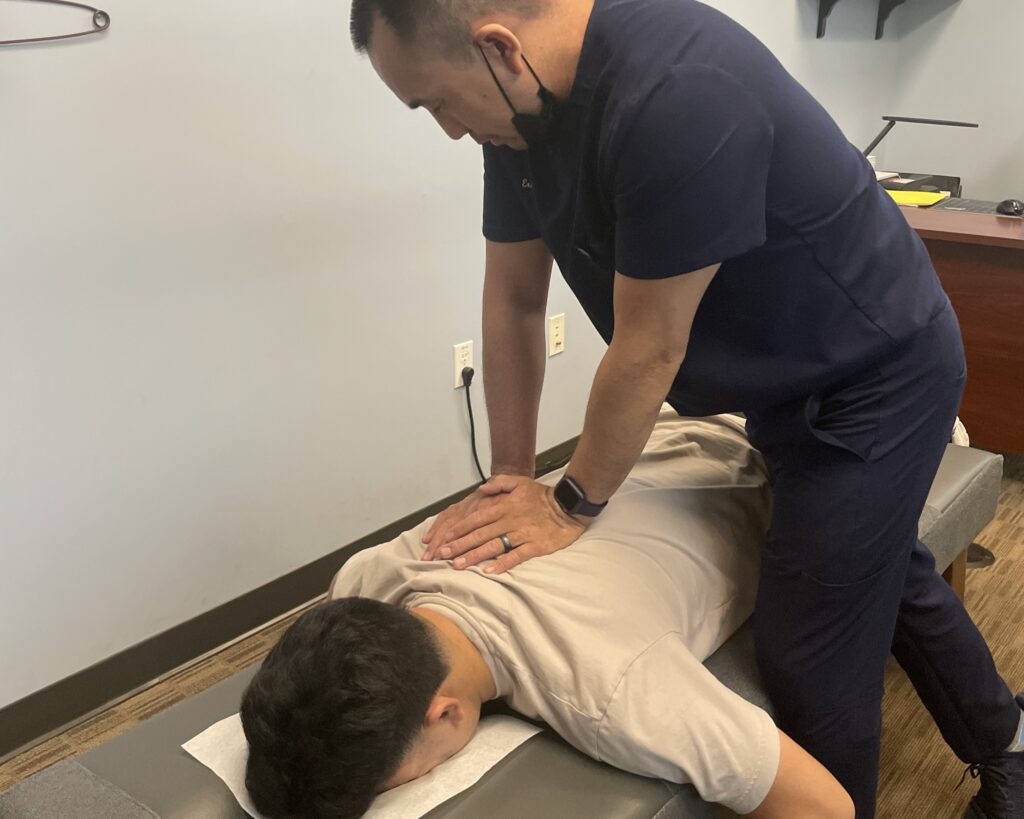
As a local chiropractor, I want to reassure you that if you’re experiencing back pain, you’re certainly not alone. Many individuals turn to natural methods for relief, and it’s important to understand what might be causing your discomfort. By identifying these underlying issues, we can explore a variety of effective techniques that may aid in your recovery right from the comfort of your home.
Gentle stretching exercises can be incredibly beneficial for alleviating tension and improving flexibility. Additionally, incorporating the use of essential oils into your routine can provide soothing relief. It’s essential to consider these holistic approaches, as they can play a significant role in your overall well-being.
I encourage you to take a closer look at these strategies and consider how they might positively impact your daily life. By embracing these natural methods, you can empower yourself to manage and alleviate your back pain effectively. Remember, I’m here to guide you through this process and help you find the best solutions tailored to your needs.
Understanding the Causes of Back Pain
As a local chiropractor, I want to help you understand the various factors that can contribute to back pain, which is a common issue many of us face. Often, back pain arises from a combination of several underlying causes.
For instance, poor posture—whether you’re sitting at a desk or standing—can put unnecessary strain on your back muscles, leading to discomfort and pain.
Another common cause is improper lifting techniques. When you lift heavy objects without using your legs or maintaining a neutral spine, you risk injuring your back and affecting your spine and surrounding tissues.
Additionally, a sedentary lifestyle can weaken your core muscles, making your back more vulnerable to pain.
Injuries from sports or accidents can also result in acute back pain, while chronic conditions like arthritis or herniated discs can lead to persistent discomfort.
It’s important to recognize that emotional stress can also play a role; it can cause muscle tension and exacerbate existing pain.
Understanding these causes is crucial for managing and alleviating back pain effectively. By pinpointing the root of your discomfort, we can work together to develop a personalized treatment plan that may include chiropractic adjustments, exercises, and lifestyle modifications.
My goal is to empower you to take charge of your health and find relief through natural healing methods. Together, we can enhance your overall well-being and prevent future issues.
Gentle Stretching Exercises
As a local chiropractor, I want to share how gentle stretching exercises can significantly help in alleviating back pain.
Incorporating specific techniques into your routine can enhance your flexibility and reduce muscle tension, ultimately leading to a more comfortable life.
It’s vital to understand not only the importance of stretching but also how often and how long to do it for the best results.
By integrating these practices into your daily routine, you can support your body’s natural healing process and improve your overall well-being.
Benefits of Stretching
As a local chiropractor, I want to share with you the vital role that stretching can play in alleviating back pain. Many of my patients are often surprised to learn that a simple and effective way to enhance their back health is through regular stretching.
Here are some key benefits that stretching can provide:
- Increased Flexibility: By incorporating stretching into your daily routine, you can significantly improve the flexibility of your muscles and joints. This increased range of motion can help prevent stiffness and discomfort, which are common issues for many individuals.
- Reduced Muscle Tension: Stretching is a fantastic way to release tight muscles. When your muscles are more relaxed, you’ll find that pain in the back area can diminish, allowing for greater comfort and mobility in your everyday life.
- Improved Circulation: One often-overlooked benefit of stretching is its ability to enhance blood flow. Improved circulation not only helps in delivering essential nutrients to your muscles but can also accelerate healing and reduce inflammation, leading to a quicker recovery from any back discomfort you may be experiencing.
Incorporating stretching into your daily activities is a proactive approach to managing and alleviating back pain.
As you embrace this practice, you may find that it complements your chiropractic care and supports your journey toward better back health.
If you have any questions or need guidance on effective stretching techniques, feel free to reach out during your next visit. Your wellness is our priority!
Recommended Stretching Techniques
As a chiropractor dedicated to helping you achieve optimal health, I want to share some simple yet effective stretching exercises that can significantly alleviate back pain and improve your overall flexibility.
Let’s start with a fundamental exercise known as the cat-cow stretch. Begin by positioning yourself on all fours, ensuring your hands are directly under your shoulders and your knees under your hips. As you inhale, arch your back, allowing your belly to drop toward the floor—this is the “cow” position. Then, as you exhale, round your back, tucking your chin to your chest—this is the “cat” position. This gentle movement helps mobilize your spine and can relieve tension in your back.
Next, I recommend the seated forward bend. Sit with your legs extended straight in front of you. Take a deep breath in, and as you exhale, lean forward and reach for your toes. This stretch targets your lower back and hamstrings, promoting flexibility and reducing discomfort.
Another beneficial stretch is the child’s pose. Start by kneeling, then gently sit back on your heels. Reach your arms forward on the ground and allow your forehead to rest on the mat. This position encourages deep breathing and helps to release tension in your back and shoulders.
Finally, don’t overlook the power of side bends. Stand tall with your feet shoulder-width apart. Raise one arm overhead and lean to the opposite side, feeling the stretch along your sides and lower back. Repeat on the other side. This simple movement helps maintain flexibility in your torso and can alleviate tightness in your back muscles.
Incorporating these gentle stretches into your daily routine can have a profound impact on how you feel throughout the day.
Frequency and Duration
As a chiropractor dedicated to helping you achieve optimal health, I want to emphasize the importance of stretching as part of your wellness routine. While it might be tempting to rush through your stretches, understanding the right frequency and duration can significantly enhance your results.
Here’s how you can effectively incorporate stretching into your daily life:
- Frequency: I recommend stretching at least 3-5 times a week. This regular practice not only helps maintain your flexibility but also plays a crucial role in alleviating pain and discomfort.
- Duration: For each stretch, hold the position for 15-30 seconds. This timeframe allows your muscles to relax and lengthen, facilitating better flexibility and overall muscle health.
- Repetitions: To maximize the benefits, aim to repeat each stretch 2-3 times. This repetition will help improve your mobility and reinforce the gains you make.
Always listen to your body; if you experience any pain, it’s important to ease off and avoid pushing yourself too hard.
Consistency is key in this process, so make stretching a regular part of your routine. Over time, you’ll likely notice a significant reduction in back pain and an overall improvement in your well-being.
Strengthening Your Core
As a local chiropractor, I want to emphasize the importance of strengthening your core for alleviating back pain. A strong core is crucial because it supports your spine and helps reduce the strain on your back muscles.
I recommend starting with some simple exercises that you can easily incorporate into your daily routine. Exercises like planks, bridges, and pelvic tilts are excellent for targeting your abdominal muscles, obliques, and lower back. Together, these exercises create a solid foundation for your spine.
I suggest aiming to perform these exercises three to four times a week. Start with shorter sessions and, as you build strength, gradually increase the duration and intensity of your workouts. It’s important to focus on your form; maintaining proper alignment is key to preventing injuries.
In addition to these exercises, consider adding activities such as yoga or Pilates to your routine. These practices not only emphasize core strength but also promote flexibility.
By engaging in these activities, you can alleviate back pain while enhancing your stability and balance overall. Prioritizing your core strength will help you build resilience against future discomfort and support your body’s natural alignment.
Utilizing Heat and Cold Therapy
As your local chiropractor, I want to help you understand how heat and cold therapy can be incredibly beneficial for managing back pain.
Heat therapy is fantastic for relaxing tight muscles and enhancing blood flow, which can lead to a greater range of motion and relief from discomfort. On the other hand, cold therapy is effective in reducing inflammation and numbing sharp pain, making it an essential tool for acute injuries.
Knowing when to apply each method can significantly impact your recovery process. For instance, if you’re dealing with muscle stiffness or chronic pain, applying heat can provide soothing relief.
Conversely, if you’re experiencing sudden pain or swelling, using cold therapy can help mitigate those symptoms. Incorporating these simple techniques into your self-care routine can complement your chiropractic treatment and promote overall healing.
If you have any questions or need guidance on how to use these therapies effectively, feel free to reach out to me!
Benefits of Heat Therapy
As a local chiropractor, I want to share with you the remarkable benefits of heat therapy for relieving back pain. Many of my patients have found that when combined with cold therapy, heat therapy can yield fantastic results. By promoting increased blood flow, heat therapy not only relaxes tense muscles but also alleviates discomfort.
Here are some key benefits of incorporating heat therapy into your routine:
- Muscle Relaxation: Heat is effective at loosening tight muscles, which can help improve your mobility and reduce stiffness. This is particularly beneficial for those who may have sedentary jobs or engage in repetitive movements.
- Pain Relief: When you apply heat, it can help block pain signals from reaching your brain, providing soothing comfort to the areas that need it most. This can be especially helpful for chronic pain conditions.
- Improved Flexibility: By enhancing joint mobility, heat therapy allows for a greater range of motion. This is essential for maintaining an active lifestyle and preventing further injuries.
To experience the best results, I recommend using a heating pad, wrapping a warm towel around the affected area, or indulging in a hot bath.
Just keep in mind to limit your heat therapy sessions to 15-20 minutes at a time for optimal relief. Remember, integrating natural healing practices such as heat therapy can greatly complement your chiropractic care and enhance your overall well-being!
Advantages of Cold Therapy
As a local chiropractor, I often emphasize the importance of various natural healing methods, and one of the most effective techniques you mightn’t be familiar with is cold therapy.
While many are aware of the comforting benefits of heat therapy, cold therapy can play a crucial role in managing back pain effectively.
When you experience an injury or a flare-up, applying cold therapy can significantly reduce inflammation and numb sharp discomfort. By using ice packs on the affected area, you help constrict blood vessels, which diminishes swelling and slows down the nerve signals that transmit pain. This can lead to quick relief and can help prevent further injury.
An added benefit of cold therapy is its convenience. You can easily perform it at home using items like ice packs or even frozen vegetables. Just remember to wrap the ice in a cloth to protect your skin from frostbite.
Incorporating cold therapy into your back pain management strategy can be a powerful way to complement the chiropractic care I provide.
It’s a natural method that not only aids in pain relief but also supports your overall healing process. If you’re curious about how to effectively integrate cold therapy into your routine, feel free to ask during your next visit!
Exploring Essential Oils and Aromatherapy
As a chiropractor dedicated to your well-being, I often encourage patients to consider natural remedies alongside traditional treatments for back pain relief. One such avenue worth exploring is the use of essential oils and aromatherapy.
These natural solutions can provide soothing relief and promote relaxation, making them a valuable addition to your self-care routine. Here are three essential oils that I recommend you consider:
- Lavender: Renowned for its calming effects, lavender oil can help alleviate tension and improve sleep quality, both of which are crucial for your recovery process.
- Peppermint: This oil is well-known for its cooling and analgesic properties, offering a refreshing sensation that can help relieve muscle tension and discomfort.
- Eucalyptus: With its anti-inflammatory benefits, eucalyptus oil can assist in reducing pain and enhancing blood circulation, which is vital for healing.
To incorporate these oils into your wellness routine, you can dilute them with a carrier oil and gently massage them into the affected area or add them to a warm bath for a relaxing soak.
Feel free to experiment with different combinations to see what best helps manage your back pain. Remember, these natural remedies can complement your chiropractic care and contribute to your overall healing journey.
Practicing Mindfulness and Relaxation Techniques
As a local chiropractor, I want to share how practicing mindfulness and relaxation techniques can significantly enhance your journey toward managing back pain. Many of my patients are unaware that by focusing on the present moment, you can effectively reduce the stress and tension that often contribute to discomfort in your back.
I encourage you to dedicate a few minutes each day to sit quietly and concentrate on your breath. You may find that as thoughts come to mind, gently redirecting your focus back to your breathing can help calm both your mind and body.
Additionally, consider exploring yoga or gentle stretching routines. These practices not only promote relaxation but can also improve your flexibility and strengthen the muscles supporting your back.
Another technique I recommend is progressive muscle relaxation. This involves systematically tensing and then relaxing each muscle group in your body, helping you become more aware of where you might hold tension.
By incorporating mindfulness into your daily routine, you can cultivate a greater sense of control over your pain, making it a powerful complement to your chiropractic care and overall strategy for relief.
Adjusting Your Posture and Ergonomics
As a local chiropractor, I want to share some valuable insights about how good posture and proper ergonomics can significantly alleviate back pain. Many of my patients are surprised to learn that simple adjustments in their daily habits can lead to remarkable improvements in their comfort levels.
Here are some practical tips to help you enhance your posture and optimize your workspace for better support:
- Chair height: It’s crucial that your chair is set up so that your feet can rest flat on the floor, with your knees forming a 90-degree angle. This alignment helps maintain the natural curve of your spine and reduces strain on your lower back.
- Screen placement: Positioning your computer screen at eye level is essential. This adjustment helps prevent unnecessary strain on your neck and back, which can accumulate over time and contribute to discomfort.
- Frequent breaks: I often advise my patients to take short breaks every 30 minutes. Use this time to stretch and change your position. This practice not only promotes healthy blood flow but also helps to reduce stiffness and tension in your muscles.
Implementing these simple changes can lead to a more comfortable and supportive daily routine.
Incorporating Yoga and Pilates
Incorporating yoga and Pilates into your routine can be a transformative approach to alleviating back pain, and as your chiropractor, I want to share how these practices can complement your care.
Both yoga and Pilates emphasize core strength, flexibility, and proper posture—key components of maintaining a healthy spine and preventing discomfort.
Yoga not only enhances physical strength but also promotes mindfulness and breath control. This can significantly aid in relaxation and stress reduction, which are often overlooked contributors to back pain.
Simple poses such as Child’s Pose, Cat-Cow, and Downward Dog can gently stretch and strengthen your back muscles, helping to relieve tension.
On the other hand, Pilates specifically targets the deep abdominal muscles that provide essential support to your spine.
Exercises like the Pelvic Curl and Spine Stretch focus on improving alignment and stability, which are critical in maintaining a healthy back.
I recommend dedicating at least 20-30 minutes a few times a week to engage in these practices.
It’s important to listen to your body and make adjustments to poses as necessary.
With consistent practice, you may experience a substantial reduction in back pain and an overall enhancement of your well-being.
Dietary Changes and Supplements for Pain Relief
As a chiropractor dedicated to helping you achieve optimal health, I want to emphasize that while therapies like yoga and Pilates are beneficial for your physical well-being, your diet also plays a crucial role in managing back pain.
By making certain dietary adjustments and considering supplements, you can support your body’s healing processes and reduce inflammation. Here are some recommendations I’d like you to consider:
- Omega-3 Fatty Acids: These essential fats, found in fish, flaxseeds, and walnuts, can significantly help lower inflammation in your body, which may contribute to pain relief.
- Antioxidant-Rich Foods: Incorporating berries, leafy greens, and nuts into your meals can combat oxidative stress. This type of stress can intensify pain, so these foods can be particularly beneficial.
- Vitamin D and Calcium: Both of these nutrients are vital for maintaining strong bones. You can find them in dairy products, fortified foods, and by getting some sunlight. Ensuring you have adequate levels of these vitamins can support your overall musculoskeletal health.
By integrating these foods and supplements into your daily diet, you may not only alleviate your back pain but also enhance your overall well-being.
However, I encourage you to consult with a healthcare professional before making any significant changes to your diet or starting new supplements. Your health journey is important to me, and I’m here to support you every step of the way!
Conclusion
As a local chiropractor, I often see patients who are unfamiliar with the benefits of chiropractic care and natural healing for back pain relief. It’s important to understand that incorporating natural methods into your daily routine can truly make a difference. By becoming aware of the underlying causes of your discomfort and practicing gentle stretches, core strengthening exercises, and maintaining proper posture, you can pave the way for long-term relief.
In addition to these practices, I highly recommend exploring the advantages of heat and cold therapy, as well as the use of essential oils and mindfulness techniques. These approaches can greatly enhance your overall well-being. Remember, even small changes in your daily habits can lead to significant improvements in your back health. Make the commitment to care for your back, and together we can work towards achieving a pain-free lifestyle.