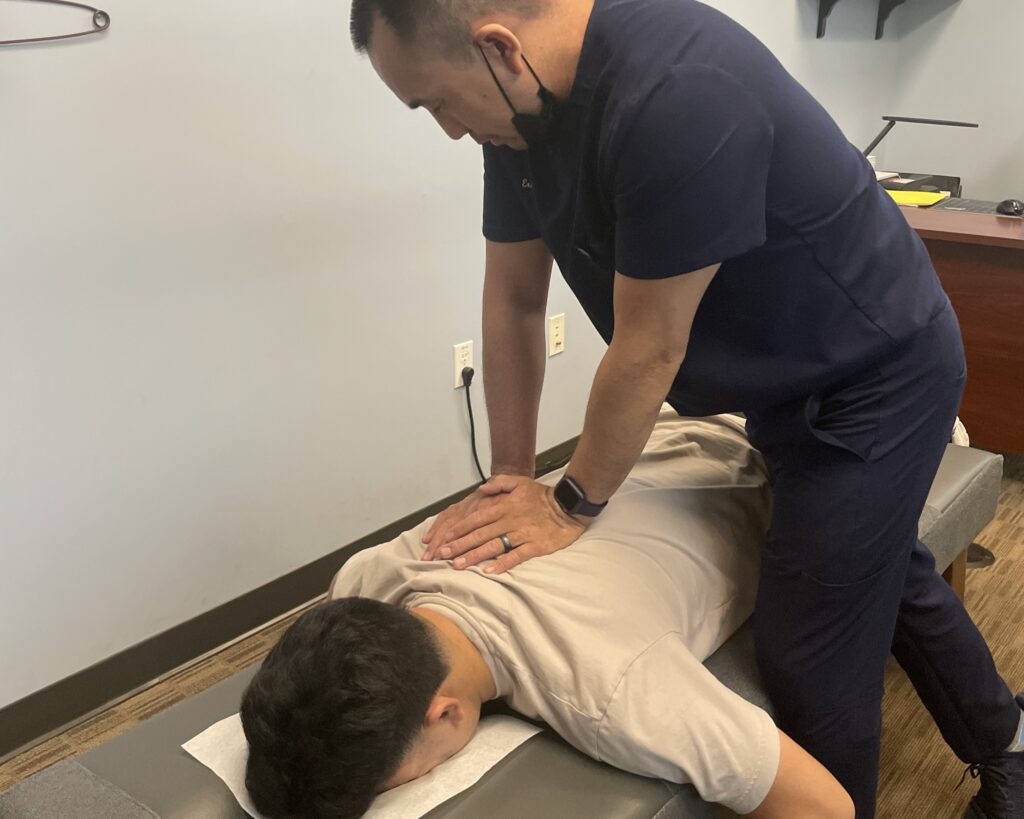
As a local chiropractor, I want to assure you that if you’re experiencing back pain, you’re not alone in this journey. Many individuals face discomfort that can hinder their daily activities. The good news is that there are natural solutions to help alleviate this pain without the need for medication.
One of the fundamental approaches I recommend is focusing on your posture. Proper alignment can significantly reduce strain on your back. Additionally, I encourage patients to explore relaxation techniques, which can help ease tension in the muscles surrounding the spine.
Are you intrigued by how these natural methods can enhance your well-being? Let’s delve into some effective strategies that I often share with my patients, which may lead to the relief you’re seeking. Together, we can work towards a healthier, pain-free lifestyle!
Maintain Good Posture
As a local chiropractor, I want to emphasize the importance of maintaining good posture for your overall health, particularly in preventing and alleviating back pain.
It’s crucial to be aware of your body alignment when you sit or stand. I encourage you to keep your shoulders back, maintain a straight spine, and ensure your feet are flat on the ground. If you find yourself sitting for extended periods, consider investing in an ergonomic chair designed to support your lower back effectively.
Additionally, adjusting your workspace so that your computer screen is at eye level can significantly reduce the strain on your neck and back.
When walking, visualize a string pulling you upward from the top of your head. This mental image can help you maintain a tall and upright posture. Slouching can exert unnecessary pressure on your spine, which is something we want to avoid.
I also recommend taking short breaks to stretch and reset your posture throughout the day. By incorporating these simple adjustments into your routine, you can’t only enhance your posture but also significantly lower your risk of developing chronic back pain.
Stay Active With Regular Exercise
As a local chiropractor, I want to emphasize the importance of staying active with regular exercise, especially when it comes to managing back pain. Engaging in physical activity not only helps to strengthen your muscles but also enhances flexibility and alleviates stiffness.
Understanding how movement impacts your body is crucial for your overall well-being.
Let me guide you through some recommended exercises that can help you stay active, reduce discomfort, and promote natural healing. It’s essential to find activities that work for you and complement the care you receive in our clinic.
Benefits of Exercise
As a local chiropractor, I want to share with you how regular exercise can significantly alleviate back pain, a common issue I see in my practice. Engaging in physical activity helps strengthen the muscles that support your spine, which in turn improves your posture and reduces strain on your back. Staying active also enhances your flexibility, making it easier to avoid stiffness and discomfort that can accompany a sedentary lifestyle.
Moreover, exercise promotes better blood flow, which is essential for healing any affected areas and reducing inflammation. One of the remarkable benefits of being active is the release of endorphins—your body’s natural painkillers. This not only helps to elevate your mood but also lowers your perception of pain, making you feel more at ease.
You may also notice that incorporating consistent movement into your daily routine leads to increased energy levels and an overall improvement in your well-being.
Regular exercise isn’t just about managing back pain; it can greatly enhance your quality of life. So, I encourage you to get moving and experience the positive changes for yourself!
If you have any questions or need guidance on how to start, don’t hesitate to ask. Your journey to better health is just a step away!
Recommended Activities
As a local chiropractor dedicated to helping you understand the benefits of natural healing for back pain relief, I want to emphasize the importance of staying active with enjoyable and safe activities.
Regular exercise not only strengthens your back but also enhances flexibility, which is vital for maintaining overall spinal health. Here are some activities I recommend:
- Walking: This is a gentle yet effective way to keep your body moving without putting unnecessary strain on your back.
- Swimming: Engaging in swimming provides a low-impact workout, allowing you to exercise while your body is supported by water, reducing stress on your joints and spine.
- Yoga: Practicing yoga can significantly improve your flexibility and core strength, both of which are essential for alleviating back pain and promoting proper alignment.
- Pilates: This exercise method focuses on core stability, which is crucial for enhancing posture and building strength in your back muscles.
Integrating these activities into your daily routine can empower you to manage back pain naturally and effectively.
Incorporate Stretching Into Your Routine
As a local chiropractor, I want to emphasize the importance of incorporating stretching into your daily routine to help alleviate back pain and improve overall flexibility. Many of my patients have found that dedicating just a few minutes each day to stretching can significantly relieve muscle tension and enhance posture.
I recommend focusing on stretches that target key areas like your back, hips, and legs, as these regions often contribute to discomfort. Simple stretches, such as the cat-cow pose, child’s pose, and hamstring stretches, aren’t only easy to perform but can also be incredibly effective in promoting relief.
When you stretch, aim to hold each position for 15 to 30 seconds while taking deep breaths. This approach maximizes the benefits, and you don’t need to spend a lot of time to feel a difference.
Consider weaving stretching into your morning routine, or if you have a sedentary job, take breaks throughout the day to stretch. It’s about consistency—aim to stretch daily to achieve the best results.
This small addition to your routine can lead to significant improvements in how you feel and function, and it complements the chiropractic care I provide. Embracing these natural healing practices can enhance your overall well-being and support your journey to a healthier back.
Use Heat and Cold Therapy
As a local chiropractor, I want to share with you how heat and cold therapy can significantly help alleviate back pain. Many of my patients find that these natural methods not only reduce discomfort but also promote healing by addressing inflammation and muscle tension.
Here’s how to use heat and cold therapy effectively:
- Cold Therapy: Start with cold therapy by applying an ice pack wrapped in a towel to the painful area for about 15-20 minutes. This helps numb the pain and minimize swelling, making it an excellent first step after any acute injury or flare-up.
- Heat Therapy: After the initial cold treatment, you can introduce heat therapy. Using a heating pad or a warm towel on your back for 15-20 minutes encourages muscle relaxation and enhances blood circulation, which is vital for healing.
- Alternating Treatments: For the best results, consider alternating between heat and cold. Start with cold therapy to reduce inflammation, then follow up with heat to soothe tight muscles. This combination can provide comprehensive relief.
- Timing: It’s beneficial to use these therapies multiple times a day, especially after engaging in physical activities or during long periods of sitting. This regular application can help you maintain comfort and mobility throughout your day.
By incorporating heat and cold therapy into your routine, you can experience significant improvements in your back pain management.
If you have any questions or would like to explore further treatment options, feel free to reach out to our office. Your journey to wellness is our priority!
Explore Yoga and Pilates
As a chiropractor dedicated to helping my patients achieve optimal health, I often recommend exploring the benefits of yoga and Pilates, especially for those experiencing back pain.
These practices can be highly effective for improving flexibility and building core strength, both of which are essential for supporting the spine and maintaining proper alignment.
Incorporating yoga and Pilates into your wellness routine not only aids in alleviating discomfort but also promotes overall physical and mental well-being.
By focusing on breath control, mindful movement, and body awareness, you may discover a natural path to relief and improved health.
If you’re interested in learning more about how these practices can complement chiropractic care, I’m here to guide you on your journey to better health.
Benefits of Yoga
As a local chiropractor, I want to share some valuable insights about how yoga can complement your journey to alleviate back pain and enhance your overall well-being.
Incorporating yoga into your routine can provide numerous benefits, including:
- Increased Flexibility: Engaging in regular yoga practice helps to loosen tight muscles, which can significantly improve your ability to move without discomfort.
- Strengthened Core: Many yoga poses focus on engaging the core muscles. A strong core is essential for providing stability and support to the spine, which can help prevent and alleviate back pain.
- Improved Posture: Yoga promotes increased awareness of your body alignment. By practicing yoga, you can correct poor posture habits that might be contributing to your back pain, leading to a healthier spine.
- Stress Relief: The mindful breathing and relaxation techniques inherent in yoga are excellent for reducing stress. High levels of stress can often exacerbate pain, so incorporating these practices can be beneficial for overall comfort.
By integrating yoga into your wellness routine, you can take proactive steps towards managing your back pain and fostering better health.
Pilates for Core Strength
As a local chiropractor, I want to share how incorporating Pilates into your fitness routine can greatly benefit your core strength and overall well-being. Many of my patients have found that Pilates complements the benefits of other practices, such as yoga, by focusing on controlled movements that emphasize core stability, flexibility, and balance.
When you engage in Pilates, you activate your deep abdominal muscles, which plays a vital role in improving posture and supporting your spine. This is particularly beneficial for those who experience back pain, as a strong core can help alleviate tension and discomfort.
Exercises like the Hundred and the Plank are excellent choices for targeting your entire core, fostering a greater awareness of your body. As your core becomes stronger, you may notice enhanced support for your back, which can lead to reduced pain and increased comfort in your daily activities.
I encourage you to consider joining a Pilates class or exploring online tutorials to guide your practice. With regular participation, Pilates can serve as a valuable component in managing back pain naturally and advancing your overall fitness journey.
Try Acupuncture
As a local chiropractor, I often encounter patients who are seeking relief from back pain through traditional methods. However, I encourage you to consider acupuncture as a rejuvenating alternative that complements chiropractic care. This ancient practice involves the insertion of thin needles into specific points on your body, which can help relieve pain and promote healing.
Here’s how acupuncture can benefit you:
- Pain Relief: Many of my patients have experienced significant reductions in back pain symptoms after acupuncture sessions. This practice stimulates the body’s natural painkillers, providing a holistic approach to pain management.
- Improved Circulation: Acupuncture can enhance blood flow, which is vital for delivering oxygen and nutrients to your muscles and tissues. Improved circulation can aid in recovery and alleviate discomfort.
- Stress Reduction: Stress often contributes to muscle tension and back pain. Acupuncture has been shown to lower stress levels, providing not only physical relief but also mental relaxation.
- Enhanced Mobility: For those struggling with flexibility and range of motion, regular acupuncture sessions can help improve mobility, making everyday activities more manageable.
If you’re curious about acupuncture, I recommend consulting with a licensed practitioner who can tailor the treatment to your specific needs.
Together with chiropractic adjustments, acupuncture can become a valuable tool in your journey toward natural back pain management and overall wellness.
Consider Massage Therapy
As a local chiropractor, I want to share how effective massage therapy can be in alleviating back pain.
Many patients are unaware that various massage techniques can be specifically tailored to address their unique needs and conditions. Regular massage sessions can provide substantial relief and contribute to overall wellness.
It’s crucial to work with a qualified therapist who understands your specific issues, just as I do in my practice, to achieve the best results.
Integrating massage with chiropractic care can enhance your healing process and improve your quality of life.
Types of Massage Techniques
As a local chiropractor, I want to share how massage therapy can be a beneficial complement to your chiropractic care, especially for relieving back pain.
There are several techniques that can specifically target your discomfort, helping you to achieve better overall health and wellness.
Let’s explore four popular massage techniques that I often recommend to my patients:
- Swedish Massage: This technique employs long, flowing strokes that not only help to relax your muscles but also enhance circulation. It’s a gentle way to unwind and ease tension in your body.
- Deep Tissue Massage: If you’re dealing with chronic pain or tightness, deep tissue massage might be what you need. This technique focuses on the deeper layers of muscle and connective tissue, effectively addressing those stubborn areas of tension.
- Trigger Point Therapy: Many people suffer from tight “knots” in their muscles that can lead to discomfort and pain. Trigger point therapy targets these specific areas to release tension and alleviate pain, providing much-needed relief.
- Myofascial Release: In addition to muscle work, myofascial release targets the fascia—the connective tissue that surrounds muscles. By applying gentle pressure and stretching, this technique promotes relaxation and can significantly reduce pain.
I encourage you to explore these different massage techniques to find out which one works best for your individual needs.
Combining these therapies with chiropractic adjustments can enhance your recovery and support your journey towards better health.
Benefits of Regular Sessions
As a local chiropractor, I want to share how regular sessions of massage therapy can significantly enhance your overall health and well-being, particularly if you’re experiencing back pain.
By committing to consistent visits, you can find substantial relief from tight muscles and tension, which are often contributors to discomfort.
Regular massage therapy not only helps alleviate pain but also improves your flexibility and range of motion, making daily activities easier and more enjoyable.
Many of my patients report noticing better posture and lower stress levels after integrating massage into their routine, as it promotes relaxation and can even enhance sleep quality.
Moreover, consistent sessions can improve circulation, which is vital for healing and reducing inflammation.
Incorporating massage therapy into your wellness routine can lead to a more balanced state of physical and mental health, allowing you to manage back pain more effectively.
I encourage you to consider how these natural healing methods can support your journey toward a healthier, pain-free life.
Finding a Qualified Therapist
If you’re considering chiropractic care for your wellness needs, it’s important to find a qualified chiropractor who can provide effective treatment.
Here are four steps to help you in your search:
- Verify Qualifications: Ensure that the chiropractor is licensed and has the necessary certifications in chiropractic care. This will give you confidence in their expertise.
- Explore Patient Feedback: Look for reviews and testimonials from other patients. This will help you understand their experiences and the effectiveness of the chiropractor’s methods.
- Seek Recommendations: Don’t hesitate to ask friends, family, or healthcare providers for their trusted referrals. Personal recommendations can lead you to reputable practitioners.
- Schedule an Initial Consultation: Meet with the chiropractor to discuss your health concerns and treatment goals. This is a great opportunity to assess their approach and determine if they align with your needs.
Utilize Herbal Remedies
As a chiropractor committed to your holistic well-being, I want to share how herbal remedies can be an effective part of your pain management strategy, particularly for back pain. Many of my patients have found success in incorporating natural solutions into their lives alongside chiropractic care.
One of the most powerful herbs to consider is turmeric. This golden spice contains curcumin, which is known for its anti-inflammatory properties that can help reduce both swelling and pain. You can easily add turmeric to your meals or opt for a supplement if you prefer.
Another fantastic option is willow bark, often referred to as “nature’s aspirin.” It has been used for centuries to alleviate pain and can help improve your mobility. You can find willow bark in various forms, such as teas or capsules.
If you’re looking for topical relief, essential oils like peppermint and eucalyptus can be very beneficial. By mixing these oils with a carrier oil, you can create a soothing massage blend to apply to the affected areas of your back.
Don’t forget the calming effects of chamomile and valerian root. These herbs can help promote relaxation and improve your sleep quality, which is crucial for your body’s healing process. A well-rested body has a better chance of recovering from pain.
As with any new treatment, I always advise consulting with a healthcare professional before starting an herbal regimen. Integrating these natural remedies with chiropractic care can enhance your overall health and well-being.
Practice Mindfulness and Relaxation Techniques
As a chiropractor, I often emphasize the importance of a holistic approach to managing back pain. Alongside chiropractic adjustments and herbal remedies, practicing mindfulness and relaxation techniques can significantly enhance your overall treatment.
These methods are particularly effective in reducing stress, which can aggravate your pain. Here are four techniques that you can easily integrate into your daily life:
- Deep Breathing: Start by focusing on your breath. Inhale deeply through your nose, hold for a moment, and then exhale slowly through your mouth. Repeat this process several times. This simple practice can help calm your mind and body.
- Meditation: Set aside a few minutes each day to sit in a quiet space. Observe your thoughts without judgment. This practice can shift your perspective on pain, helping you cultivate a more positive mindset.
- Progressive Muscle Relaxation: Begin by tensing and then relaxing each muscle group in your body, starting from your toes and working your way up. This technique can effectively alleviate physical tension and promote relaxation.
- Gentle Yoga: Incorporate gentle stretching and yoga poses into your routine. These movements can enhance flexibility and relax your muscles, ultimately reducing tension in your back.
By incorporating these mindfulness and relaxation techniques into your daily routine, you can empower yourself in managing your back pain more effectively.
Evaluate Your Sleep Environment
As a local chiropractor dedicated to your overall well-being, I want to emphasize the importance of your sleep environment in managing back pain.
Let’s explore how you can assess and optimize your sleep setup for better health.
First and foremost, take a close look at your mattress. An unsuitable mattress—whether too soft or too firm—can worsen your back pain. Ideally, you should aim for a medium-firm mattress that maintains your spine’s natural alignment, providing the support you need for restful sleep.
Next, let’s talk about pillows. The right pillow can make a world of difference in how you feel when you wake up. Your pillow should adequately support your neck without causing any strain. If you sleep on your side, a thicker pillow may be beneficial, while back sleepers often find that a flatter pillow works best.
It’s also essential to consider your bedding and the overall temperature of your room. A cool, comfortable sleep environment can help facilitate deeper, more restorative sleep. Additionally, try to minimize any noise and light in your bedroom to cultivate a calming atmosphere conducive to relaxation.
Finally, let’s discuss sleep positions. For those of you who may not be aware, certain positions can significantly impact your back health. I recommend sleeping on your side with a pillow placed between your knees to maintain spinal alignment. Alternatively, sleeping on your back with a pillow under your knees can also provide relief.
These adjustments can lead to a marked improvement in how you feel each morning.
Conclusion
As a local chiropractor, I want to share with you how incorporating natural methods can truly make a significant impact on alleviating your back pain. One of the first steps is to focus on maintaining good posture throughout your daily activities. This simple adjustment can help relieve pressure on your spine.
Additionally, staying active is crucial. Regular movement strengthens the muscles that support your back, reducing discomfort over time. I often recommend exploring therapies such as yoga or massage, which can help enhance flexibility and relieve tension in your muscles.
Creating a supportive sleep environment is also vital. A good mattress and proper pillow can play a key role in ensuring your spine maintains a healthy alignment while you rest. Furthermore, practicing mindfulness techniques can greatly assist in managing stress, which often contributes to physical pain.
Remember, taking small, consistent steps toward these natural methods can lead to lasting improvements in your back health. If you have any questions or would like to explore chiropractic care further, I’m here to help guide you on your journey to wellness. You can do this!