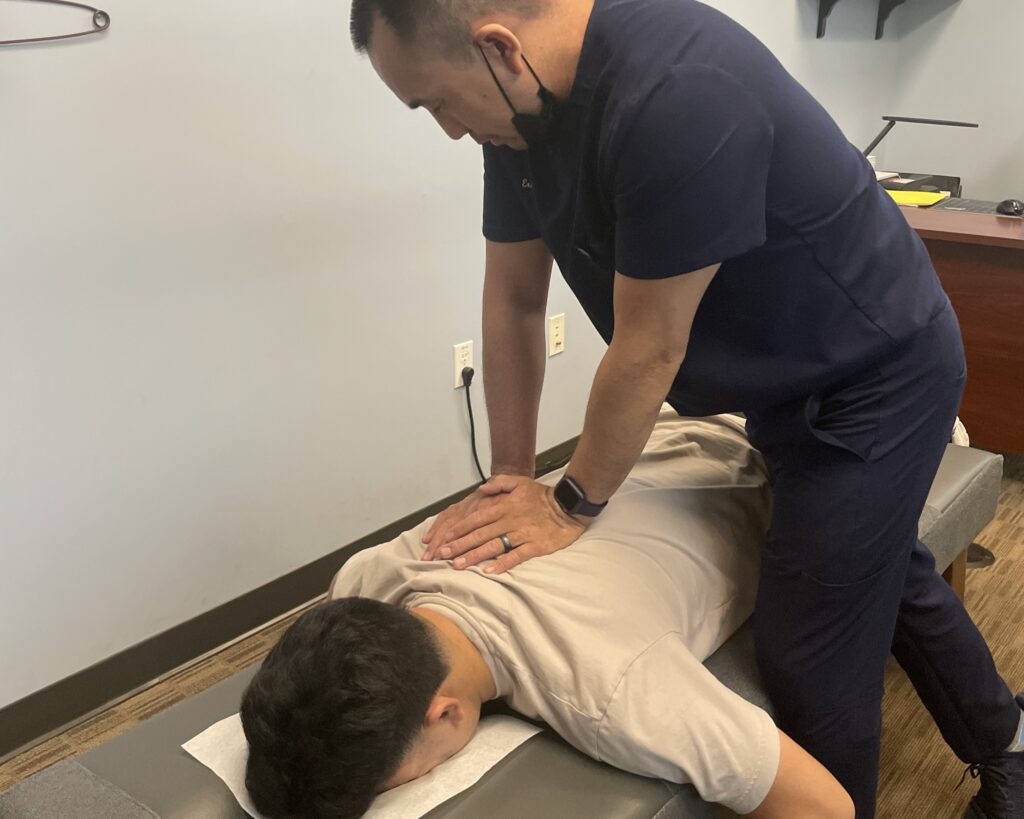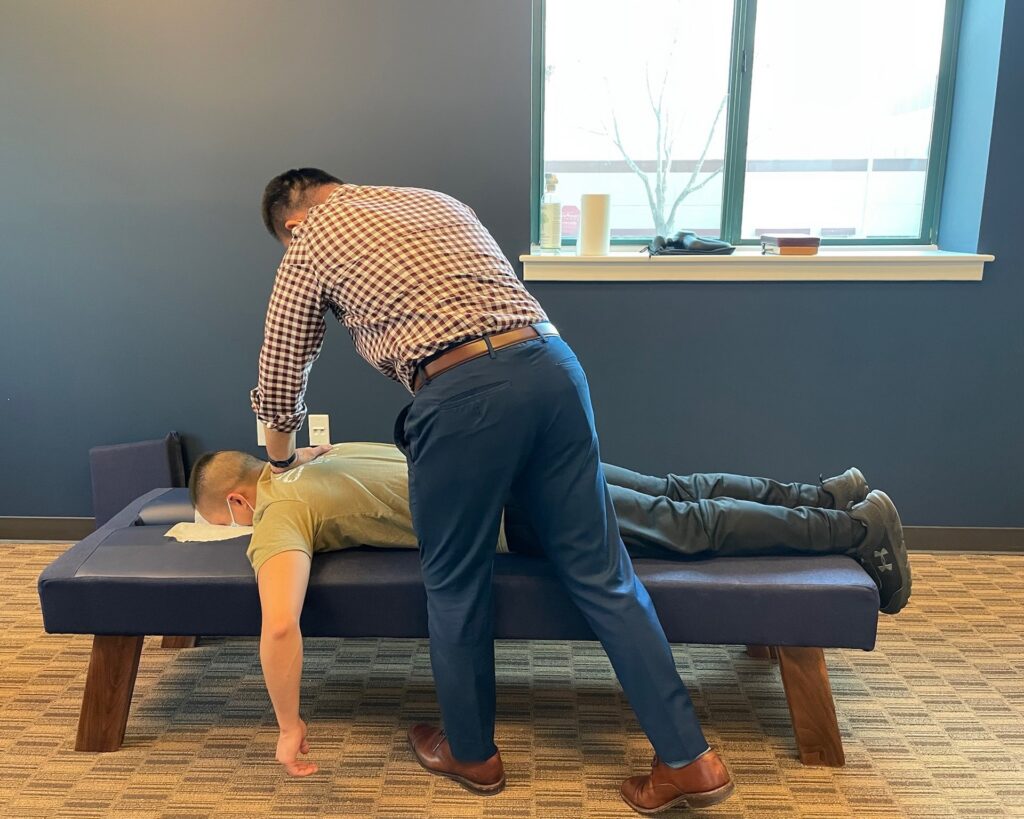
If you’ve recently suffered a whiplash injury, it’s crucial to understand that recovery goes beyond just alleviating pain; it’s about nurturing your overall health and well-being. As a chiropractor, I believe that a holistic approach is key to healing, and chiropractic care is one of the most effective ways to support your recovery.
First and foremost, gentle exercises tailored to your needs can help restore mobility and strengthen your neck and spine. Simple stretches and movements, guided by your chiropractor, can lead to significant improvements without the need for medications or invasive procedures.
Additionally, having the right support system in place is essential. This includes not only professional care from a chiropractor who understands your condition, but also support from family and friends who can encourage you along the way.
Here are some general tips to help you on your recovery journey:
- Stay Active: Engage in light physical activity as advised by your chiropractor. It can help reduce stiffness and promote healing.
- Practice Good Posture: Maintain proper alignment when sitting, standing, or sleeping. This can alleviate additional strain on your neck and spine.
- Use Heat and Cold Therapy: Applying a warm compress can help relax tight muscles, while cold therapy can reduce inflammation and numb sharp pain.
- Focus on Nutrition: Eating a balanced diet rich in anti-inflammatory foods can support your healing process. Incorporate fruits, vegetables, whole grains, and lean proteins into your meals.
- Stay Hydrated: Drinking plenty of water is vital for overall health and can aid in the recovery of soft tissues.
- Be Patient: Healing takes time, so listen to your body and don’t rush the recovery process.
By prioritizing chiropractic care, you are choosing a natural and effective path to pain relief and wellness. Together, we can develop a tailored recovery plan that addresses your unique needs and helps you regain your strength and mobility. Remember, you don’t have to navigate this journey alone—your chiropractor is here to guide you every step of the way.
Understanding Whiplash Injuries
Whiplash injuries are common in car accidents, where the neck is abruptly jerked back and forth. This sudden movement can cause strain on the muscles and ligaments in your neck, leading to pain and discomfort.
It’s important to recognize that whiplash isn’t just a minor issue; if left untreated, it can result in long-term effects. The severity of whiplash can differ significantly from person to person. Factors such as the speed of the collision and your body’s position at the time of impact are crucial.
You may not notice symptoms right away, as they can take hours or even days to manifest. Understanding how whiplash occurs underscores the importance of seeking early intervention. As a chiropractor, I recommend addressing any discomfort as soon as possible to facilitate your recovery and minimize the risk of chronic pain.
Chiropractic care is a natural, effective way to support your healing process. Through gentle adjustments and targeted therapies, we can help restore proper alignment to your spine and alleviate tension in your neck.
Here are some general tips to aid in your recovery from whiplash:
- Stay Active: Gentle movement can help maintain flexibility in your neck. Simple neck stretches and exercises can be beneficial. Just be sure to listen to your body and avoid any movements that cause pain.
- Apply Ice: If you experience swelling or discomfort, applying ice packs to the affected area can help reduce inflammation and numb the pain.
- Mind Your Posture: Maintaining good posture, especially when sitting or working at a desk, can prevent additional strain on your neck.
- Stay Hydrated: Drinking plenty of water supports overall health and helps keep your muscles and ligaments hydrated, promoting better recovery.
- Consider Chiropractic Care: Regular chiropractic adjustments can help restore proper function and alignment, easing pain and enhancing your body’s natural healing abilities.
Common Symptoms of Whiplash
If you’ve experienced whiplash, you may be dealing with some common symptoms that can significantly impact your daily life. Neck pain and stiffness, as well as headaches and dizziness, are all frequent issues that many people face after an injury. You might also find yourself feeling fatigued or having trouble sleeping. Recognizing these symptoms is crucial, as it allows you to take proactive steps toward recovery.
As a chiropractor, I want to emphasize the importance of addressing these symptoms naturally. Chiropractic care can help alleviate neck pain and stiffness by gently realigning the spine and improving overall function. This approach not only targets the source of your discomfort but also promotes your body’s natural healing processes.
In addition to visiting your chiropractor, there are some general tips you can incorporate into your daily routine to support your recovery. Applying ice to the affected area can reduce inflammation, and practicing gentle neck stretches can improve mobility.
Ensure you maintain good posture throughout the day, especially if you spend long hours sitting. This can help prevent further strain on your neck.
Neck Pain and Stiffness
When you’ve experienced whiplash, neck pain and stiffness can become immediate and ongoing challenges that affect your daily life. Turning your head might cause discomfort, and even simple actions like looking over your shoulder can feel daunting. This pain often arises from muscle strain, ligament sprain, or nerve irritation due to the sudden movement of the injury.
As your local chiropractor, I want to emphasize the importance of listening to your body. Pushing through the pain can lead to further complications, so it’s essential to take a gentle approach to your recovery. Chiropractic care is an excellent way to address these issues naturally. By focusing on spinal alignment and mobility, we can help reduce pain and stiffness, promoting healing and restoring your range of motion.
In addition to chiropractic adjustments, gentle stretching can be beneficial. Simple neck stretches can help ease tension and improve flexibility. Applying heat or ice can also provide relief—heat can soothe tight muscles, while ice can reduce inflammation.
Remember, taking care of these symptoms early on can significantly enhance your recovery experience. Chiropractic care not only helps alleviate pain but also supports overall wellness, ensuring you can return to your daily activities with confidence.
Embrace a healthier lifestyle today by considering chiropractic as your go-to option for natural healing and optimal health!
Headaches and Dizziness
After a whiplash injury, neck pain and stiffness can be just the beginning of your challenges; often, headaches and dizziness can join the mix. These headaches may feel like tension headaches or even resemble migraines, making it difficult to focus on your daily activities. Dizziness can also occur, leaving you feeling unsteady or lightheaded, which can be quite concerning.
The connection between headaches, dizziness, and neck strain is important to understand. When your neck muscles are stressed, it can lead to these uncomfortable symptoms. That’s why addressing them early in your recovery journey is crucial. Chiropractic care can be a powerful ally in alleviating these symptoms. Through gentle adjustments and targeted therapies, a chiropractor can help relieve tension in your neck and promote better alignment, which can reduce headaches and dizziness.
In addition to chiropractic treatment, there are some simple tips you can incorporate into your routine. Gentle neck stretches can help ease tension, while staying well-hydrated is vital for overall wellness and can aid in reducing headaches. Managing stress through relaxation techniques, such as deep breathing or mindfulness, may also be beneficial.
If you find that your headaches or dizziness persist, it’s essential to consult a chiropractor who can tailor a plan specific to your needs. Embracing chiropractic care not only addresses your immediate discomfort but also supports your overall health and wellness, helping you to live your life to the fullest.
Fatigue and Sleep Issues
Experiencing fatigue and sleep issues after a whiplash injury can be quite frustrating, and it’s important to know that these symptoms can hinder your recovery process. If you’re finding it tough to fall asleep or stay asleep, you may notice an increase in tiredness during the day, which can affect your ability to focus, manage discomfort, and complete daily tasks.
One of the best ways to improve your sleep is by establishing a calming bedtime routine. This could include activities like gentle stretching, reading a book, or practicing deep breathing exercises.
Limiting screen time before bed is also crucial, as the blue light emitted by devices can disrupt your natural sleep cycle.
Creating a comfortable sleep environment can make a significant difference as well. Ensure your bedroom is dark, quiet, and at a comfortable temperature to promote better rest.
Incorporating gentle exercises, like yoga or light walking, into your day can help reduce tension in your body and prepare you for a restful night. Techniques such as mindfulness and relaxation can also enhance your sleep quality, helping you feel more refreshed when you wake up.
If you continue to struggle with sleep issues, it may be worth considering chiropractic care. Chiropractic adjustments can help improve your spinal alignment and reduce tension in your body, which can lead to better sleep and overall well-being.
A chiropractor can also provide personalized recommendations to support your recovery and enhance your quality of life.
The Role of Physical Therapy
Whiplash can cause considerable pain and discomfort, but chiropractic care is a powerful ally in your recovery journey. Unlike traditional methods, chiropractic focuses on restoring the natural alignment of your spine, which can significantly alleviate pain and improve your overall well-being.
A personalized chiropractic treatment plan will often include gentle adjustments, exercises to enhance your range of motion, and techniques to strengthen the muscles around your neck. Your chiropractor will evaluate your specific needs and create a tailored approach that works best for you.
As you engage in chiropractic care, you may notice a marked improvement in your flexibility and a decrease in pain levels. Consistency is key; attending your appointments regularly and following your chiropractor’s advice at home will enhance your recovery.
Chiropractic care also emphasizes the importance of proper posture and body mechanics to prevent future injuries. Simple changes in your daily habits can make a significant difference. For example, being mindful of your posture while sitting or using ergonomic tools at work can help maintain spinal health.
Remember, healing takes time, and being patient with yourself is essential. By choosing chiropractic care, you’re empowering yourself on the path to regain mobility and achieve optimal health after a whiplash injury.
Embrace this natural approach to wellness and let it guide you toward a healthier, pain-free life.
Pain Management Techniques
When dealing with whiplash, managing pain is crucial for your recovery, and chiropractic care can be a powerful solution. As a chiropractor, I believe in the body’s natural ability to heal itself, and I encourage you to explore chiropractic adjustments and therapies that can help alleviate your discomfort and promote healing.
Chiropractic care focuses on aligning your spine and improving your overall function, which can significantly reduce pain and enhance mobility. Regular adjustments can relieve tension in the neck and surrounding muscles, allowing your body to recover more effectively.
In addition to chiropractic adjustments, there are several strategies you can incorporate into your daily routine to aid in your recovery:
- Gentle Stretching: Simple neck stretches can help improve flexibility and reduce stiffness. Always listen to your body and avoid any movements that cause pain.
- Ice Therapy: Applying ice packs to the affected area can help reduce inflammation and numb the pain. Remember to wrap the ice in a cloth to protect your skin.
- Good Posture: Maintaining proper posture, especially while sitting or working at a desk, can greatly alleviate neck strain. Ensure that your workspace is ergonomically arranged to support your spine.
- Hydration: Staying well-hydrated supports overall health and can help keep your muscles and joints functioning optimally.
- Rest and Recovery: Allow your body time to heal. While movement is essential, don’t overdo it—balance activity with adequate rest.
By prioritizing chiropractic care and these natural strategies, you can take control of your pain management and support your body’s healing process.
Medication Options
Recovering from whiplash can be a challenging journey, but effective pain management is key to getting back on your feet. As a chiropractor, I believe that natural healing methods, such as chiropractic care, can play a vital role in alleviating pain and promoting overall wellness.
Instead of reaching for over-the-counter pain relievers or stronger medications, consider exploring chiropractic adjustments. These gentle manipulations can help realign the spine, reduce tension in the muscles, and promote better blood flow, all of which can lead to significant pain relief.
In addition to chiropractic care, there are simple, everyday practices you can incorporate into your routine to support your recovery. Gentle stretching, staying hydrated, and applying heat packs to sore areas can all help ease discomfort.
You might also find that maintaining good posture and using ergonomic furniture can prevent further strain on your neck and back.
Always remember to communicate openly with your chiropractor about your pain levels and progress. This collaborative approach ensures that your treatment plan is tailored to your specific needs.
Physical Therapy Approaches
Chiropractic care is a vital component of an effective recovery plan for whiplash, and it can significantly enhance your healing journey. Our approach focuses on restoring your neck’s mobility and strength naturally, helping you regain full function without the need for surgery or medications.
During your chiropractic sessions, we utilize gentle adjustments to realign your spine and relieve pressure from the nerves in your neck. This can lead to a noticeable reduction in pain and improved overall function.
Additionally, we may incorporate techniques such as soft tissue therapy and stretching exercises to help relax tight muscles and promote flexibility.
It’s also essential to understand the importance of proper posture and ergonomics in your daily life. Simple changes, like adjusting your workstation or being mindful of how you carry your bag, can prevent future injuries and support your recovery process.
Remember, consistency is key! Regular chiropractic visits won’t only help you heal but also empower you to take charge of your health.
Importance of Rest and Recovery
After experiencing a whiplash injury, it can be tempting to dive right back into your daily routine. However, prioritizing proper rest and recovery is crucial for your healing journey. Rushing back into activities can lead to prolonged pain and setbacks, making your recovery longer than necessary. Taking the time to rest allows your body to heal effectively, and it’s essential to pay attention to how you’re feeling.
Here are some important reasons why rest is vital for recovery:
- Reduces inflammation: Allowing your neck the time it needs to heal helps decrease swelling and discomfort. This is a key step in feeling better and can make a significant difference in your recovery timeline.
- Promotes tissue repair: Rest supports the healing of damaged muscles and ligaments. By giving your body the downtime it needs, you’re aiding the natural healing processes that occur.
- Prevents chronic pain: Overdoing it can lead to long-term issues that are much harder to treat. By taking a step back and allowing yourself to rest, you can help prevent these ongoing problems.
- Improves overall well-being: Adequate recovery time doesn’t just help your body; it also boosts your mental state. A clear mind prepares you for the rehabilitation process, making it more effective.
In addition to rest, consider incorporating gentle chiropractic care into your recovery plan. Chiropractors are trained to help manage pain and promote natural healing through spinal adjustments and therapies that enhance your overall wellness.
Here are some general tips to keep in mind:
- Listen to your body: If you feel pain or discomfort, it’s a sign that you may need more rest. Don’t ignore these signals.
- Stay hydrated: Drinking plenty of water can help reduce inflammation and support overall healing.
- Practice gentle stretches: Once you’re ready, simple neck stretches can aid in recovery, but always consult your chiropractor for guidance on what’s safe for you.
- Prioritize sleep: Quality sleep is essential for healing, so make sure you’re getting enough rest each night.
Psychological Support and Counseling
When facing the aftermath of a whiplash injury, it’s crucial to recognize the emotional and psychological impact it can have on your overall well-being. Stress, anxiety, and frustration are common feelings during recovery, and acknowledging these emotions is an important step in the healing process. As a local chiropractor, I encourage you to seek support as you navigate these challenges.
Chiropractic care isn’t just about physical adjustments; it also plays a vital role in your emotional health. By improving spinal alignment, we can help reduce pain and discomfort, which in turn can alleviate some of the stress and anxiety you might be feeling. Regular chiropractic visits can promote relaxation and enhance your body’s natural healing abilities, contributing to a more positive outlook during recovery.
Consider joining support groups where you can connect with others who are experiencing similar challenges. Sharing your experiences can foster a sense of community and help lessen feelings of isolation. Remember, you’re not alone on this journey.
Involving family and friends in your healing process can also be beneficial. Their support can provide encouragement and help boost your emotional well-being as you work towards recovery.
Above all, prioritizing your mental health is as essential as managing your physical symptoms. Incorporating chiropractic care into your recovery plan not only addresses pain relief but also supports a holistic approach to health.
Focus on maintaining a balanced lifestyle with proper nutrition, regular exercise, and stress-reduction techniques. These practices can significantly enhance your recovery experience and help you regain a sense of normalcy.
Lifestyle Modifications for Recovery
As you navigate the emotional challenges of recovery, making specific lifestyle modifications can significantly enhance your healing journey. Incorporating healthy habits into your daily routine not only helps alleviate discomfort but also promotes overall well-being.
Here are some practical tips to consider, with an emphasis on how chiropractic care can support your recovery:
– Stay Active: Gentle exercises like walking or stretching are excellent ways to keep your body moving. These activities can improve circulation and reduce stiffness, which is essential for maintaining spinal health.
Regular chiropractic adjustments can also help ensure your spine is aligned, making it easier to stay active.
– Eat Nutritious Foods: A balanced diet filled with fruits, vegetables, lean proteins, and whole grains is crucial for supporting your recovery. Proper nutrition fuels your body and helps it heal.
Remember, chiropractic care can enhance your digestive health, making it easier for your body to absorb the nutrients it needs.
– Prioritize Sleep: Ensuring you get enough rest is vital for recovery. Establishing a calming bedtime routine can significantly improve your sleep quality.
Additionally, chiropractic adjustments can help alleviate discomfort that might be keeping you up at night, allowing you to wake up refreshed and ready to tackle the day.
– Manage Stress: Stress can hinder your recovery process, so it’s important to find ways to relax. Techniques such as deep breathing or meditation can help reduce anxiety and foster a positive mindset.
Chiropractic care can also play a role in stress management, as it helps relieve tension in your body, promoting a sense of calm and well-being.
By incorporating these lifestyle modifications and considering chiropractic care as a part of your healing process, you can create a path toward optimal health and wellness.
When to Seek Further Medical Attention
Knowing when to seek further care is essential for your recovery from whiplash, and chiropractic care can play a vital role in your healing journey. If you notice worsening pain, numbness, or tingling in your arms or hands, it’s important to consult a chiropractor who specializes in spinal health. These symptoms could indicate that your spine is misaligned, which is something a skilled chiropractor can assess and address.
Additionally, if you experience severe headaches, dizziness, or vision problems, don’t hesitate to seek help. These symptoms may suggest that your body is struggling to find balance, and chiropractic adjustments can help restore that balance and improve your overall well-being.
If your pain isn’t improving after a few weeks, or if you notice any new symptoms, reach out to your chiropractor. By maintaining open communication, they can evaluate your progress and fine-tune your treatment plan to ensure you’re on the right path to recovery.
Remember, chiropractic care not only focuses on pain relief but also promotes natural healing and optimal health. Trusting your instincts is key—if something feels off, listen to your body. It’s always better to be proactive about your health.
Seeking chiropractic care can help you address concerns and get back on track toward a healthier, pain-free life. Your health is worth it, and with the right support, you can achieve your wellness goals.
In the meantime, consider incorporating gentle stretching and neck exercises as part of your routine. Staying hydrated and maintaining good posture can also support your recovery.
Embracing these simple lifestyle changes can enhance the benefits of your chiropractic care and promote a healthier, more vibrant you.
Conclusion
In summary, navigating your whiplash recovery can be smooth and effective with the right approach. Emphasizing gentle exercise, effective pain management, and emotional support is key. Staying active, utilizing ice and heat therapy, and maintaining good posture are all vital for your healing process. Rest and staying hydrated are equally important, along with regular visits to your chiropractor, who can guide you on your path to recovery.
Chiropractic care is a natural and holistic way to address pain relief and support your body’s healing capabilities. By incorporating chiropractic adjustments, you can help restore proper alignment and function to your spine, which can alleviate pain and discomfort associated with whiplash.
Additionally, here are some tips to enhance your recovery journey:
- Gentle Stretching: Incorporate gentle neck stretches to improve mobility and reduce stiffness.
- Ice and Heat: Use ice packs for the first 48 hours to reduce swelling, then switch to heat to soothe tight muscles.
- Posture Awareness: Be mindful of your posture when sitting or using electronic devices to avoid unnecessary strain on your neck.
- Hydration: Drink plenty of water to keep your body hydrated, which aids in tissue repair.
- Emotional Well-Being: Seek support from friends, family, or a counselor to help manage any stress or anxiety during your recovery.
By integrating these lifestyle modifications and prioritizing chiropractic care, you can enhance your recovery and return to your daily activities more effectively. Remember, your chiropractor is here to support you every step of the way on your journey to optimal health and wellness.