If you're experiencing back pain, please know that you're not alone, and I want to reassure you that there are effective techniques available to help alleviate your discomfort. As a local chiropractor, I've seen firsthand how simple practices like stretching and core strengthening exercises can significantly enhance flexibility and provide essential support for your spine.
Additionally, I often recommend adjusting your posture and using ergonomic furniture, as these changes can have a positive impact on your overall back health. However, I understand that some pains may persist despite these efforts. In such cases, alternative therapies and lifestyle modifications can be incredibly beneficial.
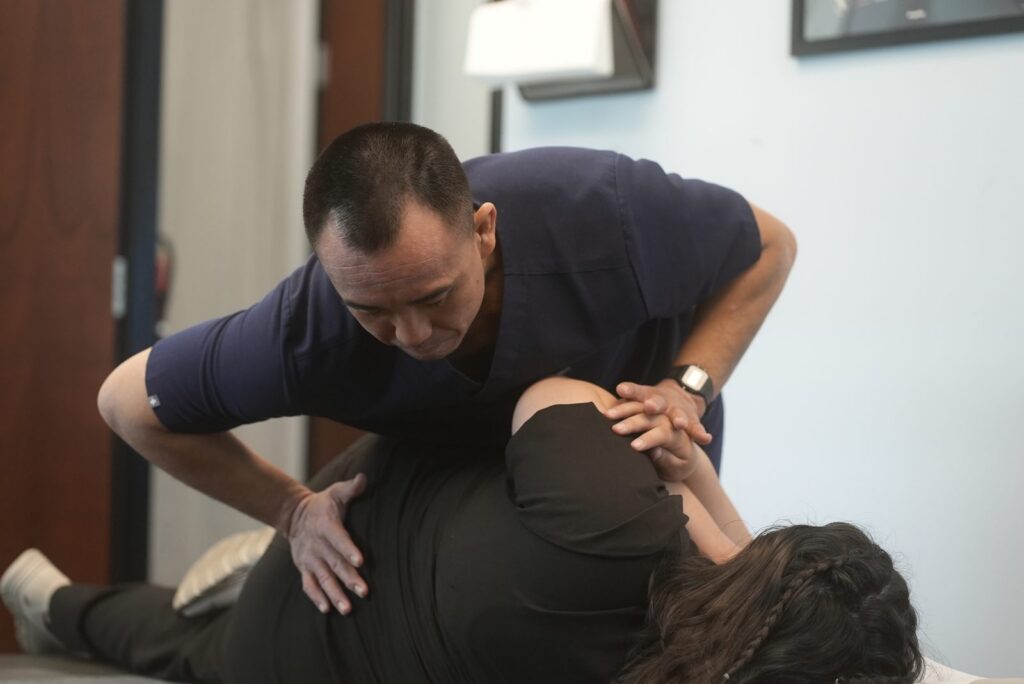
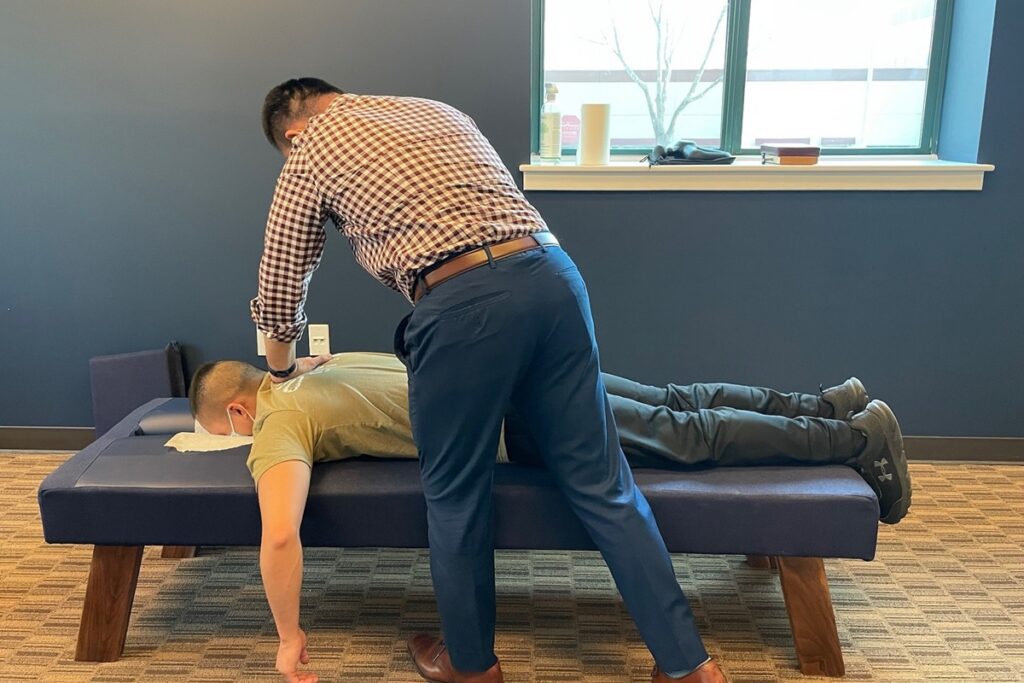
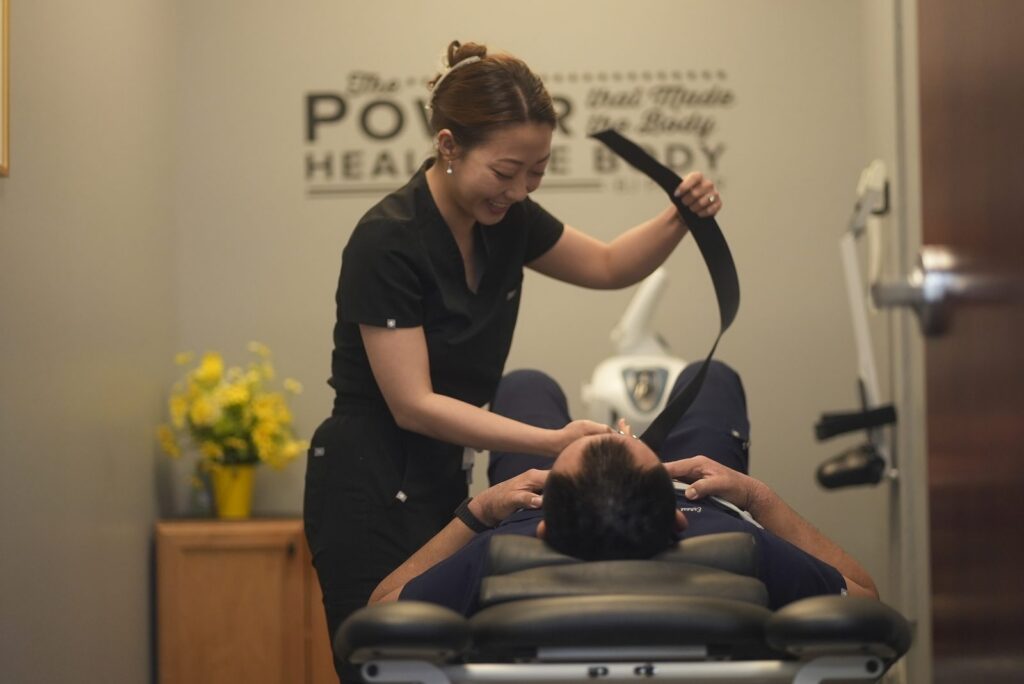
Chiropractic care, for instance, focuses on aligning the spine and improving the function of the nervous system, which can lead to remarkable pain relief. I encourage you to explore these options further with me, so we can find the best approach tailored specifically to your needs. Let's work together to uncover the solutions that can help you live a more comfortable and pain-free life.
Understanding Back Pain
As a local chiropractor, I want to help you understand back pain, which affects about 80% of people at some point in their lives. Many view back pain as just a minor inconvenience, but it can often indicate underlying issues within your body that deserve attention.
By understanding the different types of back pain, you can take steps toward addressing it more effectively. Acute back pain usually comes on suddenly and lasts from a few days to a few weeks. It's often the result of an injury or strain.
In contrast, chronic back pain persists for three months or longer, frequently arising from conditions like arthritis or disc degeneration. Recognizing the type of pain you're experiencing is the first step in our journey to relief.
Location matters when it comes to back pain. Lower back pain is particularly common and is often linked to factors such as poor posture or muscle strain.
On the other hand, upper back pain may arise from tension, often due to stress or prolonged periods spent sitting at a desk. Identifying where your pain originates can help us determine the best course of treatment together.
Lifestyle choices significantly impact your back health. If you're not physically active or are carrying extra weight, your risk of experiencing back pain increases.
Additionally, daily habits, such as how you lift objects or your sleeping position, can contribute to discomfort. As your chiropractor, I encourage you to evaluate these factors to gain a clearer understanding of your pain and how we can address it.
It's also important to consider the emotional component of back pain. Stress and anxiety can intensify your symptoms, making it essential to focus on both your physical and mental wellness.
By adopting a holistic approach to understanding your back pain, we can work together to develop effective relief strategies that encompass natural healing methods tailored to your needs.
Stretching Exercises for Relief
As a local chiropractor, I want to emphasize the importance of stretching for alleviating back pain and enhancing your overall flexibility.
Many people are unaware of how effective stretching techniques can be in relieving tension and improving mobility. By incorporating these simple yet powerful stretches into your daily routine, you can experience significant relief and better overall health.
Let's take a closer look at some stretches that can truly make a difference in how you feel.
Importance of Stretching
As a local chiropractor, I often see patients who underestimate the significant impact stretching can have on alleviating back pain. It's important to understand that stretching goes beyond just improving flexibility; it plays a vital role in preserving the health of your spine.
When you incorporate stretching into your daily routine, you enhance blood circulation, which is crucial for delivering essential nutrients to your muscles and tissues. This increase in blood flow helps to reduce stiffness and promote healing, which can be particularly beneficial for those dealing with chronic back pain.
Moreover, regular stretching can greatly improve your posture. Maintaining good posture is critical for a healthy spine and helps to prevent unnecessary strain on your back. By focusing on stretching your back, hips, and legs, you create a more balanced body that can better support you during everyday activities.
Tension in your muscles can lead to discomfort and pain, as tight muscles may pull on your spine. By incorporating stretching into your routine, you can alleviate muscle tension, which in turn reduces pressure on your spine and enhances your overall comfort.
Lastly, stretching fosters a greater awareness of your body. This mindfulness allows you to recognize when something feels off, empowering you to address potential issues before they escalate into more significant problems.
Effective Stretching Techniques
As a chiropractor, I want to emphasize the importance of incorporating effective stretching techniques into your daily routine, especially if you're dealing with back pain. Regular stretching can significantly enhance your efforts to relieve discomfort by improving flexibility, reducing muscle tension, and boosting blood flow to your back muscles.
Let's start with a simple yet effective stretch known as the cat-cow stretch. Begin on your hands and knees, and gently alternate between arching your back towards the ceiling and then lowering it towards the floor. This rhythmic movement not only warms up your spine but also helps to release built-up tension.
Next, consider the child's pose. Kneel down and sit back on your heels while extending your arms forward on the floor. This stretch is fantastic for elongating your spine and relaxing your back muscles, creating a sense of release and comfort.
Another beneficial stretch is the standing forward bend. Stand upright and hinge at your hips to reach for the ground. Allow your head to hang heavy; this simple action can help alleviate tension in your lower back and promote a sense of relaxation.
To conclude your stretching routine, try a seated spinal twist. Sit with one leg extended and the other leg crossed over it, then gently twist your torso towards the bent knee. This movement encourages spinal mobility and can help relieve any tightness you may be feeling.
Aim to hold each stretch for 20-30 seconds while breathing deeply. By incorporating these stretches into your routine regularly, you may experience a noticeable improvement in your back pain over time.
Strengthening Your Core
As a local chiropractor, I want to emphasize the importance of strengthening your core for overall spinal health and stability. A robust core not only supports your spine but also plays a vital role in preventing back pain, which many of my patients experience.
By developing your core muscles, you can enhance your ability to perform daily activities with greater ease and comfort.
Let's take a closer look at some effective core exercises that can significantly improve your back health. Incorporating these exercises into your routine can make a substantial difference in how you feel and function in your day-to-day life.
Importance of Core Stability
As a local chiropractor, I want to emphasize the importance of core stability in your overall health, particularly when it comes to alleviating back pain and preventing future injuries.
Many people may not realize that strong and engaged core muscles are crucial for supporting your spine. This support helps maintain proper posture and alignment, which can significantly reduce strain on your back and enhance your physical performance.
Here are some key reasons why focusing on core stability is essential for your well-being:
- Reduces strain on your lower back during everyday activities, making tasks feel easier and more comfortable.
- Improves balance and coordination, which can help prevent falls and injuries, especially as we age.
- Enhances athletic performance, enabling you to move more efficiently whether you're exercising or participating in sports.
- Supports proper posture, helping to minimize discomfort caused by poor habits like slouching.
- Promotes better overall movement, making daily tasks smoother and reducing the risk of injury.
Incorporating core stability exercises into your routine can be a natural and effective way to support your spine and improve your quality of life.
If you're interested in learning more about how chiropractic care can assist you in achieving better core stability and overall health, I encourage you to reach out for a consultation.
Effective Core Exercises
As a local chiropractor, I want to share with you some effective core exercises that can significantly boost your core stability and help alleviate back pain. Strengthening your core is crucial, as it not only supports your spine but also enhances your overall posture, effectively reducing the risk of experiencing future pain.
One great starting point is the plank exercise. Planks engage multiple muscle groups and are excellent for building core strength. Begin by holding a plank position for 20-30 seconds, and as you become more comfortable, gradually increase the duration to continue building strength.
Another beneficial exercise is the bridge. To perform this, lie on your back with your knees bent and feet flat on the floor. Lift your hips towards the ceiling while squeezing your glutes, holding the position for a few seconds before gently lowering back down. This exercise effectively targets the muscles in your lower back and glutes.
Bird-dogs are also fantastic for improving balance and coordination, which are essential for core stability. Start on all fours, then extend one arm forward while simultaneously extending the opposite leg behind you, keeping your back straight. Hold this position for a few seconds, then switch sides.
Lastly, I recommend incorporating dead bugs into your exercise routine. Lie on your back with your arms extended towards the ceiling and your knees bent at a 90-degree angle. Slowly lower one arm and the opposite leg towards the ground, then return to the starting position. Repeat this movement with the other arm and leg.
By regularly practicing these exercises, you can dramatically improve your core strength and help relieve back pain, complementing the chiropractic care you receive.
Posture Improvement Techniques
As your local chiropractor, I want to emphasize the importance of proper posture in alleviating back pain. Many people underestimate how much good posture can contribute to a healthier spine and reduced discomfort. When you maintain good posture, your body weight is evenly distributed, which minimizes the strain on your back muscles and spine.
Here are some effective techniques I recommend to help you improve your posture throughout your daily activities:
- Sit up straight: Ensure your feet are flat on the floor and your knees form a 90-degree angle. If you find it challenging to maintain this position, consider using a cushion for support in your lower back.
- Stand tall: It's essential to distribute your weight evenly between both feet. Engage your core muscles and keep your shoulders relaxed to support your spine's natural alignment.
- Invest in ergonomic furniture: Consider using a chair designed to support your lumbar region properly, and ensure your desk is at the right height to avoid slouching.
- Take regular breaks: If you're sitting for extended periods, it's vital to get up and stretch or walk around every 30 minutes. This practice can significantly relieve tension in your back.
- Practice mindful breathing: Deep, diaphragmatic breathing not only promotes relaxation but can also help align your spine and improve overall posture.
By incorporating these techniques into your daily routine, you can support your spine's health and reduce discomfort.
Alternative Therapies
As a local chiropractor, I want to share some insights on how you can manage back pain effectively by exploring various alternative therapies alongside chiropractic care. Improving your posture is just one piece of the puzzle; incorporating holistic approaches can significantly enhance your overall well-being.
One alternative therapy that has garnered attention is acupuncture. This practice involves the gentle insertion of thin needles into specific points on the body. Many of my patients have reported experiencing reduced pain and improved mobility after acupuncture sessions, making it a valuable addition to their treatment plans.
Chiropractic care, of course, is at the forefront of my practice. By utilizing spinal manipulation techniques, I can help realign your spine, alleviating pressure on nerves and improving your body's overall function. Regular chiropractic visits can play a crucial role in maintaining proper alignment and preventing future episodes of pain.
Massage therapy is another complementary approach that I often recommend. When performed by a skilled therapist, massage can target tense muscles, enhance circulation, and promote relaxation. Not only does it provide immediate relief, but it can also aid in long-term recovery from back pain.
I also encourage patients to explore practices like yoga and Tai Chi. These disciplines combine gentle movements with mindfulness, promoting flexibility, strength, and balance. Engaging in these activities regularly can help you develop a deeper awareness of your body and manage stress, which is often a contributor to back pain.
Additionally, some patients find relief through herbal remedies and supplements, such as turmeric or ginger, which can help reduce inflammation. However, it's essential to consult with a healthcare professional before starting any new supplement regimen to ensure safety and effectiveness.
Incorporating these alternative therapies into your routine can create a holistic approach to managing your back pain and enhancing your quality of life.
Heat and Cold Treatments
As a local chiropractor, I want to share some valuable insights about managing back pain through natural healing methods, specifically heat and cold treatments. Many of my patients are unfamiliar with these techniques, but they can be incredibly effective when used correctly. Understanding when and how to apply these treatments can significantly enhance your recovery process.
Heat therapy is a fantastic option for increasing blood flow, which helps to relax tight muscles and alleviate stiffness in your joints. You can easily incorporate heat into your routine by using heat packs, warm towels, or enjoying a hot bath.
On the flip side, cold therapy is beneficial for reducing inflammation and numbing sharp pain, especially after injuries. Ice packs or cold compresses work wonders in preventing swelling and providing relief.
Here are some practical tips to help you make the most of heat and cold treatments:
- Use heat for chronic pain: If you're dealing with ongoing muscle aches or stiffness, applying heat can be your best bet.
- Apply cold for acute injuries: For any new injuries, it's essential to use cold packs within the first 48 hours to minimize swelling and discomfort.
- Limit application time: Remember to apply heat or cold for about 15-20 minutes at a time. This prevents any potential skin damage from prolonged exposure.
- Alternate treatments: For optimal relief, consider alternating between heat and cold. This can address both pain and inflammation effectively.
- Listen to your body: It's crucial to pay attention to how your body responds. If one method seems to worsen your pain, don't hesitate to switch to the other.
By incorporating these heat and cold treatments into your self-care routine, you can enhance your healing journey and manage your back pain more effectively.
If you have any questions or need personalized advice, feel free to reach out to me during your next visit!
Lifestyle Modifications
As a local chiropractor, I want to share with you some simple lifestyle modifications that can significantly reduce back pain and enhance your overall well-being. One of the most important aspects to consider is your posture. Throughout your day—whether you're seated at a desk or standing in line—maintaining a straight spine is crucial to prevent unnecessary strain on your back.
If you spend long hours at a desk, it might be beneficial to invest in ergonomic furniture to support your body in a more natural position.
Regular physical activity is another key component to managing back pain. I recommend low-impact exercises such as walking, swimming, or cycling. These activities can strengthen your back muscles while minimizing pressure on your spine.
Additionally, don't overlook the importance of stretching; it helps keep your muscles flexible and can prevent stiffness that may lead to discomfort.
Your diet plays a significant role in how your body feels, too. Consuming a balanced diet rich in anti-inflammatory foods can help reduce pain and promote healing. Focus on incorporating foods high in omega-3 fatty acids—like fish, walnuts, and flaxseeds—along with a variety of fruits and vegetables for essential nutrients.
Quality sleep is essential for recovery, so ensure you're using a supportive mattress and pillows. These can make a noticeable difference in how your back feels when you wake up.
Maintaining a regular sleep schedule is also important for your overall health.
Lastly, managing stress levels is vital for relieving back pain. Techniques such as meditation, yoga, or deep breathing exercises can help you relax and reduce muscle tension.
When to Seek Professional Help
As a local chiropractor, I want to emphasize the importance of recognizing when to seek professional help for back pain. While many cases can often be managed at home, there are specific signs that suggest it's time to consult with a healthcare professional like myself. Ignoring these signs can lead to more serious complications, so it's crucial to pay attention to what your body is telling you.
Here are some key indicators that you should consider reaching out for professional chiropractic care:
- Persistent Pain: If your back pain has lasted more than a few weeks, it's wise to get it evaluated. Chronic pain can be a signal that there's an underlying issue that needs addressing.
- Numbness or Tingling: Experiencing numbness or tingling in your legs or feet may point to nerve involvement. This is a sign that your nervous system might need attention, and chiropractic care can help alleviate these symptoms.
- Weakness: Sudden weakness in your legs can be a serious red flag. This could indicate an underlying condition that requires immediate assessment and treatment.
- Loss of Bladder or Bowel Control: If you experience this, it's considered a medical emergency, and you should seek urgent care right away.
- Pain Following an Injury: If your back pain arises after a fall, accident, or sports injury, it's important to see a chiropractor for a thorough evaluation and to ensure proper healing.
Seeking timely chiropractic care can significantly enhance your recovery journey. As a chiropractor, I can provide a comprehensive diagnosis, recommend effective natural treatments, and develop a personalized plan to facilitate your healing.
Don't hesitate to reach out when your body signals that something isn't right; it could be the key to restoring your health and getting you back to your daily activities.
Conclusion
As a local chiropractor dedicated to helping you understand the benefits of natural healing, I want to share some proven techniques that can significantly alleviate your back pain. By incorporating regular stretching, strengthening your core muscles, and improving your posture into your daily routine, you can provide essential support to your spine and enhance your overall mobility.
Additionally, don't underestimate the power of alternative therapies, such as chiropractic adjustments, and the use of heat or cold treatments for relief. If your discomfort continues despite these efforts, I encourage you to reach out for professional help. Taking proactive steps today can pave the way for a healthier, pain-free back tomorrow. Together, we can explore the best options for your individual needs and help you achieve optimal wellness.