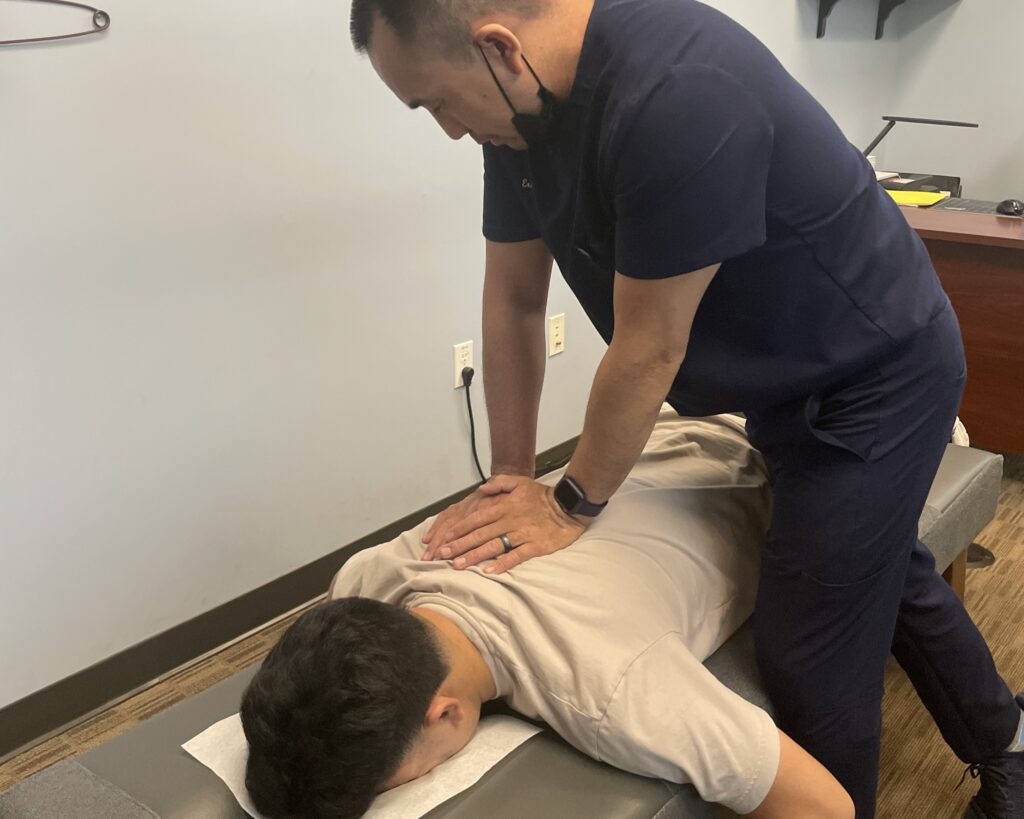
As a local chiropractor, I often see patients who are unaware of how their posture can significantly impact back pain. Many people underestimate the role that daily habits play in the health of their spine. I invite you to take this quiz to gain a better understanding of your posture and discover any potential issues that might be contributing to your discomfort. The insights you gain could lead to effective strategies for improvement and relief. Don’t wait any longer—your journey to better spine health starts here!
Understanding the Connection Between Posture and Back Pain
As a local chiropractor, I want to emphasize the crucial role posture plays in your overall health and well-being, particularly when it comes to back pain. Many people underestimate how poor posture can lead to muscle imbalances and put undue stress on your spine.
For instance, when you slouch or hunch over, it can create strain on your back muscles and ligaments, resulting in pain and discomfort that you mightn’t even be aware of.
It’s important to recognize that the way you sit, stand, or move throughout your day can have a direct impact on your back health. If you find yourself in a poor posture for extended periods, not only can it limit your range of motion, but it can also increase your risk of injury down the line.
By becoming more aware of your posture during various activities, you can begin making small adjustments that will yield significant long-term benefits.
In chiropractic care, we often focus on strengthening your core and maintaining a neutral spine, which can help alleviate existing pain and prevent future issues.
Understanding this connection between posture and back pain is vital for achieving lasting relief. I encourage you to consider how you can improve your posture throughout the day, as it can make a world of difference in your overall health.
The Importance of Good Posture
As a chiropractor, I often emphasize the remarkable effects of good posture on your overall health. You may be surprised to learn that something as fundamental as how you sit or stand can significantly influence your physical well-being.
When your body is aligned properly, it helps reduce unnecessary strain on your muscles and ligaments. This alignment allows your spine to maintain its natural curves, which is essential for optimal movement and support. Not only does this help prevent back pain, but it also contributes to your overall health and vitality.
Good posture plays a crucial role in enhancing your breathing and digestion as well. When you’re sitting up straight, your lungs can expand fully, leading to improved oxygen flow throughout your body. This increased oxygenation can elevate your energy levels and sharpen your mental clarity, leaving you feeling more alert and focused throughout the day.
Additionally, I want to highlight how good posture can positively influence your confidence. Standing tall can project self-assurance, which can impact the way others perceive you.
Common Posture Mistakes
As a chiropractor, I often see patients who are unaware of the common posture mistakes that can lead to discomfort and pain. One of the most frequent issues I encounter is slouching or hunching over, particularly during prolonged periods of sitting. This posture can place significant strain on your back and neck, leading to chronic pain.
Another common mistake is leaning forward excessively while working at a desk. This shifts your weight and can put extra pressure on your spine, contributing to misalignments. You may also be guilty of crossing your legs while sitting, which can create uneven hip alignment over time and result in discomfort.
Additionally, many people tend to look down at their phones or other devices for extended periods. This habit can lead to neck and shoulder pain, often referred to as “tech neck.”
Lastly, not utilizing proper lumbar support when seated can worsen lower back issues, making it crucial to pay attention to your seating arrangements.
Assessing Your Current Posture
As a local chiropractor dedicated to helping you find relief from back pain, I want to emphasize the importance of assessing your current posture.
Many people are unaware of the common issues that can disrupt their alignment and lead to discomfort.
Let’s take a closer look at some practical techniques to evaluate your posture, helping you identify areas that may need improvement for better overall health and wellness.
Understanding your posture is a crucial step towards achieving a pain-free life, and I’m here to guide you through this process.
Common Posture Issues
As a local chiropractor, I want to take a moment to talk to you about the importance of posture and how it can significantly impact your overall health.
While it may feel comfortable to slouch or lean forward, maintaining poor posture can lead to various back pain issues over time. Many of you may find yourselves hunching your shoulders or sitting for long stretches with your legs crossed or your chin jutting forward.
These habits can put unnecessary strain on your spine and the surrounding muscles, contributing to discomfort in both your back and neck.
It’s also common to shift your weight to one side while standing, which can create imbalances in your body and lead to pain. Recognizing these common posture issues is essential, as they can affect not just your physical well-being, but your quality of life as a whole.
By addressing your posture early on, you can help prevent chronic pain and promote a healthier spine.
As your chiropractor, I’m here to guide you in understanding these habits and provide you with natural healing techniques that can enhance your posture and overall health.
Let’s work together to create a more balanced and pain-free lifestyle!
Posture Assessment Techniques
As a local chiropractor dedicated to promoting your well-being, I want to emphasize that recognizing your posture issues is just the beginning of your journey toward improvement.
To effectively assess your current posture, I recommend starting by standing against a wall. Make sure your heels, buttocks, and shoulders are in contact with it. It’s important to check if your head is properly aligned with your spine; it shouldn’t be tilted forward.
Using a mirror can be a helpful tool in this process—evaluate your side profile and look for straight lines that align your ear, shoulder, hip, and ankle.
Next, when sitting, ensure your feet are flat on the ground and that your back is supported, maintaining the natural curve of your lower spine. Pay close attention to any discomfort you may feel during these assessments.
I also encourage you to keep a journal of your findings; this can help you track your progress over time and identify patterns that may need addressing.
Tips for Improving Your Posture
As a local chiropractor, I want to emphasize the importance of improving your posture for your overall health and well-being. A key starting point is to create an ergonomic workspace that supports your body’s natural alignment. This means adjusting your chair, desk, and computer setup to reduce strain on your muscles and joints.
In addition to your workspace, incorporating stretching and strengthening exercises into your daily routine can significantly enhance your posture. These exercises not only promote flexibility but also build the muscles that support your spine.
Moreover, I encourage you to practice mindful breathing techniques. This simple practice can heighten your awareness of your posture throughout the day, helping you to maintain proper alignment and reduce tension.
Ergonomic Workspace Setup
As a local chiropractor, I want to emphasize the importance of creating an ergonomic workspace to support your posture and alleviate back pain. Many of my patients aren’t aware of how their daily setup can affect their spinal health.
First, ensure that your chair is adjusted so that your feet rest flat on the floor and your knees form a 90-degree angle. This simple adjustment can significantly enhance your comfort during long hours of sitting.
Your desk should be at elbow height, allowing your arms to rest comfortably and reducing unnecessary strain.
Next, pay attention to your computer monitor. It should be positioned at eye level and about an arm’s length away from you. This setup helps prevent neck strain, which is a common issue I see in my practice.
Using a chair that provides proper lumbar support is also crucial. This support helps you maintain the natural curve of your spine, which is vital for long-term spinal health.
Keep your keyboard and mouse within easy reach to minimize strain on your shoulders and wrists.
Lastly, don’t overlook the importance of good lighting in your workspace. Proper lighting can help reduce eye strain, allowing you to work more comfortably for extended periods.
By adopting these ergonomic principles in your workspace, you can take proactive steps towards a healthier posture and reduced discomfort.
If you’re experiencing chronic pain, it may be beneficial to consult with a chiropractor for personalized guidance and support.
Stretching and Strengthening Exercises
As a local chiropractor, I want to emphasize that while having an ergonomic workspace is crucial for maintaining good posture, incorporating stretching and strengthening exercises can significantly enhance your spinal health.
Regular stretching is vital as it increases flexibility and reduces muscle tension, which can lead to poor posture and discomfort. I recommend focusing on stretches that specifically target your neck, shoulders, and back. For example, the cat-cow stretch is excellent for relieving tension in your spine.
In addition to stretching, it’s essential to strengthen your core muscles, as they play a key role in supporting your spine. Incorporating exercises such as planks, bridges, and pelvic tilts can greatly improve your core stability, making it easier for you to maintain proper alignment throughout the day.
I suggest including these exercises in your routine at least three times a week.
By combining these stretching and strengthening practices with your ergonomic setup, you’re taking proactive steps toward achieving better posture and reducing back pain.
Mindful Breathing Techniques
As a local chiropractor, I want to introduce you to the transformative power of mindful breathing techniques for improving your posture. When you focus on your breath, you’re not just promoting relaxation; you’re also enhancing your awareness of your body, which is crucial for maintaining proper alignment.
To begin, find a comfortable position—whether you’re seated or standing. Take a deep breath in through your nose, allowing your belly to expand fully. Hold that breath for a moment, and then exhale slowly through your mouth. This practice encourages you to engage your core muscles and helps align your spine naturally.
While you’re breathing, I encourage you to visualize your spine lengthening and your shoulders relaxing, drifting away from your ears. This visualization can be a powerful tool in reinforcing good posture habits. Just a few minutes of this practice each day can make a significant difference in how you carry yourself.
Remember, the connection between your breath and your posture is vital. The more you integrate mindful breathing into your daily routine, the easier it becomes to maintain proper alignment and reduce strain on your body throughout the day.
As your chiropractor, I’m here to support you on this journey to a healthier posture and overall well-being.
Next Steps for Back Pain Relief
If you’re experiencing back pain, there are proactive measures you can take to enhance your comfort and mobility, and as a chiropractor, I’m here to guide you through this process.
First, let’s talk about the importance of posture. Throughout your day, whether you’re sitting, standing, or lying down, evaluate your posture. Making small adjustments can have a significant impact on your discomfort. Investing in ergonomic furniture can also be a game-changer in creating a more supportive environment for your spine.
Incorporating gentle stretches and strengthening exercises into your daily routine is crucial. Focus particularly on your core muscles; a strong core provides essential support to your back. Practices like yoga or Pilates are wonderful options that promote flexibility and strength, helping to alleviate pain.
It’s essential to listen to your body. If certain movements trigger or worsen your pain, it’s important to modify or avoid those activities. Additionally, taking regular breaks during long periods of sitting or standing can help prevent tension from building up in your back.
Finally, I highly recommend consulting with a healthcare professional, like a chiropractor, who specializes in natural healing and can provide personalized guidance.
We can offer tailored treatment plans that may include spinal adjustments, physical therapy, and pain management strategies. By taking these steps, you can pave the way toward relief and a better quality of life.
Conclusion
As a local chiropractor, I want to emphasize the crucial role that posture plays in managing back pain. Many people may not realize how closely linked their posture is to their overall spinal health. By understanding this connection and being aware of common posture-related mistakes, you can make significant changes that will benefit your back.
I encourage you to take the insights from our quiz to evaluate your daily habits and incorporate small, practical adjustments to enhance your posture. These changes can lead to a healthier spine and reduce discomfort. Remember, with consistent effort and attention to your posture, you can work towards a life with less pain.
So, let’s take that important first step together and prioritize your posture. Your back health will thank you!