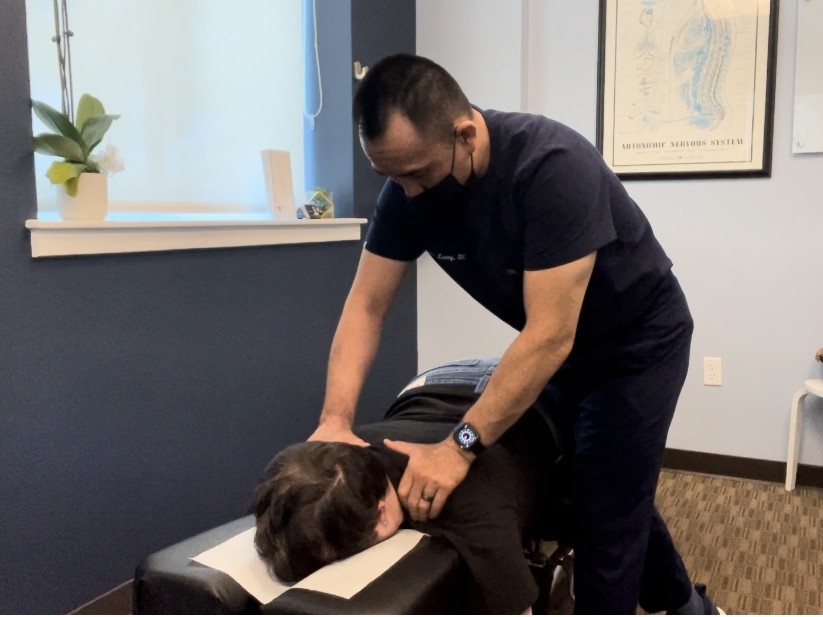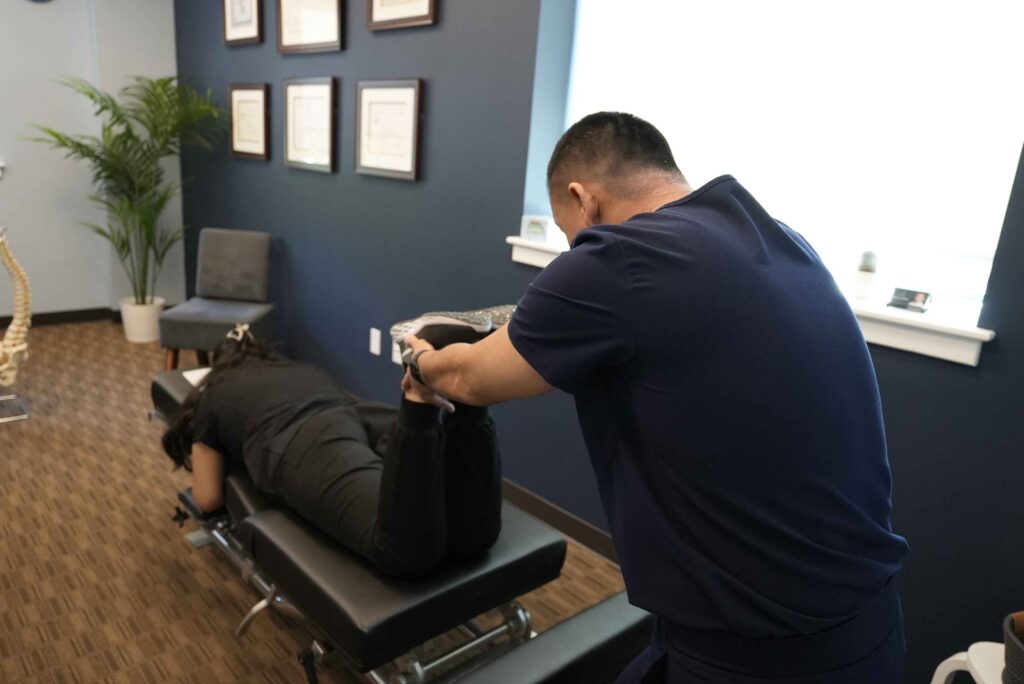
As a local chiropractor, I want to shed light on how your posture significantly impacts your back pain. Many individuals don’t realize that simple adjustments in how you align your body while sitting or standing can lead to substantial changes in your comfort levels. It’s important to understand that improving your posture isn’t merely a quick fix; it’s a crucial step towards lasting well-being.
Let’s delve into some practical techniques that can empower you to take charge of your posture and relieve your back pain. By incorporating these strategies into your daily routine, you can enhance your overall health and well-being. Remember, chiropractic care focuses on natural healing, and good posture is a fundamental aspect of that journey.
Understanding the Importance of Good Posture
As a local chiropractor, I want to emphasize the vital role good posture plays in your overall health and well-being. Proper posture helps distribute your body’s weight evenly, which significantly reduces the stress on your spine and muscles. Many people don’t realize that poor posture can lead to muscle tension, fatigue, and even headaches.
By becoming more aware of how you hold your body, you can make significant strides towards better health.
Consider your daily habits: are you often slouching while sitting or leaning to one side? These common habits can create imbalances that lead to discomfort and pain over time.
I encourage you to incorporate posture awareness into your daily life. Making simple adjustments, such as keeping your shoulders back and ensuring your ears are aligned with your shoulders, can have a profound impact on your well-being.
Remember, good posture isn’t just about looking confident; it’s essential for your body to function optimally.
Ergonomic Workspace Setup
As a chiropractor, I often emphasize the importance of setting up your workspace ergonomically, as it can significantly enhance your comfort and productivity. Many people overlook how their workspace affects their body, but proper adjustments can lead to a remarkable reduction in back pain and improvement in posture.
First, let’s talk about chair height. Your chair should support your lower back and allow your feet to rest flat on the floor or on a footrest. This helps maintain the natural curve of your spine, reducing strain during long hours of sitting.
Next, the position of your monitor is crucial. Ideally, it should be at eye level, about an arm’s length away, to prevent neck strain and encourage a neutral head position. This alignment minimizes the likelihood of developing tension in your upper back and shoulders.
Lastly, arranging your desk essentials for easy access can significantly reduce unnecessary reaching and twisting, which are common culprits of discomfort. Keep frequently used items within arm’s reach to promote a more relaxed posture.
By making these ergonomic adjustments, you can create a healthier workspace that supports your body and helps prevent discomfort.
Chair Height Adjustment
As a chiropractor dedicated to your overall well-being, I want to emphasize the importance of proper chair height adjustment in creating an ergonomic workspace that supports your spine and promotes comfort.
When you sit in your chair, make sure your feet are flat on the floor and your knees are bent at a 90-degree angle. Your thighs should be parallel to the ground to avoid any pressure on your hips, which can lead to discomfort and misalignment over time.
If you find that your chair is too high, don’t hesitate to use a footrest to help maintain that proper positioning. Conversely, if your chair is too low, consider elevating it with cushions or adjusting it to the appropriate height.
It’s also crucial that your elbows form a 90-degree angle when resting on your desk. This alignment is key to reducing strain on your back and neck, enabling you to work more comfortably for extended periods.
By prioritizing the correct height of your chair, you not only enhance your posture but also contribute to your overall health and wellness.
Monitor Placement Guidelines
As a local chiropractor dedicated to your well-being, I want to emphasize the importance of proper monitor placement in your workspace. An ergonomic setup can significantly enhance your comfort and productivity while reducing the risk of neck and back issues.
Here are some essential guidelines to consider:
- Position your monitor about an arm’s length away from your eyes. This distance helps prevent eye strain and encourages better posture.
- Ensure that the top of the screen is at or just below your eye level. This alignment helps maintain a neutral neck position and reduces unnecessary strain.
- Tilt the monitor slightly back, ideally at a 10-20 degree angle. This simple adjustment can alleviate strain on your neck and promote a more relaxed posture.
- Keep the screen directly in front of you. This positioning minimizes the need for twisting your body, which can contribute to discomfort and misalignment over time.
By following these guidelines, you can create a workspace that not only supports your productivity but also fosters your overall health and well-being.
Desk Arrangement Essentials
As a chiropractor dedicated to promoting natural healing and overall well-being, I want to emphasize the importance of creating an ergonomic workspace to support your spine and enhance your daily comfort and productivity.
Begin by ensuring your chair is adjusted so that your feet rest flat on the floor, with your knees aligned at or slightly below hip level. This alignment is vital for maintaining proper posture and preventing strain on your back.
Your desk height should be set so that when you type, your elbows are positioned at a 90-degree angle. This will help keep your shoulders relaxed and avoid unnecessary tension.
When it comes to your monitor, position it about an arm’s length away from your face, with the top of the screen at your eye level. This prevents you from hunching forward or craning your neck, both of which can lead to discomfort and long-term issues.
It’s also essential to keep items you use frequently within arm’s reach. This minimizes the need for twisting or stretching, which can put additional stress on your spine.
If you use a keyboard and mouse, make sure they’re on the same surface to maintain a neutral wrist position, which is crucial for preventing repetitive strain injuries.
Lastly, I can’t stress enough the importance of taking regular breaks. Stand up, stretch, and reset your posture throughout the day.
These simple steps can significantly reduce discomfort and fatigue, allowing you to feel your best while working. Remember, caring for your body is a key part of maintaining a healthy lifestyle!
Proper Sitting Techniques
As a local chiropractor, I often see patients who underestimate the importance of proper sitting techniques.
While sitting may seem like a mundane activity, the way you position yourself can significantly influence your back health. It’s crucial to adopt correct sitting habits to prevent discomfort and enhance your overall well-being.
Here are some key tips I recommend to help you sit properly:
- Ensure your feet are flat on the floor or resting comfortably on a footrest. This promotes stability.
- Position your knees at or slightly below hip level to maintain proper alignment.
- Select a chair that provides support for your lower back, allowing it to maintain its natural curve.
- Avoid slumping or leaning forward; instead, keep your shoulders relaxed to reduce strain on your spine.
By following these guidelines, you can protect your back and support your body’s natural healing processes.
Standing Posture Essentials
As your local chiropractor, I want to emphasize the importance of maintaining a proper standing posture for your overall health.
Many people may not realize how critical weight distribution and spinal alignment are to their well-being. When you stand, it’s crucial to keep your weight evenly balanced on both feet. This simple adjustment can significantly reduce the strain on your back and prevent discomfort.
Correct Weight Distribution
As a local chiropractor, I often see patients who are unaware of how important correct weight distribution is for maintaining a healthy standing posture. Properly distributing your weight can significantly reduce strain on your back and enhance your overall stability.
Here are some key points I encourage my patients to consider:
- Feet Positioning: Stand with your feet hip-width apart to create a solid foundation for balance. This small adjustment can make a big difference in how your body feels throughout the day.
- Even Weight Distribution: Aim to distribute your weight evenly between both feet. This will help prevent unnecessary tension and discomfort in your back and legs.
- Core Engagement: Don’t forget to engage your core muscles. A strong core supports your spine and helps maintain an upright posture, which is crucial for your overall health.
- Forward Weight Shift: Try shifting your weight slightly forward onto the balls of your feet. This position can promote better alignment and reduce pressure on your lower back.
By implementing these techniques, you can start to experience the benefits of a healthier posture and a more balanced body.
Alignment of Spine
As a local chiropractor, I want to emphasize the importance of proper spinal alignment for your overall health and well-being. Maintaining a healthy standing posture is crucial in preventing back pain and discomfort.
When you stand, it’s essential to align your ears, shoulders, and hips in a straight vertical line. Picture a straight line extending from the top of your head all the way down to your heels.
To achieve this alignment, keep your shoulders relaxed and slightly pulled back, steering clear of a hunched position. Engaging your core muscles is vital; they provide the necessary support for your spine.
Distributing your weight evenly between both feet is another key aspect. Remember to keep your knees slightly bent rather than locked, as this will help maintain stability and balance.
If you notice yourself leaning forward or backward, take a moment to readjust your stance to return to that ideal alignment.
I encourage you to practice these techniques regularly. Over time, you’ll likely notice significant improvements in your posture and a reduction in discomfort.
Together, we can work towards enhancing your spinal health and overall quality of life through natural healing methods.
Moving With Intent: Lifting and Carrying
As a local chiropractor, I often see patients experiencing back pain due to improper lifting and carrying techniques. It’s crucial to approach these common activities with mindfulness to prevent injury and promote overall spinal health.
Here are some essential tips to keep in mind:
- Bend your knees: When lifting, remember to lower your body by bending at the hips and knees instead of bending your back. This technique helps maintain your spine’s natural alignment.
- Keep the load close: Holding items close to your body not only helps you maintain balance but also significantly reduces the strain on your back.
- Engage your core: Activating your abdominal muscles provides necessary support for your spine during lifting. A strong core is vital for maintaining good posture and preventing injuries.
- Use your legs: Focus on lifting with your legs rather than your back. Push through your heels to stand up straight, which distributes the weight more evenly and protects your back.
By incorporating these techniques into your daily routine, you can greatly lower your risk of back pain and enhance your overall physical well-being.
If you have any questions or need personalized advice on maintaining a healthy spine, feel free to reach out!
Stretching and Strengthening Exercises
As a chiropractor, I want to emphasize that maintaining proper lifting techniques is just one aspect of preventing back pain. To truly enhance your back health, it’s essential to incorporate stretching and strengthening exercises into your daily routine.
Regular stretching increases your flexibility, allowing your muscles to move more freely and alleviating tension. I recommend focusing on stretches that specifically target your hamstrings, hip flexors, and lower back, as these areas can significantly impact your spinal health.
Strengthening your muscles is equally vital. Building up your core muscles provides crucial support for your spine, which helps you maintain proper posture. I suggest incorporating exercises such as planks, bridges, and back extensions into your fitness regimen.
It’s important to create a balanced routine that engages various muscle groups; this helps prevent imbalances that could contribute to discomfort or pain.
Always pay attention to how your body feels. If you encounter any discomfort during an exercise, it’s wise to modify the movement or skip it altogether.
Consistency is key in this journey toward better health, so I encourage you to make these stretches and exercises a regular part of your life. By doing so, you can significantly reduce the risk of back pain and enhance your overall well-being.
Daily Habits for Better Posture
As a local chiropractor, I want to emphasize how important your daily habits are for maintaining proper posture and overall spinal health. Many people underestimate the impact of their routine on their bodies, but small changes can lead to significant improvements in alignment and a reduction in back pain.
Here are some key habits I encourage you to consider:
- Evaluate your workspace: Ensure that your desk and chair are ergonomically designed to support good posture while you sit. This simple adjustment can make a huge difference in how your spine is aligned throughout the day.
- Stay active: It’s crucial to incorporate movement into your daily life. Whether it’s taking short walks or doing stretches, keeping your muscles engaged and flexible can significantly benefit your posture and spinal health.
- Employ proper lifting techniques: When you need to lift something heavy, remember to bend at your knees and keep your back straight. This technique helps protect your spine from unnecessary strain and injury.
- Limit screen time: Prolonged screen exposure can lead to slouching and poor posture. Make it a habit to take regular breaks from your screens to allow your body to reset and maintain its natural alignment.
By adopting these simple habits, you can improve your posture and support your overall well-being.
If you have any questions or need further guidance, don’t hesitate to reach out!
Conclusion
As a local chiropractor, I want to emphasize how incorporating good posture into your daily routine can significantly alleviate back pain. Many people aren’t aware that being mindful of your alignment can make a substantial difference in how your body feels. Setting up an ergonomic workspace is crucial; it helps support your spine and prevents discomfort throughout the day.
It’s also important to practice proper sitting and standing techniques. Simple adjustments, like ensuring your feet are flat on the ground and your shoulders are back, can enhance your posture and overall spinal health.
Additionally, I encourage you to integrate stretching and strengthening exercises into your routine. These exercises are vital for maintaining flexibility and building the muscles that support your spine.
By making these small, yet impactful changes, you can improve your overall well-being and move towards a more comfortable, pain-free life. Remember, chiropractic care can also assist in optimizing your posture and addressing underlying issues, so don’t hesitate to reach out for support on your journey to better health.