If you’ve ever faced the challenge of persistent headaches, you understand how they can hinder your daily life. The journey to relief starts with understanding the types of headaches and their triggers. Factors like stress, nutrition, and lifestyle play crucial roles in managing your pain. As a chiropractor, I believe that exploring natural approaches, particularly chiropractic care, can be key in finding the relief you’ve been searching for.
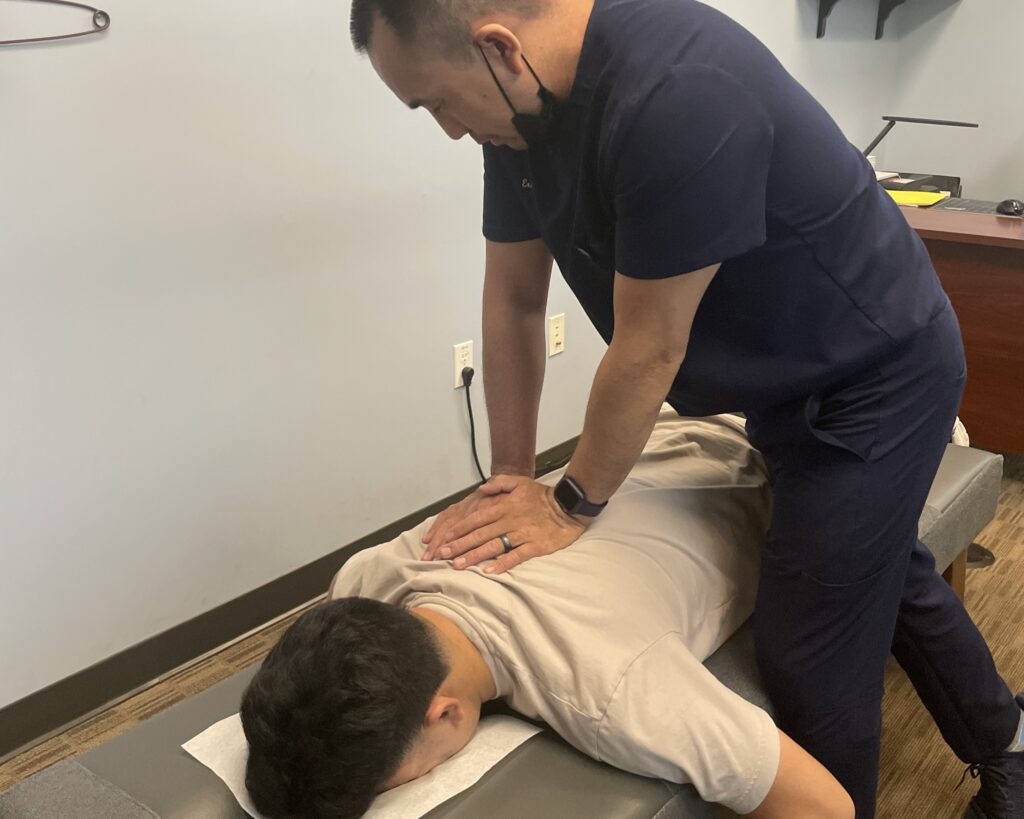
Chiropractic care focuses on the alignment of your spine and nervous system, which can directly influence how your body responds to pain, including headaches. By ensuring that your spine is properly aligned, we can help reduce tension and stress in your body, ultimately alleviating headache symptoms.
Here are some simple tips you can implement today to support your wellness and potentially reduce headaches:
- Stay Hydrated: Dehydration can trigger headaches. Aim to drink plenty of water throughout the day.
- Manage Stress: Incorporate relaxation techniques such as deep breathing, yoga, or meditation into your daily routine. These practices can help reduce the impact of stress on your body.
- Maintain Good Posture: Poor posture can lead to spinal misalignments and increased tension in the neck and shoulders. Be mindful of your posture, especially when sitting for long periods.
- Regular Chiropractic Adjustments: Consistent visits to your chiropractor can help maintain proper spinal alignment, reducing the frequency and intensity of headaches.
- Healthy Nutrition: Eating a balanced diet rich in fruits, vegetables, whole grains, and lean proteins can support overall health and help prevent headaches.
- Adequate Sleep: Ensure you’re getting enough restorative sleep each night. A good sleep routine can help minimize headache triggers.
What if the key to your headache healing lies in making these simple lifestyle changes alongside regular chiropractic care? By focusing on natural healing and wellness, you can take proactive steps towards achieving optimal health and finding the relief you deserve. Embrace the journey to wellness with chiropractic care as your supportive partner in this process.
Key Takeaways
- Start by keeping a headache diary. This simple tool helps you identify patterns related to stress, nutrition, and sleep habits. By understanding your triggers, you can make informed lifestyle choices that support your well-being.
- Remember to stay hydrated! Aim to drink at least eight 8-ounce glasses of water each day. Proper hydration is essential for reducing headache frequency and promoting overall health.
- Regular chiropractic care is a fantastic way to address the root causes of headaches. By improving spinal alignment and function, chiropractic adjustments can provide long-term relief from headaches and enhance your overall wellness.
- Managing stress is crucial for headache prevention. Incorporate relaxation techniques like deep breathing and meditation into your daily routine. These practices not only reduce headache occurrences but also contribute to your overall mental and physical health.
- If you find yourself dealing with frequent or severe headaches, don’t hesitate to seek professional help. A chiropractor can provide the appropriate assessment and treatment to ensure you find relief naturally, without the need for medications or invasive procedures.
Embrace these tips and consider chiropractic care as your go-to solution for achieving optimal health and wellness!
Understanding Headaches: Types and Triggers
Headaches can be a real nuisance, but understanding their types and triggers can empower you to manage them better. As a chiropractor, I believe in the body’s natural ability to heal itself, and that includes addressing headaches through holistic approaches like chiropractic care.
There are several common types of headaches you might experience: tension headaches, migraines, and cluster headaches. Tension headaches often feel like a tight band around your head, frequently resulting from stress or poor posture—issues that can often be improved with chiropractic adjustments.
Migraines, on the other hand, can cause throbbing pain, nausea, and heightened sensitivity to light or sound, often triggered by specific factors like certain foods or hormonal changes. Lastly, cluster headaches are intense and typically occur in cyclical patterns, usually affecting one side of your head.
Identifying your headache triggers is key to finding relief. I encourage you to keep a diary to track when your headaches occur, what you ate, your stress levels, and any changes in your routine. This practice can help you recognize patterns and avoid potential triggers.
In addition to keeping a diary, consider incorporating regular chiropractic sessions into your wellness routine. Chiropractic care can help address misalignments in your spine that may contribute to tension and discomfort, leading to fewer headaches over time.
Additionally, practicing good posture, staying hydrated, and managing stress through relaxation techniques can be beneficial.
The Impact of Stress on Headache Frequency
When stress builds up, it can lead to an increase in headache frequency, as tension accumulates in your body. Stress triggers the release of hormones like cortisol, which can cause muscle tightness and inflammation. This often results in tension headaches or migraines. You may notice your head pounding after a long day at work or during moments of high anxiety.
It’s important to understand that both physical and mental stressors contribute to headaches. Worry and racing thoughts can heighten tension, creating a cycle that can be hard to break. Recognizing stress as a trigger is crucial for managing headaches effectively.
As a chiropractor, I believe that addressing the spine and overall body alignment can play a significant role in reducing headache frequency and intensity. Chiropractic adjustments can help relieve tension, improve blood flow, and support the nervous system, leading to natural healing and pain relief.
In addition to chiropractic care, there are simple stress-reduction techniques you can incorporate into your daily routine. Mindfulness, deep breathing exercises, and gentle stretching can help ease tension and promote relaxation.
Nutrition and Hydration: Fueling Your Body for Relief
When you’re dealing with headaches, what you eat and drink can play a significant role in your overall well-being. Staying hydrated is crucial, as it can help reduce the frequency of headaches and keep your body functioning optimally. Additionally, consuming nutrient-rich foods can provide essential support that promotes your health and wellness.
As a chiropractor, I want to emphasize that proper nutrition and hydration are key components of a holistic approach to pain relief. Alongside regular chiropractic care, which focuses on aligning your spine and improving nervous system function, these lifestyle choices can help you achieve a greater sense of relief and overall health.
Here are some simple tips to help you manage headaches through nutrition and hydration:
- Stay Hydrated: Aim to drink plenty of water throughout the day. Dehydration can trigger headaches, so keep a water bottle handy and sip regularly.
- Eat Balanced Meals: Focus on whole, nutrient-dense foods such as fruits, vegetables, whole grains, lean proteins, and healthy fats. These foods provide essential vitamins and minerals that support your body’s functions and can help alleviate headache symptoms.
- Limit Trigger Foods: Pay attention to what you eat and how it affects your headaches. Common triggers can include processed foods, excessive caffeine, and artificial sweeteners. Keeping a food diary can help you identify and avoid these triggers.
- Regular Meal Times: Eating at consistent times can help regulate your blood sugar levels, which may prevent headaches caused by dips in energy. Try to eat smaller, more frequent meals to maintain stable energy.
- Incorporate Anti-Inflammatory Foods: Foods like leafy greens, berries, fatty fish, nuts, and seeds can help reduce inflammation in the body, potentially leading to fewer headaches.
Remember, chiropractic care can play a vital role in managing headaches by addressing spinal misalignments that may contribute to tension and discomfort.
Hydrating for Headache Relief
Staying properly hydrated can significantly help alleviate headache discomfort. When you don’t drink enough water, your body can become dehydrated, which may trigger headaches or exacerbate existing ones.
As a chiropractor, I emphasize the importance of hydration as a key component of natural wellness and pain relief. Aim to drink at least eight 8-ounce glasses of water daily, adjusting this amount based on your activity level and the climate you live in. If you’re active or tend to sweat a lot, it’s wise to increase your water intake.
Instead of chugging large amounts all at once, try to sip water consistently throughout the day. A great way to remind yourself to stay hydrated is by carrying a reusable water bottle with you. This simple habit can prevent dehydration and support your overall health, including headache relief.
Additionally, be cautious with caffeine and alcohol, as they can lead to dehydration and may contribute to headache discomfort. Prioritizing hydration is a straightforward yet effective step you can take toward managing headaches naturally.
Remember, while hydration is essential, chiropractic care can also be a powerful ally in your journey toward optimal health. Regular adjustments can help ensure your spine is aligned, which can enhance your body’s ability to function well and may reduce the frequency and intensity of headaches.
Nutrient-Rich Foods Matter
While staying hydrated is crucial for preventing headaches, the foods you choose to eat can also have a significant impact on your overall health and well-being. As a chiropractor, I believe that incorporating nutrient-rich foods into your diet is essential for maintaining not just your body, but also your spine and nervous system.
Leafy greens, nuts, seeds, and whole grains are fantastic options that provide essential vitamins and minerals. These foods can help keep your blood sugar levels stable, which is important in reducing headache triggers. Additionally, omega-3 fatty acids found in fish have anti-inflammatory properties that might help reduce headache intensity.
Don’t forget to include fruits like bananas and avocados in your meals. They’re rich in potassium, which aids in preventing dehydration and balancing electrolytes—key factors in headache management.
It’s best to steer clear of processed foods and excessive sugar, as these can lead to inflammation and discomfort in your body.
By nourishing your body with the right nutrients, you’re not only taking steps toward relieving headaches but also supporting your spine and overall wellness.
Remember, chiropractic care is an excellent way to address pain and promote natural healing. Combining a healthy diet with regular chiropractic adjustments can help you achieve optimal health.
Make sure to listen to your body, and consider how the foods you eat and the care you receive can work together for your well-being.
Natural Remedies: Herbal Treatments and Essential Oils
When headaches strike, it’s important to consider how your overall spinal health may be impacting your well-being. As a local chiropractor, I believe that addressing the underlying causes of headaches is essential for long-term relief.
While herbal teas and essential oils can provide temporary comfort, the best approach to finding lasting relief is through chiropractic care. Chiropractic adjustments can help restore proper alignment to your spine, which in turn can alleviate tension and pressure that may be contributing to headaches.
By ensuring that your spine is in optimal condition, you can improve your nervous system function and promote overall wellness.
In addition to seeking chiropractic care, here are some simple tips to help you manage headaches naturally:
- Stay Hydrated: Dehydration can often lead to headaches. Make sure to drink plenty of water throughout the day.
- Practice Good Posture: Poor posture can strain your neck and shoulders, leading to tension headaches. Be mindful of your posture, especially if you sit for long periods.
- Take Breaks: If you’re working on a computer or focusing on a task for an extended time, take frequent breaks to stretch and move around. This can help prevent muscle tension.
- Manage Stress: Stress is a common trigger for headaches. Incorporating relaxation techniques such as deep breathing, meditation, or gentle yoga can be beneficial.
- Get Enough Sleep: Ensure you’re getting adequate rest, as fatigue can also contribute to headaches. Aim for a consistent sleep schedule.
By prioritizing chiropractic care and making these lifestyle adjustments, you can take proactive steps toward achieving optimal health and reducing headaches.
Herbal Tea Benefits
Herbal teas can be a gentle and soothing addition to your wellness routine, especially when dealing with headache symptoms. While I always recommend seeking chiropractic care for the best pain relief and overall health, incorporating herbal teas can complement your journey to wellness.
For instance, sipping on chamomile tea not only provides warmth and comfort but may also help reduce tension headaches due to its calming properties. Similarly, peppermint tea, with its natural menthol, can aid in relieving pain and promoting relaxation.
If your headache is accompanied by nausea, ginger tea is a great choice as it may help settle your stomach and ease discomfort.
Remember, the simple act of enjoying a warm cup of tea can create a moment of peace in your day, which is crucial for managing stress and tension. While these herbal remedies can be helpful, they’re best used alongside regular chiropractic adjustments to address any underlying issues related to headaches, such as spinal misalignments.
Incorporating herbal teas into your daily routine can be a simple yet effective way to support your health naturally. Always listen to your body and consult with your chiropractor to create a comprehensive plan for pain relief and wellness.
Essential Oil Techniques
As a local chiropractor, I want to share some natural techniques that can help manage headache symptoms while promoting overall wellness.
While chiropractic care is the most effective way to address the underlying causes of headaches, incorporating essential oils can complement your journey to optimal health.
Start with peppermint oil, known for its cooling effect that can soothe tension and improve blood circulation.
To use it, simply dilute a few drops with a carrier oil like coconut or olive oil, and gently massage it onto your temples and neck. This can provide immediate relief and enhance your relaxation.
Lavender oil is another excellent choice, thanks to its calming scent that can reduce stress and anxiety.
You might find it helpful to diffuse lavender in your home or inhale it directly from the bottle. This can create a peaceful environment, which is beneficial for your overall well-being.
For those dealing with migraines, eucalyptus oil may assist in clearing your sinuses and alleviating pain.
However, make sure to patch-test any oil on your skin first to ensure there are no sensitivities.
Remember, while these essential oils can provide temporary relief, regular chiropractic adjustments are the best way to address the root causes of headaches and promote long-term health.
Maintaining spinal alignment is crucial for overall wellness, and we’re here to guide you on that journey.
Mindfulness and Meditation: Techniques for Managing Pain
While pain can often feel overwhelming, chiropractic care combined with mindfulness and meditation offers effective techniques for managing headaches and promoting overall wellness. By focusing your attention on the present moment, you can create a sense of calm that helps alleviate discomfort.
To start, find a quiet space where you can sit or lie down comfortably. Close your eyes and take deep breaths, inhaling through your nose and exhaling through your mouth. This simple breathing exercise can help relax your body and mind, which is essential for reducing headache intensity.
As thoughts arise, acknowledge them without judgment, then gently bring your focus back to your breath. Incorporating guided meditations specifically designed for pain relief can also be beneficial; many apps and online resources provide these tools.
In addition to mindfulness practices, regular chiropractic adjustments can help ensure your spine is aligned, which is crucial for optimal nervous system function and overall health. Misalignments in the spine can contribute to tension headaches, so maintaining spinal health through chiropractic care is an excellent way to address the root cause of your pain.
Practicing mindfulness and receiving chiropractic care regularly can help you become more attuned to your body’s signals, allowing you to respond to pain more effectively. Even dedicating a few minutes a day to these practices can lead to greater relaxation and reduced headache intensity.
The Role of Exercise in Preventing Headaches
Regular exercise is an essential part of maintaining overall health and can significantly reduce the frequency and intensity of headaches. As a chiropractor, I can tell you that incorporating physical activity into your routine not only improves circulation but also helps release endorphins and reduce muscle tension—key factors that can alleviate headache symptoms.
Whether it’s a brisk walk, cycling, or some gentle yoga, find an activity that you enjoy and will stick to. Aim for at least 30 minutes of moderate exercise most days of the week. You don’t need to push yourself too hard; even simple activities like light stretching or walking can have a positive impact.
Always listen to your body; if you feel a headache coming on, gentle movement may actually help prevent it from worsening. It’s also important to stay hydrated and maintain a balanced diet alongside your exercise routine. These elements work together to support your body’s natural healing processes.
By making exercise a priority, you not only enhance your overall health but also arm yourself with a powerful tool for preventing headaches. As a chiropractic professional, I emphasize the importance of spinal health as it plays a crucial role in overall wellness.
Regular adjustments can help keep your spine aligned, which may further reduce the risk of headaches caused by tension or misalignment. Remember, taking care of your body through exercise and chiropractic care is a natural way to achieve optimal health and wellness.
Sleep Hygiene: Restorative Practices for Better Health
To enhance your overall health and alleviate headaches, establishing a consistent sleep routine is crucial. Creating a sleep sanctuary—one that’s free from distractions—can significantly aid in helping you relax and prepare for restorative rest.
As a chiropractor, I emphasize the importance of spinal health in achieving quality sleep. Misalignments in the spine can contribute to discomfort and hinder your ability to get a good night’s rest.
Here are some helpful tips to improve your sleep hygiene and overall well-being:
- Maintain a Consistent Sleep Schedule: Go to bed and wake up at the same time every day. This helps regulate your body’s internal clock, making it easier to fall asleep and wake up refreshed.
- Create a Comfortable Sleep Environment: Ensure your bedroom is dark, quiet, and at a comfortable temperature. Consider using blackout curtains, earplugs, or a white noise machine if needed.
- Limit Screen Time Before Bed: The blue light emitted by phones and computers can disrupt your natural sleep cycle. Aim to turn off screens at least an hour before bedtime.
- Incorporate Relaxation Techniques: Practices such as deep breathing, gentle stretching, or meditation can help calm your mind and prepare your body for sleep.
- Stay Active: Regular physical activity can promote better sleep. Just be sure to finish exercising a few hours before bedtime to avoid feeling too energized to sleep.
- Consider Chiropractic Care: Regular chiropractic adjustments can help align your spine, reduce tension, and improve your overall comfort, making it easier to achieve restful sleep.
By implementing these practices, you’ll not only improve your sleep but also enhance your overall health.
Importance of Sleep Routine
A consistent sleep routine is vital for your overall health and can significantly impact how you manage headaches. By going to bed and waking up at the same time every day, you help your body establish a natural rhythm. This makes it easier to fall asleep and stay asleep, which is crucial for reducing the likelihood of headaches caused by sleep disturbances.
Quality sleep not only improves your mood but also enhances your cognitive function, helping to ease headache symptoms. To further promote better sleep, consider avoiding caffeine and heavy meals in the hours leading up to bedtime. These simple changes can help you achieve a more restful night.
As a chiropractor, I encourage you to prioritize a healthy sleep routine. Remember, it’s not just about how many hours you sleep but also about the quality of that sleep. When you wake up feeling refreshed, you’re better equipped to face the day without the burden of headaches.
In addition to establishing a sleep routine, regular chiropractic adjustments can also play a crucial role in managing headache pain. Chiropractic care focuses on aligning the spine and improving overall body function, which can lead to better sleep and reduced headache frequency.
Creating a Sleep Sanctuary
While it’s essential to establish a consistent sleep routine, creating a sleep sanctuary plays a crucial role in enhancing your overall rest and well-being. Start by transforming your bedroom into a peaceful retreat. Ensure it’s dark, quiet, and cool. Blackout curtains can help block unwanted light, while a white noise machine can mask disruptive sounds, promoting a more restful sleep environment.
Investing in a comfortable mattress and supportive pillows tailored to your preferred sleeping position can also significantly impact your sleep quality. This is particularly important for spinal health, as proper support helps maintain alignment and reduces discomfort.
Decluttering your space encourages relaxation and minimizes distractions, allowing your mind to unwind more easily. Consider incorporating calming scents, such as lavender, through essential oils or candles. These scents can signal to your body that it’s time to start winding down for the night.
It’s also wise to limit screen time before bed. The blue light emitted by devices can interfere with your sleep cycle and, ultimately, your health. Instead, consider engaging in relaxing activities such as reading or gentle stretches to help prepare your body for rest.
By prioritizing these elements, you can create an environment that not only enhances your sleep quality but also supports your overall health and wellness.
Alternative Therapies: Acupuncture and Chiropractic Care
If you’re dealing with headaches and looking for a natural solution, chiropractic care might be the best path for you. As a chiropractor, I believe in the power of spinal health and how it can significantly impact your overall well-being.
Chiropractic care focuses on spinal adjustments that help align your spine properly, which can relieve pressure on your nerves. This alignment is crucial because misalignments can lead to tension and pain, including headaches. By addressing these underlying issues, chiropractic care not only aims to reduce headache frequency and intensity but also promotes overall health.
While acupuncture, which involves the use of thin needles at specific points, can provide some relief for tension headaches and migraines, chiropractic care offers a comprehensive approach by focusing on the spine and nervous system. Many of my patients have found that regular chiropractic adjustments not only help with headache relief but also improve their overall quality of life.
Here’s a quick comparison to highlight why chiropractic care is a great choice for headache relief:
| Therapy Type | Benefits |
|---|---|
| Chiropractic Care | Improves spinal alignment, alleviates nerve pressure, promotes natural healing |
| Safety | Generally safe with minimal side effects |
| Treatment Frequency | Regular adjustments can lead to long-term relief |
| Cost | Varies by provider, often covered by insurance |
In addition to chiropractic care, here are a few tips to help manage headaches:
- Stay Hydrated: Dehydration can trigger headaches, so ensure you’re drinking enough water throughout the day.
- Practice Good Posture: Poor posture can lead to tension in your neck and back, contributing to headaches. Be mindful of your posture while sitting, especially if you work at a desk.
- Manage Stress: Stress can be a significant headache trigger. Consider relaxation techniques such as deep breathing, meditation, or gentle stretching to help reduce tension.
- Regular Exercise: Staying active can help alleviate stress and improve circulation, both of which are beneficial for headache prevention.
Keeping a Headache Diary: Tracking Patterns and Triggers
Understanding how your headaches manifest is crucial, and one of the best ways to do this is by keeping a headache diary. Tracking your headaches can help you discover patterns and triggers that may be contributing to your discomfort, allowing you to make more informed choices about your health. Start by jotting down the date and time of each headache, as well as its intensity and how long it lasts.
Be sure to note any possible triggers, like certain foods, stress levels, sleep habits, or environmental factors. As you continue this practice, you might notice trends that can help you identify what could be causing your headaches.
In addition to recording your headaches, it’s helpful to write down how you managed the pain. Did you find relief through rest, gentle movement, or perhaps some natural therapies? This information can be invaluable when you consult with a healthcare provider, especially a chiropractor, who can work with you to develop a personalized plan for relief.
Chiropractic care is an excellent choice for addressing headaches, as it focuses on natural healing and restoring balance to your body. By tracking your headaches, you take an active role in your health journey, empowering yourself to reduce the frequency or severity of your headaches.
Remember, small lifestyle changes can also make a big difference. Ensure you’re staying hydrated, eating a balanced diet, and managing stress through relaxation techniques like deep breathing or yoga.
When to Seek Professional Help: Knowing Your Limits
Recognizing when to seek professional help is crucial for effectively managing your headaches, and as a chiropractor, I believe that understanding your body is key to achieving optimal health. If you’re experiencing headaches frequently—say more than two to three days a week—it’s wise to consult a healthcare provider.
However, I encourage you to consider chiropractic care as your first step toward relief. Headaches that intensify in severity, or those accompanied by symptoms like vision changes, confusion, or nausea, shouldn’t be ignored. These signals from your body are important, and reaching out to a chiropractor can help address the root cause of your discomfort.
Listening to your body is essential. If you find that over-the-counter medications aren’t providing the relief you need, or if you notice a change in your headache pattern, consider scheduling an appointment with a chiropractor. Chronic headaches can significantly affect your daily life, and through spinal adjustments and holistic approaches, a chiropractor can help identify underlying issues contributing to your headaches, while promoting natural healing.
In the meantime, here are some general tips to help manage your headaches at home:
- Stay Hydrated: Dehydration can trigger headaches, so ensure you’re drinking enough water throughout the day.
- Maintain Good Posture: Poor posture can lead to tension in your neck and shoulders, which may contribute to headaches. Try to keep your spine aligned, especially if you spend long hours sitting.
- Manage Stress: Incorporate relaxation techniques such as deep breathing, yoga, or meditation to reduce stress levels that can lead to headaches.
- Get Regular Exercise: Keeping your body active helps improve circulation and can reduce the frequency and intensity of headaches.
Remember, chiropractic care is a natural and effective way to alleviate pain and promote overall wellness. By focusing on spinal health and holistic methods, we can work together towards a pain-free life.
If you have any concerns about your headaches, don’t hesitate to reach out for guidance. Your health and well-being are important!
Conclusion
To sum up, your journey to headache relief begins with understanding your body and recognizing the triggers that contribute to your pain. Chiropractic care plays a vital role in this process, as it helps restore proper alignment to your spine, which can alleviate tension and reduce headache frequency. By managing stress through chiropractic adjustments, nourishing your body with wholesome foods, and utilizing natural remedies, you can take control of your health.
In addition, don’t underestimate the importance of mindfulness and good sleep hygiene in your healing journey. These practices work hand-in-hand with chiropractic care to promote overall wellness. Keeping a headache diary can also be beneficial; tracking your headaches helps identify patterns and potential triggers.
Remember, if your headaches persist, seeking guidance from a chiropractor can provide you with tailored strategies for relief. With a holistic approach to health that emphasizes natural healing and spinal care, a healthier, pain-free life is truly within your reach. Relief awaits through the power of chiropractic care!