If you’re dealing with persistent headaches, you know just how much they can affect your daily life. Rather than simply trying to cover up the pain, it’s vital to look for effective solutions that address the underlying issues. Understanding the different types of headaches is a key step, and incorporating holistic approaches, especially chiropractic care, can significantly help you on your path to relief.
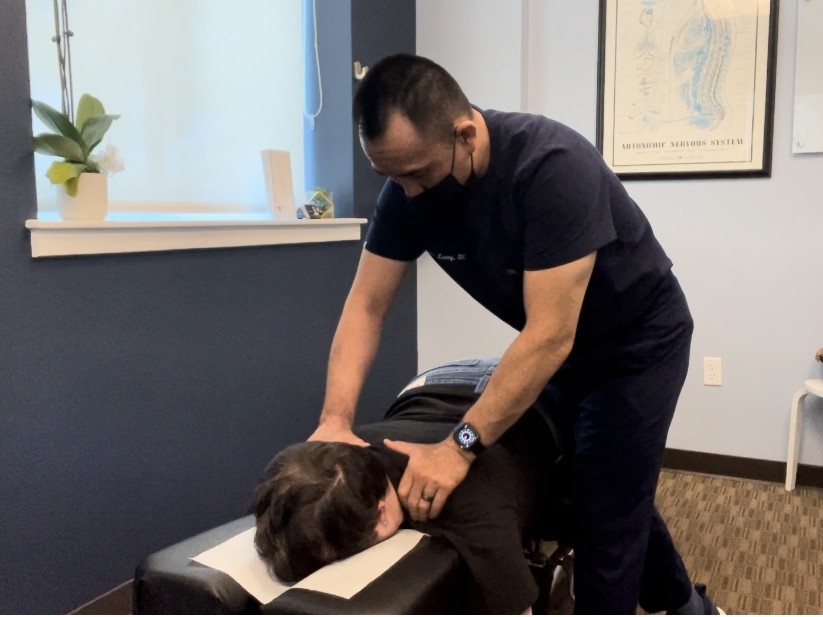
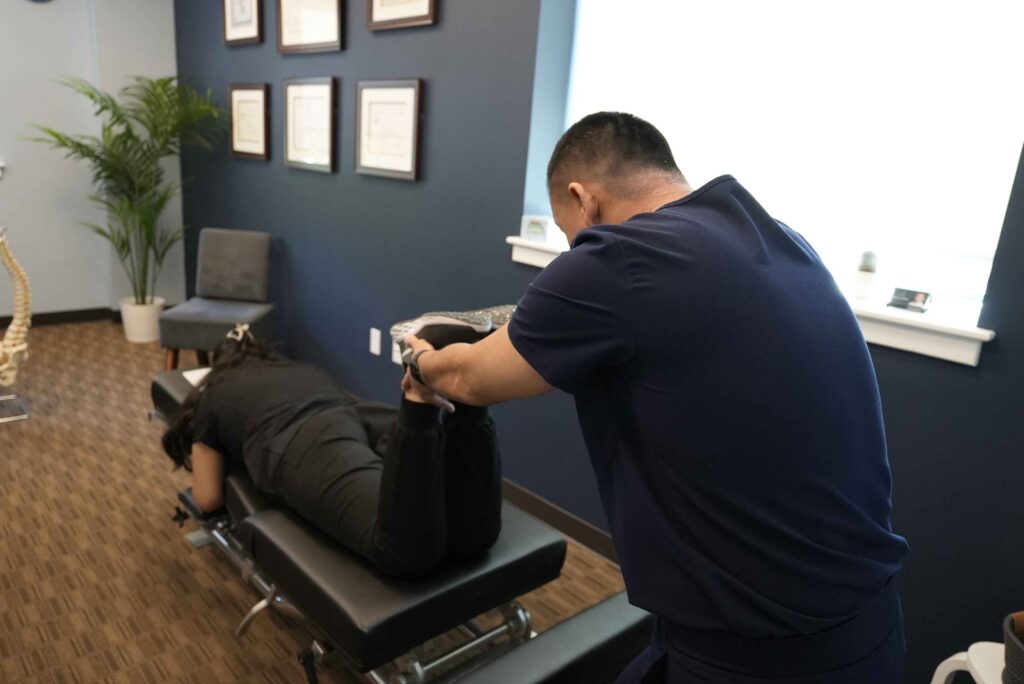
Chiropractic care focuses on the alignment of the spine and overall body mechanics, which can play a crucial role in alleviating headache pain. Misalignments in the spine can lead to tension and stress, contributing to headaches. By receiving regular chiropractic adjustments, you can improve your spinal health, reduce tension, and potentially minimize the frequency and intensity of your headaches.
In addition to chiropractic adjustments, here are some practical strategies you can implement to support your well-being:
- Stay Hydrated: Dehydration can be a trigger for headaches. Aim to drink plenty of water throughout the day.
- Practice Good Posture: Maintaining proper posture while sitting or standing can relieve strain on your neck and spine, reducing headache triggers.
- Manage Stress: Incorporating relaxation techniques, such as deep breathing, meditation, or yoga, can help reduce stress levels that may lead to headaches.
- Regular Exercise: Physical activity promotes overall health and can help reduce tension in the body. Find activities you enjoy and make them a regular part of your routine.
- Pay Attention to Triggers: Keep a headache diary to track when headaches occur and identify potential triggers, such as certain foods, sleep patterns, or stressors.
Remember, your journey to headache relief starts with understanding your body and seeking natural, holistic solutions. Chiropractic care can be your best ally in achieving optimal health and wellness. If you’re ready to regain control over your well-being, consider scheduling a consultation with a local chiropractor to discuss how they can help you find lasting relief.
Key Takeaways
Unlock Relief: Headache Solutions Through Care
- Chiropractic care is a powerful tool for managing headaches. By focusing on spinal adjustments, we can help reduce both the frequency and intensity of headaches, leading to a greater sense of well-being. Proper alignment can also improve your posture, which is essential in preventing tension-related headaches.
- Don’t underestimate the importance of staying hydrated! Drinking enough water and maintaining a balanced diet are key factors in preventing headaches caused by dehydration. Make sure to incorporate foods rich in vitamins and minerals to support your overall health.
- Stress can be a major trigger for headaches, but incorporating simple stress reduction techniques like deep breathing exercises and mindfulness practices can make a significant difference. These techniques not only help alleviate headache symptoms but also promote a sense of calm and relaxation.
- Natural remedies can be wonderful companions to chiropractic care. Consider trying soothing herbal teas or essential oils, which can provide additional relief from headache pain. These gentle solutions can enhance your overall wellness journey.
- Regular physical activity is vital for maintaining your health and supporting spinal health. Engaging in exercises that promote flexibility and strength can help reduce headache occurrences. Whether it’s a brisk walk, yoga, or other forms of movement, staying active contributes to your overall well-being.
Remember, chiropractic care is your best choice for natural pain relief and achieving optimal health. By focusing on these holistic approaches, you can take proactive steps towards a headache-free life!
Understanding Different Types of Headaches
When you experience a headache, it’s important to understand that not all headaches are the same, and recognizing the type can help you find the best way to relieve your discomfort. As a chiropractor, I want to share some insights about different types of headaches and how chiropractic care can play a crucial role in managing them.
Tension headaches are the most common type and often feel like a tight band around your head. They can arise from stress, poor posture, or muscle tension in the neck and shoulders. Regular chiropractic adjustments can help relieve tension in these areas, promoting better posture and reducing the frequency of tension headaches.
Migraines, on the other hand, can be quite intense and may include symptoms like throbbing pain, nausea, and sensitivity to light or sound. While the exact cause can vary, spinal misalignments may contribute to migraine triggers. Chiropractic care focuses on realigning the spine, which can help reduce the intensity and frequency of migraines.
Cluster headaches are less common but can be incredibly painful, often occurring in cycles and affecting one side of your head. Though they’re challenging to manage, chiropractic adjustments may help by improving overall spinal health and reducing nerve irritability.
Sinus headaches are often linked to sinus infections and usually involve facial pressure. Maintaining proper spinal alignment can improve drainage and function of the sinuses. Chiropractic techniques may also help in alleviating pressure and facilitating easier breathing.
Understanding these differences is essential, as it empowers you to identify what you’re experiencing and seek the most effective relief. Here are some general tips to help manage headaches naturally:
- Stay Hydrated: Dehydration can lead to headaches, so make sure to drink plenty of water throughout the day.
- Practice Good Posture: Pay attention to your posture, especially if you spend long hours at a desk. Regular chiropractic care can help maintain proper alignment.
- Incorporate Relaxation Techniques: Stress plays a significant role in tension headaches. Techniques like deep breathing, yoga, or meditation can be beneficial.
- Get Enough Sleep: A regular sleep schedule can help reduce headache frequency.
- Regular Chiropractic Visits: Consistent adjustments can help keep your spine aligned and reduce headache occurrences.
Knowing your headache type and understanding how chiropractic care can assist in managing them can lead you toward a healthier, pain-free life. If you’re struggling with headaches, consider reaching out to a chiropractor who can guide you on the path to natural healing and optimal wellness.
Lifestyle Changes for Headache Prevention
To keep headaches at bay, it’s important to focus on your hydration and nutrition, as these play a crucial role in your overall wellness. Eating balanced meals that include plenty of fruits, vegetables, and whole grains, paired with staying well-hydrated, can significantly reduce the likelihood of headaches.
Remember, your body needs water to function properly, and dehydration can lead to discomfort.
Additionally, maintaining good sleep hygiene is essential. Aim for a consistent sleep schedule, create a calming bedtime routine, and ensure your sleep environment is comfortable. A well-rested body can help you wake up refreshed and more resilient to headaches.
As a chiropractor, I also want to emphasize the importance of spinal health in headache prevention. Regular chiropractic adjustments can help align your spine, reduce tension, and improve your overall nervous system function, which can contribute to fewer headaches.
Incorporating spinal care into your routine is a natural and effective way to promote better health and alleviate pain.
Hydration and Nutrition
As a chiropractor, I often see patients who experience headaches and understand how debilitating they can be. While many factors can trigger headaches, proper hydration and nutrition are key players in prevention and overall wellness. Dehydration is a common issue, so it’s essential to drink enough water throughout the day—aim for at least eight 8-ounce glasses, but always listen to your body’s cues.
What you eat also significantly impacts your health and well-being. A balanced diet that includes plenty of fruits, vegetables, whole grains, and lean proteins can help reduce the frequency of headaches and support your overall spinal health. Remember, your spine and nervous system thrive on good nutrition!
Here’s a handy reference table to help you make better hydration and nutrition choices:
| Food/Drink | Hydration Level | Nutritional Benefits |
|---|---|---|
| Water | 100% | Essential for bodily functions, including spinal health |
| Cucumbers | 95% | High in vitamins and can help reduce inflammation |
| Spinach | 91% | Rich in iron, supporting overall energy levels |
| Oranges | 86% | Excellent source of vitamin C, boosting your immune system |
| Almonds | 5% | Packed with healthy fats and protein for sustained energy |
In addition to focusing on hydration and nutrition, consider regular chiropractic care. Adjustments can help alleviate tension in your neck and back, potentially reducing headache occurrences. Incorporating these simple lifestyle changes can lead to a healthier, happier you, free from the discomfort of headaches. Remember, natural healing starts with taking care of your body!
Sleep Hygiene Practices
Proper hydration and nutrition lay a solid groundwork for overall health, but good sleep hygiene is a vital component in preventing headaches and enhancing your well-being. As a chiropractor, I believe that a good night’s sleep plays a crucial role in spinal health and pain relief.
To improve your sleep, start by establishing a consistent bedtime routine; try to go to bed and wake up at the same time every day. This helps regulate your body’s internal clock, which can be beneficial for your spine and overall health.
Create a calming environment in your bedroom by keeping it dark, quiet, and cool. This not only promotes better sleep but also supports your body’s natural healing processes.
It’s wise to limit screen time before bed, as the blue light emitted by devices can disrupt your sleep cycle. Aim for 7-9 hours of quality sleep each night to allow your body to recover and rejuvenate.
Additionally, steer clear of heavy meals, caffeine, and alcohol close to bedtime, as these can interfere with your sleep quality.
If you’re finding it difficult to drift off, consider incorporating relaxation techniques such as deep breathing or meditation. These practices can help calm your mind and reduce tension in your body, which is especially beneficial for spinal health.
By prioritizing sleep hygiene, you can significantly lower the frequency and intensity of headaches, while also enhancing your overall health.
Natural Remedies to Alleviate Pain
When you’re seeking relief from headaches, consider turning to natural remedies that complement chiropractic care. Herbal teas and essential oils can be effective tools in managing discomfort, but it’s essential to remember that the foundation of long-term relief often lies in spinal health.
Chiropractic care focuses on the alignment of your spine, which plays a crucial role in your overall well-being. Misalignments can lead to tension and pain, contributing to headaches. Regular chiropractic adjustments can help restore proper alignment, reduce stress on the nervous system, and promote natural healing.
In addition to chiropractic care, incorporating herbal teas like chamomile or peppermint may provide soothing effects. These teas can help relax your body and mind, potentially reducing headache frequency and intensity. Similarly, essential oils such as lavender or eucalyptus can be beneficial. You can inhale their calming scents or apply diluted oils to your temples for added relief.
Here are a few general tips to enhance your comfort and promote wellness:
- Stay Hydrated: Dehydration can trigger headaches, so make sure you drink plenty of water throughout the day.
- Maintain Good Posture: Pay attention to your posture, especially when sitting for long periods. Good spinal alignment can help prevent tension headaches.
- Manage Stress: Incorporate relaxation techniques such as deep breathing, yoga, or meditation into your routine to alleviate stress, which can contribute to headaches.
- Regular Chiropractic Visits: Schedule regular check-ups with your chiropractor to ensure your spine remains aligned and healthy.
Herbal Teas for Relief
If you’re looking for a natural way to alleviate headache pain, consider incorporating herbal teas into your daily routine as a soothing remedy. While chiropractic care is an excellent choice for addressing the underlying causes of headaches, herbal teas can complement your wellness journey.
Certain herbal teas, such as peppermint and ginger, are known for their calming effects. Peppermint tea can help relax tense muscles and improve circulation, which are important for maintaining spinal health. Ginger tea is known to reduce inflammation and nausea, common factors associated with headaches.
Additionally, chamomile tea has natural sedative properties that promote relaxation and can help alleviate stress-related tension, which can often lead to headaches. Feverfew tea is another option worth exploring; it has been used for centuries to help prevent migraines. Enjoying a warm cup of herbal tea can be a comforting ritual that supports your overall well-being.
It’s also essential to stay hydrated, as dehydration can trigger headaches. Sipping on these herbal teas throughout the day can’t only provide relief but also encourage healthy hydration.
Remember, while herbal teas can be beneficial, it’s vital to address the root cause of your headaches through chiropractic care. Regular adjustments can help ensure your spine is aligned, reducing tension and stress that contribute to headache pain.
Incorporate these tips into your routine for a holistic approach to health and wellness. Your body will thank you!
Essential Oils Benefits
In addition to the benefits of chiropractic care, essential oils can serve as a helpful natural remedy for alleviating pain, including headaches. Oils like peppermint and lavender are particularly effective and can complement your chiropractic treatments.
When you inhale peppermint oil, it stimulates blood flow and reduces tension, offering quick relief. Lavender oil, renowned for its calming properties, can help ease stress and promote relaxation, which may also lessen the intensity of headaches.
To incorporate these oils into your wellness routine, consider adding a few drops to a diffuser while you relax at home, or mix them with a carrier oil to gently massage onto your temples. You can also enjoy a warm compress infused with essential oils for added comfort.
While essential oils can be beneficial, remember that regular chiropractic adjustments can target the root causes of headaches and improve your overall spinal health.
The Role of Nutrition in Headache Management
While many factors contribute to headaches, nutrition plays a significant role in how we manage them, and understanding this can enhance your health and wellness journey. What you eat can greatly affect the frequency and intensity of headaches. One of the simplest steps you can take is to ensure you’re well-hydrated; dehydration is a common headache trigger, so drink plenty of water throughout the day.
Including magnesium-rich foods such as spinach, nuts, and whole grains in your diet may also be beneficial. Magnesium is important for muscle relaxation and has been linked to the prevention of migraines.
Additionally, incorporating omega-3 fatty acids found in fish can help reduce inflammation, which might contribute to headache relief.
It’s equally important to be mindful of certain trigger foods that may worsen your headaches, such as aged cheeses, processed meats, and artificial sweeteners. Keeping a food diary can be a great way to pinpoint any personal food triggers and help you make more informed choices.
Balancing your meals and focusing on whole, nutrient-dense foods can support your overall health and potentially lessen headache occurrences.
Remember, chiropractic care can also play a crucial role in your wellness by addressing spinal alignment, which may alleviate head and neck tension often associated with headaches.
Stress Reduction Techniques for Relief
Stress is often a significant contributor to headaches, and it’s vital to explore effective ways to manage stress naturally. By incorporating these simple techniques into your daily routine, you can find relief and enhance your overall wellness, paving the way to a healthier life.
- Deep Breathing Exercises: Take a few moments to focus on your breath. Inhale deeply through your nose, hold it briefly, and then exhale slowly through your mouth. This practice not only calms your mind but also helps reduce tension in your body, making it a great tool for headache relief.
- Mindfulness Meditation: Dedicate some time each day to mindfulness. Find a quiet spot, close your eyes, and concentrate on the present moment. This practice can significantly lower stress levels and improve your emotional health, supporting your overall well-being.
- Physical Activity: Regular exercise is crucial for stress management. Whether it’s a brisk walk, yoga, or dancing, moving your body helps release endorphins—natural chemicals that uplift your mood and relieve stress.
Plus, maintaining physical activity supports spinal health, which is essential for overall wellness.
In addition to these techniques, consider incorporating chiropractic care into your wellness routine. Chiropractic adjustments can help alleviate tension in your spine, which may contribute to stress and headaches.
By focusing on spinal health, you can enhance your body’s natural ability to heal, leading to a more relaxed mind and fewer headaches.
Professional Treatments and Therapies
When you’re grappling with persistent headaches, considering professional treatments can lead to significant relief. Among these options, chiropractic care stands out as a natural approach that addresses the root causes of your discomfort. Chiropractors specialize in spinal health and alignment, which can play a crucial role in alleviating headaches.
Chiropractic care not only focuses on adjusting the spine to relieve pain but also emphasizes overall wellness. By restoring proper alignment, chiropractors help improve your body’s function and reduce tension that may be contributing to your headaches. Personalized treatment plans are designed to meet your specific needs, ensuring you receive the dedicated care necessary for your recovery.
Here’s a table highlighting the benefits of chiropractic care compared to other treatments:
| Treatment | Benefits | Emotional Impact |
|---|---|---|
| Chiropractic Care | Aligns spine, alleviates pain | Restores balance, provides relief |
| Physical Therapy | Improves posture, reduces tension | Increases mobility, instills hope |
| Acupuncture | Reduces inflammation, enhances energy | Promotes relaxation, fosters calm |
| Massage Therapy | Eases muscle tension, improves circulation | Boosts mood, offers comfort |
Chiropractic care not only targets the source of your headaches but also promotes overall well-being. Here are a few tips you can incorporate into your routine for better head health:
- Stay Hydrated: Dehydration can often lead to headaches. Aim to drink plenty of water throughout the day.
- Maintain Good Posture: Proper posture can prevent tension in your neck and spine. Be mindful of your posture while sitting, especially if you work at a desk.
- Regular Exercise: Engage in regular physical activity to reduce stress and improve circulation, both of which can help lessen headache frequency.
- Mindfulness and Relaxation Techniques: Try incorporating practices like yoga or meditation to manage stress levels.
If you’re struggling with headaches, don’t hesitate to reach out to a chiropractor. They can guide you on the best path to relief through natural healing methods and help you regain control over your health. Embrace the benefits of chiropractic care for a healthier, happier life!
When to Seek Medical Attention
How can you tell if your headache is something more serious? While most headaches are harmless, there are certain signs that should prompt you to consider seeking professional help. Here are three key indicators that may suggest a deeper issue:
- Sudden Onset: If you experience a sudden, severe headache, often described as a “thunderclap,” it could signal a serious concern, such as a brain aneurysm. In these cases, it’s important to consult with a healthcare professional to ensure your safety.
- Neurological Symptoms: If your headache is accompanied by confusion, difficulty speaking, or weakness on one side of your body, it’s crucial to get evaluated right away. These symptoms may indicate a more serious condition that requires immediate attention.
- Persistent Pain: Headaches that last longer than a few days or worsen despite your efforts to manage them could be a sign of an underlying issue. It’s a good idea to see a chiropractor or another healthcare provider who can assess your condition and determine the best approach to help you find relief.
In addition to these signs, there are proactive steps you can take to support your overall health and reduce the frequency of headaches. Maintaining good posture, staying hydrated, managing stress through relaxation techniques, and ensuring you’re getting enough sleep can all contribute to a healthier lifestyle.
Chiropractic care is a fantastic option for those seeking natural, effective ways to alleviate pain and promote wellness. By addressing spinal alignment and overall body function, a chiropractor can help you find relief from headaches and enhance your overall health.
Trust your instincts—if something feels off, don’t hesitate to reach out for help. Early intervention can make a significant difference in your health and well-being.
Conclusion
In conclusion, finding relief from headaches can be achieved through a comprehensive approach that highlights the benefits of chiropractic care, along with lifestyle modifications and natural remedies. By identifying the specific types of headaches you experience and incorporating mindful adjustments to your daily routine, you can significantly decrease both their frequency and severity.
Chiropractic care focuses on aligning the spine and optimizing nervous system function, which can play a crucial role in alleviating headache pain. Regular visits to your chiropractor can help address underlying issues that may be contributing to your discomfort, leading to better overall health and wellness.
Additionally, don’t underestimate the importance of nutrition and effective stress management techniques in your journey to feeling better. Simple practices like staying hydrated, eating a balanced diet rich in fruits and vegetables, and engaging in relaxation techniques such as deep breathing or meditation can make a significant difference.
If headaches persist, consider seeking the expertise of a chiropractor who can create a personalized treatment plan tailored to your specific needs. Remember, the goal is to empower yourself with knowledge and natural solutions that promote healing and optimal health. Embrace a healthier lifestyle today, and take steps towards a pain-free tomorrow!