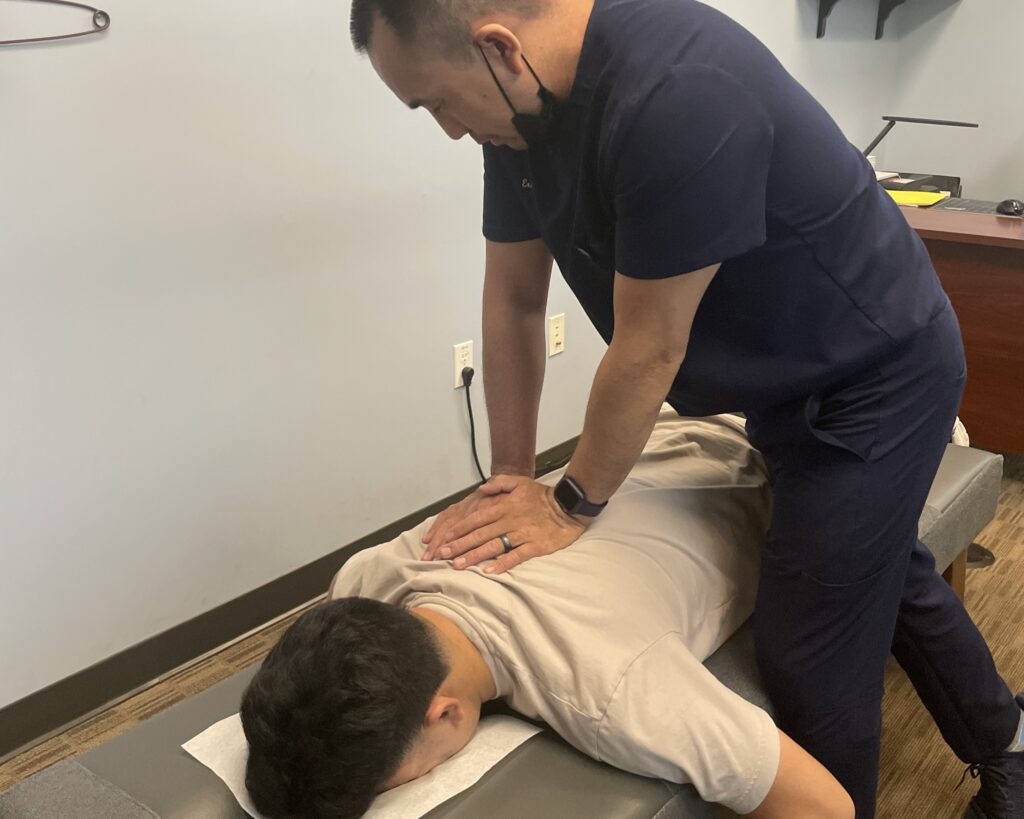
Back pain is an issue that many of my patients experience, but I want you to know that there are simple lifestyle adjustments that can greatly improve your situation. As a chiropractor, I often emphasize the importance of maintaining good posture, incorporating regular stretching, and strengthening your core muscles. These practices not only help alleviate pain but also promote your overall well-being.
It’s essential to understand that chiropractic care is about more than just addressing pain; it’s about fostering a healthier, more balanced body. Are you curious about how these simple changes can positively impact your daily life? Let’s delve into the key steps you can take to support your back health and enhance your quality of life.
Understand the Importance of Posture
As a local chiropractor, I want to emphasize just how crucial your posture is for maintaining optimal back health. Many people may not realize it, but poor posture can lead to muscle imbalances, strain, and even chronic pain.
When you find yourself slouching or hunching over, you inadvertently place unnecessary pressure on your spine and the surrounding muscles. This added tension can lead to discomfort and, if left unaddressed, long-term damage.
I understand that many of you spend significant time sitting—whether it’s at your desk at work or relaxing at home. That’s why it’s essential to be aware of how you position your body.
I encourage you to keep your shoulders back, your feet flat on the floor, and your back straight. If you’re standing, make sure to distribute your weight evenly across both feet. The goal is to maintain a natural curve in your spine, which is vital for your overall well-being.
By being mindful of your posture, you can help prevent potential issues and improve your overall health. If you have any questions about how to maintain good posture or if you’re experiencing discomfort, don’t hesitate to reach out.
I’m here to support you on your journey to better health through natural healing methods.
Incorporate Stretching Into Your Daily Routine
As a local chiropractor dedicated to your well-being, I want to emphasize the importance of incorporating stretching into your daily routine for better back health and overall flexibility. Just a few minutes of stretching each day can make a significant difference by alleviating muscle tension and improving blood circulation.
You don’t need to carve out extra time in your busy schedule; simple stretches can easily be integrated into activities like watching TV, during your morning routine, or even while sitting at your desk.
I encourage you to focus on key muscle groups such as your hamstrings, hip flexors, and lower back. Stretching these areas can help relieve pressure on your spine and promote better posture, which is essential for maintaining a healthy back.
Remember to breathe deeply and hold each stretch for at least 15 to 30 seconds to fully reap the benefits.
Consistency is crucial. Aim to stretch at least once a day, and over time, you’re likely to notice improved mobility and reduced discomfort.
Strengthen Your Core Muscles
As a local chiropractor, I want to emphasize the importance of strengthening your core muscles as part of your journey toward better back health. When your core is strong, it acts as a stabilizer for your spine and pelvis, which can significantly reduce the strain on your back.
Incorporating simple exercises such as planks, bridges, and abdominal crunches into your routine can yield remarkable benefits. It’s essential to create a balanced workout that targets all areas of your core, including your obliques and lower back. You don’t need any fancy equipment to start; bodyweight exercises can be incredibly effective.
Begin with a few repetitions and gradually increase the intensity as your strength develops. I recommend engaging in core workouts at least two to three times a week to see optimal results.
Always pay close attention to your form during these exercises. Proper technique is crucial to prevent injuries; using incorrect form can lead to more harm than good.
Choose Ergonomic Furniture
As a local chiropractor, I want to emphasize the importance of choosing ergonomic furniture in your daily life, especially if you want to prevent back pain.
Ergonomic furniture is specifically designed to support your body in a way that promotes proper alignment. These pieces often come with adjustable features, allowing you to customize them for optimal comfort.
By incorporating ergonomic furniture into your workspace, you can significantly enhance your posture and reduce the strain on your body.
This investment not only contributes to a healthier work environment but also aligns with natural healing principles that I advocate in my practice.
Importance of Ergonomic Design
As a local chiropractor, I often see patients struggling with back pain, which frequently arises from poor posture and insufficient support in their daily environments.
That’s why I emphasize the importance of investing in ergonomic furniture; it can truly transform your daily comfort and overall health. Ergonomic designs are specifically developed to promote better posture and provide the essential support your body needs to function optimally.
When you opt for ergonomic furniture, you’re not simply purchasing a chair or desk; you’re making a commitment to prioritizing your health and well-being.
Here are some benefits of incorporating ergonomic furniture into your life:
- It supports natural spinal alignment, which is crucial for maintaining a healthy back.
- It reduces strain on your muscles and joints, helping to alleviate discomfort and prevent injuries.
- It enhances your focus and productivity, allowing you to work more efficiently without the distractions of pain.
- Many ergonomic options are customizable to fit your individual needs and preferences, ensuring you get the best support for your body.
By making these thoughtful choices, you can take significant steps toward improving your posture and overall health.
Adjustability for Comfort
As a local chiropractor, I want to emphasize the importance of investing in ergonomic furniture for your overall comfort and spinal health. It’s not just about aesthetics; having a workspace that can adapt to your individual needs is crucial for maintaining a healthy back.
When you opt for adjustable chairs and desks, you ensure that your body receives the necessary support throughout your workday. Consider a chair that allows you to modify the height, lumbar support, and armrests. These features can significantly alleviate strain on your back, which is vital for preventing discomfort and potential injury.
Additionally, utilizing a sit-stand desk enables you to change positions throughout the day, promoting better posture and reducing the risk of developing chronic pain.
Don’t underestimate the value of a monitor stand either. Aligning your screen at eye level can prevent unnecessary neck strain and contribute to a more comfortable working experience.
These small modifications may seem insignificant, but they can lead to substantial improvements in how you feel while working. By prioritizing adjustability in your workspace, you’re taking proactive steps towards long-term spinal health and overall well-being.
Practice Safe Lifting Techniques
As a local Chiropractor, I want to share some essential information about safe lifting techniques that can greatly help in preventing back pain, which is something we see frequently in our practice.
Understanding how to lift heavy objects properly not only protects your back but can also minimize unnecessary strain on your body. Here are some important tips to keep in mind:
- Bend at the knees: Instead of bending at your waist, squat down to the level of the object you’re lifting. This technique reduces stress on your spine and helps you lift more safely.
- Keep the load close: It’s important to hold the object as close to your body as you can. This position helps distribute the weight more evenly, reducing the strain on your back.
- Engage your core: When lifting, remember to tighten your abdominal muscles. This action provides additional stability to your spine, making it easier to lift without injury.
- Move your feet: Avoid twisting your body while lifting or carrying heavy items. Instead, pivot your feet to change direction. This method protects your back from awkward movements that could lead to discomfort or injury.
By incorporating these techniques into your daily activities, you can help safeguard your spine and maintain a healthy back.
If you have any questions or would like to learn more about how to care for your body, feel free to reach out to us at the clinic. Your health and well-being are our top priorities!
Stay Active With Regular Exercise
As a local chiropractor dedicated to your health, I want to emphasize the importance of staying active through regular exercise for maintaining a healthy back and overall well-being. Engaging in physical activity is crucial as it strengthens the muscles that support your spine, leading to better posture and a reduced risk of injury.
I recommend incorporating a balanced routine that includes aerobic exercises, strength training, and flexibility workouts. Activities such as walking, swimming, or cycling are excellent for enhancing your cardiovascular health while also toning your core and back muscles.
Additionally, exercises like yoga and Pilates can significantly improve your flexibility and balance, making everyday activities easier and putting less strain on your back. It’s important to listen to your body—if something doesn’t feel right, please consider modifying your routine or seeking guidance from a healthcare professional.
Even small adjustments, like choosing the stairs over the elevator or incorporating stretches during your breaks, can have a substantial impact on your health. By committing to an active lifestyle, not only can you help prevent back pain, but you’ll also experience improved mood and energy levels, contributing to a healthier life overall.
Maintain a Healthy Weight
As your local chiropractor, I want to emphasize the importance of maintaining a healthy weight, especially when it comes to preventing back pain. A balanced diet, regular exercise, and mindful portion control can have a significant impact on your spinal health. When your body is at a healthy weight, it reduces the strain on your spine and surrounding muscles, which can alleviate discomfort and promote overall wellness.
Let’s take a closer look at how these elements play a role in your health. Eating a variety of nutritious foods provides the essential vitamins and minerals your body needs to function optimally. Pairing this with consistent physical activity strengthens your muscles and improves flexibility, both of which are crucial for supporting your spine.
Monitoring your portion sizes is also key; overeating can lead to weight gain, which puts additional pressure on your back. By making mindful choices about what and how much you eat, you can help maintain a weight that supports your body’s structure and function.
Together, we can explore these factors and develop a personalized plan that aligns with your health goals.
Balanced Diet Importance
As a local chiropractor, I want to emphasize the importance of a balanced diet in your journey toward better health and well-being. Maintaining a healthy weight is crucial, not only for your overall wellness but also for reducing your risk of back pain.
When you fuel your body with the right nutrients, you support not just your spine but your entire bodily functions. A well-rounded diet helps you avoid excess weight, which can put unnecessary strain on your back muscles and joints.
Here are some key components to consider when planning your meals:
- Fruits and Vegetables: These are packed with essential vitamins and minerals that are vital for maintaining strong bones and a healthy spine.
- Whole Grains: They provide the energy you need and help support a healthy metabolism, allowing your body to function optimally.
- Lean Proteins: Important for muscle repair and growth, lean proteins play a significant role in keeping your back strong and resilient.
- Healthy Fats: These are crucial for cellular function and can help reduce inflammation, which is beneficial for your overall health.
Incorporating these foods into your diet can be an effective way to enhance your chiropractic care and promote a pain-free lifestyle.
Regular Exercise Routine
As a local chiropractor, I want to emphasize that while maintaining a balanced diet is essential, incorporating a consistent exercise routine is equally crucial for managing your weight and preventing back pain. Engaging in regular physical activity not only strengthens the muscles that support your spine but also enhances your posture and flexibility.
I recommend a combination of aerobic exercises, strength training, and stretching to achieve optimal results. Activities such as walking, swimming, or yoga can be particularly beneficial for your overall well-being.
Exercise does more than just help you maintain a healthy weight; it also releases endorphins, which can alleviate pain and elevate your mood.
I encourage you to make staying active a part of your daily life—try to aim for at least a 30-minute walk each day. Remember, consistency is key, so it’s important to find activities that you enjoy. This will make it easier to stick to your routine and contribute positively to your overall health.
If you have any questions about how to safely incorporate exercise into your life or how it relates to chiropractic care, feel free to ask during your next visit!
Monitor Portion Sizes
As a local chiropractor, I want to emphasize how important monitoring portion sizes can be for not only managing your weight but also for preventing back pain.
Many people may not realize that consuming larger portions can contribute to excess weight, which in turn places additional stress on your spine and back muscles. By being intentional about the amount of food you serve yourself, you can maintain a healthy weight and help reduce strain on your back.
Here are some practical tips to help you get started:
- Opt for Smaller Plates: Using smaller plates can help you naturally limit your servings without feeling deprived.
- Listen to Your Body: Be mindful of your hunger cues; eat when you’re hungry and stop when you feel satisfied, rather than finishing everything on your plate.
- Avoid Eating Directly from Packages: Instead of munching straight from the bag or box, take the time to portion out a single serving. This simple act can prevent overeating.
- Keep Healthy Snacks Available: Having nutritious snacks on hand can help you avoid the temptation to overindulge during meal times.
By adopting these mindful eating habits, you can support not just your weight management goals, but also promote better spinal health and overall well-being.
Conclusion
As a local chiropractor, I want to help you understand how simple lifestyle changes can significantly reduce your risk of back pain. One of the most important things you can do is prioritize good posture; it plays a crucial role in maintaining a healthy spine. Incorporating stretching and core-strengthening exercises into your routine will not only help with flexibility but also support your back.
Choosing ergonomic furniture is another key factor in creating a supportive environment for your spine. This includes things like chairs that provide proper lumbar support and desks at the right height. Additionally, practicing safe lifting techniques is essential to prevent injuries—always lift with your legs, not your back!
Staying active is vital for keeping your back strong. Regular movement helps maintain flexibility and strength in your muscles. Also, managing your weight can significantly lessen the strain on your body, contributing to overall spinal health.
By embracing these habits, you can prevent back pain and enhance your overall well-being for years to come. Remember, taking proactive steps today can lead to a healthier tomorrow!