Tension headaches can be quite disruptive, affecting your daily activities and overall productivity. Understanding what triggers these headaches and recognizing their symptoms is crucial, but managing them naturally is where chiropractic care can truly shine. By prioritizing self-care practices and making lifestyle adjustments, you can experience relief without the need for medications.
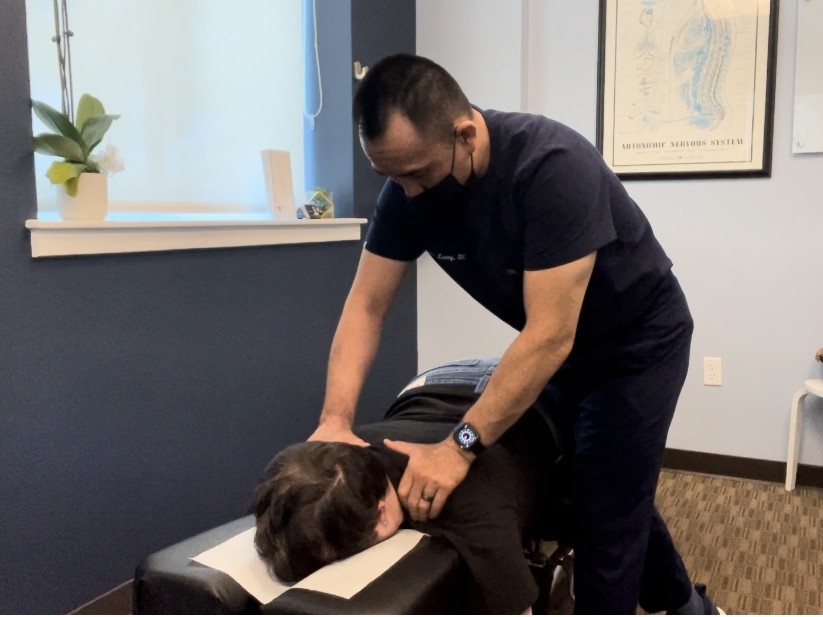
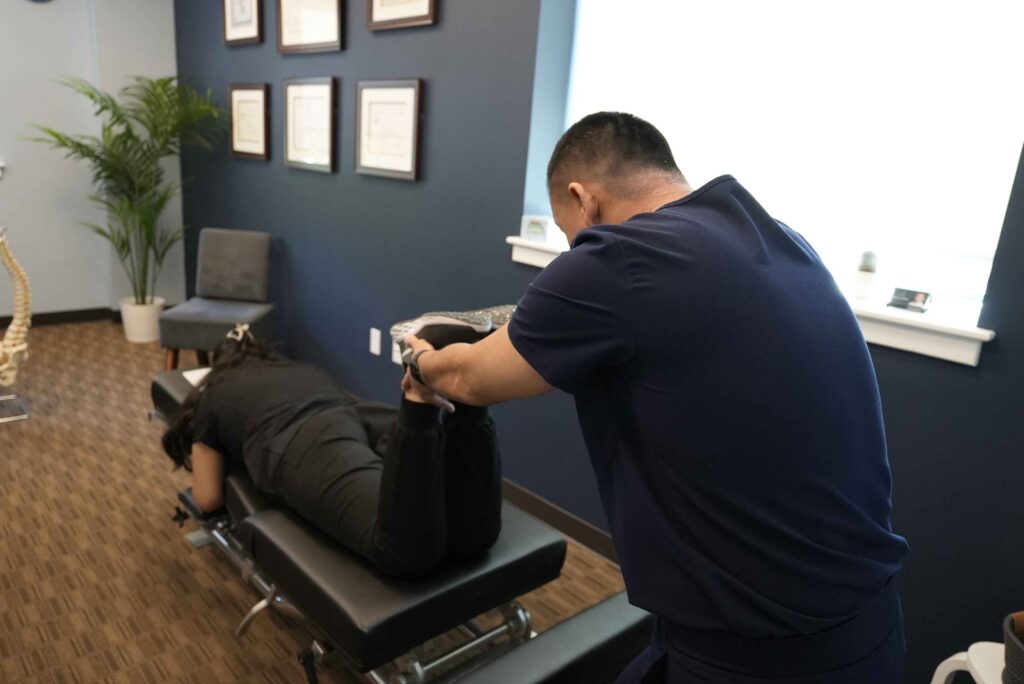
Chiropractic care focuses on the health of your spine and nervous system, which plays a significant role in how your body responds to stress and tension. Regular chiropractic adjustments can help alleviate tension in the neck and shoulders, which are common culprits of tension headaches. By improving spinal alignment, you can enhance your body’s ability to function optimally and reduce headache frequency and intensity.
In addition to chiropractic adjustments, here are some simple, effective strategies you can incorporate into your routine to help manage tension headaches:
- Stay Hydrated: Dehydration can contribute to headache onset. Aim to drink plenty of water throughout the day.
- Practice Good Posture: Be mindful of your posture, especially when sitting for long periods. Proper ergonomics at your workstation can help relieve tension.
- Incorporate Relaxation Techniques: Activities like deep breathing, meditation, or yoga can reduce stress and help prevent headaches.
- Get Regular Exercise: Physical activity can improve blood flow and reduce muscle tension. Aim for at least 30 minutes of moderate exercise most days.
- Prioritize Sleep: Ensure you’re getting enough restorative sleep each night. Establish a calming bedtime routine to promote better sleep quality.
- Consider Massage Therapy: Complementing chiropractic care with regular massages can help release tension in the muscles and reduce headache occurrences.
By focusing on these natural methods and embracing chiropractic care, you can take control of your tension headaches and enhance your overall well-being. Ready to experience the benefits of chiropractic for yourself? Let’s work together to find the best approach for your health!
Key Takeaways
- Maintaining good posture is crucial for your overall health. Make it a habit to take regular breaks from screens to reduce muscle strain and tension, which can lead to tension headaches. Chiropractic care can help you develop proper posture and align your spine, reducing the risk of headaches.
- Staying hydrated is essential for optimal brain function and can help alleviate headaches. Aim to drink at least eight glasses of water daily. When combined with chiropractic adjustments, proper hydration can enhance your body’s natural healing processes.
- Incorporating relaxation techniques such as deep breathing, yoga, and mindfulness can significantly lower stress levels. These practices complement chiropractic care, fostering a holistic approach to wellness that addresses both mind and body.
- Creating an optimal sleep environment is key. Ensure you have comfortable bedding, soft lighting, and a consistent sleep schedule. A well-rested body responds better to chiropractic adjustments, helping to maintain spinal alignment and overall health.
- Regular visits to a chiropractor can greatly improve your spinal alignment and relieve muscle tension linked to headaches. Chiropractic care is a natural and effective way to manage pain and promote wellness without the need for medications or surgeries. By prioritizing your spine health, you’re taking a significant step toward long-term relief and improved quality of life.
By incorporating these simple strategies into your daily routine and considering chiropractic care, you can effectively manage and prevent tension headaches naturally.
Understanding Tension Headaches
Understanding tension headaches is crucial for managing them effectively, and as a local chiropractor, I’m here to help you navigate this common issue. Tension headaches often feel like a tight band around your head, causing mild to moderate pain that can persist for hours or even days. Unlike migraines, they usually don’t come with severe symptoms like nausea or sensitivity to light.
These headaches can arise from various factors such as stress, anxiety, muscle strain, or even poor posture. The good news is that with the right approach, they can be managed naturally. By addressing the underlying causes, such as spinal alignment and muscle tension, you can significantly reduce the frequency and intensity of these headaches.
Here are some practical tips to help alleviate tension headaches:
- Posture Check: Maintain good posture, especially when sitting for long periods. Ensure your workstation is ergonomically set up to support your spine.
- Regular Breaks: Take regular breaks from screens and activities that require prolonged focus. Step away to stretch and relax your muscles.
- Relaxation Techniques: Incorporate relaxation practices like deep breathing, meditation, or gentle yoga into your daily routine to help manage stress levels.
- Chiropractic Care: Regular visits to your chiropractor can help ensure your spine is aligned, reducing muscle tension and improving overall body function. This natural approach focuses on enhancing your body’s ability to heal itself, providing long-term relief from headaches.
- Hydration and Nutrition: Stay hydrated and eat a balanced diet rich in nutrients to support your overall health and reduce the likelihood of headaches.
By understanding the nature of tension headaches and taking these proactive steps, you can empower yourself to tackle them effectively. Chiropractic care is a powerful tool in achieving optimal health and wellness, offering a natural approach to pain relief that can lead to a better quality of life.
If you’re struggling with tension headaches, consider discussing your symptoms with a chiropractor who can guide you toward a healthier, pain-free future.
Identifying Triggers and Symptoms
To effectively manage tension headaches, it’s essential to identify what triggers them. As a chiropractor, I often see how physical symptoms and emotional stress can play a significant role in your discomfort. Pay attention to things like poor posture, muscle tension, and even stress from daily life.
Recognizing these triggers can empower you to take proactive steps toward relief. Chiropractic care can be a game changer in addressing the underlying issues that contribute to tension headaches. By aligning your spine and improving your overall posture, you can reduce tension in your neck and shoulders, which often leads to headaches.
Additionally, consider incorporating relaxation techniques such as deep breathing, gentle stretching, or even regular chiropractic adjustments into your routine. These practices not only promote physical well-being but also support emotional balance.
Common Triggers to Recognize
Have you ever noticed a pattern to when your tension headaches strike? Understanding your headaches and their common triggers can be a powerful step toward managing and preventing them naturally. One of the most significant contributors is stress.
Take a moment to reflect on your daily pressures and how they impact your body.
Another factor to consider is posture. If you’re sitting at a desk for long hours, poor posture can lead to increased tension in your neck and shoulders, which may trigger headaches.
Remember to sit up straight, take regular breaks, and stretch your body to keep your spine aligned and reduce strain.
Sleep is crucial for overall health, and irregular sleep patterns can also lead to headaches. Aim for a consistent sleep schedule, ensuring you get enough restorative rest each night.
Don’t underestimate the importance of nutrition and hydration, either. Skipping meals or becoming dehydrated can significantly contribute to headache occurrences.
Make sure to eat balanced meals and drink plenty of water throughout the day.
Environmental factors can also play a role. Bright lights or loud noises might trigger discomfort.
Consider creating a calming workspace with softer lighting and minimal distractions to help reduce these triggers.
By recognizing these common headache triggers, you can take proactive steps to alleviate them.
Regular chiropractic care can also be an excellent way to support your overall well-being. Chiropractic adjustments can help improve spinal alignment, reduce muscle tension, and promote relaxation, ultimately leading to fewer headaches and a more headache-free life.
Physical Symptoms to Monitor
Recognizing common triggers is just the beginning; being aware of your physical symptoms is crucial for understanding when a tension headache may be on the horizon. Observing signs such as muscle tightness, particularly in your neck and shoulders, fatigue, or fluctuations in appetite can provide important clues.
Here’s a simple guide to help you identify these symptoms and take proactive steps towards wellness:
| Symptom | Description | Action to Take |
|---|---|---|
| Muscle Tightness | Stiffness in neck and shoulders | Stretch gently and practice relaxation techniques, such as deep breathing or gentle yoga. Regular chiropractic adjustments can also help maintain flexibility and relieve tension. |
| Fatigue | Unusual tiredness | Ensure you get adequate rest and stay hydrated. Chiropractic care can enhance your energy levels by improving spinal alignment and overall body function. |
| Visual Disturbances | Blurriness or sensitivity to light | Take regular breaks from screens and consider eye exercises. Maintaining proper neck alignment through chiropractic adjustments may also alleviate visual strain. |
| Changes in Appetite | Increased or decreased hunger | Keep a close eye on your diet. A balanced diet supports your overall health, and chiropractic care can help optimize your digestive health through spinal adjustments. |
Emotional Stress Factors
While physical symptoms are certainly important, emotional stress factors can play a significant role in tension headaches as well. You may find that your headaches often occur during stressful times, such as approaching work deadlines, challenges in relationships, or financial pressures. Recognizing these emotional triggers is crucial for your overall well-being.
It’s important to tune into your feelings; signs of anxiety, frustration, or irritability can indicate that emotional stress is building up. When you start to feel overwhelmed, take a moment to assess your mental state. Are you clinging to negative thoughts? Are you neglecting self-care practices that promote wellness?
By identifying these emotional stressors, you can take proactive steps to manage them effectively. Chiropractic care can be an excellent way to help alleviate tension and promote relaxation in your body, which can lead to a reduction in headache frequency and intensity.
In addition to chiropractic adjustments, consider incorporating relaxation techniques such as deep breathing exercises, gentle stretching, or mindfulness practices into your daily routine. Engaging in these activities can help reduce stress levels and improve your overall mental health.
Importance of Hydration
Staying hydrated is crucial for overall health and wellness, especially when it comes to preventing tension headaches. Even mild dehydration can lead to discomfort and increased stress levels, making it harder for your body to function optimally. As a chiropractor, I understand that maintaining proper hydration is an essential part of your journey towards natural healing and pain relief. By making it a habit to sip water throughout the day, you can help manage headache triggers and support your spinal health.
Here’s a simple breakdown of how hydration affects your body and some easy tips to help you stay on track:
| Hydration Level | Effects on Body | Tips to Stay Hydrated |
|---|---|---|
| Well-Hydrated | Best brain function, improved focus | Carry a reusable water bottle with you |
| Mild Dehydration | Fatigue and irritability | Set reminders on your phone to drink water |
| Moderate Dehydration | Headaches may occur | Add slices of fruits like lemon or cucumber to your water for a refreshing taste |
| Severe Dehydration | Severe headaches and nausea | Incorporate water-rich foods like cucumbers, oranges, and berries into your diet |
Relaxation Techniques for Relief
To effectively combat tension headaches, incorporating relaxation techniques into your daily routine can be remarkably beneficial, especially alongside chiropractic care. As a chiropractor, I often see the positive effects of natural healing methods on overall wellness. Here are some techniques you can use to help relieve tension and promote a healthier lifestyle.
Start with deep breathing exercises. Inhale slowly through your nose, hold for a few seconds, and then exhale through your mouth. This simple yet powerful practice helps reduce stress and tension in your body, allowing for a clearer mind and a more relaxed state.
Next, consider progressive muscle relaxation. This involves tensing and then relaxing each muscle group, starting from your toes and moving up to your head. By tuning into your body’s tension, you can promote relaxation and support the benefits of chiropractic adjustments.
Mindfulness meditation is another excellent approach. Dedicate a few minutes each day to focus on your breath or visualize a peaceful scene. This practice not only calms the mind but also complements the holistic care you receive from chiropractic treatments.
Don’t forget the benefits of gentle yoga. Incorporating some light stretches into your routine can help keep your spine flexible and support your overall posture—key elements in reducing tension headaches.
Lastly, guided imagery can be a wonderful tool. Picture a serene place or experience a calming scenario in your mind. This technique can lead to a soothing environment for both your mind and body, further enhancing the relief you may find through chiropractic care.
By integrating these relaxation techniques, you can create a harmonious balance in your body, significantly reducing the frequency and intensity of tension headaches.
The Role of Exercise and Stretching
Incorporating exercise and stretching into your daily routine can significantly enhance the relaxation techniques we’ve previously discussed, especially when it comes to relieving tension headaches. Regular physical activity is essential for reducing stress and tension, which are often key contributors to headaches. Aim for at least 30 minutes of moderate exercise on most days; simple activities like walking, swimming, or cycling can be incredibly beneficial.
Stretching is equally important, as it specifically targets tight muscles that may be causing headache discomfort. Focus on stretching your neck, shoulders, and upper back. Simple neck rolls and shoulder shrugs can help alleviate tightness and improve circulation, which is important for overall spinal health.
Try to make these stretches a regular part of your day, especially during work breaks or after long periods of sitting. By combining regular exercise with targeted stretching, you not only help prevent tension headaches but also support your overall well-being. You’ll likely notice that you feel more relaxed and energized, better prepared to handle daily challenges.
As a chiropractor, I encourage you to consider how these practices, alongside regular chiropractic care, can lead to optimal health. Chiropractic adjustments can help align your spine, reduce pain, and enhance your body’s natural ability to heal.
Together with exercise and stretching, chiropractic care can be a powerful approach to achieving and maintaining a healthy, pain-free life. Remember to listen to your body and consult with your chiropractor if you have any questions or concerns about your exercise or stretching routine.
Dietary Changes to Consider
As a chiropractor dedicated to promoting health and wellness, I want to share how the foods you eat can influence your tension headaches. You may not realize it, but making some simple dietary changes can support your overall well-being and reduce the frequency and severity of headaches.
First and foremost, consider adding more fruits and vegetables to your meals. These foods are packed with essential vitamins and minerals that can help reduce inflammation in your body.
Remember, staying well-hydrated is also crucial; aim for at least eight glasses of water each day to keep your body functioning optimally.
It’s wise to limit processed foods in your diet. They often contain additives and preservatives that can trigger headaches.
Be mindful of your caffeine intake, as it can be a mixed bag; while some people find relief from pain with small amounts of caffeine, others may experience withdrawal headaches if they consume it excessively.
Additionally, keep an eye on your consumption of alcohol and aged cheeses, as these can contribute to headaches for many individuals.
By making these mindful dietary changes, you may notice a reduction in the frequency of your tension headaches, which aligns with the holistic approach of chiropractic care.
Chiropractic care focuses on natural healing and can play a vital role in managing pain and enhancing your overall health.
If you’re experiencing tension headaches, consider how spinal adjustments and a healthy lifestyle can work hand-in-hand to support your body’s natural healing processes.
Together, we can help you achieve optimal health and wellness without the need for surgery or medications.
Creating a Calm Sleep Environment
To create a calm sleep environment, which is essential for your overall health and wellness, it’s important to pay attention to your bedroom lighting and select comfortable bedding. Dim lighting can signal to your body that it’s time to wind down, promoting relaxation and preparing your body for restorative sleep.
Additionally, cozy sheets and pillows not only enhance comfort but also support proper spinal alignment, which is crucial for avoiding tension headaches and other discomforts.
As a chiropractor, I encourage you to consider how your sleep environment can affect your spinal health. A good mattress and supportive pillows can help maintain the natural curves of your spine, reducing the risk of pain and discomfort.
By making these simple adjustments, you can significantly improve your sleep quality, which in turn contributes to your overall well-being.
Remember, better sleep is just one aspect of achieving optimal health. Incorporating chiropractic care into your routine can further enhance your body’s natural healing processes, helping you relieve pain and promote wellness without the need for medications or invasive procedures.
Prioritize creating a peaceful sleep environment, and consider how regular chiropractic adjustments can support your journey to a healthier, pain-free life.
Optimize Bedroom Lighting
Optimizing your bedroom lighting is an essential step toward enhancing your sleep environment, which can have a positive impact on your overall health and well-being.
As a chiropractor, I understand the importance of restorative sleep for maintaining a healthy spine and body. To create a calming atmosphere, start by using soft, warm light sources such as bedside lamps or dimmable lights. These gentle options can help you relax and unwind, while bright, harsh lighting may disrupt your body’s natural rhythms and lead to tension in your muscles.
Consider installing blackout curtains to effectively block out external light. This can help you fall asleep faster and stay asleep longer, allowing your body to fully recharge. Using fairy lights or soft nightlights can also provide a gentle glow without overwhelming brightness, making it easier to create a tranquil environment.
As bedtime approaches, gradually dim your lights to signal to your body that it’s time to wind down. This simple adjustment can help promote deep, restorative sleep, which is crucial for relieving tension headaches and supporting spinal health.
By taking these steps to optimize your lighting, you’re not just improving your sleep quality; you’re also contributing to your overall wellness and making chiropractic care even more effective in maintaining your health.
Choose Comfortable Bedding
Creating a soothing atmosphere in your bedroom is crucial for your overall health and wellness, especially when it comes to sleep quality. As a chiropractor, I understand that comfortable bedding plays a significant role in alleviating discomfort and promoting relaxation, which can help reduce those pesky tension headaches.
When selecting your bedding, opt for soft, breathable fabrics like cotton or bamboo. These materials keep you cool and cozy throughout the night, allowing your body to rest and recover.
It’s also essential to consider your mattress; it should provide adequate support for your spine without being too firm or too soft. A well-supported spine is key to preventing pain and discomfort as you sleep.
Pillows are another vital component of your bedding setup. Choose pillows that properly align your head and neck to maintain a neutral spine position. This alignment helps prevent strain and can lead to a more restful night’s sleep.
Don’t forget to change your bedding regularly to maintain freshness and eliminate allergens, which can disrupt your sleep. By being mindful of your bedding choices, you can create a calm sleep environment that fosters relaxation and contributes to your overall wellness.
Remember, while comfortable bedding is important, incorporating chiropractic care into your routine can further enhance your health. Regular chiropractic adjustments can help alleviate tension, improve spinal alignment, and promote better sleep quality.
Mindfulness and Stress Management Strategies
Incorporating mindfulness and stress management strategies into your daily routine can significantly help alleviate tension headaches, and as a chiropractor, I can assure you that these methods complement spinal health and overall wellness.
One of the simplest and most effective practices is deep breathing exercises. These can help calm your mind and reduce stress levels, which are often contributors to headache pain. Just take a few minutes each day to focus on your breath—inhale deeply through your nose, hold it for a moment, and then exhale slowly through your mouth. This practice not only promotes relaxation but also encourages proper spinal alignment by promoting a more relaxed state.
Another beneficial technique is progressive muscle relaxation. By consciously tensing and then relaxing each muscle group, you can release accumulated tension that may be affecting your spine and overall body. This method helps you become more aware of areas of tension and can lead to more effective body mechanics.
Setting aside time for mindfulness meditation can also prove invaluable. Even just a few minutes of focused meditation can enhance your awareness of stress triggers and create a calming effect that supports a healthier spine. It’s a great way to reconnect with your body and promote natural healing.
Lastly, don’t overlook the importance of regular physical activity. Exercise releases endorphins, which are your body’s natural painkillers, and helps you manage stress more effectively. Incorporating activities like walking, yoga, or swimming not only benefits your overall health but also supports your spinal health.
By integrating these strategies into your routine, you may notice a significant reduction in headache occurrences and an overall improvement in your well-being.
Conclusion
Managing tension headaches can be a challenge, but as a chiropractor, I want to share some effective, natural strategies that focus on your overall health and wellness. Understanding your headache triggers is key; common culprits can include stress, dehydration, and poor posture. Staying hydrated and practicing good posture can help alleviate symptoms.
Additionally, incorporating relaxation techniques like deep breathing or gentle stretching can provide relief. Regular exercise is vital for maintaining a healthy spine, and it can also help reduce stress levels, which may lead to fewer headaches. A balanced diet rich in nutrients supports your body, while creating a calming sleep environment can enhance your rest and recovery.
Chiropractic care is an excellent choice for addressing tension headaches. By focusing on spinal alignment and overall body function, chiropractic adjustments can help relieve tension in the muscles and nerves. This natural approach not only helps with pain relief but also promotes long-term wellness.
Embracing mindfulness and stress management techniques, such as meditation or yoga, empowers you to take control of your health. Remember, it’s all about making small, positive changes that lead to a healthier lifestyle. With the right care and strategies, you can reduce the frequency of those pesky tension headaches and feel your best. You’ve got this!