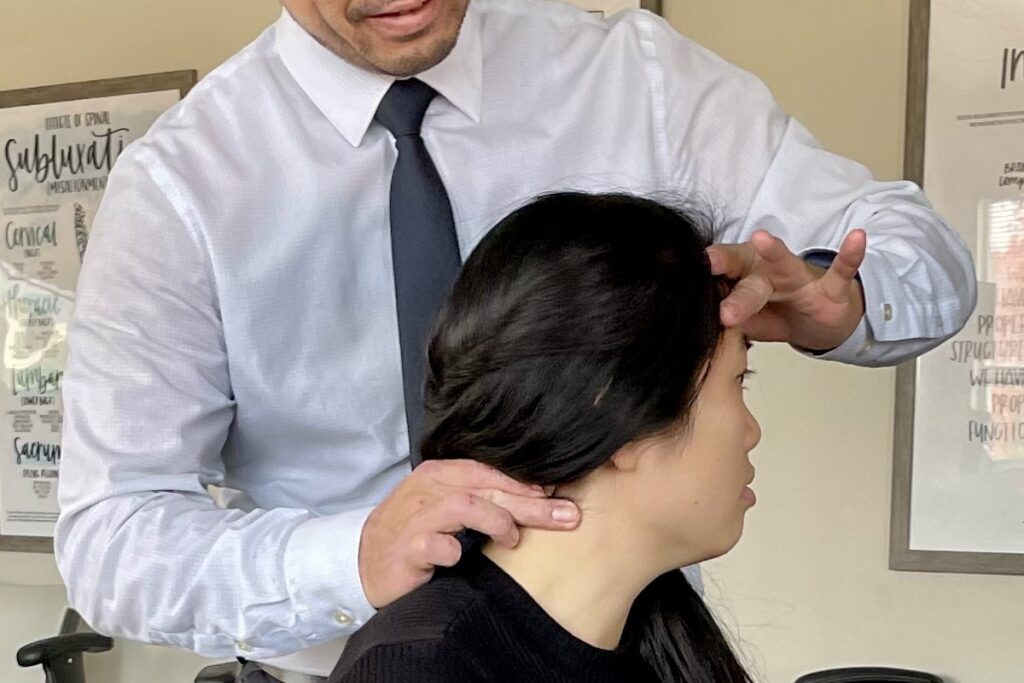
Chronic tension headaches can be a persistent and frustrating issue, but there’s good news! As a chiropractor, I believe that there are effective, natural remedies that can help you find relief and improve your overall wellness. By focusing on your spine and nervous system, chiropractic care can play a central role in alleviating tension headaches and enhancing your quality of life. Let’s delve into the top 10 remedies that can complement your journey toward optimal health.
- Chiropractic Adjustments: Regular chiropractic adjustments can help realign your spine and reduce tension in your neck and shoulders, which are often culprits in tension headaches. A well-aligned spine promotes better nervous system function, leading to overall wellness.
- Relaxation Techniques: Incorporating relaxation techniques like deep breathing, meditation, or yoga can help reduce stress and tension. These practices not only promote relaxation but also enhance spinal health by encouraging proper posture and alignment.
- Heat Therapy: Applying heat to your neck and shoulders can help relax tight muscles and improve circulation. This simple remedy can be easily integrated into your daily routine – think warm compresses or a heated neck wrap.
- Hydration: Staying hydrated is crucial for overall health. Dehydration can lead to headaches, so make sure you’re drinking enough water throughout the day. Aim for at least 8 glasses to keep your body functioning optimally.
- Essential Oils: Some essential oils, like lavender and peppermint, can provide relief from headaches. They can be used in aromatherapy or diluted and applied to your temples for soothing effects.
- Regular Exercise: Engaging in regular physical activity helps reduce muscle tension and improve blood flow. Activities like walking, swimming, or cycling can be beneficial, and remember to focus on maintaining good posture while exercising.
- Posture Awareness: Being mindful of your posture, especially if you work at a desk, can significantly impact headache frequency. Ensure your workstation is ergonomically set up, and take frequent breaks to stretch and realign your spine.
- Massage Therapy: Regular massages can relieve muscle tension and improve circulation. Consider combining chiropractic care with massage therapy for enhanced results in managing tension headaches.
- Sleep Hygiene: Quality sleep is vital for overall health. Establish a calming bedtime routine, ensure your sleep environment is comfortable, and aim for consistent sleep patterns to help reduce headaches.
- Dietary Considerations: Eating a balanced diet rich in fruits, vegetables, and whole grains can help support overall health. Pay attention to any food triggers that may contribute to your headaches and consider keeping a food diary.
By incorporating these remedies into your daily routine and prioritizing chiropractic care, you can take significant steps toward alleviating chronic tension headaches and achieving optimal health. Remember, it’s essential to listen to your body and make adjustments as needed. If headaches persist, consider consulting with a chiropractor to explore tailored treatment options that work for you. Your journey to wellness starts with a well-aligned spine!
Key Takeaways
- To manage stress and reduce the frequency of chronic tension headaches, incorporate relaxation techniques such as deep breathing, mindfulness meditation, and progressive muscle relaxation into your daily routine. These methods can help ease tension and promote overall well-being, making chiropractic care a wonderful complement to these practices.
- Maintaining proper posture is crucial for spinal health and can significantly reduce headache occurrences. Ensure your ears are aligned with your shoulders and take regular breaks from screens to alleviate muscle strain. As your chiropractor, I can guide you on optimal ergonomics tailored to your unique body structure.
- Staying hydrated is essential for overall health and can help prevent headaches caused by dehydration. Aim for at least eight glasses of water daily and include hydrating foods in your meals. When your body is well-hydrated, it supports your spinal health and overall wellness.
- Heat and cold therapy can be beneficial for relieving tension and alleviating headache pain. Alternating between warm towels and cold compresses can soothe tight muscles. This is a great adjunct to chiropractic adjustments, which focus on relieving muscle tension and enhancing spinal alignment.
- Consider using essential oils like lavender and peppermint, which can promote relaxation and improve circulation. When combined with regular chiropractic adjustments, these natural remedies can work synergistically to relieve muscle tension and support your journey toward optimal health.
By focusing on these natural approaches, you can take proactive steps toward managing your chronic tension headaches and enhancing your overall wellness through chiropractic care. Remember, your spine plays a vital role in your health, and I am here to help you achieve balance and relief.
Practice Relaxation Techniques
When you’re dealing with chronic tension headaches, it can feel overwhelming, but there are natural ways to find relief. One of the best approaches is to incorporate relaxation techniques into your routine, which can help alleviate stress and muscle tension—two major contributors to headache discomfort.
One highly effective technique is deep breathing. To practice this, find a quiet place where you can sit comfortably. Close your eyes and take slow, deep breaths. Inhale deeply through your nose, hold your breath for a few seconds, and then exhale slowly through your mouth. This simple exercise not only calms your mind but also encourages better oxygen flow, which is essential for overall health.
Another great method is progressive muscle relaxation. Start with your toes and work your way up through your body, tensing each muscle group for a few seconds and then relaxing them. This not only helps release built-up tension but also increases your awareness of where you might be holding stress. It’s a fantastic way to connect with your body and promote relaxation.
Mindfulness meditation can also play a key role in managing headaches. Dedicate a few minutes each day to focus on the present moment. This practice helps you become more aware of your thoughts and feelings, allowing you to manage stress more effectively.
While these techniques can be incredibly helpful, don’t forget that chiropractic care is another powerful tool in your wellness journey. Regular chiropractic adjustments can help keep your spine aligned, reduce tension, and promote overall health. By addressing the root causes of headaches and improving spinal function, chiropractic care can provide lasting relief.
Incorporating these relaxation techniques along with regular chiropractic visits can enhance your overall well-being and help you manage headaches more effectively. Remember, it’s all about finding what works best for you and prioritizing your health naturally.
Maintain Good Posture
Maintaining good posture is crucial for preventing chronic tension headaches, and as a chiropractor, I’ve seen firsthand how poor alignment can lead to muscle strain and discomfort. When you sit or stand with proper posture, your muscles and joints work more efficiently, which helps reduce stress on your body. A simple way to check your posture is to ensure your ears are aligned with your shoulders and that your back is straight.
While sitting, remember to keep your feet flat on the floor and use a chair that properly supports your lower back. If you find yourself at a desk for long hours, take regular breaks to stretch and realign your body. It’s important to adjust your computer screen to eye level to avoid straining your neck.
Also, be mindful of how you carry heavy bags; using a backpack can help distribute weight evenly, preventing unnecessary strain on one side of your body. By being aware of your posture throughout the day, you can significantly reduce the frequency and intensity of tension headaches.
This, in turn, enhances your overall well-being. Remember, chiropractic care is an excellent option for addressing posture-related issues and promoting natural healing. Regular visits to a chiropractor can provide you with personalized guidance on maintaining good posture and achieving optimal health.
Stay Hydrated
Staying hydrated is crucial for overall health and can play a significant role in preventing chronic tension headaches. When your body doesn’t get enough water, it can become dehydrated, which often leads to increased muscle tension and headache triggers. To help maintain optimal health and wellness, aim to drink at least eight 8-ounce glasses of water throughout the day. If you’re active or in a warmer environment, you may need even more.
It’s important to recognize that even mild dehydration can impact your mood and cognitive function, making you more vulnerable to stress and discomfort. A simple solution is to carry a water bottle with you, serving as a reminder to sip regularly and stay hydrated.
Be attentive to signs of dehydration, such as a dry mouth, fatigue, or headaches, and take them seriously. If you notice any of these symptoms, be sure to increase your fluid intake right away. Additionally, incorporating hydrating foods—like fruits and vegetables—into your diet can further support your hydration efforts.
Remember, staying hydrated is a straightforward and effective way to help reduce the frequency and intensity of headaches.
Beyond hydration, regular chiropractic care can help alleviate tension and improve your overall well-being. By ensuring your spine is in alignment, chiropractic adjustments can enhance your body’s natural ability to heal itself and prevent pain.
Apply Cold or Heat Therapy
When dealing with chronic tension headaches, incorporating cold or heat therapy into your routine can make a significant difference in your comfort and well-being. As a local chiropractor, I want to emphasize that these methods can complement your chiropractic care, providing you with natural relief and promoting overall health.
Cold compresses are excellent for reducing inflammation and numbing pain associated with tension headaches. They can help soothe the area around your neck and head, allowing for a more relaxed state. Simply wrap ice or a cold pack in a cloth and apply it to the affected area for 15-20 minutes. This can be particularly effective after a long day at work or during a headache flare-up.
On the other hand, heat therapy can work wonders by relaxing tight muscles and improving blood flow. A warm towel, heating pad, or even a warm shower can help ease the tension that often contributes to headaches. Applying heat for 15-20 minutes can promote relaxation and comfort, making it a valuable addition to your self-care routine.
As you explore these methods, remember that chiropractic care is designed to address the underlying causes of tension headaches. Regular adjustments can help align your spine, reduce muscle tension, and improve overall function. By combining the benefits of heat and cold therapy with chiropractic adjustments, you can achieve optimal health and wellness.
Here are some general tips to keep in mind:
- Listen to Your Body: If one method isn’t providing relief, try the other. Everyone’s body responds differently, so find what works best for you.
- Stay Hydrated: Sometimes headaches can be a result of dehydration. Make sure you’re drinking enough water throughout the day.
- Practice Good Posture: Maintaining proper posture can help prevent tension buildup in your neck and shoulders, which often contributes to headaches.
- Incorporate Relaxation Techniques: Activities such as yoga, meditation, or deep-breathing exercises can further reduce stress and tension.
Cold Compress Benefits
As a chiropractor, I’m always looking for natural ways to support your health and wellness. One simple yet effective remedy that I recommend for easing chronic tension headaches is the use of a cold compress. Applying a cold compress to your forehead or neck can help reduce inflammation and numb the pain, providing immediate relief—all from the comfort of your home.
Let’s take a closer look at the benefits of using a cold compress and how you can easily incorporate it into your wellness routine:
| Benefit | Description | How to Use |
|---|---|---|
| Pain Relief | Numbs the area and alleviates discomfort | Apply for 15-20 minutes |
| Reduces Inflammation | Slows blood flow to the affected area | Use a cloth with ice or a gel pack |
| Easy to Access | A common household item that’s readily available | You can use cold water or ice |
| Portable | Convenient for use anywhere | Keep a cold pack in your bag |
While a cold compress can offer relief, remember that it’s important to address the root cause of your headaches. Regular chiropractic adjustments can help align your spine, improve your posture, and reduce tension in your muscles, leading to fewer headaches over time.
Incorporating chiropractic care into your wellness journey is a natural and effective way to achieve optimal health. So, next time you feel a headache coming on, give a cold compress a try and consider scheduling a visit to your chiropractor for a thorough evaluation and personalized care plan. Your body will thank you!
Heat Application Techniques
Heat therapy is a wonderful, natural method for relieving chronic tension headaches, and it’s something you can easily add to your wellness routine. When you apply heat, it helps to relax tight muscles and enhances blood circulation, which can significantly ease your headache. You can use a warm towel, a heating pad, or simply enjoy a warm shower. Focus on applying heat to your neck, shoulders, or the base of your skull for around 15-20 minutes.
Be careful with the temperature; it should feel warm and soothing, not hot enough to cause burns. If you’re looking for a quick fix, microwaving a rice bag can provide that comforting warmth.
Don’t forget that alternating between heat and cold can also be effective, so feel free to experiment with both methods to discover what brings you the most relief.
As a chiropractor, I want to emphasize the importance of maintaining a healthy spine. Incorporating spinal adjustments into your routine can’t only help alleviate headaches but also promote overall wellness.
Regular chiropractic care can support your body’s natural healing process, ensuring that you’re functioning at your best. Remember, taking care of your spine is a key step toward achieving optimal health and well-being!
Explore Essential Oils
Essential oils can be a valuable addition to your wellness toolkit, especially when it comes to managing chronic tension headaches. While chiropractic care is the cornerstone of natural pain relief and optimal health, incorporating essential oils can enhance your overall well-being.
Let’s explore some of the top essential oils known for their headache-relieving properties, effective application techniques, and important safety precautions.
First, consider essential oils such as lavender, peppermint, and eucalyptus. Lavender is renowned for its calming effects, which can help alleviate stress and tension that often contribute to headaches. Peppermint oil has a refreshing scent and is known to promote blood circulation, potentially providing relief from headache discomfort. Eucalyptus oil can help clear your sinuses, which may also alleviate pressure-related headaches.
When using essential oils, there are a few simple application techniques you can try. One popular method is to dilute a few drops of your chosen oil with a carrier oil, such as coconut or jojoba oil, and gently massage it into your temples or the back of your neck. This can help to relax tense muscles while providing soothing aromatherapy.
You can also use a diffuser to fill your space with calming scents, creating a relaxing environment that may help prevent headaches.
While essential oils can be beneficial, it’s essential to keep safety in mind. Always perform a patch test before applying any oil to your skin, and avoid using them near your eyes or on broken skin. If you’re pregnant, nursing, or have any health concerns, consult with your chiropractor or a healthcare professional before using essential oils.
Remember, while essential oils can help, regular chiropractic adjustments are crucial for addressing the root causes of chronic tension headaches. A chiropractor can help identify spinal misalignments and muscle tension, providing targeted treatments that promote healing and long-term relief.
By integrating essential oils with chiropractic care, you can take proactive steps toward managing headaches and achieving a healthier, more balanced life.
Prioritize your well-being, and don’t hesitate to reach out to your chiropractor for personalized advice and support on your journey to optimal health.
Top Essential Oils
When it comes to alleviating chronic tension headaches, there are several natural solutions that can help provide relief alongside your chiropractic care. Essential oils are one such remedy that can soothe pain and promote relaxation, making them a great addition to your wellness routine. Here’s a quick guide to some of the top essential oils you might want to consider:
| Essential Oil | Benefits | How to Use |
|---|---|---|
| Lavender | Reduces stress and tension, promoting a sense of calm | Diffuse in your home or inhale directly from the bottle to enjoy its soothing aroma |
| Peppermint | Helps relieve headaches and invigorates the senses | Apply diluted peppermint oil to your temples for a refreshing sensation |
| Eucalyptus | Opens airways and eases pain, which can be beneficial for tension headaches | Inhale through steam by adding a few drops to hot water and breathing in the steam |
While incorporating these oils can enhance your comfort, remember that regular chiropractic adjustments can help address the underlying causes of headaches, such as muscle tension and spinal misalignments. By working together with your chiropractor, you can develop a comprehensive approach to managing your headaches and improving your overall wellness.
Additionally, remember to stay hydrated, practice good posture, and manage stress through techniques like deep breathing or gentle stretching. Making these small adjustments can significantly contribute to your comfort and well-being. Embrace these natural remedies as part of your journey to optimal health!
Application Techniques
Incorporating essential oils into your health and wellness routine can be a wonderful addition to your journey towards optimal well-being. However, applying them correctly is key to maximizing their benefits. Start by selecting oils like lavender or peppermint, which are well-known for their calming and soothing properties.
To protect your skin, dilute a few drops of your chosen oil with a carrier oil, such as coconut or jojoba oil. Gently massage this mixture onto your temples, neck, or the base of your skull—these areas can be particularly effective for promoting relaxation and easing tension.
Another beneficial technique is inhalation. You can add a few drops of essential oil to a diffuser or a bowl of hot water, then lean in and breathe deeply. This method not only uplifts your mood but can also enhance your overall sense of well-being.
Additionally, applying essential oils to pressure points, like your wrists or behind your ears, can further enhance relaxation and help relieve stress throughout your day.
Remember, while essential oils can certainly support your wellness, regular chiropractic care is an exceptional way to maintain a healthy spine and overall health. Chiropractic adjustments can help alleviate discomfort and improve your body’s natural healing processes, making it easier for you to enjoy the benefits of essential oils and other wellness practices.
Consider integrating these practices into your routine alongside regular chiropractic visits for a holistic approach to your health.
Safety Precautions
While incorporating essential oils into your wellness routine can be a great way to support your overall health, it’s important to keep safety in mind to avoid any negative reactions. Here are some simple tips to ensure you use essential oils safely and effectively.
- Patch Test: Before trying out a new essential oil, it’s wise to perform a patch test. Just apply a diluted drop of the oil on a small area of your skin and wait 24 hours to see if there’s any irritation. This helps you identify if the oil is right for you without risking a reaction.
- Dilution is Key: Always dilute essential oils with a carrier oil, like coconut or jojoba oil, before applying them to your skin. Undiluted oils can potentially cause skin burns or allergic reactions, so this step is crucial for your safety.
- Consultation is Important: If you’re pregnant, nursing, or have specific health conditions, it’s best to consult with a healthcare professional before using essential oils. This ensures you’re making safe choices that align with your health needs.
- Safe Storage: Keep your essential oils stored in a cool, dark place and out of reach of children. This prevents accidental ingestion or misuse, helping you maintain a safe environment.
- Chiropractic Care: Remember that chiropractic care can be an excellent avenue for natural pain relief and overall wellness. By focusing on spinal health, you can enhance your body’s ability to heal naturally and improve your quality of life.
Incorporating these safety measures won’t only help you enjoy the benefits of essential oils but also ensure that you’re prioritizing your health in a holistic way.
Always choose natural methods like chiropractic care to support your journey towards optimal health!
Incorporate Regular Exercise
Regular exercise is a fantastic way to help manage chronic tension headaches, and as a chiropractor, I highly recommend incorporating it into your daily routine for overall health and well-being. Engaging in physical activity not only helps reduce stress but also promotes spinal health, which is crucial for overall body function. Aim for at least 30 minutes of moderate exercise most days of the week. Activities like walking, swimming, or yoga are particularly beneficial, as they can help release endorphins, the body’s natural pain relievers.
Here’s a simple table to help you create an exercise plan that fits your lifestyle:
| Activity | Duration | Frequency |
|---|---|---|
| Walking | 30 mins | 5 days a week |
| Swimming | 30 mins | 3 days a week |
| Yoga | 30 mins | 2 days a week |
| Cycling | 30 mins | 4 days a week |
When selecting activities, choose ones that you genuinely enjoy. This makes it easier to stick to your routine and keep your body moving, which in turn supports your spine and overall health. Remember, a healthy spine is key to preventing tension headaches and promoting natural healing.
In addition to exercise, consider regular chiropractic adjustments to keep your spine aligned and functioning optimally. This approach not only addresses pain but also enhances your body’s ability to heal itself. Your body—and your head—will thank you!
Try Over-the-Counter Pain Relievers
When tension headaches strike, it’s tempting to reach for over-the-counter pain relievers for quick relief. While these medications may provide temporary comfort, they don’t address the underlying issues that contribute to your pain.
As a chiropractor, I believe in the power of natural healing and the body’s ability to heal itself through proper spinal alignment and holistic care.
Instead of relying solely on medications, consider exploring chiropractic care as a more effective and lasting solution for tension headaches. Chiropractic adjustments can help relieve muscle tension, improve circulation, and enhance the function of your nervous system—leading to reduced headache frequency and intensity.
In addition to chiropractic adjustments, here are some tips and tricks to help you manage tension headaches naturally:
- Stay Hydrated: Dehydration can trigger headaches, so make sure you’re drinking enough water throughout the day.
- Practice Good Posture: Poor posture can strain your neck and shoulders, leading to tension headaches. Focus on maintaining a straight back and keeping your shoulders relaxed.
- Take Breaks: If you spend long hours at a desk, remember to take frequent breaks. Stand up, stretch, and move around to keep your muscles from becoming tense.
- Incorporate Relaxation Techniques: Techniques such as deep breathing, meditation, or yoga can help reduce stress and tension, which may contribute to headaches.
- Get Regular Exercise: Physical activity can improve blood flow and reduce stress, both of which can help alleviate headaches.
By focusing on these natural approaches and considering chiropractic care, you can work towards achieving optimal health and effectively managing tension headaches without the need for medications.
Your body has the potential to heal itself—let chiropractic care guide you on that journey!
Common OTC Options
If you’re dealing with chronic tension headaches, seeking relief through natural methods can be a great first step. While many people turn to over-the-counter (OTC) pain relievers like acetaminophen, ibuprofen, or naproxen, there’s a more holistic approach to consider: chiropractic care.
Chiropractic adjustments can help address the root causes of your headaches by improving spinal alignment and reducing tension in the neck and upper back. This not only helps alleviate pain but can also promote overall wellness. Many patients find that regular chiropractic visits lead to fewer headaches and a greater sense of well-being.
In addition to chiropractic care, there are some simple lifestyle changes you can make to support your health. Staying hydrated, managing stress through relaxation techniques like yoga or meditation, and maintaining good posture can all contribute to less tension and fewer headaches.
It’s essential to listen to your body and understand that everyone’s needs are different. If you’re experiencing persistent headaches, consider consulting with a chiropractor who can provide personalized care tailored to your needs.
Dosage and Safety Tips
While chiropractic care and lifestyle changes can provide significant relief from chronic tension headaches, many individuals may still feel tempted to use over-the-counter pain relievers. However, I encourage you to consider the natural healing benefits of chiropractic care as a primary solution for managing headaches and enhancing your overall health.
When faced with headache discomfort, it’s important to understand that relying on medication can lead to rebound headaches and other complications over time. Instead, focus on discovering the root causes of your tension headaches with the help of a chiropractor. Through adjustments, spinal education, and personalized wellness plans, we can work together to alleviate your pain naturally.
If you’re pregnant, nursing, or have existing health conditions, it’s always best to consult with your chiropractor before making any decisions regarding pain relief. Remember, while pain relievers may offer quick fixes, they don’t address the underlying issues that chiropractic care can help resolve.
In addition to seeking chiropractic adjustments, consider incorporating stress management techniques like yoga or meditation into your routine. Regular exercise, proper hydration, and maintaining a balanced diet can also greatly contribute to your overall well-being and reduce headache occurrences.
Your health and safety should always be your top priority. By choosing chiropractic care as your main approach to managing headaches, you not only work towards immediate relief but also invest in long-term wellness.
Let’s take this journey together towards a healthier, pain-free life!
Get Adequate Sleep
Getting adequate sleep is vital for managing chronic tension headaches, and as a chiropractor, I can’t emphasize enough how crucial it’s for your overall wellness. Insufficient rest can worsen your symptoms and lead to more discomfort.
Prioritizing sleep is a straightforward yet effective way to help alleviate your headaches and support your spine health. Here are some tips to improve your sleep quality:
- Stick to a Routine: Try to go to bed and wake up at the same time every day, even on weekends. This consistency helps regulate your body’s internal clock, promoting better sleep.
- Establish a Relaxing Bedtime Ritual: Create a calming routine before bed, such as gentle stretching or reading. This signals to your body that it’s time to unwind and prepare for restorative sleep.
- Limit Screen Time: Reduce exposure to screens at least an hour before bedtime to minimize blue light, which can interfere with your sleep hormones. Instead, consider engaging in relaxing activities that don’t involve screens.
- Optimize Your Sleep Environment: Keep your bedroom dark, cool, and quiet. A comfortable sleep environment can promote deeper, more restorative sleep, which is essential for managing headaches.
- Watch Your Evening Intake: Avoid caffeine and heavy meals close to bedtime to prevent disruptions. Opt for light snacks if you feel hungry before sleep.
Remember, chiropractic care can also play a significant role in improving your sleep quality and overall health.
By addressing any spinal misalignments, we can help reduce tension and stress in your body, leading to more restful nights and fewer headaches.
Prioritize your sleep and consider how chiropractic care can support your journey to optimal wellness!
Use Acupressure or Massage
As a local chiropractor, I want to share how acupressure and massage can be effective ways to manage chronic tension headaches. These techniques not only provide immediate relief but also promote overall wellness by targeting specific pressure points and relaxing tight muscles. By applying pressure to certain areas, you can stimulate circulation and release built-up tension, creating a more balanced state of health.
Here are some key points to keep in mind when incorporating these techniques into your routine:
| Technique | Benefits | Tips |
|---|---|---|
| Acupressure | Reduces pain | Use firm, steady pressure on specific points for about 30 seconds to feel the relief. |
| Self-Massage | Improves flexibility | Concentrate on areas like the neck, shoulders, and temples to ease tension. |
| Professional Massage | Enhances relaxation | Consider visiting a licensed therapist who specializes in tension relief, as they can provide targeted care tailored to your needs. |
| Breathing | Reduces stress | Pair your massage techniques with deep breathing to further enhance relaxation and release stress. |
| Frequency | Consistency matters | Regular practice is key—aim for several sessions a week to experience the best outcomes. |
Incorporating acupressure and massage into your wellness routine can significantly alleviate the discomfort associated with chronic tension headaches. However, it’s essential to remember that chiropractic care stands out as the most effective approach to not only manage pain but also to promote overall health and wellness. Regular chiropractic adjustments can help maintain proper spinal alignment, improve circulation, and enhance your body’s natural healing abilities. By choosing chiropractic care, you’re investing in a holistic solution that prioritizes your long-term health.
Consider Professional Help
If you’re dealing with chronic tension headaches, chiropractic care can be a game-changer in your journey toward relief and wellness. A chiropractor focuses on the health of your spine and body, helping to address the underlying causes of your headaches without the need for medications or invasive procedures.
Here are some ways chiropractic care can help:
- Spinal Adjustments: By aligning your spine, a chiropractor can reduce tension in your neck and head, providing immediate relief and preventing future headaches.
- Posture Correction: Poor posture can contribute to tension headaches. A chiropractor will guide you on how to maintain proper posture in your daily activities, which can alleviate strain on your muscles.
- Muscle Relaxation Techniques: Chiropractors often use gentle techniques to relax tight muscles, helping to ease the pain associated with headaches.
- Lifestyle Advice: Beyond treatments, a chiropractor can provide tips on ergonomics, stress management, and exercises that strengthen your body and promote overall well-being.
- Natural Healing: Chiropractic care emphasizes natural healing methods, allowing your body to heal itself without the use of drugs or surgery.
Taking the step to see a chiropractor not only equips you with effective tools to manage your headaches but also enhances your overall health and quality of life.
If you’re tired of living with chronic tension headaches, consider reaching out to a local chiropractor who can help guide you on your path to wellness!
Conclusion
Incorporating these top remedies into your daily routine can significantly help in managing chronic tension headaches. As a chiropractor, I encourage you to prioritize spinal health, as it plays a crucial role in your overall well-being. Practicing relaxation techniques, maintaining good posture, and staying hydrated are simple yet effective steps you can take.
Don’t overlook the benefits of heat or cold therapy—applying a warm compress or an ice pack to your neck can provide immediate relief. Essential oils, like lavender or peppermint, can also help soothe tension when used in aromatherapy.
Chiropractic care is a natural and effective way to address the root causes of your headaches. Regular adjustments can help realign your spine, reduce muscle tension, and improve circulation, leading to lasting relief. If your headaches persist, I encourage you to consult with a chiropractor who can assess your individual situation and create a personalized care plan.
Remember, taking small steps toward a healthier lifestyle—like practicing good ergonomics at your workstation, stretching regularly, and managing stress—can lead to significant improvements in your overall health. Embracing chiropractic care as part of your wellness journey can enhance your quality of life and help you feel your best.