When you're dealing with sports injuries, knowing the right relief techniques can make a significant difference in your recovery. Techniques like physical therapy and chiropractic care not only help alleviate pain but also enhance your overall performance and flexibility. You might also find cryotherapy and acupuncture beneficial for speeding up healing and reducing inflammation. Each method offers unique advantages that can support not just immediate relief but long-term wellness. Curious about how these approaches can specifically benefit you? Let's explore the details of each technique and what they can do for your recovery journey.
Physical Therapy
When you suffer a sports injury, physical therapy is often fundamental for your recovery. It plays a significant role in restoring your strength, flexibility, and overall function. A skilled physical therapist will evaluate your injury, developing a personalized treatment plan that addresses your specific needs. This tailored approach helps you regain mobility and reduces pain, allowing you to return to your favorite activities.
During your sessions, you'll engage in various exercises designed to strengthen the muscles around the injured area. These exercises are essential for improving stability and preventing future injuries. Your therapist might also incorporate manual therapy techniques, which can help relieve tension and improve circulation. This hands-on approach accelerates healing and enhances your overall recovery experience.
It's important to stay consistent with your therapy sessions, as recovery often takes time. You'll notice gradual improvements, which can be motivating. Your therapist will monitor your progress and adjust your program as needed, ensuring you're always challenged but not overwhelmed.
In addition to physical rehabilitation, physical therapy often includes education on injury prevention. You'll learn proper techniques and strategies to avoid re-injury, which is fundamental for long-term success.
Ultimately, committing to physical therapy is a proactive step towards regaining your strength and confidence. By following your therapist's guidance and staying dedicated to your recovery, you'll be well on your way to getting back in the game, stronger than ever.
Chiropractic Care
Chiropractic care can play an essential role in your recovery from sports injuries.
It helps improve spinal alignment, which can relieve pain and enhance your physical performance.
Spinal Alignment Benefits
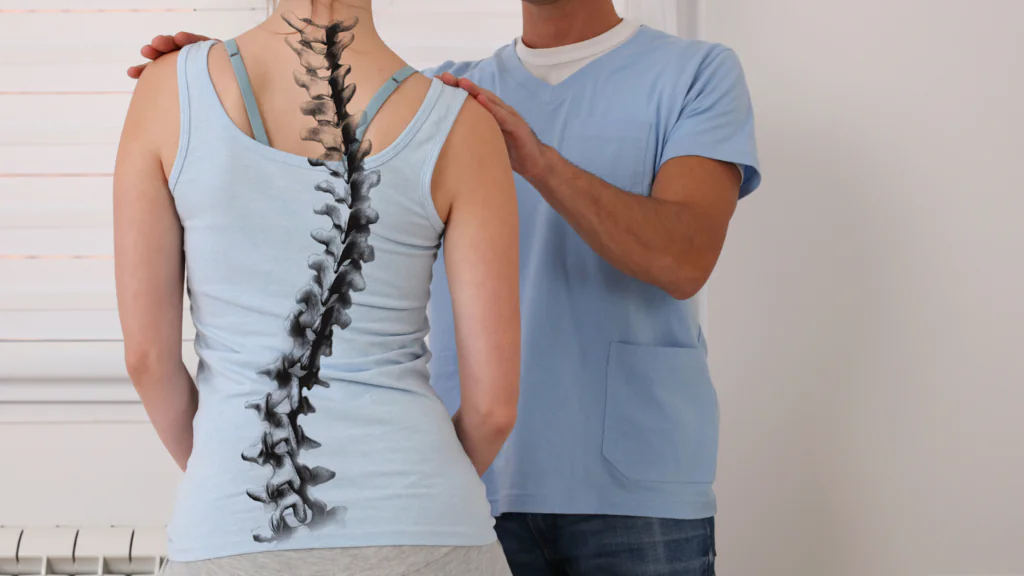
If you've ever experienced back pain or discomfort after a game, you know how vital spinal alignment is for recovery and performance. Proper spinal alignment supports your body's overall function, allowing you to move more freely and efficiently. When your spine is aligned, it reduces strain on your muscles and ligaments, which can help prevent further injuries.
Chiropractic care focuses on realigning your spine, alleviating pain, and promoting ideal movement. Regular adjustments can enhance your athletic performance by improving your range of motion, balance, and coordination. You'll find that with better spinal alignment, your body can absorb shocks more effectively, reducing the risk of injuries during high-impact activities.
Moreover, maintaining spinal alignment can improve your posture, which is essential for athletes who rely on stability and strength. When you stand or move correctly, you'll perform better and feel more confident in your abilities.
Investing in chiropractic care can lead to long-term benefits, including enhanced recovery times and overall well-being.
Pain Management Techniques
Effective pain management techniques can make a significant difference in your recovery and performance as an athlete. One of the most effective methods is chiropractic care, which focuses on the alignment of your spine and musculoskeletal system.
By targeting the root cause of your pain, chiropractic adjustments can help alleviate discomfort and enhance your overall well-being.
Incorporating chiropractic care into your routine can provide you with:
- Targeted relief from chronic pain and tension, allowing you to train and compete without distractions.
- Improved flexibility and range of motion, enabling you to perform movements with greater ease and efficiency.
- Enhanced recovery time, helping your body heal faster after injuries or intense workouts.
Enhanced Physical Performance
Many athletes experience significant improvements in their physical performance through regular chiropractic care. By focusing on spinal alignment and overall joint function, chiropractic adjustments can enhance your range of motion and flexibility. This means you'll move more freely and efficiently, reducing the risk of injuries during training and competition.
Chiropractic care also helps improve your posture, which is vital for peak performance. When your body is aligned, you can generate more power and endurance in your movements, whether you're sprinting, jumping, or lifting.
Plus, it can boost your coordination and balance, essential attributes for any athlete. Additionally, chiropractic adjustments can enhance your nervous system's function. This leads to quicker reaction times and improved muscle coordination, giving you that competitive edge.
Many athletes report feeling more energized and focused after their sessions, allowing them to train harder and recover faster. Incorporating chiropractic care into your routine isn't just about injury prevention; it's about maximizing your potential.
If you want to elevate your game, consider making chiropractic care a key part of your training regimen. You might be surprised by the difference it makes in your performance.
Cryotherapy
Cryotherapy is frequently used by athletes to reduce inflammation and accelerate recovery after intense workouts or injuries. This innovative technique involves exposing your body to extremely low temperatures for a brief period, often in a specialized chamber.
You'll find that this process not only helps alleviate pain but also enhances your overall performance in subsequent training sessions.
When you step into a cryotherapy chamber, you might experience:
- A quick chill that invigorates your senses, making you feel alive and alert.
- A rush of endorphins, your body's natural painkillers, which can lift your mood and provide a sense of well-being.
- A revitalizing post-session glow, as your skin warms back up, promoting circulation and helping your muscles recover.
Many athletes swear by cryotherapy for its benefits, including reduced muscle soreness, improved joint function, and increased energy levels.
You'll notice that your recovery times shorten, allowing you to get back to your training routine faster. Whether you're a professional athlete or just someone who loves to stay active, cryotherapy can be an effective tool in your recovery arsenal.
As you consider incorporating cryotherapy into your routine, remember that individual experiences may vary.
It's always a good idea to consult with a healthcare professional or an experienced trainer to determine if this technique is right for you.
Embrace the chill and see how it can take your recovery to the next level!
Acupuncture
Acupuncture, a time-honored practice rooted in traditional Chinese medicine, offers a unique approach to sports injury relief. By inserting fine needles into specific points on your body, acupuncture aims to restore balance and promote healing. This technique can be particularly beneficial for athletes, as it helps reduce pain, alleviate inflammation, and enhance overall recovery.
When you experience a sports injury, your body may react with pain and swelling, which can hinder your performance. Acupuncture stimulates your body's natural healing processes, encouraging blood flow and releasing endorphins—your body's natural painkillers. This can lead to reduced pain levels and quicker recovery times, allowing you to get back to your training regimen sooner.
Many athletes report improved flexibility and range of motion after acupuncture sessions. By targeting specific areas of concern, acupuncture not only addresses the symptoms but also works to uncover the root causes of your injuries. This holistic approach guarantees that you're not just masking the pain but actively working towards a long-term solution.
Moreover, acupuncture can help with stress and anxiety, both of which can negatively impact your performance. By promoting relaxation and improving your mental state, acupuncture can help you focus better during training sessions and competitions.
Incorporating acupuncture into your injury recovery plan can provide significant benefits. Whether you're dealing with a sprain, strain, or chronic pain, this ancient technique may just be the relief you need to enhance your athletic performance.
Massage Therapy
Massage therapy can greatly boost your recovery from sports injuries.
It enhances blood circulation, helping to deliver essential nutrients to your muscles while relieving tension.
Enhanced Blood Circulation
Effective relief from sports injuries often hinges on enhanced blood circulation, and one of the most beneficial methods to achieve this is through massage therapy. By increasing blood flow to injured areas, massage helps deliver essential nutrients and oxygen, promoting quicker healing.
When you experience a sports injury, consider how massage therapy can elevate your recovery process:
- Warmth and Comfort: The soothing pressure of a skilled therapist's hands can melt away tension, enveloping you in a comforting embrace.
- Revitalized Energy: As blood circulation improves, you'll feel a surge of revitalizing energy coursing through your body, helping you get back to your favorite activities.
- Faster Recovery: Enhanced circulation accelerates the removal of metabolic waste, allowing your body to heal more efficiently and effectively.
Incorporating massage therapy into your recovery routine can greatly improve your overall experience. You'll not only feel better physically, but you'll also regain your confidence and motivation.
With each session, you'll be one step closer to rebounding from your sports injury and returning to the activities you love. Embrace the power of enhanced blood circulation through massage therapy to unleash your body's healing potential.
Muscle Tension Relief
Muscle tension can be a lingering issue after a sports injury, and addressing it is vital for a smooth recovery. One effective way to relieve this tension is through massage therapy. When you incorporate massage into your recovery routine, you help relax tight muscles, which can alleviate pain and discomfort.
Massage therapy works by targeting specific areas of tension and using various techniques like deep tissue or Swedish massage. These methods encourage muscle relaxation and improve flexibility, making it easier for you to regain your range of motion.
You'll also benefit from the release of endorphins, your body's natural painkillers, which can greatly reduce your perception of pain. Additionally, massage therapy enhances your overall well-being by promoting a sense of relaxation and reducing stress levels, which is vital during recovery.
Regular sessions can prevent knots from forming and help maintain muscle elasticity, ensuring that you're not just treating the symptoms but also addressing the root causes of tension.
Injury Recovery Acceleration
Incorporating massage therapy into your recovery routine not only alleviates muscle tension but also accelerates the healing process after a sports injury.
By promoting blood circulation and reducing inflammation, massage helps your body repair itself more efficiently. You'll find that regular sessions can make a significant difference in how quickly you bounce back.
Here are some key benefits of massage therapy for injury recovery:
- Enhanced Blood Flow: Imagine warm blood rushing to your injured area, delivering essential nutrients and oxygen that speed up healing.
- Reduced Scar Tissue: Visualize your injured muscle tissue becoming more pliable, minimizing the risk of long-term stiffness and discomfort.
- Pain Relief: Picture yourself moving freely again, as massage alleviates pain through the release of endorphins and the relaxation of tight muscles.
Rest and Recovery
While pushing your limits can be exhilarating, understanding the importance of rest and recovery is essential for any athlete. Ignoring this significant aspect can lead to burnout, injuries, and diminished performance.
Rest allows your body to repair itself, rebuilding muscle fibers and replenishing energy stores. Without adequate recovery, you risk overtraining, which can derail your progress and set you back.
Incorporating rest days into your training regimen isn't just a luxury; it's a necessity. Schedule downtime to let your body heal and adapt. This doesn't mean you have to be completely inactive. Engaging in light activities like walking or gentle yoga can promote blood flow and flexibility, aiding recovery.
Prioritize sleep, too—it's when your body does most of its healing. Aim for 7-9 hours of quality sleep per night to optimize recovery.
Hydration and nutrition play essential roles in your recovery process as well. Make sure you're consuming adequate fluids and balanced meals rich in protein, healthy fats, and carbohydrates. These elements support muscle repair and energy restoration.
Listen to your body; if you're feeling fatigued or sore, take the time to rest. Your body will thank you in the long run, ensuring you can train harder and perform better.
Embrace rest and recovery as integral components of your athletic journey, not just afterthoughts. By respecting these cycles, you'll enhance your overall performance and longevity in sports.
Conclusion
Incorporating these top sports injury relief techniques into your recovery plan can make a significant difference in your performance and well-being. Whether you choose physical therapy to build strength, chiropractic care for alignment, cryotherapy for inflammation, or acupuncture for natural healing, each method offers unique benefits. Don't forget about the importance of massage therapy and proper rest. By embracing these strategies, you'll not only alleviate pain but also set yourself up for long-term success and injury prevention.