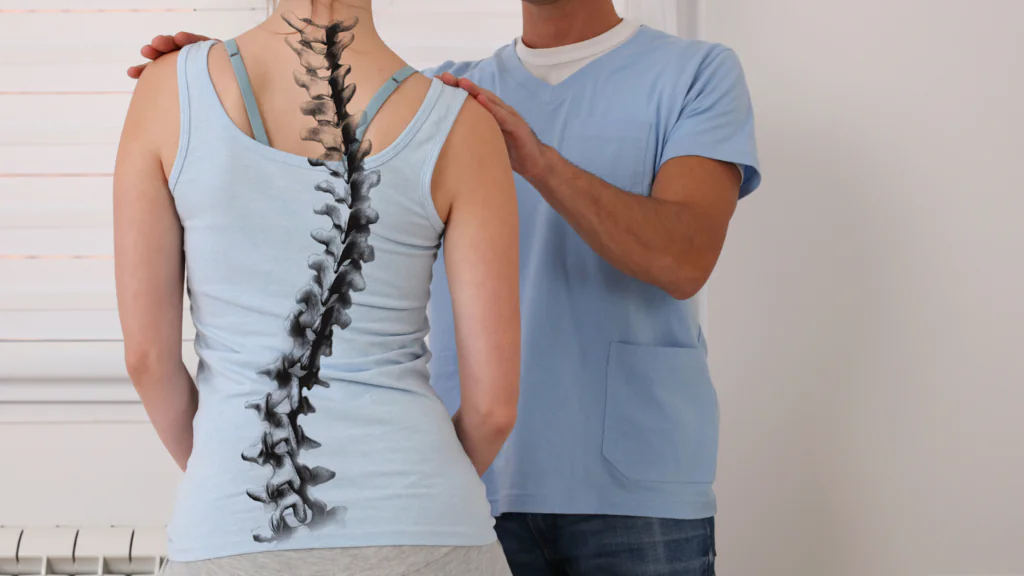
As a local chiropractor, I want to share with you the significant benefits of considering adjustments during your recovery from a sports injury. Many people are not familiar with how chiropractic care can aid in healing, so let me explain.
When you experience a sports injury, your body may become misaligned, which can lead to pain and limited mobility. Chiropractic adjustments can help realign your spine and joints, promoting pain relief and restoring your range of motion. Rather than just masking the symptoms of your injury, these adjustments address the root causes that may slow down your recovery.
Moreover, receiving the right adjustments can enhance blood circulation and reduce inflammation, which are critical components in speeding up the healing process. So, you might be wondering, what specific adjustments should you consider to ensure you're on the right track to recovery?
By working together, we can develop a personalized treatment plan that focuses on your unique needs and helps you get back to your active lifestyle as quickly and safely as possible.
Understanding Sports Injuries
As a local chiropractor, I want to help you understand sports injuries, their types, and the causes behind them.
Sports injuries can be divided into two main categories: acute and chronic. Acute injuries, such as sprains or fractures, occur suddenly during physical activity, often resulting from a specific impact or fall. On the other hand, chronic injuries develop gradually over time due to repetitive stress on certain areas of the body. Conditions like tendonitis and stress fractures can arise if you neglect to listen to your body's warning signs.
It's also essential to recognize the common causes of these injuries. One significant factor is poor technique. If you're not using proper form while engaging in sports, you increase your risk of injury. Additionally, inadequate warm-up routines can leave your muscles unprepared for the demands of your activity. Ignoring strength training and conditioning can also make you more susceptible to injuries.
Environmental factors shouldn't be overlooked. Playing on uneven surfaces or wearing inappropriate footwear can lead to slips and falls, potentially resulting in injuries that you could have avoided. Furthermore, the level of competition can influence your risk; pushing yourself too hard during intense games may lead to overexertion.
Lastly, personal factors such as age, fitness level, and prior injuries can affect your vulnerability to sports injuries. By being aware of these variables, you can make more informed decisions about your training and participation.
Understanding the types and causes of sports injuries not only helps you recognize potential risks but also empowers you to take proactive measures to protect yourself. By integrating chiropractic care and natural healing practices into your routine, you can enhance your overall well-being and resilience in sports.
Importance of Customized Recovery
When it comes to recovering from a sports injury, it's crucial to understand that there's no universal solution. Each injury is distinct, much like your body and its specific requirements. As a local chiropractor, I emphasize the significance of customized recovery plans that take into account the type of injury you have, its severity, and your personal health history. This personalized approach is vital for ensuring that you heal effectively and return to your sport in the shortest possible time.
It's common to find that what works for someone else may not be the best fit for you. A tailored recovery plan focuses on your individual strengths and weaknesses, allowing us to implement targeted strategies that promote healing. By honing in on your specific situation, we can minimize the risk of re-injury and enhance your overall performance when you're back in action.
Incorporating various therapies is another essential aspect of your recovery journey. Whether it's chiropractic adjustments, physical therapy, massage, or even alternative treatments like acupuncture, having a plan designed specifically for you can significantly optimize the healing process.
Regular assessments and adjustments to your regimen will help track your progress and ensure we make any necessary changes along the way.
Moreover, a customized approach can be a powerful motivator. Knowing that your recovery plan is crafted just for you can boost your confidence and commitment to the process. You're more likely to stick with a plan that feels relevant and effective.
Modifying Exercise Routines
As a local chiropractor, I understand that recovering from a sports injury can be a challenging journey, and it often requires a thoughtful re-evaluation of your exercise routine. It's essential to adjust your workouts to support your healing process and avoid aggravating your injury further.
First, it's crucial to identify any movements or activities that might worsen your condition. High-impact exercises that place additional stress on the injured area should be avoided. Instead, I recommend low-impact alternatives such as swimming or cycling, which can help you stay active without compromising your recovery.
In addition to modifying your activities, focusing on strengthening the muscles surrounding your injury is vital. By targeting these areas, you can help stabilize the injured site and promote healing. Incorporating resistance training with an emphasis on controlled movements will allow you to gradually increase intensity without risking further injury. This not only facilitates recovery but also prepares you for optimal performance when you return to your regular exercise routine.
Flexibility plays a significant role in your rehabilitation as well. I encourage you to include stretching and mobility exercises that safely enhance your range of motion while being mindful of your injury. It's important to listen to your body—if something doesn't feel right, feel free to modify or skip that specific exercise.
Finally, let's talk about the frequency and duration of your workouts. During recovery, shorter and more frequent sessions can be more beneficial than longer, more intense workouts. This approach allows you to maintain your fitness level without overexerting yourself.
By thoughtfully modifying your exercise routine with these principles in mind, you'll not only support your recovery but also establish a strong foundation for a successful return to your sport.
Incorporating Physical Therapy
Modifying your exercise routine is just one essential aspect of your recovery journey, but have you considered the benefits of chiropractic care? Incorporating chiropractic treatment can significantly enhance your healing process and overall well-being.
As a chiropractor, I specialize in evaluating your musculoskeletal system and developing a tailored rehabilitation plan that meets your specific needs. This individualized approach not only aids in restoring strength and flexibility but also improves your overall function, which is crucial for your successful return to any physical activity.
When you begin chiropractic care, I'll assess your movement patterns, muscle strength, and any discomfort you're experiencing. By identifying specific areas that require attention, I can provide targeted adjustments and exercises to address these issues. This focus on your body's mechanics not only supports your recovery but also plays a vital role in preventing future injuries.
As you progress in your treatment, I'll gradually increase the intensity of your exercises and chiropractic adjustments, ensuring that you safely challenge your body. I'll also teach you proper techniques for performing daily movements, which is important to prevent strain and promote optimal health. Additionally, utilizing manual therapy techniques can alleviate pain and enhance your mobility.
Open communication is crucial during our sessions. I encourage you to share any discomfort or concerns you might have. This feedback allows me to adjust your treatment plan and ensure a more effective recovery process.
Including chiropractic care in your recovery plan can truly be transformative. It offers structured support, helping you regain confidence in your body and prepare for a safe return to physical activities.
Nutrition's Role in Healing
As a local chiropractor, I want to emphasize how crucial nutrition is in your recovery from sports injuries.
While many people may not realize it, the food you eat plays a significant role in the healing process. It's important to prioritize vital nutrients that support your body's repair mechanisms, stay well-hydrated, and be mindful of when you're eating.
By optimizing your diet, not only can you enhance your recovery, but you can also complement the chiropractic care you receive to promote overall wellness.
Essential Nutrients for Recovery
As a local chiropractor, I want to emphasize the crucial role that nutrition plays in your recovery from sports injuries. The right nutrients can significantly enhance the healing process and support your overall well-being.
Let's delve into some essential nutrients you should consider incorporating into your diet during your recovery journey.
First and foremost, protein is vital. It's essential for repairing damaged tissues and building muscle. To maximize your healing, aim to include lean sources of protein such as chicken, fish, eggs, and legumes in your meals.
Vitamins and minerals also contribute significantly to your recovery. For instance, Vitamin C is important for collagen formation, which is critical for healing wounds, while Vitamin A plays a role in bolstering your immune system. Additionally, zinc is a mineral that aids in cell growth and tissue repair. You can find these nutrients in foods like nuts, seeds, and whole grains.
Don't overlook the benefits of Omega-3 fatty acids, which are abundant in fatty fish like salmon and also in flaxseeds. These healthy fats can help reduce inflammation in the body, potentially leading to a quicker recovery.
Carbohydrates are equally important; they provide the energy your body needs to focus on healing. Whole grains, fruits, and vegetables are excellent choices for sustaining your energy levels.
Lastly, antioxidants found in colorful fruits and vegetables combat oxidative stress, further supporting your recovery process. By prioritizing these essential nutrients, you can optimize your healing and return to your sport even stronger.
As your chiropractor, I encourage you to consider these dietary changes as a part of your holistic approach to recovery and overall health.
Hydration and Healing Process
As your local chiropractor, I want to emphasize the vital role that hydration plays in your healing journey. When your body is recovering from an injury, it requires additional fluids to support the healing process. Proper hydration is key because water helps transport essential nutrients to the areas that need it most and aids in flushing out toxins that can impede recovery.
If you're not drinking enough water, you might notice symptoms like increased inflammation, muscle cramps, and a delayed healing process. It's important to aim for adequate hydration throughout the day, especially before and after any rehabilitation exercises I may recommend.
Remember, staying hydrated is also crucial for maintaining joint lubrication, which is essential for your mobility and overall recovery.
In addition to drinking water, consider adding hydrating foods to your meals. Fruits and vegetables like watermelon, cucumbers, and oranges are excellent choices. They not only provide hydration but also supply important vitamins and minerals that can enhance your healing.
Pay attention to your body's signals; if you feel thirsty, that's a clear indication that you need to drink more fluids. You can also monitor your hydration status by checking the color of your urine—pale yellow typically indicates good hydration, while darker hues suggest it's time to hydrate more.
Prioritizing hydration is an essential step in your recovery process, and it can significantly impact your ability to return to your sport stronger and healthier.
Let's work together to ensure that hydration is a key part of your healing journey.
Timing of Nutrient Intake
As your local chiropractor, I want to emphasize the importance of nutrient timing in your healing process, especially if you've experienced a sports injury. Your body has specific nutritional needs at critical moments to facilitate recovery, and understanding this can significantly enhance your healing journey.
Right after an injury occurs, it's essential to prioritize your protein intake. Consuming protein soon after an injury helps repair muscle and tissue damage. I recommend having a protein-rich snack or meal within 30 minutes of the injury or following any physical therapy sessions you may have.
Additionally, carbohydrates are vital during this time as they help replenish your glycogen stores. Make sure to include a source of carbohydrates in your post-workout nutrition.
As you continue on your path to recovery, it's beneficial to spread your nutrient intake throughout the day. Eating smaller, balanced meals every 3-4 hours will provide your body with a steady supply of essential vitamins and minerals, which are crucial for tissue repair and reducing inflammation.
And let's not overlook hydration; staying properly hydrated is key. Good fluid intake supports the transportation of nutrients and optimal cellular function, so make it a habit to drink water consistently.
Mental Health Considerations
As a local chiropractor, I want to emphasize that when you're healing from a sports injury, your mental health is just as important as your physical recovery. Many people may not realize that emotional resilience plays a crucial role in the healing process.
By incorporating effective stress management techniques, you can significantly enhance your recovery journey.
It's essential to understand that chiropractic care not only addresses physical injuries but also supports your overall well-being, including mental health. Techniques like gentle spinal adjustments can help alleviate discomfort, which in turn can reduce stress and promote a more positive mindset.
Let's discuss some ways to strengthen your mental resilience during this challenging time. Fostering a healthy mindset can make a world of difference in your recovery, and as your chiropractor, I'm here to guide you through both the physical and emotional aspects of healing.
Together, we can create a comprehensive approach that supports your journey to full recovery.
Emotional Resilience Development
As a local chiropractor, I want to emphasize the importance of emotional resilience in your recovery from a sports injury. It's not just about healing physically; your emotional well-being is equally crucial for a complete recovery. Building emotional resilience can help you tackle the challenges and setbacks that often accompany the healing process.
First, it's essential to acknowledge your feelings during this time. It's perfectly normal to feel sadness or frustration as you navigate your recovery. By recognizing and accepting these emotions, you can better process them instead of letting them consume you.
I encourage you to lean on your support system—friends, family, or teammates—who can provide encouragement and a listening ear. This connection is invaluable for bolstering your emotional strength.
Setting small, achievable goals is another effective strategy during your recovery. Each small victory, whether it's regaining a bit of range of motion or completing a specific rehabilitation exercise, deserves recognition. Celebrating these milestones can significantly enhance your motivation and resilience.
Maintaining a positive mindset is also vital. Focus on what you can control, such as your effort in rehabilitation exercises and your overall attitude towards recovery. This approach will help you stay grounded and optimistic.
Additionally, consider keeping a journal to document your experiences throughout your healing journey. Reflecting on your thoughts can provide valuable insights into your emotional state, allowing you to understand and adapt as needed.
Stress Management Techniques
Dealing with a sports injury can feel overwhelming, but incorporating effective stress management techniques into your recovery plan can make a significant difference. As a chiropractor, I want to emphasize the importance of a holistic approach to healing, which includes managing stress.
First, I encourage you to practice mindfulness through meditation or deep breathing exercises. These techniques can help calm your mind and reduce anxiety, allowing you to focus on your recovery rather than fixating on your injury. By being present in the moment, you can foster a more positive healing environment for your body.
Next, consider maintaining a journal. Writing down your thoughts and feelings serves as a valuable outlet for stress, helping you process your emotions during this challenging time. Additionally, tracking your recovery progress in your journal can provide a sense of accomplishment and motivation as you heal.
Engaging in physical activity, even if it's just gentle stretching or walking, is crucial in releasing endorphins that can elevate your mood. However, it's essential to consult with me or your healthcare provider to determine what types of movement are appropriate for your specific situation to ensure a safe and effective recovery.
Lastly, never underestimate the power of social support. Surrounding yourself with friends, family, or support groups can provide much-needed encouragement and understanding. Sharing your experiences with others who've faced similar challenges can be particularly comforting and can reinforce your healing journey.
Monitoring Progress Effectively
Monitoring your progress during recovery from a sports injury is crucial to ensuring a successful return to your favorite activities. As a local chiropractor, I want to emphasize the importance of closely observing your healing journey. By doing so, you can pinpoint what's effective and what may need adjustments in your rehabilitation plan.
Start by establishing clear, measurable goals. These should be specific, realistic, and time-bound, allowing you to effectively track your improvements. For instance, instead of saying, "I want to feel better," aim for something like, "I want to improve my range of motion in my shoulder by 20% within four weeks."
Next, it's beneficial to document your daily or weekly progress. Utilize a journal or a health app to record how you feel physically and emotionally. Pay attention to pain levels, mobility enhancements, or any setbacks along the way. This record will provide you with valuable insights into your recovery and will also serve as a useful tool for discussions with me or other healthcare providers.
Don't overlook the importance of feedback from your chiropractor. I can offer a professional perspective on your recovery, helping you adjust your treatment plan as necessary. Regular check-ins with me can keep you motivated and accountable, making it easier to navigate any challenges you may encounter.
As you monitor your progress, keep in mind that recovery isn't always a straightforward path. You may experience obstacles or plateaus, and that's perfectly normal. It's important to adjust your expectations and practice patience.
Celebrate the small victories along your journey, whether it's regaining strength, improving your range of motion, or simply feeling better mentally. Remember, chiropractic care is here to support your natural healing process every step of the way.
Preventing Future Injuries
As a local chiropractor, I want to emphasize that while recovering from a sports injury is crucial, it's equally important to focus on preventing future injuries. We want to ensure that all your hard work during recovery pays off, and taking proactive steps can help you stay active and engaged in your favorite activities for longer.
First, let's start with an evaluation of your current fitness level. It's essential to identify any weaknesses or imbalances in your body. Incorporating strength training and flexibility exercises into your routine can help build a solid foundation. Targeting areas that are often vulnerable to injuries—such as your core, hips, and ankles—can significantly enhance your overall strength and stability, thus reducing your risk of re-injury.
Next, I encourage you to pay close attention to your technique. Whether you're running, lifting weights, or participating in a sport, maintaining proper form is vital. Poor mechanics can place unnecessary stress on your body and increase the likelihood of injuries. Consider recording yourself or asking a knowledgeable friend to observe your movements for any areas of improvement. As a chiropractor, I can also assess your biomechanics and provide personalized recommendations.
Don't overlook the importance of rest and recovery. It's easy to feel driven to push yourself hard when you're eager to return to your sport, but overtraining can lead to setbacks and future injuries. I recommend scheduling regular rest days and listening closely to your body's signals. If you start to feel pain or discomfort, it's essential to take a step back and evaluate your routine—this is where chiropractic care can play a significant role in helping identify and address underlying issues.
Finally, investing in the right gear is paramount. Proper footwear and protective equipment can make a substantial difference in preventing injuries. Prioritizing these aspects won't only help you enjoy your activities but also minimize the risk of setbacks.
Seeking Professional Guidance
Navigating the recovery process after a sports injury can indeed feel daunting, but as a local chiropractor, I want to emphasize how vital it's to seek professional guidance in your healing journey. Many athletes may feel tempted to push through the pain or rely solely on home remedies, but this approach can often prolong recovery or even lead to more severe injuries down the line.
As a chiropractor, I specialize in assessing musculoskeletal injuries and understanding the intricate biomechanics of your body. When you consult with me, we'll work together to create a personalized recovery plan tailored specifically for your injury. I'll evaluate your condition, identify any underlying issues, and recommend effective treatments that promote healing and restore function.
Chiropractic care focuses on the alignment of your spine and joints, which is crucial for optimal movement and recovery. Through gentle adjustments and targeted therapies, I can help alleviate pain, enhance your mobility, and strengthen the affected area safely. My goal is to guide you through exercises that gradually restore strength and flexibility, minimizing the risk of re-injury.
Additionally, I provide valuable insights into nutrition and lifestyle choices that can significantly impact your recovery process. Together, we can develop a balanced diet that supports healing and discuss the importance of rest and recovery strategies. This holistic approach ensures that we're not just addressing the injury itself but also enhancing your overall health and well-being.
Moreover, as a chiropractor, I stay informed about the latest techniques and technologies in natural healing and sports medicine. From advanced assessment methods to innovative therapy approaches, you'll benefit from up-to-date knowledge that can accelerate your recovery.
Staying Motivated During Recovery
As a local chiropractor, I understand that recovering from a sports injury can be a significant challenge, particularly when it comes to staying motivated throughout the process. It's common to feel frustrated or disheartened, especially when progress seems slow or setbacks occur.
One effective strategy to maintain your motivation is to establish realistic goals for your recovery. I recommend breaking your recovery journey into smaller, attainable milestones that you can celebrate along the way. This approach helps shift your focus from what you can't do to what you can achieve.
Building a supportive network is crucial during this time. Friends, family, and teammates can offer encouragement and hold you accountable on difficult days. Share your recovery goals and progress with them, and don't hesitate to lean on their support when your motivation dips. Their encouragement can significantly impact your mindset and help you stay committed to your healing process.
In addition, consider incorporating mental training techniques into your routine. Visualization can be a powerful tool; by imagining yourself fully recovered and back to your sport, you can maintain a positive outlook. This mental exercise reinforces your passion for your sport and keeps your goals in sight.
It's also important to engage in activities that don't exacerbate your injury. Explore alternative workouts, such as swimming or cycling, if they're suitable for your condition. Staying physically active in a way that respects your body can enhance your mood and strengthen your commitment to recovery.
Lastly, remember that recovery is a journey, not a race. Embrace the process and be patient with yourself. Staying motivated may not always be straightforward, but with the right mindset, appropriate chiropractic care, and support from your network, you can navigate this challenge successfully and emerge stronger.
Conclusion
As a local chiropractor, I want to share how incorporating chiropractic adjustments can play a crucial role in your sports injury recovery. Many people may not be familiar with the benefits of chiropractic care, so let me explain. These adjustments are tailored to your individual needs and can help realign your body, which in turn reduces inflammation and enhances your mobility.
It's essential to understand that recovery is not solely about healing your current injuries. It's also about preventing future issues and returning to your sport even stronger than before. By committing to a recovery plan that includes chiropractic care, you can optimize your healing process.
I encourage you to seek guidance from professionals in the field, like myself, who can help you navigate your recovery journey. Remember to stay motivated and focused on your goals. Your path to full recovery is just beginning, and with the right support, you can achieve lasting results!