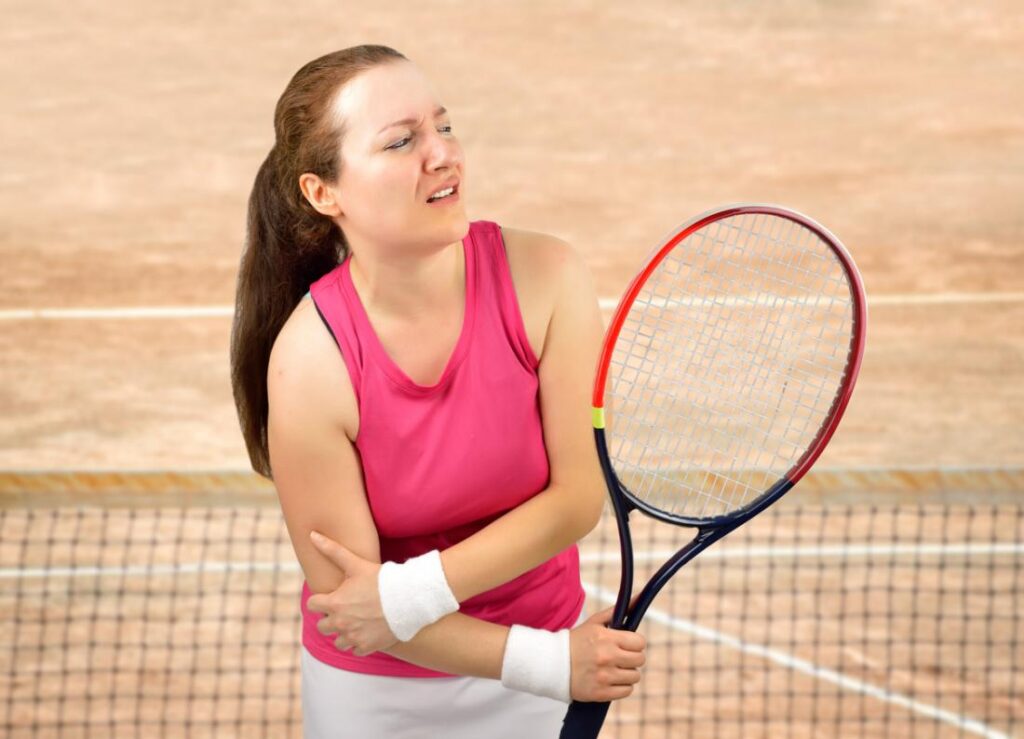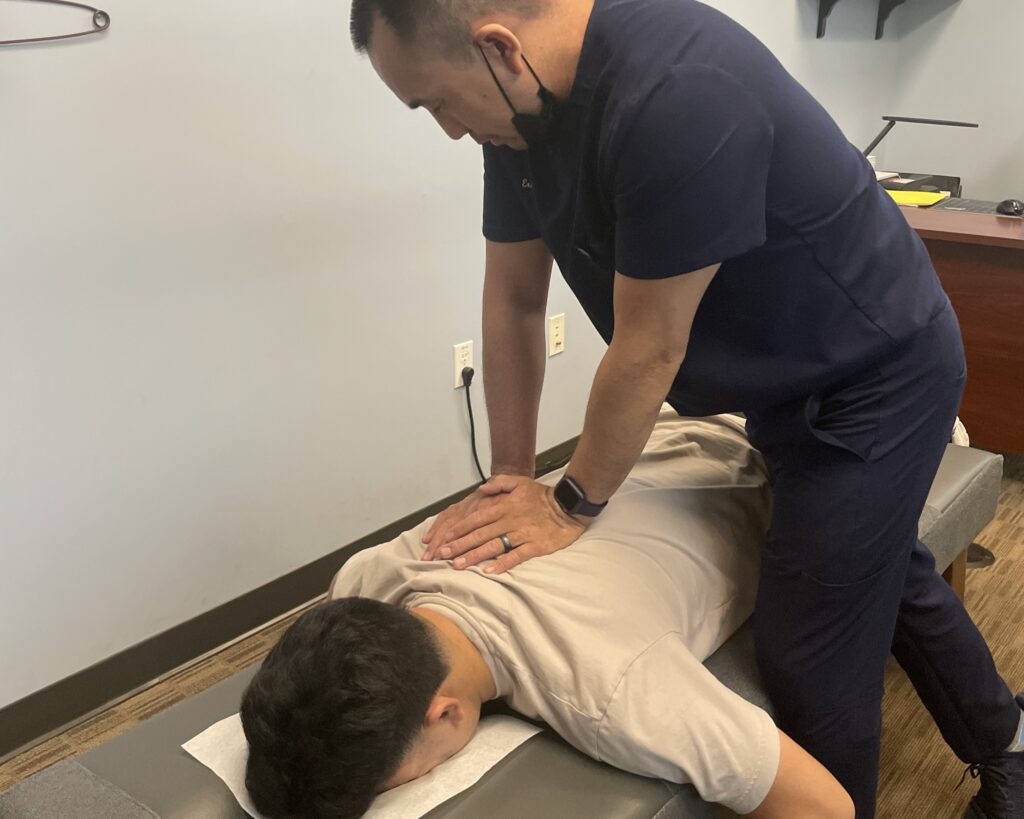
As a local chiropractor, I want to share some effective techniques that can help you recover from a sports injury and get you back on the field stronger than ever. Many people may not realize how important a combination of rest, chiropractic adjustments, physical therapy, and proper nutrition can be in the healing process.
Incorporating gentle movements and specialized chiropractic treatments can significantly enhance your recovery experience. For instance, chiropractic care focuses on aligning your spine and joints, which can alleviate pain and promote better mobility. Additionally, tailored exercises can help strengthen the affected areas and prevent future injuries.
It's essential to consider specific strategies that fit your unique situation. By understanding how chiropractic care and natural healing methods work together, you can make informed decisions about your recovery. Let's explore how we can create a personalized plan that sets you on the path to a full recovery and improved performance.
Rest and Recovery
As a local chiropractor, I want to emphasize the vital role that rest and recovery play in the rehabilitation of sports injuries. When you experience an injury, your body requires adequate time to heal. Overlooking this crucial phase can lead to persistent pain or even the risk of re-injury. It's essential to tune into your body and recognize its signals. If you encounter pain or discomfort, it's a clear indication that you should pause and allow your body the time it needs to recuperate.
During your recovery journey, prioritizing rest is key. This doesn't imply complete inactivity; rather, it's about engaging in gentle movements that won't worsen your injury. Rest is essential for allowing your muscles and tissues to repair, which can help reduce inflammation and promote healing.
Consider integrating techniques like ice therapy and compression to help minimize swelling and alleviate pain.
Quality sleep is another critical aspect of recovery. It significantly enhances your body's natural healing processes, so I recommend establishing a consistent sleep schedule to support your recovery efforts.
Additionally, nutrition plays a crucial role. Consuming a balanced diet rich in proteins, vitamins, and minerals is vital for tissue repair and can bolster your immune system.
Hydration is equally important; drinking plenty of water aids in the transportation of nutrients necessary for healing.
While the excitement to return to your sport is natural, remember that patience is essential. Rushing back into activity can lead to setbacks. Setting realistic recovery timelines and regularly consulting with healthcare professionals, like chiropractors, can help ensure you're progressing appropriately.
Physical Therapy Approaches
As a local chiropractor, I want to emphasize the importance of exploring various physical therapy approaches when recovering from a sports injury. Many patients may not be familiar with the benefits of chiropractic care and natural healing methods.
Techniques such as manual therapy, which involves hands-on manipulation to alleviate pain and improve function, can be incredibly effective.
Additionally, exercise rehabilitation programs tailored to your individual needs are crucial for strengthening muscles and restoring mobility.
We also utilize various natural modalities for pain relief, such as ultrasound therapy and electrical stimulation, that can complement your healing process.
Understanding these options can empower you to choose the best path to regain your strength and mobility, all while promoting overall wellness.
I'm here to guide you through these approaches and help you on your journey to recovery.
Manual Therapy Techniques
As a local chiropractor, I want to share how manual therapy techniques can play a crucial role in your recovery from sports injuries. These hands-on approaches focus on mobilizing your joints and soft tissues, which not only helps reduce pain but also improves your mobility.
During your sessions, I may utilize various methods, such as massage, joint mobilization, and manipulation. These techniques are designed to alleviate muscle tension, enhance blood flow, and expand your overall range of motion.
Many of my patients find that regular chiropractic sessions can speed up the healing process and help prevent future injuries by addressing the underlying issues that may have contributed to your discomfort.
Effective communication with me during your treatment is key. I'll tailor each session to cater to your specific needs, and while you may experience some discomfort, it's important to let me know if anything feels painful. I'll adjust the techniques to ensure your comfort while still delivering the effective treatment you need.
In addition to traditional methods, I often incorporate specialized techniques like myofascial release and trigger point therapy, which focus on specific areas of tightness.
Exercise Rehabilitation Programs
As a local chiropractor, I want to emphasize the importance of exercise rehabilitation programs for those recovering from sports injuries.
These programs are crucial for restoring strength, flexibility, and overall function, allowing you to heal naturally and effectively. They're customized to address your specific injury, ensuring that you regain your full range of motion while minimizing the risk of future problems.
By engaging in these rehabilitation exercises, not only will you recover more quickly, but you'll also enhance your athletic performance.
Here are some key components of exercise rehabilitation programs that I recommend:
- Strength Training: This focuses on building muscle strength around the injured area, which is vital for supporting your recovery and preventing further injury.
- Flexibility Exercises: These exercises help enhance your range of motion and reduce stiffness, making it easier for you to return to your activities.
- Balance and Coordination Drills: These drills work on re-establishing stability and control, which are essential for reducing the risk of re-injury.
- Functional Movement Training: This involves practicing movements specific to your sport, ensuring you're well-prepared for a safe return to your favorite activities.
Modalities for Pain Relief
As a local chiropractor, I want to emphasize the importance of effective pain relief on your journey to recovery from a sports injury. Understanding various natural healing modalities can significantly enhance your healing process, helping to reduce pain, improve mobility, and promote a quicker return to your active lifestyle.
One of the foundational techniques we often recommend is heat therapy. This method involves applying heat to the affected area to increase blood flow, which helps relax tense muscles and alleviate pain. You can easily incorporate this at home using heating pads or warm towels.
On the other hand, cold therapy is equally beneficial, especially in the initial stages of an injury. By using ice packs, you can reduce inflammation and numb sharp pain by constricting blood vessels.
Another modality you might find effective is electrical stimulation, such as Transcutaneous Electrical Nerve Stimulation (TENS). This technique sends gentle electrical impulses to targeted areas, helping manage pain and assist in muscle recovery.
Additionally, ultrasound therapy is a fantastic option that utilizes sound waves to penetrate deep tissue, enhancing circulation and reducing swelling in the process.
Don't overlook the benefits of manual therapy, which includes techniques like massage and joint mobilization. These hands-on treatments can significantly alleviate pain and stiffness, allowing for better movement and function.
As your chiropractor, I'm here to work with you to determine the best combination of these modalities tailored to your specific injury.
Rehabilitation Exercises
As a local chiropractor, I want to share with you the importance of rehabilitation exercises in your journey to recovery from injuries. These exercises aren't just beneficial; they're vital in helping you regain strength and functionality after an injury.
When you're healing, rehabilitation exercises work to restore mobility, flexibility, and stability in the affected area. More importantly, they play a crucial role in preventing future injuries by strengthening the muscles that support the injured site.
To maximize the benefits of your rehabilitation program, I recommend incorporating a variety of exercises, including:
- Range of Motion Exercises: These exercises are designed to enhance flexibility and prevent stiffness in your joints, allowing for smoother movement.
- Strengthening Exercises: Focusing on building muscle strength around the injured area is essential for supporting recovery and improving overall stability.
- Balance and Coordination Exercises: These exercises help improve your stability, significantly reducing the risk of re-injury when you return to sports or physical activities.
- Functional Exercises: These are tailored to mimic the specific movements you perform in your sport, facilitating a smoother transition back to your regular training routine.
It's crucial to follow a structured rehabilitation plan that's tailored to your specific injury and individual needs. I encourage you to consult with a qualified physical therapist or healthcare professional to ensure you're performing these exercises correctly and safely.
They can provide guidance on the appropriate intensity and duration for each exercise, which is key to achieving optimal recovery.
As you engage in these rehabilitation exercises, you'll likely notice improvements in your strength and flexibility, which will empower you to return to your sport with renewed confidence.
Advanced Treatment Options
When it comes to recovering from sports injuries, as a local chiropractor, I want to share some advanced treatment options that can significantly enhance your healing process. These methods complement traditional therapies and can help you recover more efficiently and regain your strength.
One effective approach is cryotherapy. This involves exposing your body to very cold temperatures, which can reduce inflammation and alleviate pain, ultimately promoting faster healing. Many athletes find ice baths or localized cryo devices are particularly helpful after intense workouts or when dealing with injuries.
Another innovative treatment we often discuss is platelet-rich plasma (PRP) therapy. In this procedure, a small sample of your blood is drawn and processed to concentrate the platelets before being injected back into the injured area. The growth factors found in PRP can accelerate tissue repair, making it an excellent choice for tendon injuries or joint pain.
You might also want to explore stem cell therapy. This cutting-edge treatment harnesses your body's own stem cells to promote healing. By injecting these cells into damaged tissues, it helps regenerate cells and restore function, which is especially beneficial for chronic injuries.
Additionally, many athletes have experienced positive results with laser therapy. This non-invasive technique uses focused light to stimulate tissue repair and reduce pain, making it particularly effective for soft tissue injuries.
Lastly, I encourage you not to overlook electrical stimulation therapy. This method applies electrical currents to muscles, which can enhance recovery, alleviate pain, and improve muscle function.
These advanced treatment options can truly be transformative in your recovery journey. I invite you to discuss these therapies with me during your next visit, so we can find the best approach tailored to your specific needs. Your path to healing deserves the best support!
Nutrition and Hydration
As a local chiropractor, I want to emphasize the critical roles that nutrition and hydration play in your recovery from sports injuries. When you visit me for treatment, it's not just about adjustments; it's also about ensuring your body has the right resources to heal effectively. Proper nutrition provides the fuel your body needs, while adequate hydration supports healthy tissues and optimal bodily functions.
When you're on the path to recovery, it's essential to pay attention to both macronutrients and micronutrients in your diet. Here are some key aspects to consider:
- Protein: This nutrient is crucial for repairing damaged tissues and building muscle. Incorporate lean sources of protein such as chicken, fish, beans, and legumes into your meals.
- Carbohydrates: Carbs are your body's primary source of energy, especially important during recovery. Opt for whole grains, fruits, and vegetables, which not only provide energy but also come packed with essential vitamins and minerals.
- Healthy Fats: Don't shy away from healthy fats; they can help reduce inflammation and promote overall health. Consider adding sources like avocados, nuts, and olive oil to your diet.
- Hydration: Staying well-hydrated is vital for your recovery. While water is essential, you can also incorporate hydrating foods like fruits and vegetables. If you've had an intense workout or are sweating a lot, electrolyte-rich drinks may help replenish what you've lost.
By integrating these nutritional elements into your daily routine, you can significantly influence your recovery timeline. Focus on balanced meals and snacks throughout the day to facilitate healing.
Prevention Strategies
As a local chiropractor, I want to emphasize the importance of proper nutrition and hydration not just for recovery, but as a cornerstone of injury prevention. When you fuel your body with the right nutrients, you set yourself up for optimal performance. A balanced diet that includes proteins, healthy fats, and carbohydrates is crucial for maintaining muscle strength and flexibility, which significantly lowers your risk of injuries.
Hydration is another key player in the equation. Staying well-hydrated can prevent muscle cramps and enhance your overall performance. I recommend drinking plenty of fluids before, during, and after your physical activities to keep your body functioning at its best.
It's also essential to incorporate proper warm-up and cool-down routines into your regimen. Warming up prepares your muscles for the demands of exercise, while cooling down supports recovery. Aim for at least 10 minutes of dynamic stretches before your workouts and follow up with static stretches afterward. These simple practices can enhance your flexibility and help prevent strains.
Cross-training is another effective strategy I encourage. By participating in a variety of activities, you not only improve your overall fitness but also engage different muscle groups, which can help prevent overuse injuries. Always listen to your body; if you experience pain or discomfort, it's important to rest and allow time for recovery.
Finally, don't underestimate the value of wearing the right gear. Choosing appropriate footwear and protective equipment specific to your sport can greatly reduce your risk of injury.
Conclusion
Injuries can be quite disheartening, but I want to reassure you that with the right approach, you can significantly enhance your recovery process. As a chiropractor, I emphasize the importance of rest to allow your body to heal naturally. Engaging in physical therapy can also be beneficial, as it helps you regain strength and mobility in a safe manner.
Don't underestimate the power of nutrition during your recovery. Fueling your body with nutrient-rich foods and staying well-hydrated is crucial for healing. If you're open to it, we can explore advanced treatment options like spinal adjustments, which can promote better alignment and function, aiding your recovery.
It's also essential to incorporate prevention strategies to minimize the risk of future injuries. By adhering to these guidelines, you'll not only recover but come back to your sport feeling stronger and more resilient than ever! Remember, my goal is to support you on your journey to optimal health and performance through natural healing methods.