As a local chiropractor, I want to share with you the importance of considering adjustments if you're experiencing upper back pain. Many people are unaware that these adjustments can effectively address the root causes of your discomfort while also enhancing your posture and mobility. By embracing this natural approach, you not only improve your quality of life but also reduce the risk of future complications.
But the benefits of chiropractic adjustments go beyond just alleviating pain. They can play a crucial role in your overall wellness journey. I'm eager to discuss how specific techniques and lifestyle changes can complement your recovery and support your long-term health. If you're curious about how chiropractic care can make a difference in your life, let's explore it together!
Understanding Upper Back Pain
Upper back pain is a common issue that many of my patients experience, and it can truly be frustrating and limiting. I often hear how it affects their ability to perform everyday tasks or enjoy activities they once loved.
The first step in managing this pain effectively is to understand it. Upper back pain typically occurs in the thoracic region, which extends from the base of your neck to the bottom of your ribcage.
Patients often describe their discomfort as a dull ache or a sharp pain, and the intensity can vary greatly. Some may even notice that the pain radiates to their shoulders, neck, or arms.
It's crucial to recognize how this discomfort impacts your daily life. Many report that their symptoms flare up after prolonged sitting, lifting heavy objects, or maintaining poor posture. This strain can lead to muscle tension, stiffness, and even headaches.
Identifying the symptoms is vital for effective treatment. You may find that certain movements, like twisting or reaching overhead, worsen your pain. By monitoring your daily activities, we can pinpoint patterns that may be contributing to your condition.
Additionally, consider your daily habits, such as the ergonomics of your workspace or how you carry bags. These factors can significantly influence your upper back health.
As a chiropractor, I focus on natural healing methods that can help alleviate your pain and restore your quality of life. Through adjustments and personalized care plans, we can work together to improve your overall well-being and address the underlying causes of your upper back discomfort.
Let's take the first step towards your recovery today!
Common Causes of Discomfort
As a local chiropractor, I want to help you understand the common causes of upper back pain and how our natural healing methods can assist you in managing this discomfort. Pain in the upper back can stem from various sources, and recognizing these can empower you to take charge of your wellness.
One prevalent cause of upper back pain is poor posture. Many of us spend long hours sitting at desks or hunched over our phones, which can lead to muscle tension and discomfort. By improving your posture and incorporating regular adjustments, we can help alleviate this strain on your muscles.
Muscle strain is another frequent culprit, often resulting from lifting heavy objects or making sudden movements. If you've recently engaged in activities that your body isn't used to, you may experience soreness. Repetitive motions from work or hobbies can also wear down your muscles over time, leading to discomfort. Our chiropractic care can help address these issues by restoring balance and function to your spine and muscles.
In some cases, conditions like herniated discs or arthritis can contribute to upper back pain. These issues can compress nerves or cause inflammation, leading to persistent discomfort. Through gentle adjustments and targeted therapies, we aim to relieve this pressure and promote healing.
Stress and emotional tension can also manifest as physical pain in the upper back. When you're stressed, your muscles tend to tighten, contributing to discomfort. Chiropractic care not only focuses on the physical aspect of your pain but can also help you manage stress through holistic techniques.
If you've experienced any injuries from accidents or falls, it's crucial to seek care to address any underlying problems. Our chiropractic assessments can identify issues and develop a personalized treatment plan to support your recovery.
Lastly, medical conditions like scoliosis or fibromyalgia can lead to upper back discomfort. By understanding these potential causes, we can work together to create an effective treatment strategy tailored to your needs.
Benefits of Seeking Adjustments
As a local chiropractor, I want to share with you the incredible benefits of seeking chiropractic adjustments for your overall well-being. One of the most significant advantages is the relief from pain and discomfort, particularly in your upper back. Misalignments in the spine can create tension and lead to pain. Through chiropractic care, we focus on realigning your spine, which can alleviate these issues, promoting a sense of relief and comfort.
Additionally, many of us unknowingly develop habits that contribute to poor posture, such as slouching. My role as your chiropractor is to help you identify and correct these habits. By strengthening the muscles that support your spine and providing expert guidance, we can work together to improve your posture. Not only does better posture reduce pain, but it also enhances your overall health.
Another important benefit of chiropractic adjustments is the increase in mobility. If you're experiencing tightness or restrictions in your upper back, it can limit your range of motion and make daily activities feel challenging. Regular adjustments can enhance your flexibility, allowing you to move more freely and comfortably throughout your day.
Moreover, chiropractic care can significantly boost your quality of life. As we work together to decrease your pain and improve your mobility, you may find yourself more active and engaged in the things you love. This creates a positive cycle—feeling good encourages you to stay active, which in turn supports your health even further.
Lastly, let's talk about prevention. Regular visits to a chiropractor allow us to identify potential issues before they become serious problems. By maintaining peak spinal health, you can enjoy a better quality of life.
Embracing chiropractic adjustments isn't just about addressing pain—it's about empowering yourself to live your best life. I invite you to explore the transformative benefits of chiropractic care and discover how it can enhance your well-being.
Techniques for Pain Relief
As a local chiropractor, I understand that many of my patients may not be familiar with the various techniques available to relieve upper back pain. It's important to know that there are effective methods that can significantly improve your comfort and well-being.
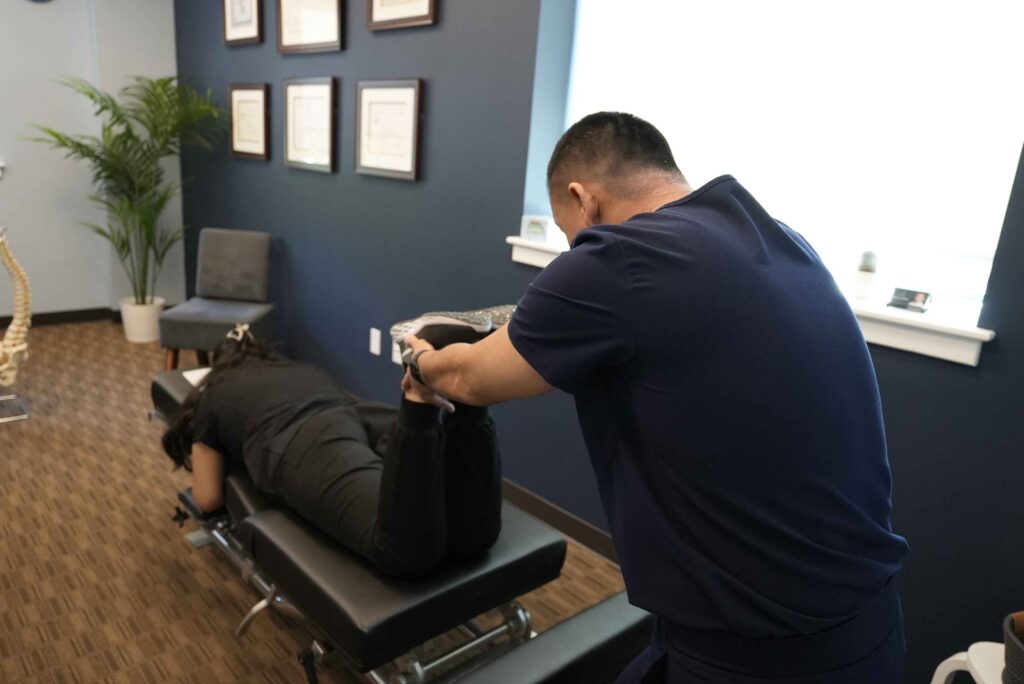
Let's explore some of these approaches together. First, stretching exercises are a fantastic way to alleviate tension in your upper back. These gentle movements can increase flexibility and reduce stiffness, making it easier for you to move without pain.
Next, manual therapy methods, such as spinal adjustments, can be incredibly beneficial. These techniques target specific areas of discomfort, helping to realign your spine and improve overall function. When your spine is in proper alignment, it can reduce pain and enhance your body's natural healing process.
Lastly, posture correction strategies are critical for not only relieving pain but also preventing future issues. By learning how to maintain proper alignment throughout your daily activities, you can significantly reduce the strain on your upper back.
I encourage you to consider these techniques as part of a holistic approach to pain relief. Together, we can find the best combination that works for you.
Your journey to a pain-free life starts with understanding and taking proactive steps toward your health.
Stretching Exercises Benefits
As a local chiropractor, I often see patients who struggle with upper back pain, and I want to share how incorporating stretching exercises into your routine can be a game changer for your health.
Stretching plays a crucial role in improving flexibility, which can significantly reduce muscle tension and enhance your overall mobility. When you commit to regular stretching, you're less likely to experience that stiffness that often leads to discomfort.
Targeted stretches for the upper back can be particularly effective in releasing tightness and allowing your muscles to relax. For example, the cat-cow stretch and thoracic spine rotation are excellent exercises that not only improve posture but also strengthen the muscles that support your spine.
Moreover, stretching promotes increased blood flow to the affected areas, which aids in healing and alleviating pain. By dedicating just a few minutes each day to stretch, you're actively investing in your well-being.
Many of my patients report a noticeable improvement in their range of motion, which makes everyday activities much easier and more enjoyable.
Lastly, let's not overlook the impact of stress on muscle tension. Stretching can be a fantastic way to alleviate stress, contributing to a healthier, more resilient back.
Manual Therapy Techniques
As a local chiropractor, I want to share how manual therapy techniques can be incredibly beneficial for those experiencing upper back pain. These hands-on approaches are designed to manipulate muscles and joints, providing immediate relief and supporting your overall recovery journey. If you're struggling with muscle tightness, joint dysfunction, or nerve irritation, these techniques can be customized to meet your unique needs.
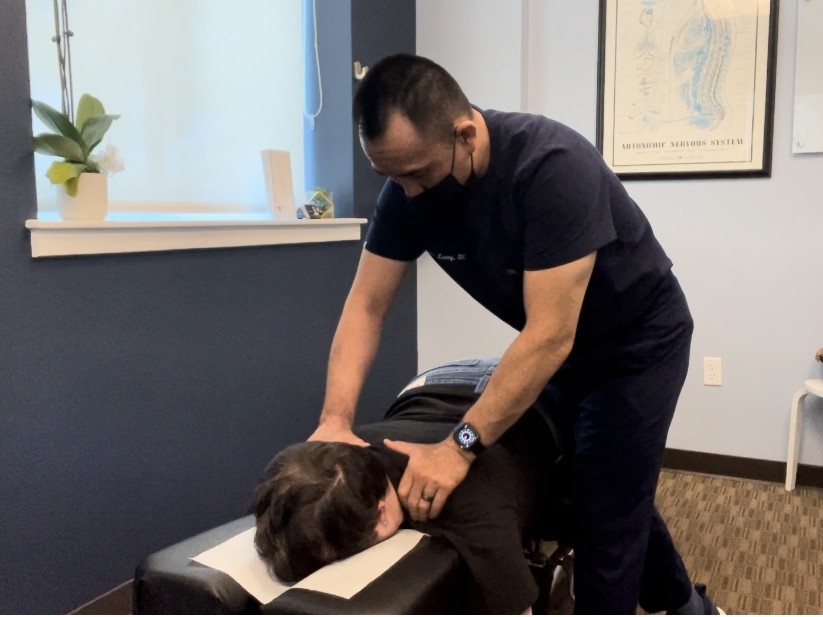
One of the most well-known methods in chiropractic care is spinal manipulation. During this process, I apply a controlled force to your spine with the goal of restoring its proper alignment and function. Many patients find this technique to be highly effective in alleviating discomfort.
Another valuable technique I often utilize is soft tissue mobilization. This method focuses on loosening tight muscles and fascia, which can help release built-up tension and improve blood flow, promoting healing.
Myofascial release is another approach I recommend, which targets the connective tissue surrounding your muscles. By relieving restrictions in this tissue, we can encourage relaxation and reduce pain, allowing your body to function better.
Additionally, trigger point therapy is effective in addressing specific knots within your muscles. By applying pressure to these areas, we can release stored tension and provide significant relief.
Incorporating these manual therapy techniques into your treatment plan can greatly enhance your recovery process. They not only help with pain relief but also improve your overall physical function, enabling you to return to your daily activities with greater ease and comfort.
If you're new to chiropractic care, I'm here to guide you through these natural healing methods and help you achieve your health goals.
Posture Correction Strategies
As a local chiropractor, I want to emphasize the importance of good posture in preventing and alleviating upper back pain. Proper alignment is key to reducing strain on your muscles and joints, which in turn promotes comfort and mobility.
Let's start with some simple adjustments you can make in your daily routine. When sitting, be mindful of your posture. Keep your feet flat on the floor, relax your shoulders, and maintain a straight back against your chair. Using a lumbar roll or cushion can provide additional support to your lower back, helping you to maintain that ideal position.
When you're standing, try to distribute your weight evenly across both feet, keeping your knees slightly bent. Engaging your core muscles is essential for supporting your spine and maintaining stability. It's also crucial to lift objects correctly; always bend at your hips and knees instead of at your waist to avoid unnecessary pressure on your back.
I recommend incorporating regular breaks into your day, especially if you have a job that requires long periods of sitting. Stand up, stretch, and take short walks to keep your muscles flexible and reduce stiffness. Activities like yoga or Pilates can also be beneficial, as they enhance core strength and flexibility, contributing to better posture.
Additionally, consider investing in ergonomic furniture and tools to create a supportive workspace. Adjust your computer screen to eye level, and ensure your chair is designed to promote good alignment.
Role of Physical Therapy
When it comes to upper back pain, chiropractic care is a vital component of your recovery and ongoing management. It's not merely about relieving pain; it's about addressing the root causes of your discomfort.
As a chiropractor, my goal is to assess your condition, identify any imbalances in your spine and musculature, and create a tailored treatment plan that meets your individual needs.
You will likely participate in a variety of exercises focused on strengthening the muscles that support your upper back. These exercises can enhance your posture, boost flexibility, and improve overall stability. By emphasizing core strength, we can establish a solid foundation that minimizes strain on your upper back.
In addition to strengthening exercises, I may employ manual adjustments and techniques to realign your spine and alleviate tension in tight muscles. These chiropractic methods can enhance circulation, promote healing, and provide significant relief.
You may also be taught specific stretches targeting key areas, which can help improve your range of motion and reduce discomfort.
Moreover, chiropractic care often involves education on body mechanics and ergonomics. I'll provide guidance on maintaining proper posture during your daily activities, which is essential for preventing future injuries.
This knowledge empowers you to take an active role in your recovery and effectively manage your upper back pain through natural healing methods.
Lifestyle Changes for Prevention
As your local chiropractor, I want to share some valuable insights on how you can prevent upper back pain and enhance your overall well-being through simple lifestyle changes.
One of the first steps is to assess your daily posture. When you're sitting, make sure your back is straight, your shoulders are relaxed, and your feet are flat on the floor. Investing in ergonomic furniture can also provide vital support for your spine, especially if you spend extended periods at a desk.
Incorporating regular physical activity into your daily routine is another crucial aspect. Engaging in exercises such as walking, swimming, or yoga can significantly strengthen your back muscles and increase your flexibility. Aim for at least 30 minutes of moderate exercise most days of the week.
Additionally, it's essential to be mindful of your lifting techniques—always bend at your knees and keep any object close to your body to prevent unnecessary strain on your back.
Nutrition is equally important for maintaining a healthy spine. Staying hydrated and consuming a balanced diet that's rich in vitamins and minerals, particularly calcium and vitamin D, can support bone health.
Reducing your intake of processed foods and sugars is also beneficial, as it may help manage inflammation that can lead to back pain.
Lastly, I can't stress enough the importance of managing stress. High levels of stress can result in muscle tension, especially in the upper back.
I encourage you to practice relaxation techniques such as deep breathing, meditation, or gentle stretching to help alleviate that tension.
By adopting these lifestyle changes, you can significantly lower your risk of upper back pain and improve your overall quality of life.
When to Consult a Professional
As a local chiropractor, I want to emphasize the importance of recognizing when it's time to seek professional help for managing upper back pain. If you've been struggling with persistent discomfort that doesn't seem to improve with home remedies or self-care practices, it's crucial to reach out to a healthcare professional like myself.
Pain that lasts more than a few weeks or intensifies over time often suggests a deeper issue that needs evaluation. Be mindful of any additional symptoms you may experience, such as numbness, tingling, or weakness in your arms or legs. These can be indicators of nerve involvement or other serious conditions that shouldn't be overlooked.
If your pain arises from specific movements or follows an injury, it's essential to consult with a chiropractor. We can assess your situation and determine if you require imaging tests, physical therapy, or other forms of treatment.
If you've already tried various approaches—like over-the-counter medications, stretching exercises, or changes in your lifestyle—without finding relief, it's time to consider chiropractic care. A lack of improvement is a strong signal that you might benefit from expert guidance.
Lastly, if your upper back pain is interfering with your daily activities or diminishing your quality of life, don't hesitate to seek support. You deserve to live comfortably and without pain.
Conclusion
As a local chiropractor, I want to emphasize how important it is to consider adjustments for upper back pain. Many people are unaware that addressing the underlying causes of discomfort can significantly enhance your overall comfort and well-being. Instead of simply masking the symptoms, chiropractic care focuses on restoring proper alignment and function to your spine, which can lead to a healthier back and an improved quality of life.
Incorporating chiropractic adjustments with physical therapy and making appropriate lifestyle changes can create a comprehensive approach to achieving lasting relief. These methods work together to support your body's natural healing processes, allowing you to regain mobility and reduce pain effectively.
I encourage you not to wait until your discomfort worsens. Taking proactive steps towards your health is essential. Consult with a professional like myself to explore the best options tailored to your needs. Together, we can work towards a pain-free future!