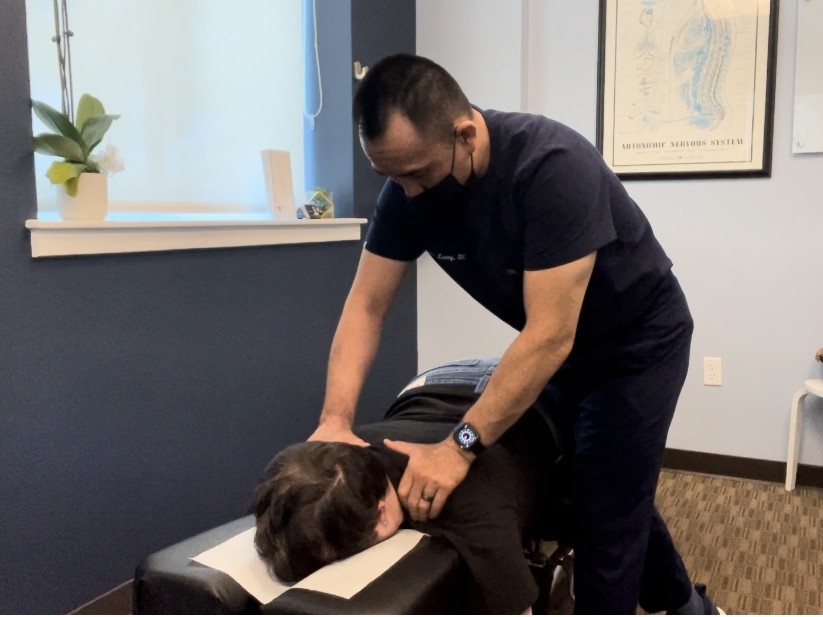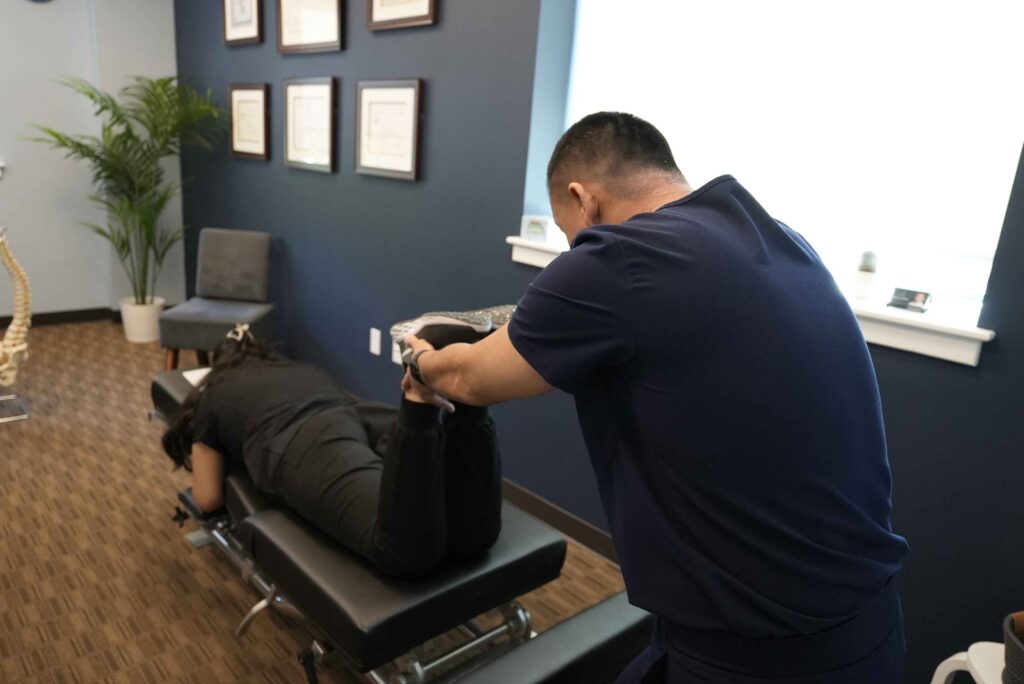
As your local chiropractor, I often see patients struggling with that persistent tightness in their upper back, and it's not solely due to long hours at a desk. Understanding the underlying factors contributing to this discomfort is crucial for finding effective relief. Posture, stress management, and daily habits all play significant roles. You may be surprised to learn that making simple adjustments in your routine can lead to substantial improvements in your wellbeing.
As we delve into these strategies, we'll address the key elements that not only help alleviate your pain but also promote long-term spinal health. So, what do you think is the first step you should take towards feeling better? I'm here to guide you on this journey to natural healing and improved comfort.
Understanding Upper Back Pain
As a chiropractor, I want to emphasize that while many people think of back pain as primarily affecting the lower back, upper back pain is equally prevalent and can be just as distressing. This discomfort typically originates from the thoracic spine, which extends from your neck to your lower back. Patients often describe sensations ranging from sharp and nagging to throbbing in this area, which can make everyday activities quite challenging.
One of the critical factors to consider with upper back pain is its impact on posture. If you find yourself spending long hours at a desk or often hunched over your phone, it's likely that your muscles may become tight and strained. This sets off a cycle that's hard to break: poor posture can lead to pain, and that pain can further degrade your posture.
You might notice that certain movements, like reaching for something or twisting your torso, can intensify your discomfort.
Moreover, stress and tension are significant contributors to upper back pain. Under pressure, our muscles often tighten, leading to stiffness and soreness. It's essential to recognize the influence of emotional and physical stressors on your overall well-being.
Understanding the details of upper back pain is crucial for effective management. By identifying your unique symptoms and how they affect your daily life, you can take proactive steps toward relief and healing. This might include exercises, stretching, or seeking professional chiropractic care.
Acknowledging your pain is the first step in overcoming it, and I'm here to guide you through that journey toward recovery and a healthier spine.
Common Causes of Discomfort
As a local chiropractor, I want to help you understand that if you're experiencing discomfort in your upper back, it's often linked to poor posture habits and muscle tension.
Many people are unaware of how their everyday activities can contribute to the strain on their back. By recognizing these common causes, we can work together to find effective, natural ways to alleviate your discomfort and improve your overall well-being.
Let's dive into these culprits and explore how chiropractic care can play a vital role in your journey toward relief.
Poor Posture Habits
As a local chiropractor, I often see patients who've unknowingly developed poor posture habits that can lead to discomfort in their upper back. Many of you might find yourselves slouching at your desks or leaning forward to check your phones, both of which can strain your spine.
When you hunch over while working, your shoulders may round, and your head can jut forward, creating significant tension in your upper back. When you spend long hours in these positions, your muscles begin to adapt to this unnatural alignment. Over time, this can lead to stiffness and pain, making it difficult to focus or enjoy your daily activities.
Even when standing, you mightn't be engaging your core effectively, which can further strain your upper back. To help alleviate these issues, I encourage you to consciously work on sitting and standing tall. Keep your shoulders relaxed and your chin tucked in slightly to maintain a neutral spine.
Incorporating short breaks to stretch and reset your posture can also make a significant difference in how you feel. By being mindful of your posture throughout the day, you're taking an important step towards alleviating discomfort and promoting a healthier back.
As your chiropractor, I'm here to guide you in understanding how your posture affects your overall health. Together, we can work on strategies to improve your alignment and reduce pain.
Muscle Tension Factors
As a local chiropractor, I want to take a moment to educate you about muscle tension in the upper back, which often arises from several factors beyond just poor posture.
One of the major culprits is stress. When you're feeling anxious or overwhelmed, your body responds by tightening your muscles, particularly in the upper back area. Many people aren't even aware they're doing it until they start to feel discomfort.
Another common factor contributing to upper back tension is prolonged sitting, especially in front of a computer. If you find yourself hunched over for long periods, your muscles can become fatigued and tight, leading to discomfort.
Additionally, repetitive movements or overuse can create strain in your muscles. If you frequently lift heavy objects or engage in activities that involve repetitive arm motions, these too can add to the tension in your upper back.
Your sleep position is also important. Using the wrong pillow or sleeping on your stomach can inadvertently strain your upper back, contributing to discomfort.
To help alleviate this tension, I recommend taking regular breaks, incorporating stretching into your daily routine, and practicing relaxation techniques.
Understanding these contributing factors is the first step towards easing your discomfort and improving your upper back health. If you're experiencing persistent tension, a chiropractic adjustment can help restore balance and alleviate discomfort.
Your well-being is important, and we're here to support you on your journey to natural healing.
Importance of Good Posture
As a local chiropractor, I want to emphasize the critical importance of good posture in your daily life.
Maintaining proper alignment isn't just about looking confident; it's fundamental to your overall well-being. When you sit or stand with good posture, you significantly reduce muscle strain and prevent discomfort, particularly in your upper back.
By prioritizing your posture, you're not only enhancing your immediate comfort but also investing in your long-term health.
Remember, small adjustments can lead to substantial improvements in how you feel every day.
Let's work together to create a foundation of wellness that supports your body naturally.
Benefits of Proper Alignment
As your local chiropractor, I want to emphasize the importance of proper alignment in maintaining a healthy upper back. When your spine is aligned correctly, it significantly reduces the strain on your muscles, ligaments, and joints. This optimal alignment allows your body to function more effectively, distributing weight evenly and minimizing discomfort.
Good posture isn't just about physical health; it can also enhance your confidence. When you stand tall with your shoulders back, you may feel more self-assured, which can positively impact your interactions in both social and professional settings. Many of my patients report feeling more energized and focused when their bodies are aligned, as this promotes better circulation and oxygen flow throughout the body.
Moreover, proper alignment can have a profound effect on your breathing. A straight spine allows your ribcage to expand fully, enabling your lungs to take in more air. This improvement in your respiratory function can lead to better stamina and overall well-being.
Ultimately, prioritizing proper alignment can pave the way for a more active lifestyle. You'll likely experience less fatigue and discomfort, making it easier to participate in daily activities or exercise routines.
Embracing good posture isn't just about aesthetics; it's about fostering a sense of well-being and vitality. If you're new to chiropractic care, I encourage you to explore how proper alignment can enhance your quality of life.
Reducing Muscle Strain
As your local chiropractor, I want to emphasize the importance of maintaining an upright posture throughout your day to help you avoid muscle strain, especially in your upper back. Many of us tend to slouch or hunch over, which can place unnecessary pressure on the structures of your spine and the surrounding muscles. This can lead to discomfort and fatigue over time.
By keeping your shoulders back and your head aligned with your spine, you can distribute your body's weight more evenly, significantly minimizing strain.
I encourage you to make it a habit to regularly check in with your posture. Whether you're sitting at your desk, standing in line, or walking, take a moment to engage your core and align your body properly.
If you spend a lot of time at a computer, ensure that your screen is at eye level and that you use a chair that supports proper alignment.
In addition to posture awareness, incorporating stretches and strengthening exercises into your daily routine can greatly support good posture.
Focus on strengthening your upper back, shoulders, and core, as these muscles are crucial for maintaining an upright position and preventing strain.
Effective Stretching Techniques
As a local chiropractor, I want to share with you some effective stretching techniques that can significantly alleviate upper back tension. Many people may not realize how simple stretches can improve flexibility and reduce discomfort. By dedicating just a few minutes each day to these exercises, you can start to feel the benefits.
Let's begin with the cat-cow stretch, a fundamental movement that's great for releasing tension in your spine. To perform this stretch, get on your hands and knees. As you inhale, arch your back, allowing your belly to drop, and then as you exhale, round your spine upwards. Repeat this movement several times to help ease tightness in your upper back.
Another fantastic stretch is the seated twist. Find a comfortable position on the floor with your legs extended in front of you. Bend your right knee and place your foot outside your left thigh. Gently twist your torso to the right, using your left elbow against your right knee for support. Hold this position for 15-30 seconds, then switch sides. This stretch is particularly beneficial for your spine and can help relieve tightness.
Don't forget about the doorway stretch, which is excellent for opening up your chest. Stand in a doorway with your arms bent at a 90-degree angle against the frame. Step forward with one foot, feeling a gentle stretch across your chest and shoulders. Hold this position for about 20-30 seconds to encourage better posture.
Lastly, consider the upper back stretch. Whether sitting or standing, interlace your fingers and extend your arms in front of you, rounding your upper back. Take a deep breath and hold this position for a moment, focusing on the stretch between your shoulder blades.
Incorporating these stretches into your daily routine can lead to a noticeable reduction in upper back tension, which in turn helps improve your posture and overall well-being.
Strengthening Your Upper Back
As a local chiropractor dedicated to your well-being, I want to emphasize the importance of strengthening your upper back for overall health. Many people overlook this aspect, but strengthening the muscles in your upper back is just as crucial as stretching them. A robust upper back not only enhances your posture but also plays a vital role in alleviating pain and discomfort.
Let me introduce you to some effective exercises that can help target key muscle groups, such as the trapezius, rhomboids, and latissimus dorsi. One exercise I recommend is the bent-over row. To perform this, you'll want to use a pair of dumbbells. Begin by hinging at your hips while keeping your back flat. Pull the weights toward your torso, focusing on squeezing your shoulder blades together, then lower them back down. I suggest aiming for three sets of 10-15 repetitions, which can greatly benefit your upper back strength.
Another beneficial exercise is the face pull, which you can do with a resistance band. Set the band at shoulder height, grasp it with both hands, and step back to create some tension. Pull the band towards your face while keeping your elbows elevated. This movement not only combats rounded shoulders, a common issue due to prolonged sitting, but also strengthens the rear deltoids, which are essential for upper back stability.
I also want to highlight the wall angels exercise. Stand with your back against a wall and position your arms in a "W" shape. As you slide your arms upward into a "Y" shape, ensure you maintain contact with the wall throughout the movement. This exercise is excellent for improving mobility while simultaneously strengthening your upper back.
I recommend incorporating these exercises into your routine at least two to three times a week. Remember that consistency is vital for building strength and enhancing your upper back health. As you progress and gain strength, consider gradually increasing the weights or resistance to continue challenging yourself and maximizing the benefits.
Ergonomic Workspace Setup
As a local chiropractor, I want to share with you the importance of creating an ergonomic workspace to support your upper back health and overall comfort, especially during those long hours of work. Your posture plays a crucial role in your wellbeing, and small adjustments can make a significant difference.
First, let's talk about your chair. It's essential to adjust it in a way that supports your lower back. Your feet should be flat on the floor, with your knees at or slightly below hip level. If your chair can't be adjusted, using a footrest can help achieve this proper positioning.
Next, consider the placement of your desk and monitor. Your monitor should be at eye level and positioned about an arm's length away. This alignment helps prevent neck strain and promotes good posture. If you often use a laptop, I recommend using a stand to elevate the screen and pairing it with an external keyboard and mouse.
Now, let's discuss your keyboard. It should be set up so that your elbows are at a 90-degree angle and your wrists remain straight while typing. A wrist rest can be a valuable tool to maintain proper wrist alignment. Additionally, keep your mouse close to your keyboard to avoid excessive reaching, which can put unnecessary strain on your shoulders and upper back.
Lighting also plays a crucial role in your workspace. Ensure that your area is well-lit to reduce eye strain. Poor lighting may cause you to lean in closer to your screen, leading to poor posture over time.
Lastly, remember to take regular breaks to stretch and move around. This practice is vital for relieving tension in your upper back and preventing the negative effects of prolonged sitting.
Stress Management Strategies
As a chiropractor, I want to emphasize the importance of managing stress to maintain the health of your upper back and prevent discomfort. Many people don't realize that high stress levels can lead to muscle tension, which often results in pain or stiffness in this area. Incorporating effective stress management strategies into your daily routine can make a significant difference.
One of the first steps I recommend is practicing mindfulness. Techniques such as meditation or deep breathing can be incredibly beneficial. Just setting aside a few minutes each day to focus on your breath can help calm your mind and reduce muscle tension.
Additionally, activities like yoga or tai chi not only promote relaxation but also improve flexibility, which is essential for maintaining a healthy back.
Regular physical activity is another crucial element. Exercise is known to release endorphins, which help boost your mood and lower stress levels. Even something as simple as a brisk walk during your lunch break can be impactful.
Moreover, incorporating strength training into your routine will help support your upper back and make it more resilient to stress-related pain.
Prioritizing adequate sleep is vital as well. Insufficient rest can exacerbate stress and lead to poor posture, putting additional strain on your upper back. Aim for seven to nine hours of quality sleep each night to ensure your body has the time it needs to recover and rejuvenate.
Lastly, don't hesitate to seek support from those around you. Sharing your thoughts and feelings with friends or family can lighten your emotional burden and improve your overall well-being.
When to Seek Professional Help
As a local chiropractor dedicated to your well-being, I want to help you recognize when it's time to seek professional care for issues like upper back pain. It can be difficult to determine when to reach out for help, especially if you've been actively managing stress and adopting healthy habits. However, there are key signs that indicate it may be time to consult a healthcare provider like myself.
If your upper back pain has lasted for more than a few weeks or seems to worsen despite your efforts to alleviate it, please don't hesitate to contact me. Persistent pain can often be a signal that your body needs a little extra assistance.
Be mindful of any pain that radiates down your arms or legs, as this may indicate nerve involvement. If you also experience numbness, tingling, or weakness in your limbs, it's crucial to seek professional advice. These symptoms can point to underlying issues that may need immediate evaluation.
Another important indicator is whether your pain is interfering with your daily activities or disrupting your sleep. If you find it hard to engage in activities you once enjoyed or if pain is preventing you from getting restful sleep, please consider reaching out to discuss your situation.
Lastly, don't ignore other symptoms that may accompany your pain, such as fever, unexplained weight loss, or severe headaches. These could indicate conditions that warrant prompt attention and further investigation.
As your chiropractor, I'm here to provide guidance and support on your journey to health and healing. If you're experiencing any of these signs, let's work together to find the right approach for your recovery.
Daily Habits for Relief
As a local chiropractor, I want to share with you some simple daily habits that can significantly alleviate upper back pain and enhance your overall well-being.
One of the most effective strategies we emphasize in chiropractic care is maintaining good posture. When you sit or stand, it's crucial to keep your shoulders back and your spine aligned. If you spend long hours at a desk, consider investing in ergonomic furniture that supports your natural posture.
Incorporating stretching into your daily routine is another essential habit. I encourage you to dedicate a few minutes each day to perform upper back stretches. For instance, reaching your arms overhead, clasping your hands, and gently leaning to each side can help release tension and improve flexibility.
Additionally, practices like yoga and Pilates can be beneficial, as they focus on strengthening your core and enhancing your posture—key components of spinal health.
Movement plays a vital role in reducing upper back pain. It's important to take short breaks during your day to stand up, walk around, or engage in light exercises. Even a quick five-minute walk can make a difference in reducing stiffness and improving circulation.
If you find yourself sitting for extended periods, setting a timer as a reminder to move can be very helpful.
Lastly, let's not overlook the importance of sleep. Ensure that you're using a supportive mattress and pillow that help keep your neck and spine in proper alignment.
I recommend sleeping on your back or side rather than your stomach, as the latter can create unnecessary strain on your upper back.
By incorporating these habits into your daily life, you can take significant steps toward alleviating upper back pain and promoting your overall health.
If you have any questions or need further guidance, feel free to reach out!
Conclusion
As a local chiropractor, I want to share some valuable insights into how you can alleviate upper back pain through natural methods. One of the simplest yet most effective ways is by incorporating good posture into your daily life. Being mindful of how you sit, stand, and move can significantly impact your spinal health.
Additionally, regular stretching is crucial. It helps maintain flexibility and can ease tension in your upper back. I encourage you to set aside a few minutes each day for gentle stretches tailored to your body's needs.
Ergonomic practices are also essential. Whether you're at work or home, adjusting your workspace to support your body's alignment can prevent strain and discomfort.
Don't forget the importance of managing stress, as it can play a significant role in muscle tension. Techniques such as deep breathing, meditation, or even a short walk can help you relax and improve your overall well-being.
If you find that your discomfort persists, please consider seeking professional help. Chiropractic care focuses on natural healing and can provide targeted relief for your upper back issues. Remember, taking small, consistent steps can lead to lasting relief and a healthier lifestyle. Start your journey today to give your upper back the care it truly deserves!