When it comes to managing migraines, the impact of care, particularly chiropractic care, is invaluable. You may wonder how compassion and understanding can influence the intensity of your pain. It’s not only about medical treatments; emotional support and a positive environment significantly contribute to your overall well-being.
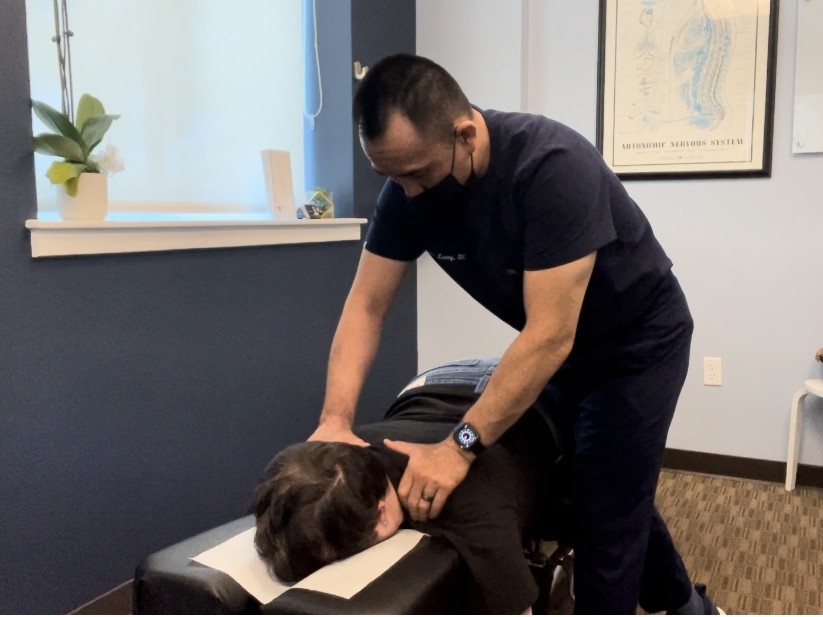
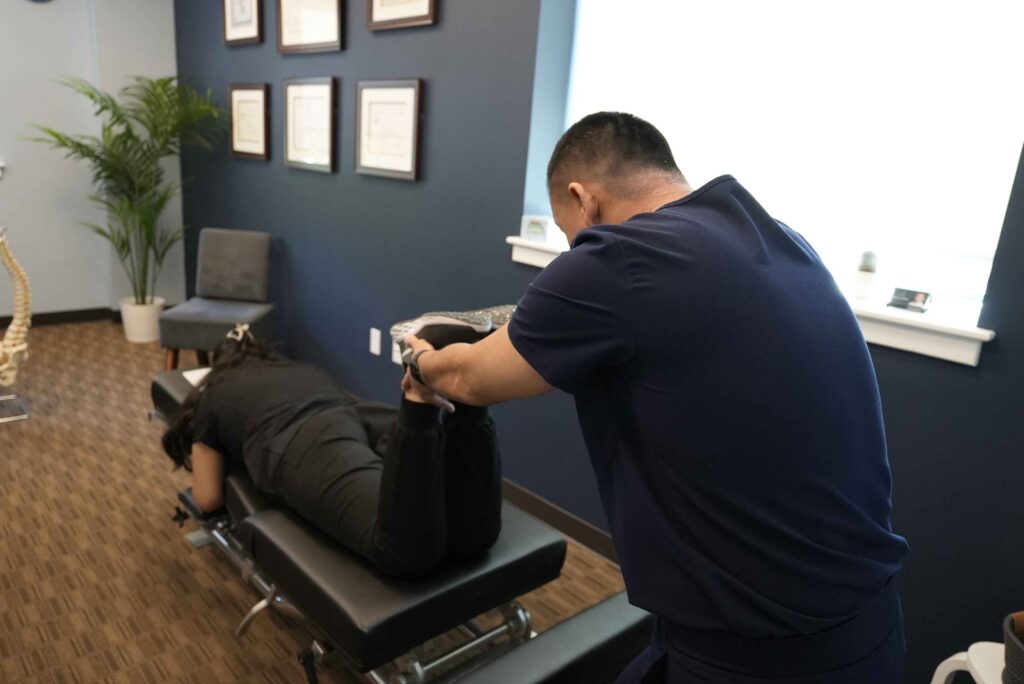
Chiropractic care focuses on the alignment of the spine and the nervous system, which plays a crucial role in how your body experiences pain, including migraines. By ensuring that your spine is properly aligned, we can help alleviate tension that may trigger or exacerbate migraine episodes.
As you explore the connection between your lifestyle and migraine experiences, consider some simple tips to enhance your well-being:
- Stay Hydrated: Dehydration is a common migraine trigger. Aim to drink plenty of water throughout the day.
- Regular Adjustments: Consistent chiropractic adjustments can help keep your spine aligned, potentially reducing the frequency and severity of migraines.
- Stress Management: Incorporate relaxation techniques such as deep breathing, meditation, or yoga into your daily routine to help manage stress, which can be a trigger for many.
- Healthy Diet: Pay attention to your diet and identify any foods that may trigger your migraines. A balanced diet rich in fruits, vegetables, and whole grains can support overall health.
- Sleep Hygiene: Establish a regular sleep schedule to ensure you’re getting adequate rest. Poor sleep can contribute to migraine occurrences.
By understanding how these factors influence your migraine experience, you can work with your chiropractor to develop a personalized plan that supports your health and wellness. Remember, chiropractic care is a natural, effective way to help manage pain and promote overall wellness without the need for medications or invasive procedures. Take charge of your health and discover the benefits of chiropractic care for migraine relief!
The Science of Pain Perception
When you experience a migraine, understanding how pain perception works can provide valuable insights into what’s happening in your body. Migraines initiate a complex reaction involving neurotransmitters, nerve pathways, and brain structures. Essentially, your brain detects pain signals through a network of neurons that communicate with one another.
When certain triggers—like stress, specific foods, or hormonal changes—come into play, these signals can become intensified, resulting in the severe pain typically associated with migraines.
It’s important to recognize that the way your brain processes these signals can be influenced by your surroundings. Factors such as bright lights, loud sounds, and strong smells can increase your sensitivity to pain. This awareness can help you identify potential triggers and manage your migraines more effectively.
Chiropractic care offers a natural approach to addressing migraines and improving overall wellness. By focusing on spinal health and ensuring proper alignment, chiropractors can help reduce the frequency and intensity of migraine episodes.
Regular adjustments can enhance the nervous system’s function, allowing your body to better handle stress and other triggers.
In addition to chiropractic care, there are some general tips you can implement to help manage your migraines:
- Stay Hydrated: Dehydration can be a trigger, so drink plenty of water throughout the day.
- Maintain a Consistent Sleep Schedule: Try to go to bed and wake up at the same time every day to promote better rest.
- Practice Relaxation Techniques: Stress management techniques like deep breathing, yoga, or meditation can help reduce tension and prevent migraines.
- Monitor Your Diet: Keep track of foods that may trigger your migraines, and aim for a balanced diet rich in whole foods.
- Limit Screen Time: Take breaks from screens to reduce eye strain and exposure to bright light.
By incorporating these strategies and seeking chiropractic care, you can take proactive steps toward managing your migraines and enhancing your overall health.
Emotional Support and Its Impact on Pain
When you’re dealing with migraines, emotional support can play an essential role in how you experience pain. Building strong, supportive relationships can help reduce stress, which is a common trigger for headaches. By nurturing these emotional connections, you can discover effective stress reduction techniques that work for you.
As a chiropractor, I want to emphasize the importance of a holistic approach to health and wellness. While emotional support is crucial, don’t overlook the benefits of chiropractic care in managing migraines. Chiropractic adjustments can help restore proper spinal alignment, which may alleviate tension and reduce the frequency and intensity of headaches.
Here are a few tips to consider for managing migraines naturally:
- Stay Hydrated: Dehydration can trigger headaches, so make sure you drink plenty of water throughout the day.
- Practice Relaxation Techniques: Incorporate mindfulness practices, such as deep breathing or meditation, into your daily routine to help manage stress levels.
- Maintain Good Posture: Poor posture can contribute to spinal misalignments and tension in the neck and shoulders, leading to headaches. Be mindful of your posture, especially when sitting for long periods.
- Regular Chiropractic Care: Regular visits to your chiropractor can help maintain spinal health, improve nervous system function, and may lead to fewer headaches.
- Sleep Well: Ensure you’re getting enough restorative sleep each night. Establish a calming bedtime routine to promote better sleep quality.
By focusing on both emotional support and chiropractic care, you can take significant steps towards managing migraines and improving your overall well-being.
Emotional Connection and Pain
While physical treatments like chiropractic care are essential for managing migraines, it’s important to remember that the emotional connections you have with those around you can significantly impact your experience of pain. When you receive support from friends or family, it can help reduce how intensely you feel your pain. Their presence can offer comfort, reassurance, and a sense of belonging, which is especially valuable during a migraine attack. Knowing that someone cares about you can make you feel less isolated and more understood, allowing you to cope better.
Chiropractic care focuses on aligning the spine and improving overall nervous system function, which can help alleviate migraine symptoms. By addressing the root cause of your pain and promoting natural healing, chiropractic adjustments can enhance your quality of life.
Additionally, sharing your feelings with loved ones might lighten the emotional load, making the pain feel more manageable. Here are a few tips to promote emotional well-being alongside chiropractic care:
- Communicate Openly: Talk to your friends and family about what you’re experiencing. Sharing your feelings can foster deeper connections and support.
- Practice Relaxation Techniques: Incorporate stress-reducing practices like deep breathing, meditation, or yoga into your routine. These can enhance your emotional resilience.
- Stay Active: Engage in light physical activity, as it can help release endorphins, your body’s natural pain relievers, and improve your mood.
- Build Strong Relationships: Foster supportive relationships with those who understand your struggles; this can make a significant difference in your emotional health.
- Prioritize Self-Care: Make time for activities that bring you joy and relaxation. Self-care can reinforce your emotional well-being and complement your chiropractic treatments.
By nurturing these emotional connections and integrating chiropractic care into your wellness routine, you can enhance your overall health and better manage the challenges associated with migraines.
Stress Reduction Techniques
Stress can intensify migraine pain, making it crucial to find effective ways to reduce stress for better symptom management. As a chiropractor, I believe that natural approaches, including stress reduction techniques, can be integral to achieving optimal health and wellness.
By incorporating relaxation into your daily routine, you may not only soothe your mind but also help diminish the frequency and intensity of your migraines. Here are some simple techniques to consider:
- Deep Breathing: Take a moment to inhale slowly through your nose, hold for a count of three, then exhale gently through your mouth. This simple practice can help release tension and calm your nervous system.
- Guided Imagery: Close your eyes and visualize a peaceful setting, like a serene beach or a quiet forest. Imagining yourself in a tranquil environment can help escape the pressures of daily life and promote relaxation.
- Progressive Muscle Relaxation: Start from your toes and work your way up to your head. Tense each muscle group for a few seconds, then release. This technique helps to alleviate built-up tension throughout your body.
Incorporating these stress-reduction practices into your routine, along with regular chiropractic adjustments, can significantly aid in managing your migraine pain.
Chiropractic care not only addresses pain through spinal alignment but also promotes overall wellness, supporting your body’s natural ability to heal. Embrace these techniques, and consider chiropractic as a holistic approach to achieving better health and a more balanced life.
Supportive Relationships Matter
Emotional support is vital in managing migraine pain, as strong, supportive relationships can significantly enhance your overall well-being. Surrounding yourself with people who understand your challenges can help reduce the feelings of isolation and anxiety often associated with migraines. These connections create a safe space for you to express your feelings and share experiences, which can be incredibly therapeutic.
In addition to emotional support, having friends and family who encourage you to prioritize self-care can make a big difference. Engaging in activities that promote relaxation, such as gentle stretching or mindfulness practices, can help ease tension and reduce the frequency of migraine attacks.
Creating a calming environment at home, free from bright lights and loud noises, is also important during a migraine episode.
Moreover, chiropractic care is an excellent option for those seeking natural relief from migraine pain. Regular chiropractic adjustments can help improve spinal alignment, reduce tension, and enhance overall nervous system function, which can lead to fewer migraine occurrences.
By fostering supportive relationships and considering chiropractic care, you can build resilience against migraines and improve your journey toward optimal health.
The Role of Compassion in Healing
When you’re dealing with migraines, the role of compassion can significantly enhance your healing journey. As a chiropractor, I’ve seen firsthand how emotional support from friends and family can help ease the stress that often triggers migraines. This support not only promotes a sense of well-being but also encourages mindfulness, allowing you to stay present and focused on your recovery.
Chiropractic care is a natural and effective way to address the underlying causes of migraines. By focusing on spinal alignment and nervous system function, chiropractic adjustments can help reduce the frequency and intensity of migraine attacks. It’s about creating a balanced body that can better handle stress and tension, which are common migraine triggers.
Here are some practical tips to enhance your healing process:
- Stay Hydrated: Dehydration can often lead to migraines. Make sure you’re drinking plenty of water throughout the day.
- Practice Good Posture: Poor posture can lead to spinal misalignments that might trigger headaches. Be mindful of how you sit, stand, and even sleep.
- Regular Chiropractic Visits: Consistent chiropractic care can help maintain spinal health, reduce tension, and prevent migraines from occurring.
- Mindfulness and Relaxation Techniques: Incorporate practices like deep breathing, meditation, or gentle yoga into your routine to help manage stress levels.
- Healthy Diet: Maintain a balanced diet rich in fruits, vegetables, and whole grains. Certain foods can trigger migraines, so keep a food diary to identify any potential culprits.
By embracing these practices and prioritizing chiropractic care, you can create a supportive environment for your recovery.
Emotional Support Benefits
Migraines can often be triggered by physical factors, but the emotional environment surrounding these episodes plays a significant role in your experience and recovery. Seeking emotional support can create a nurturing atmosphere that enhances healing. When you feel compassion from others, it helps you feel understood and less isolated, making the pain more manageable.
Here are some emotional support benefits that can aid in your recovery:
- A comforting hug reminds you that you’re not alone in your struggle.
- A listening ear validates your feelings and helps you process your experience.
- Gentle words of encouragement can inspire hope and resilience during difficult times.
Building these connections can significantly lighten the emotional load of migraines. This allows you to concentrate on healing rather than suffering in silence.
In addition to seeking emotional support, consider incorporating chiropractic care into your wellness routine. Chiropractic adjustments can help alleviate tension in your spine and improve your overall well-being, creating a foundation for better health. Regular chiropractic visits may also assist in reducing the frequency and intensity of your migraines by promoting proper alignment and relieving stress on the nervous system.
Here are some general tips for managing migraines:
- Stay hydrated: Drinking plenty of water can help prevent dehydration, which can trigger migraines.
- Maintain a consistent sleep schedule: Aim for regular sleep patterns to help regulate your body’s internal clock.
- Practice relaxation techniques: Activities like yoga, meditation, or deep-breathing exercises can help relieve stress and tension.
- Keep a migraine diary: Tracking your migraine triggers can help you identify patterns and avoid potential causes.
Incorporating these strategies alongside chiropractic care can lead to a more holistic approach to managing migraines and achieving optimal health. Remember, you don’t have to face this challenge alone, and with the right support and care, relief is possible.
Stress Reduction Techniques
Understanding how stress impacts migraines is crucial, as high stress levels can make your symptoms worse. One effective way to address this is through chiropractic care, which focuses on aligning your spine and enhancing your overall well-being. When your spine is aligned, your body can better manage stress and tension, which may help reduce the severity and frequency of migraines.
In addition to chiropractic adjustments, there are several stress reduction techniques you can incorporate into your daily routine. Simple deep breathing exercises can work wonders to calm your mind and ease tension throughout your body.
Regular physical activity, such as walking or yoga, not only helps release endorphins that elevate your mood but also supports spinal health and flexibility.
You might also find journaling to be a valuable tool. Writing down your thoughts and feelings can lighten your emotional load and provide clarity.
Furthermore, don’t forget to set aside time for hobbies or relaxation activities that bring you joy. This can be a great way to take a break from daily stresses.
By prioritizing these techniques alongside chiropractic care, you’re not only tackling stress but also nurturing a healthier, more compassionate relationship with yourself.
This holistic approach can significantly contribute to migraine relief and overall wellness. Remember, your health journey is important, and chiropractic care can be a powerful ally in achieving and maintaining optimal health.
Mindfulness and Presence
Incorporating mindfulness into your daily routine can significantly enhance your healing journey, especially when it comes to managing pain like migraines. By being present and aware of your body, you can better identify triggers and respond to them with effective techniques. This approach not only helps reduce stress but also encourages a compassionate mindset towards yourself and your experiences.
Here are some simple practices you can incorporate into your day:
- Sit quietly and focus on your breath. Take a moment to breathe deeply, feeling each inhale and exhale as a way to ground yourself. This can help calm your nervous system and alleviate tension in your body.
- Visualize a warm light surrounding you. Imagine this light enveloping you, soothing any discomfort. This visualization can promote relaxation and help ease tension that might contribute to migraines.
- Engage in gentle movement. Activities like yoga or simple stretching can help connect your mind and body. This not only improves flexibility and strength but also enhances overall well-being, which is crucial for pain management.
These practices complement the benefits of chiropractic care, which focuses on aligning the spine and relieving nerve interference. By prioritizing spinal health, you can experience improved body function and a reduction in pain.
Remember, chiropractic adjustments can help maintain proper alignment, supporting your body’s natural healing processes and enhancing your overall wellness.
Embracing mindfulness, along with regular chiropractic care, can be a powerful combination for achieving optimal health and managing pain naturally. Consider these tips as part of your journey towards a healthier, pain-free lifestyle.
Understanding Migraine Triggers
Understanding migraine triggers is crucial for managing this often debilitating condition. By identifying what sparks your headaches, you can develop more effective strategies to prevent them, enhancing your overall well-being. Triggers can differ significantly among individuals, so it’s important to pay attention to your unique patterns. Common culprits include certain foods, stress, hormonal changes, and environmental factors like bright lights or strong smells.
One valuable tool is keeping a migraine diary. This can help you track your symptoms and uncover potential triggers. Write down what you eat, your stress levels, and any changes in your daily routine. You may find that skipping meals or not getting enough sleep can lead to migraines.
Once you identify your triggers, you can take steps to avoid them or reduce their effects.
Incorporating chiropractic care into your wellness routine can also be an excellent way to manage migraines. Regular chiropractic adjustments can help alleviate tension in the spine and improve overall body function, which may reduce the frequency and intensity of migraines. By addressing any misalignments in your spine, you can support your body’s natural healing processes, promoting a healthier and more balanced life.
In addition to chiropractic care, consider incorporating relaxation techniques such as deep breathing, yoga, or meditation into your routine to help manage stress. Staying hydrated, maintaining a consistent sleep schedule, and prioritizing a balanced diet can also contribute to overall health and reduce migraine occurrences.
Taking a proactive approach to understanding and managing your migraine triggers not only empowers you but also enhances your quality of life. With the right strategies and support, you can find relief and improve your overall wellness naturally.
The Importance of a Supportive Environment
Creating a supportive environment is vital for effectively managing migraines, and it can significantly enhance your overall well-being. Your surroundings play a crucial role in how you feel, and by making simple adjustments, you can help reduce the frequency and intensity of your migraine attacks. Here are some elements to consider for establishing that supportive environment:
- Soft Lighting: Opt for dim, warm lights in your space. This kind of lighting can create a calming atmosphere, which helps prevent overstimulation and reduces strain on your eyes—an important factor for a migraine sufferer.
- Quiet Spaces: Finding a tranquil setting, free from loud noises, is essential. A peaceful environment minimizes distractions, allowing you to relax fully and reducing the likelihood of migraine triggers.
- Comfortable Seating: Invest in a cozy chair or a supportive bed. Being comfortable encourages you to rest and take breaks when necessary, which is crucial for recovery. Remember, rest is a key component of healing, and chiropractic care can support this by aligning your spine and maintaining overall bodily function.
In addition to creating a supportive environment, consider incorporating chiropractic care into your wellness routine. Regular chiropractic adjustments can help alleviate tension in your spine and neck, which may contribute to migraine pain.
By ensuring your spine is aligned, you can enhance your body’s natural ability to heal and function optimally.
Caregiver Strategies to Aid Migraine Relief
Supporting someone who suffers from migraines can indeed be a challenge, but as a caregiver, you have the opportunity to provide significant relief and comfort. One of the best ways to assist is by creating a calm, quiet environment. Dimming the lights and minimizing noise can help reduce sensory overload, which is often a trigger for migraines.
Encouraging hydration is crucial, as dehydration can exacerbate migraine symptoms. Offering light, healthy snacks can also be beneficial, as maintaining stable blood sugar levels helps prevent migraines from worsening. A gentle reminder for them to stay on top of any wellness routines, including regular chiropractic adjustments, can be key in managing their overall health and preventing future migraine episodes.
When they feel ready, consider promoting relaxation through gentle massage or applying a cold compress to their forehead. These natural methods can provide soothing relief and help ease tension in the body.
Patience and understanding are essential during this time. Simply listening and offering emotional support can significantly alleviate feelings of isolation that often accompany migraines. Your presence serves as a reminder that they aren’t alone in their journey toward wellness.
Lastly, chiropractic care plays a vital role in managing and reducing the frequency of migraines. Regular adjustments can help align the spine, alleviate stress on the nervous system, and promote overall health, which can be incredibly beneficial in managing migraine symptoms.
The Connection Between Stress and Migraines
Stress is often a major contributor to migraines, making it essential to tackle this issue for both prevention and relief. When life becomes overwhelming, your body responds in ways that can lead to those debilitating headaches. By understanding the link between stress and migraines, you can better manage both, and chiropractic care can be a fantastic natural solution.
Here’s how stress may show up in your daily life:
- Tension in your shoulders: You might feel tightness creeping up your neck, resembling a heavy weight. This tension can affect your spine and overall posture, which is where chiropractic care can help realign your body and alleviate discomfort.
- Rapid heartbeat: During stressful moments, your heart may race, signaling your brain that it’s time to react. This response can lead to muscle tension and misalignments in your spine. Chiropractic adjustments can help restore balance and calm your nervous system.
- Sleep disturbances: Stress can make it difficult to fall asleep, leaving you feeling drained and more vulnerable to migraines. Regular chiropractic care can improve your sleep quality by enhancing your body’s natural healing processes and reducing tension.
To better manage stress and migraines, consider these tips:
- Stay Active: Regular physical activity can help relieve stress and prevent tension build-up. Simple exercises, such as walking or stretching, can be very beneficial.
- Practice Relaxation Techniques: Incorporate practices like deep breathing, meditation, or yoga into your routine to help manage stress levels.
- Maintain Good Posture: Pay attention to your posture, especially if you sit for long periods. Proper alignment can reduce muscle tension and alleviate stress-related headaches.
- Schedule Regular Chiropractic Visits: Regular adjustments can help keep your spine aligned, improve your overall health, and provide you with natural relief from stress and migraine symptoms.
By focusing on these strategies and the benefits of chiropractic care, you can take significant steps towards managing stress and reducing the frequency of migraines.
Building a Network of Support
Building a Network of Support for Your Health
A robust support network plays a crucial role in managing migraines and stress, especially when considering natural healing methods like chiropractic care. Surrounding yourself with understanding friends, family, and healthcare providers who respect your journey toward wellness can significantly reduce feelings of isolation.
Sharing your experiences not only eases your emotional burden but also allows others to provide practical support, whether it’s running errands or simply being there to listen.
Consider joining local or online support groups focused on health and wellness. These communities can connect you with others who understand the challenges of migraines and can share valuable insights and coping strategies.
Plus, discussions around natural healing and chiropractic care can offer you new perspectives on managing pain and achieving optimal health.
It’s important to communicate your needs to your loved ones, as this fosters deeper connections and helps them understand how to best support you. By building this network, you create a nurturing environment that encourages healing and resilience.
Remember, incorporating chiropractic care into your wellness routine can be a powerful way to relieve pain naturally and enhance your overall health.
Here are some general tips to help you manage migraines and stress:
- Stay Hydrated: Dehydration can trigger migraines, so make sure to drink plenty of water throughout the day.
- Practice Good Posture: Maintaining proper posture can help prevent tension in your neck and shoulders, which may contribute to headaches.
- Regular Chiropractic Visits: Regular adjustments can help align your spine and relieve tension, leading to fewer migraines and improved overall wellness.
- Stress Management Techniques: Explore relaxation techniques such as deep breathing, meditation, or yoga to help manage stress levels.
- Healthy Lifestyle Choices: Eating a balanced diet, getting regular exercise, and ensuring adequate sleep can all contribute to reducing migraine frequency and intensity.
Personal Stories: Care Making a Difference
When you hear firsthand accounts of how chiropractic care has transformed lives, it’s hard not to feel inspired. Many individuals suffering from migraines have found significant relief through the holistic support of chiropractic adjustments and lifestyle changes. Their stories highlight the profound impact that natural healing can have on managing this condition.
- Imagine receiving guidance from your chiropractor on specific stretches and exercises that can alleviate tension in your neck and shoulders, often linked to migraine triggers.
- Picture a friend encouraging you to practice relaxation techniques, such as deep breathing or meditation, while you rest in a calm environment, making a world of difference in managing pain.
- Envision your chiropractor taking the time to listen to your unique experiences, providing personalized advice on posture and ergonomics to help prevent future migraine episodes.
These personal stories remind us that care isn’t just about quick fixes; it’s about building a supportive network for overall wellness. Each act of kindness and knowledge contributes to a holistic approach that can greatly alleviate the burden of migraines, offering hope and a sense of community.
To further enhance your wellness journey, here are some tips to consider:
- Stay Hydrated: Dehydration can trigger migraines, so make sure you drink plenty of water throughout the day.
- Maintain Good Posture: Poor posture can lead to tension headaches. Be mindful of your posture when sitting or standing, especially if you work at a desk.
- Regular Chiropractic Visits: Regular adjustments can help align your spine and relieve tension that may contribute to migraines.
- Stress Management: Incorporate relaxation techniques such as yoga or mindfulness into your daily routine to reduce stress levels.
- Healthy Lifestyle Choices: A balanced diet, regular exercise, and adequate sleep can all play a significant role in managing migraine symptoms.
Conclusion
Incorporating chiropractic care into your routine can significantly alleviate migraines by correcting spinal misalignments and reducing pain signals in your body. When your spine is properly aligned, it helps your nervous system function better, which can lead to fewer and less intense migraines.
Understanding your migraine triggers is also essential. Keeping a journal of your activities, diet, and stress levels can help you identify patterns that contribute to your headaches. Alongside chiropractic adjustments, building a supportive network of friends and family can enhance your healing journey. Emotional support and compassion are vital components of recovery, so don’t hesitate to reach out to loved ones when you need encouragement.
Here are some general tips to help you manage migraines naturally:
- Stay hydrated: Dehydration can trigger headaches, so drink plenty of water throughout the day.
- Maintain a consistent sleep schedule: Aim for 7-9 hours of quality sleep each night and try to go to bed and wake up at the same time daily.
- Practice stress-relief techniques: Activities like yoga, meditation, or deep breathing exercises can help reduce stress, which is a common migraine trigger.
- Eat regular, balanced meals: Avoid skipping meals and aim for a diet rich in fruits, vegetables, whole grains, and lean proteins.
Embracing these strategies, alongside chiropractic care, can lead to a decrease in the frequency and intensity of your migraines, ultimately improving your overall quality of life. Remember, you are not alone in this journey—effective care truly makes a difference!