When it comes to back pain, you probably know that a one-size-fits-all approach rarely works. Personalized back pain plans take into account your unique symptoms, lifestyle, and recovery goals, making treatment more effective. By focusing on what specifically triggers your discomfort, healthcare providers can craft strategies that truly resonate with your needs. This tailored approach not only enhances recovery but also fosters a stronger partnership between you and your healthcare team. So, what does this mean for your journey towards a pain-free life?
Understanding Back Pain
Back pain can feel like a constant companion, affecting your daily activities and overall well-being. It's not just a nuisance; it can disrupt your life in significant ways. Understanding back pain is the first step toward managing it effectively.
You might experience it as sharp, dull, or even throbbing discomfort, and it can stem from various causes like muscle strain, herniated discs, or poor posture.
Pay attention to the specifics of your pain. Is it localized in one area, or does it radiate? Does it get worse after certain activities, or is it persistent? These details can provide valuable clues about its origin. Sometimes, emotional stress or lifestyle factors like lack of exercise can contribute to your discomfort.
You should also consider how your body mechanics play a role. If you spend long hours sitting or lifting objects incorrectly, you could be setting yourself up for back issues. Maintaining a strong core and ensuring proper ergonomics at work can make a real difference.
Don't forget about the impact of your daily routines. Even simple tasks, like bending to pick something up or standing for extended periods, can aggravate your back if done incorrectly.
The Importance of Personalization
When it comes to managing back pain, one size definitely doesn't fit all. Each person's experience with back pain is unique, shaped by factors like lifestyle, physical condition, and personal history. That's why personalization is essential in creating effective treatment plans.
Tailoring your approach to fit your specific needs can make a significant difference in your recovery journey. You may find that what works for someone else mightn't work for you. For instance, certain exercises or stretches could exacerbate your pain rather than alleviate it. By focusing on your individual symptoms and triggers, you can develop a plan that addresses your unique situation.
This means considering your daily activities, work environment, and even emotional well-being. Moreover, personalized plans often include a mix of treatments, such as physical therapy, medication, and lifestyle changes.
This holistic approach allows you to tackle your back pain from multiple angles, increasing your chances of finding relief. Regular adjustments based on your progress can enhance the effectiveness of your plan, ensuring it remains relevant as your condition evolves.
Common Causes of Back Pain
Many people experience back pain at some point in their lives, and understanding its common causes can be essential for effective management. One of the most prevalent causes is muscle or ligament strain. If you've lifted something heavy or made a sudden awkward movement, you might find yourself dealing with discomfort.
Poor posture, especially when sitting for long periods, can also contribute to back pain. If you slouch or hunch over your computer, your back muscles can become strained.
Another common cause is herniated discs. When the soft material inside your spinal discs pushes out, it can press on nearby nerves, leading to pain that can radiate down your legs.
Osteoarthritis is another factor; as you age, the cartilage in your spine can wear down, causing stiffness and pain.
Inactivity can also play a significant role. If you lead a sedentary lifestyle, your muscles may weaken, making your back more susceptible to injury. Conversely, overexertion during exercise can lead to similar issues.
In addition, conditions like scoliosis or spinal stenosis can contribute to chronic back pain. These structural problems can alter how your spine functions, leading to discomfort.
Finally, stress and emotional factors shouldn't be overlooked. They can lead to muscle tension in your back, exacerbating pain.
Benefits of Tailored Treatment
How can a personalized treatment plan transform your experience with back pain? By addressing your unique situation, tailored treatment offers several notable benefits that standard approaches can't match.
First, it helps identify the specific causes of your pain, allowing for targeted therapies that directly address your issues. Rather than relying on a one-size-fits-all solution, you'll be working with strategies that suit your individual needs.
You'll find that a personalized plan enhances your motivation and engagement in your recovery process. When you see a clear path forward that aligns with your lifestyle and preferences, you're more likely to commit to it. This commitment can lead to more effective results, as you'll be actively participating in your healing journey.
Additionally, tailored treatment can help you avoid unnecessary procedures or medications that may not be suitable for you. By focusing on what works for your body, you can reduce the risk of side effects and complications.
Customizing your approach also means that you can incorporate various modalities—like physical therapy, chiropractic care, or even mindfulness techniques—into your regimen, ensuring a holistic approach to your back pain management.
Finally, a personalized plan can foster a stronger relationship with your healthcare provider. You'll feel more comfortable discussing your progress and any concerns, leading to ongoing adjustments that keep your treatment plan effective.
Assessing Individual Needs
To create an effective back pain plan, you'll need to identify your unique pain triggers and how they affect your daily life.
A thorough assessment of your lifestyle and health history is essential in tailoring your treatment.
Unique Pain Triggers
Identifying unique pain triggers is essential for creating an effective back pain management plan. Everyone experiences back pain differently, and recognizing what specifically exacerbates your discomfort can make all the difference.
Start by paying attention to your body. Are there certain activities, movements, or postures that intensify your pain? Maybe it's lifting heavy objects, prolonged sitting, or even specific exercises.
Keep a pain journal to track when your pain flares up and what you were doing at that moment. This practice can reveal patterns that may not be immediately obvious. Stress and emotional factors can also play a significant role; sometimes, anxiety or tension can manifest as physical pain.
Consider environmental factors as well. Is your workspace ergonomically designed? Are you using the right mattress or chair? These aspects can contribute to your overall pain experience.
Once you've pinpointed your unique triggers, you can collaborate with healthcare professionals to create a tailored plan that addresses these factors.
Lifestyle Impact Assessment
Understanding your unique pain triggers sets the stage for a thorough lifestyle impact assessment. By evaluating your daily routines, you can pinpoint how various activities contribute to your back pain.
Start by examining your work environment. Are you sitting for long periods? Is your desk ergonomically set up? Identifying these factors helps tailor strategies to alleviate discomfort.
Next, consider your physical activities. Do you engage in regular exercise, or are you mostly sedentary? Understanding your activity level is essential since both extremes can exacerbate back pain.
You'll also want to assess your posture during everyday tasks, like lifting or bending. Small adjustments can lead to significant improvements.
Don't forget about your sleep habits. A lack of quality sleep can intensify pain, so analyzing your mattress and sleep position is important.
Finally, reflect on your stress levels. Stress can manifest physically, contributing to muscle tension and pain.
Comprehensive Health History
Your thorough health history plays an important role in evaluating individual needs for back pain management. By sharing details about your medical background, you help healthcare providers understand the factors contributing to your pain. This includes previous injuries, surgeries, chronic conditions, and any medications you're currently taking.
Understanding your health history allows professionals to tailor a plan that addresses not only your back pain but also any underlying issues. For instance, if you have a history of arthritis, your treatment might focus on anti-inflammatory strategies.
Additionally, your lifestyle choices, such as exercise habits and nutrition, are vital in shaping your personalized plan. If you've had past experiences with back pain, discussing what worked or didn't work can enhance the effectiveness of your treatment.
Incorporating mental health factors is equally important. Stress, anxiety, or depression can exacerbate physical pain, so recognizing these aspects can lead to a more holistic approach.
When you provide a detailed health history, you empower your healthcare team to create a customized back pain management plan that truly meets your needs, ultimately improving your quality of life.
Different Types of Back Pain Plans
When it comes to managing back pain, you'll find various plans tailored to your needs.
Physical therapy approaches, exercise and rehabilitation strategies, and lifestyle modification techniques can all play a crucial role in your recovery.
Let's explore how each of these options can help you find relief and improve your quality of life.
Physical Therapy Approaches
In the domain of back pain management, physical therapy approaches offer a tailored solution designed to address individual needs. When you consult a physical therapist, they'll assess your specific pain, mobility, and overall physical condition. This personalized evaluation helps them create a plan that focuses on your unique situation.
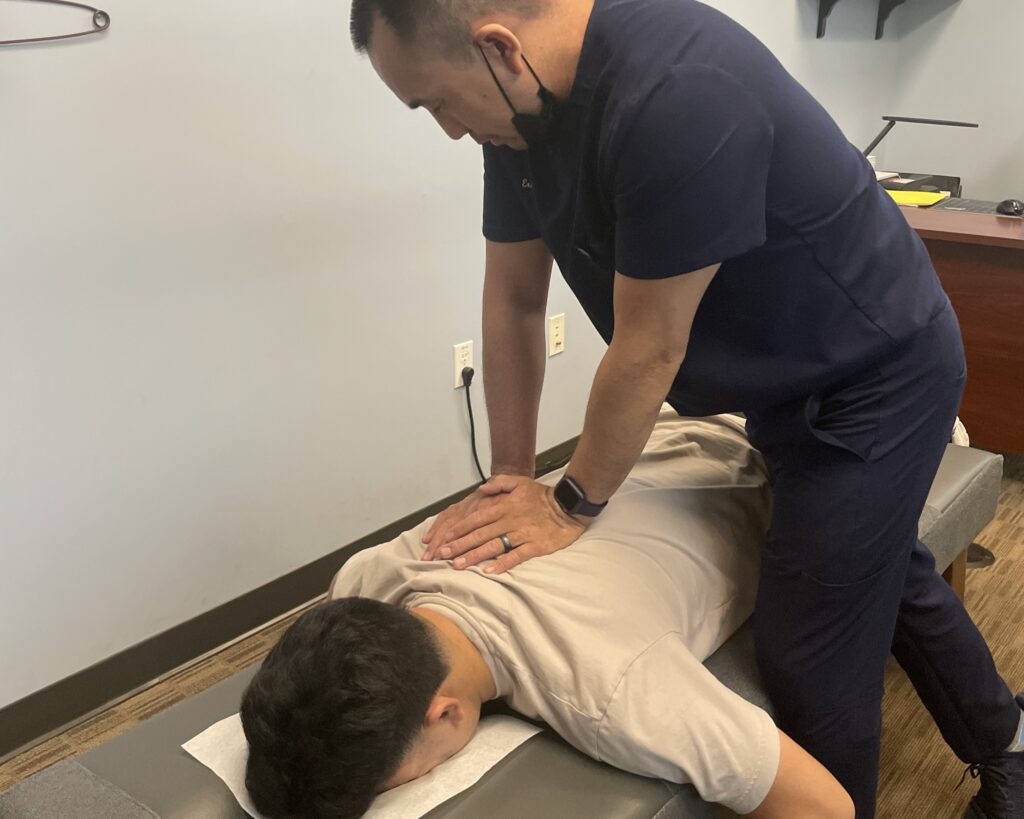
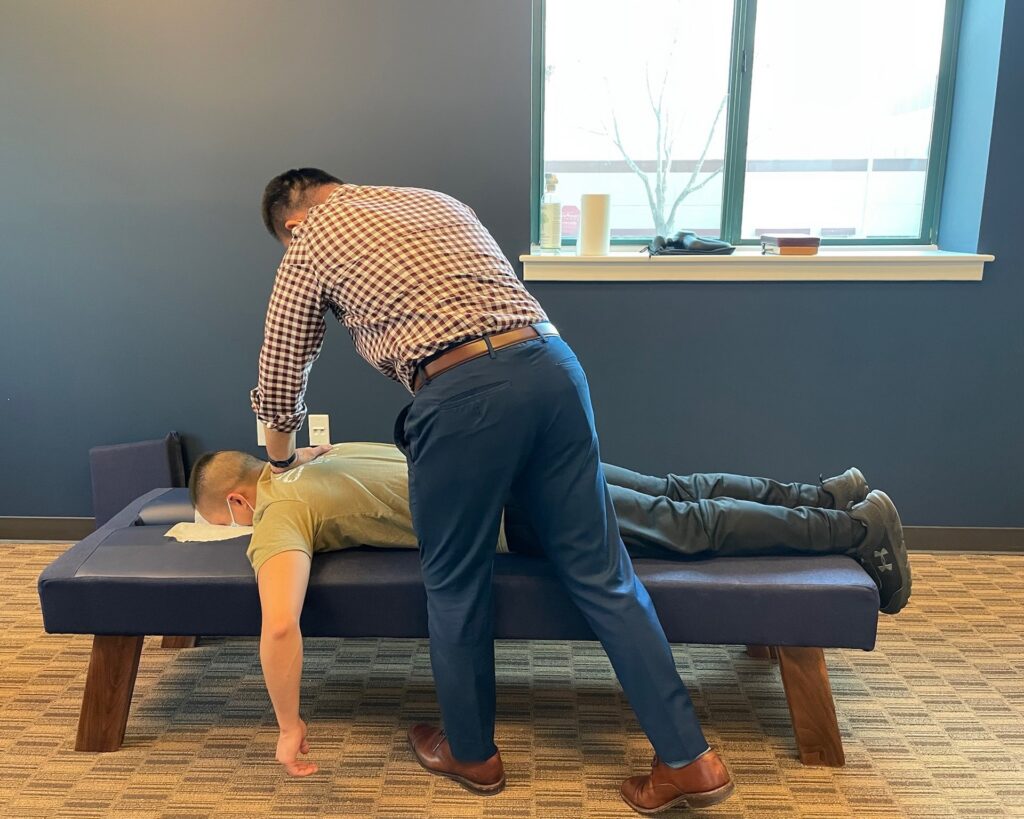
You might explore various techniques, such as manual therapy, which involves hands-on manipulation to relieve pain and improve movement. Your therapist may also incorporate modalities like heat, cold, or electrical stimulation to reduce discomfort and promote healing.
In addition, they can guide you through targeted stretches and strengthening exercises to enhance stability and flexibility in your back.
Another key aspect of physical therapy is education. Your therapist will teach you proper body mechanics and posture to prevent further injury in daily activities. They'll also discuss ergonomics, helping you set up your workspace or home environment to minimize strain on your back.
Ultimately, these physical therapy approaches not only address your current pain but also empower you with the knowledge and skills to maintain a healthier back in the long run. With a personalized plan, you'll be on your way to improved function and reduced pain.
Exercise and Rehabilitation
Exercise and rehabilitation play a vital role in developing effective back pain plans tailored to individual needs. When you experience back pain, it's important to understand that not every exercise suits everyone. A personalized approach guarantees you engage in activities that strengthen your core, improve flexibility, and enhance overall mobility without exacerbating your pain.
There are various types of exercises you can include in your rehabilitation plan. For instance, low-impact aerobic exercises, like walking or swimming, can boost circulation and promote healing. Strength training, focusing on your back, abdominal, and hip muscles, helps to stabilize the spine and prevent future injuries.
Stretching exercises, such as yoga or Pilates, can improve flexibility and alleviate tension in tight muscles. Incorporating these exercises gradually under professional guidance can help you build confidence and guarantee safety.
It's important to listen to your body and modify exercises as needed. Remember, consistency is key. By adhering to a personalized exercise and rehabilitation plan, you'll not only manage your back pain effectively but also enhance your overall quality of life.
Tailoring your approach to fit your specific situation makes a significant difference in your recovery journey.
Lifestyle Modifications Techniques
Making lifestyle modifications is essential for managing back pain effectively. When you incorporate changes into your daily routine, you can notably reduce discomfort and improve your quality of life.
Start by paying attention to your posture. Whether you're sitting at a desk or standing, maintaining a neutral spine is vital. Use ergonomic furniture if possible, and take breaks to stretch throughout the day.
Next, consider your daily activities. If you regularly lift heavy objects, practice proper lifting techniques—bend at your knees, not your back. Additionally, avoid prolonged periods of inactivity; instead, engage in low-impact exercises like walking or swimming to strengthen your back.
Nutrition also plays a role. Eating a balanced diet rich in anti-inflammatory foods can help minimize pain. Stay hydrated, as dehydration can lead to muscle cramps and discomfort.
Finally, prioritize sleep. A good mattress and supportive pillows can make a world of difference for your back.
Role of Healthcare Professionals
When dealing with back pain, healthcare professionals play an indispensable role in your recovery journey.
They're your partners in identifying the root causes of your discomfort and creating a tailored plan that addresses your specific needs. By collaborating with various specialists, you can find the best path toward relief and better health.
Here are four key ways healthcare professionals contribute to your back pain management:
- Assessment and Diagnosis: They conduct thorough evaluations to understand your condition, which helps pinpoint the exact source of your pain. This accurate diagnosis is vital for effective treatment.
- Customized Treatment Plans: Based on your unique situation, healthcare providers design personalized treatment strategies. This might include physical therapy, medications, or alternative therapies that cater to your lifestyle and preferences.
- Monitoring Progress: Your healthcare team will regularly check in on your progress, making adjustments to your treatment plan as necessary. This ongoing support guarantees you're on the right track and helps prevent setbacks.
- Education and Resources: They empower you with knowledge about your condition and the best practices for managing it. From exercises to ergonomic advice, having access to the right resources can make a significant difference in your recovery.
Integrating Lifestyle Factors
Incorporating lifestyle factors into your back pain management plan can greatly enhance your recovery. When you address not just the physical aspects but also your daily habits, you're setting yourself up for success.
Start by evaluating your activity level. Regular, low-impact exercises like walking or swimming can strengthen your back and improve flexibility. Aim for consistency; even brief sessions can make a difference.
Next, consider your posture throughout the day. Whether you're sitting at a desk or lifting objects, maintaining good posture can greatly reduce strain on your back. Invest in ergonomic furniture if you spend long hours at a desk. Small adjustments can lead to big improvements.
Nutrition also plays a vital role. Eating a balanced diet rich in anti-inflammatory foods can help reduce pain and promote healing. Focus on foods like fruits, vegetables, nuts, and fish. Staying hydrated is essential too; dehydration can lead to muscle cramps and exacerbate pain.
Don't underestimate the power of sleep either. Quality sleep supports your body's recovery processes. Aim for a consistent sleep schedule and create a comfortable sleep environment to enhance your rest.
Lastly, manage stress effectively. High stress levels can lead to muscle tension and worsen back pain. Incorporate relaxation techniques like meditation, yoga, or deep-breathing exercises into your daily routine.
Success Stories and Case Studies
Many people have transformed their lives through personalized back pain plans, demonstrating the power of tailored approaches. You might be surprised at how effective these plans can be.
Let's look at a few success stories that highlight the benefits of custom solutions.
- Sarah, a 35-year-old teacher: After struggling with chronic lower back pain, Sarah adopted a personalized exercise regimen focusing on core strength and flexibility. Within weeks, she noticed a significant reduction in pain, allowing her to engage more with her students.
- James, a 50-year-old construction worker: James faced debilitating pain due to heavy lifting at work. Through a tailored physical therapy plan, he learned proper lifting techniques and incorporated strength training. Now, he can work without discomfort and has even started running again.
- Linda, a 45-year-old office worker: Spending hours at her desk led to severe upper back pain. By implementing ergonomic adjustments and a customized stretching routine, Linda found relief and improved her posture. She now enjoys her workdays without pain interruptions.
- Mark, a 60-year-old retiree: After years of inactivity, Mark's back pain limited his ability to enjoy hobbies. A personalized plan that included gentle yoga and walking transformed his lifestyle, helping him regain mobility and confidence.
These stories illustrate that personalized back pain plans can lead to remarkable improvements.
Future of Back Pain Management
As you look ahead, advancements in technology are reshaping how we manage back pain.
By embracing holistic treatment approaches and leveraging data-driven personalization, you'll find solutions tailored specifically to your needs.
The future of back pain management promises to be more effective and individualized than ever before.
Advancements in Technology
Technology is reshaping how we approach back pain management, offering innovative solutions that cater to individual needs.
You're no longer limited to one-size-fits-all treatments. With advancements in technology, you can access tools and resources that personalize your care plan more than ever before.
Here are four key advancements transforming back pain management:
- Wearable Devices: Smartwatches and fitness trackers can monitor your posture, movement, and activity levels, providing real-time feedback to help you maintain a healthy spine.
- Telehealth Services: Virtual consultations with specialists allow you to receive personalized advice and treatment plans from the comfort of your home, making it easier to access care when you need it.
- AI-Powered Apps: These applications analyze your symptoms and history to suggest tailored exercises, stretches, and recovery techniques that suit your specific condition and lifestyle.
- Virtual Reality (VR): VR therapy can help you manage pain through immersive experiences and guided exercises, making rehabilitation more engaging and effective.
With these advancements, you can take control of your back pain management, ensuring that your treatment aligns with your unique needs and preferences.
Holistic Treatment Approaches
Holistic treatment approaches are revolutionizing how you manage back pain by addressing not just the symptoms but also the underlying causes. These methods integrate physical, emotional, and lifestyle factors, offering you a thorough strategy for relief.
Instead of relying solely on medications, you'll explore practices like physical therapy, acupuncture, and chiropractic care, all tailored to your specific needs.
Incorporating mindfulness techniques, such as yoga and meditation, can help you reduce stress and improve your body's overall resilience. These practices encourage you to listen to your body, enhancing your awareness of pain triggers and creating a more proactive approach to management.
Nutrition also plays a vital role; adopting an anti-inflammatory diet can help alleviate pain and promote healing. You might find that certain foods exacerbate your discomfort, and eliminating those can make a significant difference.
Data-Driven Personalization
The future of back pain management is increasingly relying on data-driven personalization, enabling you to receive tailored treatment plans based on your unique health profile. This approach not only improves your chances of finding effective relief but also empowers you to take control of your recovery journey.
Here are four key benefits of data-driven personalization:
- Comprehensive Assessment: By analyzing your medical history, lifestyle, and pain patterns, healthcare providers can create a plan that specifically addresses your needs, rather than a one-size-fits-all solution.
- Real-Time Adjustments: With ongoing data collection, your treatment can be adjusted in real-time based on your progress, ensuring you're always on the most effective path to recovery.
- Enhanced Engagement: Personalized plans often include interactive tools and resources, keeping you engaged and motivated throughout your treatment.
- Better Outcomes: Data-driven approaches lead to higher success rates, as treatments are based on evidence and tailored specifically for you, minimizing trial and error.
Incorporating data into your back pain management strategy means you're not just a statistic—you're an individual with a customized plan designed for your success.
Conclusion
Incorporating personalized back pain plans into your treatment can transform your recovery journey. By addressing your unique triggers and symptoms, you're setting yourself up for more effective management and improved quality of life. Regular check-ins with healthcare providers guarantee your plan stays relevant and adapts to your progress. With tailored approaches, you'll not only find relief but also regain control over your pain. Remember, your experience matters, and a personalized plan can make all the difference.