If you're dealing with persistent back pain, you might be wondering if a custom approach could be the key to finding relief. Personalized treatment plans that focus on your specific needs, medical history, and lifestyle can make a significant difference in managing pain effectively. By tailoring exercises, nutrition, and even exploring alternative therapies, you can address the root causes of your discomfort. But what exactly does this customized journey look like, and how can it empower you to regain control over your body?
Understanding Back Pain Causes
Back pain can stem from a variety of causes, and understanding these is essential to finding relief. You might experience discomfort due to muscle strains, which often happen after lifting something heavy or making sudden movements. These strains can lead to inflammation and muscle spasms, making it hard to perform everyday tasks.
Another common culprit is poor posture. If you spend long hours at a desk or slouch when sitting, you're putting unnecessary strain on your spine. Over time, this can result in chronic pain.
Similarly, if you're inactive, your muscles can weaken, leading to instability and increased risk of injury.
Herniated discs can also cause significant back pain. When the soft tissue between your vertebrae pushes out, it can press on nearby nerves, leading to sharp discomfort or numbness in your legs.
Conditions like arthritis and scoliosis may contribute to ongoing back issues, too. They can alter your spine's structure, leading to chronic pain.
In some cases, underlying medical conditions, such as kidney stones or infections, can manifest as back pain. It's vital to pay attention to accompanying symptoms, as they can help pinpoint the root cause.
You should never ignore persistent pain, as it can signal something more serious. By identifying the specific triggers of your back pain, you can take the first steps toward effective treatment and relief.
Importance of Personalized Treatment
Finding the right treatment for back pain is essential for effective recovery. When you experience back pain, it's often a result of various underlying issues, and what works for one person may not work for another. That's where personalized treatment comes into play. By tailoring your approach to your specific needs, you can address the root causes of your pain more effectively.
Personalized treatment considers your unique medical history, lifestyle, and the specific nature of your back pain. Instead of relying solely on generic treatments, which might provide temporary relief, a customized plan focuses on long-term solutions. This means working closely with healthcare providers who understand your individual situation and can adjust treatments based on your progress.
With personalized care, you can incorporate a range of therapies that align with your personal goals. Whether it's medication, physical therapy, or alternative methods, having a tailored strategy increases the likelihood of finding what truly works for you. You'll be more engaged in the process, making it easier to stay committed to your recovery plan.
Moreover, personalized treatment helps you avoid unnecessary interventions and reduces the risk of aggravating your condition. It empowers you to take control of your health journey, leading to a deeper understanding of your body and its needs.
Ultimately, embracing personalized treatment can greatly improve your chances of overcoming back pain and achieving a higher quality of life.
Customizing Exercise Programs
When it comes to managing back pain, customizing your exercise program can make a world of difference. Not every exercise works for everyone, and what helps one person might aggravate another's condition. By tailoring your workout routine to your specific needs, you can effectively strengthen your back, improve flexibility, and reduce pain.
Firstly, assess your current fitness level and identify which movements trigger discomfort. Once you've pinpointed these, you can focus on incorporating low-impact exercises that promote mobility without putting unnecessary strain on your back. Activities like swimming, cycling, or gentle yoga can be excellent options.
Next, consider working with a physical therapist or a certified trainer who understands back pain. They'll help design a program that targets your core muscles, as a strong core provides stability and support for your spine. Exercises such as planks, bridges, and pelvic tilts can help build that strength.
It's essential to listen to your body throughout this process. If an exercise causes pain, don't push through it—modify or replace it with something that feels better. Gradually increase the intensity and duration of your workouts as you build strength and confidence.
Lastly, consistency is key. Establish a regular routine and commit to your customized program. Over time, you'll likely notice improved back strength, reduced pain, and a more active lifestyle.
Customizing your exercise program isn't just about finding relief; it's about empowering yourself to take control of your health.
Nutrition's Role in Pain Relief
Effective nutrition plays an essential role in pain relief, especially when it comes to managing back pain. Your diet can greatly impact inflammation levels, muscle function, and overall health, all of which contribute to your pain experience. By focusing on anti-inflammatory foods, you can create a more favorable environment for healing.
Incorporate plenty of fruits and vegetables into your meals. Foods like berries, leafy greens, and cruciferous vegetables are packed with antioxidants, which help combat inflammation. Omega-3 fatty acids found in fish, flaxseeds, and walnuts can also provide relief by reducing joint stiffness and pain.
Don't forget about whole grains; they're rich in fiber and can help reduce inflammatory markers in your body. Balancing your intake of vitamins and minerals is essential too. Vitamin D, for instance, plays an important role in bone health. If you're not getting enough from sunlight or food sources like fatty fish, consider a supplement.
Magnesium can help with muscle relaxation, so include nuts, seeds, and legumes in your diet. Hydration shouldn't be overlooked either. Drinking enough water supports spinal disc health and helps maintain overall body function.
Limit processed foods high in sugar and unhealthy fats, as they can exacerbate inflammation and contribute to pain.
Exploring Alternative Therapies
Consider integrating alternative therapies into your back pain management plan. These therapies can complement traditional treatments and offer relief when conventional methods fall short. You might find that options like acupuncture, chiropractic care, or massage therapy can greatly reduce your discomfort.
Acupuncture, for instance, involves inserting thin needles into specific points on your body to stimulate energy flow. Many people report reduced pain levels after a few sessions. If you're open to it, you could see if this ancient practice works for you.
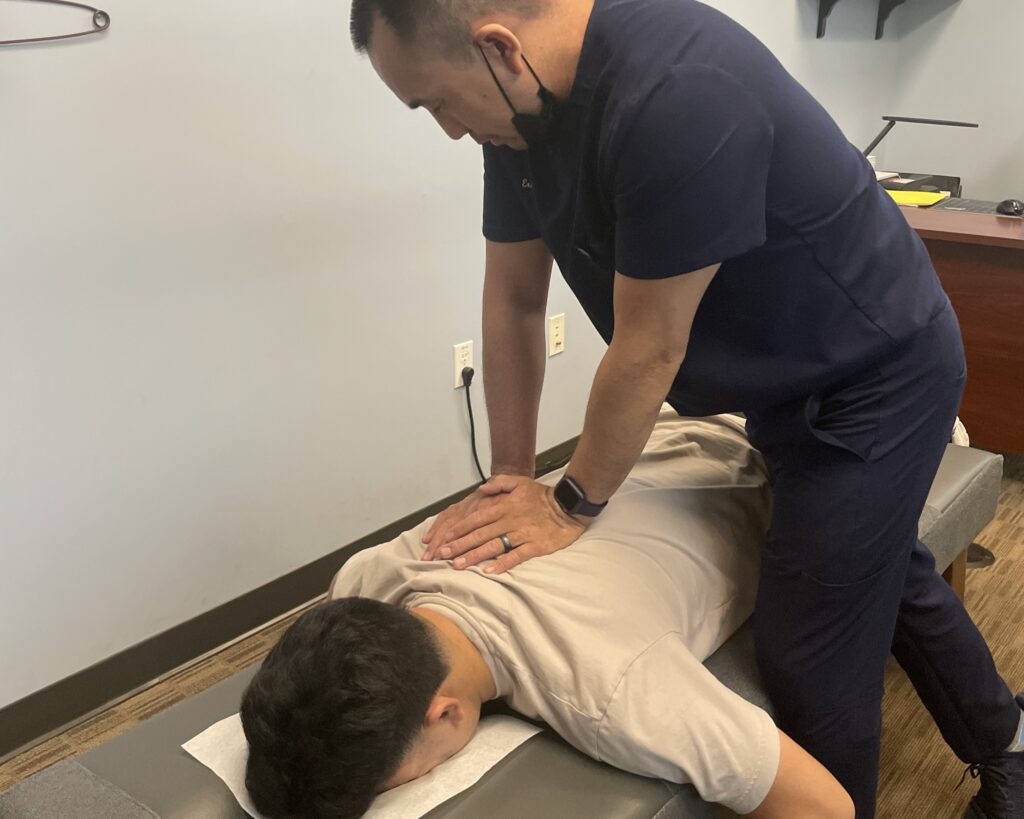
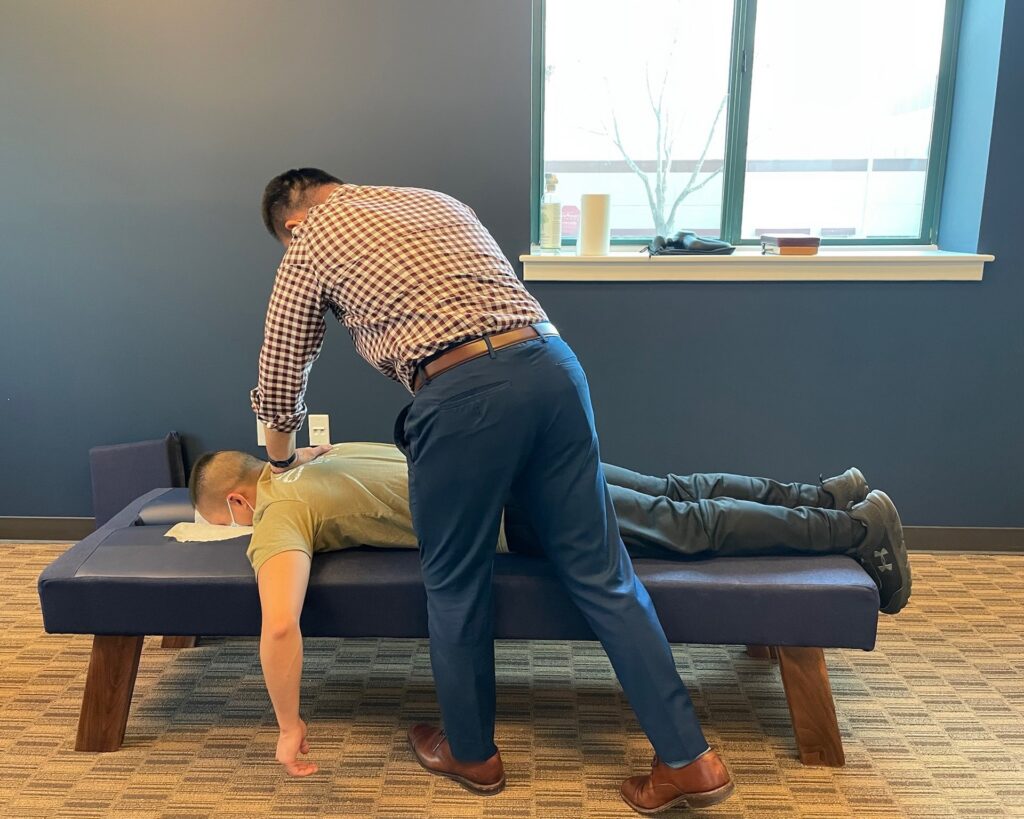
Chiropractic care focuses on aligning your spine to improve function and alleviate pain. A skilled chiropractor can assess your condition and tailor treatments to your specific needs. Regular adjustments might help you regain mobility and ease tension in your back.
Massage therapy is another excellent option. It not only relaxes tight muscles but also enhances blood circulation. By targeting specific areas of discomfort, a massage therapist can help you feel more at ease and improve your overall well-being.
Additionally, techniques like yoga or tai chi promote flexibility and strengthen core muscles, which can be beneficial for back pain. These practices encourage mindful movement and stress reduction, fostering a holistic approach to pain management.
Tracking Progress and Adjustments
Tracking your progress in managing back pain is essential for understanding what works and what doesn't. By keeping a close eye on your symptoms and treatment methods, you can make informed decisions and adjustments.
Here are some effective ways to track your progress:
- Daily Pain Journal: Write down your pain levels, activities, and any treatments you used each day. This helps identify patterns and triggers.
- Set Specific Goals: Establish clear, measurable goals for your back pain management. Whether it's reducing pain intensity or increasing mobility, having goals keeps you motivated.
- Regular Check-Ins: Schedule weekly or bi-weekly reviews of your pain journal and goals. Reflect on what strategies have been effective and what needs adjustment.
- Utilize Technology: Consider using apps designed for tracking pain and treatments. Many offer features like reminders for exercises and medication, which can enhance your adherence to a plan.
As you gather data, don't hesitate to adjust your approach. Some methods mightn't yield immediate results, while others may surprise you.
It's important to remain flexible and open to change. By actively tracking your progress and making necessary adjustments, you empower yourself to take control of your back pain journey.
Conclusion
A custom approach to managing your back pain can truly make a difference. By understanding the root causes and tailoring your treatment plan—whether it's through personalized exercises, nutrition, or alternative therapies—you're setting yourself up for success. Don't forget to track your progress and make adjustments along the way. Take control of your pain management journey, and you'll likely see improvements in your mobility and overall well-being. It's time to invest in a solution that works for you!