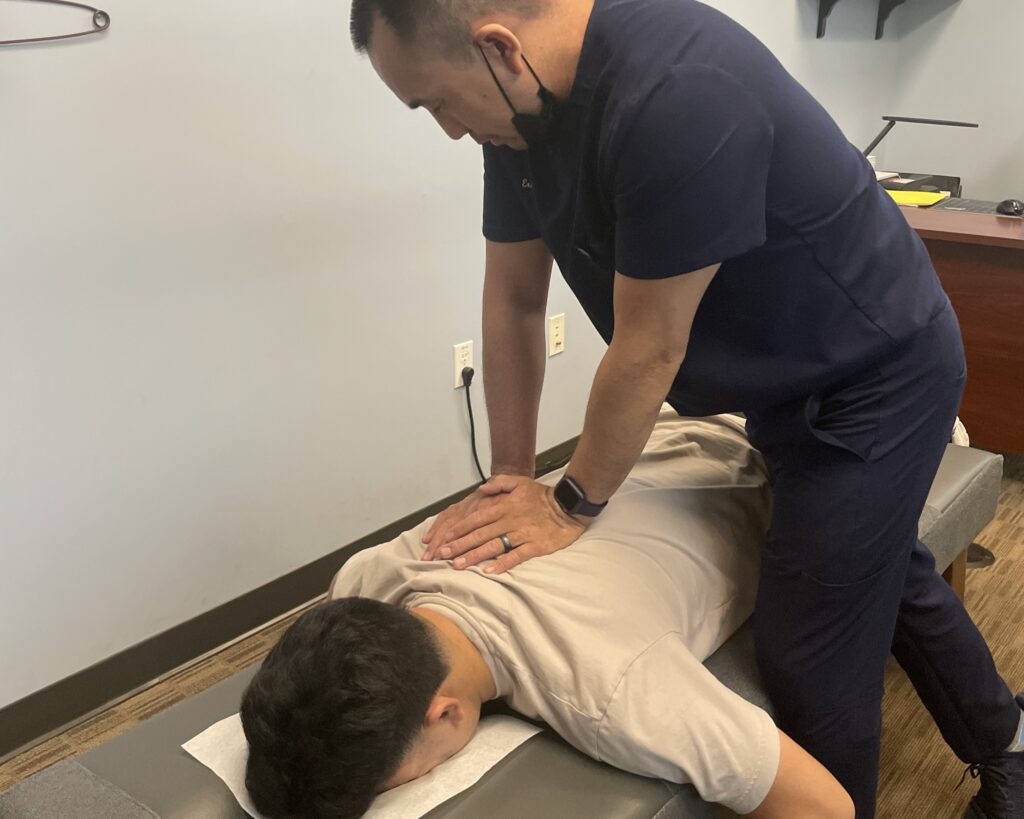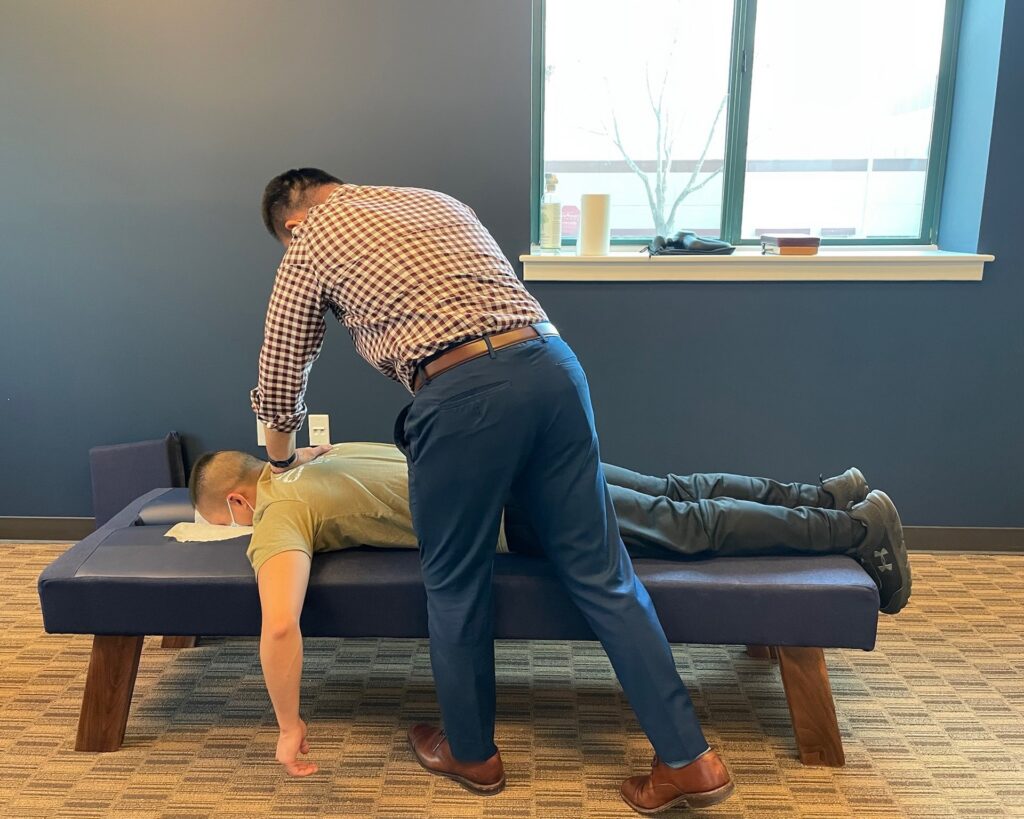
As a local chiropractor, I want to assure you that if you're dealing with upper back pain, you're not alone. It's a common issue that many individuals face, often stemming from poor posture or extended periods of sitting. I believe in empowering my patients to take proactive measures that can greatly enhance their daily comfort and overall well-being.
By incorporating simple yet effective strategies into your routine, you can alleviate tension in your upper back and improve your quality of life. This may involve making adjustments to your workspace to promote better posture or engaging in specific exercises that target the muscles in that area.
I invite you to explore these natural healing methods that have proven beneficial for many of my patients. If you're curious about the best practices that can help you find relief, I'm here to guide you on your journey to a pain-free life. Together, we can work towards restoring balance and comfort in your body.
Improve Your Posture
As a local chiropractor, I want to emphasize the importance of improving your posture for alleviating upper back pain. Proper posture aligns your spine, which can significantly relieve the pressure on the muscles and ligaments that support your upper back.
I encourage you to become more aware of your body position throughout your daily activities. Whether you're seated at a desk, standing in line, or walking around, it's essential to keep your shoulders back and your head aligned over your spine.
If you find yourself sitting for extended periods, consider investing in a chair that offers support for your lower back. It's crucial to adjust your workstation so that your computer screen is at eye level; this will help prevent you from leaning forward and straining your neck. Additionally, using a small cushion or lumbar roll can provide extra support for your lower back while sitting.
When it comes to standing, make sure to distribute your weight evenly on both feet and avoid locking your knees. Keeping your ears aligned with your shoulders and allowing your arms to hang naturally at your sides can make a significant difference in reducing unnecessary strain on your upper back.
As you begin to practice better posture, please be patient with yourself. It may feel unfamiliar or uncomfortable at first, but your body will adapt over time.
Setting reminders throughout your day to check your posture can be very beneficial. Remember, these small adjustments can lead to substantial improvements in your comfort and overall well-being.
Stretch Regularly
As a local chiropractor, I want to emphasize the importance of stretching regularly for your overall well-being, particularly for maintaining flexibility in your upper back.
Many of my patients experience discomfort and tension, which can often be alleviated through effective stretching techniques. By incorporating these simple yet powerful stretches into your daily routine, you can enhance your mobility and significantly reduce tension in your upper back.
Let's take a closer look at some basic stretches that can truly make a difference in your daily life.
Importance of Flexibility
As a local chiropractor, I want to emphasize the crucial role that flexibility plays in alleviating upper back pain and improving your overall mobility. When your muscles and joints have the ability to move freely, it significantly reduces strain on your upper back, helping to prevent injuries and decrease the likelihood of muscle stiffness, which often leads to discomfort.
Incorporating regular stretching into your daily routine is a simple yet effective way to enhance your flexibility. Not only does stretching promote better flexibility, but it also supports better posture. Maintaining good posture is vital for a healthy spine and helps prevent misalignments that can contribute to pain.
Moreover, improved flexibility expands your range of motion, making everyday activities easier and less taxing on your body. If you're feeling tightness or discomfort, it's essential to pay attention to what your body is telling you. Ignoring these signals can result in further strain and potentially lead to chronic pain.
Effective Stretching Techniques
As a local chiropractor dedicated to helping our community, I want to share some effective stretching techniques that can significantly alleviate upper back pain. Many of my patients are surprised to learn that incorporating specific stretches into their daily routine not only enhances flexibility but also helps relieve tension in the upper back.
Let's start with a simple yet powerful exercise called the shoulder blade squeeze. Whether you're seated or standing, keep your arms relaxed at your sides. Gently pull your shoulder blades back and down, holding this position for five seconds. Aim to repeat this ten times. This exercise helps strengthen the muscles that support your spine.
Next, I recommend the cat-cow stretch, which is excellent for spinal mobility. Begin by getting on all fours, ensuring your hands are directly under your shoulders and your knees are aligned with your hips. As you take a deep breath in, arch your back, allowing your belly to drop towards the floor (this is the cow position).
Then, as you exhale, round your spine and tuck your chin towards your chest (the cat position). Complete this flow for ten cycles to promote spinal flexibility.
Another beneficial stretch is the doorway stretch. Stand in a doorway and position your arms at a 90-degree angle against the door frame. Lean forward gently until you feel a pleasant stretch in your chest and shoulders. Hold this stretch for 15 to 30 seconds. This can be particularly helpful for releasing tension that builds up from poor posture or extended sitting.
I encourage you to integrate these stretches into your daily routine, ideally in the morning or after prolonged periods of sitting. With consistent practice, many of my patients have experienced a noticeable reduction in upper back pain and an overall increase in flexibility.
Strengthen Core Muscles
As a local chiropractor, I want to share with you the importance of building a strong core to alleviate upper back pain. Many people think of their core as just their abdominal muscles, but it actually encompasses the muscles surrounding your pelvis, lower back, and sides. When these muscles are weak, they struggle to provide adequate support for your spine, which can lead to discomfort and pain in your upper back.
Strengthening your core is essential for stabilizing your entire body and improving your posture. Good posture is crucial in reducing strain on your upper back and promoting overall spinal health.
To begin enhancing your core strength, I recommend incorporating exercises such as planks, bridges, and bird-dogs into your weekly routine. Planks are fantastic for engaging multiple muscle groups and building endurance. Bridges focus on your glutes and lower back, while bird-dogs improve your balance and coordination, which are vital for better stability. Aim to perform a combination of these exercises at least two to three times a week.
It's also important not to overlook proper form during your exercises. Whether you're lifting weights or performing bodyweight movements, maintaining correct posture is key. Focus on engaging your core throughout every movement to not only strengthen those muscles but also protect your spine.
Remember, developing core strength takes time. Be patient with yourself and gradually increase the intensity of your workouts. If you have any uncertainties about how to properly execute these exercises, consider consulting with a fitness professional or reaching out to me for guidance.
Use Heat Therapy
As a local chiropractor, I want to share an effective method for alleviating upper back pain: heat therapy. This approach can truly make a difference in your comfort and recovery.
You have several options when it comes to applying heat, such as using heating pads or enjoying a warm bath. These methods can help soothe your muscles and reduce discomfort.
However, it's important to prioritize safety by avoiding burns or overheating. If you're new to chiropractic care and natural healing, incorporating heat therapy into your routine could be a beneficial step towards managing your pain effectively.
Benefits of Heat Therapy
As your local chiropractor, I want to share some valuable insights on how heat therapy can be a powerful tool for managing upper back pain. Many of my patients have found that incorporating heat into their pain relief routine can make a significant difference.
When you apply heat to the affected area, it increases blood flow, which aids in healing and reduces stiffness. This can lead to a noticeable decrease in muscle tension, allowing you to move more freely and comfortably throughout your day.
Additionally, heat therapy can encourage your body to produce endorphins—natural substances that help alleviate pain and can also boost your mood. So not only might you feel more relaxed, but you could also experience a more positive outlook as the warmth eases stress, a common contributor to muscle tightness.
One of the great things about heat therapy is its versatility. You can easily incorporate it into your routine, whether you're at home or out and about. Options like hot water bottles, heating pads, or warm towels are all effective and can be tailored to fit your lifestyle.
For optimal results, I recommend applying heat for about 15-20 minutes at a time.
Understanding the benefits of heat therapy can help you take an active role in your healing journey. If you have any questions or want to learn more about how chiropractic care can complement your pain management strategy, feel free to reach out!
Types of Heat Applications
As a local chiropractor, I understand that upper back pain can be quite bothersome. Fortunately, there are several effective methods for applying heat that can help relieve discomfort and promote natural healing.
One of the most popular options is using a heating pad. You can easily place it directly on the affected area to provide soothing warmth. I recommend choosing a pad with adjustable heat settings so you can find the perfect level of comfort for your individual needs.
Another great option is a warm towel or washcloth. Simply soak it in hot water, wring it out, and apply it to your back. This method offers a more natural approach to heat therapy and can be quite effective.
You might also consider taking a warm bath or shower. The heat from the water can deeply relax tense muscles and alleviate pain, while the buoyancy helps relieve pressure on your back, making it an excellent choice for relaxation.
For a more targeted approach, hot water bottles can be very effective. Fill one with warm water and place it on your back for a soothing effect that can help ease your discomfort.
Additionally, heat wraps are available that conform to your body, providing consistent warmth while allowing you to remain mobile.
Each of these heat application methods can be beneficial in easing your discomfort and enhancing your overall well-being. As a chiropractor, I encourage you to explore these options and find what works best for you on your journey to recovery.
Safety Precautions to Consider
As a local chiropractor, I want to ensure that you approach heat therapy for upper back pain safely and effectively. It's essential to keep a few key safety precautions in mind for your comfort and well-being.
Firstly, always test the temperature of your heat source before applying it to your skin. You want to feel a soothing warmth, not risk burns. A good rule of thumb is to ensure it feels comfortably warm, not hot.
Limit each application of heat to about 15-20 minutes. This timeframe helps to prevent overheating and allows your skin to recuperate between sessions. If at any point you notice an increase in pain or discomfort, please stop using the heat and consult with me or another healthcare professional.
Be especially cautious if you have any medical conditions like diabetes or skin sensitivity, as heat can sometimes exacerbate these issues. It's also important to avoid applying heat to swollen or inflamed areas, as this could potentially make the situation worse.
Additionally, I advise against falling asleep during your heat therapy session. Being unaware of how intense the heat may become could lead to unwanted consequences.
If you're uncertain about whether heat therapy is suitable for your condition, I encourage you to reach out to me for guidance. By following these precautions, you can maximize the benefits of heat therapy while minimizing any risks.
Consider Massage Therapy
As a local chiropractor, I want to share valuable insights about how you can find relief from upper back pain through natural healing methods, including massage therapy. This hands-on approach not only alleviates tension but also promotes relaxation, leaving you feeling refreshed and revitalized.
If you're experiencing discomfort in your upper back, I encourage you to consider scheduling a session with a licensed massage therapist as part of your holistic pain management plan.
During a massage, the therapist can pinpoint knots and areas of tightness in your back, applying the appropriate pressure to release them. Techniques such as deep tissue and trigger point therapy can be particularly beneficial, as they help break up adhesions in the muscles, enhance circulation, and reduce inflammation.
In addition to relieving pain, massage therapy can greatly enhance your overall well-being. It encourages the release of endorphins, your body's natural painkillers, contributing to a sense of comfort and relaxation.
Incorporating massage into your routine can complement the chiropractic adjustments you receive, fostering a comprehensive approach to your health.
To get the most out of your massage sessions, it's important to communicate openly with your therapist about your pain levels and any specific areas of concern. This way, they can tailor the treatment to your unique needs, ensuring the most effective results possible.
Regular massage therapy can provide lasting relief and help prevent future flare-ups, making it a worthwhile consideration.
If you're struggling with upper back pain, I invite you to explore the benefits of chiropractic care and massage therapy. Together, we can work towards restoring your body's natural balance and helping you feel good again.
Take Breaks From Sitting
As your local chiropractor, I want to emphasize the importance of taking regular breaks from sitting to help prevent and alleviate upper back pain. Many people are unaware that prolonged sitting can lead to tense and fatigued muscles, resulting in discomfort and stiffness in your upper back.
To combat this issue, I recommend standing up and moving around every 30 to 60 minutes. This small yet impactful habit can significantly improve blood circulation, reduce muscle tension, and promote healthier alignment of your spine.
During these breaks, I encourage you to incorporate stretching or light exercises. Simple movements such as shoulder rolls, neck stretches, or even a quick walk around your space can work wonders. These activities not only relieve tension but also enhance your posture when you return to your seat.
If you find yourself at a desk for long hours, it may be beneficial to set a timer as a reminder to take those essential breaks. You might also consider using a standing desk or having short walking meetings, and standing while talking on the phone can add more movement to your day.
Remember, it's not just about taking breaks; it's about making those breaks count. Focus on engaging in activities that promote mobility and flexibility.
Even dedicating just a minute or two can be enough to reset your posture and alleviate discomfort. As your chiropractor, I'm here to support you in making these healthy changes for a pain-free life.
Stay Hydrated
As a local chiropractor, I want to emphasize the vital role hydration plays in maintaining your overall health and well-being, especially when it comes to preventing upper back pain. Staying properly hydrated allows your muscles and tissues to function optimally, which can significantly reduce discomfort.
When you're dehydrated, it can lead to muscle stiffness and cramping, contributing to that persistent pain in your upper back that many of my patients experience.
To ensure you're drinking enough water, I recommend aiming for at least eight 8-ounce glasses each day. However, remember that everyone's needs are different based on factors like activity levels and climate. If you're active or live in a warmer environment, you may require even more fluids.
A great tip is to keep a water bottle within reach, making it easier to take sips throughout your day.
You might be surprised to learn that even mild dehydration can affect your posture. When your body lacks adequate hydration, it struggles to maintain the right fluid balance in your joints and muscles.
This imbalance can lead to discomfort and poor alignment, placing additional strain on your upper back and worsening any existing pain.
In addition to drinking water, I encourage you to incorporate hydrating foods into your diet. Fruits and vegetables such as cucumbers, oranges, and watermelon are excellent choices that can enhance your hydration levels while providing essential nutrients for your body.
By prioritizing hydration, you can support your overall health and potentially alleviate some of the discomfort in your upper back.
If you're experiencing persistent pain, don't hesitate to reach out to my office for a consultation—together, we can explore natural healing approaches tailored to your needs.
Conclusion
As a local chiropractor, I want to share some valuable tips to help you relieve upper back pain and enhance your overall well-being. It's essential to focus on maintaining good posture throughout your daily activities, as this can significantly impact your spinal health. Incorporating regular stretching into your routine helps keep your muscles flexible and can alleviate tension in your upper back.
Strengthening your core is another vital aspect of supporting your spine. A strong core can help stabilize your body and reduce strain on your back. I also recommend utilizing heat therapy, such as a warm compress or heating pad, to soothe discomfort.
For personalized relief, consider massage therapy, which can target specific areas of tension and promote relaxation. If you find yourself sitting for extended periods, make a habit of taking regular breaks to stand up, stretch, and move around—this can help prevent stiffness and further discomfort.
Lastly, staying hydrated is crucial for maintaining healthy muscles and joints, so be sure to keep a water bottle nearby. By integrating these strategies into your daily life, you'll be well on your way to experiencing a more comfortable and pain-free existence. If you have any questions or need further assistance, don't hesitate to reach out to your chiropractor for guidance.