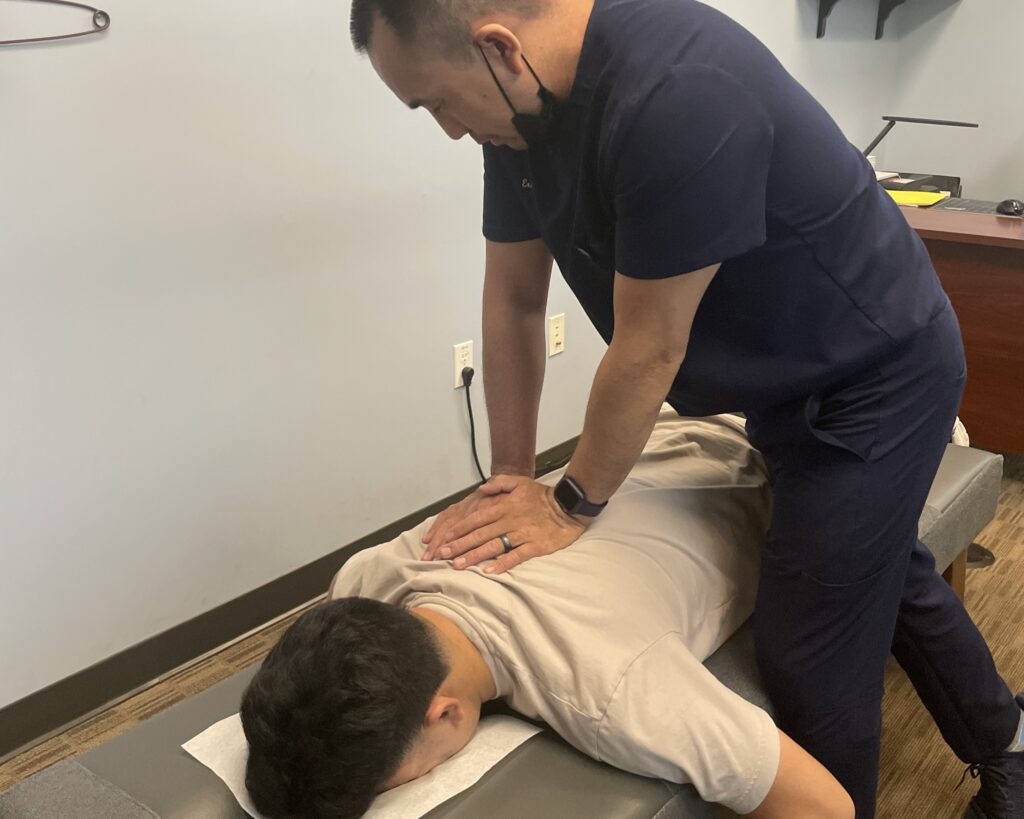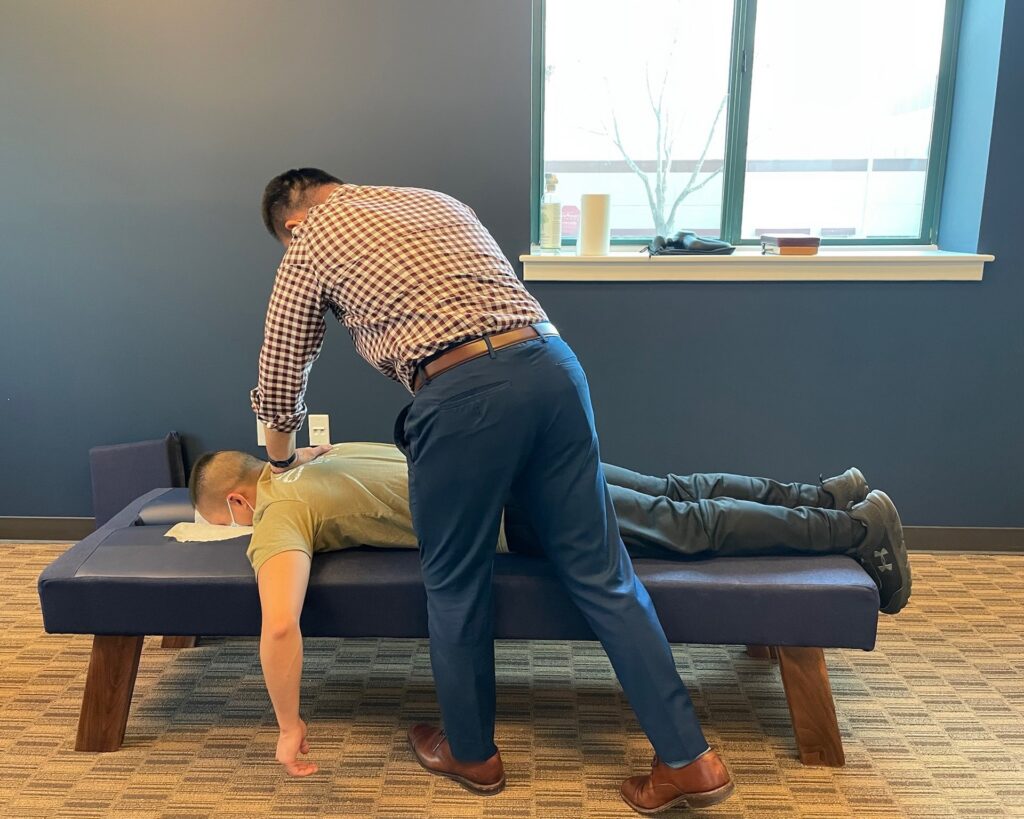
As a local chiropractor, I often see patients struggling with lower back pain, and I want you to know that you’re not alone in this experience. Many individuals face discomfort that significantly impacts their daily activities. The good news is that there are effective, natural techniques that can help you find relief within just 30 days.
By incorporating a blend of stretching, strengthening exercises, and therapeutic strategies, we can work together to improve your condition. It’s important to start by understanding the root causes of your pain and implementing the right methods tailored to your needs for long-term relief.
In our sessions, we will explore key strategies that can help alleviate your discomfort and promote healing. Chiropractic care focuses on natural healing, and I am here to guide you through this process so you can reclaim your life from lower back pain. Let’s take this journey together towards a pain-free future.
Understanding the Causes of Lower Back Pain
As a local chiropractor, I often see patients who are unfamiliar with the causes of lower back pain. It’s important to understand that this discomfort can feel overwhelming, but identifying its origins is key to finding relief. Common issues that lead to lower back pain include muscle strains, ligament sprains, and herniated discs, which often occur due to overexertion or sudden movements.
Many people also experience problems from poor lifting techniques, which can put unnecessary stress on the back. If you find yourself sitting for extended periods, it’s likely that tension is building in your lower back, leading to discomfort.
Additionally, lifestyle factors play a critical role in your back health. Carrying excess weight places added pressure on your spine, and a sedentary lifestyle can weaken your core muscles, making you more prone to injuries. Stress is another contributor, as it can lead to muscle tension that exacerbates pain.
By understanding these causes, you can start to recognize patterns in your daily life that may be triggering your back pain. This awareness is crucial in helping you make positive changes.
As your chiropractor, I encourage you to take proactive steps toward managing and alleviating your discomfort through natural healing methods. Together, we can work on strategies to improve your back health and enhance your overall well-being.
The Importance of Proper Posture
As a local Chiropractor, I want to emphasize how crucial maintaining proper posture is for your overall health, particularly when it comes to preventing and alleviating lower back pain.
Many people may not realize that poor posture can lead to significant issues, such as muscle strain, spinal misalignment, and increased pressure on your lower back.
Fortunately, by making a few simple adjustments, you can dramatically improve your posture and reduce discomfort.
Here are some practical tips I recommend for maintaining proper posture:
- Ensure that your feet are flat on the floor or use a footrest for added support.
- Position your knees at or slightly below hip level to promote proper alignment.
- Sit back in your chair, allowing your lower back to be supported adequately.
- Align your ears, shoulders, and hips in a straight line to maintain a neutral spine.
- Remember to take regular breaks to stand, stretch, and move around, as this can greatly benefit your back health.
By being mindful of your posture and incorporating these tips into your daily routine, you can help protect your spine and enhance your overall well-being.
If you’re experiencing persistent discomfort, I encourage you to seek guidance from a chiropractor for personalized care and support.
Stretching Techniques for Relief
As a local chiropractor, I want to share with you how stretching can significantly alleviate lower back pain. Many people may not realize the profound impact that simple stretching exercises can have on your overall well-being.
By integrating specific stretches into your daily routine, you can enhance your flexibility and effectively reduce muscle tension that contributes to discomfort.
Let’s discuss some beneficial stretches and practical tips that can help you feel better each day. Understanding the value of these techniques is essential not only for pain relief but also for promoting a healthier lifestyle and preventing future issues.
Embracing natural healing methods, like stretching, can lead to improved mobility and a greater quality of life.
Key Stretching Exercises
As a local chiropractor, I understand that back pain can significantly impact your daily life.
Fortunately, incorporating key stretching exercises into your routine can be an effective way to alleviate discomfort and enhance your overall well-being.
These stretches not only promote better flexibility but also help to relieve tension in your lower back.
Here are some beneficial stretches that I encourage my patients to consider:
- Knee-to-Chest Stretch: While lying on your back, gently pull your knees toward your chest. This stretch helps relax the lower back and can reduce tightness.
- Cat-Cow Stretch: On all fours, alternate between arching your back (like a cat) and rounding it (like a cow). This dynamic movement promotes spinal mobility and can ease stiffness.
- Child’s Pose: Sit back on your heels and extend your arms forward on the ground. This restorative pose helps relax your back and is excellent for releasing tension.
- Seated Forward Bend: While sitting, reach for your toes. This stretch targets your hamstrings and lower back, encouraging flexibility and relieving tightness.
- Piriformis Stretch: Cross one leg over the other and gently pull the knee toward your opposite shoulder. This stretch can help alleviate tightness in the glutes, which often contributes to lower back pain.
Incorporating these stretches into your daily routine can provide effective relief from back discomfort.
Daily Routine Tips
As a local chiropractor, I want to share how integrating stretching techniques into your daily routine can significantly help alleviate lower back pain.
Starting your day with gentle stretches, such as the cat-cow pose, is an excellent way to enhance flexibility and release tension in your back. Throughout your day, it’s crucial to take short breaks—stand up, stretch, and walk around. I recommend aiming for a few minutes of stretching every hour to keep your muscles engaged and prevent stiffness.
In the evening, incorporating a few calming yoga poses, like child’s pose or knee-to-chest, can help you unwind and ease any stress that has built up during the day.
Remember to focus on your breathing while stretching; deep breaths can enhance relaxation and further soothe your muscles. By making these simple modifications to your routine, you can significantly improve your lower back health and overall well-being.
If you have any questions or need personalized advice, don’t hesitate to reach out for a consultation. Your health is important, and I’m here to help you on your journey to natural healing.
Strengthening Exercises for the Core
As a local chiropractor, I want to emphasize the importance of having a strong core for maintaining a healthy spine and preventing lower back pain.
Many people may not realize that the core muscles play a crucial role in supporting your back, and strengthening them can lead to improved stability and reduced discomfort.
In this section, I’ll introduce you to some effective core exercises that can enhance your overall back health and well-being.
Let’s delve into how these movements can positively impact your body and contribute to your journey of natural healing.
Importance of Core Strength
As a local chiropractor, I want to share with you the vital role that core strength plays in maintaining overall body stability and functionality, particularly when it comes to alleviating lower back pain. A strong core acts as a supportive foundation for your spine, allowing it to distribute weight evenly and significantly reducing the pressure on your lower back.
By prioritizing core strength, you can enhance your posture and balance, which are essential for performing everyday activities with ease.
Let me outline some key benefits of strengthening your core:
- Enhances Stability and Balance: A strong core provides a stable base for your movements, helping you maintain balance in various activities.
- Reduces the Risk of Injuries: Strengthening your core can help prevent injuries by supporting your body during physical exertion.
- Improves Posture: By focusing on core strength, you can alleviate strain on your back and improve your overall posture.
- Supports Efficient Movement: A strong core enables you to move more effectively during daily tasks and exercise, which can enhance your performance.
- Promotes Overall Fitness: Incorporating core strength exercises into your routine contributes to better overall health and fitness.
As a chiropractor, I encourage you to integrate core strength exercises into your wellness regimen. Doing so can lead to significant improvements in how you feel and function, making it an essential component of your journey toward lower back pain relief and optimal health.
Recommended Core Exercises
As a chiropractor, I want to emphasize the importance of a strong core for maintaining a healthy spine and overall well-being. Incorporating a few key exercises into your routine can greatly enhance your core strength, which is essential for preventing back pain and improving stability.
Let’s start with planks. Position yourself on your forearms and keep your body straight, holding this position for 30 seconds. As you build strength, gradually increase the duration. Planks are a fantastic way to engage your entire core.
Next, I recommend bridges. Lie on your back with your knees bent and feet flat on the ground. Lift your hips toward the ceiling, squeezing your glutes at the top of the movement. This exercise not only strengthens your core but also supports your lower back.
Side planks are another effective exercise that targets your obliques. These muscles are crucial for maintaining stability in your spine, so adding side planks to your routine can be very beneficial.
Lastly, consider incorporating bicycle crunches, which work both your abs and obliques simultaneously. This dynamic movement can help reinforce your core strength while also improving coordination.
Aim for two to three sets of each exercise, and remember, consistency is key. Over time, you’ll likely notice improvements in your stability and a reduction in back pain.
A strong core not only supports your spine but also enhances your overall movement quality, making daily activities easier and more enjoyable. If you have any questions or need guidance on these exercises, feel free to reach out. Your journey towards a healthier spine starts with a strong core!
The Role of Heat and Ice Therapy
As a local chiropractor, I want to help you understand how heat and ice therapy can be valuable tools in managing lower back pain. Knowing how to apply these methods effectively can greatly enhance your comfort and support your healing process. Each approach serves a unique purpose, so it’s important to select the right one based on your specific symptoms.
- Heat therapy is excellent for relaxing and loosening tight muscles and tissues, which in turn promotes better blood circulation. This can be particularly beneficial for those experiencing muscle stiffness or chronic pain.
- Ice therapy, on the other hand, is effective for minimizing inflammation and numbing sharp, acute pain, making it the ideal choice right after an injury or during a flare-up of pain.
For optimal relief, you might consider alternating between heat and ice, as this can provide comprehensive support for your back.
When applying heat, you can use a heating pad or a warm towel for about 15 to 20 minutes. For ice therapy, simply wrap ice packs in a cloth and apply them for 10 to 15 minutes.
It’s crucial to pay attention to your body’s responses; if one method isn’t providing the relief you seek, don’t hesitate to switch to the other.
As your chiropractor, I’m here to guide you through these natural healing techniques and help you find the best approach for your individual needs.
Incorporating Mindfulness and Relaxation Techniques
As a local chiropractor, I want to emphasize the importance of incorporating mindfulness and relaxation techniques into your routine, especially when dealing with lower back pain.
Many patients are unaware that stress and tension can significantly contribute to discomfort in this area. By integrating practices such as breathing exercises, guided meditation, and progressive muscle relaxation, you can effectively manage these stressors.
These techniques not only help in alleviating pain but also promote overall well-being. They allow you to connect with your body, fostering a sense of calm and balance that supports the healing process.
Let’s delve into how these practices can be a valuable addition to your journey toward pain relief and better health.
Breathing Exercises Benefits
As a chiropractor, I often work with patients who may not realize the significant role that breathing can play in managing lower back pain.
You might be surprised to learn that practicing mindful breathing exercises can greatly enhance your overall well-being. By concentrating on your breath, you can promote relaxation and alleviate tension in your body, which can lead to reduced pain.
Here are some key benefits of incorporating breathing exercises into your daily routine:
- Reduces Muscle Tension: Mindful breathing helps to release tightness in the lower back, which is crucial for pain relief.
- Improves Oxygen Flow: Enhanced breathing increases circulation, promoting healing and recovery in the affected areas.
- Enhances Mindfulness: By focusing on your breath, you cultivate a sense of presence that can lower stress and anxiety levels.
- Promotes Relaxation: Deep, intentional breathing activates your body’s natural relaxation response, helping to ease discomfort.
- Improves Posture: Being aware of your breath encourages better body alignment, which can prevent further strain on your back.
Incorporating these breathing techniques into your routine can be a simple yet powerful way to support your chiropractic care and overall health.
Guided Meditation Practices
As a local chiropractor, I want to share how guided meditation practices can complement your journey toward relieving lower back pain. Mindful breathing is a great start, but combining it with guided meditation can significantly enhance your overall experience.
These techniques help you calm your mind and body, allowing you to tap into a deeper state of relaxation and awareness. There are many guided meditations specifically designed for pain relief. They often include soothing narratives or visualizations that help you connect with your body.
As you immerse yourself in these sessions, you may find that tension starts to melt away, and you become more aware of how your back feels. Regular practice can lead to a greater understanding of your pain, encouraging a mindful approach to managing it.
This not only alleviates discomfort but also fosters a sense of peace and balance in your life. By embracing guided meditation as part of your pain relief strategy, you can support your body’s natural healing process and enhance the benefits of chiropractic care.
Progressive Muscle Relaxation
As a local chiropractor, I want to share an effective technique known as Progressive Muscle Relaxation (PMR) that can significantly contribute to your overall well-being and help alleviate tension in your body.
PMR involves systematically tensing and relaxing various muscle groups, which can enhance your mind-body connection and promote relaxation. Here’s how you can implement PMR in your daily routine:
- Begin by finding a quiet space where you can focus without interruptions.
- Start with your feet; tense the muscles for about five seconds, then allow them to relax fully.
- Gradually move up your body, working through your calves, thighs, and continuing this process until you reach the muscles in your head.
- Throughout this practice, pay attention to your breathing: inhale deeply while tensing your muscles and exhale completely as you relax them.
- Visualize any stress or tension leaving your body with each exhale.
Incorporating PMR into your routine can’t only reduce lower back pain but also enhance your overall relaxation and wellness.
As part of your chiropractic care, I encourage you to explore this natural method to help support your body’s healing process.
The Benefits of Physical Therapy
As a local chiropractor, I want to share with you the numerous benefits of incorporating chiropractic care into your routine, especially if you’re dealing with lower back pain.
Chiropractic adjustments and therapies are vital components of recovery, helping you regain strength and flexibility through personalized treatment plans tailored to your specific needs.
By working closely with a licensed chiropractor, you’ll learn proper body mechanics that can alleviate strain on your spine and prevent future injuries. This is crucial for maintaining a healthy back and overall well-being.
Moreover, chiropractic care focuses on improving your posture, which can significantly reduce pain and discomfort in your daily life. You’ll also receive valuable insights into pain management techniques and lifestyle modifications that can enhance your everyday activities.
The hands-on techniques used in chiropractic care help relieve muscle tension and promote better circulation, which can accelerate the healing process.
Regular chiropractic sessions encourage you to stay active, an essential factor for achieving long-term relief from pain.
By choosing chiropractic care, you’re taking proactive steps toward a healthier back and a more vibrant life, free from the limitations of pain.
I invite you to explore how natural healing through chiropractic can transform your health and well-being.
Exploring Alternative Therapies: Acupuncture and Chiropractic Care
As a local chiropractor, I often encounter patients who are curious about how alternative therapies, such as acupuncture, can work alongside chiropractic care to alleviate lower back pain.
It’s important to understand that these two approaches can complement each other and enhance your healing journey. While chiropractic care primarily focuses on spinal alignment and improving mobility, acupuncture delves into the body’s energy pathways, offering a comprehensive strategy for managing pain.
Here are some benefits you might experience when combining acupuncture with chiropractic treatments:
- Pain Reduction: Both chiropractic adjustments and acupuncture are known for their effectiveness in reducing pain. When used together, they can provide even greater relief.
- Improved Mobility: The combination of these therapies can significantly enhance your range of motion and flexibility, helping you regain your active lifestyle.
- Reduced Muscle Tension: Acupuncture can help relax tight muscles, which may make chiropractic adjustments more effective and comfortable for you.
- Holistic Healing: This integrated approach addresses not just the physical symptoms, but also the emotional aspects of pain, promoting overall wellness.
- Personalized Treatment: As your chiropractor, I can collaborate with acupuncture practitioners to tailor treatments specifically for your individual symptoms and needs, ensuring you receive the best care possible.
Lifestyle Modifications for Long-Term Relief
As a local chiropractor, I understand that while finding immediate relief for lower back pain is essential, incorporating lifestyle modifications is key to achieving long-term wellness. I want to share some practical steps that can help you not only alleviate pain but also enhance your overall health.
First and foremost, it’s important to integrate regular physical activity into your daily routine. Engaging in exercises such as walking, swimming, or yoga can significantly strengthen your back muscles and improve your flexibility. These activities can help maintain a healthy spine and reduce the risk of future discomfort.
Another crucial aspect to consider is your posture. Whether you’re sitting at your desk, standing in line, or lifting objects, maintaining proper alignment is vital. Good posture can help prevent unnecessary strain on your back, which is something I often emphasize in my practice.
Let’s not forget about your sleeping habits. A supportive mattress and the right pillow can greatly improve your spinal alignment while you sleep. It’s worth investing in a sleep setup that promotes a healthy spine, as good rest is foundational to healing.
If you’re carrying extra weight, I encourage you to adopt a balanced diet. This can help relieve stress on your back and improve your overall health. Remember, what you put into your body plays a significant role in how it functions.
Lastly, managing stress is essential. High levels of tension can exacerbate pain, so I recommend exploring mindfulness practices or relaxation techniques. Finding effective ways to unwind can’t only help your back but also contribute to your overall well-being.
Tracking Progress and Staying Motivated
As your local chiropractor, I understand how important it’s to manage lower back pain effectively. Once you’ve made lifestyle changes to alleviate your discomfort, tracking your progress is crucial to staying motivated on your journey to healing.
Monitoring your improvements allows you to celebrate the small victories and remain committed to your wellness goals. Here are some practical ways to track your progress:
- Daily Pain Journal: Keeping a record of your pain levels and any triggers can help you identify patterns and understand your body better.
- Exercise Log: Documenting your workouts, including the duration and intensity, provides insight into your physical improvements over time.
- Flexibility Measurements: By measuring your range of motion during specific stretches or movements, you can see how much progress you’re making.
- Pain Management Techniques: Take note of which methods work best for you—whether it’s heat therapy, specific stretches, or other techniques we discuss in our sessions.
- Goal Setting: Setting realistic short-term and long-term goals will keep you focused and motivated throughout your healing process.
Regularly reviewing your progress not only enhances your accountability but also boosts your confidence as you witness your resilience and improvements firsthand.
Conclusion
As a local chiropractor dedicated to helping you achieve optimal back health, I want to share how you can significantly reduce your lower back pain in just 30 days through natural and holistic approaches. It’s important to start with the basics: maintaining proper posture throughout your daily activities is crucial. I encourage you to incorporate specific stretching and strengthening exercises tailored to your needs, which can help support your spine and alleviate discomfort.
In addition, utilizing heat and ice therapy can offer immediate relief, and I recommend experimenting with these methods to find what works best for you. Exploring alternative therapies, such as chiropractic adjustments, can also play a vital role in your recovery process. These gentle manipulations can help realign your spine and improve overall function.
Lifestyle modifications are equally important in achieving lasting relief. I suggest keeping track of your progress and staying motivated throughout this journey. By committing to these techniques, you’re not only working towards reducing your pain but also setting the foundation for a healthier back and preventing future issues. Remember, I’m here to support you every step of the way on your path to wellness.