As a local chiropractor, I want to emphasize the vital role that posture plays in managing back pain and enhancing your overall comfort and well-being. Many people are unaware that simple adjustments, such as how you set up your workstation or the type of seating you choose, can significantly impact your spinal health. By exploring different techniques and strategies, we can discover effective ways to alleviate your discomfort together. So, let’s take a closer look at the various methods that can truly make a difference in your daily life. Your journey toward better back health starts with understanding the importance of proper posture!
Understanding the Importance of Posture
As a local chiropractor, I want to emphasize the critical role that good posture plays in maintaining a healthy back and preventing pain. When you sit or stand correctly, your spine aligns in a way that minimizes stress on your muscles and ligaments. This alignment is key to avoiding discomfort and preventing long-term issues that can arise from poor posture.
Many people are unaware that slouching or hunching can lead to muscle fatigue and strain, making even simple daily activities more challenging. It’s not just about sitting up straight; it’s about being mindful of your body’s position throughout the day.
Whether you’re at work, driving, or relaxing at home, maintaining a neutral spine can have a profound impact on your overall health.
Remember, your posture influences not only your back health but also your overall well-being. As a chiropractor, I encourage you to pay attention to how you hold your body in various situations.
Ergonomic Workstation Setup
As a chiropractor, I want to emphasize the importance of setting up an ergonomic workstation to support your overall health and well-being.
Start by adjusting your chair height so that your feet rest flat on the floor; this helps maintain proper alignment and reduces the risk of discomfort.
Next, position your monitor at eye level. This simple adjustment can significantly decrease the strain on your neck and back, promoting better posture throughout your workday.
By making these adjustments, you can enhance your comfort and prevent potential issues that may arise from poor ergonomics.
Chair Height Adjustment
As a local chiropractor, I want to emphasize the importance of adjusting your chair height to create an ergonomic workstation that supports your back and promotes good posture.
When your chair is set at the right height, your feet should comfortably rest flat on the floor, and your knees should form a 90-degree angle or be slightly lower than your hips. This ideal position helps evenly distribute your weight and significantly reduces strain on your lower back.
Many people may not realize that if their chair is too high, they might unconsciously slouch or lean forward, which can lead to discomfort and exacerbate existing back issues.
On the other hand, a chair that’s too low can put unnecessary strain on your legs and hips, potentially leading to pain over time.
To find the perfect height for your chair, take a moment to adjust it so you can sit comfortably while maintaining a straight back and relaxed shoulders.
This simple adjustment can have a profound impact on your overall well-being and can be a key factor in managing any back pain you may be experiencing.
Monitor Positioning Tips
As your local chiropractor, I want to share some important tips on how to position your monitor for optimal viewing, which can significantly impact your spinal health and overall comfort.
Once you’ve adjusted your chair to the correct height, the next step is to ensure your monitor is positioned properly. Ideally, your monitor should be about an arm’s length away from you, with the top of the screen aligned at or just below your eye level. This positioning is crucial as it helps reduce neck strain and keeps your head in a neutral position, which is essential for maintaining spinal alignment.
To further enhance your workspace, tilt your screen slightly back, around 10 to 20 degrees. This minor adjustment can help minimize glare, reducing eye strain and allowing you to maintain a comfortable posture. If you wear glasses, be mindful of the distance that best accommodates your prescription, as this can also affect how you hold your head and neck.
Additionally, it’s beneficial to keep frequently used items within easy reach to minimize unnecessary stretching or reaching, which can lead to back strain over time.
By following these simple yet effective tips, you can create a workspace that not only promotes better posture but also contributes to your overall well-being, helping to reduce the risk of back pain.
Stretching and Flexibility Exercises
As a local chiropractor, I want to share with you the importance of incorporating stretching and flexibility exercises into your daily routine. These practices can play a crucial role in alleviating back pain and enhancing your overall mobility.
By releasing muscle tension and improving your range of motion, you can support your body’s natural healing processes. Here are three effective stretches that I recommend for my patients:
- Cat-Cow Stretch: This stretch, inspired by yoga, is fantastic for warming up your spine and relieving tension in your back. Begin on all fours and alternate between arching your back upwards like a cat and then gently rounding it downwards like a cow. This movement promotes spinal flexibility and can ease discomfort.
- Child’s Pose: This gentle stretch is perfect for promoting relaxation and elongating your spine. Start by kneeling and sitting back on your heels. Then, extend your arms forward on the floor, allowing your forehead to rest down. This pose helps calm the nervous system and can greatly relieve back tension.
- Hamstring Stretch: It’s important to understand that tight hamstrings can often contribute to back pain. To stretch them effectively, stand up and place one foot on an elevated surface, keeping your knee straight. Lean forward gently to feel the stretch in the back of your thigh. This can help alleviate strain on your lower back.
Incorporating these stretches into your routine can support your chiropractic care and improve your overall well-being.
Strengthening Core Muscles
As a chiropractor, I want to emphasize the importance of strengthening your core muscles for overall health and well-being. A robust core is crucial for maintaining stability and can significantly reduce the risk of back pain.
When your core muscles are strong, they provide essential support to your spine and help improve your posture, which can alleviate discomfort during everyday activities.
Many patients may not realize how interconnected the body is, and a strong core plays a vital role in your overall physical health. By incorporating specific exercises that target these muscles, you can enhance your core strength and contribute to better spinal alignment and function.
Let’s take a look at some effective exercises that can help you build a stronger core and support your journey toward natural healing and wellness.
Importance of Core Stability
As a local chiropractor, I want to share with you the significance of core stability in managing back pain effectively. Many people may not realize that having strong and stable core muscles is vital for supporting your spine and pelvis, which in turn reduces strain on your back.
Here are three key benefits of focusing on core stability that I believe can make a real difference in your back health:
- Improved Posture: A well-developed core is crucial for maintaining proper posture. This can alleviate pressure on your back during daily activities, making a noticeable impact on your comfort throughout the day.
- Enhanced Balance: Core stability is directly linked to better balance. By strengthening your core, you not only improve your stability, but also decrease your risk of falls and injuries that can worsen back pain.
- Reduced Pain: When you strengthen your core, you help distribute loads more evenly across your body. This can lead to a reduction in existing pain by minimizing stress on your back and allowing for better movement patterns.
By prioritizing core stability, you can achieve lasting improvements in your overall back health and comfort.
As your chiropractor, I’m here to guide you on this journey toward natural healing and better wellness.
Exercises for Core Strength
As a local chiropractor, I want to emphasize the vital role that core stability plays in your overall health, particularly when it comes to supporting your back. Engaging in targeted exercises can significantly enhance your core strength, which is essential for maintaining proper posture and reducing back pain. You don’t need any specialized equipment to get started; simple movements can yield remarkable benefits.
One of the foundational exercises I recommend is the plank. Begin by holding the position for 30 seconds, and as you become more comfortable, gradually increase your hold time.
Another effective exercise is the bridge: lie on your back, lift your hips off the ground, and squeeze your glutes. This not only strengthens your core but also provides support to your lower back.
Consider incorporating bird-dogs into your routine as well. This exercise involves balancing on your hands and knees while extending one arm and the opposite leg. It’s an excellent way to engage your core muscles while improving balance and coordination.
Consistency is key; aim to practice these exercises a few times each week. As you develop your core strength, you may notice a decrease in back pain and an improvement in your overall stability.
This can empower you to feel stronger and more confident in your daily activities. Remember, a strong core supports a healthy spine, and that’s the foundation of natural healing and wellness.
Mindfulness and Body Awareness Techniques
As your local chiropractor, I want to emphasize the profound benefits that mindfulness and body awareness can have on your posture and overall back health. Many people don’t realize that simply being present in your body can help you identify and relieve tension, leading to better alignment and reduced discomfort.
Here are three effective techniques that you can incorporate into your daily routine:
- Body Scanning: I encourage you to take a few moments each day to either lie down or sit comfortably. Begin a mental scan of your body, starting from your head and moving all the way down to your toes. As you do this, pay close attention to areas where you may feel tightness or discomfort. Once you identify these spots, consciously relax them. This practice can help you become more aware of your body’s signals.
- Breath Awareness: Your breath is a powerful tool for connection and relaxation. I recommend that you take time each day to focus on your breathing. Inhale deeply, allowing your abdomen to expand fully, and then exhale slowly, feeling your body contract. This exercise not only helps you connect with your posture but also encourages a state of calm that can positively impact your spine and musculoskeletal health.
- Mindful Movement: Including gentle movements, such as stretching or yoga, into your daily activities can enhance your awareness of body mechanics. As you engage in these movements, pay close attention to how your body feels. This heightened awareness can lead to better alignment and help you avoid potential injuries.
By integrating these mindfulness techniques into your life, you can support your chiropractic care and promote a healthier, more aligned spine.
The Role of Supportive Seating
As a chiropractor, I often emphasize the importance of supportive seating in maintaining proper posture and alleviating back pain—especially for those of you who spend long hours sitting.
The chair you choose can significantly impact how your back feels by the end of the day. It’s crucial to select chairs with lumbar support that aligns with the natural curve of your spine. This feature is vital as it helps maintain a healthy posture and reduces the strain on your back muscles.
Adjustable chairs are particularly beneficial, as they allow you to customize the height and angle to fit your body’s unique needs. For optimal comfort, ensure that your feet rest flat on the ground and that your knees form a right angle. If you work at a desk, your chair should enable your elbows to be positioned comfortably as well.
Investing in supportive seating isn’t just about comfort; it can play a significant role in preventing chronic back pain. By prioritizing your seating choices, you can make your daily activities more manageable and support your overall spinal health.
Utilizing Posture Correctors
As a local chiropractor, I often emphasize the importance of maintaining good posture for your overall health. One effective tool that can help you achieve this is a posture corrector.
These devices play a crucial role in aligning your spine and promoting proper posture throughout your daily activities. Let me share with you three significant benefits of using posture correctors:
- Support and Stability: Posture correctors are designed to provide the necessary support to keep your shoulders back and your spine aligned. This support reduces strain on your muscles, which can prevent discomfort and tension.
- Increased Awareness: When you wear a posture corrector, it serves as a constant reminder to be mindful of your posture. This heightened awareness can encourage you to maintain better alignment, even when you’re not using the device, fostering healthier habits over time.
- Pain Relief: Improving your posture with the help of a posture corrector can significantly alleviate back pain that often results from slouching or improper alignment. By addressing these issues, you can enjoy a more comfortable and active daily life.
Incorporating a posture corrector into your routine can be a valuable step toward managing back pain and enhancing your overall well-being.
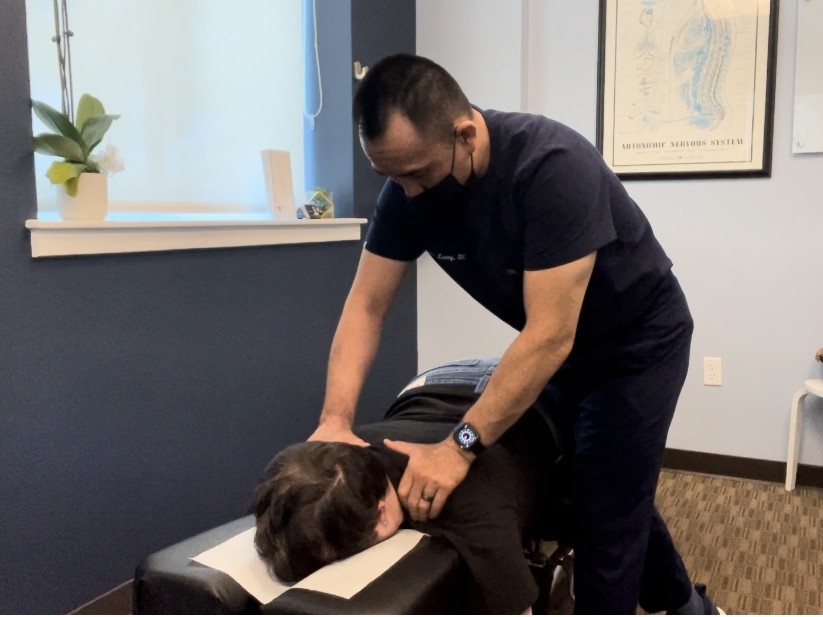
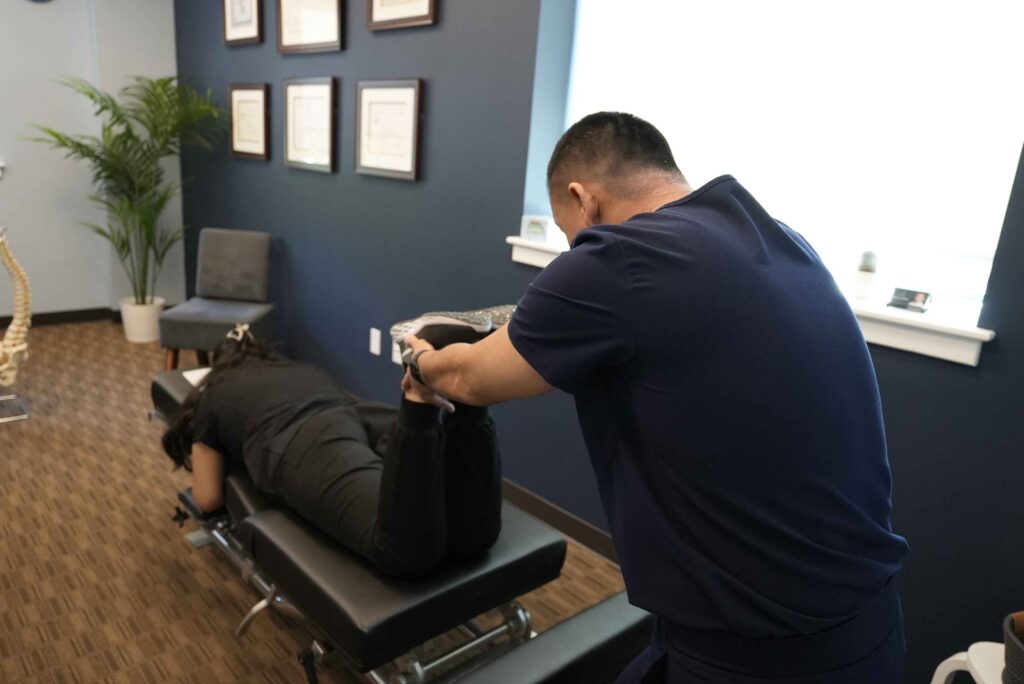
If you’re curious about how chiropractic care can further support your health, I’d be happy to discuss it with you!
Incorporating Regular Movement Breaks
As a local chiropractor, I want to emphasize the importance of incorporating regular movement breaks into your daily routine for managing back pain effectively. Many people may not realize that sitting or standing in one position for extended periods can cause strain on your back muscles, leading to discomfort and pain.
To combat this, I recommend taking a break every 30 to 60 minutes. During these breaks, it’s beneficial to stand up, stretch, or take a brief walk. This simple act helps relieve pressure on your spine and enhances circulation, which can significantly alleviate discomfort.
You don’t need to engage in vigorous exercise; even gentle stretches or a few laps around your workspace can have a profound impact. I suggest setting a timer on your phone or using an app to remind yourself to move regularly.
Not only will these movement breaks help reduce pain, but they also contribute to increased energy levels and productivity throughout your day. By prioritizing movement, you’re taking proactive steps towards a healthier back and enhancing your overall well-being.
Professional Guidance: When to Seek Help
As a local chiropractor, I want to help you understand when it’s essential to seek professional assistance for back pain. It’s crucial to tune in to what your body is telling you. If you’re dealing with ongoing discomfort, please don’t overlook it.
Here are three important signs that suggest it’s time to consult a healthcare professional, like a chiropractor:
- Chronic Pain: If your back pain persists for more than a few weeks or seems to intensify, this is a significant sign that warrants attention. Chronic pain can often be addressed effectively through chiropractic care, which focuses on identifying and correcting the underlying issues.
- Mobility Issues: Are you finding it difficult to perform everyday activities or have you experienced a sudden loss of mobility? These challenges may indicate a more serious problem that requires assessment. Chiropractic adjustments can help restore your range of motion and improve your overall function.
- Nerve Symptoms: If you experience tingling, numbness, or weakness in your legs, it’s crucial to seek help right away. These symptoms may signal nerve involvement, and addressing them promptly is vital to prevent further complications. A chiropractor can evaluate your condition and provide targeted treatments to relieve nerve pressure.
Taking action early can facilitate a quicker recovery and help you return to your daily activities.
Conclusion
As a local chiropractor, I want to emphasize the importance of effective posture techniques in managing back pain and enhancing your spinal health. Many people are unaware that simple adjustments to your workstation, combined with flexibility and strengthening exercises, can significantly alleviate discomfort. It’s vital to practice mindfulness around your posture throughout the day.
One critical aspect of maintaining good posture is ensuring you have supportive seating and, if necessary, using posture correctors. Regular movement breaks are also essential; they help prevent stiffness and promote better circulation. If you’re still experiencing back pain despite these adjustments, I encourage you to seek professional guidance. I can provide you with tailored strategies that align with your individual needs and lifestyle.
Remember, prioritizing your posture is a key step in your healing journey, and your back will thank you for it!