If you’re experiencing neck pain, you’re certainly not alone. Many individuals suffer from discomfort due to factors like poor posture or muscle strain. Thankfully, there are effective home techniques that can provide relief and promote healing. Gentle stretching exercises, for example, can help improve flexibility and reduce tension in the neck. Additionally, heat therapy is a fantastic way to soothe sore muscles and enhance blood flow to the area.
But beyond these methods, it’s crucial to consider the small adjustments in your daily routine that can significantly impact your neck health. Simple changes—like ensuring your workstation is ergonomically friendly, maintaining good posture while sitting or standing, and taking regular breaks to stretch—can make all the difference.
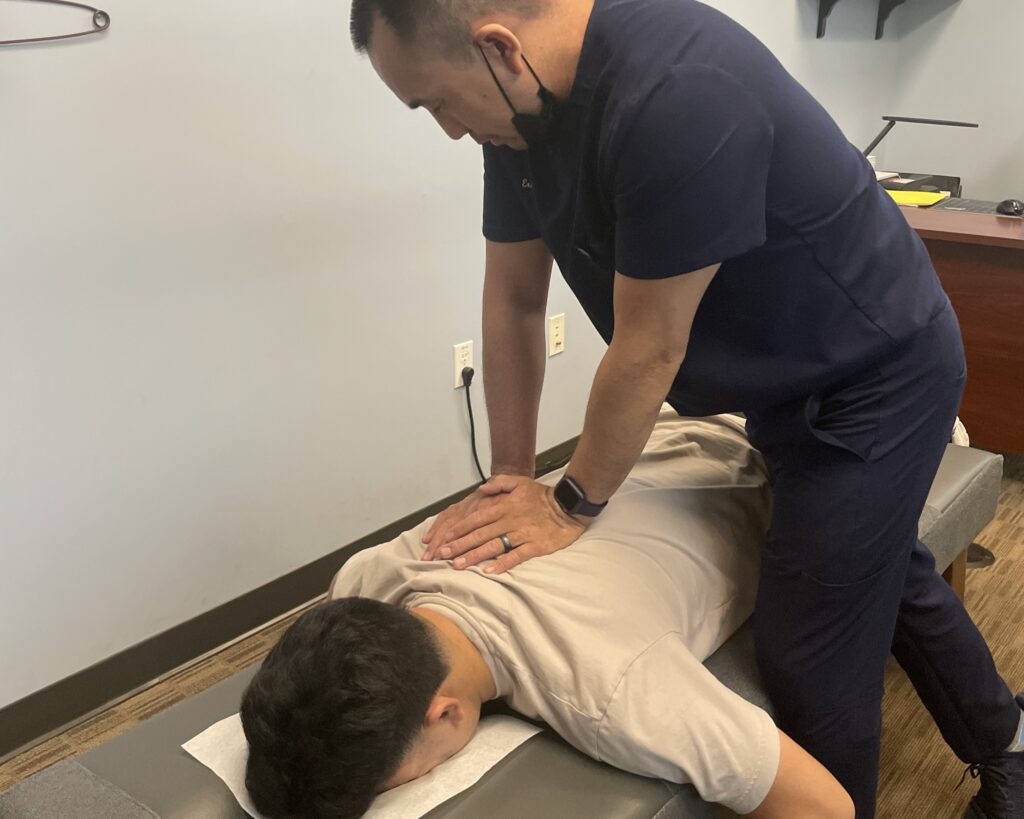
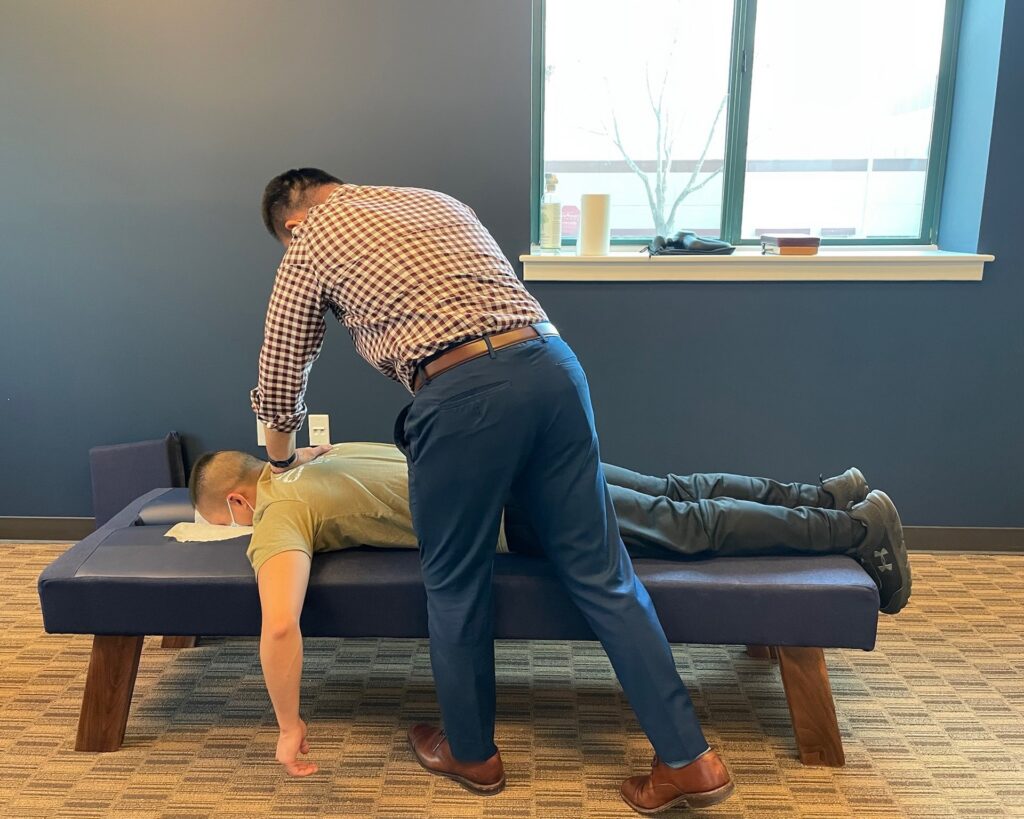
While these home techniques are beneficial, it’s important to highlight that chiropractic care is an excellent choice for achieving optimal health and wellness. Chiropractors are trained to address the root causes of neck pain, providing tailored adjustments that promote proper spinal alignment and support your overall well-being. By incorporating chiropractic care into your routine, you can experience lasting relief and enhance your body’s natural ability to heal.
In summary, while practicing gentle stretches and using heat therapy can help alleviate neck pain, don’t overlook the importance of chiropractic care. It not only addresses pain but also helps you maintain a healthier lifestyle. Remember, your spine is the foundation of your body, and taking care of it is key to achieving long-term wellness.
Stretching Exercises for Neck Relief
When you’re experiencing neck pain, integrating stretching exercises into your daily routine can greatly enhance your comfort and mobility. These simple stretches not only help alleviate tension but also promote a greater range of motion, which is essential for maintaining a healthy spine.
To begin, try gentle neck tilts: slowly drop your ear toward your shoulder, holding this position for 15-30 seconds on each side. This stretch helps to relieve tightness and encourages flexibility.
Next, incorporate chin tucks into your routine; pull your chin back as if you’re creating a double chin and hold for a few seconds. This exercise is excellent for strengthening your neck muscles and improving posture, which is vital for overall spinal health.
Shoulder rolls are another effective stretch: lift your shoulders towards your ears, then roll them back and down. Repeat this movement for 10 repetitions. This exercise helps release tension in the shoulders and upper back, supporting better alignment.
To wrap up your stretching session, perform a seated spinal twist. Sit tall, place one hand on the opposite knee, and gently twist your torso while taking deep, mindful breaths. This not only stretches your spine but also encourages relaxation and stress relief.
Remember, these stretches can significantly ease discomfort and enhance flexibility. However, always listen to your body—if a movement causes pain, it’s essential to stop and consult a chiropractor for personalized guidance.
Chiropractic care is the best choice for achieving optimal health, as it focuses on natural healing and the proper alignment of the spine, which can lead to long-lasting relief and improved wellness. Making these stretches part of your routine can complement your chiropractic care and support your journey to a healthier, pain-free life.
Proper Ergonomics at Your Workspace
To prevent neck pain and promote overall spinal health, it’s crucial to set up your workspace in a way that supports your body. Start by ensuring your desk height and monitor position are adjusted so everything is at eye level. This simple adjustment can significantly enhance your comfort throughout the day and reduce strain on your neck.
As a chiropractor, I often see the positive effects of proper ergonomics on my patients’ well-being. When your workspace is aligned with your body’s natural posture, you’re not only alleviating discomfort but also fostering a healthier environment for your spine.
Remember, a well-aligned workspace can prevent the need for chiropractic adjustments in the first place!
Here are some general tips to improve your workspace ergonomics:
- Chair Height: Your chair should support your lower back, allowing your feet to rest flat on the floor or on a footrest.
- Monitor Position: Keep your monitor about an arm’s length away, with the top of the screen at or just below eye level to reduce neck strain.
- Keyboard and Mouse Placement: Ensure your keyboard and mouse are at a comfortable height, allowing your elbows to be close to your body and your wrists straight.
- Take Breaks: Regular breaks are vital. Stand up, stretch, and move around every hour to keep your blood flowing and muscles relaxed.
By making these adjustments and prioritizing ergonomic practices at your workspace, you can help maintain a healthy spine and prevent pain before it starts.
If you do experience discomfort, remember that chiropractic care offers a natural and effective solution for pain relief and optimal wellness. Your spine deserves the best care—let’s keep it healthy!
Desk Height Adjustment
Adjusting your desk height plays a crucial role in preventing neck pain and enhancing your overall comfort while you work. As a chiropractor, I can tell you that maintaining the right posture is key to spinal health, and having your desk at the appropriate height is a simple yet effective way to achieve this.
A properly adjusted desk helps keep your body in a neutral position, reducing unnecessary strain on your neck and shoulders, and promoting better alignment of your spine.
Here are some straightforward tips to help you find that perfect desk height for a healthier work environment:
- Ensure your elbows are at a 90-degree angle while typing. This position helps to keep your shoulders relaxed and minimizes tension.
- Keep your feet flat on the ground or utilize a footrest if needed. This promotes better circulation and supports your lower back.
- Make sure your wrists are straight and not resting on the desk when typing. This prevents strain and helps maintain proper alignment of your spine.
Remember, consistent care through chiropractic adjustments can help address misalignments and support your body in achieving optimal health.
Monitor Positioning Tips
Proper monitor positioning is crucial for reducing neck strain and enhancing your overall comfort while working, which can ultimately contribute to your spinal health. As a chiropractor, I believe that maintaining a healthy posture at your workstation can significantly impact your well-being.
Start by placing your monitor at eye level; this helps you avoid unnecessary tilting of your head, which can lead to discomfort over time. Ideally, the top of your monitor screen should be at or just below eye level, and it should be about an arm’s length away from you.
Make sure that your monitor is positioned directly in front of you to prevent twisting your neck, which can cause misalignments in your spine. If you work with multiple screens, keep your primary monitor directly in front and position your secondary monitor to the side to minimize strain.
Additionally, adjusting the brightness and contrast of your screen can help reduce glare, making it easier on your eyes and further supporting your overall comfort.
Remember, creating an ergonomic workspace not only helps in keeping neck pain at bay but also promotes better posture, which is essential for your spinal health.
Incorporating these simple tips into your daily routine can make a significant difference in how you feel. And if you ever experience persistent discomfort, consider visiting your chiropractor for personalized advice and treatment to support your journey toward optimal health and wellness.
Heat Therapy Techniques
Heat therapy techniques can be a wonderful way to relieve neck pain and promote relaxation, complementing the benefits of chiropractic care. By applying heat, you enhance blood flow to the area, which helps soothe tense muscles and ease stiffness.
While chiropractic adjustments are key to addressing the root causes of discomfort, these home remedies can provide additional comfort. Here are some methods you can easily incorporate into your routine:
- Warm towels: Soak a towel in hot water, wring it out, and gently apply it to your neck for about 15-20 minutes. Always check the temperature to ensure it’s warm and comfortable, avoiding any risk of burns.
- Heating pads: An electric heating pad on a low setting can be a fantastic tool. It allows you to target the painful areas directly and delivers consistent warmth, which helps relax tight muscles.
- Warm showers: Taking a warm shower can work wonders. Let the water cascade over your neck and shoulders, which can help melt away tension and provide soothing relief.
Incorporating these heat therapy techniques into your routine can significantly enhance your comfort and support the healing process.
Cold Compress Application
Cold therapy can be a transformative approach for alleviating neck pain, providing essential benefits such as reduced inflammation and numbness. While cold compresses can be beneficial, applying them correctly is crucial to fully harness their potential.
As a chiropractor, I believe in natural healing and promoting healthier living, so let’s delve into how to effectively use cold therapy and why it’s a great complement to chiropractic care.
First, make sure to wrap your cold compress in a thin cloth to protect your skin. Direct ice contact can lead to frostbite, so always prioritize your safety. Apply the compress to the affected area for about 15-20 minutes, allowing your body time to respond. You can repeat this process every hour, particularly after engaging in activities that may exacerbate your neck pain.
In addition to cold therapy, consider integrating chiropractic adjustments into your routine. Regular visits to a chiropractor can help align your spine, reduce tension, and promote overall wellness. Many patients find that combining cold therapy with chiropractic care not only enhances their pain relief but also contributes to long-term health.
Lastly, remember to listen to your body. If you experience prolonged discomfort or if the pain persists, it’s essential to seek advice from your chiropractor. They can provide personalized recommendations tailored to your specific needs.
Benefits of Cold Therapy
When you’re experiencing neck pain, one effective way to find relief is by using a cold compress. Cold therapy not only helps you feel more comfortable, but it also provides several key benefits that can assist you in managing your pain naturally.
As a chiropractor, I believe in the importance of incorporating non-invasive methods into your wellness routine. Here are some advantages of using cold therapy for neck pain relief:
- Reduced Swelling: Applying a cold compress constricts blood vessels, helping to limit swelling in the injured area. This can be particularly beneficial after an injury or during flare-ups of chronic pain.
- Pain Relief: The numbing effect of cold therapy can dull sharp sensations, making it easier for you to move, relax, and carry out your daily activities without discomfort.
- Muscle Relaxation: Cold therapy can be effective in reducing muscle spasms, promoting a sense of ease and comfort in your neck area. This can help you feel more relaxed overall.
Incorporating cold therapy into your pain relief routine can be a simple yet effective way to support your recovery.
Here are a few tips to maximize the benefits of cold therapy:
- Duration: Apply the cold compress for 15-20 minutes at a time, allowing your skin to return to normal temperature between applications.
- Barrier: Always place a cloth or towel between the cold source and your skin to prevent frostbite.
- Frequency: Use cold therapy as needed, especially during the first 48 hours after an injury or when experiencing flare-ups.
Remember, while cold therapy can be a helpful tool, it’s important to also consider chiropractic care as a long-term solution for neck pain.
A chiropractor can assess your spinal health, provide personalized treatment options, and guide you on maintaining optimal wellness. By focusing on natural healing methods, you can achieve lasting relief and improve your overall quality of life.
Application Techniques to Follow
As a chiropractor dedicated to your health and wellness, I want to share some effective techniques for applying a cold compress to relieve neck pain. Cold therapy can be a natural and simple way to manage discomfort, and it complements chiropractic care perfectly.
Start by wrapping ice or a cold pack in a thin towel. This is important to protect your skin from any potential damage. Apply the wrapped cold pack to the painful area for about 15-20 minutes. Afterward, allow your skin to return to a comfortable temperature before reapplying. This method helps reduce inflammation and can provide soothing relief.
While the cold compress is on, you can gently move your head from side to side. This can enhance the relief you feel and promote better mobility. It’s essential to be in a comfortable position to avoid straining your neck further, so find a spot where you can relax.
You can repeat this process every couple of hours as needed, especially during the first 48 hours after experiencing pain. Always listen to your body and adjust the duration based on your comfort level.
Improving Sleep Posture
Many people may not realize how much their sleep posture can affect neck pain, but making a few simple adjustments can lead to significant relief.
As a chiropractor, I encourage you to prioritize your sleep posture for not only comfort but also overall spinal health. Here are some practical tips to enhance your sleep posture and promote natural healing:
- Choose the Right Pillow: Selecting a contour pillow that supports the natural curve of your neck can make a world of difference. The right pillow will help keep your spine aligned and reduce strain on your neck throughout the night.
- Sleep on Your Back or Side: These positions are best for maintaining proper spinal alignment. If you prefer sleeping on your side, consider placing a pillow between your knees. This additional support can help maintain your body’s alignment and prevent discomfort.
- Avoid Sleeping on Your Stomach: This position can twist your neck, leading to tension and pain. By avoiding stomach sleeping, you can reduce the risk of waking up with neck discomfort.
Remember, chiropractic care can play a vital role in achieving optimal health and relieving pain naturally.
If you experience persistent neck pain, consider consulting with a chiropractor to assess your posture and overall spinal health. Together, we can work towards a pain-free and healthier life.
Massage Techniques for Self-Relief
Improving your sleep posture is just one effective way to combat neck pain, but incorporating massage techniques can also provide significant relief. While chiropractic care is your best option for addressing the root cause of neck discomfort, self-massage can complement your treatment and help you find immediate relief.
Begin by gently kneading the muscles around your neck and shoulders with your fingertips. Apply moderate pressure, focusing on areas that feel tight or sore. Using your thumb to press into specific points, known as trigger points, can help release built-up tension, making it easier to maintain a healthier spine.
A simple yet effective technique is to use a tennis ball against a wall to target those hard-to-reach spots. Just lean into the ball and roll it slowly over the tight areas. This method can be particularly beneficial for relieving muscle knots and enhancing flexibility.
Before you begin massaging, consider applying heat to your neck. Warmth helps relax the muscles and can enhance the effectiveness of your self-massage. Remember, breathing deeply throughout the process will allow you to unwind and maximize the benefits of your efforts.
Incorporating these self-care techniques into your routine can lead to lasting relief and improved mobility in your neck.
However, don’t forget that regular chiropractic care is key to achieving optimal health and addressing any underlying issues. Your chiropractor can provide tailored advice and treatment plans that focus on natural healing, ensuring you stay pain-free and living well.
Mindfulness and Relaxation Practices
To effectively alleviate neck pain, integrating mindfulness and relaxation practices into your daily routine can be incredibly helpful. These techniques not only reduce tension but also enhance your mental clarity and overall well-being, complementing the benefits of chiropractic care.
Here are some simple practices you can easily incorporate:
- Deep Breathing: Spend a few minutes focusing on your breath. Inhale deeply through your nose, hold for a moment, and then exhale slowly through your mouth. This practice helps calm your mind and relax your muscles, which is especially beneficial for those experiencing neck discomfort.
- Meditation: Dedicate 10-15 minutes each day to a quiet space where you can focus on your thoughts or a calming mantra. This practice fosters a sense of peace and reduces stress, which can play a significant role in neck pain. Regular meditation complements chiropractic adjustments by promoting relaxation and mental clarity.
- Gentle Yoga: Incorporate gentle stretches and poses that target the neck, shoulders, and upper back. These movements can enhance flexibility and relieve tension in these areas. Remember, maintaining proper alignment and posture is essential, and chiropractic care can provide guidance on how to do this effectively.
While these mindfulness techniques can be beneficial, remember that chiropractic care is an excellent choice for addressing the root causes of neck pain.
Conclusion
Incorporating these home techniques for neck pain relief can significantly enhance your comfort and overall well-being. As a chiropractor, I want to emphasize the importance of maintaining a healthy spine and how it plays a crucial role in alleviating discomfort. Practicing gentle stretching and ensuring proper ergonomics in your daily activities can go a long way in helping you manage neck pain effectively.
Consider integrating heat or cold therapy into your routine. Applying a warm compress can help relax tense muscles, while cold therapy can reduce inflammation. Additionally, don’t underestimate the power of a good sleep posture—supporting your neck properly while you sleep is essential for recovery.
Self-massage can also be a valuable tool. Gently massaging the neck and shoulder area can relieve tension and improve circulation. Furthermore, mindfulness practices such as deep breathing or meditation can help you manage stress, which often contributes to neck pain.
While these methods can provide temporary relief, regular chiropractic care is the best way to achieve long-term health and wellness. A chiropractor can assess your spinal health, provide personalized care, and help you develop a plan to prevent future pain.
With a little effort and the right approach, you can improve your neck health and enjoy a more pain-free life. Take these steps and experience the relief that comes from prioritizing your spinal health!