If you’ve ever felt discomfort from poor posture, you’re certainly not alone. Many individuals grapple with this issue, often unaware of the long-term health consequences it can bring. The good news is that there are effective techniques to help you improve your posture and alleviate pain naturally. As a chiropractor, I believe that chiropractic care is one of the best ways to achieve optimal health and wellness.
One of the first steps in addressing painful posture is making ergonomic adjustments in your daily environment. This includes setting up your workspace so that your computer screen is at eye level and your chair provides proper support for your lower back. Simple adjustments like these can significantly reduce strain on your spine.
In addition to ergonomic changes, incorporating specific stretches into your routine can also be incredibly beneficial. Gentle stretches for your neck, shoulders, and back can help to relieve tension and improve your flexibility. I recommend taking short breaks throughout the day to stand up, stretch, and reset your posture.
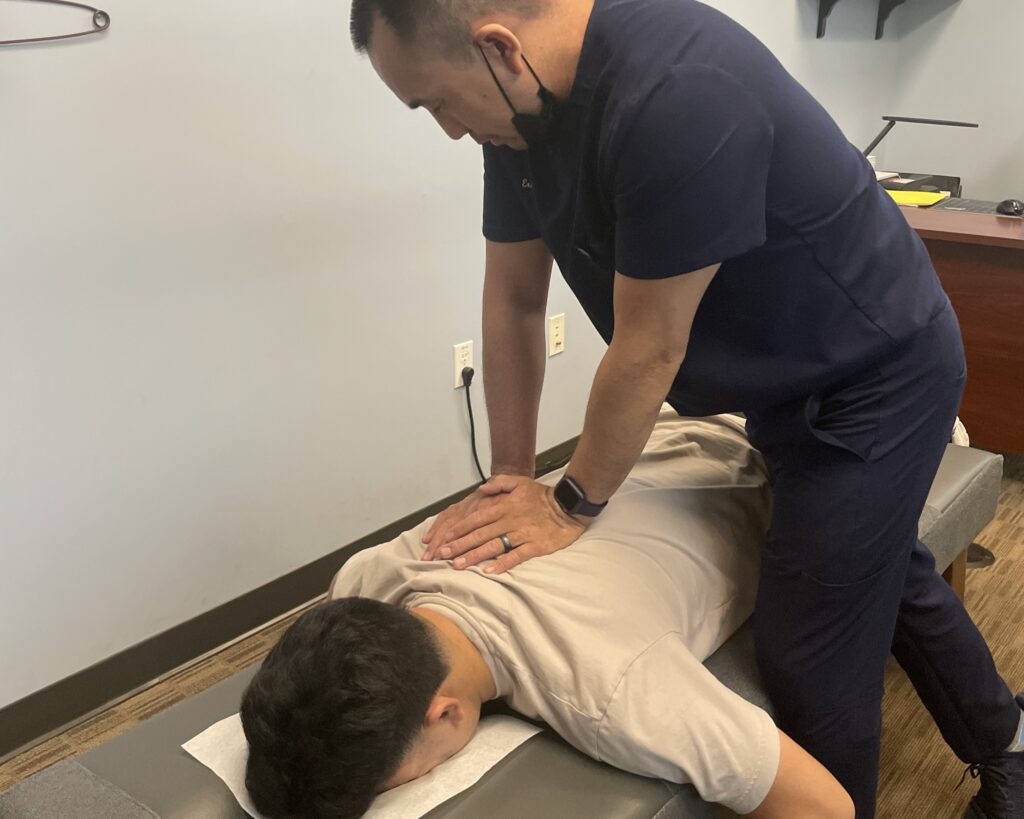
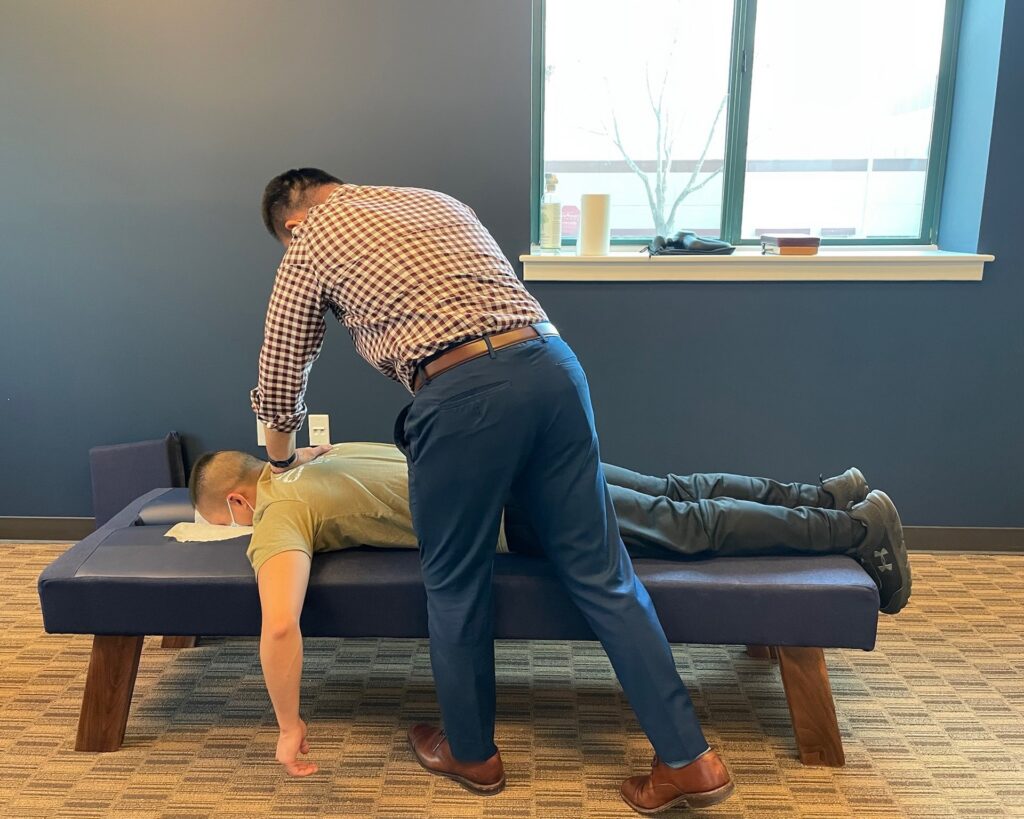
Another effective strategy is regular chiropractic care. By visiting a chiropractor, you can receive personalized assessments and adjustments that target misalignments in your spine, helping to relieve pain and improve your overall posture. Chiropractic care not only addresses existing discomfort but also promotes long-term wellness by supporting your body’s natural ability to heal.
Lastly, be mindful of your posture throughout the day. Whether you’re sitting, standing, or walking, try to maintain an upright position with your shoulders back and your head aligned with your spine. Developing this awareness can lead to lasting improvements in your posture and health.
Remember, these steps are simple yet powerful. By incorporating ergonomic adjustments, stretches, and chiropractic care into your routine, you can take significant strides toward correcting painful posture and supporting your overall well-being. Your journey to a healthier spine starts today!
Understanding the Impact of Poor Posture
Many people overlook the significant effects of poor posture, but it can have a profound impact on your overall health and well-being. Slouching or hunching over may seem harmless, yet it can lead to various issues, such as chronic back pain and headaches. When your spine is misaligned, your muscles and ligaments must exert extra effort to keep you upright, resulting in fatigue and discomfort.
Poor posture doesn’t just affect your spine; it can also hinder your breathing and digestion. When you’re slumped, your diaphragm struggles to function properly, which can reduce your lung capacity and oxygen intake. This can leave you feeling sluggish and lacking energy.
Additionally, your posture can influence your mood and confidence. Standing tall can make you feel more assertive and positive, while slumping might contribute to feelings of anxiety and low self-esteem. Recognizing these impacts is essential, as it can motivate you to correct your posture and enhance your overall health.
As a chiropractor, I encourage you to consider how chiropractic care can help you achieve optimal spinal alignment and wellness. Regular chiropractic adjustments can support your posture, relieve pain, and promote natural healing throughout your body.
Here are some simple tips to improve your posture and overall well-being:
- Be Mindful of Your Sitting Position: Ensure your back is straight and your feet are flat on the ground when sitting. Use a chair that supports your lower back.
- Take Frequent Breaks: If you sit for long periods, stand up and stretch every 30-60 minutes to relieve tension and reset your posture.
- Strengthen Your Core: Engaging in exercises that strengthen your core muscles can provide better support for your spine and improve your posture.
- Practice Good Ergonomics: Adjust your workstation so that your computer screen is at eye level and your keyboard is positioned to keep your wrists straight.
- Stay Active: Regular physical activity can help maintain a healthy weight and strengthen your muscles, further supporting good posture.
Simple Stretches to Release Tension
If you’re experiencing tension in your neck and shoulders, you’re not alone. Many people carry stress in these areas, but the good news is that simple stretches can significantly help alleviate discomfort.
As a chiropractor, I believe in the power of natural healing methods, and incorporating specific neck stretch techniques and shoulder release exercises into your daily routine can enhance your overall well-being.
Let’s explore some effective moves that can help you feel more relaxed and aligned. These stretches not only relieve tension but also promote better posture and spinal health, making chiropractic care a vital part of your wellness journey.
- Neck Tilts: Gently tilt your head to one side, bringing your ear towards your shoulder. Hold for 15-30 seconds and switch sides. This stretch can help release tight muscles and improve mobility.
- Shoulder Rolls: Sit or stand comfortably and roll your shoulders forward in a circular motion for 10 repetitions, then reverse the direction. This simple exercise can help relieve tension and improve circulation in the shoulder area.
- Chin Tucks: While sitting or standing, gently tuck your chin towards your chest without rounding your shoulders. Hold for a few seconds and repeat several times. This movement can help strengthen your neck muscles and align your spine.
- Upper Back Stretch: Interlace your fingers and extend your arms in front of you, rounding your upper back. Hold for 15-30 seconds. This stretch helps open up the chest and counteracts the effects of slouching.
Incorporating these stretches into your daily routine can significantly improve your comfort and posture.
Remember, regular chiropractic adjustments can further enhance the benefits of these stretches by ensuring your spine is properly aligned and functioning optimally.
Don’t hesitate to reach out to your local chiropractor to learn more about how chiropractic care can support your journey to natural wellness. Your health is worth it!
Neck Stretch Techniques
One effective way to alleviate neck tension is through simple stretches that can be done anywhere, and as a chiropractor, I encourage you to incorporate these into your daily routine for optimal health.
Start by sitting or standing comfortably. Gently tilt your head toward your right shoulder, allowing yourself to feel the stretch on the left side of your neck. Hold this position for 15-30 seconds, then switch sides. This simple movement can help relieve tightness and improve your flexibility.
Next, look over your right shoulder while keeping your shoulders relaxed. Again, hold this position for the same duration before switching sides. These stretches aren’t just about feeling good in the moment—they also play a crucial role in maintaining proper spinal alignment.
For an added stretch, clasp your hands behind your head and gently press down, which can help elongate your neck and promote better posture.
Lastly, incorporate chin tucks into your routine by pulling your chin toward your chest while keeping your shoulders back. This exercise can strengthen your neck muscles and further improve your posture.
These stretches can help release built-up tension, enhance your flexibility, and support better posture throughout your day.
Shoulder Release Exercises
Release tension in your shoulders with simple exercises that can easily be woven into your daily routine. These movements not only relieve discomfort but can also support your overall spinal health, which is vital for optimal wellness.
Start by standing or sitting up straight—this posture is essential for maintaining a healthy spine. Gently roll your shoulders forward in a circular motion for 10 repetitions, and then reverse the direction for another 10 rolls. This simple exercise can help improve mobility and circulation in the shoulder area.
For a deeper stretch, clasp your hands behind your back, straighten your arms, and gently lift them while opening your chest. Hold this position for 15-30 seconds. This stretch can help counteract the effects of prolonged sitting and poor posture, promoting a healthier spine and reducing tension.
Another effective stretch involves raising one arm overhead and gently leaning to the opposite side. You should feel a nice stretch along your side and shoulder—this can alleviate tightness in the shoulder area. Remember to repeat on the other side as well.
Incorporating these shoulder release exercises into your daily routine can significantly alleviate tension and support better posture.
As a chiropractor, I emphasize that regular movement and stretches are crucial for maintaining spinal health. If you’re experiencing persistent pain or discomfort, consider chiropractic care as a natural and effective approach to achieving optimal health and wellness.
Strengthening Exercises for Core Stability
Strengthening Exercises for Core Stability: Your Path to Optimal Health
As a chiropractor, I understand the importance of a strong core in maintaining proper posture and preventing discomfort. While many people may focus on superficial muscles, your core plays a vital role in supporting your spine and enhancing overall stability. This, in turn, allows you to perform daily activities with greater ease and less strain.
Here are four effective exercises you can incorporate into your routine to boost your core strength and support your health naturally:
- Plank: Begin in a plank position, ensuring your body is straight from head to heels. This exercise activates multiple core muscles. Start by holding it for 30 seconds, and as you build strength, gradually increase your hold time. Remember, a stable core can help alleviate back pain and promote better spinal alignment.
- Bird-Dog: Get on all fours, and extend one arm forward while stretching the opposite leg back. Hold this position for a few seconds before switching sides. This exercise not only strengthens your core but also improves balance and coordination, which can help reduce the risk of injuries.
- Bridge: Lie on your back with your knees bent and feet flat on the floor. Lift your hips until your body forms a straight line from your shoulders to your knees. This exercise strengthens your lower back and glutes, which are essential for maintaining a healthy spine.
- Russian Twists: Sit with your knees bent and lean back slightly. Rotate your torso from side to side, tapping the ground beside you. This movement engages your oblique muscles and enhances rotational stability, which is crucial for many daily movements.
Incorporating these exercises into your routine can significantly improve your core stability, leading to better posture and a reduction in discomfort.
Remember, while these exercises are beneficial, regular chiropractic care can further enhance your overall health and well-being. Chiropractic adjustments can help ensure your spine is in optimal alignment, which is essential for your core muscles to function effectively.
Ergonomic Adjustments for Your Workspace
As you spend long hours at your desk, it’s essential to create an ergonomic workspace that not only supports your posture but also promotes overall wellness and spinal health. By making a few simple adjustments, you can reduce strain on your body and potentially prevent chronic pain, which is where chiropractic care comes into play.
Start by adjusting your chair so that your feet are flat on the floor, with your knees at a comfortable 90-degree angle. This ensures that your lower back is supported and can help maintain the natural curve of your spine. Your elbows should also be positioned at a right angle, resting comfortably on the armrests to avoid tension in your shoulders and neck.
Next, position your computer monitor at eye level, about an arm’s length away. This helps to keep your neck in a neutral position and encourages a relaxed gaze. If you find yourself leaning forward or straining your neck, it may be time to consider a chiropractic evaluation to address any underlying issues.
When using a keyboard and mouse, keep them close enough that you don’t have to stretch your arms too much. This will help you maintain a relaxed posture and prevent unnecessary strain on your wrists and shoulders. If your feet don’t comfortably reach the ground, consider using a footrest to support your feet and enhance your overall posture.
Lastly, remember to maintain good posture while sitting. Keep your back straight, shoulders relaxed, and take frequent breaks to stand, stretch, and move around. These simple habits can significantly improve your comfort and productivity throughout the day.
Mindfulness Techniques for Posture Awareness
How often do you check in with your posture throughout the day? Being mindful of your posture is essential for maintaining a healthy spine and overall well-being.
Practicing mindfulness not only helps you become more aware of your body, but it also supports your journey toward natural healing and pain relief. Here are some simple techniques you can use to enhance your posture awareness:
- Set Reminders: Use your phone or sticky notes as gentle nudges to remind yourself to check your posture every hour. Keeping your spine aligned can prevent discomfort and promote better health.
- Breath Awareness: Take a moment to focus on your breath. When you inhale deeply, notice how your body naturally aligns. This practice can help reduce tension and improve your overall posture.
- Body Scan: Close your eyes and mentally scan your body from head to toe. Identify any areas of tension or misalignment. Being aware of these areas can help you address them proactively and maintain a healthy spine.
- Mindful Movement: Incorporate gentle movements or stretches into your daily routine. Pay attention to how your body feels when you adjust your position. This can enhance your flexibility and support your spinal health.
Remember, consistent awareness of your posture can lead to a significant reduction in pain and discomfort.
If you’re experiencing persistent issues, consider visiting a chiropractor. Chiropractic care focuses on natural healing methods that promote optimal health and well-being.
Daily Habits to Promote Better Alignment
What daily habits can you adopt to promote better alignment and overall spinal health? As a chiropractor, I believe that maintaining proper posture is one of the most crucial aspects of spinal wellness.
Throughout your day, be mindful of how you sit. Keep your feet flat on the ground and choose a chair that offers good support for your lower back. If you’re working at a desk, adjust your computer screen to eye level to prevent straining your neck.
Incorporating movement into your daily routine is essential. Aim to stand up, stretch, and take a brief walk every hour. This simple practice can relieve built-up tension and keep your spine happy.
Core-strengthening exercises, such as planks or bridges, are also excellent for stabilizing your spine and enhancing your overall posture.
Don’t forget about the importance of your sleeping position! Ideally, try to sleep on your back or side with a supportive pillow to maintain a neutral spine.
Additionally, consider using a backpack instead of a shoulder bag to evenly distribute weight and reduce strain on your back.
By making these small adjustments to your daily habits, you can significantly improve your alignment and experience less discomfort over time.
Remember, chiropractic care is a powerful ally in achieving and maintaining optimal health. Regular visits to your chiropractor can help keep your spine aligned and support your journey toward a healthier, pain-free life.
Embrace these tips, and together, we can work towards your wellness goals!
The Role of Professional Help in Posture Correction
While developing good daily habits is crucial for maintaining proper posture, seeking the expert guidance of a chiropractor can significantly enhance your efforts. Chiropractors specialize in spinal health and can provide tailored strategies to meet your unique needs.
Here are some ways chiropractic care can assist you in your posture correction journey:
- Comprehensive Assessment: A chiropractor will thoroughly evaluate your posture, identifying any misalignments or weaknesses in your spine that may be contributing to discomfort.
- Customized Exercise Plans: You’ll receive specific exercises designed to strengthen your core muscles and enhance flexibility, both essential for maintaining proper posture.
- Gentle Manual Therapy: Techniques such as spinal adjustments and soft tissue therapy can relieve tension and pain, helping to restore proper alignment to your spine.
- Education on Body Mechanics: Your chiropractor will teach you about healthy body mechanics and ergonomic practices, empowering you to avoid future posture-related issues.
Engaging with a chiropractor not only accelerates your progress in improving posture but also equips you with the knowledge and tools to maintain it long-term.
Remember, achieving and sustaining good posture is a journey, and chiropractic care can be a vital partner in your quest for health and wellness.
Don’t hesitate to seek the support you deserve—your body will thank you for it!
Maintaining Long-Term Postural Health
To maintain long-term postural health, it’s important to incorporate daily stretching routines and create an ergonomic workspace. These simple changes can make a world of difference for your spine and overall well-being.
Regular stretching helps relieve tension in your muscles, which can improve your posture and reduce discomfort.
Additionally, setting up a workspace that supports your body’s natural alignment is crucial. This can include using an adjustable chair, keeping your computer screen at eye level, and ensuring your feet are flat on the ground.
As a chiropractor, I want to emphasize that chiropractic care plays a vital role in achieving optimal health. Regular adjustments can help keep your spine aligned, alleviate pain, and promote natural healing.
By focusing on these holistic approaches, you can foster a healthier lifestyle that supports your body’s needs.
Remember, taking small steps each day—like stretching and maintaining good posture—can lead to significant improvements over time.
If you’re experiencing pain or discomfort, I encourage you to consider chiropractic care as a natural and effective solution for lasting relief and wellness. Your spine will thank you!
Daily Stretching Routines
Incorporating daily stretching routines into your life can significantly enhance your overall spinal health and wellbeing. As a chiropractor, I often emphasize that regular stretching is a natural way to relieve tension, improve flexibility, and promote better alignment, which are all essential for maintaining a healthy spine.
Here’s how to get started with some simple stretches:
- Neck Stretches: Gently tilt your head from side to side, holding each position for a few seconds. This can help release tightness and improve neck mobility, which is crucial for daily activities.
- Shoulder Rolls: Sit or stand comfortably and roll your shoulders forward and then backward. This motion helps to ease tension in the shoulders and upper back, allowing for better posture.
- Chest Openers: Interlace your fingers behind your back and gently lift your arms while opening your chest. This counteracts hunching and can help improve your posture, making you feel more aligned and confident.
- Hip Flexor Stretches: Step into a lunge position, keeping your front knee aligned with your ankle, and hold the stretch. This is vital for stretching the hip flexors, which play a significant role in maintaining proper posture and spinal health.
By making these stretches a part of your daily routine, you’ll likely notice improved comfort and stability in your posture over time.
Prioritizing these natural movements can lead to lasting benefits. Remember, chiropractic care complements these routines by addressing underlying spinal issues, ensuring your body functions optimally.
Ergonomic Workspace Setup
After establishing a solid foundation with daily stretching routines, it’s crucial to consider how your workspace influences your posture and overall spinal health. An ergonomic setup can significantly enhance your comfort and well-being.
Start by adjusting your chair height so your feet rest flat on the floor, and your knees are aligned with your hips. This positioning helps support your spine’s natural curve.
Your desk should be at a height that allows your elbows to sit at a 90-degree angle while typing, reducing unnecessary strain on your shoulders and neck. Position your monitor at eye level, about an arm’s length away, to keep your neck in a neutral position and prevent discomfort.
Opt for a keyboard and mouse that allow your wrists to remain straight, as this can help prevent wrist pain and other repetitive strain injuries.
Additionally, make it a habit to take regular breaks. Stand up, stretch, and walk around to promote circulation and give your spine a chance to reset. These small adjustments not only enhance your comfort but also contribute to long-term postural health, keeping pain at bay.
Remember, chiropractic care is an excellent choice for maintaining spinal health and achieving optimal wellness. Regular visits to a chiropractor can help ensure your body is aligned correctly and functioning at its best, leading to a healthier, pain-free life.
Embrace these tips, and consider how chiropractic care can support your journey toward natural healing and better living.
Conclusion
Improving your posture goes beyond simply sitting up straight; it involves a comprehensive approach that includes stretching, strengthening, and making ergonomic adjustments. As a chiropractor, I believe that incorporating these techniques into your daily routine can significantly ease discomfort and foster better alignment.
One of the best ways to support your posture is through regular chiropractic care. Visiting your chiropractor can help identify misalignments in your spine and provide gentle adjustments that promote optimal alignment. This not only alleviates pain but also enhances your overall health and well-being.
In addition to ongoing chiropractic treatments, here are some practical tips you can easily integrate into your lifestyle:
- Take Regular Breaks: If you sit for long periods, be sure to stand, stretch, and move around every 30 minutes. This helps prevent stiffness and keeps your muscles engaged.
- Mind Your Posture: Stay aware of how you’re sitting or standing. Keep your shoulders back, and your head aligned with your spine. Imagine a string pulling the top of your head up towards the ceiling.
- Strengthen Your Core: Engage in exercises that strengthen your abdominal and back muscles. A strong core provides stability and support for your spine.
- Stretch Daily: Incorporate gentle stretching into your routine to keep your muscles flexible. Focus on areas that tend to get tight, such as your neck, shoulders, and lower back.
- Consider Ergonomic Adjustments: Set up your workspace to support good posture. Ensure your chair and desk are at the right height, and that your computer screen is at eye level.
Remember, the journey to better posture and spinal health is a gradual process. With consistent effort and a commitment to your well-being, you can not only correct painful posture but also enjoy long-lasting health benefits. Make the choice for a healthier tomorrow by prioritizing chiropractic care and these simple lifestyle adjustments today!