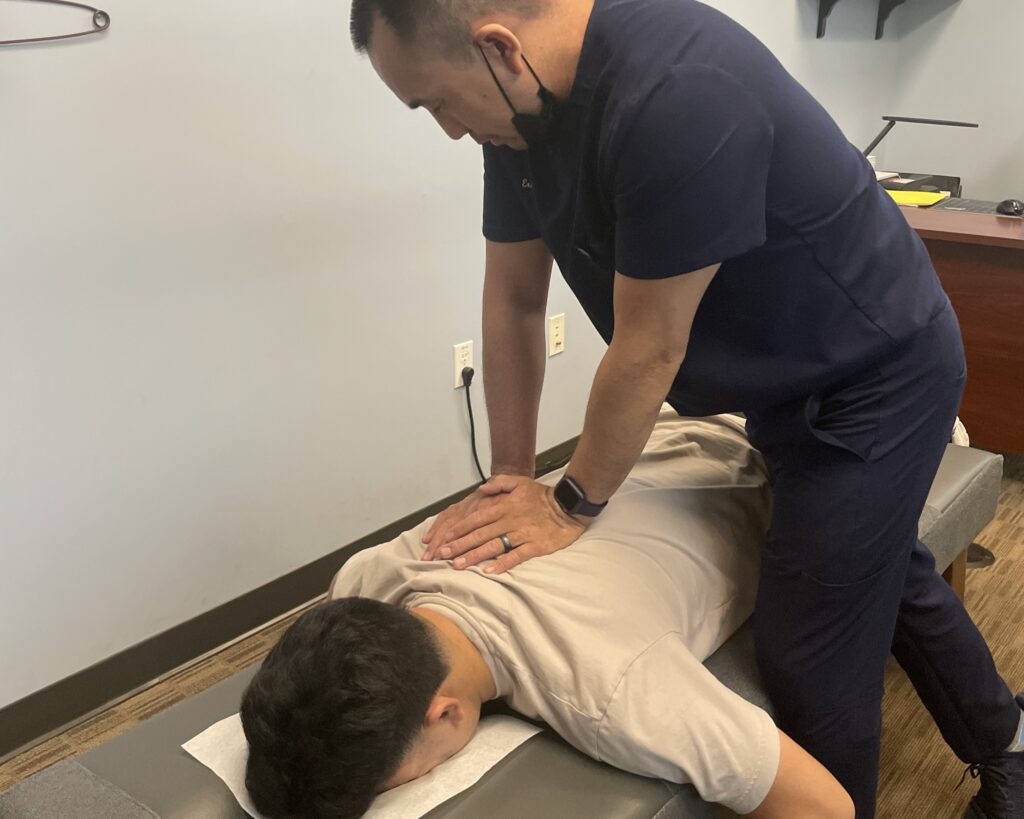
If you’re battling tension headaches, you’re definitely not alone. Many individuals face this discomfort, which often stems from stress and lifestyle choices. Fortunately, there are several natural methods you can explore to find relief, and I believe chiropractic care can be a game-changer.
As a chiropractor, I see firsthand how spinal health can significantly impact overall well-being. Tension headaches are frequently linked to tension in the neck and upper back, often caused by poor posture or stress. By addressing the underlying issues through chiropractic adjustments, you can relieve that tension and reduce the frequency and intensity of headaches.
In addition to chiropractic care, here are some practical tips you can incorporate into your daily routine:
- Posture Check: Be mindful of your posture, especially if you sit at a desk for long periods. Keep your back straight, shoulders relaxed, and adjust your workstation to maintain a comfortable position.
- Regular Breaks: Take short breaks throughout the day to stretch and move around. This can help alleviate tension that builds up in your muscles.
- Hydration: Staying well-hydrated is essential. Dehydration can contribute to headaches, so make sure you’re drinking plenty of water throughout the day.
- Stress Management: Engage in stress-reducing activities like yoga, meditation, or deep-breathing exercises. These practices can help relax your mind and body, potentially easing headache symptoms.
- Sleep Hygiene: Ensure you’re getting enough restorative sleep. A consistent sleep schedule and a comfortable sleeping environment can make a significant difference in how you feel.
- Regular Chiropractic Care: Consider regular visits to your chiropractor. Routine adjustments can help maintain spinal alignment, reduce tension, and promote better overall health.
By making these small changes and prioritizing your spinal health through chiropractic care, you can find effective relief from tension headaches and improve your overall well-being. If you’re curious about how chiropractic care can specifically help you, I invite you to reach out and explore your options for natural healing and healthier living. Together, we can work towards a pain-free life!
Key Takeaways
- As a chiropractor, I emphasize the importance of maintaining good posture and taking regular breaks during your day. This simple practice can significantly reduce neck and shoulder tension, which in turn helps prevent tension headaches. Remember, your spine plays a crucial role in your overall health!
- Staying hydrated and enjoying balanced meals are essential not just for your energy levels but also for preventing dehydration and hunger-induced headaches. When your body is well-nourished, it works better, and your spine stays healthy.
- Incorporating relaxation techniques such as yoga, deep breathing, or meditation into your routine can effectively manage stress. These practices not only help you unwind but also support your spine by promoting flexibility and reducing muscle tension.
- I encourage you to consider chiropractic care as a natural and effective way to achieve spinal alignment. Regular adjustments can provide relief from tension headaches and enhance your overall well-being. A healthy spine is key to a healthy life!
- Additionally, exploring herbal remedies, essential oils, and acupressure can be excellent complementary practices for relaxation and tension relief. These natural options can work hand in hand with chiropractic care to support your journey to optimal health.
Remember, taking these proactive steps can lead to significant improvements in your well-being, and chiropractic care is here to guide you every step of the way!
Understanding Tension Headaches
Tension headaches are a common condition that can significantly affect your daily activities. If you’ve ever felt a dull ache around your head, along with tightness in your neck and shoulders, you know how uncomfortable they can be. These headaches can vary in intensity and may last anywhere from a few hours to several days. While they’re generally not associated with serious health problems, that doesn’t lessen the discomfort they bring.
Understanding how tension headaches develop is crucial for finding relief, and this is where chiropractic care can play a vital role. Often, tension headaches arise from stress, poor posture, or muscle tension—all factors that can be effectively addressed through chiropractic adjustments. By correcting spinal misalignments and improving posture, chiropractic care can alleviate the muscle tension that contributes to these headaches.
You might notice that your tension headaches worsen during stressful times or after long hours spent at your desk. Recognizing this connection can empower you to take proactive steps toward feeling better.
Here are some practical tips you can incorporate into your daily routine:
- Practice Good Posture: Be mindful of your posture while sitting, standing, or working at a desk. Keeping your spine aligned can help reduce tension in your neck and shoulders.
- Take Breaks: If you work at a computer, take regular breaks to stretch and move around. This can help relieve muscle tension and reduce the risk of developing headaches.
- Manage Stress: Incorporate relaxation techniques such as deep breathing, yoga, or meditation into your daily routine to help manage stress levels.
- Stay Hydrated: Dehydration can contribute to headaches, so make sure you’re drinking enough water throughout the day.
- Consider Chiropractic Care: Regular chiropractic adjustments can help maintain proper spinal alignment, reduce muscle tension, and promote overall wellness, which can lead to fewer headaches.
By acknowledging the impact of tension headaches and exploring natural remedies, including chiropractic care, you can take significant steps toward relief and improved well-being.
Identifying Triggers and Symptoms
To manage tension headaches effectively, it’s essential to identify your specific triggers and symptoms. Often, stress, lack of sleep, or certain foods can contribute to the onset of headaches.
However, one of the most effective ways to address these issues is through chiropractic care. Chiropractic adjustments can help alleviate tension in the neck and shoulders, which are common areas where tension headaches can originate.
By focusing on spinal alignment and overall wellness, chiropractic care can’t only relieve your current headaches but also help prevent future occurrences.
Here are some simple tips to help you manage tension headaches:
- Stay Hydrated: Dehydration can lead to headaches. Make sure you’re drinking enough water throughout the day.
- Practice Relaxation Techniques: Incorporate stress-relief methods such as deep breathing, meditation, or gentle yoga into your daily routine.
- Get Quality Sleep: Aim for a consistent sleep schedule and create a restful environment to improve your sleep quality.
- Maintain Good Posture: Be mindful of your posture when sitting at a desk or using digital devices. Proper alignment can reduce strain on your neck and back.
- Regular Chiropractic Visits: Regular adjustments can keep your spine aligned and reduce the frequency and intensity of headaches.
By recognizing the signs early and incorporating these tips, you can take proactive steps towards better health and well-being.
Common Triggers for Headaches
Headaches can often be a pesky part of life, but understanding their common triggers is an essential step toward finding relief and achieving optimal health. As a chiropractor, I believe that recognizing these triggers can significantly improve your well-being and help you avoid reliance on medications or other invasive treatments.
One of the primary culprits behind headaches is stress. When we experience stress, it can lead to muscle tension in our neck and shoulders, which often results in discomfort or pain. Taking time to practice relaxation techniques such as deep breathing, yoga, or gentle stretches can help ease this tension and promote a sense of calm.
Another common trigger is poor posture, especially during long hours of work. Slouching or straining your neck can create discomfort that leads to headaches. Make sure to maintain a good posture by keeping your back straight and your shoulders relaxed. Consider setting up your workspace ergonomically and taking regular breaks to stretch and move around.
Dehydration is another significant factor that can contribute to headaches. Ensure you drink plenty of water throughout the day to keep your body well-hydrated. It’s a simple yet effective way to help prevent headaches.
Skipping meals can also result in headache symptoms, as low blood sugar can lead to discomfort. Make it a habit to eat regular, balanced meals to maintain stable energy levels throughout the day. Healthy snacks like nuts or fruits can also help bridge the gaps if you’re busy.
Environmental factors are also worth noting. Bright lights, loud noises, and strong odors can trigger headaches for some individuals. Creating a calming environment and minimizing exposure to these elements can help you feel more comfortable.
Lastly, lack of sleep or irregular sleep patterns can exacerbate headache issues. Aim for a consistent sleep schedule, ensuring you get enough rest each night. Establishing a relaxing bedtime routine can make a significant difference.
By recognizing and addressing these common headache triggers, you can take proactive steps toward managing and preventing headaches. Additionally, chiropractic care is an excellent option for addressing the underlying issues contributing to your headaches.
Regular chiropractic adjustments can help improve spinal alignment, reduce muscle tension, and enhance your overall well-being. Prioritize your health and wellness by exploring the benefits of chiropractic care as a natural path to relief.
Recognizing Symptoms Early
Recognizing symptoms early can make a significant difference in managing headaches effectively, and chiropractic care plays a vital role in this process. Start by being mindful of the signs your body is communicating. You might feel tension building in your neck or shoulders, or notice a dull ache beginning to surface. Identifying these early symptoms allows you to take proactive steps before the headache intensifies.
Keep a close watch on your triggers—stress, poor posture, and dehydration are common culprits that can lead to headaches. By understanding how these factors relate to your headaches, you can implement preventive measures that align with a healthier lifestyle. Chiropractic adjustments can help alleviate tension in the spine and neck, which may reduce the frequency and intensity of headaches.
In addition to regular chiropractic care, consider incorporating relaxation techniques, gentle stretching, and staying well-hydrated as soon as you notice those initial signs.
Remember, the sooner you address your symptoms, the more control you’ll have over your discomfort. By focusing on natural healing through chiropractic care, you can enhance your overall wellness and improve your chances of finding relief from headaches without relying on medications or invasive procedures.
Prioritize your spinal health, and embrace a lifestyle that promotes balance and well-being.
Lifestyle Changes for Prevention
Making small adjustments to your daily routine can significantly reduce the frequency and severity of tension headaches. As a chiropractor, I believe that embracing natural methods to improve your overall wellness is key to achieving optimal health. By incorporating these lifestyle changes, you’ll create a more balanced and stress-free environment for yourself.
1. Set a Regular Sleep Schedule: Aim for 7-9 hours of quality sleep each night. Consistent sleep patterns are crucial as they allow your body to recover and reduce headache triggers. Quality sleep supports your spine’s health and overall function.
2. Practice Relaxation Techniques: Engage in activities such as yoga, meditation, or deep breathing exercises. These techniques not only lower stress levels but also ease muscle tension, which is often a precursor to headaches.
Consider incorporating gentle stretches to maintain your spine’s flexibility.
3. Take Regular Breaks: If you spend long hours at your desk, remember to take short breaks. Stand up, stretch your back, walk around, and give your eyes a rest—this prevents strain and promotes better spinal alignment.
Regular movement is essential for maintaining the health of your spine and reducing tension.
4. Maintain Good Posture: Keep your back straight and shoulders relaxed while sitting or standing. Proper posture is vital for preventing tension from building up in your neck and shoulders, which can contribute to headaches.
A chiropractor can help you learn techniques to improve your posture and reduce discomfort.
5. Stay Hydrated and Nourished: Drink plenty of water throughout the day, and nourish your body with healthy foods. Dehydration and poor nutrition can lead to headaches.
A well-hydrated body supports spinal health and overall wellness.
By integrating these simple tips into your daily routine, you can help alleviate tension headaches naturally.
Remember, chiropractic care is a powerful ally in your journey toward better health, offering personalized treatments to address the root causes of your discomfort and promote natural healing.
Take charge of your wellness and consider visiting your chiropractor for guidance tailored to your needs.
The Power of Hydration
The Importance of Hydration for Your Health and Well-Being
As a chiropractor, I understand the vital role hydration plays in your overall health and wellness. Staying well-hydrated is especially important for preventing tension headaches, which can stem from muscle tightness and fatigue. When your body lacks water, it can lead to increased headache frequency and discomfort. To help keep these issues at bay, it’s essential to drink enough water throughout your day.
Here’s a simple guide to understand how hydration affects your body:
| Hydration Level | Effects on the Body |
|---|---|
| Well-Hydrated | Enhanced mood and focus |
| Mild Dehydration | Tiredness and muscle cramps |
| Severe Dehydration | Higher risk of headaches |
To make hydration a part of your daily routine, consider carrying a water bottle with you and setting reminders to drink water regularly. Don’t forget that fruits and vegetables also help keep you hydrated! By prioritizing your fluid intake, you can not only minimize the risk of tension headaches but also feel more energized throughout the day.
As a chiropractor, I emphasize that hydration is just one part of a holistic approach to health. Regular chiropractic care can help maintain proper spinal alignment and improve your overall well-being. By addressing any underlying issues in your musculoskeletal system, you can enhance your body’s ability to cope with stress and tension, ultimately leading to better hydration and overall health.
Stress Management Techniques
Managing stress effectively is crucial for your overall health and can play a significant role in preventing tension headaches. As a chiropractor, I believe that incorporating stress management techniques into your daily routine can greatly enhance your well-being and help you steer clear of those uncomfortable headaches. Here are some simple and effective strategies you can implement:
- Deep Breathing: Take a few moments each day to focus on your breath. Inhale deeply through your nose, hold it for a moment, and then exhale slowly through your mouth. This practice not only calms your mind but also helps reduce physical tension, promoting a healthier spine.
- Mindfulness Meditation: Dedicate some time each day to practice mindfulness. This technique helps keep you grounded and enables you to respond to stressors more effectively, contributing to a balanced nervous system.
- Regular Exercise: Engaging in physical activity is one of the best ways to release endorphins, which can elevate your mood and alleviate stress. Aim for at least 30 minutes of moderate exercise most days to support not just your mental health, but also your spinal health.
- Journaling: Take a moment to write down your thoughts and feelings. This practice can assist in processing emotions and gaining perspective, ultimately reducing stress levels and promoting a healthier state of mind.
In addition to these techniques, regular chiropractic care can complement your stress management efforts by ensuring that your spine is aligned and free from tension, which can enhance your body’s natural ability to heal and function optimally.
Herbal Remedies for Relief
When it comes to easing tension headaches, chiropractic care can be a game changer. By addressing any misalignments in your spine, we can help relieve the pressure that contributes to headaches, ultimately leading to better overall wellness.
While herbal remedies like effective herbal teas, soothing essential oils, and various herbal supplements can provide some relief, incorporating regular chiropractic adjustments can promote optimal spinal health, which is crucial for preventing headaches in the first place.
Here are some general tips to help manage tension headaches naturally:
- Stay Hydrated: Dehydration can lead to headaches, so make sure you’re drinking plenty of water throughout the day.
- Practice Good Posture: Poor posture can strain your neck and spine, leading to tension headaches. Be mindful of your posture while sitting and standing.
- Take Breaks: If you spend long periods at a desk or on your computer, make sure to take regular breaks to stretch and move around.
- Manage Stress: Incorporate relaxation techniques such as deep breathing, yoga, or meditation into your daily routine.
- Get Regular Chiropractic Care: Regular adjustments can help maintain proper alignment and reduce the frequency and intensity of headaches.
Effective Herbal Teas
If you’re looking for a natural way to ease tension headaches, herbal teas can be a delightful addition to your wellness routine.
While chiropractic care is the best choice for addressing the underlying causes of headaches, these soothing teas can complement your overall health and help you find relief.
Here are four herbal teas you might find beneficial:
- Peppermint Tea: This refreshing tea not only has an invigorating flavor but can also help relax tight muscles and improve circulation. By alleviating muscle tension, you may experience fewer headaches.
- Chamomile Tea: Known for its calming properties, chamomile tea promotes relaxation and reduces stress levels, which are common headache triggers. Incorporating this tea into your evening routine can enhance your overall well-being.
- Ginger Tea: Ginger is renowned for its anti-inflammatory properties, which can help alleviate headache pain and even reduce nausea. Drinking ginger tea might offer a gentle way to soothe discomfort naturally.
- Lavender Tea: The calming aroma of lavender tea is perfect for reducing anxiety and promoting a restful night’s sleep. By ensuring you’re well-rested, you can help prevent tension headaches from occurring in the first place.
While enjoying these herbal teas, remember that chiropractic care is your best ally for achieving optimal health and addressing the root causes of headaches.
Regular chiropractic adjustments can help align your spine, improve nerve function, and reduce tension in your body.
Consider these tips for a healthier lifestyle: stay hydrated, practice good posture, and engage in regular physical activity.
Essential Oils Benefits
Essential oils can be a wonderful complement to your journey towards relief from tension headaches, and while they offer a natural and aromatic approach, it’s important to remember that chiropractic care is a cornerstone for achieving optimal health and wellness.
When your spine is aligned, it can help alleviate tension and discomfort, which may reduce the frequency and intensity of headaches.
Lavender oil is known for its calming properties; just a few drops can help ease stress and promote relaxation. Consider incorporating lavender into your routine as a soothing element, but don’t forget the crucial role that spinal health plays in managing stress levels.
Regular chiropractic adjustments can help keep your nervous system functioning at its best, which in turn supports relaxation throughout your body.
Peppermint oil, with its cooling sensation, may provide temporary relief from tension and can enhance circulation. You might enjoy diffusing peppermint oil in your space, but remember that addressing the root cause of tension headaches through chiropractic care is essential for long-term relief.
Adjustments can help release muscle tension and improve blood flow, offering a more sustainable solution.
Eucalyptus oil can also be beneficial, as it opens up airways and promotes clarity, but make sure you’re also focusing on your posture and spinal alignment, as these factors greatly influence your overall health.
Simple tips like taking regular breaks to stretch, practicing good posture, and staying hydrated can make a big difference.
Always perform a patch test before applying any essential oil to your skin, and consult your chiropractor for personalized advice tailored to your specific needs.
Embrace these natural remedies alongside regular chiropractic care, and you may find the comprehensive relief you’ve been searching for.
Herbal Supplements Overview
In addition to the benefits of chiropractic care, herbal supplements can also play a role in alleviating tension headaches naturally. They often contain compounds that help relax muscles and reduce stress, which is essential for overall wellness.
Here are four effective herbal remedies you might consider alongside your chiropractic treatments:
- Peppermint: This herb is known for its cooling properties. Applying peppermint oil topically or sipping peppermint tea can help soothe headaches and complement your chiropractic adjustments.
- Ginger: Recognized for its anti-inflammatory properties, ginger may help decrease headache intensity. You can enjoy it as a tea or take it in supplement form, which can work hand-in-hand with your chiropractic care to support your body’s natural healing processes.
- Lavender: Known for its calming effects, lavender can help reduce stress levels. Whether you use lavender essential oil or drink lavender tea, it’s a great addition to your wellness routine, especially when combined with chiropractic therapies.
- Feverfew: Traditionally used for migraines, some individuals find feverfew beneficial for tension headaches as well. Incorporating this herb may enhance your overall health and complement the pain relief you experience through chiropractic care.
Remember, while incorporating these herbs into your routine can provide natural relief, it’s essential to maintain regular chiropractic visits for optimal spinal health and wellness.
Regular adjustments can help alleviate tension in your body, improve your posture, and reduce the frequency of headaches. Always consider speaking with your chiropractor about ways to integrate these remedies into your health plan for the best results!
Acupressure and Massage Therapy
Tension headaches can be extremely uncomfortable, but there are effective natural ways to find relief that complement chiropractic care. One helpful method is acupressure, which involves applying pressure to specific points on your body to release tension and promote balance. A simple technique you can try is pressing the space between your thumb and index finger. Firmly apply pressure for a few minutes while taking deep breaths to help alleviate headache pain.
In addition to acupressure, massage therapy can be beneficial for targeting tight muscles in your neck, shoulders, and head. This technique can enhance blood circulation and reduce muscle stiffness, providing immediate comfort. You don’t need to go to a spa; even a self-massage using your fingers or a massage ball can have significant benefits.
Incorporating these techniques into your daily routine can complement your chiropractic care, helping to reduce the frequency and severity of tension headaches. This holistic approach allows you to feel more relaxed and in control of your health.
When to Seek Professional Help
How can you tell when it’s time to seek professional help for your tension headaches? Listening to your body is crucial. If your headaches persist despite trying some natural remedies, it may be time to consult a chiropractor. Here are some signs that indicate it’s time for a check-up:
- Frequent Episodes: If you find yourself dealing with headaches more than a couple of times a week, it’s a clear signal to seek help.
- Severe Pain: If the pain is intense and disrupts your daily activities, don’t ignore it. Chiropractic care can help alleviate that discomfort naturally.
- Additional Symptoms: If you notice nausea, vision changes, or increased sensitivity to light or sound alongside your headaches, it’s important to get them checked.
- Medication Overuse: If you’re relying on pain relievers more than twice a week, it might be time to explore natural alternatives through chiropractic care.
Remember, don’t hesitate to reach out for help. A chiropractor can offer personalized advice, address any underlying issues affecting your spine and overall health, and recommend natural treatment options tailored just for you.
In addition to seeking professional help, here are some general tips you can try at home for managing tension headaches:
- Stay Hydrated: Drink plenty of water throughout the day to help prevent dehydration, which can trigger headaches.
- Practice Good Posture: Be mindful of your posture, especially if you sit for long periods. Proper alignment can reduce tension in your neck and shoulders.
- Take Breaks: If you work at a desk or use screens a lot, take regular breaks to stretch and move around.
- Relaxation Techniques: Consider incorporating relaxation techniques such as deep breathing, yoga, or meditation into your routine to help manage stress.
Conclusion
To sum up, finding relief from tension headaches naturally is often best achieved through chiropractic care and making small lifestyle adjustments. By identifying your headache triggers and maintaining proper hydration, you can significantly decrease the frequency of your headaches. Incorporating stress management techniques is also crucial, as stress is a common contributor to tension headaches.
Chiropractic care focuses on spinal health, which plays a vital role in the overall functioning of your nervous system. Regular chiropractic adjustments can help alleviate tension in the muscles and joints, leading to reduced headache symptoms. Additionally, techniques such as acupressure and massage therapy can complement your chiropractic treatment, providing further relief.
It’s also beneficial to pay attention to your posture, especially if you spend long hours at a desk or using a smartphone. Simple adjustments to your workspace and mindful movements throughout the day can prevent tension buildup that leads to headaches.
If you find that your headaches persist or worsen, don’t hesitate to consult with a chiropractor who can tailor a treatment plan specifically for you. Remember, prioritizing your spinal health and adopting a holistic approach to wellness can pave the way for a happier, healthier life overall. Embrace natural healing through chiropractic care and enjoy the benefits of optimal health.