If you’ve ever experienced a tension headache, you know just how disruptive it can be to your daily life. These headaches often arise from stress, poor posture, or dehydration, but the good news is that there are effective, natural methods to relieve that discomfort. As a chiropractor, I believe that understanding key techniques and making lifestyle changes can greatly improve your overall well-being and help you find relief from those nagging headaches.
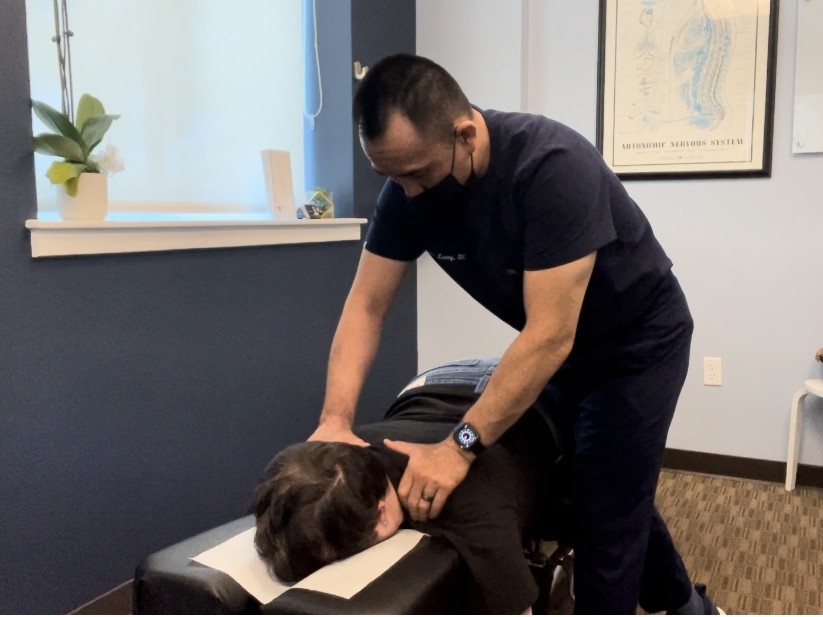
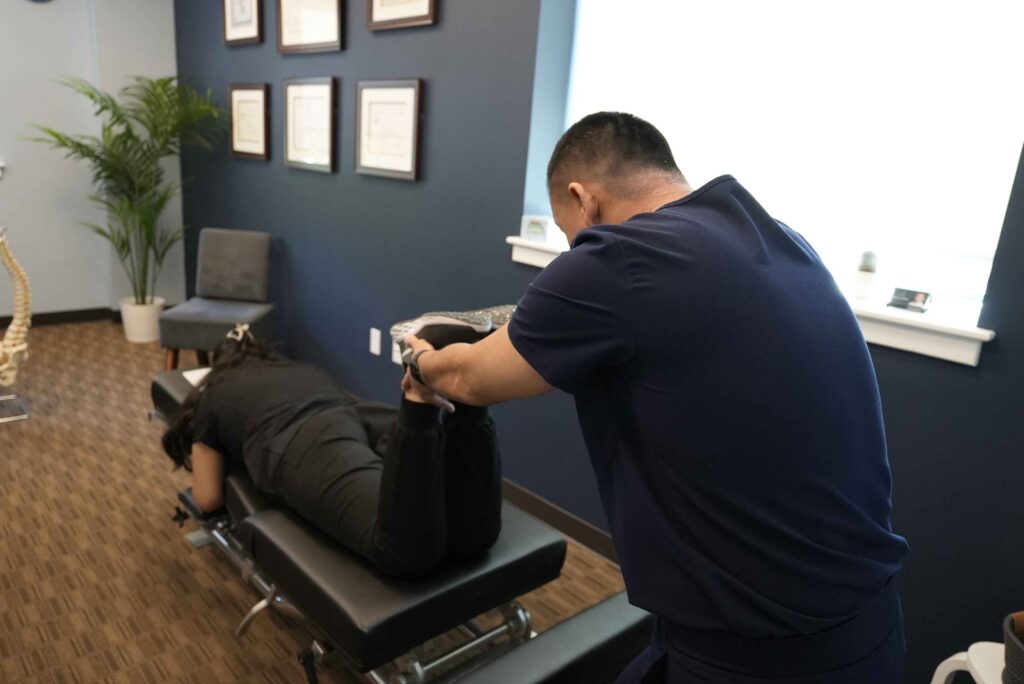
One of the most effective ways to combat tension headaches is through chiropractic care. By focusing on spinal alignment and overall body balance, chiropractic adjustments can alleviate tension, improve posture, and reduce stress on your nervous system. Regular chiropractic visits can not only help relieve headaches but also promote better health in general.
In addition to chiropractic care, here are some practical tips you can incorporate into your daily routine to ease tension headaches:
- Maintain Good Posture: Be mindful of your posture while sitting, standing, or working. Make sure your workstation is ergonomically set up to reduce strain on your neck and back.
- Stay Hydrated: Dehydration can contribute to headaches. Aim to drink plenty of water throughout the day to keep your body and mind functioning optimally.
- Practice Relaxation Techniques: Stress management is key. Incorporate deep breathing exercises, meditation, or gentle yoga into your daily routine to help reduce tension.
- Take Regular Breaks: If you’re working at a desk or staring at a screen, take regular breaks to stretch and move around. This can help alleviate muscle tension and improve circulation.
- Get Plenty of Sleep: Prioritize quality sleep to support your overall health. A well-rested body is better equipped to handle stress and tension.
By integrating these practices into your lifestyle and seeking regular chiropractic care, you can experience significant relief from tension headaches while promoting your overall health and wellness. Remember, taking a natural approach to your health is not only effective but also empowers you to take control of your well-being. Let’s work together to achieve optimal health!
Key Takeaways
- One effective way to help relieve tension headaches is by practicing deep breathing exercises. This technique not only relaxes your muscles but also increases oxygen flow, which can significantly alleviate headache discomfort.
- Staying hydrated is crucial for overall wellness and can also help reduce tension headaches. Aim to drink at least eight 8-ounce glasses of water each day to keep your muscles relaxed and functioning optimally.
- Incorporating regular stretching exercises, like gentle neck and shoulder rolls, can be incredibly beneficial. These stretches help relieve tension and improve your flexibility, which is essential for maintaining a healthy spine.
- Creating an ergonomic workspace is another important step. Proper posture while sitting can significantly reduce strain on your body, which in turn helps prevent tension headaches and contributes to better spinal health.
- Lastly, prioritizing quality sleep is vital for overall health. Aim for 7 to 9 hours each night. A well-rested body is better equipped to handle stress and reduce the frequency of headaches.
Remember, chiropractic care is an excellent way to address the root causes of headaches and promote natural wellness. Regular adjustments can help align your spine, improve posture, and enhance your overall health, leading to fewer headaches and a better quality of life.
Understanding Tension Headaches
Tension headaches can often feel like a tight band around your head, and they may arise from various triggers such as stress and poor posture. Many people experience these headaches after a long day at work, especially if they spend too much time hunched over a computer. These headaches can vary in intensity from mild to moderate, lasting anywhere from 30 minutes to several days. Unlike migraines, tension headaches typically don’t bring about nausea or sensitivity to light.
To effectively manage tension headaches, identifying your specific triggers is essential. You might discover that certain activities, like prolonged screen time, lack of sleep, or emotional stress, are contributing to your discomfort. By recognizing these factors, you can take proactive steps to reduce the frequency and intensity of your headaches.
One of the best approaches to address these headaches naturally is through chiropractic care. Regular chiropractic adjustments can help improve spinal alignment and posture, which can significantly reduce tension in the neck and shoulders—common areas where tension headaches originate.
In addition to chiropractic care, here are some simple tips to help you manage tension headaches:
- Maintain Good Posture: Be mindful of your posture, especially when sitting at a desk. Ensure your chair supports your lower back, and keep your computer screen at eye level to avoid straining your neck.
- Take Breaks: If you’re working on a computer for long periods, take regular breaks to stretch and rest your eyes. This can help reduce strain and discomfort.
- Stay Hydrated: Dehydration can contribute to headaches, so make sure you drink plenty of water throughout the day.
- Practice Relaxation Techniques: Stress management techniques such as deep breathing exercises, meditation, or yoga can help alleviate emotional stress, which is a common trigger for tension headaches.
- Get Enough Sleep: Aim for 7-9 hours of quality sleep each night. A regular sleep schedule can help minimize headaches.
By understanding how your lifestyle and habits influence your headaches, you can take steps to promote better health and wellness.
Relaxation Techniques to Alleviate Pain
When tension headaches strike, it’s important to remember that you have natural allies in your journey towards relief—relaxation techniques. Deep breathing exercises and progressive muscle relaxation are simple yet effective ways to ease the pain and tension you’re experiencing.
As a chiropractor, I often emphasize the importance of a healthy spine and nervous system in maintaining overall wellness. When your body is relaxed, it can help reduce the muscle tension that contributes to headaches. By focusing on your breath and consciously relaxing your muscles, you’re not only relieving immediate discomfort, but also promoting better alignment and function of your spine.
To incorporate deep breathing into your routine, find a quiet space, sit comfortably, and take slow, deep breaths. Inhale deeply through your nose, allowing your belly to expand, and then exhale slowly through your mouth. Aim for a few minutes each day to help calm your mind and body.
With progressive muscle relaxation, you can systematically tense and then relax each muscle group, starting from your toes and working your way up to your head. This not only helps to release built-up tension but also enhances your body awareness, which is crucial for maintaining a healthy posture.
Remember, regular chiropractic adjustments can also play a vital role in preventing tension headaches and promoting overall wellness. By ensuring that your spine is properly aligned, you can help reduce stress on your nervous system and improve your body’s natural ability to heal.
Incorporate these relaxation techniques into your routine, and consider scheduling regular chiropractic visits to support your journey towards optimal health. Together, we can work towards a pain-free life where you feel your best every day!
Deep Breathing Exercises
Have you ever noticed how your breath can change when you’re feeling stressed? As a chiropractor, I often see how stress can lead to physical discomfort, including tension headaches. One natural way to help relieve this discomfort is through deep breathing exercises. These exercises can complement your chiropractic care and enhance your overall well-being.
Start by finding a comfortable position, whether sitting or lying down. Inhale deeply through your nose, allowing your abdomen to rise as you fill your lungs with air. Hold that breath for a moment, then exhale slowly through your mouth, consciously letting go of any tension in your body. Repeat this process several times, focusing on the rhythm of your breath. This not only helps you relax but also increases oxygen flow to your brain, which can alleviate headache pain.
Incorporating deep breathing into your daily routine can be a powerful tool in managing stress and reducing the frequency of headaches. Remember, chiropractic care is designed to support your body’s natural healing processes, and adding simple practices like deep breathing can enhance the benefits you receive from your adjustments.
For optimal health, consider scheduling regular chiropractic visits, which can help align your spine and improve your overall function. Alongside these visits, practicing deep breathing can contribute to a healthier, pain-free life.
Take charge of your wellness journey today!
Progressive Muscle Relaxation
One highly effective method for relieving headaches and promoting relaxation is Progressive Muscle Relaxation (PMR). This technique is an excellent complement to chiropractic care, which aims to address the root causes of pain and tension in your body. PMR involves tensing and then relaxing different muscle groups, helping you become more aware of physical tension that may contribute to your headaches.
To get started, find a quiet and comfortable place to sit or lie down. Begin with your toes by tensing the muscles for about five seconds, then release and notice the difference. Gradually work your way up through your legs, abdomen, arms, and face. As you do this, focus on your breath—inhale deeply and exhale slowly. This mindful breathing can enhance the relaxation response and further alleviate tension.
Incorporating PMR into your routine can be a simple yet powerful tool for self-care. By practicing it regularly, you can reduce stress and lower muscle tension, which can complement the adjustments you receive during your chiropractic visits.
Remember, chiropractic care is designed to optimize your body’s function and promote natural healing, so combining these practices can lead to even greater relief from headache pain and enhance your overall well-being.
For ongoing wellness, consider scheduling regular chiropractic check-ups to maintain spinal health and prevent tension buildup. By taking proactive steps towards your health, you can enjoy a more vibrant, pain-free life.
The Importance of Proper Hydration
Staying properly hydrated is crucial for maintaining overall health and preventing tension headaches, which can be a common issue for many. Even mild dehydration can lead to increased muscle tension and discomfort, making you more susceptible to headaches.
When your body doesn’t get enough water, its ability to function effectively can be affected, potentially triggering these painful episodes. As a chiropractor, I want to share some straightforward tips to ensure you stay well-hydrated and support your body’s natural healing processes:
- Drink Water Regularly: Aim for at least eight 8-ounce glasses of water daily. Adjust this amount based on your activity level and the climate you live in. Keeping a water bottle with you can help remind you to sip throughout the day.
- Monitor Your Urine Color: A simple way to check your hydration status is by observing the color of your urine. A pale yellow color usually indicates good hydration, while a darker yellow suggests it’s time to drink more fluids.
- Incorporate Hydrating Foods: Enhance your hydration by including hydrating fruits and vegetables in your diet. Foods like cucumbers, oranges, and watermelon not only provide essential nutrients but also contribute to your fluid intake.
- Limit Dehydrating Beverages: Be mindful of your consumption of caffeine and alcohol, as these can lead to dehydration. Instead, focus on water and herbal teas to keep your hydration levels up.
By prioritizing proper hydration, you can help reduce muscle tension and discomfort, supporting your body’s natural ability to heal.
Simple Stretching Exercises
Incorporating simple stretching exercises into your daily routine can significantly alleviate tension headaches and enhance your overall comfort. As a chiropractor, I emphasize the importance of maintaining spinal health and promoting natural healing through regular movement.
Start with a shoulder roll: gently roll your shoulders back and forth. This exercise helps relieve tightness in your neck and upper back, which are common culprits of tension headaches.
Next, try the neck stretch. Tilt your head to one side, holding for about 15 seconds, then switch sides. You’ll likely feel the tension melting away, which can be incredibly beneficial for your daily comfort.
Another effective stretch is the upper back stretch. While sitting or standing, reach your arms forward, rounding your upper back and pushing your hands away from you. Hold this position for 15 seconds. This stretch not only helps alleviate discomfort but also promotes better posture.
Lastly, don’t forget the chest opener. Clasp your hands behind your back and gently lift them while opening your chest; hold this for 15 seconds. This exercise can counteract the slouching that often occurs from prolonged sitting and can enhance your lung capacity as well.
Incorporating these stretches into your routine can improve your flexibility and decrease the frequency of tension headaches.
Remember, chiropractic care is a fantastic way to achieve optimal health and wellness. Regular adjustments can support your body’s natural ability to heal and function at its best.
Make stretching a part of your day and consider visiting your chiropractor to further enhance your spine’s health and your overall well-being.
Creating a Comfortable Work Environment
To relieve tension headaches, creating a comfortable work environment is crucial for your overall health and well-being. Start by ensuring your desk setup is ergonomic, which means arranging your chair, desk, and computer in a way that supports your body properly throughout the day. This helps maintain good posture and reduces unnecessary strain on your spine, which is essential in preventing headaches and discomfort.
Pay attention to your lighting as well; proper lighting can significantly reduce eye strain, which often contributes to tension headaches. Natural light is best, so try to position your workstation near a window, or use soft, adjustable lighting to create a soothing atmosphere.
Additionally, consider incorporating regular breaks into your routine. Stand up, stretch, and move around periodically to keep your muscles active and your spine aligned. This simple habit can work wonders for preventing headaches and promoting a healthier work experience.
Remember, chiropractic care can be a powerful ally in your journey to achieving optimal health. Regular visits to a chiropractor can help ensure your spine is aligned correctly, reducing tension and pain in your body.
Ergonomic Desk Setup
As a chiropractor, I want to share how an ergonomic desk setup can play a significant role in reducing tension headaches, which many of my patients experience.
By making a few simple adjustments to your workstation, you can create a more comfortable environment that supports proper posture and minimizes strain on your spine and muscles.
Here are four key elements to consider:
- Chair Height: Make sure your chair is adjusted so that your feet are flat on the ground and your knees are at a right angle. This alignment helps maintain the natural curve of your spine, reducing stress on your back.
- Monitor Position: Position your computer monitor at eye level. This helps prevent unnecessary neck strain and encourages better posture while you work. Your head should be aligned over your shoulders, which is vital for spinal health.
- Keyboard and Mouse: Keep your keyboard and mouse close to your body, at elbow height. This reduces tension in your shoulders and arms, allowing for a more relaxed position that supports overall spinal alignment.
- Desk Space: Ensure that your desk has enough space for you to move freely and that essential items are within easy reach. A clutter-free workspace can help minimize stress and promote better focus, contributing to your overall well-being.
Remember, these small changes can lead to significant relief and contribute to a healthier lifestyle.
As you implement these ergonomic tips, consider regular chiropractic care to further support your spinal health and enhance your overall wellness.
Chiropractic adjustments can help address any underlying issues, providing a natural approach to pain relief and promoting optimal health.
Proper Lighting Conditions
Proper lighting conditions can significantly enhance your comfort and productivity at work, especially if you’re prone to tension headaches. As a chiropractor, I understand the importance of a well-lit environment not just for your eyes, but also for your overall spinal health and wellness. Here are some tips to create a suitable workspace that can help alleviate discomfort and promote a healthier lifestyle:
| Lighting Type | Effect on Headaches |
|---|---|
| Natural Light | Reduces eye strain and boosts mood |
| Soft Artificial Light | Decreases glare and promotes focus |
| Harsh Fluorescent Light | Increases fatigue and can lead to discomfort |
To create an optimal workspace, aim for a well-lit area that minimizes harsh shadows and bright spots. Here are some practical tips:
- Natural Light: Position your desk near windows to take advantage of natural light. Not only does it reduce eye strain, but it also enhances your mood, which can help keep stress levels down—a key factor in avoiding headaches.
- Adjustable Lighting: Use adjustable lamps to control brightness. This flexibility allows you to tailor the lighting to your comfort level. Soft, warm light is ideal for creating a calm space that promotes focus without causing discomfort.
- Avoid Harsh Fluorescent Light: If your workspace is filled with harsh fluorescent lights, consider using desk lamps that emit softer light. This can help decrease fatigue and discomfort, particularly for your eyes and spine.
Incorporating Regular Breaks Into Your Day
Incorporating regular breaks into your day is crucial for maintaining overall health and wellness, especially if you spend a lot of time in front of a computer screen. Long hours of screen time can lead to tension in the neck and shoulders, which is often a precursor to headaches.
By taking breaks, you not only give your eyes a rest but also alleviate stress on your spine and muscles, promoting better posture and overall well-being.
Here are some simple strategies to effectively incorporate breaks into your routine:
- Follow the 20-20-20 Rule: Every 20 minutes, look at something 20 feet away for 20 seconds. This helps relax your eye muscles and reduces strain, which can contribute to tension in your neck and back.
- Set a Timer: Use a timer or a wellness app to remind you to take a five-minute break every hour. These brief intervals allow your body to reset, helping you maintain a healthier posture and preventing discomfort.
- Stretch It Out: During your breaks, take a moment to stretch your neck and shoulders. Gentle stretches can relieve built-up tension and improve your flexibility, supporting better spinal health.
- Take a Walk: A short walk around your space can do wonders. It not only refreshes your mind but also promotes better circulation, which is key to reducing the likelihood of headaches and discomfort.
Remember, chiropractic care is an excellent way to enhance your health and manage pain. Regular visits to a chiropractor can help ensure that your spine is aligned, which is essential for optimal function.
The Role of Sleep in Headache Relief
Quality sleep is crucial for relieving headaches, especially tension headaches. As a chiropractor, I see firsthand how important it’s for our bodies to rest and recover. Research shows that individuals who enjoy restorative sleep tend to experience fewer headaches. When you’re well-rested, your body can manage stress and pain more effectively, which helps alleviate tension that can lead to headaches.
However, when sleep is compromised, muscle tension can increase, making you more sensitive to pain.
To enhance your sleep quality, consider these practical tips. First, establish a consistent bedtime routine. Aim for 7 to 9 hours of sleep each night and try to maintain the same sleep and wake schedule every day. This consistency helps regulate your body’s internal clock.
Next, create a calming sleep environment—your bedroom should be dark, cool, and quiet to promote relaxation. It’s also wise to limit screen time before bed, as the blue light emitted from devices can disrupt your sleep cycle. Instead, consider winding down with a calming activity, such as reading a book or practicing gentle stretches.
In addition to these sleep tips, regular chiropractic care can also support your journey toward better sleep and headache relief. Chiropractic adjustments can help alleviate muscle tension and enhance spinal alignment, which contributes to overall well-being.
Natural Remedies to Consider
If you’re dealing with tension headaches, you might be interested in natural remedies that can complement the benefits of chiropractic care and enhance your overall wellness.
As a chiropractor, I believe in a holistic approach to health, and there are several effective ways to ease your discomfort naturally. Here are some options to consider:
- Peppermint Oil: Applying diluted peppermint oil to your temples can create a soothing, cooling sensation and improve blood circulation, which may help alleviate headache pain. Just make sure to dilute it properly before use.
- Ginger Tea: Known for its anti-inflammatory properties, ginger can be a great ally in headache relief. Steep fresh ginger in hot water to create a comforting tea that can help ease tension.
- Lavender Aromatherapy: The calming scent of lavender essential oil can help reduce stress and promote relaxation, which are common triggers for tension headaches. Inhaling lavender can be a simple yet effective way to find relief.
- Magnesium-Rich Foods: Increasing your intake of magnesium can be beneficial in preventing headaches. Foods like nuts, seeds, and leafy greens are great sources of magnesium and can support your overall health.
Incorporating these natural remedies into your routine not only helps in managing tension headaches but also complements the chiropractic care you may be receiving.
Remember, regular chiropractic adjustments can help align your spine, reduce tension, and improve your overall well-being.
If you’re experiencing frequent headaches, consider discussing your symptoms with your chiropractor for tailored advice and treatment options. Taking care of your spine and overall health can be a powerful step towards feeling your best!
Conclusion
Incorporating these simple approaches into your daily routine can significantly aid in managing tension headaches, and chiropractic care plays a crucial role in achieving optimal health. By staying hydrated, practicing relaxation techniques, and making sure your workspace is ergonomically friendly, you can reduce strain on your body and promote overall well-being.
As a chiropractor, I emphasize the importance of spinal health in preventing and alleviating headaches. Regular chiropractic adjustments can help align your spine, relieve tension in your neck and shoulders, and enhance your body’s natural healing processes. This not only helps with headaches but also improves your overall health.
Don’t forget to take regular breaks to stretch and move around, especially if you work at a desk. Prioritizing quality sleep is also essential for headache relief, as a well-rested body can better cope with stress and tension.
Additionally, exploring natural remedies such as peppermint oil for topical application or sipping on ginger tea can provide added comfort. These simple yet effective strategies, combined with chiropractic care, can lead you to a healthier, headache-free life. Remember, taking care of your spine is a vital step toward achieving lasting wellness and pain relief.