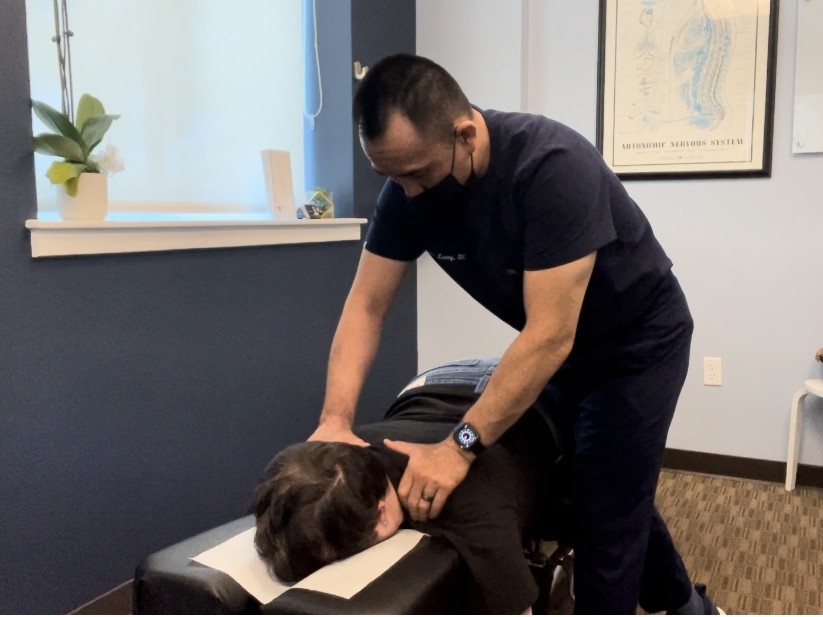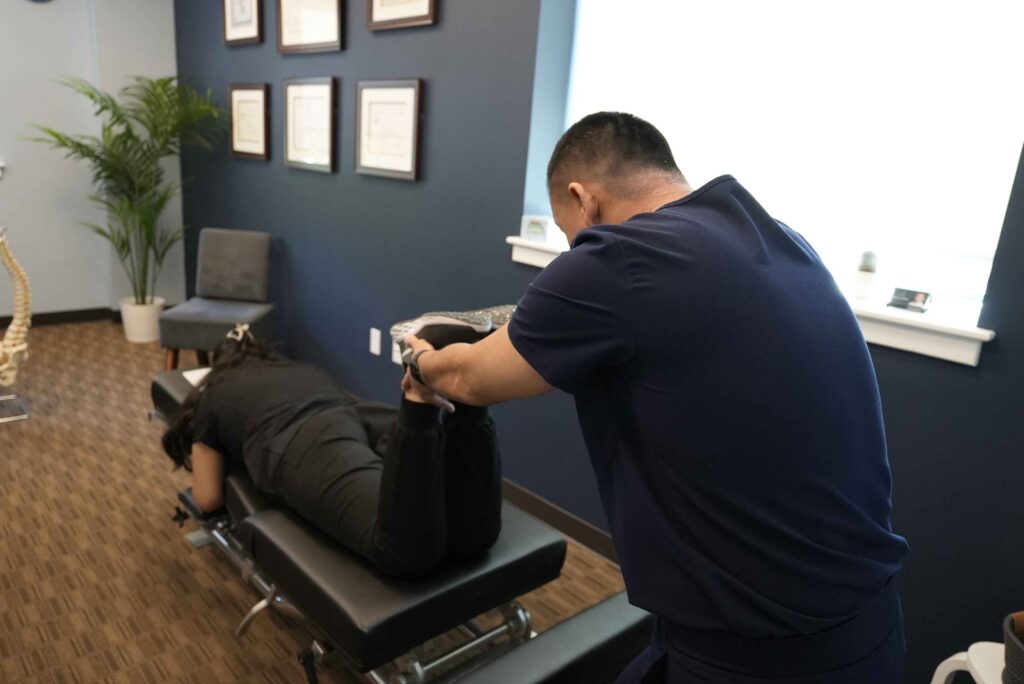
If you’ve ever experienced headaches or migraines, you understand how severely they can impact your daily life. Fortunately, there are practical strategies you can adopt to naturally manage these discomforts and enhance your overall well-being. As a local chiropractor, I believe that chiropractic care can be a powerful ally in your journey towards pain relief and optimal health.
Staying hydrated is essential, as dehydration can often trigger headaches. Additionally, identifying and avoiding personal triggers—such as certain foods, stress, or poor posture—can help you minimize discomfort. Regular spinal adjustments can also play a key role in alleviating tension in your neck and back, which may contribute to headache pain.
Maintaining good posture, especially when sitting for long periods, is crucial. Incorporate regular breaks to stretch and realign your spine. Simple techniques such as gentle neck stretches or applying heat can further ease tightness and discomfort.
Curious about the best tips to ease your pain and improve your quality of life? Let’s explore some effective methods that could help you regain control, keeping in mind that chiropractic care is your best option for natural healing and long-term wellness. Remember, small lifestyle changes can lead to significant improvements in how you feel. Take charge of your health today!
Key Takeaways
Managing headaches and migraines can be challenging, but there are several natural strategies that can help alleviate pain and promote overall wellness. As a local chiropractor, I believe in the power of natural healing and the importance of spinal health in managing headaches. Here are seven helpful tips:
- Stay Hydrated: Aim to drink at least eight 8-ounce glasses of water daily. Proper hydration is essential for preventing dehydration-related headaches. Keeping your body well-hydrated can support spinal health and overall wellness.
- Identify Triggers: Keeping a headache diary can be a game-changer. By tracking when your headaches occur and what might have contributed to them, you can identify personal triggers. Making simple lifestyle adjustments can help you avoid these headaches in the future.
- Practice Relaxation Techniques: Stress is a common contributor to headaches. Techniques like deep breathing, progressive muscle relaxation, and mindfulness meditation can be incredibly effective in reducing stress. These practices not only help with headaches but also promote a healthier spine and overall well-being.
- Maintain a Consistent Sleep Schedule: Quality sleep is crucial for reducing headache frequency. Aim for 7-9 hours of restorative sleep each night. A consistent sleep pattern can improve your overall health and help your body recover, including your spine.
- Chiropractic Care: Consider incorporating chiropractic care into your wellness routine. Chiropractors can create personalized treatment plans that address spinal misalignments, which can often be a hidden cause of headaches. Regular adjustments can help improve spinal function and promote natural healing.
- Exercise Regularly: Engaging in regular physical activity can strengthen your body and reduce tension that may lead to headaches. Activities like walking, swimming, or yoga can be beneficial. Plus, they contribute to better spinal health.
- Practice Good Posture: Pay attention to your posture throughout the day, especially if you spend long hours sitting or working at a desk. Proper alignment can reduce strain on your neck and back, which may help alleviate headache symptoms.
By incorporating these tips into your routine, you can take control of your headaches and promote a healthier, more balanced lifestyle. Remember, chiropractic care is a natural and effective way to support your body in achieving optimal health.
Stay Hydrated
Staying hydrated is crucial for effectively managing headaches and migraines, as even mild dehydration can lead to discomfort. Many people don’t realize how quickly dehydration can set in, especially when life gets busy or when you’re in a warm environment.
To help maintain your overall health and well-being, it’s important to drink water consistently throughout the day, rather than waiting until you feel thirsty. Aim for at least eight 8-ounce glasses daily, but always pay attention to your body’s signals; some days you may need more.
Keeping a water bottle on hand can serve as a helpful reminder to sip regularly. If plain water isn’t appealing to you, try herbal teas or infuse your water with fresh fruits for a refreshing twist. Be cautious of beverages that can contribute to dehydration, such as caffeine and alcohol. Staying mindful of your hydration levels can greatly enhance your comfort and potentially reduce the frequency of headaches.
As a chiropractor, I want to emphasize that proper hydration is just one aspect of achieving optimal health. Regular chiropractic adjustments can also play a vital role in your overall wellness, helping to align your spine and improve your body’s function.
Identify Triggers
Hydration is just one piece of the puzzle when it comes to managing headaches and migraines; identifying your specific triggers is equally vital. A great way to start is by keeping a headache diary. This means jotting down when your headaches occur, how intense they are, and any activities or foods you consumed beforehand. This practice can help you recognize patterns over time.
Common headache triggers can include stress, certain foods, changes in weather, and hormonal fluctuations. Once you pinpoint these triggers, you can take proactive steps to manage them. For example, if you find that chocolate is a consistent culprit for your headaches, consider reducing or eliminating it from your diet.
Don’t overlook your environment, either. Bright lights, strong odors, and loud noises can also contribute to headaches. Being mindful of these triggers can empower you to make changes that may reduce the frequency and intensity of your headaches and migraines.
As a chiropractor, I emphasize the importance of a holistic approach to health and wellness. Regular chiropractic care can help alleviate tension in your spine and improve overall body function, which may also contribute to reducing headache symptoms.
Incorporate relaxation techniques, such as deep breathing or gentle stretches, into your routine to further support your body’s natural healing processes.
Maintain a Regular Sleep Schedule
Maintaining a regular sleep schedule is a simple yet powerful way to support your overall health, particularly when it comes to managing headaches and migraines. By going to bed and waking up at the same time each day, you can help regulate your body’s internal clock. This regulation can lead to a decrease in the frequency and intensity of headaches. Aim for 7-9 hours of quality sleep each night, and consider establishing a soothing bedtime routine to enhance your sleep quality.
Here’s a handy table to help you set a consistent sleep schedule:
| Day | Sleep Time | Wake Time |
|---|---|---|
| Monday | 10:30 PM | 6:30 AM |
| Tuesday | 10:30 PM | 6:30 AM |
| Wednesday | 10:30 PM | 6:30 AM |
| Thursday | 10:30 PM | 6:30 AM |
| Friday | 10:30 PM | 6:30 AM |
| Saturday | 10:30 PM | 6:30 AM |
| Sunday | 10:30 PM | 6:30 AM |
Try to stick to this schedule even on weekends. Keeping your sleep routine consistent reinforces a healthy sleep pattern, which is essential for your body’s recovery and overall wellness.
Practice Relaxation Techniques
As a chiropractor, I understand that stress can often lead to headaches and migraines. One of the best ways to manage these symptoms is through relaxation techniques, which can complement your chiropractic care for optimal health.
Incorporating practices like deep breathing, progressive muscle relaxation, and mindfulness meditation into your daily routine can significantly reduce tension and promote a sense of calm. These techniques not only help alleviate discomfort but also support your overall well-being.
Start by dedicating a few minutes each day to focus on your breath. Inhale deeply through your nose, hold it for a moment, and then exhale slowly through your mouth. This simple exercise can help lower your heart rate and ease muscle tightness, enhancing the benefits of your chiropractic adjustments.
Progressive muscle relaxation is another effective method. It involves tensing and then relaxing each muscle group, beginning from your toes and working your way up to your head. This practice increases your awareness of physical tension and helps release any tightness that could be contributing to your headaches.
Additionally, incorporating mindfulness meditation into your routine, even for just 10 minutes a day, can help you stay present and reduce anxiety. By focusing on the here and now, you can ease stress, which may help reduce the frequency and severity of headaches and migraines.
By making these relaxation techniques a regular part of your life, alongside your chiropractic care, you can create a powerful approach to managing headaches and achieving natural wellness.
Use Cold or Warm Compresses
When you’re experiencing a headache or migraine, turning to natural remedies like cold or warm compresses can provide significant relief. Cold compresses are excellent for reducing inflammation and numbing pain, while warm compresses work wonders in relaxing tense muscles.
Using these compresses is simple! For a cold compress, wrap ice in a cloth or use a cold pack and apply it to your forehead or the back of your neck for about 15-20 minutes. This can help alleviate the throbbing sensation often associated with headaches.
On the other hand, for a warm compress, soak a cloth in warm water, wring it out, and place it on areas of tension such as your neck or shoulders. This helps to soothe tight muscles and promote relaxation.
Remember, while these methods can offer temporary relief, they’re best used in conjunction with regular chiropractic care. A chiropractor can help address the underlying issues contributing to your headaches, ensuring that you achieve long-term relief and optimal health.
By maintaining a healthy spine and nervous system, you can promote better overall wellness and reduce the frequency of headaches.
Incorporating these simple techniques into your routine can enhance your well-being. Always listen to your body and consider visiting your chiropractor for personalized advice and treatment options tailored to your needs.
Embracing a holistic approach to your health can lead to a happier, healthier life!
Benefits of Cold Compress
Applying a cold compress can be a beneficial method for alleviating headache or migraine pain, particularly if you notice that heat tends to worsen your symptoms. The cold sensation works by constricting blood vessels, which helps reduce inflammation and numb the affected area, often leading to immediate relief.
You don’t need any fancy equipment to try this—simply grab a cold pack, a bag of ice wrapped in a cloth, or even a cool towel. Place it on your forehead, temples, or the back of your neck for about 15-20 minutes. This technique not only helps ease pain but can also promote relaxation, which is essential for managing discomfort effectively.
While this is a great at-home remedy, remember to take breaks between applications to avoid skin irritation. It’s a simple and non-invasive technique that can provide significant relief and complement chiropractic care, which focuses on addressing the root causes of pain and promoting overall wellness.
If you’re experiencing frequent headaches or migraines, consider visiting a chiropractor. They can help identify any spinal misalignments or tension that may be contributing to your discomfort and work with you on a tailored plan for optimal health.
Incorporating regular chiropractic care into your wellness routine can be a powerful step towards achieving long-lasting relief and improving your quality of life.
Advantages of Warm Compress
While many people turn to cold compresses for headache relief, I encourage you to consider the benefits of warm compresses as well. They can be particularly effective for tension headaches and discomfort caused by muscle strain. When you apply warmth to the affected area, it helps relax tight muscles and improves blood circulation, which can alleviate pain and tension, making you feel more at ease.
Using a warm towel or a heating pad can offer soothing relief, especially if your headache is linked to muscle strain or stress. Plus, the warmth promotes a sense of relaxation, which is beneficial if stress is a contributor to your headaches. Remember to use a comfortable temperature to avoid any additional discomfort.
Incorporating warm compresses into your routine can be a simple yet effective way to enhance your wellness. However, it’s essential to remember that these methods can complement chiropractic care, which addresses the root causes of pain and promotes overall health.
If you’re experiencing persistent headaches or discomfort, I recommend visiting a chiropractor. They can provide personalized care and guidance to help you achieve optimal health naturally.
As a general tip, practice good posture and take regular breaks during your day to reduce tension in your neck and shoulders. These small adjustments can make a significant difference in how you feel. Always prioritize your body’s signals and consider natural healing options as part of your wellness journey.
Application Techniques and Tips
Managing headaches and migraines can be challenging, but there are natural techniques that can provide relief without the need for medications or invasive procedures. As a chiropractor, I believe in the power of holistic approaches to wellness, and using compresses is one effective method to alleviate discomfort.
Here are some practical tips to enhance your experience with cold and warm compresses:
- Cold Compress: To ease headache pain, take a cold pack wrapped in a cloth and gently place it on your forehead for about 15-20 minutes. This can help numb the pain and reduce any inflammation. It’s a simple, natural way to find relief.
- Warm Compress: If you’re dealing with tension headaches or neck pain, try using a warm towel or a heating pad on your neck and shoulders. This warmth can help relax tight muscles and promote better blood flow, making you feel more comfortable.
- Alternate Techniques: Experiment with alternating between cold and warm compresses. Some individuals find that switching back and forth can provide the best relief. Pay attention to how your body responds and adjust accordingly.
Always remember to listen to your body; if something feels too hot or too cold, make sure to adjust the temperature to prevent skin irritation.
These simple techniques can be a great addition to your self-care routine, and when combined with chiropractic care, they can support your journey toward optimal health and wellness. By addressing the root causes of your discomfort, chiropractic adjustments can enhance your overall well-being and provide lasting relief.
Consider Over-the-Counter Medications
As a local chiropractor passionate about health and wellness, I believe that managing headaches and migraines can be approached in a natural and holistic way. While some people may turn to over-the-counter (OTC) medications like acetaminophen or ibuprofen for quick relief, it’s important to consider alternative methods that promote overall health without relying on pills.
Chiropractic care focuses on the spine and nervous system, which play a crucial role in how our bodies function. Misalignments in the spine can lead to tension and discomfort, contributing to headaches and migraines. Regular chiropractic adjustments can help restore proper alignment, alleviate pressure, and reduce pain naturally.
In addition to chiropractic care, there are several simple tips you can incorporate into your daily routine to help manage headaches:
- Stay Hydrated: Dehydration can trigger headaches. Make sure to drink plenty of water throughout the day.
- Practice Good Posture: Poor posture can strain your neck and back, leading to tension headaches. Be mindful of your posture, especially when sitting at a desk.
- Manage Stress: Stress is a common headache trigger. Techniques like deep breathing, meditation, or yoga can help you relax and reduce stress levels.
- Get Regular Exercise: Physical activity promotes overall health and can help reduce the frequency of headaches. Aim for regular movement, whether it’s a walk, stretching, or other forms of exercise.
- Keep a Headache Diary: Tracking your headaches can help you identify triggers and patterns, allowing you to make lifestyle adjustments to prevent future occurrences.
If you find yourself frequently experiencing headaches, it’s worth exploring chiropractic care as a long-term solution. By addressing the root cause of your discomfort, you can achieve lasting relief and improve your overall well-being.
Seek Professional Help
If you’re dealing with persistent headaches or migraines, considering chiropractic care may be an important step toward achieving relief and improving your overall well-being. A chiropractor can provide valuable insights into how spinal health influences headaches, and they focus on natural, holistic treatments that address the root causes rather than merely masking symptoms.
Here are some reasons to think about chiropractic care for your headaches:
- Spinal Alignment: Misalignments in the spine can contribute to tension headaches and migraines. A chiropractor can help restore proper alignment, which may alleviate pain and improve your overall health.
- Personalized Care: Chiropractors assess your unique situation and develop a tailored treatment plan that fits your specific symptoms and lifestyle. This ensures that you receive care that’s directly aligned with your needs.
- Natural Healing: Instead of relying on medications, chiropractic care offers natural methods to help your body heal itself. Techniques such as spinal adjustments, massage, and lifestyle advice can lead to long-lasting relief without the side effects of drugs.
- Holistic Approach: Chiropractors consider the whole person, addressing not just the symptoms but also factors like posture, stress, and nutrition that can play a role in headaches. By improving your overall health, you may find greater relief from headaches.
To help you manage headaches in between chiropractic visits, consider these general tips:
- Stay Hydrated: Dehydration can trigger headaches, so make sure you’re drinking plenty of water throughout the day.
- Practice Good Posture: Maintaining proper posture, especially when sitting for long periods, can help reduce tension in your neck and back.
- Manage Stress: Incorporate relaxation techniques such as deep breathing, yoga, or meditation into your daily routine to help alleviate stress-related headaches.
- Regular Exercise: Engaging in regular physical activity can improve your spinal health and overall well-being. Aim for activities that you enjoy and that keep you moving.
Conclusion
By implementing these tips, you can take charge of your headaches and migraines naturally. Staying well-hydrated, identifying any triggers, and establishing a consistent sleep schedule are crucial steps toward alleviating discomfort. Moreover, incorporating relaxation techniques, such as deep breathing or gentle stretches, can be beneficial. Applying cold or warm compresses to the head or neck area can also provide soothing relief.
As a chiropractor, I want to emphasize that spinal health plays a significant role in overall well-being. Regular chiropractic adjustments can help improve spinal alignment, which may reduce the frequency and intensity of headaches. It’s essential to listen to your body and seek professional guidance when needed. A chiropractor can work with you to create a personalized care plan that addresses the underlying causes of your pain, promoting natural healing and better health.
Remember, with a proactive and holistic approach that includes chiropractic care, you can significantly diminish the impact of headaches and migraines on your daily life. By focusing on natural wellness, you’re not just managing symptoms; you’re enhancing your overall health.