Tension headaches can disrupt your daily routine and diminish your productivity, but there are effective ways to find relief. As a local chiropractor, I believe that natural healing and spinal health are key to achieving optimal wellness. Here are some practical strategies to help alleviate tension headaches and promote a healthier lifestyle.
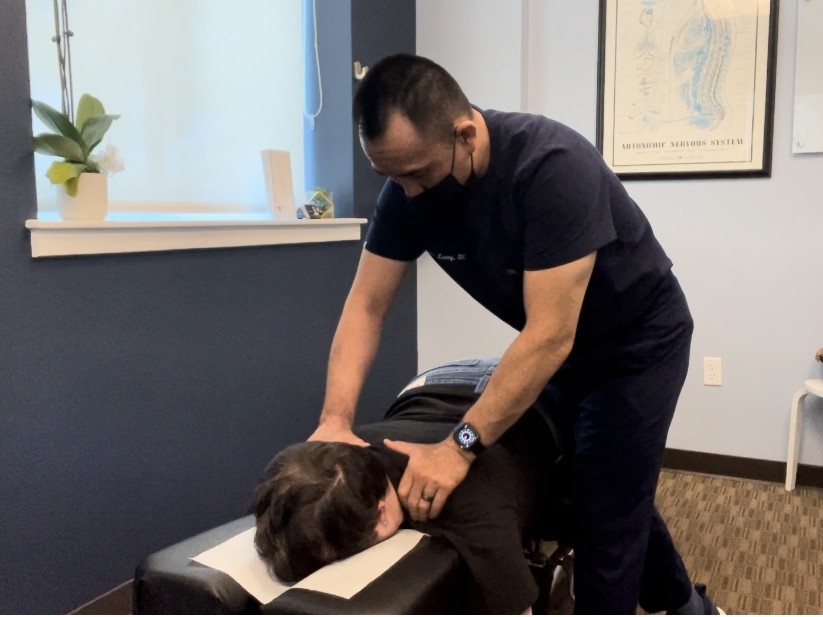
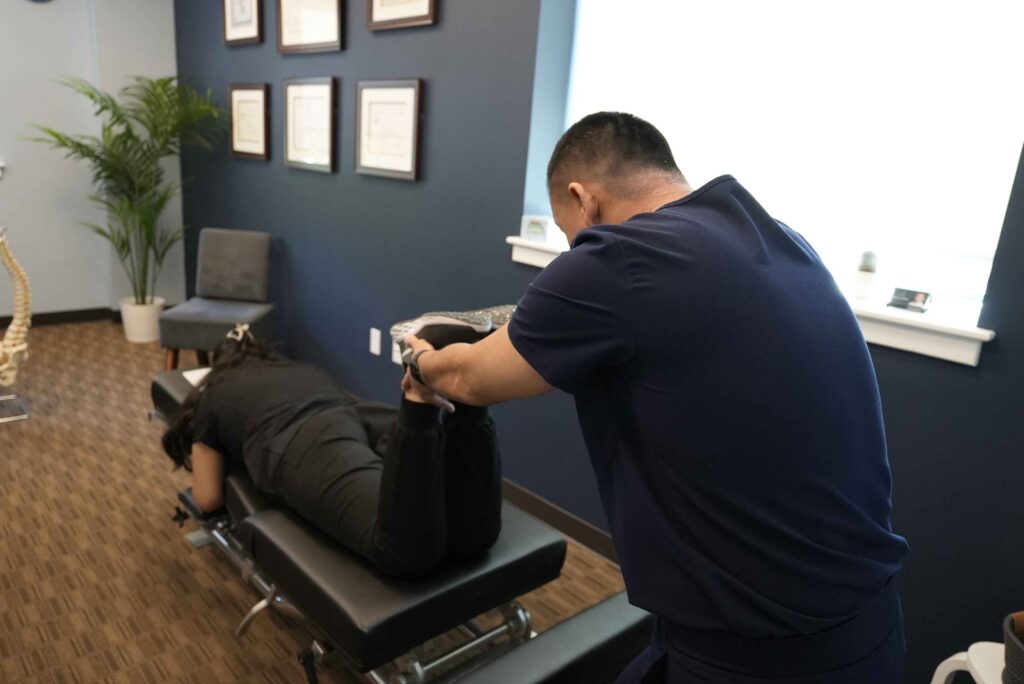
- Regular Chiropractic Adjustments: One of the most effective ways to relieve tension headaches is through chiropractic care. By ensuring proper spinal alignment, you can reduce muscle tension and improve overall function, which can significantly decrease the frequency and intensity of headaches.
- Posture Awareness: Poor posture can contribute to tension headaches. Be mindful of your posture while sitting, standing, and using electronic devices. Keeping your spine aligned can help prevent unnecessary strain on your neck and shoulders.
- Stress Management Techniques: Chronic stress is a major contributor to tension headaches. Incorporate relaxation techniques such as deep breathing, meditation, or yoga into your daily routine to help manage stress levels and promote relaxation.
- Hydration: Dehydration can trigger headaches, so it’s essential to drink plenty of water throughout the day. Keeping your body hydrated helps maintain optimal bodily functions and can reduce the likelihood of headaches.
- Regular Exercise: Physical activity can help relieve tension and improve your overall health. Aim for regular exercise, such as walking or stretching, to reduce muscle tightness and promote better circulation.
- Adequate Sleep: Ensure you’re getting enough quality sleep each night. Establishing a consistent sleep schedule and creating a restful environment can help prevent tension headaches related to fatigue.
- Heat or Cold Therapy: Applying a warm compress or a cold pack to your neck and shoulders can provide immediate relief from muscle tension and headache discomfort. Experiment with both to see which works best for you.
Incorporating these strategies into your daily life can significantly reduce tension headaches and improve your overall well-being. Remember, chiropractic care is a natural and effective choice for pain relief and maintaining optimal health. If you’re experiencing frequent headaches, consider visiting your local chiropractor to discuss a personalized care plan tailored to your needs. Your journey to a headache-free life starts with a healthy spine!
Key Takeaways
- Practice Good Posture: Keeping your spine aligned is essential for overall health. Ensure your workstation is ergonomic and take regular breaks to stretch and move. This helps reduce neck and shoulder strain, which are common contributors to tension headaches.
- Stay Hydrated: Drinking plenty of water throughout the day is crucial. Dehydration can trigger tension headaches, so aim to keep a water bottle nearby and sip regularly to maintain hydration.
- Incorporate Relaxation Techniques: Incorporating simple relaxation techniques like mindfulness, meditation, or deep breathing can significantly reduce stress levels. Managing stress is key in alleviating headache frequency and intensity.
- Utilize Cold and Heat Therapy: Applying cold packs or warm compresses to your forehead or neck for 15-20 minutes can help relieve tension and discomfort. Whether you prefer the soothing warmth or the refreshing coolness, both can be effective in managing headache pain.
- Consider Chiropractic Care: Chiropractic adjustments can help alleviate muscle tension and improve spinal alignment, which may contribute to fewer headaches. Regular visits to a chiropractor can promote relaxation and enhance your overall wellness, making it a natural choice for headache management.
By incorporating these strategies into your routine, you can take an active role in reducing tension headaches and improving your overall health. Remember, a well-aligned spine and a focus on natural wellness are key components in achieving optimal health.
Practice Relaxation Techniques
Finding peace amid chaos is essential for easing tension headaches, and incorporating relaxation techniques into your routine can greatly enhance your overall well-being. As a chiropractor, I want to emphasize that taking care of your spine and nervous system is crucial for achieving optimal health.
One of the simplest and most effective methods you can start with is deep breathing exercises. Just a few minutes of focused inhalation and exhalation can clear your mind and significantly reduce stress levels. This practice not only relaxes your body but also promotes better spinal alignment by encouraging mindfulness and relaxation.
Progressive muscle relaxation is another beneficial technique. It involves tensing and then relaxing different muscle groups. This practice helps you become aware of where you hold tension, which is often linked to spinal misalignments. By releasing this tension, you may find relief from headaches and improve your overall posture.
Meditation is an excellent way to regain focus and tranquility. Even a brief session can help align your thoughts and reduce stress. If you ever feel overwhelmed, try guided imagery—imagine a peaceful scene that allows your mind to escape. This mental practice can complement your chiropractic care by fostering a calm and balanced state.
Don’t overlook the benefits of gentle yoga or stretching, either. These movements enhance flexibility and promote relaxation, which is vital for maintaining a healthy spine. Incorporating these practices along with regular chiropractic adjustments can significantly improve your body’s ability to combat tension headaches and promote natural healing.
Maintain Good Posture
Maintaining good posture is vital for your overall health and can significantly help in preventing tension headaches. Many people don’t realize that slouching or leaning forward can put excessive strain on your neck and shoulder muscles, leading to discomfort and headaches.
As a chiropractor, I want to emphasize the importance of being aware of your body alignment throughout the day, especially if you find yourself seated for extended periods.
To enhance your posture, start by keeping your shoulders back and aligning your chin parallel to the ground. If you spend a lot of time at a desk, ensure that your chair and computer screen are adjusted so that your eyes are level with the top of your monitor. This simple adjustment can make a world of difference in reducing strain.
Incorporating regular breaks into your routine is another effective way to combat poor posture. Stand up, stretch, and walk around every hour. These small movements help relieve tension that can accumulate from maintaining a static position for too long.
Remember, chiropractic care is an excellent option for achieving optimal health and wellness. A chiropractor can provide personalized assessments and adjustments to support your spine and overall posture.
Regular chiropractic visits can help you maintain proper alignment, reduce pain, and enhance your quality of life.
For a healthier lifestyle, focus on these simple tips: be mindful of your posture, take frequent breaks, and consider incorporating chiropractic care into your routine for natural relief and support. Your body will thank you!
Stay Hydrated
Staying hydrated is a key component of overall wellness and can play a significant role in preventing tension headaches. When your body is dehydrated, it can lead to discomfort and pain, especially in the head and neck areas.
As a chiropractor, I recommend aiming for about 8 glasses of water a day, though your individual needs may vary depending on your activity level and the climate you live in.
In addition to drinking enough water, pay attention to your body’s signals. If you experience symptoms such as a dry mouth, fatigue, or increased tension in your neck and shoulders, it might be a sign that you need to hydrate.
Remember, a well-hydrated body is better equipped to maintain spinal health and reduce the risk of headaches.
To further support your wellness journey, consider incorporating regular chiropractic care into your routine. Adjustments can help alleviate tension in the spine and surrounding muscles, promoting better hydration throughout your body and enhancing overall function.
Importance of Hydration
Staying hydrated is crucial for not only your overall health but also in preventing those pesky tension headaches. As a chiropractor, I want to emphasize how hydration can support your body’s natural healing processes and contribute to optimal wellness. Here’s why drinking enough water is so important:
- Boosts Blood Flow: Proper hydration keeps your blood volume up, which means that oxygen and nutrients can flow freely to your brain. This is essential for keeping headaches at bay and ensuring that your body functions at its best.
- Relieves Muscle Tension: When you’re well-hydrated, you’re less likely to experience muscle cramps and tightness. Since muscle tension can often trigger headaches, staying hydrated can help keep your muscles relaxed and reduce discomfort.
- Supports Brain Function: Dehydration can lead to decreased concentration and focus, which can heighten stress levels and potentially lead to headaches. By drinking enough water, you’re supporting your cognitive function and promoting a calm, focused mind.
- Regulates Body Temperature: Adequate hydration helps your body maintain a stable temperature, preventing overheating and the discomfort that can lead to headaches.
To make hydration a part of your daily routine, here are some simple tips:
- Carry a water bottle with you throughout the day to remind yourself to drink.
- Set reminders on your phone to take a hydration break.
- Incorporate water-rich foods like fruits and vegetables into your meals.
- Start your day with a glass of water to kickstart your hydration.
Remember, chiropractic care can also play a significant role in your overall wellness. Regular adjustments can help improve your body’s function and alleviate tension that may contribute to headaches.
Recommended Daily Intake
Understanding how much water you should be drinking each day is crucial for maintaining essential hydration, which is key for overall health and wellness. While the general recommendation is about 8 cups (64 ounces) daily, this can vary based on your activity level, climate, and individual needs. Adequate hydration not only helps prevent tension headaches but also supports your body’s natural functions, which is vital for spinal health and overall well-being.
Here’s a simple guide to your daily water intake that can enhance your health:
| Activity Level | Recommended Intake | Notes |
|---|---|---|
| Sedentary | 8 cups (64 oz) | Minimum for average adults |
| Moderate Activity | 10 cups (80 oz) | Includes light exercise |
| High Activity | 12+ cups (96+ oz) | Intense workouts require more |
Listening to your body is essential. If you’re feeling fatigued or experiencing discomfort, it might be a sign to increase your water intake. Staying hydrated can significantly improve your overall well-being and support your spinal health.
Incorporating proper hydration into your daily routine is just one of many steps you can take towards achieving optimal health. Remember, chiropractic care is a fantastic way to enhance your body’s natural healing abilities and maintain a healthy spine. By focusing on hydration and regular chiropractic adjustments, you can pave the way for a healthier, more vibrant life.
Signs of Dehydration
How can you tell if your body isn’t getting enough water? Dehydration can creep up on you, causing not just discomfort but also contributing to issues like tension headaches. As a chiropractor, I believe in a holistic approach to wellness, and staying hydrated is a key aspect of maintaining your overall health. Here are some signs to watch for:
- Dry Mouth: If your mouth feels dry or parched, it’s a clear signal that your body needs more fluids. Hydration is essential for maintaining healthy spinal discs and overall bodily function.
- Fatigue: Are you feeling unusually tired or sluggish? Dehydration can drain your energy levels, making it harder for you to stay active and engaged in your daily life—something that’s vital for a healthy spine.
- Dark Urine: If your urine appears darker than a pale yellow, it’s a sign that you need to drink more water. Staying hydrated not only supports your kidneys but also aids in the proper function of your entire body, including your musculoskeletal system.
- Headaches: Frequent headaches can often be linked to inadequate hydration. Ensuring you drink enough water can help alleviate these headaches, reducing the need for pain relief measures that may not address the root cause.
By prioritizing hydration, you can help prevent these symptoms and support your overall health.
Make it a habit to sip water throughout the day, especially if you’re active or spend time in warm environments.
Remember, chiropractic care complements good hydration by promoting spinal health and ensuring that your body functions optimally.
Stay hydrated and take steps toward a healthier, pain-free life!
Apply Cold or Heat Therapy
One effective way to relieve tension headaches is through the use of cold or heat therapy. As a chiropractor, I often encourage patients to explore these natural methods alongside their chiropractic care for optimal health.
To start, you can apply cold therapy by using a cold pack or even a bag of frozen vegetables wrapped in a cloth. Place it gently on your forehead or the back of your neck for about 15 to 20 minutes. The cold helps numb the pain and reduce inflammation, providing quick relief. This technique complements the adjustments and care you receive in my office by addressing muscle tension and discomfort.
On the other hand, heat therapy can also be incredibly beneficial. A warm compress or a heating pad applied to your neck and shoulders can help ease muscle tension and promote blood flow. If you enjoy a warm shower, this can also provide soothing relief while helping you to relax your mind and body.
I suggest experimenting with both methods to discover which one works best for you. Many of my patients find that alternating between cold and heat therapies brings the most relief. Remember to always wrap cold or heat sources in a cloth to protect your skin and avoid burns or frostbite.
In addition to these therapies, consider incorporating regular chiropractic adjustments into your routine. Chiropractic care not only addresses the root cause of headaches by aligning the spine but also enhances your overall wellness.
Together with these home remedies, you can achieve a healthier, pain-free life.
Engage in Regular Physical Activity
As a local chiropractor, I want to share how engaging in regular physical activity can be a natural and effective way to alleviate tension headaches. Exercise not only releases endorphins and improves blood flow, but it also helps reduce stress—key factors in easing headache symptoms.
While I always recommend considering chiropractic care for optimal health and pain relief, incorporating physical activity into your daily routine can complement your wellness journey. Here are some simple and effective ways to add movement to your life:
- Walking: Taking a brisk 30-minute walk can significantly improve your mood and reduce tension. It’s a great way to clear your mind while promoting better spinal health.
- Yoga: Practicing yoga can enhance your flexibility and encourage relaxation. It’s particularly beneficial for relieving muscle tension, which is often a contributing factor to headaches.
- Swimming: The calming effects of water can help reduce stress while providing a full-body workout. The buoyancy of water also takes the pressure off your spine, making it a gentle option for exercise.
- Strength Training: Incorporating weights into your routine helps build muscle and relieve physical tension. Stronger muscles can help support your spine better, leading to less strain and discomfort.
Remember, while these activities can be beneficial, regular chiropractic care is key to maintaining spinal health and preventing headaches in the first place.
If you’re struggling with tension headaches, consider visiting your chiropractor for a personalized approach to your wellness. Together, we can create a plan that includes physical activity and chiropractic adjustments to ensure you feel your best.
Consider Over-the-Counter Pain Relief
If you’re dealing with tension headaches, it’s understandable to seek quick relief. While many people turn to over-the-counter pain medications like ibuprofen or acetaminophen, there are more natural and holistic approaches that can provide long-lasting benefits. As a chiropractor, I believe that addressing the root cause of your headaches is crucial for effective pain relief.
One of the most effective ways to manage tension headaches is through chiropractic care. By focusing on spinal alignment and overall body function, chiropractors can help relieve the tension that often contributes to headaches. Regular adjustments not only help alleviate pain but can also improve your posture and reduce muscle strain, leading to fewer headaches in the long run.
In addition to chiropractic adjustments, consider integrating some simple lifestyle changes that can enhance your overall well-being. Staying hydrated, practicing stress-reducing techniques like deep breathing or meditation, and ensuring you get enough sleep can all contribute to headache prevention.
Regular exercise, particularly activities that promote flexibility and strength, can also help relieve tension in your neck and shoulders.
If you find yourself frequently experiencing headaches, it might be a good idea to evaluate your daily habits and stressors. Consulting with a healthcare professional, particularly a chiropractor, can provide valuable insights into how you can achieve optimal health without relying on medication.
Explore Alternative Therapies
While chiropractic care is incredibly effective for managing tension headaches by addressing spinal alignment and overall nervous system function, exploring complementary therapies can enhance your relief and promote a balanced state of well-being.
Here are four alternative therapies that can work alongside your chiropractic treatment:
- Acupuncture: This ancient practice involves inserting thin needles into specific points on your body. Many people find that acupuncture promotes relaxation and helps alleviate pain, making it a useful addition to chiropractic care.
- Massage Therapy: Regular massages can help ease muscle tension and improve circulation, both of which may reduce the frequency and intensity of headaches. When combined with chiropractic adjustments, massage can significantly enhance your overall comfort.
- Herbal Supplements: Certain herbs, like feverfew and butterbur, have been shown to help with headache symptoms. However, it’s essential to consult with your chiropractor or healthcare provider before adding any new supplements to your routine, ensuring they align with your overall health goals.
- Yoga and Meditation: Incorporating yoga and meditation into your daily routine can foster relaxation and lower stress levels. These practices not only contribute to better mental health but also work in harmony with chiropractic care to improve your overall wellness and help manage tension headaches.
As you explore these options, remember that maintaining a healthy lifestyle, staying hydrated, and practicing good posture can also play significant roles in preventing headaches.
Conclusion
Incorporating these strategies into your daily routine can significantly help in managing tension headaches naturally and effectively. Start by practicing relaxation techniques such as deep breathing or meditation, which can help calm your mind and reduce stress. Maintaining good posture throughout the day is crucial, as poor alignment can contribute to tension in your neck and shoulders, leading to headaches. Staying hydrated is another simple yet powerful way to support your overall health and potentially prevent headaches.
Regular physical activity, tailored to your ability, plays a vital role in alleviating stress and tension. Chiropractic care can also be an excellent choice for addressing the underlying causes of headaches. By ensuring proper spinal alignment, a chiropractor can help relieve tension in the muscles and nerves that may be contributing to your discomfort.
Don’t overlook the benefits of using cold or heat therapy at home. Applying a warm compress or an ice pack can soothe tight muscles and reduce inflammation. While over-the-counter pain relief options exist, I encourage you to explore natural solutions first, as they can be more sustainable for your overall health.
Lastly, consider exploring alternative therapies such as acupuncture or massage, which can complement your chiropractic care and enhance your healing journey. Remember, finding the right combination of strategies that work for you is essential for long-term relief and overall wellness. Embrace the path to optimal health through chiropractic care and these supportive practices!