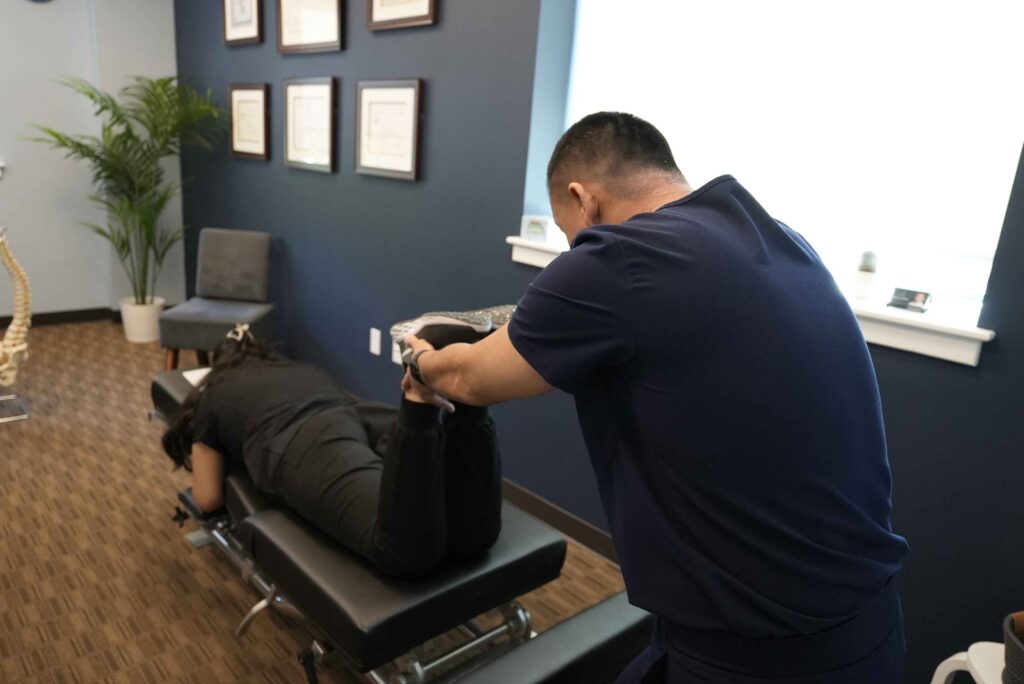
If you’ve ever suffered from a migraine, you know just how overwhelming and debilitating they can be. Many factors can trigger these painful episodes, but one powerful and often overlooked solution is chiropractic adjustments. By focusing on aligning your spine and improving nerve flow, chiropractic care can provide significant relief from migraine pain.
So, how do these adjustments work to alleviate migraines? When your spine is misaligned, it can put pressure on the nerves and disrupt the natural communication between your brain and body. This disruption can lead to tension and headaches, including migraines. Chiropractic adjustments help correct these misalignments, restoring proper alignment and function to your nervous system. As a result, many patients experience a reduction in the frequency and intensity of their migraines.
Incorporating chiropractic care into your wellness routine can be a game changer for managing migraines. Here are a few tips to get started:
- Schedule Regular Adjustments: Consistency is key when it comes to chiropractic care. Regular adjustments can help maintain proper spinal alignment and prevent the recurrence of migraines.
- Practice Good Posture: Pay attention to your posture throughout the day, especially if you spend long hours at a desk. Proper posture can reduce tension in your neck and shoulders, which may help prevent migraines.
- Stay Hydrated: Dehydration is a common trigger for migraines. Make sure you’re drinking enough water throughout the day to keep your body functioning optimally.
- Manage Stress: High stress levels can contribute to migraines. Consider incorporating relaxation techniques such as deep breathing, yoga, or meditation into your daily routine to help manage stress.
- Eat a Balanced Diet: Certain foods can trigger migraines for some individuals. Keeping a food diary to identify and avoid these triggers while focusing on a balanced diet can help reduce the likelihood of migraine episodes.
By choosing chiropractic care as your primary approach to managing migraine pain, you are taking a natural and holistic path towards better health and wellness. Remember, your body has an incredible ability to heal itself when given the right support. If you’re ready to take control of your health, consider scheduling a consultation to see how chiropractic adjustments can benefit you!
Key Takeaways
How Chiropractic Adjustments Can Help Alleviate Migraine Pain
If you suffer from migraines, you know how debilitating they can be. As a local chiropractor, I want to share how chiropractic adjustments can be a powerful tool in managing and alleviating migraine pain naturally.
- Realigning Your Spine: Chiropractic adjustments work to realign the spine, which can relieve tension that often triggers or worsens migraine pain. By restoring balance to your spine, we can help reduce the frequency and intensity of your migraines.
- Enhancing Nerve Flow: When your spine is properly aligned, it allows for better nerve flow throughout your body. This improved communication between your nervous system and your body promotes better overall function, which can significantly reduce migraine symptoms.
- Reducing Muscle Tightness: Tight muscles in the neck and shoulders are common culprits behind migraines. Chiropractic adjustments can help alleviate this tightness, providing relief and preventing future episodes.
- Maintaining Good Posture: Regular chiropractic care emphasizes the importance of proper posture. By helping you maintain good posture, we can reduce strain on your body and minimize potential migraine triggers.
- Combining Therapies for Better Results: While chiropractic adjustments are incredibly effective on their own, combining them with other natural techniques—like stress management practices—can enhance your relief even further. Simple practices such as deep breathing, mindfulness, or gentle stretching can complement your chiropractic care.
Tips for Managing Migraines Naturally:
- Stay hydrated: Drink plenty of water throughout the day.
- Keep a migraine diary: Track your triggers and symptoms to identify patterns.
- Prioritize sleep: Aim for a consistent sleep schedule to help reduce stress on your body.
- Engage in regular physical activity: Gentle exercises, like walking or yoga, can improve overall well-being.
By choosing chiropractic care, you’re taking a proactive step towards achieving optimal health and wellness. If you’re struggling with migraines, I encourage you to explore how chiropractic adjustments can help you find relief naturally. Your journey to better health starts here!
Understanding Migraines and Their Triggers
Understanding Migraines and Their Triggers: A Chiropractic Perspective
Migraines can often feel overwhelming and may strike without warning. However, gaining insight into their triggers is essential for managing your pain effectively and achieving a better quality of life. By identifying what brings on your migraines, you can take proactive steps to minimize their impact. Some common triggers include stress, certain foods, hormonal fluctuations, and lack of sleep.
One powerful tool in managing migraines is keeping a migraine diary. This simple practice allows you to track when and where your migraines occur, helping you recognize specific patterns and triggers unique to you. You may find that certain foods, such as aged cheese, caffeine, or alcohol, can lead to an attack. By being mindful of your diet, you can make informed choices that support your well-being.
In addition to dietary changes, incorporating stress management techniques can significantly reduce the frequency of migraines. Practices like deep breathing exercises, meditation, or gentle yoga can create a sense of calm and balance in your life. Moreover, it’s essential to be aware of your environment, as changes in weather or strong odors can also act as triggers.
As a chiropractor, I emphasize the importance of spinal health in relation to overall wellness. Misalignments in the spine can contribute to tension and stress in your body, which may worsen migraine symptoms. Regular chiropractic adjustments can help restore proper alignment, alleviate tension, and promote natural healing, allowing your body to function optimally.
Here are some general tips to help you manage migraines naturally:
- Stay Hydrated: Dehydration can trigger migraines, so aim to drink plenty of water throughout the day.
- Establish a Sleep Routine: Prioritize a consistent sleep schedule to ensure you get restorative rest each night.
- Practice Regular Exercise: Engaging in regular physical activity can help reduce stress and improve overall health, potentially lowering the risk of migraine attacks.
- Limit Caffeine and Alcohol: Be mindful of your intake of these substances, as they can be common triggers for many people.
- Seek Chiropractic Care: Regular visits to your chiropractor can help address spinal misalignments and reduce tension in the body, leading to fewer migraines and enhanced overall wellness.
By taking these steps and integrating chiropractic care into your wellness routine, you can empower yourself to manage migraines more effectively and achieve optimal health.
The Connection Between Posture and Migraines
Maintaining good posture is crucial for managing migraines, and as a chiropractor, I want to emphasize how significant this connection is. When you slouch or hunch over, it can create additional strain on your neck and shoulders, leading to tension that may trigger a migraine. By keeping your spine aligned and your head balanced over your shoulders, you can reduce this unnecessary stress and discomfort.
You mightn’t realize it, but the way you sit, stand, or even sleep can greatly affect your overall well-being. Poor posture may lead to muscle imbalances and tightness, which can worsen headache symptoms. This is where chiropractic care can make a real difference. By addressing misalignments in your spine, we can help alleviate tension and promote better posture, ultimately reducing the frequency and intensity of your migraines.
To improve your posture on your own, focus on engaging your core muscles and keeping your shoulders relaxed. Here are some simple tips you can incorporate into your daily routine:
- Take Frequent Breaks: If you’re sitting for long periods, make it a habit to stand up, stretch, and adjust your position regularly. This can help relieve tension in your neck and shoulders.
- Mind Your Workspace: Ensure your desk, chair, and computer are set up ergonomically. Your screen should be at eye level, and your chair should support your lower back.
- Practice Good Sleep Posture: When sleeping, try to maintain a neutral spine position. A supportive pillow can help keep your head aligned with your spine.
- Stay Active: Regular physical activity can strengthen your muscles and improve overall posture. Simple exercises like stretching and core strengthening can go a long way.
Chiropractic Care: A Natural Approach to Relief
Chiropractic care provides a natural and effective solution for easing migraine pain through precise spinal adjustments. These adjustments not only help reduce discomfort but also promote your overall health and well-being. By choosing chiropractic care, you embrace a holistic approach that empowers your body to heal itself.
When you visit your chiropractor, they’ll assess your spinal alignment and identify any areas that may be contributing to your migraines. Through gentle manipulations, we can restore proper alignment, relieve tension, and improve blood flow, which may significantly reduce the frequency and intensity of your migraines.
In addition to chiropractic adjustments, there are several tips you can incorporate into your daily routine to support your health and well-being. Staying hydrated, practicing good posture, and managing stress through techniques like deep breathing or yoga can all play a role in reducing migraine triggers.
Regular exercise and a balanced diet rich in nutrients are also key components of a healthier lifestyle that can enhance your overall wellness.
By exploring the benefits of chiropractic care and integrating these simple lifestyle changes, you may discover a pathway to lasting relief from migraines and a stronger foundation for your overall health journey.
Embrace the natural healing power of chiropractic care and take the first step towards a migraine-free life today!
Benefits of Chiropractic Adjustments
If you’re seeking relief from migraine pain, chiropractic adjustments may be the natural solution you’ve been looking for. These gentle adjustments focus on correcting misalignments in your spine, which can often lead to tension and discomfort. By restoring proper alignment, you can reduce muscle tension and improve blood flow, potentially resulting in fewer and less intense migraines.
Chiropractic care goes beyond just addressing the pain—it’s about enhancing your overall well-being. When your spine is aligned, your body is better equipped to handle the stressors that may trigger migraines. Many of my patients report feeling more relaxed and less anxious after their adjustments, which can significantly help manage migraine symptoms.
Incorporating chiropractic adjustments into your wellness routine is a proactive step towards alleviating migraine pain naturally and effectively. Here are a few tips to consider:
- Stay Hydrated: Dehydration can trigger migraines, so make sure you’re drinking plenty of water throughout the day.
- Maintain Good Posture: Poor posture can lead to spinal misalignments. Be mindful of how you sit and stand, especially if you work at a desk.
- Manage Stress: Techniques such as deep breathing, meditation, or yoga can help you reduce stress and lower the likelihood of migraines.
- Regular Adjustments: Consistent chiropractic care can help maintain spinal alignment and keep your body functioning optimally.
- Listen to Your Body: Pay attention to your triggers and be proactive in addressing them.
Choosing chiropractic care means opting for a holistic approach to your health. Together, we can work towards achieving optimal wellness and reducing the impact of migraines on your life.
Techniques for Migraine Relief
If you’re seeking effective ways to relieve migraine symptoms, chiropractic care offers some powerful techniques that can make a difference. One of the most beneficial methods is spinal manipulation. This technique involves gently adjusting the vertebrae in your spine, which can help realign them, relieve tension, and improve blood flow. This not only reduces nerve irritation but can also lead to significant pain relief.
Another helpful approach is soft tissue therapy. By applying gentle pressure to tight muscles, we can promote relaxation and ease discomfort. This can be especially effective for those who carry tension in their neck and shoulders, which often contributes to migraine pain.
Additionally, considering postural training can be very beneficial. Poor posture can lead to misalignments in your spine and contribute to the onset of migraines. By working on your posture, you can help prevent these triggers and promote better overall alignment.
Regular chiropractic adjustments can enhance your spinal health, helping to reduce both the frequency and intensity of migraine attacks. Incorporating these techniques into your wellness routine can lead to significant relief and a better quality of life.
As a general tip, staying hydrated, practicing stress management techniques like deep breathing or yoga, and ensuring you maintain a balanced diet can also support your journey toward migraine relief.
The Role of Physical Therapy in Migraine Management
While many people think of migraines as something that can only be treated with medication, chiropractic care offers a powerful, natural approach to managing these intense headaches. By focusing on the alignment of the spine and the overall health of the musculoskeletal system, chiropractors can help identify and address issues that may be contributing to your migraines.
Techniques such as spinal adjustments, gentle manipulations, and targeted exercises can relieve tension in the neck and shoulders—common areas where tightness can lead to migraine attacks. When the spine is properly aligned, it can improve nerve function and blood flow, which may help reduce the frequency and severity of migraines.
In addition to adjustments, chiropractors can provide guidance on maintaining good posture and ergonomic practices in your daily life, which can significantly minimize strain on your body. Simple changes, like how you sit at your desk or carry your bag, can make a big difference in your overall comfort and headache prevention.
Moreover, incorporating relaxation techniques, such as deep breathing exercises and mindfulness practices, can help lower stress levels—an often-overlooked trigger for migraines. By engaging in personalized chiropractic care, you can take charge of your health and work towards long-term relief.
Remember, the goal of chiropractic care isn’t just to alleviate symptoms but to promote overall wellness. By prioritizing spinal health and making healthy lifestyle choices, you can enhance your quality of life and reduce the impact of migraines on your daily activities.
If you’re dealing with migraines, consider visiting a chiropractor to explore a holistic and natural path toward relief.
How Spinal Alignment Affects Neurological Function
Spinal alignment is crucial for how well your nervous system functions. When your spine is misaligned, it can disrupt the nerve signals that carry messages between your brain and body. On the other hand, when your spine is in proper alignment, it allows for optimal nerve flow, which enhances communication between your central nervous system and the rest of your body. This is essential for overall health and can significantly affect how you experience pain, including migraines.
Misalignments in your spine can put pressure on nerves, leading to dysfunction and various symptoms. For example, if your spine isn’t aligned correctly, you may feel increased tension or discomfort, which can worsen migraine attacks. By seeking chiropractic care to address these spinal misalignments, you can restore proper function and reduce interference in your nerve pathways. This not only helps ease migraine pain but also promotes better neurological function, enabling your body to respond more effectively to stress and maintain balance.
To support your spinal health and overall well-being, consider incorporating these simple tips into your daily routine:
- Maintain Good Posture: Whether sitting at a desk or standing, be mindful of your posture. Keep your shoulders back and your spine straight to reduce strain on your back and neck.
- Stay Active: Regular movement is key. Engage in low-impact exercises like walking, swimming, or yoga to help keep your spine flexible and strong.
- Stay Hydrated: Drink plenty of water throughout the day. Hydration is important for maintaining the health of your spinal discs and overall bodily function.
- Practice Stress Management: Stress can lead to muscle tension, which may affect spinal alignment. Incorporate relaxation techniques such as deep breathing, meditation, or gentle stretching to help manage stress.
- Schedule Regular Chiropractic Visits: Regular check-ups with your chiropractor can help ensure your spine remains aligned and functioning properly, supporting your overall health and wellness.
The Impact of Tension and Stress on Migraine Frequency
Misalignments in your spine can lead to increased tension, which often contributes to the onset of migraines. When you’re under stress, your body reacts by tightening muscles, particularly around your neck and shoulders. This tension can trigger or worsen migraine episodes.
As a chiropractor, I want to share how managing tension and stress through proper spinal alignment and care can significantly reduce the frequency of migraines. Here are three ways tension and stress impact migraine frequency, along with tips for natural relief:
- Muscle Tightness: Stress often leads to muscle contraction, putting pressure on nerves and increasing pain sensations. Regular chiropractic adjustments can help relieve this muscle tightness by restoring proper alignment, allowing your body to relax and reduce the tension that contributes to migraines.
- Hormonal Changes: Stress hormones can alter your body’s pain perception, making you more sensitive to migraine triggers. By maintaining a healthy spine through chiropractic care, you can promote better hormonal balance and improve your body’s overall response to stress.
- Sleep Disruption: High stress levels can interfere with sleep quality, which is essential for migraine prevention. Chiropractic adjustments can help improve your sleep by alleviating discomfort and promoting relaxation, allowing your body to rest and recover more effectively.
In addition to chiropractic care, here are some general tips to help manage tension and stress:
- Practice Relaxation Techniques: Engage in deep breathing, meditation, or yoga to help calm your mind and body.
- Stay Active: Regular physical activity can help reduce stress and keep your muscles relaxed.
- Prioritize Sleep: Establish a regular sleep routine to improve your sleep quality, which can be vital for migraine prevention.
By prioritizing your spinal health and incorporating these strategies, you can take significant steps toward reducing migraine frequency and achieving optimal wellness.
Simple Posture Corrections for Daily Relief
Making simple posture corrections can significantly alleviate migraine pain in your everyday life. As a chiropractor, I believe that maintaining proper spinal alignment is crucial for overall health and wellness. By creating an ergonomic workspace, incorporating regular stretching and mobility exercises, and practicing mindful breathing techniques, you can reduce tension and promote relaxation naturally.
Here are some practical strategies to help you find relief:
- Set Up an Ergonomic Workspace: Ensure your desk, chair, and computer monitor are at the right heights. Your chair should support your lower back, and your monitor should be at eye level to prevent straining your neck.
- Incorporate Stretching and Mobility Exercises: Regularly take breaks to stretch your neck, shoulders, and back. Gentle neck rolls, shoulder shrugs, and upper back stretches can relieve built-up tension.
- Practice Mindful Breathing Techniques: Deep breathing exercises can help calm your mind and reduce stress, which may contribute to migraines. Try inhaling deeply through your nose, holding for a few seconds, and exhaling slowly through your mouth.
- Stay Hydrated: Dehydration can trigger migraines, so make sure to drink plenty of water throughout the day.
- Consider Chiropractic Care: Regular chiropractic adjustments can help maintain proper spinal alignment, reduce tension in your muscles, and promote overall well-being. A chiropractor can work with you to develop a personalized care plan that addresses your specific needs.
Implementing these simple strategies can lead to lasting relief and improved health.
Ergonomic Workspace Setup
Creating an ergonomic workspace is essential not just for comfort but also for maintaining proper posture, which can significantly reduce migraine pain. As a chiropractor, I emphasize that small adjustments in your environment can lead to substantial improvements in your overall health and well-being.
Here are three simple yet effective changes you can make to your workspace to promote better spinal health and alleviate discomfort:
- Chair Height: Set your chair height so that your feet rest flat on the floor. This position allows your knees to be at a 90-degree angle, which helps maintain a healthy alignment of your spine. A well-adjusted chair supports your back and encourages good posture, reducing strain on your neck and shoulders.
- Monitor Position: Position your computer monitor at eye level, approximately an arm’s length away. This setup helps avoid neck strain, which can contribute to migraines. Keeping your head in a neutral position allows your spine to remain aligned, promoting better overall health.
- Keyboard and Mouse Placement: Place your keyboard and mouse close enough to prevent reaching. Your wrists should remain straight and relaxed while typing. This not only reduces the risk of repetitive strain injuries but also keeps your upper body in a more balanced posture.
By incorporating these ergonomic practices into your daily routine, you’re taking proactive steps toward enhancing your spinal health and reducing pain.
Stretching and Mobility Exercises
Incorporating stretching and mobility exercises into your daily routine can significantly enhance your well-being and provide relief from migraine pain. These simple movements promote better blood flow and help alleviate tension in common areas like your neck, shoulders, and back—where stress tends to accumulate.
As a chiropractor, I encourage you to try gentle neck stretches, such as tilting your head from side to side or rolling your shoulders in circular motions. These exercises can help release built-up tension and contribute to a healthier spine.
Another beneficial exercise is the chest opener: clasp your hands behind your back and gently pull your shoulders down. This not only helps improve mobility but also encourages proper alignment.
It’s essential to maintain good posture throughout the day. By standing tall and aligning your spine, you can make a significant difference in your overall comfort and health. Small adjustments, like being mindful of your posture while sitting or standing, can lead to long-term benefits.
Remember, consistency is key. Aim to practice these exercises daily to see the best results.
By integrating stretching and mobility exercises into your routine, you’re taking a proactive step toward natural healing and optimal health. Chiropractic care complements these efforts by addressing underlying issues in your spine, ensuring that your body functions at its best.
Embrace these practices to not only alleviate migraine pain but also enhance your overall wellness.
Mindful Breathing Techniques
Mindful breathing techniques can be an excellent addition to your wellness routine, especially for managing migraine pain and promoting relaxation. By focusing on your breath, you can effectively reduce tension and stress that might lead to migraines.
As a chiropractor, I believe that incorporating these techniques can complement your chiropractic care, helping you achieve optimal health naturally. Here are three simple breathing exercises you can try:
1. Deep Belly Breathing: Find a comfortable seated position. Place one hand on your belly and inhale deeply through your nose, allowing your belly to rise as you fill your lungs fully. Exhale slowly through your mouth, letting go of any tension.
Try this for five minutes. This technique not only calms the mind but also helps improve oxygen flow throughout your body, which is essential for overall health.
2. Box Breathing: This method involves inhaling for a count of four, holding your breath for another count of four, exhaling for four, and then holding again for four.
This structured pattern helps center your mind and can be particularly beneficial when you’re experiencing stress or discomfort. It’s a great way to practice mindfulness and can enhance the effectiveness of your chiropractic adjustments.
3. Counting Breaths: Inhale and exhale while counting each breath up to ten, then start over.
This simple practice keeps your mind focused and calms racing thoughts, making it easier to relax and unwind after a long day.
Incorporating these mindful breathing practices into your daily routine can provide significant relief and enhance your overall well-being.
Remember that while these techniques are beneficial, regular chiropractic adjustments play a vital role in maintaining a healthy spine and nervous system, which is crucial for managing pain and promoting natural healing.
Embrace these tools alongside your chiropractic care for the best results in achieving a healthier, pain-free life.
Exercises to Strengthen the Neck and Upper Back
Strengthening your neck and upper back can significantly alleviate migraine pain, as these areas often hold tension and stress. Incorporating targeted exercises into your daily routine is a natural way to release that built-up tension and promote overall wellness.
Begin with simple neck stretches: gently tilt your head to one side and hold for 15 seconds, then switch to the other side. This helps to loosen tight muscles and improve flexibility. Next, try shoulder shrugs—raise your shoulders towards your ears, hold for a moment, and then relax them back down. This exercise not only enhances blood flow but also reduces tightness in the upper back and neck.
For your upper back, wall angels are an excellent choice. Stand with your back against a wall and slide your arms up and down while maintaining contact with the wall. This movement helps strengthen the upper back muscles and improves posture, which can be beneficial for overall spinal health.
Additionally, using resistance bands for seated rows can further strengthen your upper back, providing support for proper alignment. Aim to incorporate these exercises into your routine consistently; just a few minutes each day can lead to noticeable improvements in how you feel.
Remember, it’s important to listen to your body. If you experience discomfort or you’re unsure about any exercise, consulting with a chiropractor can help guide you on the best practices for your individual needs.
By strengthening your neck and upper back, you can create a solid foundation for your spinal health, making it easier to manage migraine pain naturally. Chiropractic care plays a vital role in helping you achieve optimal health, so consider it as a valuable part of your wellness journey.
Embrace these exercises as part of your self-care routine, and you’ll be on your way to a healthier, more vibrant life.
Integrating Adjustments Into Your Migraine Management Plan
When managing your migraines, it’s crucial to identify your specific triggers and understand how chiropractic adjustments can play a pivotal role in your relief journey. Chiropractic care focuses on aligning your spine and optimizing your nervous system, which can significantly alleviate migraine symptoms.
Incorporating various chiropractic techniques tailored to your needs can enhance your overall well-being. Techniques such as spinal adjustments, soft tissue therapy, and posture correction can help reduce tension in your body, which often contributes to migraines.
Additionally, consider complementary therapies like massage and relaxation techniques that pair well with chiropractic care. These can help further reduce stress and tension, making a notable difference in how you feel.
Remember, creating a personalized migraine management plan that includes regular chiropractic visits can empower you to take control of your health. By focusing on natural healing and healthier living, chiropractic care stands out as a powerful tool in your journey toward optimal wellness.
Here are some general tips to help manage migraines:
- Maintain a consistent sleep schedule to promote overall health.
- Stay hydrated by drinking plenty of water throughout the day.
- Practice stress-reduction techniques like deep breathing or meditation.
- Keep a diary to track your triggers and patterns.
Understanding Migraine Triggers
Identifying migraine triggers is crucial for effectively managing your discomfort, and understanding these factors can empower you to make positive lifestyle changes. As a chiropractor, I believe that addressing the underlying issues contributing to migraines is key, and chiropractic care can play a significant role in your overall wellness.
Here are three common triggers to be aware of and some tips for managing them naturally:
1. Dietary Choices: Certain foods, like aged cheeses, processed meats, and excessive caffeine, can lead to migraines. To take control of your health, consider keeping a food diary to track what you eat and how it affects you. By recognizing which foods may provoke your migraines, you can make informed dietary choices that promote better health.
Additionally, incorporating whole, nutrient-dense foods can support your overall wellness.
2. Stress Levels: Emotional stress is a well-known trigger for tension headaches and migraines. Chiropractic care can help alleviate tension in your body and promote relaxation. Consider incorporating stress-reducing practices such as mindfulness, deep-breathing exercises, or gentle yoga into your daily routine.
Regular chiropractic adjustments can also help to relieve physical tension, supporting your body’s natural healing process.
3. Sleep Patterns: Irregular sleep can be a significant migraine trigger. Establishing a consistent sleep schedule is vital for restorative rest. Aim to go to bed and wake up at the same time each day, creating a calming bedtime routine.
Chiropractic care can further enhance your sleep quality by addressing spinal misalignments that may be affecting your relaxation and comfort during the night.
By being aware of these common migraine triggers and making mindful adjustments to your lifestyle, you can take significant steps toward managing your migraines naturally.
Chiropractic Techniques Explained
Chiropractic techniques provide a range of effective methods for managing migraines naturally. One of the most popular approaches is spinal manipulation, a gentle technique that helps realign the vertebrae and enhance your overall spinal function. By relieving tension in the neck and back, spinal manipulation can significantly reduce the frequency and intensity of migraines.
Another beneficial technique is cranial sacral therapy, which focuses on the skull and spine to improve the flow of cerebrospinal fluid. This can help ease migraine symptoms and promote a sense of overall well-being.
Soft tissue therapies, such as massage and trigger point therapy, are also valuable tools. These methods release muscle tension and boost circulation, contributing to your body’s natural healing processes.
Incorporating these chiropractic techniques into your migraine management plan can create a comprehensive approach to wellness. Here are some general tips to keep in mind:
- Stay Hydrated: Drinking plenty of water can help prevent dehydration, which is a common migraine trigger.
- Maintain Good Posture: Be mindful of your posture, especially when sitting for long periods. Proper alignment can reduce tension and strain on your neck and back.
- Practice Relaxation Techniques: Incorporating practices like deep breathing, meditation, or yoga can help manage stress, a known migraine trigger.
- Get Regular Chiropractic Care: Regular visits to a chiropractor can help maintain spinal health and prevent future migraine episodes.
Remember, every individual is unique, so it’s essential to consult with a qualified chiropractor to tailor a plan that suits your specific needs.
Complementary Therapies Overview
Incorporating complementary therapies into your migraine management plan can enhance the benefits of chiropractic adjustments, leading to better overall health and well-being.
Here are three effective, natural options to consider that align well with chiropractic care:
- Acupuncture: This time-honored practice involves stimulating specific points on the body to relieve migraine pain. By promoting relaxation and improving blood circulation, acupuncture can complement the adjustments you receive in chiropractic care, creating a holistic approach to pain management.
- Herbal Supplements: Natural remedies like feverfew and butterbur have been shown to help reduce the frequency and severity of migraines. Before starting any herbal supplements, it’s essential to have a conversation with your chiropractor or healthcare provider to ensure they fit well with your overall wellness strategy.
- Mindfulness and Meditation: Stress and anxiety are common triggers for migraines. Mindfulness techniques and meditation can help you manage these feelings, making it easier to cope with pain when it arises.
Incorporating these practices into your daily routine not only supports your mental well-being but also enhances the effectiveness of your chiropractic treatments.
By integrating these complementary therapies with your chiropractic care, you can create a robust plan for managing migraines naturally and effectively.
Success Stories: Real-Life Experiences With Adjustments
Chronic migraines can be a daunting challenge, but many success stories demonstrate how chiropractic adjustments can significantly alleviate this pain. If you’re seeking relief, you might find inspiration in the experiences of others who’ve embraced chiropractic care as a natural solution.
Take Sarah, for example. After years of suffering from migraines, she began visiting a chiropractor regularly. To her delight, she noticed a substantial reduction in the frequency of her headaches. Not only did her migraines become less frequent, but she also felt an overall improvement in her health and well-being.
Then there’s Mark, who found relief by incorporating chiropractic principles into his daily routine. By focusing on his posture and practicing simple stretches, he was able to ease the tension that often triggered his migraines. Just a few minutes each day made a significant difference for him.
These stories remind us that chiropractic care can be a powerful tool in the quest for relief from chronic headaches. Whether it’s through spinal adjustments, lifestyle changes, or stress management techniques, many individuals have transformed their lives by prioritizing their spine health.
If you’re experiencing migraines, here are some practical tips to consider:
- Regular Chiropractic Visits: Schedule regular appointments with a chiropractor to address spinal misalignments that may contribute to headaches.
- Posture Awareness: Pay attention to your posture throughout the day. Keeping your spine aligned can help reduce tension that leads to migraines.
- Daily Stretching: Incorporate gentle stretching into your daily routine. Simple neck and shoulder stretches can help alleviate tension and prevent headaches.
- Mindfulness Practices: Engage in mindfulness or relaxation techniques, such as deep breathing or meditation, to manage stress levels.
- Stay Hydrated: Ensure you’re drinking enough water throughout the day, as dehydration can often trigger migraines.
Remember, finding the right combination of chiropractic care and healthy lifestyle choices can lead to remarkable results. With persistence and dedication, you too can experience relief and improved wellness.
Don’t hesitate to explore the benefits of chiropractic care—it’s a natural path toward achieving optimal health.
Conclusion
Incorporating chiropractic adjustments into your migraine management plan can significantly enhance your quality of life. By focusing on spinal alignment and enhancing nerve flow, chiropractic care can help you experience fewer and less intense migraine attacks. As your local chiropractor, I encourage you to combine adjustments with good posture and targeted exercises for the best results.
Here are some practical tips to consider:
- Maintain Good Posture: Whether you’re sitting at a desk or standing, be mindful of your body alignment. Keeping your spine straight can reduce unnecessary tension that may trigger migraines.
- Stay Hydrated: Dehydration can be a common migraine trigger. Make sure you’re drinking enough water throughout the day to stay well hydrated.
- Regular Exercise: Gentle exercises like walking or stretching can improve blood flow and reduce stress, both of which can help manage migraines.
- Mindfulness and Relaxation Techniques: Practices like deep breathing, meditation, or yoga can help lower stress levels, which may reduce the frequency of migraine attacks.
- Routine Adjustments: Regular chiropractic visits can help maintain spinal health, ensuring optimal nerve function and reducing the likelihood of migraines.
With dedication to these approaches, along with chiropractic care, you can take control of your migraines and find lasting relief. Remember, your journey to wellness starts with a commitment to a healthier lifestyle and the right support.