If you’ve ever dealt with headaches, you understand how they can disrupt your daily life. Luckily, there are numerous natural techniques to alleviate headache pain without resorting to medications. As a chiropractor, I believe in the power of the body’s natural healing abilities and the importance of spinal health in achieving overall wellness. Here are some effective strategies that can help you find relief and promote better health:
- Stay Hydrated: Dehydration is a common trigger for headaches. Make sure you’re drinking enough water throughout the day. A good rule of thumb is to aim for at least eight 8-ounce glasses daily.
- Practice Good Posture: Poor posture can contribute to tension headaches. Be mindful of your sitting and standing positions, especially if you work at a desk. Ensure your workspace is ergonomically set up to support your spine.
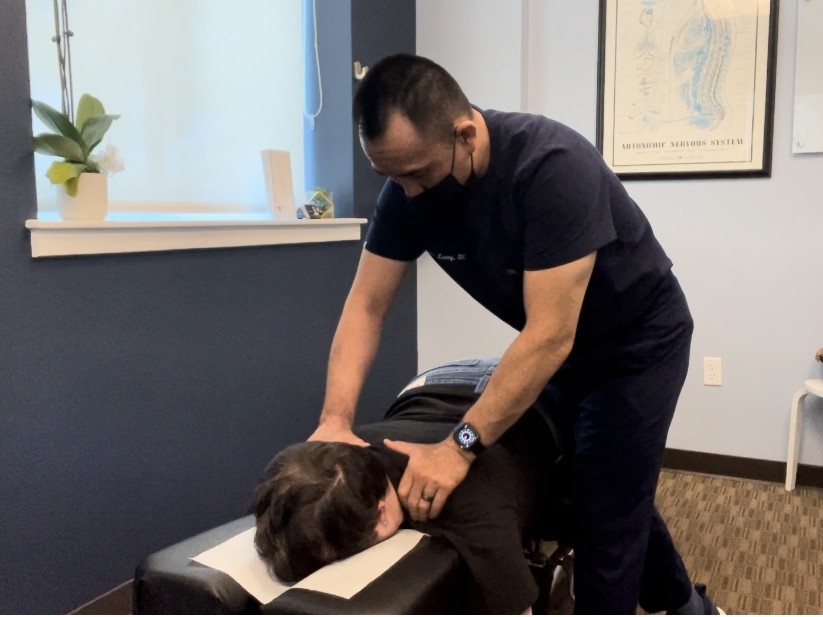
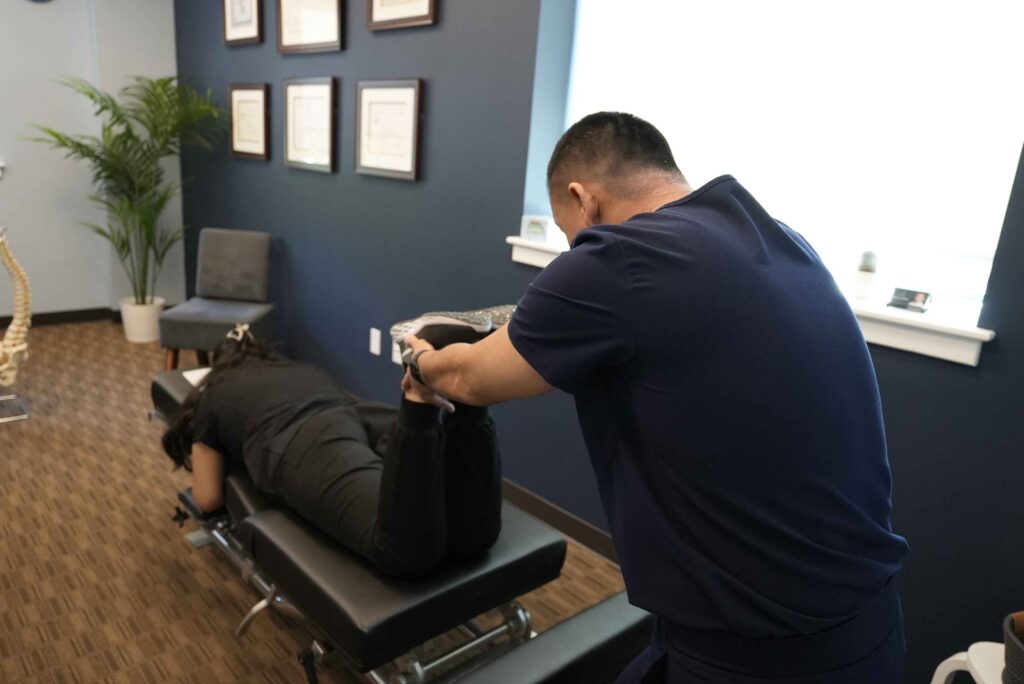
- Regular Chiropractic Adjustments: Regular visits to your chiropractor can help keep your spine aligned, reducing tension and improving your overall well-being. Chiropractic care addresses the root cause of headaches by focusing on spinal health.
- Relaxation Techniques: Stress is a significant contributor to headaches. Techniques such as deep breathing, meditation, or yoga can help reduce stress levels and alleviate pain.
- Essential Oils: Certain essential oils, like peppermint or lavender, can have calming effects. Try inhaling their scent or applying diluted oil to your temples for relief.
- Apply Cold or Heat: A cold pack can numb the pain, while a heat pack can relax tense muscles. Experiment with both to see which works best for you.
- Regular Exercise: Physical activity can enhance circulation and reduce stress, which may help prevent headaches. Aim for at least 30 minutes of moderate exercise most days.
- Massage Therapy: Gentle massage, especially in the neck and shoulder areas, can relieve muscle tension and improve blood flow, which may help with headache relief.
- Adequate Sleep: Ensure you’re getting enough restful sleep each night. Sleep deprivation can trigger headaches, so aim for 7-9 hours of quality sleep.
- Limit Caffeine and Alcohol: While caffeine can provide temporary relief for some, excessive consumption can lead to withdrawal headaches. Moderation is key, as is being mindful of alcohol intake, which can also trigger headaches in some individuals.
By incorporating these techniques into your routine, you can find natural relief from headaches and enhance your overall health. Remember, chiropractic care is a holistic approach that focuses on your body’s natural ability to heal itself. If you’re experiencing frequent headaches, consider consulting with a chiropractor to explore how spinal adjustments may help you achieve optimal health and wellness.
Key Takeaways
- Staying hydrated is essential for overall health and can help alleviate headache symptoms. Aim for at least eight glasses of water daily and consider adding hydrating foods like fruits and vegetables to your diet. Proper hydration supports spinal health and overall wellness, which can reduce headache frequency.
- Regular physical activity is another key component of wellness. Engaging in activities like yoga, swimming, and walking not only relieves tension but also enhances spinal alignment and mobility. Chiropractic care can further support your physical activities by ensuring your spine is functioning optimally, reducing the risk of headaches.
- Essential oils, such as peppermint and lavender, can provide natural headache relief. Inhaling these scents or applying them topically may help ease tension. Incorporating these oils into a relaxation routine can enhance the benefits of chiropractic adjustments, as they promote a calming environment for healing.
- Applying cold or warm compresses can relax your muscles and improve circulation, offering gentle relief for tension headaches. As a chiropractor, I often recommend this practice alongside spinal adjustments to maximize relaxation and restore balance in the body.
- Maintaining a consistent sleep schedule and creating a calming bedtime ritual are crucial for enhancing sleep quality and supporting headache management. Chiropractic care can help improve sleep by addressing any underlying spinal issues that may disrupt your rest, leading to a healthier and more balanced life.
By integrating these natural techniques with regular chiropractic care, you can achieve optimal health and wellness, reducing the frequency and intensity of headaches.
Stay Hydrated
When you start to feel a headache coming on, one of the simplest yet most effective remedies is staying hydrated. Dehydration is a common trigger for headaches, and drinking enough water can make a significant difference in how you feel. It’s easy to forget about hydration when life gets busy, but making a habit of sipping water throughout the day is key. Aim for at least eight glasses, and remember that if you’re active or it’s hot outside, you might need even more to keep your body functioning well.
Incorporating hydrating foods into your meals can also support your hydration goals. Fruits and vegetables like watermelon, cucumbers, and oranges aren’t only refreshing but packed with water and nutrients. If plain water doesn’t excite you, try herbal teas or infuse your water with fruits and herbs for a burst of flavor.
Keeping a water bottle with you serves as a great reminder to drink regularly. If you notice your headache intensifying, take a moment to consider your fluid intake. Staying hydrated isn’t just about alleviating headaches; it’s an essential aspect of your overall health and wellness.
As a chiropractor, I believe in a holistic approach to health. Adequate hydration supports proper spinal function and helps maintain your body’s natural balance, which is vital for pain relief and wellness.
Practice Relaxation Techniques
When headaches strike, incorporating relaxation techniques can significantly enhance your well-being. As a local chiropractor, I believe that addressing the root cause of your headaches is essential, and these methods can complement chiropractic care wonderfully.
Deep breathing exercises and guided meditation sessions can help calm your mind, reduce tension, and promote overall relaxation.
By making these techniques a regular part of your routine, you may experience relief from headaches, along with improved spinal health and a greater sense of wellness.
Remember, chiropractic adjustments can also play a crucial role in alleviating headache pain by ensuring your spine is aligned and your nervous system is functioning optimally.
So, the next time you’re feeling the weight of a headache, consider practicing deep breathing or meditation, and don’t forget to schedule your chiropractic appointment.
Together, these approaches can help you achieve the natural healing and healthier living you deserve.
Deep Breathing Exercises
Many individuals experience headaches, and deep breathing exercises can be an excellent natural remedy to help relieve this discomfort. As a chiropractor, I believe in the power of holistic approaches to health and wellness, and deep breathing is a simple yet effective technique that can enhance your overall well-being.
Start by finding a quiet space where you can relax without interruptions. Whether you’re sitting or lying down, make yourself comfortable and gently close your eyes.
Begin your deep breathing practice by inhaling deeply through your nose for a count of four, allowing your abdomen to rise as you fill your lungs. This deep inhalation not only brings in oxygen but also encourages relaxation throughout your body.
Hold your breath for a count of four, and then exhale slowly through your mouth for a count of six. This exhalation is crucial, as it helps release built-up tension that may be contributing to your headache.
Repeat this cycle for several minutes, allowing yourself to become more in tune with your body and breath. As you practice this technique, visualize each inhale bringing in a sense of calmness and each exhale letting go of stress and discomfort.
Incorporating deep breathing exercises into your daily routine can’t only alleviate headache symptoms but also promote a general sense of wellness.
Remember, alongside these exercises, maintaining proper spinal alignment through regular chiropractic care can significantly contribute to headache relief. A healthy spine supports a healthy nervous system, which is vital for overall health.
Guided Meditation Sessions
While deep breathing exercises can be beneficial, incorporating guided meditation sessions into your wellness routine can significantly enhance your relaxation techniques and help alleviate headache symptoms.
By centering your thoughts and calming your body, you can create a soothing environment that decreases tension, complementing the benefits of chiropractic care.
To get started, find a quiet space where you won’t be disturbed. Utilizing a guided meditation app or video can help you stay focused and present throughout the process. As you engage with the meditation, you may find that your thoughts drift less and your body begins to relax deeply.
Aim to dedicate just a few minutes each day to this practice, as consistency will help reinforce your commitment to overall wellness.
In addition to guided meditation, remember that maintaining good posture and regular chiropractic adjustments can play a crucial role in preventing headaches.
By addressing any spinal misalignments, you can improve your body’s alignment and function, reducing the likelihood of tension headaches. Pair these practices with your meditation sessions for a comprehensive approach to headache relief.
Over time, these combined efforts can lead to a noticeable decrease in headache frequency and intensity, ultimately promoting your overall well-being.
Prioritize your health with chiropractic care, and empower yourself with simple techniques like meditation to enhance your journey toward optimal health.
Try Essential Oils
If you’re looking for a natural way to relieve headaches, essential oils can be a helpful addition to your wellness routine, but they should complement the primary care you receive through chiropractic adjustments. Chiropractic care is designed to address the root causes of headaches, often related to spinal health and tension in the neck and upper back. By restoring proper alignment and function to your spine, chiropractic adjustments can significantly reduce the frequency and intensity of headaches.
That said, essential oils can provide some comfort when used alongside your chiropractic care. For instance, peppermint oil is well-known for its cooling effect, which can help relax tight muscles and improve blood flow. If you’d like to try it, simply dilute a few drops with a carrier oil and gently massage it onto your temples.
Lavender oil is another soothing option that can promote relaxation and stress relief. You might consider diffusing it in your space or applying it to your wrists for a calming aroma. Eucalyptus oil can also be beneficial, especially for headaches related to sinus congestion, as it helps clear nasal passages.
To maximize the benefits of essential oils, always choose high-quality, pure products. While these oils can offer temporary relief, they shouldn’t replace the comprehensive care that chiropractic provides. It’s also essential to pay attention to your body and consult your chiropractor if headaches persist or worsen.
In addition to using essential oils, here are some general tips to help manage headaches:
- Stay Hydrated: Dehydration can trigger headaches, so make sure you drink plenty of water throughout the day.
- Maintain Good Posture: Poor posture can lead to tension in your neck and back, contributing to headaches. Be mindful of your sitting and standing positions.
- Regular Exercise: Engaging in regular physical activity can help relieve tension and improve overall health, which can reduce headache frequency.
- Stress Management: Techniques such as deep breathing, meditation, or yoga can help manage stress levels and prevent tension headaches.
Incorporate Regular Exercise
Incorporating regular exercise into your daily routine can significantly boost your overall health and assist in alleviating headaches. As a chiropractor, I can attest that physical activity enhances blood circulation and triggers the release of endorphins—your body’s natural pain relievers. You don’t need to commit hours at a gym; even a few straightforward exercises can yield great benefits.
Consider these accessible activities to get started:
- Walking: A brisk 30-minute walk is an excellent way to clear your mind and relieve tension. It’s simple, requires no special equipment, and can be done almost anywhere!
- Yoga: Engaging in yoga not only stretches tight muscles but also encourages relaxation. It’s a wonderful way to connect your body and mind while improving flexibility and posture, which is essential for spinal health.
- Swimming: The gentle resistance of water can help ease muscle tension while providing a full-body workout. Swimming is low-impact, making it suitable for almost everyone, regardless of fitness level.
- Cycling: Riding your bicycle outdoors gets your heart rate up and can elevate your mood. It’s a fun way to explore your surroundings while also promoting spinal health through proper posture.
Remember, regular movement plays a crucial role in maintaining a healthy spine and can be a powerful tool in managing pain.
Coupling these exercises with chiropractic care can lead to even better results, ensuring your body is aligned and functioning optimally.
If you experience persistent headaches or discomfort, don’t hesitate to consult with a chiropractor for personalized care and guidance. Your journey to natural wellness starts with simple steps!
Apply Cold or Warm Compresses
When you’re experiencing a headache, applying a cold or warm compress can be an effective way to find relief. Cold compresses can help numb the pain and reduce any inflammation, while warm compresses are great for promoting relaxation and improving blood flow. Understanding when to use each type can be instrumental in alleviating your discomfort.
As a chiropractor, I want to emphasize that incorporating natural methods like these compresses into your wellness routine is essential for achieving optimal health. While cold and warm compresses can provide temporary relief, it’s important to remember that regular chiropractic care addresses the root causes of headaches and other pain by aligning your spine and improving overall function.
If you prefer a cold compress, try using a bag of frozen vegetables wrapped in a towel, and apply it to your forehead or the back of your neck for about 15-20 minutes. For a warm compress, a warm towel or heating pad can be placed on the same areas to help soothe tension and promote relaxation.
In addition to these compresses, maintaining good posture, staying hydrated, and managing stress through mindfulness or gentle exercises can significantly improve your overall well-being.
Regular chiropractic visits can also enhance your body’s natural ability to heal, ensuring you live a healthier and pain-free life. Remember, choosing a holistic approach to your health is the best way to achieve lasting relief.
Cold Compress Benefits
Applying a cold compress can be a simple yet effective way to alleviate headache pain, especially if you’re seeking natural relief. The cold helps numb discomfort and reduce inflammation, providing quick comfort.
Here are some benefits you might experience when using a cold compress:
- Numbs the pain: The cold sensation can dull the sharpness of your headache, making it more manageable.
- Reduces swelling: It can help decrease any swelling in your forehead or temples, which may contribute to headache discomfort.
- Improves blood flow: The cold temperature can constrict blood vessels, potentially relieving throbbing sensations often associated with headaches.
- Promotes relaxation: A cold compress can create a soothing experience, helping you unwind and relieve tension.
While using a cold compress is a great natural remedy, remember that regular chiropractic care can help address the underlying issues that may be contributing to your headaches.
Chiropractic adjustments can improve spinal alignment and reduce nerve tension, leading to fewer headaches and better overall health.
If you decide to use a cold pack, try placing it on your forehead for 15-20 minutes. This can be a helpful addition to your wellness routine.
Always listen to your body and consult with your chiropractor for personalized strategies to manage pain and enhance your health naturally.
Warm Compress Advantages
While cold compresses can help numb pain, I want to highlight the benefits of warm compresses, especially when it comes to relieving headaches, particularly those caused by tension or stress.
The soothing heat from a warm compress can work wonders by relaxing tight muscles in your neck and scalp, ultimately alleviating headache symptoms. This gentle warmth also increases blood circulation, which promotes healing and helps reduce discomfort.
Creating a warm compress is simple. Just soak a towel in warm water or use a heating pad. Apply it to your forehead or the back of your neck for about 15-20 minutes, but be sure to check the temperature so it’s comfortable and safe.
If you frequently experience tension headaches, incorporating warm compresses into your routine may provide the gentle relief you need.
However, I also encourage you to consider chiropractic care as a holistic approach to managing headaches and improving your overall health. Regular chiropractic adjustments can help align your spine, reduce muscle tension, and promote better posture, which can all contribute to fewer headaches and improved wellness.
Maintain a Consistent Sleep Schedule
Maintaining a consistent sleep schedule is vital for your overall health and wellness, especially when it comes to managing headaches. A regular sleep pattern helps your body self-regulate, which can significantly reduce both the frequency and intensity of headaches.
As a chiropractor, I want to share some straightforward tips to help you establish and maintain a healthy sleep routine that complements your journey to natural healing:
- Set a fixed bedtime: Choose a specific time to go to bed and wake up that you can adhere to every day, including weekends. This consistency can help your body adapt and improve your sleep quality.
- Create a bedtime ritual: Engage in calming activities like reading a book or practicing mindfulness exercises. These activities can signal to your body that it’s time to relax, preparing you for a restful night’s sleep.
- Limit screen time: Reduce your exposure to screens at least an hour before bed. The blue light emitted by devices can interfere with your ability to wind down, making it harder to fall asleep.
- Make your bedroom comfortable: Ensure your sleeping environment is conducive to rest. A dark, cool, and quiet space can greatly enhance your sleep quality. Consider using blackout curtains or a white noise machine if necessary.
By prioritizing a consistent sleep schedule, you not only improve your sleep but also support your overall health and wellness.
Explore Herbal Remedies
As a local chiropractor, I understand that headaches can be a common issue that many people face. While chiropractic care is one of the best ways to address the underlying causes of headaches through spinal adjustments and holistic wellness practices, incorporating herbal remedies can also support your journey towards relief and overall health.
Certain herbs are known to help alleviate headache pain and promote relaxation. Let’s discuss a few popular herbal options that can be easily prepared at home, alongside the benefits of regular chiropractic adjustments for optimal health.
- Peppermint: This refreshing herb can help soothe headache symptoms. You can make peppermint tea by steeping fresh or dried leaves in hot water for about 10 minutes. The menthol in peppermint is known to have a calming effect that may ease tension headaches.
- Ginger: Known for its anti-inflammatory properties, ginger can help reduce headache discomfort. You can prepare ginger tea by boiling fresh ginger slices in water for about 15 minutes. Adding a bit of honey can enhance the flavor while providing additional soothing effects.
- Chamomile: This gentle herb is often used for its calming properties. Drinking chamomile tea can help you relax, which may alleviate tension headaches. Simply steep chamomile flowers in hot water for about 5 minutes.
- Lavender: Known for its calming scent, lavender can be beneficial in reducing headache pain. You can inhale lavender essential oil or use it in a warm bath. Its soothing properties can help you unwind after a long day.
While these herbal remedies can provide temporary relief, remember that regular chiropractic care addresses the root causes of headaches, such as spinal misalignments and tension in the neck and shoulders.
By ensuring that your spine is in proper alignment, you may experience fewer headaches and improved overall wellness.
Incorporating these herbal remedies into your routine can be a helpful complement to your chiropractic care. Additionally, staying hydrated, practicing good posture, and managing stress through relaxation techniques can enhance your efforts towards headache relief.
Always consult with your chiropractor about the best approach for your specific situation. Together, we can work towards a healthier, pain-free life!
Popular Herbal Remedies
Many individuals seek natural ways to alleviate headaches, and while herbal remedies can provide some comfort, it’s important to remember that chiropractic care is often the most effective and holistic approach to achieving lasting relief and overall wellness.
Chiropractors focus on the spine and nervous system, which play crucial roles in your body’s function and health. Misalignments in the spine can lead to tension and headaches, and chiropractic adjustments can help realign your spine, reducing pain and promoting better health.
Here are some popular herbal remedies that some people find helpful, but remember that integrating chiropractic care into your routine can provide more comprehensive benefits:
- Peppermint – Its soothing aroma may help relax you. However, addressing the underlying causes of tension through spinal adjustments can offer more effective relief.
- Ginger – Known for its anti-inflammatory properties, ginger can assist with headaches. Still, managing your spinal health can help prevent headaches from recurring in the first place.
- Feverfew – This herb has been utilized for centuries to help with migraines. While it might offer some relief, chiropractic care targets the root causes of headaches, leading to more sustainable results.
- Lavender – The calming scent can promote relaxation and better sleep. A properly aligned spine can also contribute to improved sleep quality and overall well-being.
Exploring these herbal options might bring temporary relief, but incorporating chiropractic care into your health routine can lead to a more profound and lasting impact on your headache management.
Always consult with a healthcare professional, preferably a chiropractor, to discover the best approach for your pain relief and wellness journey.
Remember to maintain good posture, stay hydrated, and practice stress-management techniques to support your overall health!
Preparation Methods Explained
Understanding how to prepare herbal remedies can complement your journey toward natural wellness and enhance their effectiveness for headache relief. While chiropractic care is your best ally in achieving optimal health and alleviating pain, incorporating herbal remedies can be a beneficial addition to your self-care routine.
Start by selecting fresh or dried herbs known for their soothing properties, such as peppermint, ginger, or chamomile. To make a calming tea, steep one teaspoon of your chosen herb in hot water for about 10 minutes. After straining, enjoy this simple yet effective drink.
If you’re interested in tinctures, you can combine chopped herbs with alcohol or vinegar and let them infuse for several weeks, creating a concentrated extract that can support your overall well-being.
For immediate relief, consider making a poultice. Crush fresh herbs and apply them directly to your forehead—this can provide a cooling effect and may help ease tension.
Essential oils are another great option. Simply dilute a few drops of your favorite oil with a carrier oil and gently massage it onto your temples for soothing relief.
Remember, while these natural methods can be helpful, consulting with a healthcare professional—like your chiropractor—before trying new remedies is always a good idea, especially if you’re pregnant or on medication.
Chiropractic care focuses on the spine and nervous system, promoting natural healing and overall wellness. By prioritizing spinal health, you can significantly reduce headaches and enhance your quality of life. Embrace these tips, and consider how chiropractic treatments can support your path to lasting relief and health.
Use Acupressure or Massage
Headaches can be incredibly disruptive, but there are natural ways to find relief, including acupressure and massage. These techniques can help release tension and improve circulation, promoting a sense of well-being.
As your local chiropractor, I want to share some effective methods that can complement your chiropractic care and support your journey to optimal health:
- Find the pressure points: Gently use your fingers to locate the spots between your eyebrows or at the base of your skull. Pressing on these areas for a few minutes can help alleviate headache symptoms.
- Massage your temples: Using your fingertips, apply gentle circular motions on your temples. This simple technique can help ease tightness and discomfort around your head.
- Neck and shoulder rub: The muscles in your neck and shoulders often hold tension that can contribute to headaches. Take a moment to gently knead these areas to release stress and promote relaxation.
- Use a tennis ball: This is a handy tool for self-care! Place a tennis ball against a wall, lean into it, and roll over tight spots in your upper back. This can help release muscle knots that may be affecting your overall comfort.
Incorporating these techniques into your daily routine can provide valuable relief from headaches.
Remember, regular chiropractic care can also play a significant role in maintaining spinal health and reducing the frequency of headaches.
Limit Screen Time
To minimize headache triggers, it’s essential to limit your screen time, particularly if you find yourself spending long hours in front of a computer or phone. Extended exposure to screens can lead to eye strain and tension headaches, which can impact your overall well-being.
One effective strategy is to take regular breaks—every 20 minutes, look away from your screen for at least 20 seconds. This simple practice not only eases eye strain but also gives your mind a much-needed moment to relax.
Creating a comfortable workspace can significantly enhance your experience. Make sure your screen’s brightness is set to a comfortable level, and position it at eye level to promote good posture. Incorporating blue light filters can also help reduce discomfort and protect your eyes from harmful light emissions.
Speaking of posture, maintaining proper alignment is crucial. Slouching can lead to tension in your neck and shoulders, which can worsen headaches. By being mindful of your posture and environment, you can greatly reduce the likelihood of headaches.
Chiropractic care is an excellent option for addressing pain and discomfort related to poor posture and tension. Regular chiropractic adjustments can help restore proper spinal alignment, relieve tension, and enhance your overall health.
Monitor Diet and Triggers
Understanding how your diet can influence headache frequency and intensity is vital for achieving optimal health and wellness. As a chiropractor, I believe that addressing lifestyle factors, including diet, is key to managing pain naturally. Certain foods and drinks may act as triggers for headaches, so it’s important to keep an eye on what you consume.
Maintaining a food diary can be a helpful tool to identify patterns and manage your headache triggers effectively. Here are four common dietary culprits to be aware of:
- Aged Cheeses – These cheeses contain tyramine, which can lead to headaches for some individuals. Opting for fresher cheese varieties may be a better choice.
- Processed Meats – Often loaded with nitrates, these meats can be a hidden trigger in your meals. Choosing fresh, unprocessed meats can help minimize headaches.
- Caffeinated Beverages – While some people find relief from headaches with caffeine, consuming too much can lead to withdrawal headaches. Moderation is key; consider limiting your intake and opting for herbal teas instead.
- Alcohol – Certain types of alcohol, especially red wine, are known to provoke headaches in many individuals. Staying hydrated and choosing low-alcohol options may help reduce the risk.
In addition to being mindful of your diet, remember that regular chiropractic care can support your overall well-being and help manage headache pain.
By focusing on spinal health and alignment, chiropractic adjustments can promote better nervous system function, which may reduce headache frequency and intensity. Your journey to natural healing and a healthier life can start with small changes in your diet and lifestyle.
Stay proactive about your health, and consider incorporating regular chiropractic visits into your routine for optimal wellness.
Conclusion
Incorporating natural headache relief techniques into your daily routine can significantly enhance your comfort and overall well-being. As a chiropractor, I emphasize the importance of spinal health in preventing and alleviating headaches. Staying hydrated is crucial, as dehydration can lead to tension in your neck and upper back, contributing to headache pain.
Additionally, practicing relaxation methods such as deep breathing and gentle stretching can help ease tension in the muscles surrounding your spine. Using essential oils like peppermint or lavender can provide soothing relief, especially when applied to the temples or the base of the neck.
Exploring herbal remedies, such as ginger or feverfew, can also be beneficial, as they have been known to support natural healing processes. Applying cold or warm compresses can help relieve tension and improve blood flow, further aiding in headache relief.
It’s important to listen to your body and limit screen time, as prolonged exposure can strain your neck and eyes, leading to headaches. Pay attention to your diet as well, as certain foods may trigger headaches in some individuals.
Remember, regular chiropractic care is a powerful tool in achieving and maintaining optimal health. By addressing spinal alignment and function, chiropractic adjustments can reduce the frequency and intensity of headaches. With these strategies and the support of chiropractic care, you can find lasting relief and enhance your quality of life.