You’ve been dealing with that nagging back pain for months now. Maybe it started as a dull ache after a long day at work, or perhaps you woke up one morning with a stiff neck that just won’t quit. You tell yourself it’ll get better on its own. You pop some ibuprofen, apply a heating pad, and hope for the best. Sound familiar? If so, you’re not alone. Here in San Leandro, we see patients every week who waited far longer than they should have before seeking chiropractic care. The truth is, most people wait too long to see a chiropractor, and that delay comes at a real cost—not just to their wallets, but to their health, mobility, and overall quality of life. In this article, we’ll explore why this happens, what the consequences are, and how recognizing the signs early can help you avoid unnecessary suffering and expense.
Why do people delay chiropractic care? Most people wait to see a chiropractor because they hope the pain will resolve on its own, fear the unknown, or don’t understand how chiropractic care works. This delay often leads to worsened symptoms, longer recovery times, increased healthcare costs, and reduced quality of life.
Table of Contents
- Common Reasons People Delay Chiropractic Care
- What Happens When You Wait Too Long
- The Hidden Costs of Delaying Care
- How Chiropractic Care Fits Into Early Intervention
- Recognizing the Signs You Need Care Now
- What to Expect at Your First Visit
- Prevention Strategies to Avoid Future Problems
- Treatment Timing Comparison
- Myths vs. Facts About Chiropractic Care
- Final Thoughts
Common Reasons People Delay Chiropractic Care
Understanding why people put off seeing a chiropractor is the first step toward changing this harmful pattern. At Resilience Chiropractic, we’ve heard countless stories from patients about why they waited. These reasons are understandable, but they often lead to bigger problems down the road.
The “It’ll Get Better on Its Own” Mindset
This is perhaps the most common reason people delay care. When pain first appears, it’s natural to assume it’s temporary. After all, minor aches and pains do sometimes resolve without intervention. However, musculoskeletal problems rarely follow this pattern. What starts as mild discomfort in your lower back can be your body’s early warning system signaling that something is off with your spinal alignment, muscle balance, or movement patterns. Ignoring these signals allows compensatory patterns to develop, where other parts of your body take on extra stress to make up for the problem area.
Fear and Misconceptions
Many people in San Leandro tell us they were nervous about chiropractic adjustments before their first visit. They’ve heard the popping sounds or seen dramatic videos online and felt apprehensive. Others worry about cost or whether their condition is “serious enough” to warrant professional attention. Some believe chiropractic care is only for severe injuries or chronic conditions, not realizing that chiropractors are trained to address a wide range of musculoskeletal issues at any stage.
The Busy Life Factor
We get it. Life in the Bay Area moves fast. Between work demands, family responsibilities, and daily commitments, it’s easy to put your own health on the back burner. You might think you don’t have time for appointments, or you convince yourself the problem isn’t interfering enough with your life to justify taking action. This delay tactic often backfires when the condition worsens to the point where it demands immediate attention and disrupts your life far more than preventive care would have.
Lack of Understanding About What Chiropractors Do
Some people simply don’t know when it’s appropriate to see a chiropractor. They might think chiropractors only treat back pain or that chiropractic care is an alternative treatment rather than a legitimate form of conservative healthcare. In reality, chiropractors are trained as neuromusculoskeletal specialists who can address neck pain, headaches, joint problems, posture issues, sports injuries, and many other conditions related to the spine and nervous system.
What Happens When You Wait Too Long
Delaying chiropractic care isn’t just about living with discomfort a bit longer. There are real physiological consequences that develop when musculoskeletal problems go unaddressed. Understanding these consequences can help you recognize the importance of early intervention.
Compensation Patterns Develop
When one part of your body isn’t functioning properly, other parts compensate. If you have a misalignment in your lower back, your hips, knees, and even your neck might adjust their movement patterns to reduce pain or maintain balance. Over time, these compensations become habitual. Your nervous system essentially “learns” these inefficient movement patterns, making them harder to correct later. What started as a single problem area can evolve into multiple problem areas throughout your kinetic chain.
Acute Problems Become Chronic
Research indicates that acute musculoskeletal pain, when left unaddressed, has a higher likelihood of becoming chronic. The longer pain persists, the more your nervous system changes in response. This phenomenon, called central sensitization, means your nervous system becomes more sensitive to pain signals over time. What might have been resolved quickly with early intervention can develop into a long-term condition requiring more extensive care.
Range of Motion Decreases
When joints aren’t moving properly, the surrounding soft tissues adapt. Muscles may tighten to protect the area. Ligaments may shorten. Scar tissue can develop. These changes progressively limit your range of motion. Here in San Leandro, we often see patients who can no longer turn their head fully to check their blind spot while driving, or who struggle to bend down to pick things up off the floor. These limitations didn’t happen overnight—they developed gradually as the original problem went unaddressed.
Degenerative Changes May Accelerate
While some degree of spinal degeneration is a normal part of aging, abnormal mechanical stress can accelerate this process. When spinal joints aren’t moving properly or aren’t properly aligned, they experience uneven wear and tear. Evidence suggests that addressing biomechanical dysfunction early may help slow degenerative processes by restoring more normal movement patterns and reducing abnormal stress on joints.
The Hidden Costs of Delaying Care
The price of waiting goes far beyond the physical symptoms. Let’s look at what delayed care actually costs people in multiple dimensions of their lives.
Financial Costs Add Up
This might seem counterintuitive—doesn’t avoiding care save money? Actually, the opposite is often true. When you address musculoskeletal problems early, the care required is typically less intensive and shorter in duration. Waiting until a condition is severe often means needing more visits, more intensive intervention, and potentially additional healthcare services. Some patients who wait also end up relying on pain medications for extended periods, which carries its own costs and risks. Others may eventually require more invasive interventions that could have been avoided with earlier conservative care.
Lost Productivity and Quality of Life
How many days have you functioned at less than your best because of pain or stiffness? Musculoskeletal problems affect your ability to work efficiently, exercise, play with your kids, enjoy hobbies, and sleep well. These impacts accumulate over time. A study published in the Journal of Occupational and Environmental Medicine found that workers with musculoskeletal conditions experience significant productivity losses. The lost quality of life during the months or years you spend “toughing it out” can never be recovered.
Sleep Disruption and Its Ripple Effects
Pain and discomfort frequently interfere with sleep quality. Poor sleep, in turn, affects everything from your immune function to your emotional resilience, cognitive performance, and even your pain tolerance. It’s a vicious cycle. The longer you wait to address the underlying musculoskeletal problem, the longer you may struggle with sleep disruption and its wide-ranging consequences.
Emotional and Mental Health Impact
Chronic pain and physical limitations take a toll on mental health. Research has shown associations between persistent musculoskeletal pain and increased risk of anxiety and depression. The frustration of not being able to do things you used to do, the constant low-level discomfort, and the worry about whether the problem will worsen all contribute to emotional strain. Early intervention can help prevent this downward spiral.
How Chiropractic Care Fits Into Early Intervention
So where does chiropractic care fit into the picture? Understanding this can help you make informed decisions about when to seek care.
A Conservative, First-Line Approach
Chiropractic care is considered a conservative, non-invasive form of healthcare. Major healthcare organizations, including the American College of Physicians, recommend non-pharmacologic treatments as a first-line approach for many musculoskeletal conditions, particularly low back pain. Chiropractic adjustments, along with other conservative therapies, fall into this category. This means seeing a chiropractor early isn’t jumping to an extreme measure—it’s following evidence-based guidelines for appropriate care.
Addressing Root Causes, Not Just Symptoms
At Resilience Chiropractic in San Leandro, our approach focuses on identifying and addressing the underlying biomechanical dysfunctions contributing to your symptoms, not just masking pain. This might involve spinal adjustments to restore proper joint motion, soft tissue work to address muscle tension and restrictions, and guidance on movement patterns and ergonomics. By addressing root causes early, we can often prevent the cascade of compensation patterns and secondary problems that develop when issues go untreated.
Individualized Assessment and Care Plans
Every patient’s situation is unique. What works for one person might not be appropriate for another. That’s why chiropractic care begins with a thorough assessment. We look at your history, examine your posture and movement patterns, identify areas of restriction or dysfunction, and develop a care plan tailored to your specific needs. Early intervention allows for simpler, more straightforward care plans compared to complex, long-standing cases.
What Care Looks Like at Our Practice
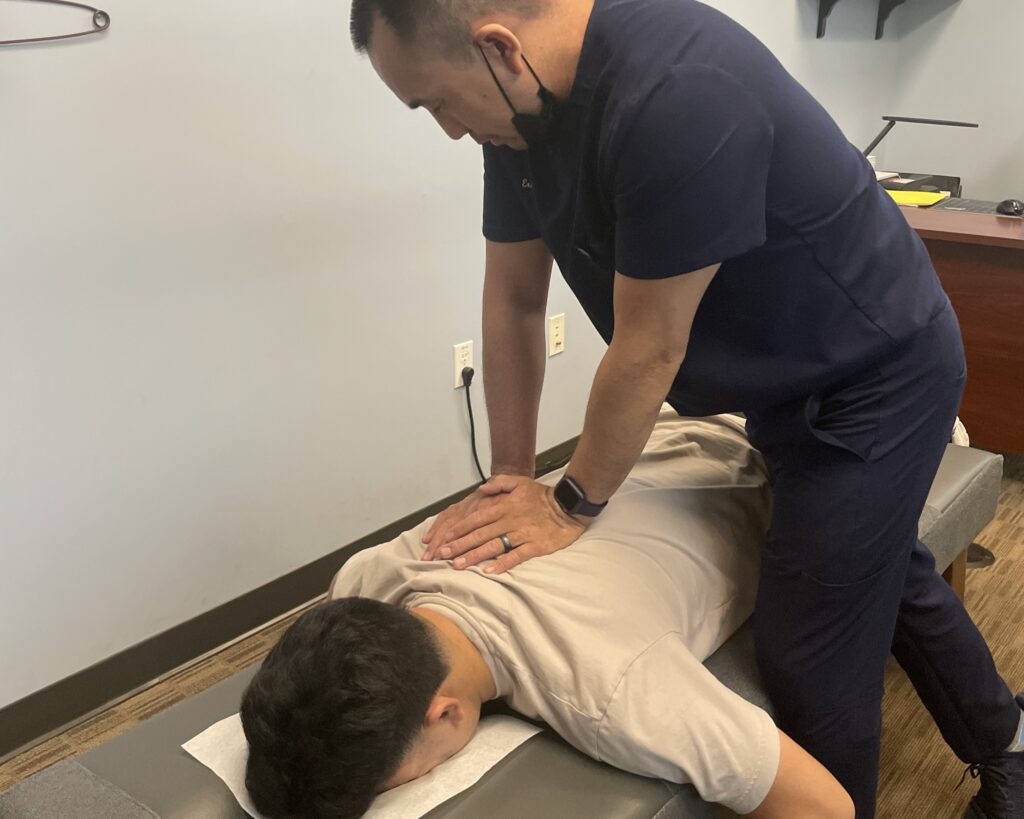
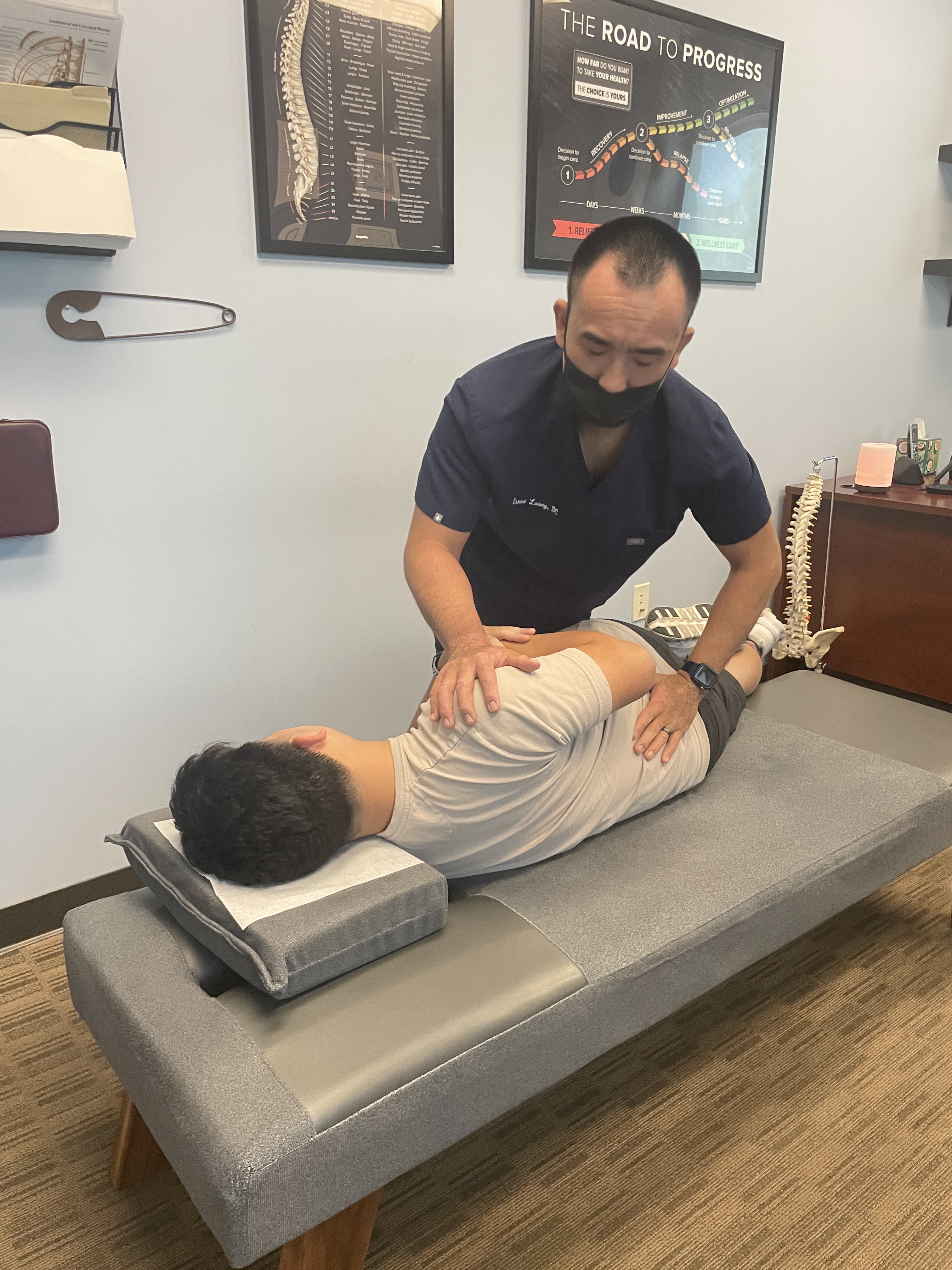
When you come to Resilience Chiropractic, you can expect a comprehensive approach. We take time to listen to your concerns and understand how your symptoms are affecting your life. Our examination helps us identify not just where you hurt, but why. Treatment typically includes gentle, specific chiropractic adjustments to restore proper joint function, along with recommendations for stretches, exercises, or lifestyle modifications that support your recovery and help prevent recurrence. We believe in empowering patients with knowledge about their bodies and what they can do to maintain their health.
Recognizing the Signs You Need Care Now
How do you know when it’s time to stop waiting and seek chiropractic care? Here are some clear indicators that professional evaluation is warranted.
Pain That Persists Beyond a Few Days
If you have pain that lasts more than a few days despite rest and self-care measures, it’s time to get evaluated. This doesn’t mean you should panic—it simply means your body may need some help to resolve the problem. Persistent pain is your body’s way of signaling that something needs attention.
Pain That Keeps Coming Back
Do you have recurring episodes of back pain, neck stiffness, or headaches? This pattern suggests an underlying biomechanical issue that hasn’t been resolved. Each time the problem returns, you’re reinforcing those dysfunctional patterns. Addressing the root cause can help break this cycle.
Stiffness That Limits Your Activities
If you notice you’re avoiding certain movements because of stiffness or discomfort, or if you’ve had to modify your activities, these are signs that intervention would be beneficial. You shouldn’t have to work around your body’s limitations when those limitations can potentially be addressed.
Pain That Radiates or Changes
Pain that spreads to other areas—like back pain that radiates into your leg, or neck pain that travels into your shoulder and arm—suggests nerve involvement and should be evaluated promptly. Similarly, if your symptoms are changing or worsening, don’t wait to seek care.
Impact on Sleep or Daily Function
When pain or stiffness interferes with your sleep or makes it difficult to perform normal daily activities, the cost to your health and quality of life is too high to ignore. These functional impacts are clear signs that professional care is needed.
Red Flags That Warrant Immediate Attention
Certain symptoms require urgent medical evaluation and aren’t appropriate for chiropractic care alone. These include severe pain accompanied by fever, loss of bowel or bladder control, progressive weakness in your limbs, pain following significant trauma, or unexplained weight loss along with your musculoskeletal symptoms. If you experience any of these red flags, seek immediate medical attention.
What to Expect at Your First Visit
If you’ve been putting off that first chiropractic visit because you’re not sure what to expect, let’s walk through it together. Understanding the process can help ease any apprehension.
Comprehensive History and Consultation
Your first visit at Resilience Chiropractic begins with a detailed conversation. We want to understand not just your current symptoms, but your overall health history, lifestyle factors, work environment, and health goals. This information helps us see the bigger picture and identify contributing factors to your condition.
Thorough Examination
We’ll perform a physical examination that may include assessing your posture, checking your range of motion, testing muscle strength and reflexes, and palpating areas of concern. We’re looking for patterns of dysfunction and identifying areas that need attention. This examination is thorough but not painful.
Clear Explanation and Recommendations
After the assessment, we’ll explain our findings in terms you can understand. We’ll discuss what we believe is contributing to your symptoms and outline our recommended approach. You’ll have the opportunity to ask questions and discuss any concerns. We believe in informed, collaborative care where you’re an active participant in the process.
Treatment Begins (Usually the Same Day)
In most cases, we can begin treatment during your first visit. Chiropractic adjustments are typically gentle and specific, targeting the areas of dysfunction we identified during the examination. Many patients are surprised by how comfortable the process is, especially compared to what they imagined beforehand.
Prevention Strategies to Avoid Future Problems
While we’ve focused on not waiting too long to seek care when problems arise, prevention is equally important. Here are practical strategies to maintain your musculoskeletal health and potentially avoid problems in the first place.
Movement Throughout Your Day
If you work at a desk in San Leandro’s many offices and tech companies, prolonged sitting is one of your biggest risk factors. Set a timer to remind yourself to stand up and move every 30-45 minutes. Simple movements like shoulder rolls, gentle neck stretches, or a short walk can interrupt the sustained postures that contribute to dysfunction.
Ergonomic Awareness
Pay attention to your work setup. Your monitor should be at eye level, your keyboard and mouse should allow your elbows to stay close to your body at about 90 degrees, and your feet should rest flat on the floor. Your car seat position matters too. These details might seem minor, but over thousands of hours, poor ergonomics takes a real toll.
Balanced Strengthening and Flexibility
Both strength and flexibility are important for maintaining proper function. Many people focus on one at the expense of the other. Incorporate both strengthening exercises and stretching or mobility work into your routine. This doesn’t require hours at the gym—even 15-20 minutes several times per week can make a significant difference.
Mindful Body Mechanics
How you lift, carry, and move matters. Bend at your hips and knees when lifting, not just at your waist. Hold heavy items close to your body. Avoid twisting while carrying loads. These fundamental movement principles help protect your spine during daily activities.
Stress Management
Physical tension often reflects mental and emotional stress. Many people in the Bay Area carry stress in their neck, shoulders, and jaw. Developing healthy stress management practices—whether through exercise, meditation, time in nature, or other methods—can help prevent stress-related musculoskeletal tension.
Periodic Check-Ins
Just as you get regular dental cleanings to maintain oral health, periodic chiropractic check-ins can help maintain spinal health. This doesn’t necessarily mean ongoing treatment—it might simply mean an occasional evaluation to catch small issues before they become big problems.
Treatment Timing Comparison
| Aspect | Early Intervention (First Few Weeks) | Delayed Care (Months or Years) |
|---|---|---|
| Number of Visits Typically Needed | Fewer visits over shorter time period | More visits over extended time period |
| Complexity of Care | Usually straightforward, focused care plan | Often requires addressing multiple compensations and chronic changes |
| Response to Treatment | Generally faster, more predictable improvement | Slower progress, may have setbacks as patterns are deeply ingrained |
| Patient’s Quality of Life | Minimal disruption to normal activities | Extended period of limited function, pain, and adaptation |
| Risk of Secondary Problems | Low—problem addressed before compensations develop | Higher—compensation patterns may create additional problem areas |
| Overall Cost | Lower total investment in care | Higher costs from extended care needs and lost productivity |
Myths vs. Facts About Chiropractic Care
Let’s clear up some common misconceptions that might be keeping you from seeking care when you need it.
Myth: You Should Wait to See If Pain Goes Away on Its Own
Fact: While some minor aches resolve spontaneously, waiting to see if pain “goes away” often allows underlying dysfunction to worsen. Early evaluation helps distinguish between minor issues that will self-resolve and problems that need intervention. Getting checked doesn’t commit you to extensive treatment—it simply gives you information to make informed decisions.
Myth: Chiropractic Care Is Only for Severe Pain
Fact: Chiropractic care is appropriate across the spectrum from prevention and minor discomfort to more significant problems. In fact, addressing issues when they’re mild is often the most effective time to intervene. You don’t need to be in severe pain to benefit from chiropractic care, and waiting until pain is unbearable means you’ve waited too long.
Myth: Once You Start Chiropractic Care, You Have to Go Forever
Fact: This is one of the most persistent myths. The truth is that care plans are individualized based on your needs and goals. Some patients choose periodic wellness care after their initial problem resolves because they feel it helps them maintain their health, but this is a personal choice, not a requirement. At Resilience Chiropractic, we aim to help you achieve your goals and then support you in maintaining your results, whatever that looks like for you.
Myth: Chiropractic Adjustments Are Dangerous
Fact: Chiropractic care has an excellent safety profile, particularly when compared to alternatives like long-term medication use or surgery. Research indicates that serious adverse events from spinal manipulation are extremely rare. Chiropractors are trained to assess whether you’re an appropriate candidate for care and to use techniques suited to your individual needs. The “cracking” sound often worries people, but it’s simply gas bubbles releasing from the joint—not bones cracking.
Myth: You Need X-Rays or Imaging Before Starting Care
Fact: While imaging can be valuable in certain situations, it’s not necessary for every patient. Your chiropractor will determine whether imaging is needed based on your history, symptoms, and examination findings. Many cases can be effectively managed without imaging, and unnecessary radiation exposure should be avoided. When imaging is needed, we’ll explain why and refer you for appropriate studies.
Final Thoughts
Here in San Leandro, we understand the tendency to push through discomfort and hope problems resolve themselves. Life is busy, and taking time for your health can feel like one more thing on an already full plate. But here’s what we’ve learned after helping countless patients at Resilience Chiropractic: waiting almost always costs more—in time, money, and quality of life—than addressing problems early. Your body gives you signals for a reason. Those aches, that stiffness, that recurring pain—they’re not character flaws or signs of weakness. They’re your body asking for help. The best time to seek care is when you first notice something is wrong, not after months or years of compensation and adaptation. If you’ve been putting off that visit, today is a great day to stop waiting. Your future self will thank you for taking action now rather than later.
Frequently Asked Questions
How long does it typically take to see improvement with chiropractic care?
Many patients notice some improvement after just a few visits, though this varies depending on the severity and duration of your condition. Problems addressed early typically respond faster than chronic conditions. Your chiropractor can give you a more specific timeframe after evaluating your individual situation.
Is chiropractic care covered by insurance?
Many insurance plans include chiropractic coverage, though specifics vary by plan. We recommend contacting your insurance provider to understand your benefits. Our team at Resilience Chiropractic can also help you navigate insurance questions and explore payment options.
Can I see a chiropractor if I’m already seeing other healthcare providers?
Absolutely. Chiropractic care often works well alongside other healthcare services. We believe in collaborative care and are happy to communicate with your other providers when appropriate. Always inform all your healthcare providers about the different types of care you’re receiving.
What if my pain is in my shoulder, hip, or knee rather than my spine?
Chiropractors are trained to address problems throughout the musculoskeletal system, not just the spine. Many chiropractors, including those at Resilience Chiropractic, work with extremity problems like shoulder, hip, knee, and ankle issues. We can evaluate your condition and determine whether chiropractic care is appropriate or whether referral to another provider would be more suitable.
Do adjustments hurt?
Chiropractic adjustments are generally not painful. Most patients describe them as immediately relieving. You might experience some soreness afterward, similar to what you’d feel after exercise, particularly during your first few visits as your body adapts. This typically resolves quickly. If you’re concerned about discomfort, let your chiropractor know—there are often gentler techniques that can be used.
How do I know if my condition is too serious for chiropractic care?
This is exactly why the initial consultation and examination are so important. Chiropractors are trained to identify red flags and conditions that require medical referral. We’ll conduct a thorough assessment and let you know whether chiropractic care is appropriate for your situation or whether you should see another type of healthcare provider first.
TL;DR – Key Takeaways
- Most people wait too long to see a chiropractor because they hope pain will resolve on its own, fear the unknown, or don’t understand when chiropractic care is appropriate. This delay often leads to worse outcomes and higher overall costs.
- Delaying care allows compensation patterns to develop, acute problems to become chronic, and range of motion to decrease. The longer you wait, the more complex and lengthy the recovery process typically becomes.
- The costs of waiting go beyond healthcare expenses to include lost productivity, reduced quality of life, sleep disruption, and impacts on mental health.
- Early intervention with chiropractic care is a conservative, evidence-based approach that addresses root causes and can prevent the cascade of problems that develop when musculoskeletal dysfunction goes unaddressed.
- Seek care when pain persists beyond a few days, keeps recurring, limits your activities, or interferes with sleep or daily function. Don’t wait until the problem becomes unbearable—that’s waiting too long.