
If you’ve ever stood up too quickly and felt the room start spinning, you know just how unsettling vertigo can be. For some people, these episodes are brief and infrequent. For others, vertigo becomes a daily challenge that affects balance, concentration, and overall quality of life. Understanding what causes vertigo is the first step toward finding lasting relief — and you might be surprised to learn that chiropractic care plays a meaningful role in managing it. Here at Resilience Chiropractic in San Leandro, CA, Dr. Ernest Luong works with patients who are struggling with dizziness, balance problems, and vertigo to help them get back to feeling steady and confident.
What Is Vertigo?
Vertigo is not simply feeling dizzy or lightheaded. It is the sensation that you — or the world around you — is spinning, tilting, or moving when nothing is actually moving. It is a symptom, not a condition on its own, and it can stem from several different causes involving the inner ear, the cervical spine, or the brain’s processing of balance signals.
What Causes Vertigo?
Vertigo has several well-recognized causes, and identifying the right one is essential for effective treatment. The most common cause is a condition called Benign Paroxysmal Positional Vertigo, or BPPV. This occurs when tiny calcium carbonate crystals — called otoliths or “ear rocks” — become dislodged from their normal position inside the inner ear and move into one of the fluid-filled canals. When the head shifts position, these crystals send confused signals to the brain about movement, triggering that spinning sensation.
Beyond BPPV, vestibular neuritis and labyrinthitis are two inner ear conditions caused by inflammation, often following a viral infection. These can disrupt the nerve signals that regulate balance. Ménière’s disease is another recognized cause, involving fluid buildup in the inner ear that leads to episodes of vertigo, hearing changes, and ringing in the ears (tinnitus).
What many people overlook — and what is especially relevant to chiropractic care — is that problems in the cervical spine (the neck) can also contribute to vertigo. This is known as cervicogenic vertigo or cervicogenic dizziness. Misalignments or joint dysfunction in the upper cervical vertebrae can interfere with the proprioceptive signals the spine sends to the brain, disrupting the body’s sense of balance. If you’ve ever noticed that your dizziness tends to flare up alongside neck pain or stiffness, this connection may be worth exploring.
Head injuries, whiplash from car accidents, and even prolonged poor posture can all set the stage for cervicogenic dizziness. At Resilience Chiropractic in San Leandro, Dr. Ernest Luong takes a thorough history to help determine which factors may be driving a patient’s symptoms.
Types of Vertigo: Peripheral vs. Central
Understanding what causes vertigo also means knowing the difference between peripheral and central vertigo, because these two categories have very different origins and implications.
Peripheral vertigo originates in the inner ear or the vestibular nerve. BPPV, Ménière’s disease, and vestibular neuritis all fall into this category. Peripheral vertigo tends to produce more intense spinning sensations and is often triggered by specific head positions or movements.
Central vertigo, on the other hand, originates in the brain or brainstem. It can be associated with conditions such as migraines, multiple sclerosis, or in rare cases, a stroke or tumor. Central vertigo is typically less dependent on head position and may come with other neurological symptoms such as difficulty speaking, double vision, or weakness on one side of the body.
Cervicogenic dizziness occupies a somewhat unique space — it originates in the joints and muscles of the neck, affecting the signals sent to the brain’s balance centers. This form of vertigo often comes hand-in-hand with neck stiffness, reduced range of motion, and sometimes headaches or migraines. Because the symptom picture can overlap with other causes, a careful evaluation is always recommended.

Signs and Symptoms to Watch For
Vertigo is more than just feeling dizzy. Here are some of the most commonly reported experiences associated with it. Patients often describe a strong sense of spinning or tilting, even while sitting or lying still. Nausea is frequently reported alongside vertigo, and in more intense episodes, vomiting can occur. Some individuals notice that their eyes move involuntarily — a phenomenon called nystagmus — which is a diagnostic clue for clinicians.
Loss of balance and difficulty walking steadily are also hallmark features of vertigo. These symptoms can be frightening, especially when they come on suddenly without warning. In cervicogenic cases, the dizziness is often accompanied by tenderness or tightness in the neck and upper back, and symptoms may worsen with certain head positions or after spending long periods looking at a screen.
If you’ve had a recent whiplash injury from a car accident or other trauma, and you’re now experiencing dizziness, that combination deserves prompt attention. Trauma to the neck can alter the mechanics of the upper cervical spine and set up a pattern of chronic dizziness that persists long after the initial injury has healed.
The Cervical Spine Connection
One of the most important — and underappreciated — answers to the question of what causes vertigo lies in the neck. The upper cervical spine, particularly the C1 (atlas) and C2 (axis) vertebrae, sits very close to the structures responsible for balance and spatial orientation. The joints in this region are rich in proprioceptors — specialized nerve endings that constantly feed information to the brain about where your head and body are in space.
When these joints are restricted, misaligned, or irritated due to injury, poor posture, or repetitive strain, they can send faulty signals to the brain. The brain then struggles to reconcile what the inner ear is saying with what the neck muscles and joints are reporting, leading to a sense of disorientation, imbalance, or that classic spinning feeling.
Poor posture — particularly forward head posture from prolonged screen time — places enormous stress on the upper cervical joints and the muscles that support the head. Over time, this can contribute to chronic tension patterns and joint dysfunction that feed directly into dizziness and balance problems. This is something Dr. Ernest Luong at Resilience Chiropractic in San Leandro sees regularly, especially among professionals who spend long hours at desks or commuting.
It’s also worth noting that herniated discs in the cervical spine can compress nearby nerves and, in some cases, contribute to symptoms that include dizziness or altered sensation in the head and neck region.
How Chiropractic Care Can Help
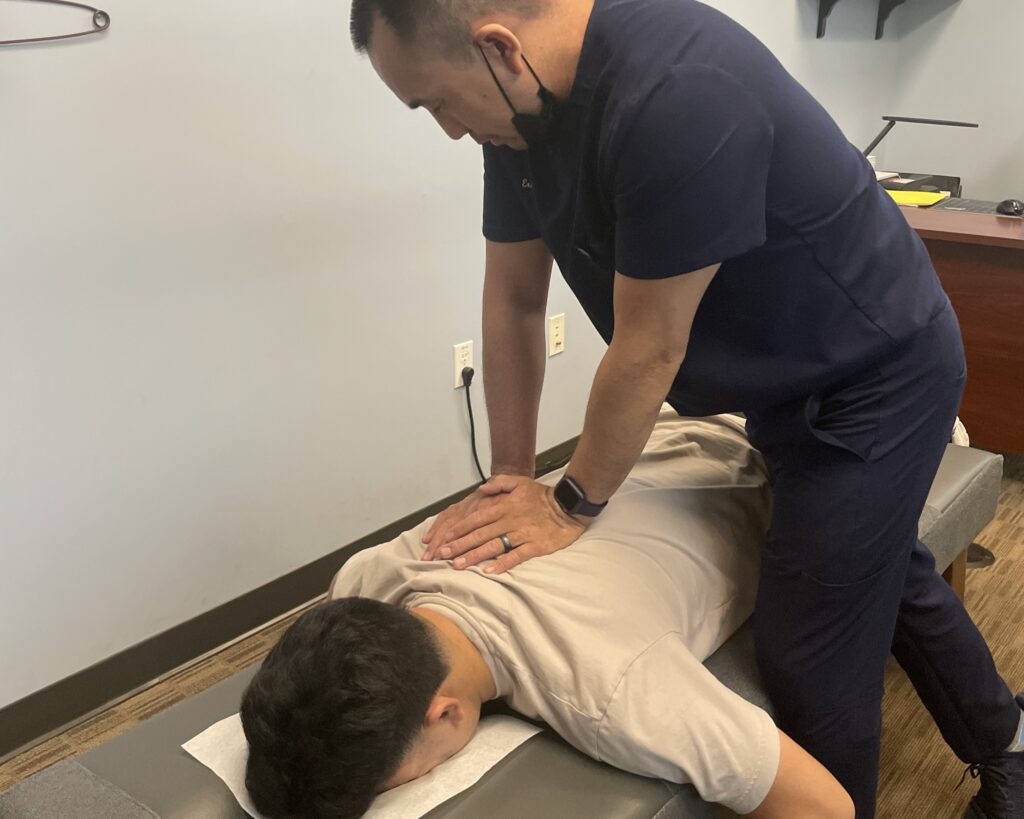
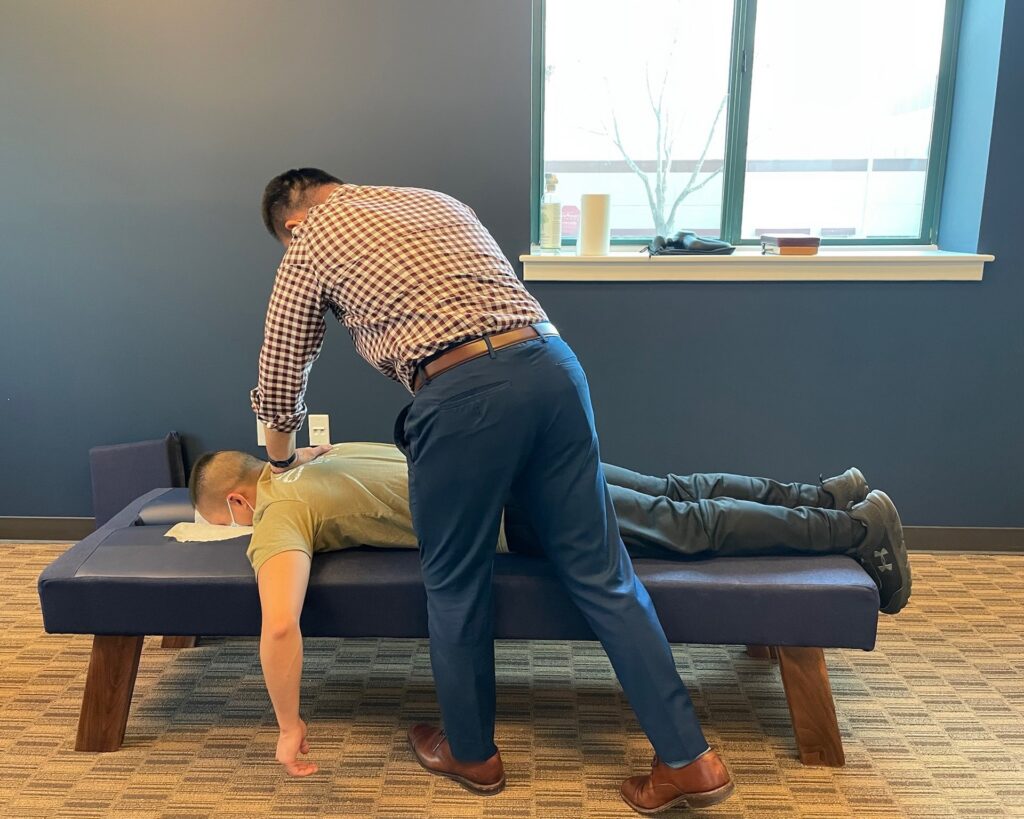
Chiropractic care offers a non-invasive, drug-free approach that may be especially relevant when vertigo has a cervicogenic or musculoskeletal component. Dr. Ernest Luong at Resilience Chiropractic uses a comprehensive evaluation to assess the spine, posture, and neurological function before developing a care plan tailored to each individual patient.
For patients whose vertigo appears to stem from upper cervical joint dysfunction, gentle spinal adjustments can help restore proper motion to the restricted joints, reducing abnormal proprioceptive signals and potentially alleviating dizziness. Research published in peer-reviewed journals suggests that chiropractic manipulation of the cervical spine may benefit patients experiencing cervicogenic dizziness, though care is always individualized based on the patient’s full clinical picture.
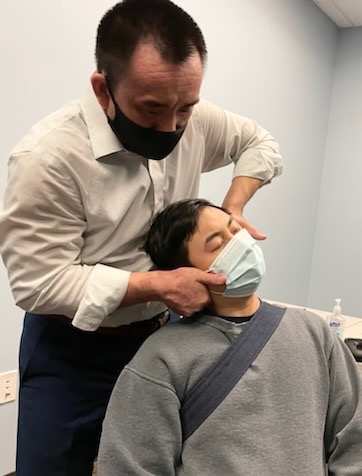
Chiropractic care also commonly incorporates soft tissue work to address tight muscles in the neck and shoulders, which can compound joint dysfunction and worsen symptoms. For some patients with BPPV, chiropractors trained in vestibular rehabilitation techniques may perform or guide repositioning maneuvers — such as the Epley maneuver — to help return displaced inner ear crystals to their proper location.
In addition, Resilience Chiropractic offers physical therapy services that complement chiropractic adjustments. Vestibular rehabilitation exercises, balance training, and targeted stretching can all play a role in reducing vertigo frequency and severity. The goal is always to address the underlying mechanical issue rather than simply masking symptoms.
It is also worth mentioning that for patients who have been in auto accidents and are dealing with lingering dizziness alongside other injuries, the auto injury chiropractic care at Resilience Chiropractic is specifically designed to address the complex interplay of trauma, soft tissue injury, and spinal dysfunction that can perpetuate these kinds of symptoms.
Practical Tips for Managing Vertigo at Home
While professional care is important, there are thoughtful steps you can take between visits to help reduce the impact of vertigo on your daily life. These suggestions are general and safe for most people, but always discuss your specific situation with Dr. Ernest Luong or your healthcare provider before starting anything new.
First, be mindful of how quickly you change positions. Moving slowly when getting out of bed, rising from a chair, or turning your head can reduce the triggering of positional vertigo episodes. Sleep with your head slightly elevated if BPPV is suspected, as this can help prevent crystals from shifting during the night.
Second, take a close look at your screen habits and posture. Forward head posture is one of the most common contributors to cervicogenic dizziness in the San Leandro and broader Bay Area communities. Position your monitor at eye level, keep your ears over your shoulders, and take regular breaks to move your neck through gentle range-of-motion movements.
Third, stay hydrated. Dehydration can worsen symptoms related to inner ear disorders like Ménière’s disease and can generally make dizziness more pronounced. Limit caffeine and sodium if your vertigo has been associated with fluid regulation issues in the inner ear. And finally, reduce stress where possible — tension in the neck and shoulders is closely linked to cervicogenic dizziness, and stress management techniques can have a meaningful positive effect over time.
When to See a Chiropractor
If your vertigo is mild, occasional, and clearly linked to position changes, it may resolve on its own. However, if dizziness is recurring, persistent, or progressively getting worse, it deserves professional attention. This is especially true if your vertigo is accompanied by neck pain, headaches, or reduced range of motion in the cervical spine — patterns that often point to a musculoskeletal component that chiropractic care can meaningfully address.
If you experienced a head or neck injury before the vertigo began, or if you’ve been in an auto accident, don’t wait to have things evaluated. Early intervention tends to produce better outcomes. You can learn more about what to expect from a vertigo treatment visit at Resilience Chiropractic, including how Dr. Ernest Luong approaches assessment and care planning.
There are, however, some red flags that require immediate medical attention rather than a chiropractic visit. If vertigo comes on suddenly and severely alongside slurred speech, facial drooping, vision changes, weakness on one side of the body, or severe headache unlike any you’ve had before, seek emergency care right away. These symptoms could indicate a stroke or other serious neurological event that requires urgent intervention. Chiropractors are trained to recognize these warning signs and will always refer patients appropriately.
|
Vertigo Type |
Common Cause |
Key Symptoms |
May Benefit From Chiropractic? |
|---|---|---|---|
|
BPPV |
Displaced inner ear crystals |
Spinning triggered by head movement |
Yes — repositioning maneuvers, upper cervical care |
|
Cervicogenic Dizziness |
Cervical joint dysfunction or misalignment |
Dizziness with neck pain or stiffness |
Yes — spinal adjustments, soft tissue therapy |
|
Vestibular Neuritis |
Inner ear nerve inflammation |
Sudden, intense dizziness; no hearing loss |
Supportive — vestibular rehab may help |
|
Ménière’s Disease |
Inner ear fluid imbalance |
Vertigo, hearing changes, tinnitus |
Supportive — co-management recommended |
|
Central Vertigo |
Brain or brainstem issue |
Constant dizziness, neurological signs |
No — medical referral required |
Myths vs. Facts About Vertigo
Myth: Vertigo is just another word for being dizzy.
Fact: Vertigo is a specific type of dizziness characterized by a false sensation of spinning or movement. General dizziness can include lightheadedness or faintness, which have different causes. The distinction matters because it guides the direction of evaluation and treatment.
Myth: Vertigo always comes from the ears and has nothing to do with the spine.
Fact: While inner ear problems are a common cause, the cervical spine plays a significant role in balance regulation. Cervicogenic dizziness is a well-recognized clinical entity that responds to chiropractic and manual therapy interventions. The neck-to-brain connection is a critical and often overlooked piece of the vertigo puzzle.
Myth: Vertigo will go away on its own, so there’s no need to seek care.
Fact: Some episodes of BPPV do resolve without treatment, but many cases of vertigo persist or worsen without proper intervention. Waiting too long to seek care can allow underlying dysfunction to become more entrenched and harder to address — much like other musculoskeletal conditions.
Myth: Chiropractic adjustments to the neck are dangerous for people with vertigo.
Fact: When performed by a qualified chiropractor following a thorough evaluation, cervical care is considered safe and appropriate for many patients with vertigo, particularly those with a cervicogenic component. Dr. Ernest Luong carefully screens patients and uses techniques suited to each individual’s presentation, health history, and comfort level.
Myth: You just have to live with vertigo — there’s not much that can be done.
Fact: This is one of the most discouraging misconceptions out there. Evidence indicates that many forms of vertigo respond well to conservative, non-invasive care including chiropractic adjustments, vestibular rehabilitation, and lifestyle modifications. Most patients see meaningful improvement with a dedicated and well-structured care approach.
Final Thoughts
Vertigo can be confusing, frightening, and disruptive — but it doesn’t have to define your daily life. Whether your dizziness stems from inner ear dysfunction, a cervical spine problem, or a combination of factors, there are real, evidence-informed options available to help you find your footing again. Understanding what causes vertigo is the beginning of that journey, and you don’t have to figure it out alone.
Here at Resilience Chiropractic in San Leandro, CA, Dr. Ernest Luong takes the time to listen, evaluate thoroughly, and build individualized care plans that address the root causes of your symptoms rather than just covering them up. Our team is committed to helping the San Leandro community move better, feel better, and live with greater confidence — whether that involves ongoing wellness chiropractic care or a focused course of treatment for a specific concern like vertigo.
If you or someone you care about has been struggling with dizziness or balance problems, we encourage you to reach out and schedule a thorough evaluation. Relief may be closer than you think.
Frequently Asked Questions
Can a chiropractor actually help with vertigo?
Yes, in many cases. When vertigo has a cervicogenic component — meaning it originates from joint dysfunction or misalignment in the cervical spine — chiropractic adjustments can help restore normal motion and reduce faulty signals to the brain’s balance centers. Chiropractors trained in vestibular techniques may also perform repositioning maneuvers for BPPV. A thorough evaluation is needed to determine what approach is appropriate for your specific situation.
What is the most common cause of vertigo?
Benign Paroxysmal Positional Vertigo (BPPV) is widely considered the most common cause. It occurs when tiny calcium crystals in the inner ear become displaced and send incorrect movement signals to the brain. It is most often triggered by changes in head position, such as rolling over in bed or looking up suddenly.
How long does vertigo typically last?
The duration varies depending on the cause. BPPV episodes usually last seconds to minutes per episode, though the condition itself can persist for weeks if untreated. Vestibular neuritis-related vertigo can last days to weeks. Cervicogenic dizziness often persists as a chronic low-grade symptom until the underlying cervical dysfunction is addressed.
Is it safe to see a chiropractor after a head or neck injury that caused vertigo?
In most cases, yes — but a thorough evaluation is critical first. Dr. Ernest Luong at Resilience Chiropractic in San Leandro assesses each patient carefully before providing any treatment, particularly following trauma. If serious injury is suspected, appropriate imaging or medical referral will be recommended before proceeding with care.
Can stress make vertigo worse?
Yes, stress can exacerbate vertigo in several ways. Chronic stress contributes to muscle tension in the neck and shoulders, which can compound cervicogenic dizziness. Stress also affects the autonomic nervous system, which plays a role in inner ear regulation. Addressing stress through lifestyle changes and supportive care can be an important part of managing vertigo.
When should I go to the emergency room for vertigo?
Seek emergency care immediately if vertigo is accompanied by slurred speech, sudden severe headache, double vision, facial drooping, arm or leg weakness, or difficulty walking. These can be signs of a stroke or other serious neurological event requiring urgent medical intervention. These symptoms are not typical of the most common forms of vertigo and must be ruled out first.
TL;DR
-
Vertigo is the false sensation of spinning and has several possible causes, including BPPV, inner ear inflammation, Ménière’s disease, and cervical spine dysfunction.
-
The neck plays a bigger role in balance and dizziness than most people realize — cervicogenic vertigo is a well-recognized condition that responds to chiropractic care.
-
Chiropractic adjustments, soft tissue therapy, and vestibular rehabilitation may help reduce or resolve vertigo, especially when there is a musculoskeletal component involved.
-
Certain red flag symptoms — like sudden severe headache, slurred speech, or facial drooping alongside vertigo — require emergency medical attention, not a chiropractic visit.
-
At Resilience Chiropractic in San Leandro, CA, Dr. Ernest Luong offers thorough evaluations and individualized care plans to help patients understand and address what is causing their vertigo.