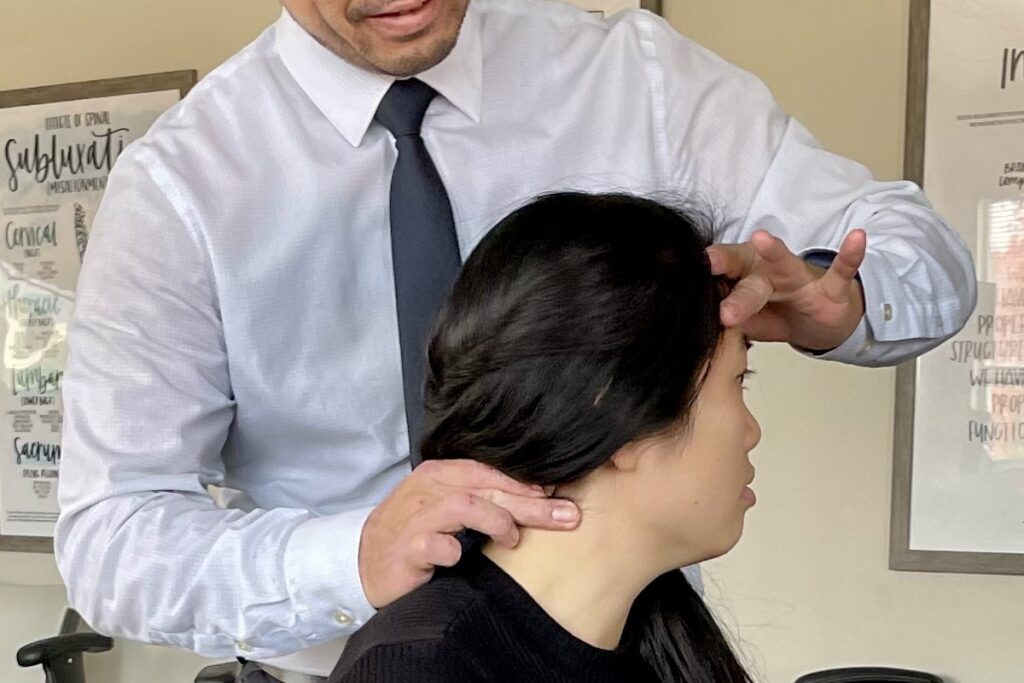

If you’ve recently been in a car accident or experienced a sudden jolt to your neck, you may be dealing with pain, stiffness, and a foggy sense of unease that’s hard to shake. Whiplash is one of the most common injuries we see at Resilience Chiropractic in San Leandro, CA — and one of the most misunderstood. Many people brush off the initial discomfort, not realizing that symptoms can worsen over days or even weeks if left unaddressed. If you’re searching for whiplash treatment in San Leandro, this guide is written specifically for you. Dr. Ernest Luong and our care team are here to walk you through what whiplash actually is, how it affects your body, and what you can realistically expect when you come in for care.
What Is Whiplash?
Whiplash is a soft tissue injury to the neck caused by a rapid, forceful back-and-forth movement of the head — similar to the cracking of a whip. It most often results from rear-end car collisions, but it can also occur from sports impacts, falls, or other sudden trauma. The injury involves the muscles, ligaments, tendons, and sometimes the discs and nerves in the cervical spine (the neck region).
- What Happens to Your Body During Whiplash
- Common Symptoms You Shouldn’t Ignore
- How Chiropractic Care Fits Into Whiplash Recovery
- What to Expect at Resilience Chiropractic
- Practical Tips for Supporting Your Recovery
- When to See a Chiropractor for Whiplash
- Myths vs. Facts About Whiplash
- Final Thoughts from Resilience Chiropractic
What Happens to Your Body During Whiplash
When your head is thrown suddenly forward and then snapped backward — or vice versa — the soft tissues of your neck are forced well beyond their normal range of motion. This happens in a fraction of a second, often before your muscles even have time to brace. The result is microscopic tearing in the muscles and ligaments, along with potential strain to the joint capsules and cervical discs.
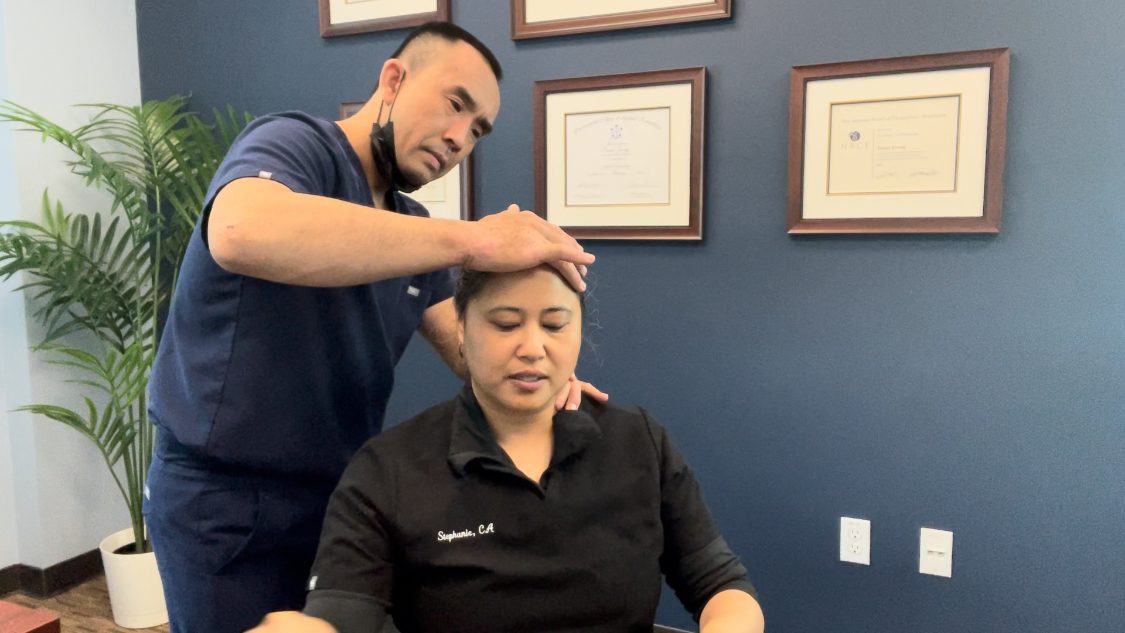
What makes whiplash particularly tricky is the delayed onset of symptoms. In many cases, people walk away from an accident feeling relatively okay, only to wake up the next morning with significant stiffness and pain. This delay happens because of the body’s initial adrenaline response, which can temporarily mask pain signals. The inflammation and muscle guarding often build over 24 to 72 hours after the injury occurs.
The cervical spine is designed to be mobile and flexible, but that same quality makes it vulnerable during sudden trauma. When the ligaments and muscles are overstretched, the normal curvature of the neck can become altered. This is part of why neck pain treatment after whiplash often needs to address both the immediate pain and the underlying structural changes that follow.
Common Symptoms You Shouldn’t Ignore
Whiplash doesn’t always look the same from person to person. The location, intensity, and combination of symptoms vary depending on the force of the impact, the direction of the collision, and the individual’s physical health before the injury. That said, there are several hallmark signs that tend to show up consistently.
Neck pain and stiffness are almost universal in whiplash injuries. You may notice limited range of motion — difficulty turning your head to check your blind spot while driving, for example. Headaches that originate at the base of the skull and radiate forward are also extremely common. These are sometimes referred to as cervicogenic headaches, and they’re directly connected to the muscle and joint irritation in the neck. If you’re experiencing this, our guide on headache and migraine treatment may offer helpful context.
Beyond neck-focused symptoms, whiplash can also produce shoulder pain, upper back pain, jaw tenderness, dizziness, and even difficulty concentrating — sometimes called “brain fog.” In some cases, numbness or tingling can radiate into the arms or hands, which may signal nerve involvement. If you notice those sensations, it’s worth knowing that pinched nerve treatment may be part of the recovery conversation. These broader symptoms are a reminder that whiplash is rarely limited to just the neck — it’s a whole-body response to sudden trauma.
How Chiropractic Care Fits Into Whiplash Recovery
Chiropractic care is widely recognized as one of the most appropriate conservative, non-surgical approaches for whiplash injuries. The American Chiropractic Association and various clinical guidelines support manual therapies as an effective component of whiplash recovery, particularly for addressing cervical joint dysfunction and soft tissue pain.
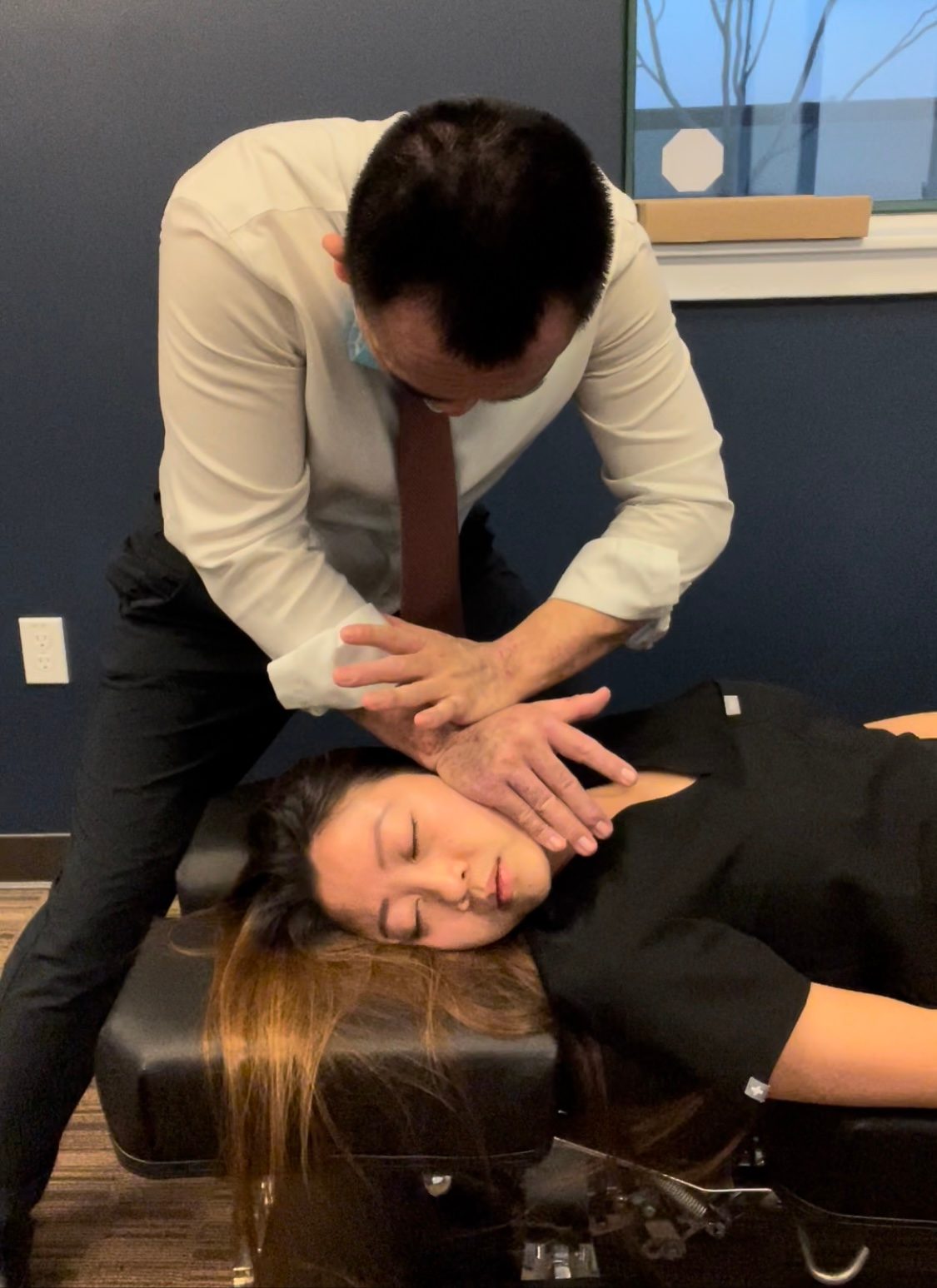
At its core, chiropractic care for whiplash focuses on restoring proper spinal alignment and joint movement, reducing muscle tension and inflammation, and helping the nervous system function without interference. When a cervical joint is restricted or misaligned — what chiropractors call a subluxation — it can perpetuate pain, limit mobility, and delay the healing process. Gentle, targeted chiropractic adjustments help address those restrictions in a way that medication alone simply cannot.
Research published in sources such as the Journal of Manipulative and Physiological Therapeutics has suggested that spinal manipulation and mobilization can be effective in reducing pain and improving function in individuals with whiplash-associated disorders. Evidence indicates that early intervention tends to produce better outcomes, which is one reason why we encourage patients not to wait. If you’re curious about the broader scope of what Dr. Ernest Luong provides, our chiropractic care services page gives a thorough overview.
It’s also worth noting that many whiplash injuries occur as a result of vehicle collisions, and there’s a dedicated path for that type of care. Our auto injury chiropractic care approach is designed specifically to address the unique demands of post-collision recovery, from documentation support to targeted treatment protocols.
What to Expect at Resilience Chiropractic
One of the most common questions we hear from new patients at Resilience Chiropractic in San Leandro is simply, “What’s actually going to happen when I come in?” That’s a fair and important question. Here’s a clear picture of what the process looks like.
Your first visit will begin with a thorough consultation. Dr. Ernest Luong will take the time to listen — really listen — to how the injury happened, what symptoms you’re experiencing, and how your daily life is being affected. This isn’t a rushed five-minute intake. Understanding your full picture is essential to building a care plan that’s actually right for you.
Following the consultation, a comprehensive physical and neurological examination will be performed. This typically includes assessing your range of motion, posture, muscle tone, reflexes, and orthopedic testing. Imaging such as X-rays may be recommended if clinically indicated to rule out fractures or assess spinal alignment. From there, Dr. Ernest Luong will walk you through his findings and explain the recommended treatment approach in plain language — no confusing jargon, just honest answers about where you are and what recovery can look like.
Treatment for whiplash at Resilience Chiropractic may include spinal adjustments to the cervical and thoracic spine, soft tissue therapy, rehabilitative exercises, and modalities designed to reduce inflammation and promote healing. For some patients, we also incorporate physical therapy techniques to rebuild strength and stability in the muscles supporting the neck. In cases where disc injury is a concern, spinal decompression therapy may also be considered as part of a comprehensive plan.
Care is always individualized. Two patients with whiplash from the same type of accident may have very different treatment needs based on their health history, age, activity level, and how their body is responding. What we never do is use a cookie-cutter approach.
Practical Tips for Supporting Your Recovery
Chiropractic care is a powerful foundation for whiplash recovery, but what you do between appointments matters too. Here are some safe, practical ways to support your healing process at home.
In the early days after a whiplash injury, gentle movement is generally better than complete rest. While it may be tempting to avoid all movement to protect the area, prolonged immobility can actually lead to increased stiffness and slower recovery. Gentle range-of-motion exercises — like slowly turning your head side to side within a comfortable range — can help maintain mobility and reduce muscle guarding. Our article on at-home exercises that relieve neck pain is a helpful companion resource for this phase of recovery.
Pay attention to your sleeping position. Sleeping on your stomach places significant rotational stress on the neck and is best avoided while healing. A supportive pillow that keeps your neck in a neutral position — neither propped too high nor flattened too much — can make a meaningful difference in how you feel each morning.
Be mindful of your posture throughout the day, especially if you work at a desk or spend time looking down at a phone. Forward head posture places extra load on the already-strained muscles and joints of the neck. Even small adjustments — like raising your monitor to eye level or holding your phone at face height — can reduce the compressive forces on a healing cervical spine. Heat or ice therapy as directed by Dr. Ernest Luong can also help manage localized pain and inflammation between visits.
When to See a Chiropractor for Whiplash
The short answer is: sooner rather than later. If you’ve been in a car accident or experienced any sudden impact to your neck, it’s worth getting evaluated even if you feel okay in the immediate aftermath. As mentioned earlier, symptoms often emerge 24 to 72 hours after the event, and waiting until pain becomes severe can mean that scar tissue and compensatory movement patterns have already started to set in.
Consider seeking chiropractic care if you’re experiencing any of the following: persistent neck stiffness or soreness, headaches that started after the injury, shoulder or upper back tension, dizziness or balance issues, or jaw pain. Even mild symptoms deserve attention, because what starts as minor can become chronic if the underlying joint and soft tissue dysfunction is left unaddressed. Research suggests that patients who receive early conservative care for whiplash tend to have better long-term outcomes than those who delay treatment.
There are, however, certain red flag symptoms that warrant immediate medical attention before chiropractic care begins. These include severe radiating arm pain with weakness, difficulty swallowing or breathing, loss of consciousness (even briefly), or signs of spinal cord involvement such as numbness or weakness in the legs. In these situations, emergency medical evaluation should come first. Dr. Ernest Luong will always screen for these concerns during your initial examination and refer appropriately when needed.
It’s also worth remembering that the longer some people wait, the more complicated recovery can become. Our article on why most people wait too long to see a chiropractor explores this dynamic in more depth and may resonate with anyone who’s been putting off making an appointment.
| Whiplash Symptom | Possible Underlying Cause | How Chiropractic May Help |
|---|---|---|
| Neck pain and stiffness | Joint restriction, muscle strain, ligament sprain | Spinal adjustment, soft tissue therapy, mobilization |
| Headaches at the base of the skull | Cervicogenic irritation, muscle tension in upper neck | Cervical adjustments, trigger point therapy |
| Shoulder and upper back pain | Muscle guarding, referred pain from cervical joints | Thoracic spine adjustments, soft tissue work |
| Arm numbness or tingling | Nerve irritation from disc or joint pressure | Decompression, nerve mobilization, alignment correction |
| Dizziness or vertigo | Disruption to upper cervical joint receptors | Upper cervical chiropractic, targeted mobilization |
| Jaw pain (TMJ) | Muscle and joint tension from impact force | Addressing cervical alignment, soft tissue therapy |
Myths vs. Facts About Whiplash
Myth: Whiplash only happens in serious, high-speed accidents.
Fact: Research has consistently shown that low-speed collisions — even those under 10 miles per hour — can produce significant whiplash injuries. The amount of vehicle damage is not a reliable indicator of the severity of the occupant’s injury. Many people are surprised to learn that minor fender-benders are among the most common causes of whiplash we see here in San Leandro.
Myth: If symptoms don’t appear right away, you weren’t really injured.
Fact: Delayed onset of symptoms is a hallmark feature of whiplash. The body’s stress response and adrenaline can suppress pain signals for hours or even days after an injury. Feeling fine immediately after an accident does not mean your neck tissues weren’t affected. This is precisely why early evaluation is so valuable.
Myth: Rest is the best treatment for whiplash.
Fact: Prolonged rest and immobilization have actually been associated with slower recovery and worse long-term outcomes for whiplash injuries. Current clinical guidelines recommend active movement and early care over extended bed rest. Gentle, guided movement under professional supervision is generally far more beneficial.
Myth: Whiplash always resolves on its own within a few weeks.
Fact: While some mild whiplash cases do resolve relatively quickly, a significant portion of individuals develop chronic pain and dysfunction if the injury is not properly treated. Persistent symptoms lasting months or years — known as late whiplash syndrome — are more common than many people realize, particularly when the initial injury is left unmanaged.
Myth: Chiropractic adjustments are dangerous for a recently injured neck.
Fact: When performed by a qualified chiropractor following a thorough examination, chiropractic care for whiplash is considered safe and appropriate. Dr. Ernest Luong uses gentle, carefully selected techniques that are modified based on each patient’s specific presentation. Aggressive techniques are never applied to an acutely injured area without appropriate preparation and assessment.
Final Thoughts from Resilience Chiropractic
Whiplash can be a disorienting and painful experience, but it doesn’t have to define your days. With the right care at the right time, most people can recover meaningfully and return to the activities and routines they love. Here in San Leandro, our community deserves access to honest, compassionate care that actually addresses the root of the problem — not just the surface-level symptoms.
At Resilience Chiropractic, Dr. Ernest Luong and our team are committed to providing whiplash treatment in San Leandro that is thorough, evidence-informed, and genuinely patient-centered. Whether your injury happened yesterday or several weeks ago, it’s never too late to start the conversation about recovery. We’re here to help you understand what’s happening in your body, build a realistic path forward, and support you every step of the way. Beyond whiplash, our practice also offers wellness chiropractic care to help San Leandro residents maintain their health proactively — because recovery is only the beginning.
If you’re ready to take that first step, we’d be honored to be part of your healing journey. Resilience Chiropractic is located right here in San Leandro, CA, and we’re welcoming new patients who are ready to feel better.
Frequently Asked Questions About Whiplash Treatment in San Leandro
How soon after a car accident should I see a chiropractor for whiplash?
Ideally, you should seek an evaluation as soon as possible — even within the first day or two after the accident. Early assessment allows for a more accurate diagnosis and gives conservative treatment the best chance of preventing chronic symptoms from developing. Don’t wait until the pain becomes unbearable.
How many chiropractic visits does whiplash recovery typically require?
The number of visits varies depending on the severity of the injury, the patient’s overall health, and how their body responds to care. Some patients experience meaningful improvement within a few weeks, while others with more complex injuries may need a longer course of treatment. Dr. Ernest Luong will give you a realistic assessment after your initial examination.
Can whiplash cause problems beyond just neck pain?
Yes. Whiplash is known to produce a range of symptoms including headaches, shoulder pain, dizziness, jaw pain, upper back discomfort, and even cognitive symptoms like difficulty concentrating. These broader effects are part of what’s sometimes called whiplash-associated disorder (WAD), and they’re well-documented in the clinical literature.
Is chiropractic care for whiplash covered by auto insurance?
In many cases, chiropractic care following an auto accident can be covered through personal injury protection (PIP) or medical payments coverage in an auto insurance policy. It’s best to contact your insurance provider directly to understand your specific benefits and how to file a claim.
What’s the difference between whiplash and a herniated disc in the neck?
Whiplash refers broadly to a soft tissue injury involving muscles, ligaments, and tendons. A herniated disc is a specific injury where the inner material of a spinal disc pushes through the outer layer, potentially pressing on nearby nerves. The two can occur simultaneously, which is why a thorough examination is so important after a neck injury.
Can whiplash symptoms appear weeks after an accident?
Yes, it’s possible for some symptoms — especially headaches, cognitive fog, and radiating arm discomfort — to develop or worsen in the weeks following an injury. This delayed presentation is well-recognized in whiplash cases and is another reason why early evaluation matters, even if you initially felt fine.
TL;DR — Key Takeaways
- Whiplash is a soft tissue injury to the neck caused by rapid, forceful movement — most often from car accidents — and symptoms often appear 24–72 hours after the event.
- Common symptoms include neck pain, stiffness, headaches, shoulder tension, dizziness, and sometimes arm numbness — and they can persist or worsen without proper care.
- Chiropractic care is a well-supported, non-surgical approach to whiplash recovery that focuses on restoring joint movement, reducing inflammation, and supporting the nervous system.
- At Resilience Chiropractic in San Leandro, Dr. Ernest Luong provides individualized whiplash treatment that includes thorough assessment, spinal adjustments, soft tissue therapy, and rehabilitative strategies.
- Seeking care sooner rather than later leads to better outcomes — don’t wait for symptoms to become severe before reaching out for an evaluation.