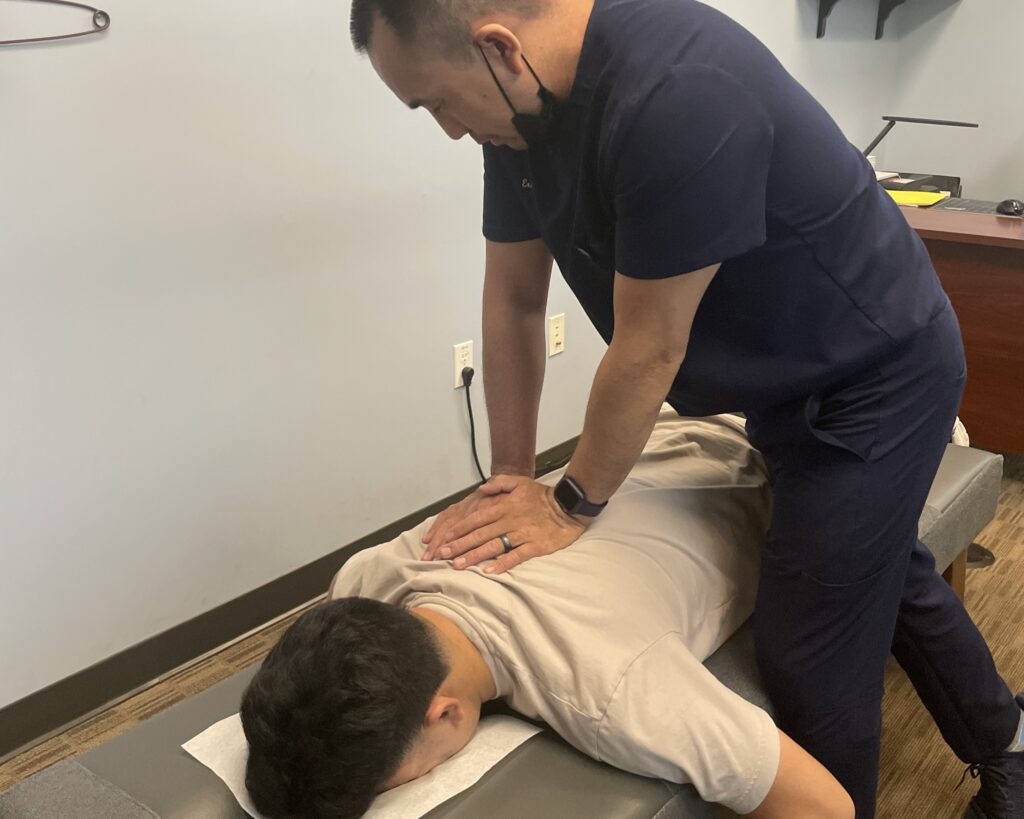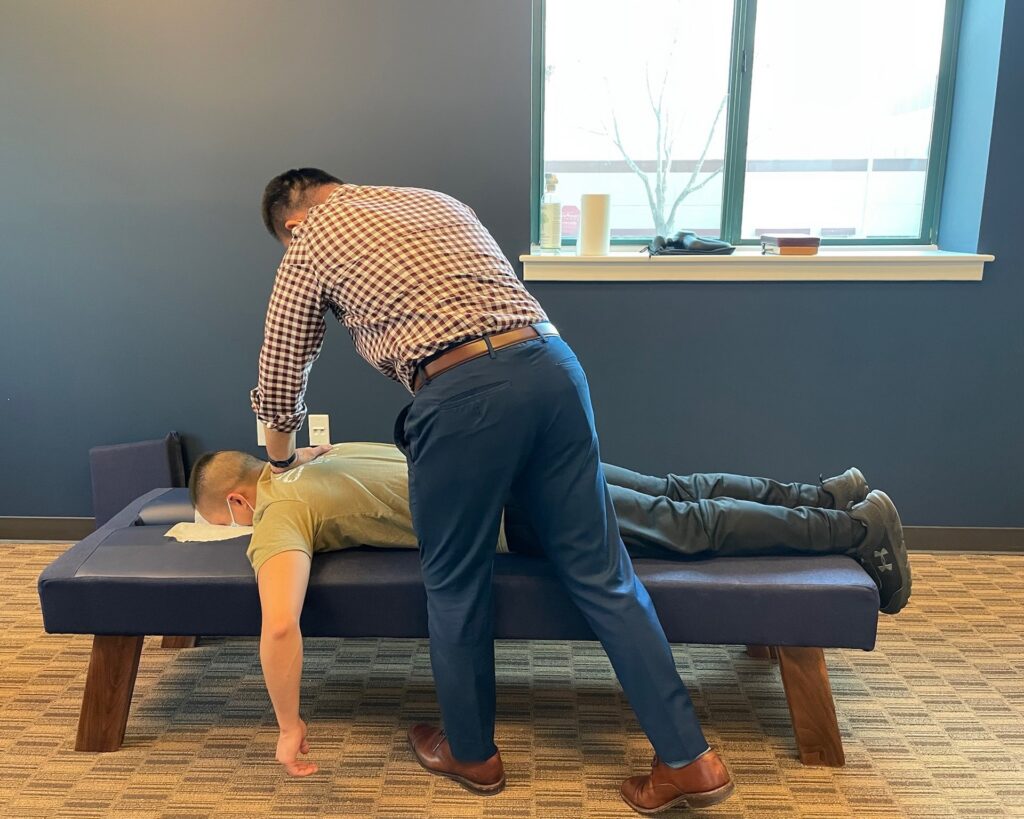
As a chiropractor, I understand that many of you are dealing with back pain, and I want you to know that you’re not alone in this. It’s common for individuals to look for natural methods to alleviate discomfort without turning to medication. The good news is that by making some simple changes to your daily habits and incorporating specific techniques, you can significantly enhance your comfort levels.
One of the first areas we can focus on is your posture. Maintaining proper alignment throughout your day can help prevent strain on your back. Additionally, I encourage you to explore mindfulness practices, which can aid in reducing stress and tension that often contribute to pain.
There are various effective strategies we can discuss together that may help you regain control over your well-being. From stretching exercises to ergonomic adjustments in your workspace, these methods can promote healing and improve your overall quality of life. I’m here to guide you on this journey toward natural relief and a healthier back.
Practice Good Posture
As a local chiropractor, I want to share the importance of practicing good posture when sitting or standing to help alleviate back pain. Many people are unaware that their body positioning can significantly affect the alignment of their spine. To promote optimal spinal health, it’s essential to keep your shoulders back and relaxed, ensuring your head is aligned with your spine.
If you’re sitting, be mindful to keep your feet flat on the floor and your knees bent at a right angle. This alignment helps distribute your weight evenly, reducing strain on your back.
When standing, try to distribute your weight evenly across both feet and engage your core muscles to provide additional support.
Avoid slouching as it can lead to muscle fatigue and discomfort over time. For those of you who spend long hours at a desk, I recommend considering an ergonomic chair that offers support for your lower back.
Remember, making small adjustments to your daily habits can have a significant impact on your back health. Good posture isn’t just a fleeting habit; it’s a fundamental aspect of caring for your body and promoting overall well-being.
Let’s work together towards a healthier spine!
Incorporate Stretching and Strengthening Exercises
As a chiropractor, I often emphasize the importance of incorporating stretching and strengthening exercises into your daily routine to effectively manage back pain.
These exercises not only enhance flexibility but also strengthen the muscles that support your spine, which is crucial for overall spinal health.
Here are four exercises I’d like to share that can make a significant difference in your back care:
1. Cat-Cow Stretch: This gentle movement is excellent for promoting spinal flexibility and relieving tension throughout your back.
It’s a great way to start your day or unwind after a long day.
2. Bird-Dog: This core-strengthening exercise is fantastic for improving stability and coordination.
Engaging multiple muscle groups, it helps build a strong foundation for your spine, which is essential for preventing future discomfort.
3. Bridges: By focusing on your glutes and lower back, bridges are an effective exercise to alleviate pressure on your spine.
Strengthening these areas can significantly contribute to pain relief and improved posture.
4. Child’s Pose: This restorative stretch is perfect for relaxing your back and encouraging deep, calming breaths.
It not only stretches the spine but also helps in reducing stress, which can be beneficial for overall health.
Incorporating these exercises into your routine can lead to better management of back pain and enhance your quality of life.
If you have any questions or need guidance on how to perform these exercises correctly, please don’t hesitate to ask during your visit.
Use Heat and Cold Therapy
As a local chiropractor, I want to share some effective methods for managing back pain that you mightn’t be familiar with, especially if you’re new to chiropractic care and natural healing.
One of the most beneficial approaches is using heat and cold therapy.
Heat therapy can work wonders for your back. It helps to relax tight muscles and enhances blood circulation, which can significantly alleviate discomfort. You can easily implement this at home by using a heating pad, a hot water bottle, or enjoying a warm bath.
When applying heat, aim for about 20 minutes at a time, and allow your skin to cool down before reapplying to prevent overheating.
On the flip side, cold therapy is incredibly effective for reducing inflammation and swelling. Ice packs or even a bag of frozen vegetables wrapped in a cloth can provide numbing relief to your back, helping to diminish pain.
When using cold therapy, apply it for about 15 to 20 minutes, making sure to never place ice directly on your skin to avoid the risk of frostbite.
Incorporating these techniques into your routine can be a simple yet powerful way to manage your back pain.
If you have any questions or need guidance on how to best use these therapies, feel free to reach out during your next visit!
Explore Herbal Remedies and Supplements
As a chiropractor, I often encourage my patients to consider holistic approaches to pain relief, especially when it comes to managing back pain. Many individuals may not be aware that herbal remedies and supplements can play a significant role in enhancing overall well-being and alleviating discomfort.
Here are some natural options you might want to explore:
- Turmeric: This vibrant spice is renowned for its powerful anti-inflammatory properties. Incorporating turmeric into your diet or taking it in supplement form can help reduce pain and swelling associated with back issues.
- Willow Bark: Sometimes called nature’s aspirin, willow bark has been used for centuries to provide pain relief. It may offer similar effects to over-the-counter pain medications, making it a great alternative for those seeking natural solutions.
- Devil’s Claw: This herb has a long history of use for alleviating pain, particularly in the lower back. It’s worth considering if you’re looking for natural support for your discomfort.
- Magnesium: Essential for muscle function, magnesium can help relax tense muscles and alleviate tension that often contributes to back pain. Ensuring you have adequate magnesium levels may be beneficial in your recovery journey.
By integrating these herbal remedies and supplements into your health routine, you may find a supportive path to a pain-free back and improved quality of life.
Consider Mindfulness and Relaxation Techniques
As a chiropractor dedicated to helping you find relief from back pain, I want to introduce you to the benefits of incorporating mindfulness and relaxation techniques into your healing journey. These practices aren’t only complementary to chiropractic care but can significantly enhance your overall well-being.
Mindfulness encourages you to focus on the present moment, which can effectively reduce the stress and tension that often intensify pain. One simple technique I recommend is deep breathing. This practice can help calm your mind, release muscle tightness, and provide instant relief from discomfort.
I also encourage you to explore mindfulness meditation as part of your daily routine. Just a few minutes spent in mindful awareness can foster a deeper connection with your body and its signals, enabling you to manage pain more effectively.
Additionally, yoga is an excellent way to combine gentle movement with mindfulness, promoting flexibility and strength while alleviating discomfort.
Another technique you might find helpful is progressive muscle relaxation. In this method, you systematically tense and relax different muscle groups, which can help you identify areas of tension and promote relaxation.
Conclusion
As a local chiropractor dedicated to your health, I want to share some natural methods that can significantly help alleviate your back pain. First and foremost, practicing good posture is essential; it not only supports your spine but can also prevent future discomfort. Incorporating targeted exercises into your daily routine can strengthen your back muscles and improve flexibility.
Additionally, using heat and cold therapy can be a simple yet effective way to manage pain—heat soothes stiff muscles, while cold therapy can reduce inflammation. Exploring herbal remedies may also provide relief; many patients find success with natural anti-inflammatories. Lastly, embracing mindfulness techniques, such as meditation or deep breathing, can help reduce stress and tension in the body.
Remember, it’s vital to listen to your body and seek professional guidance if your pain persists. I encourage you to take action today and explore these natural healing methods for a healthier, pain-free back! Your journey to wellness starts now.