If you’re experiencing back pain, I understand how overwhelming it can be to navigate through the multitude of treatment options available. As a local chiropractor, I want to emphasize the importance of integrating various therapies for effective relief. Chiropractic care, combined with other methods, can significantly enhance your recovery journey.
From specific spinal adjustments to targeted physical therapy exercises, each approach contributes uniquely to your healing process. You may be surprised to learn that even small adjustments to your daily habits, like improving your posture or making ergonomic changes at your workstation, can lead to substantial improvements in your comfort and mobility.
Let’s delve into some of the best strategies that can help you manage and alleviate your back pain naturally. Together, we can explore how chiropractic care and other holistic methods can work in harmony to restore your well-being.
Physical Therapy Exercises
When it comes to managing back pain, incorporating physical therapy exercises into your routine can truly transform your experience. As a chiropractor, I emphasize the importance of these exercises in strengthening the muscles that support your spine, enhancing flexibility, and improving overall mobility.
A personalized program, designed by a physical therapist or myself, can target specific areas that need the most attention, tailored just for you.
You’ll often find that common exercises, such as core strengthening moves like planks or bridges, along with low-impact activities such as walking or swimming, can be incredibly beneficial. These routines not only relieve pain but also work to prevent future issues by promoting proper posture and muscle balance.
Consistency is key when it comes to your exercises, even on days when motivation is lacking. Remember, slow and steady wins the race; pushing yourself too hard can lead to setbacks.
Stretching Routines
As a local chiropractor, I want to emphasize the importance of incorporating stretching routines into your daily life, especially if you’re dealing with back pain.
Many of my patients find that integrating both dynamic and static stretching can significantly alleviate discomfort.
Dynamic stretching techniques are excellent for warming up your muscles, preparing them for movement, while static stretching focuses on improving flexibility and relieving tension.
Understanding the distinct benefits of each type can empower you to develop a comprehensive approach to managing your pain and enhancing your overall well-being.
Dynamic Stretching Techniques
As a local chiropractor, I want to emphasize the importance of dynamic stretching techniques for enhancing flexibility and preparing your body for movement, particularly if you’re experiencing back pain. Incorporating these stretches into your daily routine can significantly increase blood flow and help loosen tight muscles, promoting overall mobility.
To begin, try starting with simple arm circles and leg swings. These movements warm up your upper and lower body, setting a solid foundation for what comes next. Incorporating torso twists is also beneficial, as they engage your core muscles, which are crucial for providing support to your back.
Additionally, walking lunges not only stretch your hip flexors but also improve your stability, which is essential for maintaining proper alignment. I encourage you to perform these stretches smoothly and fluidly, avoiding any jerky motions that could exacerbate your discomfort.
Aiming for about 5 to 10 minutes of dynamic stretching before engaging in any physical activities can help prevent injuries and enhance your performance. Always be mindful of your body’s limits, and don’t hesitate to adjust your movements as necessary.
Static Stretching Benefits
As a local chiropractor, I want to share the numerous benefits of static stretching, particularly for those of you experiencing back pain.
Integrating static stretches into your daily routine can significantly enhance your flexibility, which plays a crucial role in alleviating discomfort and improving your overall mobility.
Here are some key advantages to consider:
- Increases flexibility: Static stretching helps lengthen your muscles, allowing for a greater range of motion, which is essential for maintaining a healthy spine.
- Reduces muscle tension: By easing tight muscles, static stretching can help alleviate the tension that often contributes to back pain.
- Improves posture: Engaging in these stretches encourages proper alignment of your spine and strengthens the muscles that support it, ultimately promoting better posture.
- Promotes relaxation: Taking the time to stretch can calm your mind, reduce stress levels, and help mitigate pain, as stress can often exacerbate discomfort.
- Enhances recovery: Incorporating static stretches after physical activity aids in muscle recovery, helping to minimize soreness and keep you feeling your best.
Massage Therapy
As a local chiropractor, I want to share how massage therapy can significantly aid in alleviating back pain.
This holistic approach employs various techniques that not only promote pain relief but also help improve your overall muscle function. By focusing on your muscles, massage therapy enhances flexibility and mobility, making everyday activities much more manageable.
Understanding the benefits of incorporating massage into your recovery process is crucial for achieving optimal health.
Let’s delve into how this natural healing method can complement chiropractic care and support your journey towards a pain-free lifestyle.
Techniques for Pain Relief
As a local chiropractor, I often see patients struggling with back pain, and I want to share some techniques for pain relief that can significantly enhance your recovery process.
One of the most effective options available is massage therapy. Not only does it help alleviate discomfort, but it also promotes relaxation and supports your body’s natural healing mechanisms.
Here are some massage techniques that I recommend for managing back pain:
- Swedish Massage: This gentle and soothing technique is perfect for overall relaxation and helps reduce muscle tension.
- Deep Tissue Massage: If you’re dealing with chronic pain, this method targets deeper layers of muscle, offering significant relief.
- Trigger Point Therapy: This focused approach addresses specific tight areas, effectively releasing built-up tension and discomfort.
- Sports Massage: Ideal for those who lead an active lifestyle, this technique helps prevent injuries and aids in recovery after physical activities.
- Hot Stone Massage: Utilizing heated stones, this method relaxes muscles and enhances circulation, further supporting healing.
By incorporating these massage techniques into your wellness routine, you can take proactive steps towards effective back pain management.
Enhancing Flexibility and Mobility
As a local chiropractor, I want to share how incorporating massage therapy into your wellness routine can be incredibly beneficial, especially if you’re experiencing back pain. Not only does massage therapy help relieve discomfort, but it also enhances flexibility and mobility.
By focusing on tight muscles and connective tissues, massage works to release built-up tension, which can improve your range of motion significantly. Many of my patients notice improvements in their posture and alignment after regular massage sessions. This not only helps alleviate strain on the back but also contributes to overall well-being.
Additionally, massage promotes better blood circulation, which is essential for delivering nutrients to your muscles and aiding in their recovery. To truly maximize the benefits of massage therapy, I recommend combining it with stretching exercises that are tailored to your individual needs.
This holistic approach allows you to regain strength and flexibility, making everyday activities easier and more enjoyable. Remember, consistency is crucial; by making massage therapy a regular part of your back pain management routine, you can achieve lasting results.
Embracing natural healing methods like these can greatly enhance your quality of life.
Chiropractic Adjustments
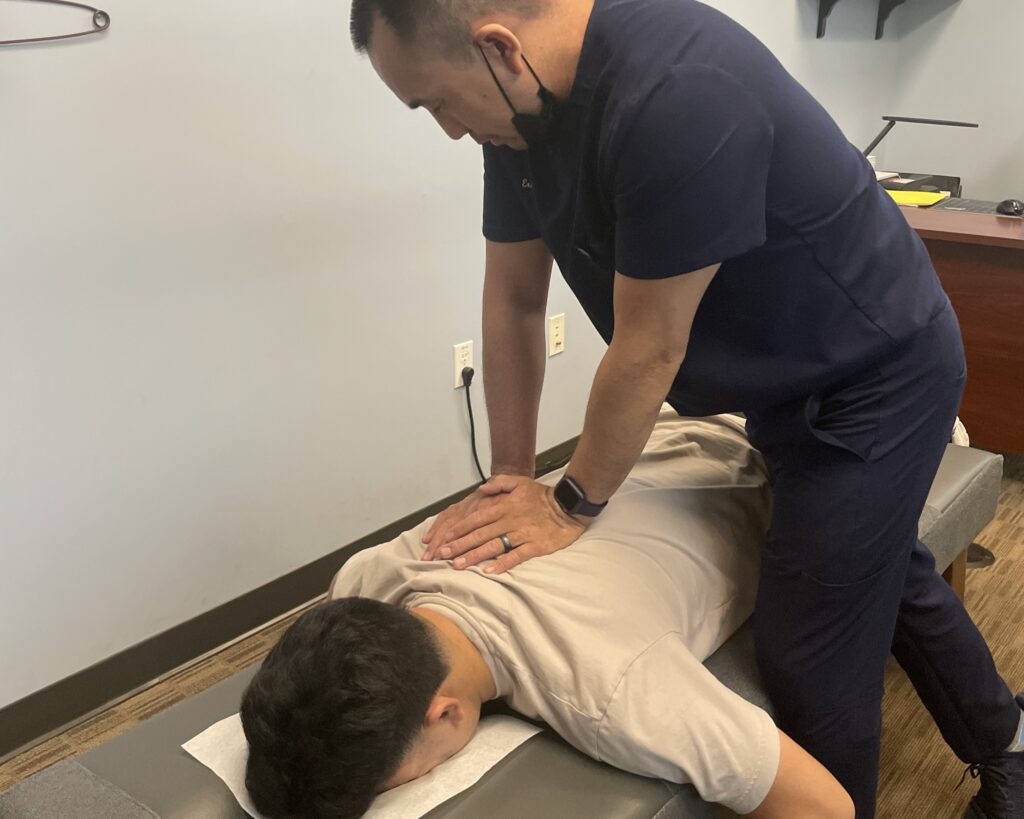
As a local chiropractor, I’m excited to share with you the benefits of chiropractic adjustments for alleviating back pain. Many people may not be familiar with how our approach works, so let me explain how we focus on realigning the spine and enhancing your overall well-being.
When you come to my practice, you can expect a variety of techniques tailored to your specific needs. Here’s what we typically do:
- Spinal Manipulation: This involves gentle and controlled adjustments aimed at restoring proper alignment of your spine. It’s a key method to help your body function optimally.
- Pain Relief: By improving spinal function, we can significantly reduce your discomfort, allowing you to feel better in your daily life.
- Increased Mobility: Our adjustments can enhance your range of motion, making it much easier for you to move freely and engage in activities you love.
- Posture Correction: We provide guidance on how to maintain better posture, which is essential for preventing future pain and discomfort.
- Personalized Care: Every patient is unique, and we create tailored treatment plans that address your specific conditions and health goals.
Incorporating chiropractic adjustments into your routine can truly transform the way you manage back pain. Instead of just masking symptoms, we work together to address the root causes, leading you toward lasting relief and a better quality of life.
If you have any questions about how this process works or how it can benefit you, feel free to reach out!
Acupuncture
As a local Chiropractor, I want to share with you the benefits of acupuncture as a complementary approach to managing back pain.
This ancient technique can provide effective pain relief, helping to alleviate discomfort and enhance your mobility.
Many patients often ask how frequently they should expect to undergo treatment sessions to experience meaningful results.
Let’s take a closer look at how acupuncture can be integrated into your overall therapy plan for optimal healing and wellness.
Pain Relief Techniques
As a local chiropractor, I want to share with you an intriguing pain relief technique that complements our chiropractic care: acupuncture. This ancient practice, rooted in traditional Chinese medicine, involves the insertion of thin needles into specific points on your body to help stimulate healing.
Many of my patients have found acupuncture to be a beneficial addition to their overall treatment for back pain. Here are some of the advantages you may experience from acupuncture:
- Reduced muscle tension and soreness, which can enhance your recovery from spinal adjustments
- Improved blood circulation to the affected areas, promoting faster healing
- Enhanced relaxation and stress relief, essential for overall well-being
- Increased endorphin release, your body’s natural painkillers, which can help alleviate discomfort
- A holistic approach that addresses both the physical and emotional aspects of pain, leading to a more comprehensive healing experience
Numerous individuals have reported significant improvements in their back pain after incorporating acupuncture into their wellness routine.
If you’re curious about how acupuncture might work alongside your chiropractic care, I encourage you to consult with a licensed acupuncturist. Together, we can create a safe and effective treatment plan tailored to your specific needs, helping you achieve optimal health and relief from pain.
Treatment Session Frequency
When it comes to scheduling chiropractic sessions for back pain relief, it’s essential to understand that everyone’s needs are unique.
For those new to chiropractic care, it’s generally recommended to start with one to two sessions per week, particularly during the initial phase of treatment.
As your discomfort diminishes, you may find it beneficial to transition to bi-weekly or monthly visits to maintain your wellness.
It’s crucial to pay attention to how your body responds; if you begin to experience pain again, it could be a sign that you should increase the frequency of your visits.
Engaging in open communication with your chiropractor will help tailor a treatment plan that aligns with your progress and overall health goals.
Regular chiropractic adjustments can significantly enhance your overall well-being, so don’t hesitate to share how you’re feeling as you embark on your healing journey.
Mindfulness and Meditation
As your local chiropractor, I want to introduce you to some powerful alternatives to traditional treatments for back pain. While many people often rely on physical interventions, I believe that incorporating mindfulness and meditation into your routine can significantly enhance your healing process and overall well-being.
These practices are excellent tools for managing discomfort and can help you connect with your body on a deeper level.
By embracing mindfulness and meditation, you can experience a range of benefits that complement chiropractic care, including:
- Enhanced Awareness: These techniques help you become more attuned to your bodily sensations, making it easier to identify pain triggers. This awareness can guide our treatment sessions more effectively.
- Improved Emotional Regulation: Mindfulness can aid in coping with the stress that often accompanies pain. It allows you to manage your emotional responses, leading to a more positive outlook on your healing journey.
- Increased Relaxation: Regular practice can lead to a state of relaxation that eases muscle tension and discomfort, making it easier for your body to respond to chiropractic adjustments.
- Better Focus on Breathing: Mindfulness emphasizes the importance of breathing techniques, which can promote physical and mental relaxation, enhancing the effectiveness of your chiropractic care.
- Stronger Connection to Your Body: These practices encourage self-compassion and acceptance, fostering a healthier relationship with your body as you navigate your path to wellness.
Incorporating mindfulness and meditation into your life can significantly support your chiropractic care and lead to a more holistic approach to managing back pain.
Let’s work together to explore these techniques and find the best path for your healing journey.
Heat and Cold Therapy
As a local chiropractor, I want to share some valuable insights about heat and cold therapy for managing back pain. These methods can be incredibly effective, and understanding how to use them can enhance your healing journey.
Heat therapy, which includes using warm towels or heating pads, is fantastic for relaxing and loosening tight muscles. This increased blood flow to the affected area can be particularly beneficial if you’re dealing with chronic pain or stiffness. It helps your body to feel more comfortable and can promote a sense of wellbeing.
Conversely, cold therapy, which involves ice packs or cold compresses, serves a different purpose. It numbs the area, effectively reducing inflammation and swelling, making it especially useful right after an injury or during acute pain episodes.
To get the best out of these therapies, I often recommend alternating between heat and cold. Start with cold therapy for about 15-20 minutes to help diminish swelling, and then transition to heat for another 15-20 minutes to encourage healing.
Just be sure to protect your skin with a cloth barrier to prevent any irritation.
Always listen to your body during this process. If one method doesn’t feel right, don’t hesitate to switch to the other option or reach out for professional advice. Your comfort and health are our top priorities!
Ergonomic Adjustments
As a local chiropractor, I want to share some valuable insights on how making ergonomic adjustments in your daily life can significantly alleviate back pain.
By optimizing your workspace and daily habits, you can reduce strain on your back and enhance your overall comfort. Here are some key adjustments to consider:
- Chair Support: It’s essential to sit in an adjustable chair that provides lumbar support. This helps maintain the natural curve of your spine, which is crucial for preventing discomfort.
- Screen Height: Positioning your computer screen at eye level is vital. This minimizes the need to lean forward or strain your neck, which can lead to tension and pain over time.
- Desk Setup: Keep your keyboard and mouse close at hand. This simple adjustment can help reduce unnecessary strain on your shoulders and wrists, promoting better ergonomics while you work.
- Foot Position: Ensure your feet are flat on the ground or use a footrest if needed. Proper foot positioning helps maintain good posture and can alleviate pressure on your lower back.
- Lift Techniques: When lifting heavy objects, always remember to bend your knees and keep your back straight. This technique is crucial for preventing injuries and protecting your spine.
By integrating these ergonomic changes into your routine, you can significantly improve your comfort levels and reduce back pain.
These adjustments not only enhance your daily well-being but also support the natural healing process that chiropractic care aims to promote.
If you have any questions or need personalized advice, don’t hesitate to reach out for guidance!
Strength Training
As a local chiropractor, I want to share how strength training can significantly aid in managing back pain. By focusing on building strength in your core, hips, and back muscles, you’re essentially providing better support for your spine. This added stability can alleviate pain and help prevent future injuries, which is vital for maintaining a healthy lifestyle.
To get started, I recommend beginning with light weights or bodyweight exercises, ensuring you concentrate on proper form. It’s important to avoid overexerting yourself, as this can worsen your pain. As you become stronger, you can gradually increase the intensity of your workouts.
Incorporate effective exercises such as deadlifts, squats, and planks, which engage multiple muscle groups. These movements won’t only help strengthen your back but also improve your overall fitness.
Additionally, it’s crucial to include flexibility and mobility exercises in your routine to maintain a balanced approach to your health.
Always listen to your body; if something feels off, it’s important to stop and reevaluate. I encourage you to consult with a physical therapist or a qualified trainer who can help create a personalized program that aligns with your needs.
This way, you’ll be able to progress safely and effectively on your journey to better health. Remember, a strong foundation is key to a pain-free and active life!
Yoga and Pilates
As a local chiropractor, I want to share with you that building strength is just one aspect of effectively managing back pain. Integrating practices like yoga and Pilates into your routine can significantly enhance your recovery journey.
These disciplines aren’t just about physical exercise; they focus on improving flexibility, core stability, and mindfulness, all of which can help alleviate discomfort and promote better posture.
When you engage in yoga and Pilates, you can expect to experience a range of benefits, including:
- Improved flexibility: These practices enhance the range of motion in your spine and the surrounding muscles, which is essential for overall back health.
- Core stability: By strengthening your core, you provide better support for your back, which can help reduce strain and prevent injuries.
- Mind-body connection: The breathing techniques and mindfulness aspects of yoga and Pilates can help reduce stress, a common factor that often exacerbates pain.
- Posture correction: Both yoga and Pilates emphasize proper alignment, which is crucial for preventing future back issues.
- Gentle movements: These exercises offer low-impact options that are easier on your back compared to high-intensity workouts, making them suitable for various fitness levels.
Incorporating yoga and Pilates into your wellness routine can lead to lasting relief and contribute to a stronger, healthier back.
If you’re interested in learning more about how these practices can complement chiropractic care, I’d be happy to discuss it further with you.
Conclusion
As your local chiropractor, I want to emphasize the importance of integrating various therapies into your routine to effectively manage back pain. By incorporating physical therapy, stretching, and complementary treatments such as massage and chiropractic adjustments, you can significantly improve your overall well-being.
It’s crucial to also consider ergonomic adjustments in your daily environment and to practice mindfulness techniques that can help alleviate stress on your body. Remember, consistency is key. Every individual is unique, so it’s essential to personalize your approach and discover what methods work best for you. With dedication to these practices, you can experience relief, regain mobility, and make daily activities easier and more enjoyable. Together, we can work towards a pain-free life through natural healing and chiropractic care.