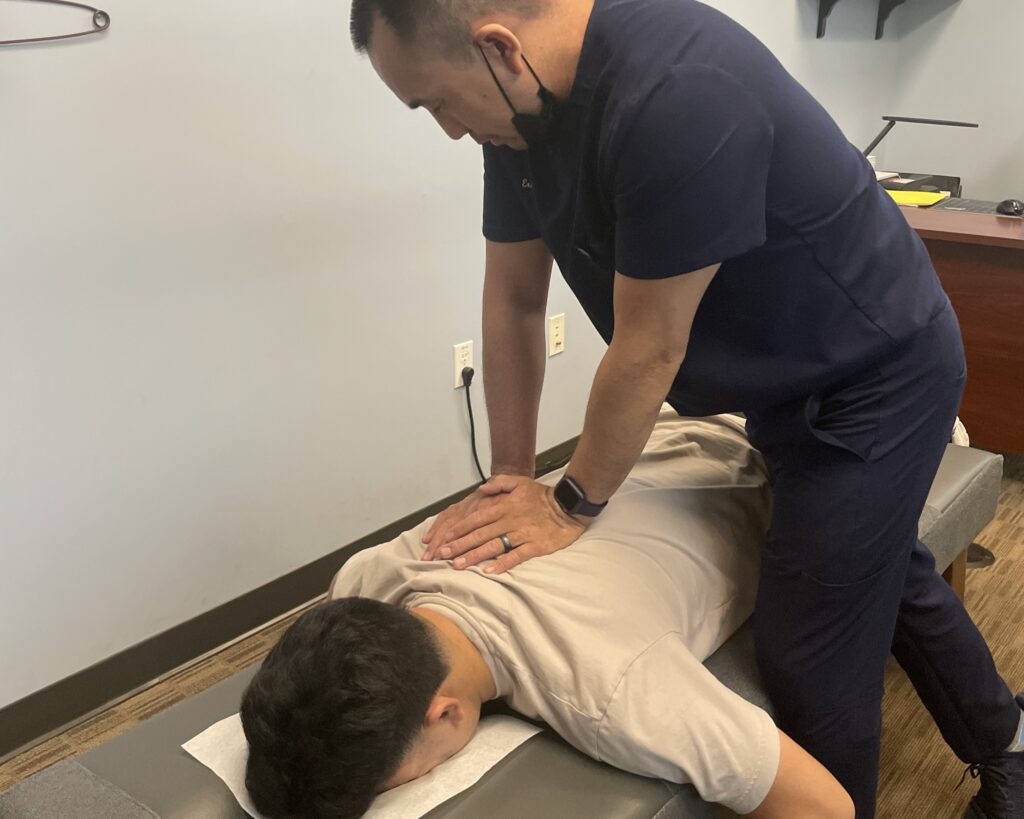
If you’re dealing with migraines, you may be pleasantly surprised to discover the numerous benefits that chiropractic care can provide. It goes beyond mere neck adjustments; it’s about comprehensively understanding your body’s alignment and how it influences your headaches. Through effective spinal manipulation and thoughtful lifestyle changes, there are several insights that can make a significant difference in your journey toward relief and enhanced overall wellness.
Chiropractic care is a holistic approach that addresses the root causes of migraines rather than just masking the symptoms. By ensuring your spine is properly aligned, you can alleviate tension and pressure that may be contributing to your headaches. Here are some valuable tips to consider:
- Regular Adjustments: Consistent chiropractic adjustments can help maintain spinal alignment and reduce the frequency and intensity of migraines.
- Posture Awareness: Pay attention to your posture throughout the day. Good posture can prevent unnecessary strain on your neck and spine, potentially reducing headache triggers.
- Stress Management: Incorporate relaxation techniques such as deep breathing, yoga, or meditation into your daily routine. These practices can help lower stress levels, which are often a significant factor in migraine occurrences.
- Hydration: Staying well-hydrated is crucial. Dehydration can lead to headaches, so be sure to drink plenty of water throughout the day.
- Ergonomic Workspaces: If you work at a desk, ensure your workspace is ergonomically friendly. This means adjusting your chair, monitor, and keyboard to promote proper alignment and reduce strain.
- Healthy Lifestyle Choices: Eating a balanced diet and engaging in regular physical activity can greatly contribute to your overall health and may help in managing migraine symptoms.
- Sleep Hygiene: Establish a regular sleep schedule and create a calming nighttime routine to improve the quality of your sleep, which can help in reducing migraine occurrences.
- Mind-Body Connection: Acknowledge the connection between your mind and body. Emotional well-being plays a vital role in physical health, so consider practices that nurture both.
- Keep a Migraine Diary: Track your migraines to identify potential triggers. This can help you and your chiropractor develop a personalized care plan.
- Consult a Chiropractor: Finally, if you haven’t already, reach out to a chiropractor. They are trained to assess your individual condition and suggest tailored strategies that can lead to lasting relief.
By choosing chiropractic care as your go-to solution for migraine relief, you are investing in a natural and effective path toward optimal health. Let’s work together to help you find the relief you deserve and improve your overall well-being through the power of chiropractic care.
Key Takeaways
Chiropractic care is a powerful approach to managing migraines, helping to reduce both the frequency and severity of these debilitating headaches. Through gentle spinal adjustments, we can restore proper alignment in your body, relieving tension that often contributes to migraine pain.
At our practice, we focus on regular evaluations and personalized treatment plans that specifically address any misalignments affecting your nerve function—an essential factor in achieving effective headache relief. Techniques such as spinal manipulation, soft tissue therapy, and stretching not only help to relax tight muscles but also enhance your overall well-being.
One helpful tool in managing your migraines is keeping a migraine diary. This can assist both you and your chiropractor in identifying specific triggers, allowing us to create tailored interventions that suit your unique needs.
In addition to targeted treatments, ongoing maintenance is key. We offer lifestyle advice and ergonomic tips to support your spinal health. By incorporating these strategies into your daily life, you can promote proactive migraine management and work towards optimal wellness.
Remember, chiropractic care is a natural, drug-free way to achieve pain relief and enhance your quality of life. By prioritizing spinal health, you’re taking an important step toward feeling your best!
Understanding Migraines and Their Triggers
Migraines can be incredibly challenging to deal with, but understanding their triggers is key to managing them effectively. As a chiropractor, I want to help you take charge of your health naturally. By identifying what brings on your migraines, you can make informed choices to reduce their frequency and intensity.
Common triggers for migraines include stress, hormonal changes, certain foods, and environmental factors like bright lights or strong odors. Additionally, lack of sleep and dehydration can often lead to migraines, so maintaining a consistent routine is essential for overall wellness.
One practical tip is to keep a migraine diary. This means jotting down when your migraines occur and what you were doing or eating beforehand. Doing so may help you spot patterns that can guide you in avoiding triggers. For instance, certain foods like aged cheese, chocolate, and alcohol are known to be problematic for many people. By being mindful of your diet, you can make choices that support your well-being.
Chiropractic care can play a significant role in managing migraines. Regular adjustments help align your spine, relieve tension, and improve overall body function. This can reduce the severity and frequency of your migraines, allowing you to enjoy a more comfortable life.
In addition to chiropractic care, consider incorporating relaxation techniques such as deep breathing, yoga, or meditation into your routine to manage stress levels. Staying hydrated and ensuring you get enough quality sleep can also contribute to your overall health and well-being.
The Role of Chiropractic Care in Headache Management
Chiropractic care is an excellent option for managing headaches, especially for those who experience migraines. This hands-on treatment method emphasizes the spine and nervous system, aiming to relieve tension and restore harmony within the body. By correcting misalignments and alleviating muscle tension, chiropractors can help decrease both the frequency and severity of headaches.
During your appointments, we’ll evaluate your posture, spinal alignment, and overall health. Through gentle spinal adjustments and various techniques, we strive to enhance your body’s function, which often results in fewer headaches. Many of our patients notice reduced stress levels, better sleep quality, and an overall sense of well-being after receiving chiropractic care.
In addition to spinal adjustments, we also provide valuable lifestyle advice. This can include ergonomic tips for your workspace and personalized exercises to suit your needs. By integrating chiropractic care into your headache management routine, you may discover a natural approach to addressing the root causes of your migraines, ultimately leading to an improved quality of life.
Remember, taking care of your spine is crucial for your overall health. Here are a few tips to help you maintain wellness at home:
- Maintain good posture, especially when sitting at a desk or using your phone.
- Stay hydrated and eat a balanced diet to support your body’s needs.
- Incorporate regular physical activity into your routine to keep your muscles strong and flexible.
- Practice relaxation techniques such as deep breathing or meditation to reduce stress.
How Spinal Alignment Affects Migraine Frequency
Your spinal health is crucial when it comes to how frequently you experience migraines. When your spine is properly aligned, it enhances nerve function and improves blood flow, both of which are essential for reducing the occurrence of migraines.
As a local chiropractor, I want to emphasize the importance of spinal alignment in achieving not just pain relief, but overall wellness.
When your spine is in alignment, your body can function at its best. Misalignments can lead to nerve interference, which may contribute to headaches and migraines. By seeking chiropractic care, you can address these misalignments naturally, helping to alleviate migraine frequency without the need for medications or invasive procedures.
Here are a few tips to maintain your spinal health and potentially reduce your migraine frequency:
- Regular Chiropractic Adjustments: Routine visits to your chiropractor can help keep your spine aligned and your nervous system functioning optimally.
- Ergonomic Workspace: Ensure your workspace is set up to support good posture. Your chair should support your lower back, and your computer screen should be at eye level.
- Hydration: Staying hydrated is essential for overall health and can help prevent headaches. Aim for at least 8 glasses of water a day.
- Stretching and Exercise: Incorporate gentle stretching and regular exercise into your routine. This can strengthen your muscles and improve your spinal alignment.
- Stress Management: Practices like yoga, meditation, or deep breathing can help reduce stress, which is a common trigger for migraines.
By understanding the link between spinal alignment and migraine frequency, you can take proactive steps toward better health.
Chiropractic care is a natural and effective way to manage your well-being, offering a holistic approach to reducing headaches and enhancing your quality of life.
Importance of Spinal Health
When your spinal alignment is off, it can significantly contribute to the frequency and severity of migraines. Misalignment can put stress on your muscles and nerves, which often makes headache symptoms worse. That’s why taking care of your spinal health is crucial for reducing migraine episodes.
Here are three important reasons why maintaining proper spinal alignment is essential:
- Improved Blood Flow: When your spine is aligned correctly, it helps enhance circulation throughout your body. This means your brain gets the oxygen it needs to function properly, which can help reduce the occurrence of migraines.
- Reduced Muscle Tension: Keeping your spine in alignment alleviates unnecessary strain on your muscles. By doing so, you can prevent the tightness that often leads to migraines. Regular chiropractic adjustments can help maintain this alignment and keep your muscles relaxed.
- Enhanced Nervous System Function: A healthy spine is vital for the proper functioning of your nervous system. Optimal nerve function is key to overall well-being and effective migraine management. Chiropractic care focuses on ensuring your spine supports your nervous system, promoting better health naturally.
Takeaway Tips:
- Schedule regular chiropractic visits to ensure your spine stays aligned.
- Practice good posture while sitting and standing to reduce strain on your spine.
- Incorporate gentle stretching or yoga into your routine to keep your muscles relaxed and flexible.
Nerve Function and Alignment
Spinal alignment may seem like a small concern, but it plays a crucial role in the overall function of your nervous system, which can significantly impact how often you experience migraines. When your spine is out of alignment, it can create interference with your nerves, leading to miscommunication within your body. This miscommunication can trigger migraines, as your brain struggles to process signals effectively.
By focusing on proper spinal alignment, you can help ensure that your nerves are functioning at their best, which may lead to a reduction in the frequency of migraines. Regular chiropractic adjustments are an excellent way to realign your spine. These adjustments not only ease tension but also promote better communication between your nerves and brain.
Here are some tips you can implement to support your spinal health and potentially reduce migraine occurrences:
- Practice Good Posture: Make sure to sit and stand with a straight back. Avoid slumping over your desk or phone to keep your spine aligned.
- Ergonomic Workspace: If you spend long hours at a desk, ensure your workspace is set up ergonomically to prevent strain on your spine.
- Stay Active: Regular physical activity strengthens the muscles around your spine, helping maintain proper alignment. Simple exercises like walking, stretching, or yoga can make a big difference.
- Stay Hydrated: Drinking plenty of water can help keep your body functioning optimally, which supports nerve health.
- Schedule Regular Chiropractic Visits: Frequent check-ups with a chiropractor can help maintain your spinal alignment and promote overall wellness.
By prioritizing your spinal health through chiropractic care, you may experience fewer migraines and enjoy improved well-being.
Impact on Blood Flow
Spinal alignment is crucial for maintaining healthy blood flow throughout your body, and it can have a significant impact on the frequency and intensity of migraines. When your spine is out of alignment, it can squeeze blood vessels and disrupt circulation, which may lead to increased pressure and pain in your head.
Here’s how proper spinal alignment through chiropractic care can make a difference:
- Enhanced Blood Flow: Keeping your spine aligned promotes better circulation to the brain. This can help reduce common migraine triggers and improve overall brain health.
- Reduced Muscle Tension: When your vertebrae are in their correct position, it relieves pressure on nearby muscles. This can help ease tension headaches and make you feel more comfortable in your daily life.
- Optimized Nerve Function: Proper spinal alignment supports your nervous system, which means that your body can communicate more effectively. This can help reduce pain signals and improve your overall sense of well-being.
Incorporating regular chiropractic adjustments into your wellness routine can be a powerful way to support your health naturally.
Remember, maintaining good posture, staying active, and managing stress can also contribute to better spinal health and reduced migraines.
If you’re looking for a natural path to pain relief and wellness, consider reaching out to a local chiropractor who can help you achieve optimal health.
Techniques Used in Chiropractic Treatment for Migraines
When it comes to finding relief from migraines, chiropractic care stands out as a powerful, natural option. One of the primary techniques we utilize is spinal manipulation, which involves realigning your spine to alleviate tension. By restoring proper alignment, we can help reduce the frequency and intensity of your headaches.
In addition to spinal adjustments, we also employ soft tissue therapy. This technique targets muscle tightness that may be contributing to your migraines. By relaxing these muscles, we can enhance blood flow and promote overall relaxation, leading to fewer headaches.
If you’re looking for ways to support your well-being at home, consider incorporating regular stretching and hydration into your routine. Staying active and managing stress through techniques like deep breathing or yoga can also make a significant difference.
Remember, chiropractic care isn’t just about treating pain; it’s about fostering a healthier lifestyle and achieving optimal health naturally.
Spinal Manipulation Techniques
As a local chiropractor, I’m excited to share how spinal manipulation techniques can provide effective relief for migraine symptoms, promoting natural healing and overall wellness.
By focusing on the alignment of your spine, we can reduce tension and enhance your body’s function, leading to a healthier, pain-free life.
Here are three effective chiropractic techniques you might encounter:
- Diversified Technique: This hands-on method helps realign specific vertebrae, alleviating pressure on nerves and restoring balance to your body. It’s a straightforward approach that can bring immediate relief.
- Gonstead Technique: With a thorough examination, this precise method allows us to identify misalignments and apply targeted adjustments. By focusing on your unique needs, we can help you achieve optimal spinal health.
- Thompson Drop Table Technique: This technique uses a specialized table to minimize the force during adjustments, making it a gentle yet effective option for those suffering from migraines. It’s designed to ensure comfort while promoting healing.
Incorporating these techniques into your wellness routine can significantly reduce the frequency and intensity of your migraines.
Additionally, here are some general tips for managing migraines naturally:
- Stay Hydrated: Drink plenty of water to avoid dehydration, which can trigger migraines.
- Maintain a Regular Sleep Schedule: Aim for consistent sleep patterns to help regulate your body.
- Practice Stress-Reduction Techniques: Activities like yoga, meditation, or deep-breathing exercises can help alleviate tension and reduce migraine occurrences.
By choosing chiropractic care, you’re opting for a natural, non-invasive approach to pain relief and wellness.
Let’s work together to help you achieve optimal health and a migraine-free life!
Soft Tissue Therapy
Soft tissue therapy can be a transformative approach for those experiencing migraines, as it directly addresses the muscles and connective tissues that may be contributing to your discomfort. By incorporating techniques such as massage, myofascial release, and trigger point therapy, we can relieve muscle tension, enhance blood flow, and alleviate stress—all of which are essential for managing migraine pain. Here’s a quick overview of these effective techniques:
| Technique | Description |
|---|---|
| Massage | Helps relax tight muscles and boost circulation. |
| Myofascial Release | Targets and releases tension in the fascia to improve mobility. |
| Trigger Point Therapy | Focuses on specific tight spots to relieve pain directly. |
| Stretching | Increases flexibility and helps reduce muscle tightness. |
As a chiropractor, I believe in the power of natural healing and the body’s ability to restore itself. In addition to these techniques, here are some general tips you can incorporate into your daily routine to support your well-being:
- Stay Hydrated: Drinking plenty of water can help prevent dehydration, which may trigger migraines.
- Maintain Good Posture: Being mindful of your posture can reduce strain on your neck and shoulders, which may contribute to headaches.
- Practice Stress Management: Techniques such as deep breathing, yoga, or meditation can help reduce stress and tension in your body.
- Regular Chiropractic Care: Regular adjustments can help align your spine and alleviate pressure on nerves, promoting better overall health.
The Connection Between Posture and Migraine Relief
Many people may not realize that poor posture can significantly increase the frequency and intensity of migraines. When we slouch or hunch over, it can place unnecessary strain on our neck and spine, leading to muscle tension and headaches. Here are three important ways that posture can influence your migraine experience:
- Neck Strain: When your head isn’t aligned properly with your spine, it can overwork the neck muscles, potentially triggering migraines. Maintaining good posture helps keep your neck aligned and reduces strain.
- Tension Buildup: Slouching not only affects your neck but can also create tension in the upper back and shoulders. This tension can contribute to headaches. By focusing on your posture, you can alleviate some of this discomfort.
- Reduced Blood Flow: Poor posture can restrict blood flow to the brain, worsening migraine symptoms. When you sit or stand correctly, you promote better circulation, which is vital for overall brain health.
Being mindful of your posture throughout the day can be a simple yet effective strategy for finding relief from migraines. Here are some general tips to help you maintain a healthier posture:
- Adjust Your Workstation: Ensure your desk and chair are ergonomically set up to support your spine. Your computer screen should be at eye level, and your chair should support your lower back.
- Use Supportive Chairs: Invest in chairs that promote good posture. Look for those that offer lumbar support to maintain the natural curve of your spine.
- Engage in Core Strengthening Exercises: Strengthening your core muscles can help support your spine and improve your posture. Activities like yoga or Pilates can also enhance your awareness of body alignment.
Incorporating these strategies into your daily routine can help you reduce the frequency and severity of migraines naturally.
As a chiropractor, I emphasize the importance of spinal health and posture in achieving optimal wellness. By addressing posture and seeking chiropractic care, you can take significant steps toward managing migraines and enhancing your overall quality of life.
Benefits of Regular Chiropractic Adjustments
Regular chiropractic adjustments can be a game-changer for those suffering from migraines. As a local chiropractor, I want to share how these adjustments not only provide pain relief but also promote better spinal alignment, which is essential for overall health and wellness.
When your spine is properly aligned, it helps to reduce the frequency and intensity of migraines. This means fewer days spent in discomfort and more time enjoying life. By choosing chiropractic care, you’re opting for a natural approach to healing that focuses on your body’s ability to heal itself.
In addition to regular adjustments, here are some simple tips to help manage migraines:
- Stay Hydrated: Dehydration can trigger migraines, so make sure to drink plenty of water throughout the day.
- Maintain Good Posture: Keeping your spine aligned not just during adjustments but also in your everyday life can help prevent migraines.
- Manage Stress: Stress can be a significant trigger for migraines. Consider relaxation techniques such as deep breathing, yoga, or meditation.
- Regular Exercise: Engaging in physical activity can reduce tension and improve overall well-being, which may help in reducing migraine occurrences.
- Healthy Diet: Eating balanced meals and avoiding known migraine triggers like processed foods can make a difference.
By incorporating chiropractic care into your wellness routine and following these simple tips, you can take proactive steps towards managing migraines and enhancing your overall health.
Pain Relief Mechanism
When you suffer from migraines, finding effective relief can sometimes feel overwhelming. However, regular chiropractic adjustments can truly transform your experience. These adjustments directly address the root causes of your migraines, helping to ease pain and discomfort naturally.
Here are three essential ways chiropractic care can provide relief:
- Reduced Muscle Tension: Chiropractic adjustments can help release muscle tightness, which is often a trigger for migraines. By relaxing these muscles, you can experience significant relief from the discomfort.
- Improved Blood Flow: Enhanced circulation from chiropractic care ensures that your head receives the necessary oxygen and nutrients it needs. This can help alleviate headache symptoms and promote overall well-being.
- Nervous System Balance: By realigning your spine, chiropractic care can reduce irritation in your nerves. This not only helps decrease the frequency of migraine episodes but also supports your overall nervous system health.
Incorporating regular chiropractic care into your wellness routine is a holistic approach to managing migraine pain effectively.
Additionally, consider some simple tips to enhance your well-being: stay hydrated, practice stress-reducing techniques like deep breathing or yoga, and maintain a consistent sleep schedule.
Improved Spinal Alignment
Improved spinal alignment is a cornerstone of overall health, particularly for those who suffer from migraines. When your spine is in proper alignment, it supports optimal nervous system function, helping to reduce the tension and stress that can trigger those painful episodes.
Regular chiropractic adjustments are a safe and effective way to correct misalignments, relieving pressure on nerves and enhancing blood flow to your brain. This can lead to fewer and less intense migraine occurrences.
In addition to reducing migraines, better spinal alignment can greatly improve your posture. Good posture helps decrease muscle tension in your neck and shoulders, which are common areas where stress accumulates.
You may notice that consistent chiropractic care not only helps lower the frequency of your migraines but also boosts your overall well-being.
Here are some tips to enhance your spinal health at home:
- Practice Good Posture: Be mindful of your posture whether you’re sitting, standing, or walking. Keeping your shoulders back and your head aligned with your spine can make a big difference.
- Stay Active: Engage in regular physical activity. Simple exercises like walking, stretching, or yoga can strengthen your back and improve flexibility.
- Ergonomics Matter: Make sure your workspace is set up to support your spine. Your chair should provide good support, and your computer screen should be at eye level.
- Stay Hydrated: Drinking plenty of water keeps your body hydrated and supports the health of your spinal discs.
- Get Regular Adjustments: Regular visits to your chiropractor can help maintain your spinal alignment and keep your nervous system functioning optimally.
By prioritizing your spinal health through chiropractic care, you’re taking a proactive step toward managing migraines and enjoying a healthier, more balanced life.
How Chiropractic Care Complements Traditional Migraine Treatments
While traditional migraine treatments often rely on medications and lifestyle adjustments, chiropractic care provides a natural and effective way to address the root causes of headache pain. By integrating chiropractic techniques into your wellness routine, you can elevate your overall health and potentially lessen both the frequency and intensity of migraines.
Here are three compelling ways chiropractic care enhances traditional migraine treatments:
- Natural Pain Relief: Chiropractic adjustments focus on relieving tension in the neck and spine, which can significantly decrease migraine severity. By aligning the spine and reducing nerve irritation, you can experience soothing relief without the need for medications.
- Enhanced Functionality: Regular chiropractic visits play a vital role in maintaining proper spinal alignment. This not only supports better nervous system function but also helps in identifying and addressing potential migraine triggers. When your body is aligned and functioning optimally, you’re better equipped to manage stress and prevent migraines.
- Holistic Wellness: Chiropractors take a comprehensive approach to your health by offering personalized lifestyle advice and exercises tailored to your specific needs. This empowers you to actively participate in your wellness journey, promoting healthier living habits that can further reduce migraine occurrences.
General Tips for Migraine Management:
- Stay hydrated: Drinking plenty of water can help prevent dehydration, a common migraine trigger.
- Maintain a consistent sleep schedule: Aim for regular sleep patterns to promote restful nights and reduce migraine risk.
- Manage stress: Incorporate relaxation techniques, such as deep breathing or yoga, to help keep stress levels in check.
Patient Experiences: Success Stories With Chiropractic Care
Many patients have discovered the incredible benefits of chiropractic care in finding relief from migraines. These inspiring success stories truly showcase how this holistic approach can transform lives.
Take Jenna’s story, for instance. She battled debilitating migraines for years, but after beginning chiropractic treatment, she experienced a remarkable reduction in both the frequency and intensity of her pain.
Then there’s Mark, who felt almost instant relief after his very first adjustment. He was amazed at how much better he felt, allowing him to dive back into activities he’d once avoided due to his migraines.
Many patients also report feeling more relaxed and enjoying better sleep patterns after regular chiropractic adjustments. This is crucial, as quality sleep is a key factor in migraine prevention.
These experiences highlight the importance of finding a chiropractor who understands your specific needs and can tailor a treatment plan just for you. Chiropractic care focuses on the health of your spine and nervous system, promoting natural healing and overall wellness.
If you’re considering chiropractic care, remember that you have the potential to create your own success story—one that moves you closer to a life free from the hold of migraines.
Alongside your chiropractic visits, consider incorporating relaxation techniques, staying hydrated, and maintaining a healthy diet to further support your well-being. Together, these practices can help pave the way to a healthier, pain-free life!
What to Expect During Your First Chiropractic Visit
If you’re considering chiropractic care to address your migraines, understanding what to expect during your first visit can help alleviate any apprehensions. Here’s a straightforward overview of the process:
1. Initial Consultation: During your first meeting, you’ll have the opportunity to share your medical history, any migraine triggers, and the symptoms you experience. This discussion is crucial as it allows me to understand your individual circumstances and how they relate to your overall wellness.
2. Physical Examination: Be prepared for a comprehensive examination. I’ll evaluate your posture, range of motion, and spinal alignment. This assessment is essential for pinpointing any underlying issues that may be contributing to your migraines.
By identifying these factors, we can work together towards a natural solution.
3. Personalized Treatment Plan: After our examination, I’ll develop a customized treatment plan tailored specifically to your needs. This plan may include chiropractic adjustments to realign your spine, lifestyle recommendations to support your health, and suggestions for follow-up visits to monitor your progress.
As you embark on this journey towards better health, remember that chiropractic care is a holistic approach aimed at not just alleviating pain, but also enhancing your overall well-being.
By maintaining a healthy spine and nervous system, you can promote natural healing and achieve optimal health.
Consider incorporating some simple lifestyle habits, such as staying hydrated, practicing good posture, and managing stress, to further support your wellness journey.
Together, we can work towards a pain-free and healthier you!
Tips for Maintaining Migraine Relief Beyond Treatment
To maintain migraine relief beyond your chiropractic treatments, it’s essential to take a proactive approach to your overall health and wellness. Start by identifying and avoiding your specific migraine triggers, which could include certain foods, stress, or environmental factors. Keeping a migraine diary can be a helpful tool to track your patterns and adjust your lifestyle accordingly.
Incorporating regular exercise into your daily routine is a fantastic way to promote overall well-being. Physical activity not only reduces stress but also improves blood circulation, which can be beneficial in preventing migraines. Remember to stay hydrated; drinking plenty of water can alleviate headaches and support your overall health.
Stress management is crucial, so consider practices like yoga or meditation to help keep tension at bay. Prioritizing good sleep hygiene is also vital; ensure you get quality rest every night to support your body’s natural healing processes.
Don’t forget to maintain regular follow-up visits with your chiropractor. These sessions are important for monitoring your progress, making any necessary adjustments to your care, and ensuring you’re on the right path to optimal health.
Conclusion
Incorporating chiropractic care into your migraine management can significantly enhance your overall well-being and quality of life. By emphasizing spinal alignment and reducing tension in your body, chiropractic adjustments can address the root causes of your migraines, helping you to effectively manage and even eliminate triggers.
Here are some key takeaways to consider:
- Regular Chiropractic Visits: Consistency is essential in chiropractic care. Regular adjustments can help maintain spinal health and prevent tension build-up, which may lead to migraines.
- Stay Engaged: Keep an open line of communication with your chiropractor. Share your experiences and any changes in your symptoms, as this will guide them in tailoring your treatment for optimal results.
- Track Your Progress: Keeping a migraine diary can be beneficial. Note when your migraines occur, their severity, and any potential triggers. This information can help you and your chiropractor develop a more effective care plan.
- Lifestyle Adjustments: Incorporate healthy habits into your daily life. Staying hydrated, maintaining a balanced diet, and ensuring adequate sleep can support your chiropractic care and enhance your overall health.
- Stress Management: Stress is a common trigger for migraines. Techniques such as deep breathing, meditation, or light yoga can complement your chiropractic treatment and help reduce stress levels.
- Ergonomics: Pay attention to your posture, especially if you spend long hours at a desk. Proper ergonomics can prevent tension in your neck and shoulders, reducing the likelihood of migraines.
- Gentle Exercises: Engage in gentle stretching and strengthening exercises that focus on your neck and upper back to improve spinal health and reduce tension.
Remember, chiropractic care is a natural and effective approach to finding relief from migraines. By focusing on spinal health and making informed lifestyle choices, you can take significant steps towards a healthier, pain-free life. Stay proactive, and don’t hesitate to reach out to your chiropractor for personalized advice tailored to your unique needs.