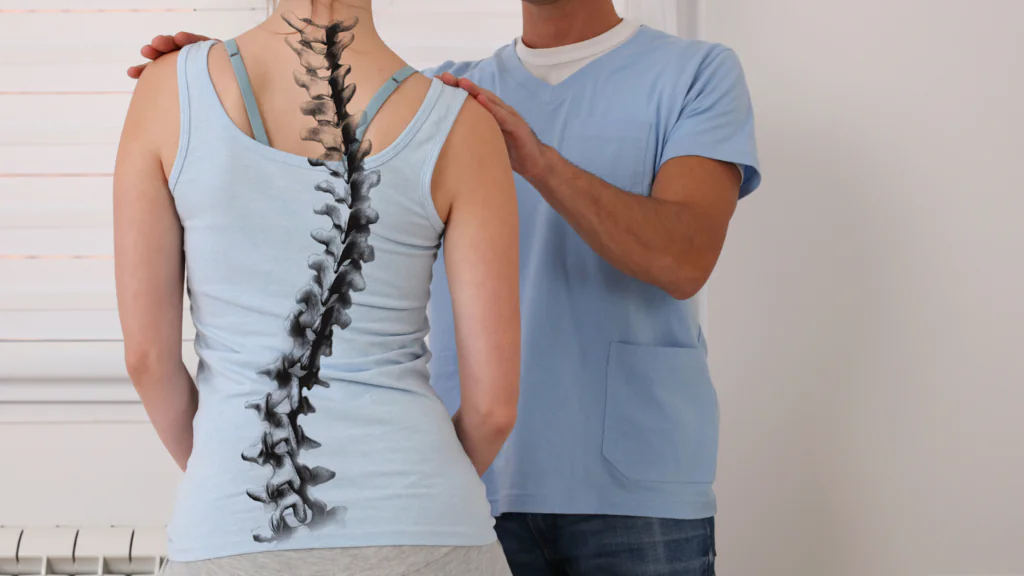
As a local chiropractor, I want to share with you the incredible benefits of chiropractic care when it comes to recovering from sports injuries. Many people may not be familiar with how a holistic approach can make a significant difference in your healing process. Unlike traditional physical therapy, which often focuses on specific exercises to restore function, chiropractic care addresses the root of the problem by promoting proper alignment and function of the spine and nervous system.
But recovery doesn't have to stop there! Consider integrating additional methods like cryotherapy and regenerative medicine into your healing journey. These techniques can complement chiropractic adjustments and enhance your overall recovery. For instance, cryotherapy can help reduce inflammation and pain, while regenerative medicine may aid in repairing damaged tissues.
By exploring how these different techniques can work together, we can tailor a recovery plan that optimizes your healing process and gets you back to peak performance. So, let's discuss which combination of therapies might work best for you!
Overview of Sports Injuries
As a local chiropractor, it's important for me to help you understand sports injuries, whether you're a casual participant or an elite athlete. Being aware of the different types of injuries can empower you to recognize symptoms early and seek appropriate care.
Sports injuries generally fall into two main categories: acute and chronic.
Acute injuries occur suddenly and can include sprains, fractures, or concussions. These injuries often happen during a game or practice due to falls, collisions, or awkward landings. Recognizing acute injuries quickly is crucial for effective recovery, and this is where chiropractic care can play a significant role in your healing process.
On the other hand, chronic injuries develop gradually over time, often due to repetitive stress on specific body parts. Conditions such as tendinitis or stress fractures can arise if you don't pay attention to persistent pain or discomfort. It's vital to listen to your body and address these issues early on to prevent more severe damage and extended recovery times.
Chiropractic care focuses on restoring proper alignment and function, which can help alleviate chronic pain and promote healing.
Understanding the specific type of injury you're dealing with can guide your treatment options and recovery plan. Additionally, considering the nature of your sport is essential, as different activities present unique risks. For example, runners may encounter overuse injuries, while athletes in contact sports may be more susceptible to acute injuries.
In summary, having a solid understanding of sports injuries not only allows you to take control of your health but also enhances your athletic performance. It's not just about avoiding injuries; it's about understanding them and utilizing natural healing methods, like chiropractic care, to improve your overall athletic experience.
If you have any questions or concerns about sports injuries or how chiropractic care can support your recovery, don't hesitate to reach out.
Traditional Physical Therapy
After experiencing a sports injury, many athletes seek out chiropractic care as an essential part of their recovery process. This holistic approach focuses on restoring function and mobility through natural healing methods, including adjustments and exercises tailored to your unique needs.
When you first visit a chiropractor, you'll undergo a thorough evaluation where we assess your injury, discuss your goals, and create a personalized treatment plan just for you.
In chiropractic care, you can expect to participate in a variety of exercises designed to strengthen the affected area, improve flexibility, and enhance overall stability. Your chiropractor will guide you through specific movements, ensuring that you maintain proper posture and alignment to prevent further injury.
We may also utilize natural modalities, such as heat therapy or gentle electrical stimulation, to help alleviate pain and reduce inflammation.
One of the most significant advantages of chiropractic care is our emphasis on education. You'll gain valuable insights into your injury, learn effective self-management techniques, and understand the importance of maintaining proper body mechanics during sports and daily activities.
This knowledge empowers you to take an active role in your healing journey, ultimately leading to better outcomes.
Consistency is crucial in chiropractic care. Regular visits and adherence to your chiropractor's recommendations for at-home exercises will support your recovery, helping you regain strength and confidence.
It's essential to remember that our goal goes beyond just healing; we aim to prevent future injuries and enhance your overall performance in sports and life.
Chiropractic Care
As a local chiropractor, I want to share with you how chiropractic care can be a vital component in your sports injury recovery journey. Our focus is on spinal health and overall wellness, which directly influences your ability to heal and regain strength. When there are misalignments in your spine, it can hinder the function of your nervous system, making it difficult for your body to heal effectively. By realigning your spine, we can enhance your body's communication and coordination, essential for a smooth recovery.
During your recovery process, I'll perform specific adjustments tailored to your unique injury. These adjustments are designed to alleviate pain, reduce inflammation, and improve your range of motion. Many athletes find that when their spine is properly aligned, they respond better to rehabilitation exercises, making it easier to rebuild strength and flexibility.
Chiropractic care also focuses on prevention. During your visits, I'll assess your posture, biomechanics, and overall physical condition to identify any weaknesses or imbalances that could lead to future injuries. By introducing targeted exercises and lifestyle changes, we can help you build resilience and enhance your performance in your chosen sport.
In addition to spinal adjustments, I often incorporate other therapeutic modalities, such as electrical stimulation or massage therapy. This holistic approach not only helps address your current injury but also supports your overall well-being, ensuring you feel your best.
Integrating chiropractic care into your recovery plan can lead to faster healing and a smoother return to your sport. If you're serious about your recovery and want to get back to doing what you love, I encourage you to consider working with a chiropractor who understands the demands of athletic pursuits. With my support, you can return to your activities with renewed strength and confidence.
Cryotherapy
As a local chiropractor, I want to share some insights about cryotherapy, which has been gaining traction for its potential benefits in aiding recovery from sports injuries.
It's important to consider both the advantages and possible risks before incorporating it into your recovery routine. By understanding the best practices for cryotherapy, you can enhance its effectiveness while minimizing any drawbacks.
Benefits of Cryotherapy
As a local chiropractor dedicated to educating my patients about natural healing methods, I want to share the benefits of cryotherapy, particularly for athletes and those recovering from injuries. Cryotherapy is a technique that involves exposing your body to extremely cold temperatures for a brief period, and it can significantly aid in your recovery process.
One of the primary benefits of cryotherapy is its ability to reduce inflammation. When you apply cold to the skin, it constricts blood vessels, which can help minimize swelling and alleviate pain in injured areas. This is particularly useful for athletes who often deal with soreness and inflammation after intense physical activity.
In addition to reducing inflammation, cryotherapy can accelerate muscle recovery. The cold exposure helps flush out metabolic waste from your muscles, and when you return to normal temperatures, blood circulation improves, delivering essential nutrients that expedite the healing process. This means you can get back to your regular activities more quickly and effectively.
Another noteworthy benefit is the enhancement of mood and mental clarity. Many participants in cryotherapy sessions report feeling a surge of energy and invigoration afterward, largely due to the release of endorphins. This natural high can be especially beneficial during rehabilitation, helping you stay motivated and focused on your recovery goals.
Moreover, cryotherapy can promote better sleep quality. Good rest is vital for recovery, and by helping to reduce pain and promote relaxation, cryotherapy can assist you in achieving more restorative sleep.
Incorporating cryotherapy into your recovery routine may provide you with that extra edge you need to bounce back stronger and faster. As your chiropractor, I encourage you to consider this natural approach to healing and recovery, which aligns perfectly with our commitment to holistic health and wellness.
Risks and Considerations
As a local chiropractor dedicated to educating my patients about natural healing methods, I want to discuss the benefits and considerations of cryotherapy, particularly for athletes and individuals recovering from injuries.
While cryotherapy can offer significant advantages, it's crucial to understand the potential risks involved.
Firstly, exposure to extreme cold can lead to frostbite if not administered properly or if the duration of the treatment is excessive. It's vital to follow guidelines carefully to ensure safety.
Additionally, some individuals may experience skin irritation or allergic reactions to the products used in cryotherapy.
It's also important to recognize that cryotherapy may not be the best option for everyone. If you have certain medical conditions, such as cardiovascular issues or respiratory problems, I strongly recommend consulting with a healthcare professional before trying this treatment.
Remember, while cryotherapy can be beneficial as part of your recovery process, it isn't a universal remedy. It's essential to consider how it fits within your overall recovery plan and to evaluate its effectiveness alongside other natural healing methods.
To summarize, here are some key risks to keep in mind:
- Potential for frostbite or cold burns if not done correctly
- Possibility of skin irritation or allergic reactions
- Unsuitability for certain medical conditions
- Not a guaranteed solution for all injuries or recovery needs
Best Practices for Use
As your local chiropractor, I want to share some insights on how to maximize the benefits of cryotherapy, a natural healing technique that can complement your overall wellness journey. Ensuring both safety and effectiveness is key.
First and foremost, it's important to choose a reputable facility or cryotherapy equipment. Take the time to research the provider's credentials and read reviews to ensure they follow safety standards.
Before diving into a cryotherapy session, I highly recommend consulting with a healthcare professional—preferably someone knowledgeable about your health history, like me! This is especially crucial if you have any underlying health conditions. We can discuss whether cryotherapy might be a beneficial option for you.
When you arrive for your session, dress appropriately—avoid wearing metal accessories since they can cause burns. It's also wise to limit your exposure time to the recommended duration, typically between 2 to 4 minutes, depending on the type of cryotherapy being used.
Always listen to your body. If you experience extreme discomfort or pain during the session, don't hesitate to exit the chamber or stop the treatment altogether.
After your session, allow your body to gradually return to its normal temperature before jumping back into high-intensity activities. Stay hydrated, as this is vital for recovery.
Lastly, consider incorporating cryotherapy as part of a broader recovery plan that includes stretching, nutritious eating, and adequate rest. This holistic approach can enhance your overall results and well-being.
Together, we can explore how cryotherapy and chiropractic care can work hand in hand for your health!
Regenerative Medicine
As a local chiropractor, I want to share with you the exciting advancements in regenerative medicine that can significantly aid in your recovery from sports injuries.
Techniques such as stem cell therapy and platelet-rich plasma treatments are designed to promote healing and repair at a cellular level. These innovative approaches can enhance your recovery process, allowing you to return to the activities you love more quickly.
Furthermore, the field of tissue engineering is evolving rapidly, offering even more effective solutions for injury recovery.
By focusing on natural healing and the body's innate ability to repair itself, we can work together to ensure you get back in the game stronger and healthier.
If you have any questions about how these methods can benefit you, I'm here to help guide you on your journey to recovery.
Stem Cell Therapy
As a local Chiropractor, I want to share with you an exciting development in the world of sports injury recovery: stem cell therapy. This innovative approach offers athletes a natural way to heal faster and achieve better outcomes, and it aligns perfectly with our philosophy of promoting the body's innate ability to heal itself.
Here's what you need to know about stem cell therapy:
- Source of Stem Cells: The stem cells used in this therapy can be sourced from your own body, such as from bone marrow or adipose (fat) tissue. This personalized approach ensures that the treatment is tailored specifically to address your unique injury.
- Regeneration Process: When these stem cells are injected into the area of injury, they work by transforming into the types of cells that are needed for healing. They also release growth factors that help stimulate tissue repair, enhancing your body's natural healing processes.
- Reduced Recovery Time: Many athletes who've undergone stem cell therapy report a significant reduction in recovery time. This means you could be back to your training and competitions much sooner than if you relied solely on traditional therapies.
- Minimal Side Effects: Because this therapy utilizes your own cells, the risk of adverse reactions is much lower compared to treatments that involve foreign substances. This is a key consideration for anyone looking to heal naturally.
If you're curious about how stem cell therapy can support your recovery or enhance your overall health, I encourage you to reach out. Together, we can explore the best options for your individual needs and help you get back to doing what you love!
Platelet-Rich Plasma
As a local chiropractor, I want to share some insights about a treatment option that has been gaining traction among athletes and those looking to recover from injuries: platelet-rich plasma (PRP) therapy. This innovative approach harnesses your body's own healing capabilities to promote recovery.
PRP therapy involves taking a small sample of your blood and processing it to concentrate the platelets, which are rich in growth factors. Once this concentrated solution is prepared, it's injected back into the area of injury. The elevated levels of growth factors in PRP help speed up tissue repair and reduce inflammation, making it a compelling choice for those looking to heal more effectively.
One of the great things about PRP therapy is that it's minimally invasive and can typically be done right in our clinic. This means you won't need a long recovery period, allowing you to return to your regular activities or training much quicker. Many athletes and patients report noticeable improvements in pain relief and mobility after undergoing this treatment.
However, it's essential to consult with a healthcare professional who specializes in regenerative medicine, like myself. During your visit, we'll assess your specific injury and discuss whether PRP therapy is the right fit for your recovery journey.
While many have found success with PRP, it's important to remember that individual results can vary, and it may not be the solution for every injury. Nonetheless, for many individuals, PRP therapy can be a valuable addition to their healing process, complementing the other chiropractic and natural healing methods we offer.
Tissue Engineering Advances
As a local chiropractor, I want to share some exciting developments in the field of tissue engineering that can greatly benefit your recovery from injuries and chronic pain.
These advancements offer new possibilities for healing, and they align perfectly with the natural healing approaches we emphasize in chiropractic care. Here are a few key innovations you may find helpful:
- Scaffold Technology: This approach uses biocompatible materials to create a supportive framework for cell growth and tissue repair. By enhancing the healing environment, it can significantly reduce your recovery time.
- Stem Cell Therapy: This technique harnesses the power of stem cells to stimulate your body's own natural healing processes. By encouraging your body to heal itself, this therapy could lead to a quicker recovery from injuries you might be facing.
- Bioprinting: This is a fascinating technology that allows for the precise placement of cells and biomaterials to create customized tissue structures. Think of it as tailoring a solution specifically for your unique injuries, which could enhance your healing journey.
- Growth Factors: Researchers are developing innovative systems to deliver growth factors directly to the site of injury. These factors can accelerate healing and improve tissue regeneration, complementing the natural methods we use in chiropractic care.
These advancements in tissue engineering not only support the recovery process but also align with the holistic approach of chiropractic care.
By integrating these technologies, you can look forward to getting back to your activities stronger and more resilient than ever.
If you have any questions about how these innovations can complement your treatment, I'm here to help!
Acupuncture Techniques
As a local chiropractor, I want to share how acupuncture techniques can significantly aid in your recovery from sports injuries, complementing the chiropractic care you may already be familiar with.
This ancient practice involves the insertion of thin needles into specific areas known as acupoints. By stimulating these points, acupuncture encourages your body to release endorphins and other natural pain-relieving substances, making it an effective method for managing discomfort related to injuries.
When you experience a sprain, strain, or any soft tissue damage, acupuncture offers multiple benefits. Primarily, it promotes circulation, which is essential for delivering oxygen and nutrients to the injured area, accelerating the healing process. Enhanced blood flow also aids in flushing out metabolic waste, thereby reducing swelling and pain.
Moreover, acupuncture can help improve your range of motion. By addressing underlying tension and inflammation, it restores normal function, allowing you to return to your sports activities more quickly. Many athletes who incorporate acupuncture into their recovery report feeling relaxed and rejuvenated post-session, which contributes positively to their mental well-being during the healing process.
I encourage you to consult with a qualified acupuncturist, and be sure to discuss your specific injuries and recovery aspirations. This way, they can tailor the treatment to suit your individual needs, maximizing the benefits you receive.
As acupuncture gains popularity among athletes, it deserves consideration as a valuable addition to your overall recovery strategy. Integrating acupuncture with chiropractic care might just provide you with the support needed to recover stronger than ever.
Massage Therapy
As a local chiropractor, I want to share with you the valuable role that massage therapy can play in your recovery from sports injuries.
While many people may think of acupuncture as a go-to complementary treatment, massage therapy is equally important in promoting healing and enhancing overall wellness. By relieving tension and boosting circulation, massage therapy not only expedites your healing process but also targets your individual needs, whether it's muscle strains, ligament sprains, or joint pain.
Here are four key benefits of integrating massage therapy into your recovery routine:
- Enhanced Blood Flow: Massage therapy significantly improves circulation, which is essential for delivering oxygen and vital nutrients to injured tissues. This increased blood flow supports quicker healing and helps reduce inflammation.
- Pain Relief: Through skilled manipulation of muscles, massage therapy can provide considerable pain relief. It promotes the release of endorphins, your body's natural painkillers, allowing you to experience greater comfort during your recovery.
- Improved Flexibility: Consistent massage therapy can effectively loosen tight muscles and connective tissues. This enhanced flexibility not only boosts your athletic performance but also diminishes the likelihood of future injuries.
- Mental Relaxation: Remember, recovery encompasses both physical and mental aspects. Massage therapy serves as a powerful tool to alleviate stress and anxiety, enabling you to concentrate on your recovery goals without the added pressure of mental stress.
Incorporating massage therapy into your rehabilitation program can be transformative.
Whether you choose to self-treat or consult with a professional, you'll likely discover that the benefits significantly enhance your overall recovery journey.
As you explore natural healing options, consider how massage therapy can complement your chiropractic care and lead you towards optimal health.
Electrotherapy
As a local chiropractor, I want to share with you the benefits of electrotherapy, a powerful tool we use to aid in healing and alleviate pain. This technique harnesses electrical stimulation to enhance recovery, making it an excellent option for those dealing with sports injuries or chronic discomfort.
There are several types of electrotherapy, each designed with specific mechanisms to address various recovery needs.
By understanding how these therapies work, you can make informed choices about your rehabilitation process. If you're curious about how electrotherapy can fit into your healing journey, I encourage you to reach out for more information.
Your path to recovery can be natural and effective!
Mechanism of Action
As a local chiropractor, I want to share how electrotherapy can be a game-changer for your recovery from sports injuries. This treatment harnesses the power of electrical currents to stimulate healing at the cellular level, enhancing your body's natural repair mechanisms.
Let's explore how this innovative technique can benefit you:
- Boosting Blood Circulation: Electrotherapy effectively increases blood flow to the injured area, which is crucial for delivering the nutrients and oxygen your body needs to heal properly.
- Alleviating Pain and Inflammation: By utilizing electrical stimulation, this therapy can help block the pain signals that your brain receives, while also reducing swelling in the affected tissues.
- Encouraging Cellular Activity: Electrotherapy stimulates cellular activity, promoting the repair of damaged tissues and speeding up your recovery process.
- Enhancing Muscle Function: This treatment can also prevent muscle atrophy by encouraging muscle contractions, ensuring your muscles remain active even during the healing phase.
Incorporating electrotherapy into your recovery plan can significantly aid in getting you back to your active lifestyle more quickly and effectively.
If you're curious about how this natural healing method can work for you, feel free to reach out!
Types of Electrotherapy
When it comes to recovering from sports injuries, understanding the various types of electrotherapy can be incredibly beneficial. As a chiropractor, I want to help you navigate these options so you can make informed decisions about your healing journey.
One common method is Transcutaneous Electrical Nerve Stimulation (TENS). This technique uses low-voltage electrical currents to relieve pain by stimulating the nerves. Many of my patients find TENS effective for managing both acute and chronic pain, making it a valuable tool in your recovery process.
Another important type to consider is Electrical Muscle Stimulation (EMS). This method focuses on inducing muscle contractions, which can be crucial for improving muscle strength and preventing atrophy while you heal. I often recommend EMS in conjunction with rehabilitation exercises to enhance recovery outcomes.
Microcurrent therapy is another gentle option that employs very low electrical currents. It aims to boost cellular repair and reduce inflammation. If you're sensitive to stronger electrical currents, you might appreciate this approach, as it promotes healing without discomfort.
Lastly, there's interferential current therapy, which combines two medium-frequency currents. This technique penetrates deeper into tissues, providing effective pain relief and promoting healing.
Each of these electrotherapy methods has unique benefits tailored to different aspects of your recovery. It's essential to discuss these options with me or your healthcare provider to determine which type best meets your individual needs.
Benefits for Recovery
As a local chiropractor, I want to share with you the incredible benefits of incorporating electrotherapy into your recovery process, especially if you're dealing with sports injuries.
Many patients may not be familiar with this natural healing technique, but it can significantly enhance your healing journey.
Here are four essential benefits of electrotherapy that you should know about:
- Pain Relief: One of the primary advantages of electrotherapy is its ability to stimulate your nerves. This stimulation can effectively reduce pain levels, making your recovery more comfortable and manageable.
- Reduced Inflammation: If you're experiencing swelling or inflammation in your injured area, electrotherapy can help. The electrical currents work to decrease these issues, allowing you to regain your mobility more quickly.
- Improved Circulation: Electrotherapy also plays a crucial role in enhancing blood flow to the injured site. This increased circulation is vital for delivering essential nutrients and oxygen, which are necessary for tissue repair.
- Muscle Strengthening: While you're recovering, it's important to maintain your muscle strength. Electrotherapy can stimulate muscle contractions, helping to prevent atrophy and keep your muscles engaged during the healing process.
If you're curious about how this technique can aid your recovery, don't hesitate to reach out.
As your chiropractor, I'm here to guide you towards natural healing solutions that promote a quicker and more effective recovery.
Active Release Techniques
As a local chiropractor, I want to introduce you to Active Release Techniques (ART), a powerful method that can significantly help with sports injuries and muscle tension. This hands-on therapy specifically targets soft tissue injuries, such as muscles, tendons, ligaments, fascia, and nerves.
When you come in for ART, I'll assess your individual limitations and pain points, using a blend of precise movements and manual pressure to alleviate tightness and restore your mobility.
During an ART session, you won't just be lying on the table; you'll actively engage in your healing process. I'll guide you to move your body through specific ranges of motion while applying targeted pressure to the affected areas. This interactive approach is designed to break down scar tissue and adhesions that may have formed due to repetitive strain or injury.
By tackling these underlying issues, ART can help you recover faster and function better, enabling you to return to your favorite activities sooner.
One of the standout benefits of ART is its personalized approach. Each session is tailored to your unique needs, ensuring you receive the most effective treatment for your condition. Many of my patients have reported notable improvements in their range of motion and a decrease in pain after just a few sessions.
Beyond treating existing injuries, ART can also be a proactive measure. Regular sessions can help you maintain optimal muscle function and lower the risk of future injuries.
If you're experiencing persistent pain or muscle tightness, I encourage you to consider adding Active Release Techniques to your recovery plan. It can be an invaluable resource for enhancing your athletic performance and promoting your overall well-being.
Nutritional Support for Recovery
As a local chiropractor, I want to emphasize that recovering from sports injuries involves more than just physical adjustments; nutritional support is a vital aspect of the healing journey. What you consume can significantly influence your body's ability to heal, making it crucial to adopt a balanced diet that facilitates recovery.
Proper nutrition can help reduce inflammation, support tissue repair, and strengthen your immune system—all essential for getting you back on your feet.
Here are four key nutritional components I recommend focusing on for optimal recovery:
- Protein: This essential macronutrient is pivotal for repairing muscles and aiding recovery. Incorporate sources such as lean meats, fish, eggs, and plant-based proteins into your meals to ensure you're meeting your protein needs.
- Omega-3 Fatty Acids: Found in fatty fish like salmon and nuts such as walnuts, omega-3s are known for their anti-inflammatory properties and can enhance the healing process. Adding these to your diet can help speed up your recovery.
- Vitamins and Minerals: Key nutrients like Vitamins C and D, along with zinc, play a significant role in collagen formation and immune health. Focus on consuming a variety of fruits, vegetables, and whole grains to supply your body with these vital nutrients.
- Hydration: Often underestimated, staying properly hydrated is crucial for recovery. Water helps transport essential nutrients throughout your body and aids in waste removal. Make sure to drink plenty of fluids throughout the day to support your healing process.
Conclusion
As a local chiropractor, I want to emphasize that recovering from sports injuries is not a one-size-fits-all process. It's essential to adopt a personalized approach that integrates various healing techniques. Chiropractic care plays a vital role in this journey, as it helps to restore proper alignment and function to your body, promoting natural healing.
In addition to chiropractic adjustments, traditional physical therapy can complement your recovery by focusing on strengthening and rehabilitating the affected areas. You may also want to explore innovative methods like cryotherapy, which can reduce inflammation and speed up recovery, or regenerative medicine, which harnesses your body's own healing capabilities.
Don't forget the importance of nutrition and massage therapy in your recovery plan. Proper nutrition fuels your body, while massage can alleviate tension and improve circulation. By combining these treatments and tailoring them to your specific needs and athletic goals, you can optimize your recovery and get back to doing what you love. Remember, the best outcomes come from a comprehensive plan that considers every aspect of your health and well-being.