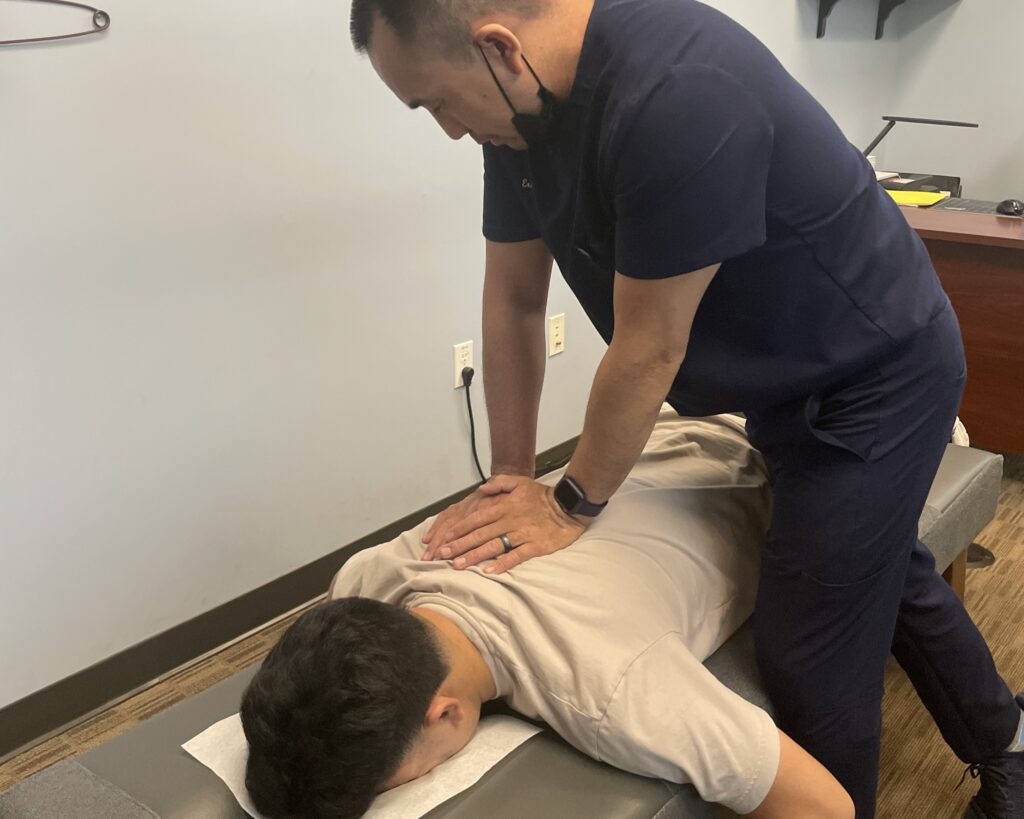
If you’ve ever faced the challenge of migraines, you understand just how disruptive they can be to your daily life. It’s important to recognize the link between your spinal health and migraine relief. Chiropractic adjustments may provide a natural and effective solution. But how do these adjustments work for you?
By participating in our quiz, you can gain personalized insights into your unique symptoms and triggers, helping you uncover strategies to manage your migraines more effectively. Chiropractic care emphasizes the importance of a healthy spine, which can play a crucial role in alleviating migraine symptoms.
Here are a few general tips to help support your journey toward relief:
- Stay hydrated: Dehydration can be a trigger for migraines, so make sure you’re drinking enough water throughout the day.
- Maintain good posture: Poor posture can contribute to spinal misalignment, so be mindful of your body’s position, especially when sitting for long periods.
- Incorporate relaxation techniques: Stress is a common trigger for migraines. Practices such as deep breathing, yoga, or meditation can help reduce tension.
Are you ready to explore how chiropractic adjustments can positively impact your migraine journey? Let’s uncover the potential benefits together!
Key Takeaways
Chiropractic adjustments are a powerful way to help alleviate migraines by aligning the spine and reducing tension that can trigger headaches. When your spine is in proper alignment, it can significantly lessen headache pain and improve overall comfort.
Regular visits for spinal adjustments not only keep your spine aligned but also support the function of your nervous system. A well-functioning nervous system is key to enhancing your overall wellness and may even help reduce how often you experience migraines.
Good posture plays a crucial role in preventing migraines as well. By maintaining proper alignment through chiropractic care, you can minimize neck and back tension, which often contributes to headache occurrences. Remember, sitting and standing tall can make a big difference!
Incorporating stress reduction techniques, such as deep breathing or relaxation exercises, alongside your chiropractic care can further enhance your relaxation and help ease migraine symptoms. It’s all about creating a holistic approach to your health!
Additionally, consider adding natural remedies like magnesium and riboflavin supplements to your routine. These can complement your chiropractic adjustments and help lower the frequency of migraines.
In summary, chiropractic care offers a natural, effective path to managing migraines. By focusing on spinal health, posture, and stress reduction, you can take significant steps toward achieving optimal health and a better quality of life. Remember, your well-being is worth it!
Understanding Migraines: What You Need to Know
Migraines can be more than just a bad headache; they’re often debilitating episodes that can significantly impact your daily life. Understanding what a migraine truly is can help you manage them more effectively. They’re not simply intense headaches; migraines can come with a variety of symptoms, including nausea, light sensitivity, and even visual disturbances known as aura.
These episodes can last from a few hours to several days, often rendering you unable to carry out your usual activities. The pain is typically throbbing or pulsating and may be localized to one side of your head. It’s important to recognize that migraines are neurological events, not just physical sensations, and can sometimes be influenced by spinal health.
As a chiropractor, I believe that understanding your condition is crucial to seeking appropriate care. Chiropractic adjustments can help alleviate some of the tension and misalignments that may contribute to migraine symptoms. By focusing on spinal health, you can take proactive steps to manage your symptoms naturally and improve your overall quality of life.
Here are some tips to consider for managing migraines:
- Stay Hydrated: Dehydration can trigger migraines, so make sure you’re drinking plenty of water throughout the day.
- Maintain Good Posture: Poor posture can lead to tension in your neck and back, which may contribute to headaches. Be mindful of your posture at your desk or while using your phone.
- Regular Chiropractic Care: Regular adjustments can help keep your spine aligned and reduce tension, which may help mitigate migraine occurrences.
- Identify Triggers: Keep a migraine diary to track what you eat, your activities, and any environmental factors that may trigger your migraines. This can help you avoid certain triggers in the future.
- Practice Stress Management: Techniques such as deep breathing, meditation, or gentle yoga can help reduce stress, which is often a significant trigger for migraines.
By understanding your migraines and exploring natural solutions like chiropractic care, you can take control of your health and find relief without relying on medications or invasive procedures.
Common Triggers: Identifying Your Pain Points
You might be surprised at how many everyday factors can trigger your migraines. As a chiropractor, I understand that these triggers can stem from environmental changes, certain foods, and even stress. Identifying these pain points is essential for managing your symptoms effectively.
Chiropractic care focuses on the health of your spine and nervous system, which plays a crucial role in how your body responds to these triggers. By keeping your spine aligned and your nervous system functioning optimally, you can reduce the frequency and intensity of migraines.
Let’s explore some common triggers together:
1. Environmental Changes: Changes in weather, bright lights, or strong odors can provoke migraines. Ensuring your home and workspace are comfortable and well-lit can help minimize these effects.
2. Dietary Choices: Certain foods, such as aged cheeses, processed meats, or artificial sweeteners, are known to trigger migraines. Keeping a food diary can help you identify any specific foods that may be affecting you.
3. Stress: One of the most significant migraine triggers is stress. Incorporating relaxation techniques such as deep breathing, meditation, or gentle stretching can help alleviate stress and tension.
Regular chiropractic adjustments can also help manage stress by promoting relaxation and improving spinal health.
4. Hydration: Dehydration is another common trigger. Make sure you’re drinking enough water throughout the day. Staying hydrated is essential for overall health and can help prevent headaches.
5. Sleep Patterns: Ensure you have a consistent sleep schedule. Irregular sleep patterns can contribute to migraine onset. Aim for 7-9 hours of quality sleep each night to support your overall well-being.
By understanding and addressing these triggers, you can take proactive steps towards managing your migraines.
Environmental Factors Impacting Migraines
While many factors can contribute to the onset of a migraine, environmental triggers often play a significant role in exacerbating symptoms. By identifying these triggers, you can take proactive steps to manage your condition more effectively. Here are some common environmental factors to evaluate, along with tips for managing them naturally:
| Trigger | Description | Tips for Management |
|---|---|---|
| Weather Changes | Sudden shifts in temperature can cause discomfort | Keep track of local weather forecasts to prepare for changes. Consider chiropractic adjustments to help your body adapt to these changes more smoothly. |
| Strong Odors | Perfumes, chemicals, or strong scents can be overwhelming | Avoid heavily scented areas. Enhancing your indoor air quality through natural ventilation or using air-purifying plants can also help. |
| Bright Lights | Harsh lighting, especially fluorescent lights, can be a strain | Use sunglasses indoors if necessary, and try to create a softer lighting environment at home. Chiropractic care can help relieve tension often exacerbated by eye strain. |
| Loud Noises | Environments with loud sounds, like concerts or construction, can trigger migraines | Use earplugs when you know you’ll be in a loud setting. Regular chiropractic adjustments may help alleviate some of the tension that can build up from exposure to noise. |
| Humidity Levels | High humidity can make you feel uncomfortable and trigger headaches | Consider using a dehumidifier in your home. Staying hydrated and maintaining a balanced spine through chiropractic care can also support your overall well-being. |
Dietary Triggers to Avoid
Identifying dietary triggers can play a significant role in managing migraine pain effectively, and as a local chiropractor, I want to help you understand how the right choices can lead to natural healing and improved wellness. Certain foods and beverages may trigger headaches, so it’s important to be mindful of what you consume. Common culprits include aged cheeses, processed meats, and fermented products, which often contain tyramine.
Additionally, items like chocolate, caffeine, and alcohol can also contribute to the onset of migraines.
Keeping a food diary can be a great way to track your meals alongside any migraine episodes. This simple practice might help you pinpoint specific triggers and better understand your body’s responses. While you’re at it, pay attention to artificial sweeteners and MSG, as they’re also known to be problematic for some individuals.
Remember, everyone’s triggers can vary, so it’s crucial to discover what affects you personally. By avoiding these dietary pitfalls, you can take important steps toward reducing the frequency and intensity of your migraines.
In addition to dietary adjustments, chiropractic care can also be an excellent way to support your overall wellness and alleviate pain. Regular chiropractic adjustments help maintain spinal alignment and can enhance your body’s ability to heal itself naturally.
This holistic approach, combined with mindful eating habits, can lead to better health outcomes and a more fulfilling life. Always consult with a chiropractor to discuss your specific needs and how natural wellness strategies can work for you.
Stress and Emotional Influence
Stress and emotional factors can significantly influence migraine frequency and intensity, making it crucial to identify these triggers in your daily life. By recognizing your unique stressors, you can take steps to manage and reduce migraine occurrences naturally.
Here are some common stress and emotional triggers to consider, along with tips on how chiropractic care can support your overall well-being:
- Work Pressure: Tight deadlines and overwhelming tasks can elevate stress levels, leading to tension in the spine and muscles. Regular chiropractic adjustments can help relieve this tension, promoting relaxation and reducing migraine frequency.
- Relationship Issues: Conflicts with loved ones or friends can create emotional strain that affects your physical health. Chiropractic care not only addresses physical discomfort but also contributes to overall emotional balance by enhancing your body’s ability to cope with stress.
- Life Changes: Major shifts, such as moving or job changes, can trigger anxiety and headaches. Maintaining regular chiropractic visits during these transitions can help keep your spine aligned and your nervous system functioning optimally, supporting your body’s natural resilience.
- Lack of Sleep: Stress often disrupts sleep patterns, which can exacerbate migraines. Chiropractic care can improve your sleep quality by reducing pain and tension, allowing your body to rest and recover more effectively.
Incorporating stress-reducing techniques, such as mindfulness, regular exercise, and proper hydration, can also complement the benefits of chiropractic care.
By focusing on your spinal health and overall wellness, you can take proactive steps toward managing migraines and achieving a healthier, more balanced lifestyle.
The Role of Hydration in Migraine Management
Hydration is a crucial aspect of managing migraines, as even slight dehydration can trigger or worsen headache symptoms. When your body isn’t getting enough water, it can lead to increased stress, which may manifest as headaches or migraines.
It’s important to understand your hydration needs—especially if you’re often in hot settings or engaging in physical activity. To support your overall health and well-being, make it a habit to carry a water bottle with you and sip on it throughout the day. Aiming for at least eight glasses of water daily is a good guideline, but keep in mind that everyone’s needs can differ.
If you frequently experience migraines, you might want to consider upping your water intake, especially during the warmer months or after workouts. Be mindful of signs of dehydration, such as a dry mouth, fatigue, or dark urine. These indicators can tell you it’s time to drink more water.
Staying well-hydrated not only helps reduce the frequency and intensity of migraines but also contributes to your overall wellness. In addition to hydration, chiropractic care can be an excellent complement to your efforts in managing migraines.
Chiropractic adjustments can help align the spine and alleviate tension that may contribute to headaches. By focusing on both hydration and chiropractic care, you can take proactive steps toward better health and pain relief. Remember, achieving optimal wellness is all about finding the right balance for your body!
Dietary Adjustments: Foods to Include and Avoid
When it comes to managing migraines, making some thoughtful dietary adjustments can greatly contribute to your overall wellness. As a chiropractor, I believe in the power of natural healing and the importance of nurturing our bodies with the right foods. By focusing on what you eat, you can help reduce the frequency and intensity of migraines while promoting better health.
Here are some foods you might want to include in your diet to support your wellness journey:
- Include: Leafy greens like spinach and kale. These nutrient-rich vegetables are high in magnesium, which can help relax muscles and reduce headache symptoms.
- Include: Omega-3 rich fish such as salmon. These healthy fats are known to reduce inflammation, which can be beneficial for those experiencing migraines.
On the flip side, there are certain foods that may trigger migraine episodes, and it’s wise to avoid them:
- Avoid: Aged cheeses. These cheeses contain tyramine, a substance that may be linked to triggering migraines in some individuals.
- Avoid: Processed meats. These often contain preservatives that can exacerbate migraine symptoms.
In addition to dietary adjustments, remember that regular chiropractic care can also play a crucial role in managing migraines. Chiropractic adjustments can help alleviate tension in the neck and spine, which may contribute to headache pain.
By focusing on your spinal health, you can improve your overall wellness and reduce the likelihood of experiencing migraines.
Always listen to your body and consider keeping a food diary to track any potential triggers. Making small changes in your diet, combined with chiropractic care, can lead to significant improvements in your health and well-being.
Embrace the journey of natural healing and take charge of your wellness today!
Creating a Migraine-Friendly Environment
Creating a migraine-friendly environment is essential for minimizing triggers and promoting your overall comfort, especially when considering the holistic approach of chiropractic care. A calm and supportive space can greatly enhance your well-being and help manage migraine symptoms.
Start by controlling the lighting in your area. Opt for soft, natural light instead of harsh fluorescent bulbs. If possible, invest in blackout curtains to effectively manage sunlight and reduce glare—this can help create a more relaxing atmosphere that complements your chiropractic treatments.
Next, pay attention to noise levels. A peaceful environment is crucial, so consider using earplugs or white noise machines to mask sudden sounds that might trigger a migraine. Chiropractic care emphasizes the importance of a calm body and mind, and a quiet space can significantly contribute to this.
Temperature is another factor to keep in mind. Aim to keep your room cool and well-ventilated, as extreme heat can exacerbate migraine symptoms. Ensuring a comfortable temperature aligns with the natural healing principles of chiropractic, supporting your body’s ability to recover and function optimally.
Additionally, decluttering your surroundings can be beneficial. A tidy space leads to reduced stress and anxiety, allowing your body to relax more fully. This aligns with the holistic approach of chiropractic care, which aims to treat the whole person, not just the symptoms.
Finally, consider incorporating calming scents such as lavender or chamomile. However, be cautious with strong fragrances, as they can sometimes trigger headaches. The right environment can complement the natural healing process you experience through chiropractic adjustments.
By making these adjustments, you’ll create a sanctuary that supports your well-being, enhancing the benefits of chiropractic care and helping you achieve a more balanced, pain-free life.
Stress Reduction Techniques for Migraine Relief
While stress is a well-known trigger for migraines, incorporating effective stress reduction techniques can significantly enhance your overall wellness and help alleviate migraine discomfort.
As a chiropractor, I believe that managing stress is an essential part of maintaining a healthy spine and body. By integrating these practices into your routine, you can potentially reduce the frequency and intensity of your migraines naturally.
Here are four simple techniques to consider:
- Deep Breathing: Focus on taking deep, slow breaths. This practice not only calms your mind but also helps release tension in your body, promoting relaxation. Deep breathing can be done anywhere and is a great tool to have in your wellness toolkit.
- Mindfulness Meditation: Dedicate a few minutes each day to be present. Mindfulness helps clear your mind of clutter and reduces stress levels, allowing your body to find balance. It’s a wonderful way to connect with your well-being and support your spine’s health.
- Regular Exercise: Engaging in physical activity is a powerful way to release endorphins, your body’s natural stress relievers. Whether it’s a brisk walk, yoga, or any form of movement you enjoy, exercise contributes to both mental and physical wellness, which is essential for migraine management.
- Progressive Muscle Relaxation: This technique involves tensing and then relaxing each muscle group, starting from your toes and working your way up to your head. This method can effectively reduce physical tension that may contribute to migraine episodes, providing a holistic approach to your care.
As you explore these stress-reduction techniques, remember that chiropractic care is an excellent complement to these practices.
Regular adjustments can help align your spine, enhance your nervous system function, and promote overall health, leading to a more balanced and pain-free life.
Embrace these strategies and make chiropractic a key part of your wellness journey!
The Importance of Sleep and Routine
Sleep is a vital component in managing migraines, and establishing a consistent sleep routine can greatly enhance your overall health and wellness. When you prioritize quality sleep, you help your body regulate its natural rhythms, which can lead to a reduction in the frequency and intensity of migraine attacks. Aim for 7-9 hours of restful sleep each night, and try to go to bed and wake up at the same time every day to support your body’s internal clock.
Creating a calming bedtime routine can signal to your body that it’s time to relax. I recommend steering clear of screens and stimulating activities before bed. Instead, consider activities like reading a book or practicing gentle relaxation techniques, such as deep breathing or stretching. These practices not only help ease your mind but also prepare your body for restorative sleep.
Additionally, pay attention to your sleep environment. A dark, quiet, and cool room can significantly improve your sleep quality, making it easier for you to wake up feeling refreshed and ready to take on the day.
Remember, a well-rested body is essential for overall health, and maintaining a healthy sleep routine is a crucial step toward alleviating migraines.
As a chiropractor, I emphasize the importance of holistic approaches to health. Along with a consistent sleep schedule, chiropractic care can play a key role in managing pain and promoting natural wellness.
Physical Activity: Finding the Right Balance
Finding the right balance in physical activity is essential for managing migraines effectively. As a local chiropractor, I want to emphasize that regular exercise can be beneficial in reducing the frequency of migraine attacks. However, it’s vital to be mindful of your limits, as overexertion can potentially trigger these painful episodes.
Listening to your body is key. If you notice that certain activities lead to discomfort or an increase in migraines, it might be time to adjust your routine. Consider incorporating gentle exercises like walking, yoga, or stretching, which can promote relaxation and improve blood flow without putting too much strain on your body.
In addition to exercise, chiropractic care can play a significant role in your overall health and wellness. By aligning your spine and improving your nervous system function, chiropractic adjustments can help reduce tension and enhance your body’s natural ability to heal. This holistic approach can lead to fewer migraine occurrences and a better quality of life.
Here are some general tips to help you find the right balance in your physical activity:
- Start Slow: If you’re new to exercise or returning after a break, ease into your routine to avoid overwhelming your body.
- Stay Hydrated: Dehydration can trigger migraines, so make sure to drink plenty of water before, during, and after physical activity.
- Maintain a Consistent Schedule: Try to stick to a regular exercise schedule to help your body adapt and minimize the chances of triggering a migraine.
- Incorporate Relaxation Techniques: Practices like deep breathing, meditation, or gentle stretching can help alleviate stress, which is a common migraine trigger.
- Consult Your Chiropractor: Regular visits to your chiropractor can help ensure that your spine is aligned, which supports overall health and can reduce the likelihood of migraines.
Importance of Regular Exercise
Regular exercise can play a vital role in managing migraines, providing both physical and mental benefits that align perfectly with a holistic approach to health. By integrating regular physical activity into your life, you can enjoy these advantages:
- Reduced Frequency: Consistent exercise may help limit how often migraines occur. When the body stays active, it can lead to fewer flare-ups.
- Enhanced Mood: Physical activity releases endorphins, which are natural mood lifters. By reducing stress and anxiety—common triggers for migraines—you can create a more balanced emotional state.
- Improved Sleep: Regular exercise can enhance the quality of your sleep, which is crucial for preventing migraines. A good night’s sleep allows your body to recover and function optimally.
- Increased Blood Flow: Exercise boosts circulation, ensuring that your brain gets the oxygen and nutrients it needs to thrive. This can help reduce the intensity and frequency of migraines.
As a chiropractor, I recommend finding a balance in your exercise routine that works for you. Consider moderate activities such as walking, swimming, or yoga—these are gentle on the body while still providing significant benefits.
In addition, chiropractic care can complement your exercise routine by ensuring your spine is aligned and functioning properly, which can further enhance your overall health and wellness. A well-aligned spine supports your nervous system and can lead to improved mobility and reduced pain.
Remember, it’s important to listen to your body and start slowly if you’re new to exercise. Incorporating these practices into your life can lead to a healthier, more vibrant you while effectively managing migraines.
If you’re struggling with migraines or want to optimize your health, consider scheduling a visit to your chiropractor for personalized advice and care.
Overexertion and Migraine Triggers
While exercise is a key component of maintaining overall health and can play a role in managing migraines, it’s crucial to be mindful of overexertion, which can actually trigger headaches. Striking the right balance between staying active and respecting your body’s limits is essential. Overdoing it during workouts can result in increased fatigue, dehydration, and stress—common culprits behind migraine flare-ups.
Instead of engaging in high-intensity workouts, consider incorporating moderate activities into your routine, such as walking or yoga. These gentler forms of exercise can help you stay fit while minimizing the risk of triggering a migraine. Always listen to your body; if you start to feel discomfort or notice the early signs of a headache, it’s important to ease up and give yourself a break.
As a chiropractor, I emphasize the role of spinal health in overall wellness. Regular chiropractic care can help ensure your body is functioning optimally, which may support your efforts to manage migraines. Additionally, establishing a routine that includes rest days is vital for your well-being.
Here are a few tips to incorporate into your daily life for better migraine management:
- Stay Hydrated: Keep a water bottle handy to ensure you’re drinking enough fluids throughout the day.
- Practice Stress Relief: Techniques such as deep breathing, meditation, or gentle stretching can help reduce stress levels.
- Maintain Good Posture: Pay attention to your posture during activities, as poor alignment can contribute to headaches.
- Get Regular Chiropractic Adjustments: These adjustments can help align your spine, reduce tension, and promote overall wellness.
- Prioritize Sleep: Ensure you’re getting enough restful sleep each night, as fatigue can be a significant migraine trigger.
Natural Remedies and Supplements to Consider
If you’re dealing with migraines, you might want to consider natural approaches that work hand-in-hand with chiropractic care to support your overall health and well-being.
Many people find that certain natural remedies can help reduce the frequency and intensity of their headaches, complementing the benefits of spinal adjustments. Here are four natural options you might explore:
- Magnesium: This essential mineral plays a key role in muscle and nerve function. It can help relax blood vessels and reduce inflammation, which may be beneficial in preventing migraines. Incorporating magnesium-rich foods like leafy greens, nuts, and seeds into your diet can support your health.
- Riboflavin (Vitamin B2): Some studies have indicated that riboflavin can lower the frequency of migraines when taken consistently. Foods like eggs, dairy products, and green vegetables are great sources of this vitamin, so consider adding them to your meals.
- Butterbur Extract: This herbal remedy has shown promise in helping to reduce migraine occurrences. If you choose to try it, make sure to select a PA-free version to avoid any potential side effects.
- Coenzyme Q10: Known for its antioxidant properties, Coenzyme Q10 may enhance mitochondrial function and has been associated with a reduction in migraine frequency in some research. You can find this supplement in health food stores or consider incorporating foods like fatty fish and whole grains that naturally contain it.
In addition to these remedies, regular chiropractic adjustments can play a vital role in managing migraine pain.
By aligning the spine, chiropractic care helps improve nervous system function and can alleviate tension that might trigger headaches.
Always consult with your healthcare provider before starting any new remedies or supplements to ensure they align with your health needs.
Taking the Quiz: Personalized Adjustments for You
Are you aware of how your body’s unique triggers can influence your migraine experiences? As a local chiropractor, I want to help you uncover personalized adjustments that may relieve your migraine pain through natural methods.
By exploring aspects of your lifestyle, diet, and daily habits, you can better understand what might be contributing to your migraines. This approach focuses on important elements such as stress management, sleep quality, and food choices.
Learning how these factors interact with your body can provide valuable insights into effective adjustments. Instead of relying on medications or other treatments, chiropractic care can help support your body’s natural healing processes, leading to fewer migraine days and improved overall wellness.
After you identify the triggers through simple self-assessment, consider incorporating chiropractic adjustments into your routine. These adjustments can enhance spinal alignment, which may positively impact your nervous system and overall health.
Remember, making small changes can lead to significant improvements in your quality of life. Are you ready to take control of your health and embark on a journey toward a migraine-free life?
Let’s embrace a holistic approach to wellness together, starting with understanding your body’s needs!
Conclusion
By taking this quiz, you’re embarking on a journey to discover how chiropractic adjustments can effectively alleviate your migraines. With tailored insights into your symptoms and triggers, you’ll be empowered to make choices that enhance your health and wellness. Remember, managing migraines goes beyond just treatment; it involves adopting lifestyle changes that support your overall well-being.
Chiropractic care focuses on the spine and its relationship to the nervous system, playing a vital role in your body’s ability to heal naturally. Regular adjustments can help align your spine, reduce tension, and improve circulation, which may lead to fewer migraine episodes.
In addition to chiropractic care, here are some simple tips to help manage your migraines:
- Stay hydrated: Drinking plenty of water can help prevent dehydration, a common migraine trigger.
- Maintain a consistent sleep schedule: Aim for regular sleep patterns to support your body’s natural rhythms.
- Pay attention to your diet: Keep a food diary to identify potential food triggers and aim for balanced meals.
- Practice relaxation techniques: Incorporate yoga, meditation, or deep-breathing exercises into your routine to reduce stress.
Don’t wait any longer—explore the potential benefits of chiropractic care and take charge of your health today! Together, we can work towards a pain-free, healthier lifestyle.