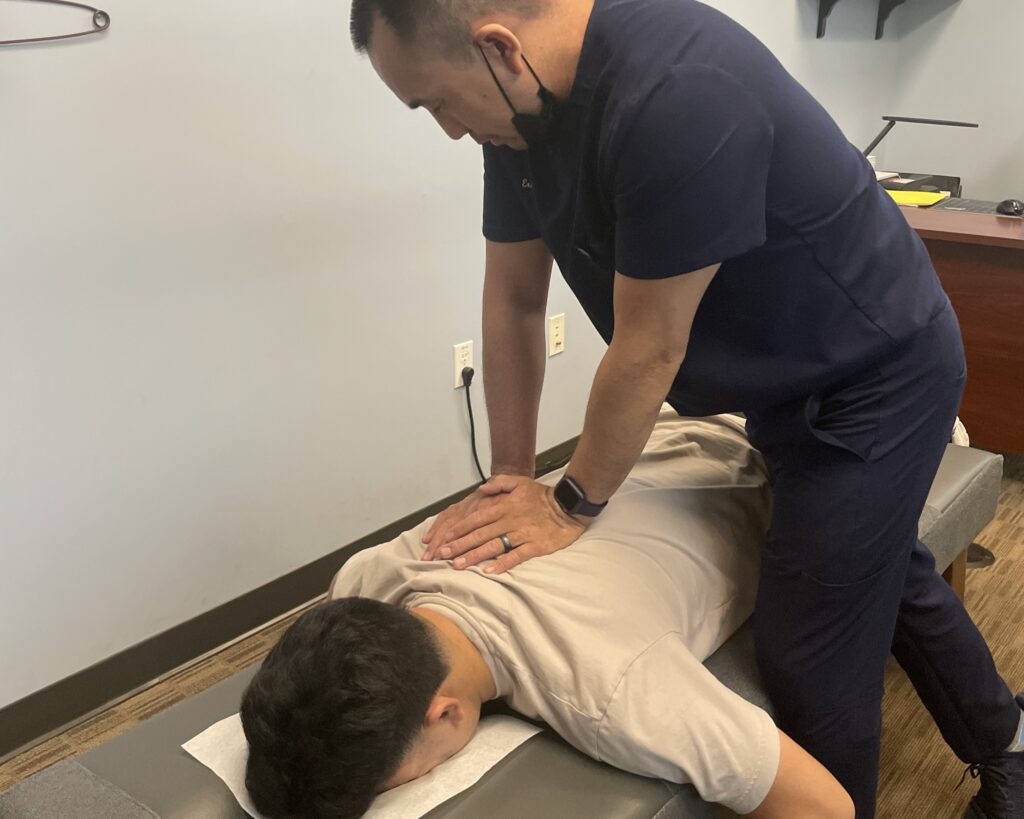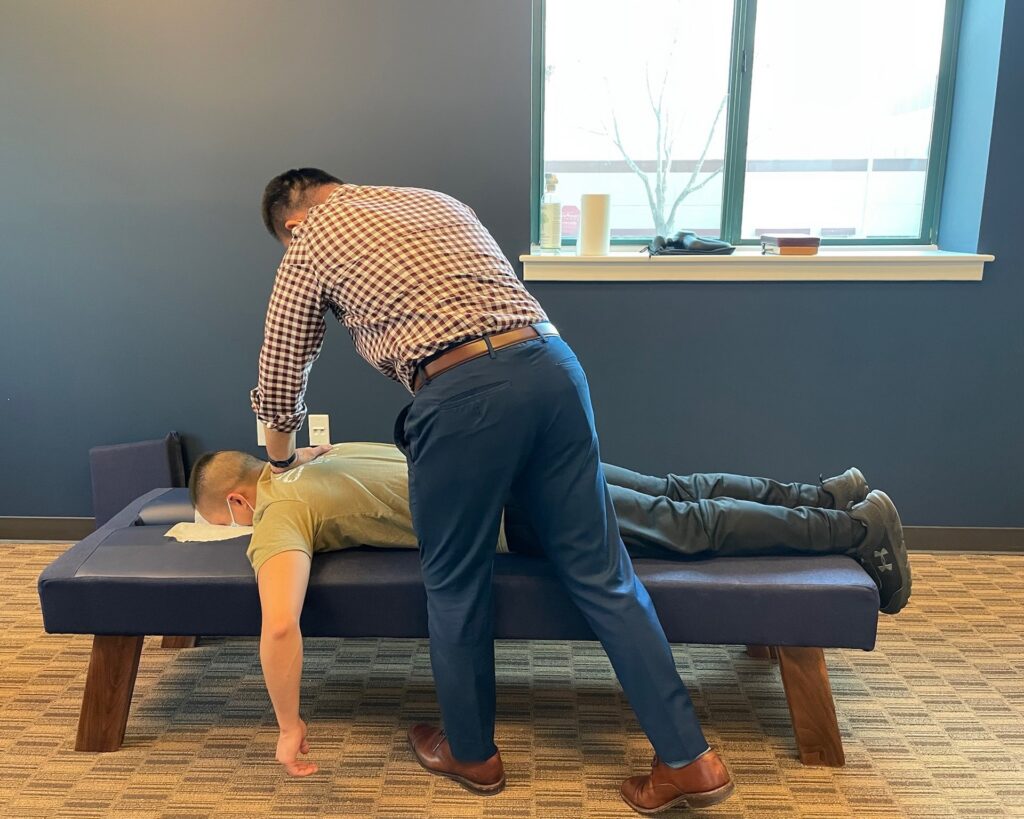
As a local chiropractor, I’ve seen firsthand how poor posture can contribute to nagging back pain. This issue is more prevalent than many realize, but the good news is that small adjustments can lead to significant improvements. By focusing on your alignment and incorporating simple changes into your daily routine, you can greatly reduce discomfort. So, what specific steps can you take to enhance your posture effectively? Let’s delve into some practical strategies that can help you lead a more comfortable and pain-free life. Embracing these techniques not only supports your spine but also promotes overall well-being.
Understanding the Connection Between Posture and Back Pain
As your local chiropractor, I want to emphasize the crucial link between posture and back pain. Many of my patients come to me unaware that slouching or sitting in awkward positions for extended periods can lead to significant discomfort.
When your spine isn’t in its natural alignment, it puts undue strain on your muscles and ligaments, which can result in not just back pain, but other health issues as well. You may find yourself dealing with tight shoulders, a stiff neck, or even headaches—all signs that your posture needs attention.
Understanding how posture affects your well-being is vital. When your body is misaligned, certain muscles become overworked while others may weaken, leading to fatigue and discomfort. If these issues persist, they can develop into chronic pain, making everyday tasks feel like a challenge.
However, by being mindful of your posture, you can take proactive steps to reduce the risk of pain. Simple adjustments, such as sitting up straight with your feet flat on the ground, can create a positive impact on your back health.
As a chiropractor, I encourage you to prioritize good posture as part of your daily routine. Together, we can work towards maintaining a healthy spine and overall well-being through natural healing methods.
Assessing Your Current Posture
As your local chiropractor, I want to emphasize the importance of regularly checking your posture throughout the day. Many people are unaware of how their posture can significantly impact their overall health and well-being.
To start, try standing against a wall—ensure that your heels, buttocks, and shoulders are in contact with it, and keep your head aligned. If you notice that you’re leaning forward or arching your back, it may be time to make some adjustments to your posture.
Next, let’s consider how you sit. Are you often slouching or leaning to one side? It’s essential that your chair provides support for your lower back, and that your feet rest flat on the floor. When working at a desk, make sure your computer screen is at eye level to prevent any strain on your neck.
I encourage you to check in with yourself throughout the day. Setting reminders can be a helpful strategy to prompt you to stand tall, realign your body, and take deep breaths.
This simple practice can enhance your awareness of your posture and its critical role in maintaining a healthy back. Remember, good posture is foundational to your overall health, and as your chiropractor, I’m here to support you in achieving it!
Simple Exercises to Strengthen Postural Muscles
As a local chiropractor, I want to share some valuable insights on how you can improve your posture and alleviate back pain through simple exercises.
Many people may not realize that focusing on core strengthening, upper back mobilization, and flexibility through stretching can significantly enhance your overall well-being.
Incorporating these movements into your daily routine can help support your spine and promote better alignment, which is essential for preventing discomfort and maintaining a healthy posture.
Core Strengthening Exercises
As a chiropractor, I want to emphasize the importance of strengthening your core for overall health, particularly in improving your posture and alleviating back pain.
A strong midsection plays a crucial role in supporting your spine and maintaining proper alignment, which can prevent discomfort and enhance your well-being.
To begin your journey towards a stronger core, I recommend starting with planks. This exercise involves holding a straight position on your forearms and toes for 30 seconds. It’s a fantastic way to engage multiple muscle groups and build stability.
Next, let’s incorporate bridges. For this exercise, lie on your back with your knees bent and lift your hips towards the ceiling. This movement not only strengthens your core but also activates your glutes, which are important for overall stability.
Another excellent exercise is the bird-dog. From a tabletop position on your hands and knees, extend one arm forward and the opposite leg back, then switch sides. This exercise promotes balance and coordination while targeting your core.
Lastly, consider seated marches. Sit tall in a chair and lift your knees alternately as if you were marching in place. This exercise is simple yet effective in engaging your core while improving your posture.
Incorporating these exercises into your routine can significantly enhance your core strength, leading to better posture and a reduction in back discomfort.
Upper Back Mobilization
As a local chiropractor, I want to emphasize the importance of upper back mobilization in achieving better posture and alleviating back pain.
While having a strong core is crucial, it’s equally vital to strengthen and mobilize the muscles in your upper back. This support not only enhances your spinal alignment but also enables you to maintain an upright posture throughout your daily activities.
Here are some simple exercises that you can easily incorporate into your routine:
- Shoulder Blade Squeeze: Gently pull your shoulder blades together, holding the position for a few seconds. This helps activate and strengthen the muscles in your upper back.
- Wall Angels: Stand with your back against a wall and slide your arms up and down while keeping contact with the wall. This movement promotes flexibility and mobility in your shoulders and upper back.
- T-Pulls: Stand with your arms extended out to the sides and squeeze your shoulder blades together. This exercise is excellent for improving upper back strength and posture.
- Cat-Cow Stretch: On all fours, alternate between arching your back upward and rounding it downward. This stretch increases flexibility in your spine and helps relieve tension.
- Thoracic Twist: Whether sitting or standing, gently twist your upper body to each side. This movement enhances mobility in your thoracic spine and can help release built-up tension.
Incorporating these exercises into your daily routine can lead to significant improvements in your posture and comfort.
If you have any questions or need assistance, feel free to reach out. Your journey to better spinal health starts with understanding and taking care of your body!
Stretching for Flexibility
As a chiropractor, I want to emphasize the importance of flexibility in maintaining proper posture and preventing back pain. Many people may not realize that incorporating simple stretching exercises into your daily routine can significantly enhance your postural support and overall flexibility.
Let’s start with some effective neck stretches. Gently tilt your head from side to side, holding each position for about 15 seconds. This helps release tension in the neck, which is crucial for maintaining alignment.
Next, consider adding shoulder rolls to your routine. By rolling your shoulders backward and then forward, you can alleviate tension that often builds up in those areas.
Don’t overlook your chest; stretching it’s vital for counteracting the effects of slouching. Try clasping your hands behind your back and lifting them slightly while keeping your shoulders relaxed. This stretch opens up the chest and promotes better posture.
Finally, let’s focus on your hips. A seated forward bend, where you reach for your toes, can greatly improve flexibility in this area.
I encourage you to incorporate these stretches into your daily regimen. With consistent practice, you’ll likely experience enhanced flexibility, reduced muscle tension, and improved posture, all of which can contribute to alleviating back pain.
Ergonomic Adjustments for Your Workspace
As a local chiropractor dedicated to your health and well-being, I want to emphasize the importance of making ergonomic adjustments in your workspace to support your posture and alleviate back pain.
Many people are unaware that the way they set up their work environment can significantly impact their spinal health.
First, let’s talk about desk height. Your desk should allow your elbows to rest comfortably at a 90-degree angle while typing. If it’s too high or too low, it can lead to strain on your back and neck.
Next, consider your chair. It’s crucial to choose one that offers proper lumbar support. This means it should support the natural curve of your lower back, helping to maintain good posture throughout the day.
Lastly, the position of your monitor is key. Ideally, your screen should be at eye level to prevent you from leaning forward or straining your neck.
By implementing these simple changes, you can create a more comfortable workspace that promotes better posture and overall health.
Desk Height Optimization
As a local chiropractor, I want to emphasize the importance of achieving the right desk height for your overall health. Proper workspace ergonomics can play a significant role in maintaining good posture and preventing back pain, especially if you find yourself working long hours at a desk.
Here are some key tips to help you optimize your workspace:
- Position your elbows at a 90-degree angle when typing on your keyboard; this helps reduce strain on your muscles and joints.
- Ensure your feet are resting flat on the floor or on a footrest, which promotes better circulation and support.
- The top of your computer monitor should be aligned at or just below eye level; this helps prevent neck strain and encourages a more natural head position.
- Maintain a neutral wrist position while typing to avoid discomfort and repetitive strain injuries.
- Keep your chair close enough to your desk to prevent excessive reaching, which can lead to tension in your shoulders and back.
By following these guidelines, you can create a healthier work environment that supports your body and reduces the risk of discomfort.
Chair Support Features
As a local chiropractor, I want to emphasize the importance of having the right chair support features to create an ergonomic workspace that not only promotes good posture but also helps prevent back pain.
When selecting a chair, it’s crucial to look for adjustable lumbar support that aligns with the natural curve of your lower back. This support plays a vital role in maintaining proper spinal alignment and reducing unnecessary strain on your back.
Moreover, an adjustable seat height is essential. It allows your feet to rest flat on the floor or on a footrest, which is important for maintaining circulation and reducing tension in your legs.
The depth of the seat should also be suitable for your body, enabling you to sit back comfortably while keeping a few inches of space between your knees and the chair’s edge.
Don’t overlook the value of adjustable armrests. They should support your arms comfortably without causing you to lift your shoulders, which can lead to tension and discomfort over time.
By investing in these ergonomic features, you can significantly enhance your comfort and overall well-being, making a positive impact on your health and daily life.
Monitor Positioning Tips
As a chiropractor dedicated to promoting natural healing and overall well-being, I want to emphasize the importance of proper monitor positioning in your workspace. Many of my patients experience discomfort due to poor ergonomics, which can lead to eye strain and musculoskeletal issues.
Here are some essential tips to help you set up your monitor for maximum comfort and productivity:
- Top of the screen at eye level: Ideally, the top third of your monitor should align with your natural line of sight. This positioning encourages a more relaxed neck posture.
- Distance: Aim to keep your monitor about an arm’s length away. This distance helps reduce eye strain and allows for a more comfortable viewing experience.
- Tilt: A slight backward tilt of your monitor (between 10 to 20 degrees) can help alleviate neck tension and promote better alignment.
- Glare reduction: Be mindful of your surroundings. Position your monitor away from direct sunlight or bright lights to minimize glare, which can lead to eye fatigue.
- Keyboard height: Ensure your keyboard is set at a height that allows your elbows to rest comfortably at a 90-degree angle. This not only supports good posture but also decreases the risk of repetitive strain injuries.
By implementing these adjustments, you can significantly improve your posture and help reduce discomfort, including back pain.
Mindful Practices for Better Posture
As a local chiropractor dedicated to promoting natural healing, I want to emphasize that improving your posture can significantly alleviate back pain and enhance your overall well-being.
While this journey may seem daunting at first, integrating mindful practices into your daily routine can make a world of difference.
One effective technique is deep breathing. This simple practice not only helps you become more aware of your body but also promotes relaxation. When you take a deep breath in, visualize your spine stretching and lengthening. As you exhale, consciously release any tension you may be holding in your shoulders.
I also recommend setting reminders throughout your day to check in on your posture. A gentle nudge can encourage you to adjust your sitting or standing position, ensuring that your head, shoulders, and hips are aligned.
Don’t forget the importance of taking short breaks to stretch; these breaks can increase your body awareness and alleviate stiffness that accumulates during the day.
Incorporating activities like yoga or tai chi into your routine can be incredibly beneficial as well. These practices not only enhance your flexibility but also teach you to maintain a mindful awareness of your body’s positioning.
By consistently adopting these mindful habits, you’ll lay a stronger foundation for improved posture and a healthier back.
Remember, as you embark on this journey, I’m here to support you with chiropractic care that aligns with your natural healing process.
Together, we can work towards a healthier, pain-free life.
The Role of Proper Footwear in Posture
As a local chiropractor, I want to emphasize the important role that proper footwear plays in maintaining good posture and overall spinal health. Many people may not realize that the shoes we choose can significantly impact our body alignment and comfort levels.
When you wear shoes that offer the right support, you’re more likely to stand and move in a way that helps alleviate back pain. Here are some key features to consider when selecting your footwear:
- Arch Support: This feature is crucial as it helps distribute your body weight evenly across your feet, which can reduce strain on your spine.
- Cushioning: Look for shoes with good cushioning, as this helps absorb shock and minimizes the impact on your joints, making it easier for your body to stay aligned.
- Stability: A stable shoe provides a solid base, which is essential for preventing wobbling and maintaining a balanced posture.
- Proper Fit: It’s vital that your shoes fit well. Properly fitting shoes not only ensure comfort but also help prevent blisters and discomfort that can lead to compensatory movements and pain.
- Heel Height: Aim for a moderate heel height. Shoes with excessively high or low heels can disrupt your body’s alignment, so choose those that promote a natural posture.
By being mindful of these features, you can make better choices in your footwear that support your spine and overall health.
Maintaining Good Posture Throughout the Day
As a local chiropractor, I want to emphasize the importance of maintaining good posture throughout your day. Many people underestimate how crucial this is for preventing back pain and enhancing your overall well-being. It starts with being mindful of your posture, whether you’re sitting, standing, or walking.
When sitting, it’s vital to keep your feet flat on the floor, your back straight, and your shoulders relaxed. Avoid the temptation to slump or lean forward, as this can strain your back. If you spend a lot of time at a desk, I recommend adjusting your chair and computer screen to create an ergonomic workspace that supports your body’s natural alignment.
When you’re standing, aim to distribute your weight evenly across both feet while keeping your knees slightly bent. Engaging your core muscles will provide additional support to your spine.
And while walking, remember to keep your head up and shoulders back, allowing for a natural and fluid stride.
I also encourage you to take regular breaks to stretch and move around. This simple practice not only relieves tension but also promotes muscle health.
Conclusion
As your local chiropractor, I want to share how improving your posture can significantly alleviate back pain. Many of my patients are surprised to learn that posture plays a crucial role in spinal health. By taking the time to evaluate your current posture and making ergonomic adjustments to your workspace and daily activities, you can support your spine and reduce discomfort.
Incorporating simple exercises can help strengthen the muscles responsible for maintaining good posture. These exercises can be easily integrated into your daily routine, and I can provide guidance on which ones are most effective for your specific needs. Additionally, practicing mindfulness about your posture throughout the day can further enhance your efforts.
It’s also important to choose the right footwear, as proper shoes provide a stable foundation for your body. This seemingly small detail can have a profound impact on your overall alignment and comfort.
By making these small adjustments, you can cultivate better posture, which in turn can lead to a significant reduction in pain and discomfort. I encourage you to start these practices today for a healthier, pain-free life. If you have any questions or need assistance, feel free to reach out—I’m here to help you on your journey to better health!