If you’ve ever experienced stiffness in your joints or muscles, you know how it can hinder your daily activities. Stiffness can stem from various factors, but incorporating a holistic approach can truly transform your well-being. As a chiropractor, I believe that focusing on gentle movement, nutrition, and stress management can significantly enhance your mobility and alleviate discomfort.
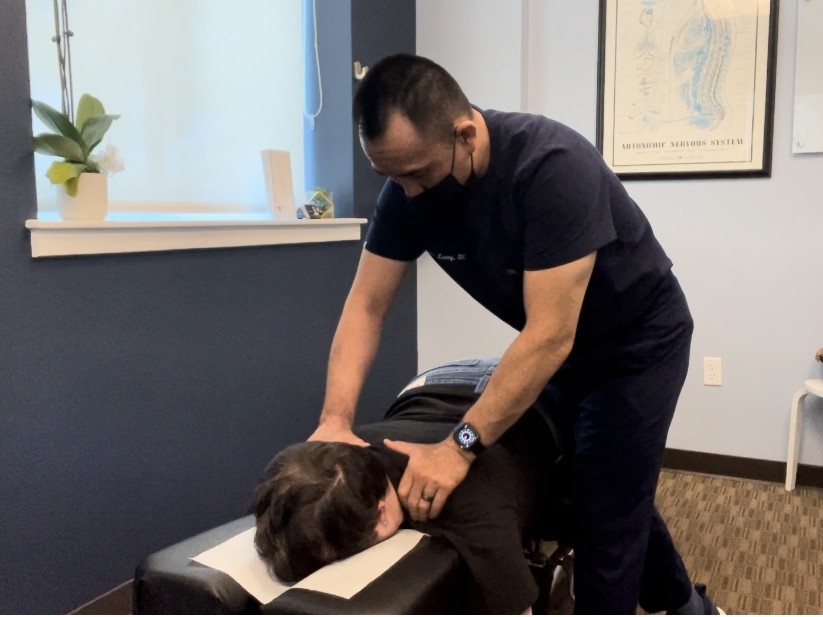
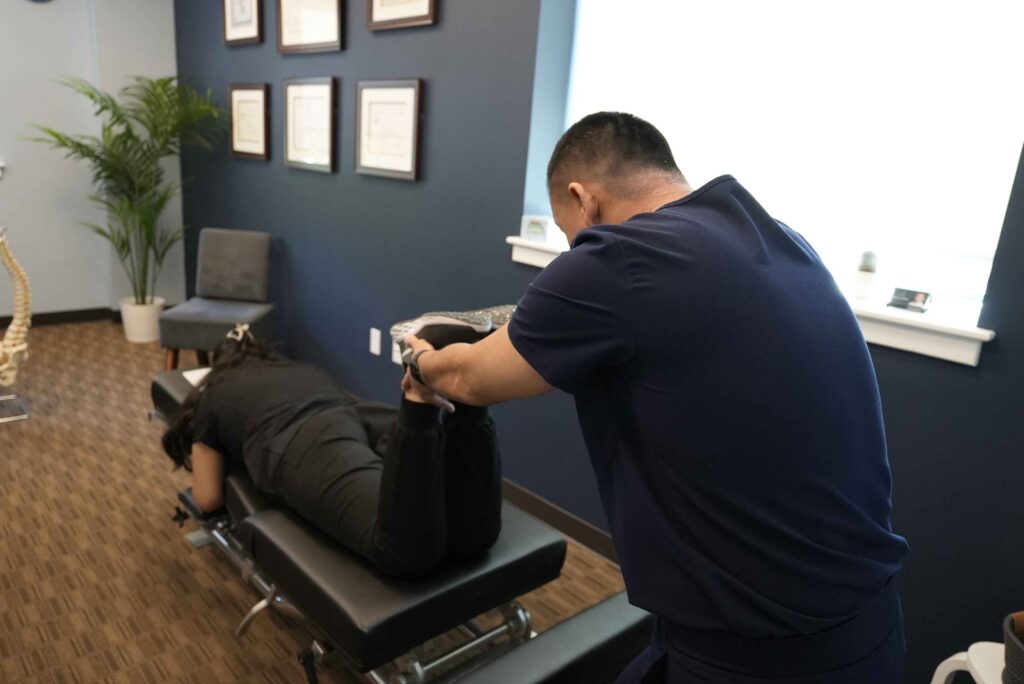
One of the best ways to combat stiffness is through chiropractic care. Regular adjustments can help ensure that your spine and joints are properly aligned, which can alleviate tension and improve your overall range of motion. By addressing the root cause of your stiffness, chiropractic care promotes natural healing and helps your body function at its best.
In addition to chiropractic adjustments, incorporating gentle movements such as stretching or yoga can be incredibly beneficial. These activities not only enhance flexibility but also improve circulation, which can help reduce stiffness over time.
Nutrition also plays a crucial role in how we feel. Eating a balanced diet rich in anti-inflammatory foods, such as fruits, vegetables, and healthy fats, can support joint health and reduce discomfort. Staying hydrated is equally important, as it helps maintain the elasticity of your muscles and joints.
Lastly, managing stress is vital for overall wellness. High stress levels can lead to muscle tension, which exacerbates stiffness. Techniques like deep breathing, meditation, or even a relaxing walk can help you unwind and reduce tension in your body.
By combining chiropractic care with these holistic practices, you can create a comprehensive approach to alleviate stiffness and enhance your quality of life. Remember, your body is designed to move, and with the right support, you can achieve optimal health and well-being. If you’re curious about how chiropractic can help you specifically, don’t hesitate to reach out for a consultation. Let’s work together to get you moving freely again!
Understanding Stiffness: Causes and Effects
When you experience stiffness, it’s often due to various factors affecting your body, and understanding these can help you find relief. This discomfort can arise from muscle tension, inflammation, or even joint issues.
Poor posture and a lack of movement can make stiffness worse, creating a cycle of discomfort that’s tough to break. Stress is another contributing factor, as it can tighten your muscles and make you feel even more rigid.
Age-related changes in your joints and connective tissues can also lead to stiffness, affecting your overall mobility. Additionally, conditions like arthritis or fibromyalgia can contribute to ongoing discomfort that interferes with your daily activities.
To tackle stiffness effectively, it’s important to recognize these underlying causes. Chiropractic care offers a natural and holistic approach to alleviate discomfort and restore your body’s balance. By focusing on spinal health and joint alignment, chiropractic adjustments can help relieve tension, reduce inflammation, and improve mobility.
Here are some general tips to help you manage stiffness at home:
- Stay Active: Regular movement is key. Incorporate gentle exercises like stretching, yoga, or walking to keep your body flexible.
- Maintain Good Posture: Be mindful of your posture when sitting or standing. Proper alignment can significantly reduce stiffness.
- Manage Stress: Engage in relaxation techniques, such as deep breathing or meditation, to reduce muscle tension caused by stress.
- Stay Hydrated: Drink plenty of water, as staying hydrated helps keep your joints lubricated.
- Heat and Cold Therapy: Use heat packs or cold compresses to soothe stiff muscles and joints.
The Role of Mindful Movement in Alleviating Stiffness
When it comes to alleviating stiffness, mindful movement can truly make a difference in your daily life. As a chiropractor, I often see how gentle mobility techniques can enhance flexibility and strengthen the connection you have with your body. Engaging in these practices not only helps relieve stiffness but also promotes overall wellness.
Incorporating mindful movement into your routine can be a simple yet effective way to support your spinal health. Here are a few tips to get you started:
- Gentle Stretching: Take a few minutes each day to stretch your major muscle groups. Focus on gentle, controlled movements to help increase your range of motion without straining your body.
- Breath Awareness: Pair your movements with deep, mindful breathing. This not only helps you relax but also ensures that you’re engaging your core muscles, which are essential for spinal stability.
- Postural Alignment: Pay attention to your posture throughout the day. Whether sitting at your desk or standing, try to maintain a neutral spine. This can significantly reduce stiffness and prevent discomfort.
- Incorporate Movement Breaks: If you find yourself sitting for prolonged periods, take regular breaks to stand, stretch, and move around. This can help loosen tight muscles and improve circulation.
- Consider Chiropractic Care: Regular chiropractic adjustments can enhance your body’s ability to move freely by addressing any misalignments that may contribute to stiffness. Chiropractic care focuses on natural healing, helping you achieve and maintain optimal health without the need for medications or surgeries.
By integrating these mindful movement practices into your life, you can experience relief from stiffness and improve your overall well-being.
Benefits of Mindful Movement
How often do you find yourself feeling stiff and restricted in your movements? As a chiropractor, I can tell you that mindful movement can truly transform how you feel. By tuning into your body’s sensations, you can become more aware of the areas that may need extra care and attention. This awareness allows you to explore your range of motion, helping to release tension and improve flexibility.
Incorporating mindfulness into your movement routines not only encourages you to move at your own pace but also helps reduce the risk of injury. It’s important to listen to your body and honor its limits. This practice promotes relaxation, which can further alleviate stiffness and discomfort.
You might also find that mindful movement enhances your overall well-being, creating a stronger connection between your mind and body. As you embrace these practices, you may experience greater ease in your daily activities and a more vibrant life.
Here are some simple tips to help you get started with mindful movement:
- Start Slow: Begin with gentle stretches or movements, paying attention to how your body feels.
- Breathe Deeply: Incorporate deep breathing to promote relaxation and enhance your movement experience.
- Be Present: Focus your mind on your movements and sensations, rather than distractions around you.
- Listen to Your Body: If something doesn’t feel right, adjust your movements or take a break. Always prioritize your comfort.
- Stay Consistent: Try to incorporate mindful movement into your daily routine, even for just a few minutes.
Remember, chiropractic care is an excellent way to support your mindful movement practices. Regular adjustments can help ensure your spine and nervous system are functioning optimally, allowing you to move freely and without pain.
Embracing these holistic practices along with chiropractic care can lead you to a healthier, more fulfilling life.
Techniques for Gentle Mobility
Gentle movement is a key component in promoting mobility and alleviating stiffness, and chiropractic care can play a crucial role in this journey toward better health. By focusing on mindful movement, you can create a solid foundation for your body, enhancing its natural ability to heal and thrive.
Start with simple stretches that connect your breath with the sensations in your body. Gentle yoga or tai chi can be excellent choices, as they not only encourage fluid movement but also help you become more aware of your body and its needs. These practices allow you to explore your range of motion without straining, which is essential for maintaining a healthy spine.
Incorporating props, such as a chair or wall, can provide valuable support during stretches. This helps ensure that you aren’t forcing any movements and allows you to listen to your body’s signals.
Remember, it’s important to move mindfully, especially if you’re experiencing stiffness or discomfort. Walking with intention and paying attention to each step can also enhance mobility and help you connect with your body. This awareness makes it easier to identify areas of tension that may benefit from chiropractic adjustments.
Chiropractic care is designed to address these issues at their core, helping to restore balance and function to your spine and nervous system.
Dietary Adjustments for Enhanced Flexibility
What if your diet could play an essential role in enhancing your flexibility? Believe it or not, what you eat can influence how your body moves, and by making a few simple dietary adjustments, you might notice a significant difference in your flexibility.
As a chiropractor, I believe that a holistic approach to health, including proper nutrition, is key to achieving optimal wellness. Here are three easy changes to consider:
- Omega-3 Fatty Acids: Adding foods like salmon, walnuts, and flaxseeds to your meals can help reduce inflammation in your joints. This reduction in inflammation can lead to smoother movement and improved flexibility, allowing your body to function better during daily activities and exercise.
- Antioxidant-Rich Foods: Incorporating a variety of fruits and vegetables into your diet—such as berries, spinach, and carrots—helps protect your cells from damage. These antioxidants support the health of your connective tissues, which are crucial for maintaining flexibility and preventing injuries.
- Hydration: Staying well-hydrated is essential for keeping your muscles and joints lubricated. Aim for at least eight glasses of water a day. Proper hydration supports overall body function and can enhance your flexibility, making it easier to move through your day without discomfort.
By focusing on these dietary changes, you can complement your chiropractic care and enhance your overall health.
Remember, chiropractic adjustments work to align your spine and improve your body’s function, and when paired with a nutritious diet, you’re setting yourself up for a healthier, more flexible future.
Embrace these tips, and feel the difference they can make in your life!
The Benefits of Stress Management Techniques
Maintaining flexibility isn’t just about diet; it also involves effectively managing stress. When stress levels rise, your body tends to tense up, resulting in stiffness in your muscles and joints. This is where chiropractic care can play a significant role. By addressing spinal alignment and overall body mechanics, chiropractors can help alleviate tension and promote relaxation, leading to enhanced flexibility.
Incorporating stress management techniques into your daily routine can further support your health. Simple practices like deep breathing, mindfulness, or taking short walks can help release built-up tension. When you take time to unwind, your body responds positively, allowing for improved movement and flexibility.
Plus, reducing stress can enhance your sleep quality, which is crucial for recovery and maintaining optimal muscle function. Chiropractic care can complement these techniques by ensuring that your spine is properly aligned, allowing your nervous system to function at its best.
Techniques such as gentle adjustments can help create a sense of calm and ease, making it easier for you to stay limber and active. By prioritizing stress management alongside regular chiropractic visits, you’re not just easing your mind; you’re also paving the way for better physical health and flexibility.
So, don’t overlook the importance of relaxation in your wellness journey! Whether through chiropractic adjustments or simple stress-relief practices, taking care of your body and mind can lead to a more flexible and healthier you.
Incorporating Yoga for Improved Mobility
While many people think of yoga as a way to relax, it’s actually a powerful tool for enhancing mobility and promoting overall wellness. As a chiropractor, I believe that combining yoga with chiropractic care can lead to optimal health and improved spinal function.
Here are three ways yoga can support your mobility, alongside the benefits of chiropractic adjustments:
- Dynamic Stretching: Many yoga poses involve dynamic stretches that gently elongate your muscles and improve blood flow. This helps reduce stiffness, making it easier to move without pain. Incorporating these stretches into your routine can complement the adjustments you receive in chiropractic care, enhancing your overall flexibility.
- Joint Care: Poses like Downward Dog and Cat-Cow are excellent for promoting joint health. They encourage the natural lubrication of joints, particularly in the hips and spine. Regular chiropractic adjustments, combined with these yoga poses, can help maintain optimal joint function and reduce discomfort, allowing you to enjoy a more active lifestyle.
- Mind-Body Connection: Yoga encourages awareness of your body, helping you identify areas of tightness or discomfort. This mindfulness can be beneficial when working with a chiropractor, as it allows you to communicate more effectively about your body’s needs and areas that require attention. By focusing on releasing tension, you can enhance the effectiveness of your chiropractic treatments.
Incorporating yoga into your health routine, alongside regular chiropractic care, can lead to greater mobility and overall wellness.
Tai Chi: A Gentle Approach to Movement
Tai Chi offers a gentle approach to movement that can be incredibly beneficial for those dealing with stiffness and mobility issues. This ancient Chinese practice combines slow, flowing motions with deep breathing, promoting relaxation and enhancing flexibility.
While Tai Chi is a wonderful practice, it’s important to remember that chiropractic care can provide even more comprehensive support for your health and wellness journey.
As you engage in Tai Chi, you may notice improvements in balance and coordination. However, addressing any underlying spinal misalignments with a chiropractor can further enhance your body’s ability to move freely without tension in your muscles and joints. Chiropractic care focuses on aligning the spine, which can alleviate pain and improve overall function, allowing you to enjoy activities like Tai Chi even more.
As you move through the graceful postures of Tai Chi, take a moment to listen to your body. This mindfulness can help you recognize areas of tightness and discomfort, which can be addressed through chiropractic adjustments.
By incorporating both Tai Chi and chiropractic care into your routine, you can create a holistic approach to wellness that nurtures both the mind and body.
In addition to practicing Tai Chi, consider setting up regular visits with your chiropractor to maintain spinal health. This combination can create a sense of calm and well-being, making it an invaluable part of your journey to alleviate stiffness and improve overall mobility.
Herbal Remedies and Supplements for Joint Health
When it comes to supporting your joint health, exploring herbal remedies and nutritional supplements can be beneficial, but don’t forget the powerful role that chiropractic care plays in achieving optimal well-being.
As a chiropractor, I’ve seen firsthand how gentle adjustments can relieve pain, improve mobility, and promote overall joint health.
Certain herbs may provide effective relief, and essential nutrients can help strengthen your joints from the inside out, but chiropractic care addresses the root causes of joint issues rather than just masking the symptoms.
By focusing on spinal alignment and overall body function, chiropractic treatment can enhance your body’s natural healing abilities.
Here are some tips to support your joint health:
- Stay Active: Regular physical activity helps maintain joint function and mobility. Simple exercises, like walking or stretching, can make a big difference.
- Maintain a Healthy Weight: Excess weight puts additional stress on your joints, especially the knees and hips. Keeping a healthy weight can reduce this strain.
- Consider Herbal Options: While I focus on chiropractic care, some people find relief with herbs like turmeric or ginger, known for their anti-inflammatory properties. Always discuss any new supplements with your chiropractor.
- Stay Hydrated: Proper hydration is crucial for joint lubrication. Aim to drink plenty of water throughout the day.
- Chiropractic Adjustments: Regular chiropractic check-ups can help keep your spine aligned, which supports your entire musculoskeletal system, including your joints.
Remember, a holistic approach that combines chiropractic care with healthy lifestyle choices can lead to the best results for your joint health.
Your body is designed to heal itself, and chiropractic care can be a key part of that process.
Effective Herbal Options
If you’re looking for natural ways to support your joint health, incorporating herbal remedies can be a great addition to your wellness routine.
While chiropractic care is the best way to address the root causes of pain and promote overall health, these herbal options may complement your journey to better joint function:
- Turmeric: This golden spice is renowned for its powerful anti-inflammatory properties. By reducing inflammation, turmeric can help ease joint pain and stiffness. You can sprinkle it on your meals or take it as a supplement, but remember, it works best when combined with chiropractic adjustments that help align your spine and improve overall body function.
- Ginger: Another fantastic herb, ginger is known for its ability to reduce inflammation and enhance circulation. You can enjoy ginger fresh, brew it as tea, or take it in supplement form. While it can bring some relief, regular chiropractic care can significantly enhance your body’s natural healing processes.
- Boswellia: Often used in traditional medicine, boswellia extract may help reduce pain and improve joint mobility. Pairing this herbal remedy with chiropractic adjustments can maximize your comfort and flexibility, allowing you to move more freely.
Incorporating these herbs into your daily routine could support your joint health naturally.
However, remember that the best way to achieve optimal health and wellness is through regular chiropractic care. It focuses on aligning your spine and nervous system, which can enhance your body’s ability to heal itself.
Always consult with a healthcare professional before starting any new herbal regimen, and consider chiropractic care as a fundamental part of your journey to better health.
Essential Nutritional Supplements
While herbal remedies can certainly be helpful, it’s important to recognize that essential nutritional supplements can also support your joint health and overall well-being. For instance, Omega-3 fatty acids, commonly found in fish oil, are known for their ability to reduce inflammation and stiffness. You might also consider glucosamine and chondroitin sulfate, which many people find beneficial for maintaining healthy cartilage and joint function.
Another supplement worth exploring is collagen, which provides vital building blocks for your joint tissue. Don’t forget about vitamin D and calcium; both of these nutrients are crucial for maintaining strong bones, which play a significant role in joint health. Additionally, turmeric, particularly its active compound curcumin, is a fantastic natural anti-inflammatory option that can support your body’s healing processes.
As a chiropractor, I encourage you to focus on a holistic approach to health. Regular spinal adjustments can enhance your body’s natural ability to heal itself, improve mobility, and reduce pain.
Remember, before introducing any new supplements into your routine, it’s wise to discuss them with your healthcare provider to ensure they align with your unique health needs and won’t interfere with any existing treatments.
Here are a few general tips for maintaining joint health:
- Stay active: Regular movement keeps your joints flexible and strengthens the muscles around them.
- Maintain a healthy diet: Focus on whole foods rich in vitamins and minerals that support joint health.
- Stay hydrated: Proper hydration helps maintain joint lubrication.
- Practice good posture: Proper alignment can reduce strain on your joints and spine.
Creating a Holistic Self-Care Routine
Creating a holistic self-care routine can significantly enhance your overall well-being, especially when it comes to alleviating discomfort and stiffness. As a chiropractor, I believe that integrating chiropractic care into your routine is vital for optimizing your health naturally. Here are three key components to consider for a balanced approach to self-care:
1. Movement: Gentle exercises like yoga, tai chi, and chiropractic adjustments can work wonders for your body. These practices not only help improve flexibility and reduce stiffness but also promote relaxation.
Regular chiropractic care can ensure that your spine is properly aligned, which is crucial for maintaining mobility and preventing pain.
2. Nutrition: A balanced diet plays a critical role in your overall health. Focus on consuming anti-inflammatory foods such as leafy greens, nuts, and fatty fish. These foods can support your body’s healing processes.
Staying hydrated is essential too; make sure to drink plenty of water throughout the day to keep your joints lubricated and help your body function optimally.
3. Mindfulness: Taking time for mindfulness practices such as meditation or deep-breathing exercises can help you manage stress and ease tension in your body.
These practices complement chiropractic care by enhancing your mental clarity and overall sense of well-being, allowing you to better cope with discomfort.
Incorporating these components into your daily routine, along with regular chiropractic visits, can lead to lasting improvements in your health.
Conclusion
Incorporating holistic approaches into your daily routine can greatly alleviate stiffness and enhance your overall well-being, especially when combined with chiropractic care. By focusing on mindful movement, nourishing your body with anti-inflammatory foods, and effectively managing stress, you’ll promote flexibility and mobility in a natural way.
Chiropractic adjustments play a crucial role in improving spinal health and overall function, which can significantly reduce stiffness. Regular visits to your chiropractor can help ensure that your spine is aligned properly, allowing your body to move more freely and comfortably.
In addition to chiropractic care, consider engaging in gentle practices like yoga and Tai Chi. These activities not only promote relaxation but also help to improve your range of motion. Incorporating herbal remedies may support joint health, but always consult with your chiropractor for personalized advice.
Remember, creating a self-care routine that combines chiropractic care with these holistic elements can lead to lasting benefits. Here are some simple tips to get started:
- Stay Active: Incorporate gentle stretching or low-impact activities into your day to keep your joints moving.
- Eat Well: Focus on a diet rich in anti-inflammatory foods such as fruits, vegetables, nuts, and healthy fats to nourish your body.
- Manage Stress: Practice relaxation techniques such as deep breathing or meditation to reduce tension in your body.
- Stay Hydrated: Drink plenty of water to keep your joints lubricated and support overall health.
By prioritizing chiropractic care and these holistic practices, you can move more freely and feel your best. Embrace a lifestyle that supports your body naturally, and enjoy the benefits of optimal health.