Poor posture can lead to discomfort and long-term pain, significantly affecting your daily life more than you might realize. As a chiropractor, I want to emphasize that maintaining proper posture is essential for your overall health and well-being. By making a few adjustments to your workspace and daily habits, you can start to see improvements in how you feel.
It’s not just about sitting up straight; there’s a lot more to it. The way you position yourself throughout the day can have a profound impact on your spine and nervous system. Let’s explore key factors that contribute to better posture and how chiropractic care can help you achieve it.
- Ergonomic Workspace: Set up your workspace to support your body. Ensure that your chair provides good lumbar support, and your computer screen is at eye level. This helps reduce strain on your neck and back.
- Regular Breaks: Take short breaks every hour to stand up, stretch, and move around. This simple habit can help relieve tension and prevent stiffness.
- Strengthening Exercises: Incorporate exercises that strengthen your core and back muscles. A strong core supports your spine and helps maintain good posture.
- Mindfulness of Posture: Be aware of your posture throughout the day. When sitting, keep your feet flat on the floor, shoulders relaxed, and avoid slumping.
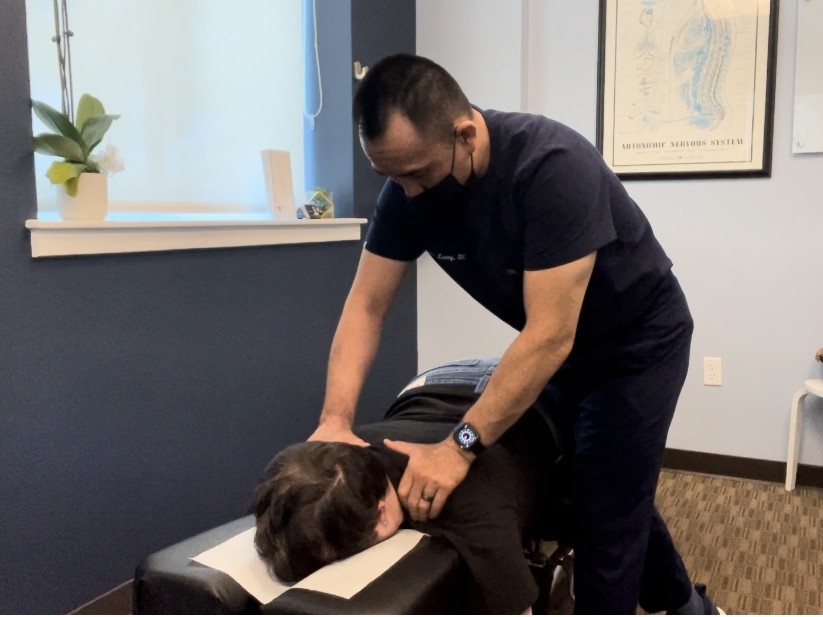
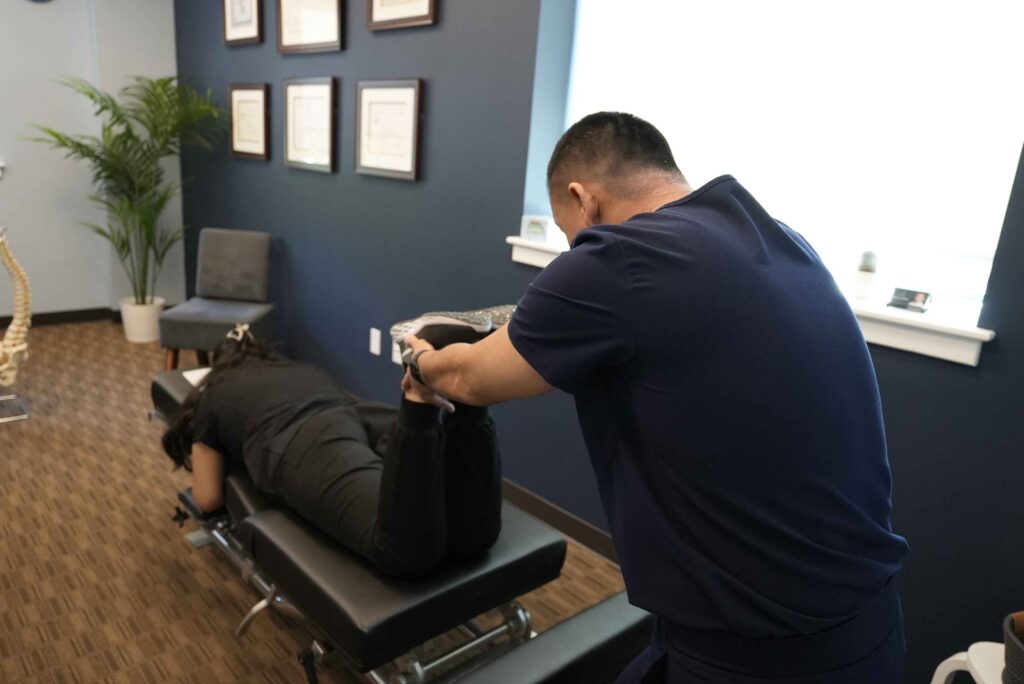
- Chiropractic Care: Regular chiropractic adjustments can help align your spine, relieve tension, and promote better posture. A chiropractor can provide personalized treatment plans tailored to your specific needs, helping you achieve optimal spinal health and overall wellness.
Remember, good posture is a habit that takes time to develop. By being proactive and making these adjustments, you can alleviate pain and enhance your quality of life. If you’re struggling with posture-related issues, consider scheduling a visit to your local chiropractor—your partner in health and wellness. Together, we can work towards a pain-free and healthier you!
Understanding the Importance of Good Posture
Good posture is more than just standing up straight; it plays a vital role in your overall health and well-being. As a chiropractor, I want to emphasize that maintaining good posture is crucial for aligning your body properly, which helps reduce strain on your muscles and joints.
When your body is aligned, it supports better circulation and digestion, and even enhances your breathing. You may not realize it, but your posture can significantly influence your mood and confidence. Standing tall can make you feel more empowered and focused, while slouching can lead to feelings of fatigue and stress.
By prioritizing your posture, you’re not just improving your appearance; you’re also taking proactive steps to prevent chronic pain—a common issue in our sedentary lifestyles. One of the best ways to achieve and maintain good posture is through regular chiropractic care. Chiropractic adjustments help align your spine, which can alleviate pain and improve your posture over time.
This natural healing approach focuses on the body’s ability to heal itself, making it an excellent choice for those seeking pain relief and overall wellness. Here are some simple tips to help you improve your posture throughout the day:
- Be Mindful of Your Position: Whether you’re sitting, standing, or walking, pay attention to how you hold your body. Keep your shoulders back, chest open, and head aligned over your spine.
- Take Breaks: If you sit for long periods, make it a habit to stand up and stretch every 30 minutes. This helps relieve tension and encourages good posture.
- Strengthen Core Muscles: Engage in exercises that strengthen your core muscles. A strong core supports your spine and helps maintain good posture.
- Use Ergonomic Furniture: If you work at a desk, invest in an ergonomic chair that supports your back and promotes good posture.
- Practice Mindfulness and Relaxation Techniques: Stress can lead to poor posture, so incorporating mindfulness or relaxation exercises can help you stay relaxed and aware of your body.
By focusing on your posture and considering chiropractic care, you’re making a positive investment in your long-term health. It’s a small change that can lead to significant improvements in how you feel and function every day.
Let’s work together to achieve that!
Common Causes of Poor Posture
Many of us find ourselves sitting for long hours, whether at work, home, or during commutes. This can easily lead to poor posture if we’re not mindful of how we position ourselves. An improper ergonomic setup at your workspace can really exacerbate the issue, leading to slouching and discomfort that can affect not only your spine but your overall well-being.
As a chiropractor, I want to highlight the importance of maintaining good posture for your spinal health. Poor posture can lead to a variety of issues, including back pain, neck strain, and even headaches.
The good news is that there are simple steps you can take to improve your posture and promote a healthier spine.
First, ensure that your workspace is ergonomically friendly. Adjust your chair so that your feet are flat on the floor and your knees are at a right angle. Your computer screen should be at eye level to prevent you from leaning forward or looking down for extended periods.
Additionally, remember to take regular breaks. Stand up, stretch, and walk around every hour to keep your muscles engaged and your spine aligned. Simple stretches can help release tension and improve your posture throughout the day.
Finally, consider incorporating chiropractic care into your wellness routine. Regular adjustments can help correct misalignments and improve your posture. A chiropractor can provide personalized advice tailored to your specific needs, helping you achieve optimal health naturally.
By being aware of these common causes of poor posture and taking proactive steps, you can’t only enhance your posture but also support your overall health and vitality.
Sedentary Lifestyle Effects
As a chiropractor, I see many patients who unknowingly suffer from the effects of a sedentary lifestyle, particularly when it comes to poor posture. When you spend long hours sitting—whether at a desk or lounging on the couch—your muscles can weaken, and your spine may lose its natural alignment.
This often leads to slouching or leaning forward, which puts extra strain on your back and neck. Over time, this can result in discomfort and chronic pain.
Additionally, prolonged sitting can tighten your hip flexors, making it harder for you to stand tall and maintain good posture. The good news is that there are simple and effective ways to combat these issues and promote a healthier spine.
Incorporating movement into your daily routine is crucial. Here are some practical tips you can easily adopt:
- Take Frequent Breaks: Set a timer to remind yourself to stand up and move every 30 minutes. Even a minute of stretching can make a difference.
- Stretch Regularly: Simple stretches for your back, neck, and hips can relieve tension and help maintain flexibility. Consider adding a few stretches to your morning routine.
- Walk More: Try to take short walks throughout your day. Whether it’s a quick stroll during lunch or a walk after dinner, staying active can enhance your overall well-being.
- Practice Good Posture: Be mindful of your posture while sitting. Keep your feet flat on the floor, your back straight, and your shoulders relaxed.
- Consider Chiropractic Care: Regular chiropractic adjustments can help align your spine, improve your posture, and alleviate pain. Chiropractors can provide personalized guidance and exercises tailored to your needs.
By integrating these habits into your life, you can support your spine and overall health.
Improper Ergonomic Setup
A key factor contributing to poor posture is an improper ergonomic setup in your workspace. When your chair lacks support for your lower back, or if your desk is too high or low, it can result in slouching or straining, which can lead to discomfort and pain.
Many people find themselves craning their necks to see their screens or hunching their shoulders as they type, which can negatively impact spinal health.
To create a healthier workspace, ensure your monitor is at eye level so you’re not straining your neck. Your feet should rest flat on the floor, and your elbows should form a right angle while typing. These small adjustments can significantly enhance your posture and overall comfort.
In addition to setting up your workspace correctly, it’s essential to take regular breaks to stretch and move around. Simple stretches can help alleviate tension and improve spinal function.
Remember, consistent chiropractic care can also play a vital role in maintaining your spinal health and overall well-being. By prioritizing these ergonomic tips and incorporating chiropractic support into your wellness routine, you can significantly reduce discomfort and enhance your productivity.
Embrace a healthier lifestyle today!
Assessing Your Current Posture
How can you tell if your posture needs improvement? A simple way to start is by standing sideways in front of a mirror. Check if your ears line up with your shoulders, hips, and ankles. If they don’t, it could be a sign of poor posture, which can lead to discomfort and pain.
Next, take a look at how you sit. Are your feet flat on the floor, or are they dangling? Ideally, your knees should form a 90-degree angle, and your back should be supported by your chair. This alignment helps maintain the natural curve of your spine.
Also, pay attention to how you feel throughout the day. Do you experience neck, shoulder, or back pain? These symptoms can indicate that your posture needs attention. Remember, discomfort is often a signal from your body that something isn’t right, and improving your posture can help alleviate these issues.
Consider asking a friend or family member to observe your posture while you’re sitting or standing. An outside perspective can often highlight habits you mightn’t notice yourself.
Incorporating chiropractic care into your routine can be an excellent way to improve your posture and overall health. A chiropractor can help identify any misalignments in your spine, provide adjustments, and offer personalized advice on maintaining proper posture.
To support your journey to better posture, remember these tips: take regular breaks if you’re sitting for long periods, practice stretching to keep your muscles flexible, and be mindful of your body mechanics when lifting or moving.
These small changes can lead to significant improvements in your alignment, helping you feel better and live healthier.
Ergonomic Workplace Setup
Creating an ergonomic workplace setup is crucial for maintaining good posture and preventing discomfort, especially during long hours at a desk. As a chiropractor, I want to emphasize how important it’s to care for your spine and overall health while you work.
Let’s explore some simple adjustments you can make to create a healthier workspace that supports your well-being.
Start by adjusting your chair so that your feet rest flat on the floor, with your knees bent at a comfortable 90-degree angle. This position allows for proper blood circulation and reduces the strain on your lower back. Make sure your chair offers good lumbar support, which helps maintain the natural curve of your spine and promotes better posture.
Next, position your computer monitor at eye level, about an arm’s length away. This helps reduce neck strain and encourages you to keep your head aligned with your spine. If your monitor is too low or high, it can lead to discomfort and tension in your neck and upper back.
Ensure that your keyboard and mouse are on the same surface and within easy reach. Your elbows should also be at a 90-degree angle, allowing your wrists to remain straight. This positioning minimizes the risk of repetitive strain injuries, which can be common for those who spend long hours typing.
If you often reference documents, consider using a document holder. Keep it at the same height as your screen to avoid awkward neck movements.
Finally, if your feet don’t comfortably touch the floor, a footrest can help you achieve the right posture.
By making these simple adjustments, you not only create a more comfortable workspace but also support your spinal health.
Remember, maintaining good posture is key to reducing pain and promoting overall wellness. Regular chiropractic care can further enhance your well-being, helping you achieve optimal health in your daily life.
Take care of your body, and it will take care of you!
Strengthening Core Muscles
Strengthening your core muscles is essential for enhancing your posture and overall stability, which in turn supports your spinal health. A strong core not only aids in maintaining proper alignment but also alleviates stress on your spine, reducing the risk of discomfort and pain.
As a chiropractor, I believe that focusing on core strength can be a natural and effective way to promote wellness and prevent issues before they start.
Here are some simple yet effective core exercises that can make a significant difference in your daily life:
- Planks: Start in a push-up position, but rest on your forearms instead of your hands. Keep your body in a straight line from head to heels and hold this position for as long as you can. This exercise engages multiple core muscles and helps build endurance.
- Bird-Dogs: Begin on your hands and knees. Extend one arm forward and the opposite leg back, keeping your body stable. Hold for a few seconds before switching sides. This exercise improves balance and coordination while strengthening your core.
- Bridges: Lie on your back with your knees bent and feet flat on the floor. Lift your hips towards the ceiling, squeezing your glutes and engaging your core. Hold for a few seconds before lowering back down. Bridges help strengthen the lower back and glutes, which support the spine.
- Dead Bugs: Lie on your back with your arms extended towards the ceiling and your knees bent at a 90-degree angle. Slowly lower one arm and the opposite leg towards the floor while keeping your back flat. Return to the starting position and switch sides. This exercise is excellent for maintaining core stability.
In addition to these exercises, here are some general tips to incorporate into your daily routine for better spinal health:
- Practice Good Posture: Be mindful of your posture while sitting, standing, and walking. Keeping your back straight and shoulders relaxed can help prevent strain on your spine.
- Stay Active: Regular physical activity, such as walking or swimming, can strengthen your muscles and keep your spine healthy.
- Listen to Your Body: If you experience discomfort or pain, don’t ignore it. Consult a chiropractor for a natural approach to pain relief and wellness.
By focusing on strengthening your core and maintaining proper posture, you can support your spine and enhance your overall health.
Importance of Core Strength
While many people tend to emphasize upper body workouts, it’s crucial to understand that developing core strength plays a fundamental role in maintaining good posture and overall spinal health. Your core muscles, including the abdominals, obliques, and lower back, serve as a stabilizing force for your entire body. When these muscles are strong, they provide support to your spine and pelvis, allowing you to stand tall and move with ease.
Weak core muscles can result in poor posture, leading to slouching and improper alignment, which can cause discomfort and pain. This is where chiropractic care comes into play. By focusing on strengthening your core through targeted exercises and receiving regular chiropractic adjustments, you can achieve better alignment and alleviate pain.
Incorporating core-strengthening exercises into your routine—like planks, bridges, and pelvic tilts—can significantly enhance your posture. Additionally, practicing good posture throughout the day, whether you’re sitting at a desk or lifting objects, will help reinforce your core’s strength.
By prioritizing core strength and seeking chiropractic care, you not only enhance your posture but also improve your overall balance and stability. This proactive approach can greatly reduce the risk of injury during daily activities, allowing you to live a healthier, pain-free life.
Effective Core Exercises
To build a strong core and support your overall health, it’s important to incorporate effective exercises into your routine while also considering the benefits of chiropractic care. A strong core not only enhances your posture but also helps reduce pain and prevent injuries.
Start with planks, which engage your entire core and improve stability. Aim to hold a plank for 30 seconds to a minute, gradually increasing the duration as your strength improves. This foundational exercise is excellent for building core stability, which is crucial for your spinal health.
Next, bicycle crunches are a fantastic way to target your obliques and rectus abdominis. Try performing three sets of 15-20 reps. These exercises can help strengthen the muscles that support your spine, contributing to better posture and less discomfort.
Don’t overlook bridges, as they strengthen your lower back and glutes, providing essential support for your spine. Incorporating this exercise into your routine can help alleviate lower back pain and promote a healthier back.
Lastly, leg raises challenge your lower abs and can be beneficial for your core strength. Aim for three sets of 10-15 reps. Strengthening your lower abdomen is vital for overall core stability and spinal alignment.
Remember, while these exercises are helpful, regular chiropractic care can further enhance your results by ensuring your spine is properly aligned and functioning optimally.
Stretching for Better Flexibility
Enhancing your flexibility through stretching is vital for achieving better posture, as tight muscles can contribute to misalignments and discomfort in your spine. Incorporating regular stretching into your routine not only helps alleviate these issues but also complements chiropractic care, which is focused on restoring natural alignment and promoting overall well-being.
Here are four effective stretches that you can easily incorporate into your daily life:
- Hamstring Stretch: Sit comfortably on the floor, extend one leg in front of you, and gently reach towards your toes. Hold this position for 20-30 seconds, feeling the stretch in the back of your leg, then switch legs. This stretch can help ease tension along your spine.
- Chest Opener: Stand tall with your feet shoulder-width apart. Clasp your hands behind your back and gently pull your shoulders back while lifting your arms. Hold for 15-20 seconds. This stretch helps counteract the effects of slouching and promotes better alignment, which is crucial for spinal health.
- Cat-Cow Stretch: Get on all fours with your hands directly under your shoulders and knees under your hips. Alternate between arching your back upwards (like a cat) and dipping it downwards (like a cow). Repeat this motion for about 30 seconds. This dynamic stretch enhances flexibility in your spine and can be particularly beneficial in preparing your body for chiropractic adjustments.
- Hip Flexor Stretch: Kneel on one knee with the other foot in front, creating a 90-degree angle. Gently push your hips forward while keeping your torso upright. Hold this position for 20-30 seconds, then switch sides. This stretch releases tension in your hips, which can positively impact your lower back.
Incorporating these stretches into your daily routine can significantly improve your flexibility and support your journey to better posture.
Daily Habits to Encourage Good Posture
Establishing good posture is essential for overall health and well-being, and it’s not just about occasional reminders; it’s about making small, mindful habits part of your everyday life.
As a chiropractor, I want to emphasize the importance of posture for spinal health. When sitting, keep your feet flat on the floor and your back straight against the chair. If you’re working at a desk, ensure your computer screen is at eye level to prevent unnecessary strain on your neck.
Incorporate short breaks every hour to stand and stretch. These breaks are vital for resetting your alignment and can significantly relieve tension in your spine. When walking, engage your core muscles and roll your shoulders back—this simple practice can enhance your posture and reduce discomfort.
To help you remember to check your posture throughout the day, consider using reminders, such as sticky notes on your computer or phone alerts. These gentle nudges can make a big difference in your awareness.
Moreover, maintaining an ergonomic workspace is crucial. A well-designed setup can support your posture and ultimately lead to less pain and discomfort.
By making these habits a regular part of your daily routine, you’ll not only notice improvements in your posture but also experience greater comfort and health.
Remember, chiropractic care is an excellent way to support your journey toward optimal health and wellness. Regular adjustments can help maintain proper spinal alignment, alleviate pain, and enhance your overall quality of life.
Embrace these habits, and consider chiropractic care as a natural and effective way to achieve your health goals.
Seeking Professional Help for Posture Correction
While many individuals can benefit from self-help techniques to improve their posture, reaching out to a chiropractor for professional assistance can offer the expertise and personalized care necessary for lasting change. Chiropractors are uniquely trained to assess your posture and overall spinal health, enabling them to create tailored plans that address your specific needs.
Here are some key benefits of working with a chiropractor for posture correction:
- Personalized Assessment: Your chiropractor will evaluate your posture and identify any misalignments or problem areas that are unique to you. This personalized approach ensures that you receive care that’s specific to your body.
- Targeted Adjustments: Chiropractors use hands-on spinal manipulation and adjustments to help align your spine correctly, which can relieve tension and improve your posture naturally. They can also recommend specific exercises designed to strengthen weak muscles and stretch tight ones.
- Education on Body Mechanics: One of the key roles of your chiropractor is to educate you about proper body mechanics. They’ll teach you how to maintain good posture throughout your daily activities, helping you avoid common pitfalls that lead to discomfort.
- Ongoing Support and Guidance: Regular visits to your chiropractor can provide ongoing support and motivation, ensuring that you stay accountable to your posture improvement goals. They can make necessary adjustments to your treatment plan as you progress.
Investing in chiropractic care is a proactive step toward not just better posture, but also enhanced overall well-being.
If you’re struggling to see improvements on your own, don’t hesitate to seek the expertise of a chiropractor. Remember, small changes today can lead to significant benefits for your health in the long run. Take charge of your posture and embrace the natural healing power of chiropractic care!
Conclusion
Improving your posture is not just about standing tall; it’s a crucial component of your overall health and wellness. As a chiropractor, I want to emphasize that the way we hold ourselves can greatly affect our spinal health and lead to discomfort or pain. By making simple adjustments to your workspace, engaging in core-strengthening exercises, and staying mindful of your body position throughout the day, you can relieve pain and promote better posture.
Here are some practical tips to help you along the way:
- Workstation Setup: Ensure your computer screen is at eye level and your chair supports your lower back. Your feet should rest flat on the floor or on a footrest. This will help maintain the natural curve of your spine.
- Core Exercises: Incorporate exercises that strengthen your core muscles, as a strong core supports your spine. Simple exercises like planks, bridges, and abdominal crunches can be very effective.
- Mindfulness: Throughout your day, take a moment to check in with your posture. Are your shoulders hunched? Is your neck straining forward? Adjusting these small details can prevent long-term issues.
- Regular Breaks: Don’t forget to stand up, stretch, and move around regularly. This keeps your muscles flexible and reduces tension. Try setting a timer to remind yourself to take breaks every hour.
- Chiropractic Care: If you’re experiencing pain or discomfort, consider visiting a chiropractor. We specialize in spinal health and can provide personalized care that addresses your specific needs. Chiropractic adjustments can help realign your spine, which not only alleviates pain but also promotes optimal function.
By taking these simple yet effective steps, you’ll be on your way to achieving a healthier, pain-free posture. Remember, your spine is the foundation of your body’s structure, so taking care of it should be a priority. Embrace the natural healing power of chiropractic care, and you’ll be supporting your journey to overall wellness.