If you’re tired of relying on medications to manage your headaches, you’re certainly not alone. Many individuals are discovering the power of natural approaches, particularly chiropractic care, which can be just as effective, if not more so, in relieving headache pain. By understanding the specific types of headaches you experience and making some simple lifestyle changes, you can often find relief without the unwanted side effects of pharmaceuticals.
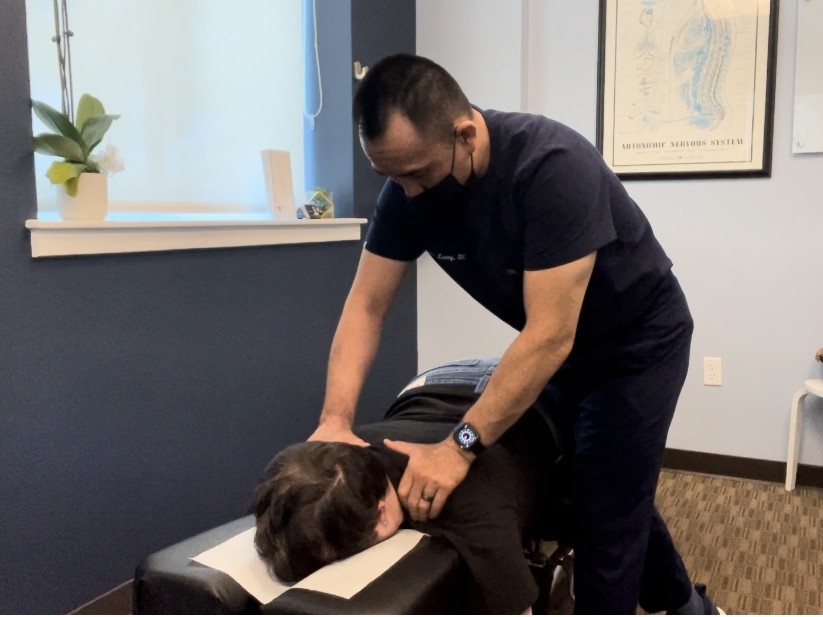
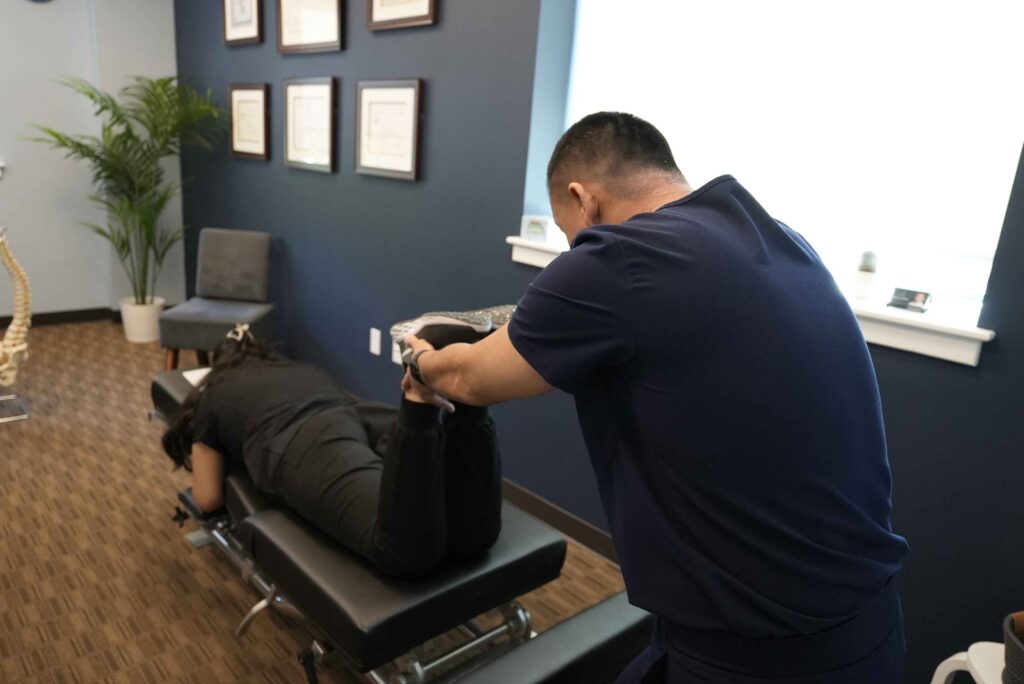
Chiropractic care focuses on the health of your spine and nervous system, which plays a crucial role in overall well-being. Misalignments in the spine, known as subluxations, can contribute to tension and stress, often leading to headaches. Regular chiropractic adjustments can help restore proper alignment, reduce tension, and promote optimal functioning of your nervous system, which may significantly decrease the frequency and intensity of your headaches.
Here are some practical strategies to enhance your headache management:
- Stay Hydrated: Dehydration is a common trigger for headaches. Aim to drink plenty of water throughout the day to keep your body hydrated.
- Maintain Good Posture: Poor posture can strain your neck and back, contributing to headaches. Be mindful of your posture, especially when sitting at a desk or using electronic devices.
- Incorporate Regular Exercise: Physical activity can help reduce stress and tension. Simple activities like walking, stretching, or yoga can be beneficial.
- Manage Stress: Techniques such as deep breathing, meditation, or mindfulness can help alleviate stress, which is a common headache trigger.
- Get Adequate Sleep: Establish a regular sleep routine to ensure you’re getting enough restorative sleep, as both oversleeping and sleep deprivation can lead to headaches.
- Consult with a Chiropractor: Regular visits to a chiropractor can help you address any spinal issues and maintain alignment, which may reduce headache occurrences.
By adopting these strategies and prioritizing chiropractic care, you can take proactive steps towards achieving pain-free living and enhancing your overall health and well-being. Remember, the path to relief doesn’t have to involve medications or invasive procedures—natural healing is within your reach!
Key Takeaways
- Stay hydrated by drinking at least eight glasses of water daily. Foods like cucumbers and watermelon are great choices to keep your hydration levels up and support overall health, which can help reduce headache occurrences.
- Establishing a consistent sleep schedule is essential. Aim for 7-9 hours of quality sleep each night. Good rest supports your body’s natural healing processes and can significantly reduce the frequency of headaches.
- Pay attention to your diet by identifying and avoiding trigger foods that may lead to headaches, such as aged cheeses and caffeine. It’s also important to maintain balanced meals to prevent low blood sugar, which can contribute to discomfort.
- Incorporating mindfulness practices like yoga and meditation can be very beneficial. These activities help relieve tension and promote a sense of calm. Regular exercise is also key; it not only boosts your mood but helps keep your body in good shape, which can help prevent headaches.
- As a chiropractor, I highly recommend seeking regular chiropractic care. This approach promotes spinal health, helps to alleviate tension, and addresses underlying issues that may be contributing to your headaches. Chiropractic adjustments can enhance your body’s natural ability to heal and maintain optimal wellness, making it a fantastic choice for those seeking pain relief and a healthier life.
Understanding the Types of Headaches
Understanding the various types of headaches is essential for finding the right relief, and as a chiropractor, I believe in a natural approach to health and wellness. Each type of headache has its own causes and symptoms, and by identifying which one you’re facing, you can better manage your pain.
Tension headaches are the most common and often feel like a tight band around your head. They’re usually triggered by stress or fatigue. Simple lifestyle changes, such as ensuring you take regular breaks during work, practicing mindfulness, or even gentle stretches, can help alleviate tension.
Migraines, on the other hand, can be debilitating. They often come with nausea and heightened sensitivity to light or sound. For those who suffer from migraines, establishing a consistent sleep schedule, staying hydrated, and avoiding known triggers can significantly help. Chiropractic adjustments can also promote better spinal alignment and reduce tension, potentially decreasing the frequency of migraines.
Cluster headaches are less common but are known for their intense pain that can wake you up at night. While these may require specific attention, chiropractic care can help address underlying issues that may contribute to headache patterns.
Sinus headaches arise from sinus infections and can cause pressure and pain in your forehead and cheeks. You can find relief through natural methods such as steam inhalation or using a humidifier. Chiropractic adjustments may also improve sinus drainage and alleviate pressure.
By focusing on natural healing methods and considering chiropractic care, you can take an active role in your health. Remember to pay attention to your body, manage stress, and stay hydrated.
These simple practices can empower you to find effective relief and promote overall wellness. If you’re struggling with headaches, consider reaching out for a chiropractic consultation to explore how spinal care can support your journey toward optimal health.
Lifestyle Changes for Headache Prevention
Making small lifestyle changes can significantly reduce your chances of experiencing headaches, and chiropractic care can play a vital role in achieving overall wellness.
By incorporating a few simple habits into your daily routine, you can promote better health and minimize headache triggers. Here are three effective changes to consider, along with how chiropractic care can support you:
- Stay Hydrated: Drinking enough water throughout the day is essential to prevent dehydration, a common headache trigger. Aim for at least eight glasses daily. Proper hydration supports spinal health and keeps your body functioning optimally, which is something we focus on in chiropractic care.
- Get Regular Sleep: Establishing a consistent sleep schedule is key to regulating your body’s internal clock. Strive for 7-9 hours of quality sleep each night. Chiropractic adjustments can alleviate discomfort that may interfere with your sleep, helping you to wake up refreshed and ready for the day.
- Manage Stress: Incorporate stress-reducing activities like yoga, meditation, or deep-breathing exercises into your routine. These practices not only calm your mind but also help alleviate tension that can lead to headaches.
Chiropractic care can enhance your relaxation by reducing muscle tension and improving your overall body mechanics, making it easier to engage in these stress-relief activities.
Remember, chiropractic care is a natural and effective way to address headaches and promote overall well-being.
Dietary Adjustments That Help Alleviate Headaches
When it comes to easing headaches, what you eat and drink can significantly impact your well-being. Staying hydrated is crucial for maintaining overall health, and avoiding certain trigger foods can be just as important as incorporating nutrient-rich options into your daily meals.
As a chiropractor, I believe that optimal health starts with natural approaches, and dietary adjustments are a fantastic way to support your body’s healing process.
Here are some simple tips that can help you find relief from headaches through your diet:
- Stay Hydrated: Dehydration is a common headache trigger. Aim to drink plenty of water throughout the day. Herbal teas can also be a soothing option.
- Identify Trigger Foods: Keep a food diary to track what you eat and when you experience headaches. Common culprits include aged cheeses, processed meats, and artificial sweeteners. Once you identify your triggers, you can avoid them.
- Eat Regularly: Skipping meals can lead to low blood sugar, which may trigger headaches. Try to eat balanced meals at regular intervals to keep your energy levels stable.
- Incorporate Magnesium-Rich Foods: Foods high in magnesium, such as spinach, nuts, and whole grains, can help reduce the frequency of headaches.
- Limit Caffeine and Alcohol: While some people find that a small amount of caffeine can help relieve headaches, too much can lead to withdrawal headaches. Alcohol can also be a trigger, so moderation is key.
Remember, while dietary changes can provide relief, regular chiropractic care plays an essential role in maintaining your overall health. Chiropractic adjustments can help alleviate tension and misalignments in your spine, which may contribute to headaches.
Hydration and Headache Relief
Staying well-hydrated is crucial not just for your overall health, but it can also play a significant role in reducing the frequency and intensity of headaches. When your body is dehydrated, headaches can strike unexpectedly, which is why making hydration a priority is essential for your well-being.
Here are three easy tips to help you maintain proper hydration and support your spinal health:
- Drink water consistently throughout the day: Aim to consume at least eight 8-ounce glasses of water daily. This may vary based on your activity level and the climate you’re in, but keeping a water bottle nearby can serve as a great reminder to sip regularly. Proper hydration supports spinal health by ensuring that your discs remain well-nourished and flexible.
- Incorporate hydrating foods: Add foods with high water content to your diet, such as cucumbers, watermelon, and oranges. Not only do these foods help with hydration, but they also provide essential nutrients that support your body’s natural healing processes. A well-nourished body is better equipped to manage pain and maintain overall wellness.
- Limit caffeine and alcohol: Both of these can lead to dehydration, so try to enjoy them in moderation. Instead, consider herbal teas or infused water as alternatives. Staying hydrated is a simple yet powerful way to support your body’s natural ability to heal, especially when combined with regular chiropractic care, which can enhance your overall health and well-being.
By prioritizing hydration and considering how it relates to your spinal health, you’re taking proactive steps towards better wellness.
Trigger Foods to Avoid
Managing headaches effectively goes beyond just staying hydrated; your dietary choices play a significant role too. As a chiropractor dedicated to promoting natural healing and wellness, I want to share how certain foods can impact headache symptoms. Identifying and avoiding trigger foods can be a game-changer in reducing discomfort.
Common headache triggers include aged cheeses, processed meats, and foods containing MSG. You might also find that chocolate, caffeine, and alcohol provoke headaches for some individuals. It’s wise to be mindful of artificial sweeteners and fermented foods as well, as they can also contribute to discomfort.
To help you on your journey toward a pain-free life, consider keeping a food diary. This tool can help you pinpoint specific triggers so you can make informed decisions about what to eat. By eliminating these problematic foods, you may notice a reduction in the frequency and intensity of your headaches.
Remember, everyone’s body reacts differently, so it’s essential to pay attention to how you feel after consuming certain foods.
Alongside these dietary adjustments, regular chiropractic care can support your overall health and wellness, helping to alleviate pain and enhance your body’s natural healing abilities.
Nutrient-Rich Foods to Include
Incorporating nutrient-rich foods into your diet can significantly support your overall wellness and may help alleviate headache symptoms. As a chiropractor, I believe that nourishing your body with the right foods, alongside regular chiropractic care, can lead to optimal health and pain relief.
Here are three fantastic foods to consider including in your meals to promote better health and potentially lessen headaches:
- Leafy Greens: Foods like spinach and kale are excellent sources of magnesium. This essential mineral can help relax blood vessels, which may reduce the frequency of headaches. Plus, leafy greens are packed with other vitamins and minerals that are beneficial for your overall health.
- Fatty Fish: Fish such as salmon and mackerel are rich in omega-3 fatty acids, which are known for their anti-inflammatory properties. These healthy fats can help decrease the intensity of headaches while also supporting brain health. Incorporating these into your diet can be a delicious way to promote wellness.
- Nuts and Seeds: Snack on almonds and flaxseeds, as they provide magnesium and other vital nutrients that support brain function and may reduce headache occurrences. They’re also easy to add to meals or enjoy on their own as a healthy snack.
In addition to these foods, maintaining a well-balanced diet, staying hydrated, and practicing good posture can further enhance your well-being and help you manage headaches more effectively.
Regular chiropractic adjustments can also play a crucial role in easing tension and improving your body’s overall function. By focusing on natural healing methods like nutrition and chiropractic care, you can work towards a healthier, pain-free life.
Mindfulness and Relaxation Techniques
When you prioritize mindfulness and relaxation techniques, you can significantly alleviate headaches and improve your overall well-being. These practices help you connect with your body and release stress, which is often a major trigger for headaches. A great starting point is to incorporate deep breathing exercises into your daily routine. Simply inhale slowly through your nose, hold for a moment, then exhale through your mouth. This straightforward method can help calm your nervous system and set a positive tone for your day.
In addition, consider engaging in guided meditation or yoga, both of which enhance relaxation and foster a sense of well-being. Dedicating just 10-15 minutes each day to these practices can lead to noticeable improvements in how you feel.
Another effective technique is progressive muscle relaxation. This involves tensing and then relaxing each muscle group in your body, which can help release built-up tension that might contribute to headaches. By consistently practicing mindfulness and relaxation, you’ll become more aware of your body and its signals, making it easier to identify and manage headache triggers.
Additionally, don’t forget the benefits of regular chiropractic care. A chiropractor can help align your spine and improve your posture, reducing tension and discomfort that may lead to headaches.
Alternative Therapies for Natural Relief
If you’re seeking natural ways to relieve headaches, chiropractic care may be the best option for you. By addressing misalignments in the spine, chiropractic adjustments can help reduce tension and improve overall function, leading to significant headache relief.
In addition to chiropractic adjustments, there are several holistic approaches you can incorporate into your routine. Techniques such as acupuncture, which stimulates specific points on the body, and herbal remedies can complement your chiropractic care and enhance your wellness journey.
Mindfulness practices, like meditation and deep breathing, can also help manage stress, which is often a contributing factor to headaches.
Here are some general tips to help you alleviate headaches naturally:
- Stay Hydrated: Dehydration can lead to headaches, so make sure you’re drinking enough water throughout the day.
- Maintain Good Posture: Poor posture can strain your neck and back, leading to headaches. Be mindful of your posture, especially when sitting at a desk.
- Regular Exercise: Physical activity helps improve circulation and reduce tension in the body. Find an exercise routine that works for you and stick to it.
- Get Enough Sleep: Lack of sleep can trigger headaches. Aim for a consistent sleep schedule and create a calming bedtime routine.
- Practice Relaxation Techniques: Incorporate stretches, yoga, or gentle movements to relieve tension in your muscles.
Chiropractic care focuses on optimizing your spinal health, which can play a crucial role in reducing headache frequency and intensity.
If you’re struggling with headaches, consider scheduling a consultation with your local chiropractor to discuss how chiropractic adjustments and a holistic approach to wellness can help you find lasting relief.
Acupuncture for Headache Relief
As a local chiropractor, I want to share some valuable insights on managing headaches naturally. While acupuncture has gained popularity as an alternative therapy for headache relief, I believe chiropractic care is a superior choice for achieving optimal health and wellness. Chiropractic focuses on spinal health, which plays a crucial role in overall well-being and can significantly alleviate headache symptoms.
Here are three key reasons to consider chiropractic care for your headaches:
- Spinal Alignment: Misalignments in the spine can lead to tension and discomfort, triggering headaches. Chiropractic adjustments help restore proper alignment, reducing pain and tension in the neck and upper back, which are common sources of headache pain.
- Holistic Approach: Chiropractic care treats the whole person, not just the symptoms. By addressing the root causes of your headaches, such as stress or poor posture, we can help restore balance to your body and improve your overall health.
- Natural Healing: Chiropractic care promotes the body’s natural healing processes without the need for medications or invasive procedures. You’ll experience fewer side effects and can feel confident in a safe and effective approach to pain relief.
If you’re seeking a natural way to manage your headaches, chiropractic care could be the answer you’ve been looking for.
Additionally, here are some general tips to help with headache prevention:
- Stay Hydrated: Dehydration can trigger headaches, so make sure to drink plenty of water throughout the day.
- Practice Good Posture: Maintaining proper posture can alleviate strain on your neck and spine, reducing the likelihood of headaches.
- Manage Stress: Incorporate relaxation techniques, such as deep breathing exercises or yoga, into your routine to help manage stress levels.
Herbal Remedies and Supplements
While chiropractic care is a powerful solution for headache relief, many individuals also seek out herbal remedies and supplements to support their wellness journey naturally. These alternatives can complement chiropractic treatment, providing additional relief while minimizing potential side effects. Here’s a quick overview of some popular options that may enhance your overall well-being:
| Herb/Supplement | Benefits | Dosage |
|---|---|---|
| Feverfew | May help reduce the frequency and intensity of headaches | 50-100 mg daily |
| Butterbur | Known for easing migraine symptoms | 75-150 mg daily |
| Magnesium | Can relieve tension headaches and promote relaxation | 300-400 mg daily |
| Peppermint Oil | Offers topical pain relief when applied to the forehead or temples | Apply as needed |
| Ginger | May reduce nausea associated with headaches | 1-2 g daily |
While exploring these herbal options, it’s essential to remember that chiropractic care remains a primary method for achieving optimal health and pain relief. Regular chiropractic adjustments can help align your spine, improve your nervous system function, and reduce headache triggers.
As you consider integrating these supplements into your wellness routine, it’s wise to consult with your healthcare provider to ensure they align with your specific health needs. Additionally, focus on maintaining a healthy lifestyle through proper hydration, regular exercise, and stress management techniques, which can further enhance the effectiveness of chiropractic care.
Mindfulness and Meditation Techniques
As you seek natural methods for headache relief, incorporating mindfulness and meditation techniques can complement your chiropractic care and enhance your overall well-being. These practices help you foster awareness and relaxation, which are vital in reducing the frequency and intensity of headaches.
Here are three effective techniques to consider:
- Deep Breathing: Take a moment to focus on your breath. Inhale deeply through your nose, allowing your abdomen to expand, and then exhale slowly through your mouth. This simple practice calms your nervous system and helps release tension, making it a great addition to your daily routine.
- Guided Imagery: Visualize a peaceful place, such as a quiet beach or a lush forest. Engage your senses by imagining the sounds, scents, and sights of this serene environment. This mental escape can distract you from pain and stress, providing a natural form of relief.
- Body Scan Meditation: Lie down comfortably and gradually bring your attention to different parts of your body, starting from your toes and moving up to the top of your head. As you focus on each area, consciously release any tension you may feel. This technique promotes relaxation and can be particularly beneficial after a chiropractic adjustment.
Incorporating these mindfulness techniques alongside your chiropractic care can lead to significant improvements in your well-being.
Creating a Personalized Headache Management Plan
Creating a personalized headache management plan is crucial for effectively addressing your unique triggers and symptoms, and chiropractic care plays a significant role in achieving optimal health. Start by keeping a headache diary to track when and where your headaches occur, along with possible triggers like food, stress, or sleep patterns. This information can help you identify patterns and adjust your lifestyle accordingly.
Chiropractic care focuses on spinal health, which can greatly influence headaches. Misalignments in the spine can lead to tension and discomfort that may trigger or exacerbate headaches. Regular chiropractic adjustments can help restore proper alignment, alleviate tension, and promote overall wellness.
In addition to chiropractic care, consider incorporating non-pharmacological treatments such as relaxation techniques, gentle stretching, and physical therapy. These approaches can provide relief without the need for medication. You might also explore dietary changes by ensuring you’re staying hydrated and avoiding known trigger foods, which can be a simple yet effective strategy for managing headaches.
Setting realistic goals for managing your headaches is important. Whether your aim is to reduce their frequency or severity, regularly review and adjust your plan based on what works for you. Remember, what helps one person may not work for another, so be patient with yourself as you find the best strategies.
Conclusion
Embracing natural approaches to headache relief can truly enhance your quality of life. As a chiropractor, I understand that headaches can stem from various factors, including spinal misalignments, tension, and lifestyle choices. By addressing these issues through chiropractic care, we can help reduce the frequency and intensity of your headaches without the need for medications.
It’s essential to understand your headaches and their triggers. Regular chiropractic adjustments can improve spinal alignment, reduce tension in the neck and shoulders, and promote better overall health. Additionally, making mindful lifestyle changes—such as practicing good posture, staying hydrated, and managing stress—can significantly contribute to reducing headache occurrences.
Dietary adjustments can also play a vital role. Incorporating anti-inflammatory foods, staying away from known triggers, and ensuring you have a balanced diet can support your overall wellness.
Incorporating mindfulness practices, such as deep breathing or meditation, can help calm your mind and alleviate stress, which is often a significant contributor to headaches.
Remember, every person’s journey is unique, so it’s important to create a headache management plan that suits your specific needs. By prioritizing chiropractic care and these holistic approaches, you can say goodbye to medications and embrace a healthier, pain-free lifestyle. Your journey to optimal health starts with understanding your body and making choices that support your well-being!