If you’ve ever experienced whiplash, you know how debilitating it can be. Understanding effective relief techniques is essential for managing your pain and regaining mobility. As a local chiropractor, I want to emphasize that chiropractic care is one of the most effective ways to address whiplash and promote natural healing.
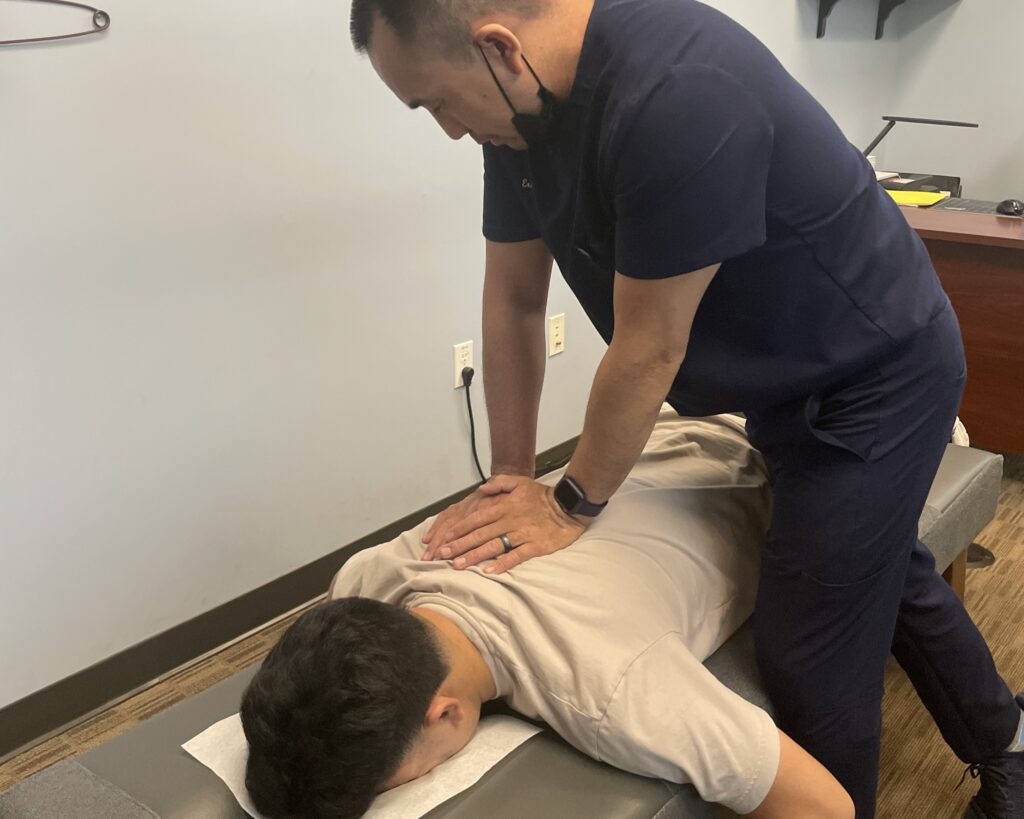
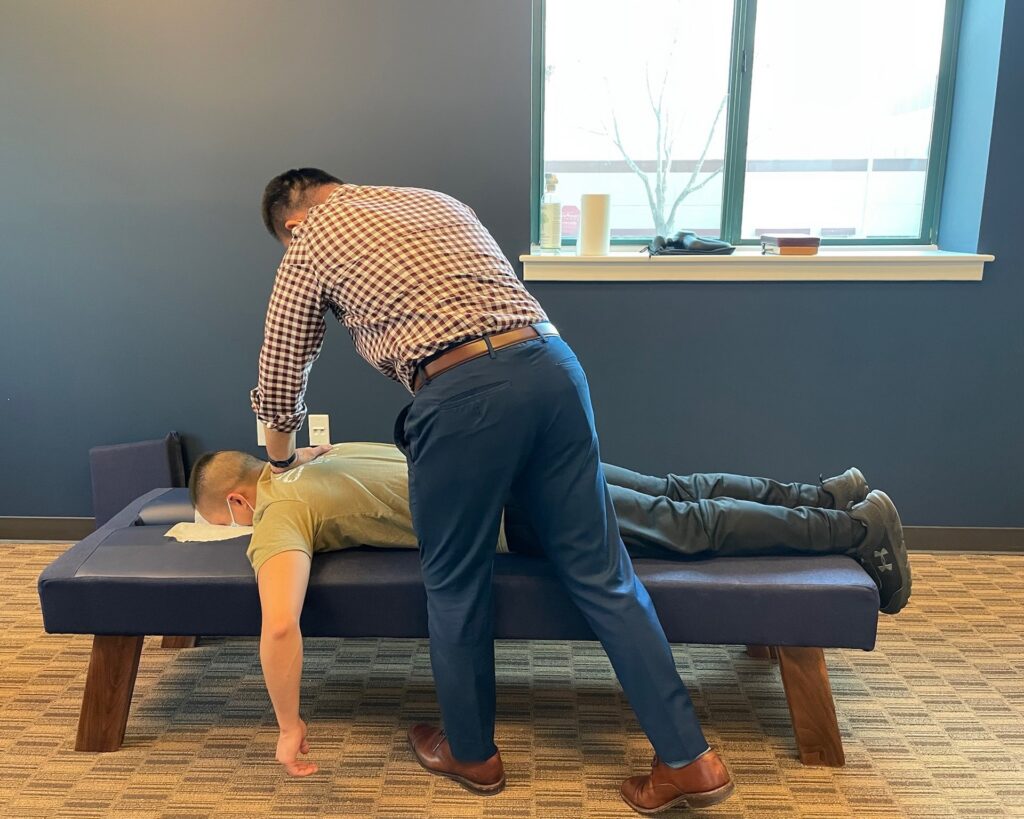
Gentle adjustments and spinal manipulations can help realign your spine, reduce pain, and improve overall function. In addition to chiropractic care, there are several strategies you can explore to support your recovery journey. Here are some key techniques that can make a difference:
- Gentle Exercises: Engaging in light stretches and exercises can help improve mobility and relieve tension. Focus on movements that gently stretch the neck and shoulders. Always consult with your chiropractor for tailored exercises that suit your specific needs.
- Heat Therapy: Applying heat to the affected area can help relax tight muscles and alleviate discomfort. A warm compress or heating pad can be very soothing. Just be sure to use heat, not ice, as heat promotes blood flow and healing.
- Posture Awareness: Maintaining good posture is crucial, especially while sitting at a desk or using your phone. Keep your back straight and your head aligned with your spine. This can significantly reduce strain on your neck.
- Stay Hydrated: Drinking plenty of water helps keep your spinal discs hydrated and supports overall health. Staying hydrated can also aid in the healing process.
- Chiropractic Adjustments: Regular visits to your chiropractor can help ensure your spine is aligned and functioning optimally. Your chiropractor can also provide personalized advice on how to manage your pain and prevent future injuries.
Remember, while whiplash can be painful, there are effective, natural ways to find relief. Embracing chiropractic care as part of your wellness journey not only addresses the pain but also promotes long-term health and wellbeing. Don’t hesitate to reach out to your local chiropractor to discuss your symptoms and explore the best treatment plan for you. Your path to recovery starts with taking proactive steps towards better spinal health!
Understanding Whiplash and Its Symptoms
After a car accident or a sudden jolt, it’s crucial to understand whiplash and its symptoms for a smoother recovery. Whiplash occurs when your head is thrown forward and then backward quickly, putting strain on the neck’s muscles and ligaments. Common symptoms include neck pain, stiffness, headaches, and sometimes dizziness. Be aware that these symptoms mightn’t show up immediately—they can take hours or even days to manifest. Staying vigilant about any changes in how you feel is important.
In addition to neck discomfort, you may also notice tingling or numbness in your arms, feelings of fatigue, or trouble concentrating. The intensity of these symptoms can differ based on the severity of the injury. It’s essential to listen to your body and acknowledge that what you’re experiencing is real and deserves attention.
While whiplash is a frequent injury, it can still be serious. This is where chiropractic care shines! Chiropractic adjustments can help alleviate pain, reduce stiffness, and promote healing by improving your neck’s alignment and function. Regular chiropractic visits can support your body’s natural ability to heal, helping you regain mobility and comfort without relying on medications or invasive procedures.
Here are some general tips to help you on your journey to recovery:
- Stay Active: Gentle movements and stretching can help keep your neck flexible. Ask your chiropractor about safe exercises tailored for your condition.
- Ice and Heat Therapy: Applying ice can reduce swelling in the initial days after an injury, while heat can soothe tight muscles later on.
- Posture Awareness: Maintaining good posture while sitting or standing can prevent additional strain on your neck.
- Hydration and Nutrition: Staying hydrated and eating a balanced diet supports overall health and aids in recovery.
- Follow Up: Regular check-ins with your chiropractor can track your progress and adjust your treatment plan as needed.
Importance of Early Intervention
Seeking chiropractic care soon after experiencing whiplash can significantly enhance your recovery journey. When you address the issue early, you’re more likely to reduce pain and prevent further complications. Delaying treatment may lead to chronic discomfort, making it more challenging for you to return to your daily activities.
Early intervention through chiropractic care allows professionals to assess your spine and overall health, recommending personalized therapies that suit your specific needs. By acting quickly, you can benefit from natural, non-invasive treatments that often deliver better results.
Understanding your body’s response to injury through chiropractic care fosters a proactive approach to healing and wellness. You don’t have to endure the pain alone. Seeking chiropractic help promptly not only provides relief but also empowers you to regain control over your recovery.
Remember, the sooner you act, the better your chances of a full recovery and a quicker return to your normal life.
In addition to seeking chiropractic care, here are some general tips to support your healing process:
- Stay hydrated: Drink plenty of water to keep your body functioning optimally.
- Gentle stretching: Incorporate light stretches to maintain flexibility without straining your muscles.
- Rest: Ensure you’re getting enough sleep to aid your body’s healing.
- Avoid prolonged screen time: Take regular breaks to reduce strain on your neck and spine.
Gentle Stretching Exercises
How can gentle stretching exercises support your recovery from whiplash? These exercises play a vital role in enhancing flexibility, alleviating stiffness, and boosting blood flow to the affected areas. When you experience whiplash, your neck muscles can become tight and tense. By incorporating gentle stretches, you can gradually release that tension and restore your natural range of motion.
Begin with simple neck tilts, gently leaning your head to each side and holding the position for a few seconds. Chin tucks are also beneficial; gently pull your chin toward your chest to elongate the neck. Remember to breathe deeply and pay attention to your body—if anything feels painful, stop right away. Aim to perform these stretches several times a day, but be mindful not to overexert yourself.
As you continue this practice, you’ll likely notice a greater sense of comfort in your neck, allowing you to engage in daily activities with less discomfort.
In addition to stretching, consider visiting your local chiropractor. Chiropractic care focuses on the alignment of the spine and musculoskeletal system, which can greatly enhance your recovery from whiplash. A chiropractor can provide personalized guidance and adjustments that complement your stretching routine, helping you achieve optimal health and wellness naturally.
Embrace these gentle exercises and chiropractic care as essential tools on your journey to feeling better and living well.
Heat and Cold Therapy
When it comes to easing whiplash pain, heat and cold therapy can be incredibly beneficial tools in your recovery journey. As a local chiropractor, I want to share how these methods can complement your overall wellness and support the healing process.
Heat therapy is wonderful for relaxing and soothing tight muscles that often accompany whiplash injuries. Applying a warm compress or using a heating pad can help increase blood flow, which brings essential nutrients to the affected area, promoting healing and comfort. This soothing warmth can also ease stiffness and enhance mobility, making it easier to engage in gentle movements that support your spine’s health.
On the other hand, cold therapy plays a crucial role in reducing inflammation and numbing sharp pain. Ice packs or cold compresses can be applied to the injured area to help manage swelling and provide relief from acute pain. Just remember to wrap ice in a cloth to protect your skin and apply it for short periods, typically 15-20 minutes at a time.
While both heat and cold therapy can be effective, understanding when to use each can maximize their benefits. As a general rule, you might want to use cold therapy in the first 48 hours after an injury to control swelling, and then heat therapy afterward to promote healing and relax muscles.
It’s important to note that while these therapies are helpful, they work best in conjunction with chiropractic care. A chiropractor can assess your specific situation, provide personalized treatment plans, and address the root cause of your pain.
By focusing on spinal alignment and overall body function, chiropractic care offers a holistic approach to wellness and pain relief, ensuring you not only recover from whiplash but also enhance your overall health.
Benefits of Heat Therapy
While both heat and cold therapy can provide relief for whiplash pain, heat therapy has special advantages that can support your recovery journey. When you apply heat to the affected area, it increases blood flow, which is essential for healing and reducing stiffness in your neck muscles. This boost in circulation not only helps to relax tight tissues but also alleviates discomfort and enhances your range of motion.
Moreover, heat therapy can create a soothing sensation, which is beneficial for easing muscle spasms and tension. You can use a heating pad, a warm towel, or a hot water bottle—just remember to keep it on for about 15-20 minutes at a time. It’s important to listen to your body and avoid using excessive heat to prevent any burns or irritation.
Incorporating heat therapy can be a great complement to your chiropractic care. Chiropractic adjustments help realign your spine and improve overall functionality, and when paired with heat therapy, you can experience even greater relief and comfort.
Always consult your chiropractor about the best practices for your specific situation, and keep in mind that natural healing through chiropractic care is a safe and effective way to achieve optimal health and wellness.
Advantages of Cold Therapy
Cold therapy can be a valuable tool for managing whiplash pain, and as a chiropractor, I want to help you understand its benefits. Applying cold packs to the affected area can effectively reduce inflammation and numb soreness, providing you with immediate relief, especially during the first 48 hours after an injury.
By constricting blood vessels, cold therapy helps minimize swelling and reduces the pain signals sent to your brain.
In addition to providing relief, cold therapy can play a crucial role in preventing tissue damage and promoting faster healing. For best results, apply the cold pack for 15-20 minutes at a time, and remember to wrap it in a cloth to protect your skin.
While cold therapy is helpful, it’s essential to consider chiropractic care as a comprehensive approach to your recovery. A chiropractor can assess your condition, provide personalized treatment, and guide you on additional strategies to enhance your healing process.
By combining cold therapy with chiropractic adjustments and exercises tailored to your needs, you can improve your overall comfort and work towards optimal health.
To support your recovery at home, consider incorporating gentle stretches and maintaining good posture throughout your day. This holistic approach not only aids in pain relief but also promotes long-term wellness.
Over-the-Counter Pain Relief Options
Managing whiplash discomfort can be challenging, but there are natural and effective ways to find relief. While many people might consider over-the-counter pain medications like ibuprofen, acetaminophen, or naproxen, it’s important to focus on holistic approaches that promote healing and wellness.
Chiropractic care offers a fantastic alternative to pain relief by addressing the root cause of your discomfort. A chiropractor can help realign your spine, which is essential for proper nerve function and can significantly reduce pain and inflammation associated with whiplash. By focusing on spinal health, you can enhance your body’s natural healing abilities and promote overall wellness.
In addition to chiropractic adjustments, there are simple tips you can incorporate into your daily routine to support your recovery:
- Gentle Stretching: Incorporate light neck stretches to maintain flexibility and reduce stiffness. Always move gently and avoid any movements that cause pain.
- Heat and Cold Therapy: Applying a warm compress can help relax tight muscles, while cold packs can reduce inflammation. Alternate between the two for optimal relief.
- Stay Active: Engage in low-impact activities like walking or swimming to keep your body moving without straining your neck. Movement is crucial for recovery.
- Maintain Good Posture: Be mindful of your posture, especially when sitting at a desk or using your phone. Proper alignment can alleviate unnecessary strain on your neck.
- Hydrate and Nourish: Drink plenty of water and consume a balanced diet rich in anti-inflammatory foods to support your body’s recovery process.
Remember, while temporary solutions can provide relief, chiropractic care is a proactive approach that addresses the underlying issues of whiplash.
If you’re experiencing persistent pain, consult with a chiropractor who can guide you on the path to optimal health and wellness. Taking care of your spine is a crucial step toward feeling your best!
Physical Therapy Techniques
If you’re experiencing whiplash, chiropractic care can be a vital component of your recovery. Our approach focuses on natural healing, helping you regain your range of motion and strengthen the muscles in your neck to prevent future injuries.
Through gentle adjustments and targeted techniques, we can relieve pain and promote healing without the need for medications or invasive procedures.
In addition to spinal adjustments, we incorporate stretching and mobilization exercises to help you move more freely and comfortably. Manual therapy techniques may also be used to alleviate tension and enhance your overall recovery process.
Here are some practical tips to support your healing journey:
- Stay Active: Gentle movement is essential. Engage in light activities that don’t strain your neck, like walking or swimming.
- Apply Ice or Heat: Use an ice pack to reduce inflammation in the first few days, followed by heat to relax tight muscles.
- Practice Good Posture: Be mindful of your posture, especially when sitting at a desk or using your phone. Keep your head aligned over your shoulders.
- Stay Hydrated: Drinking plenty of water is crucial for maintaining the health of your spinal discs and tissues.
- Listen to Your Body: If something doesn’t feel right, communicate with your chiropractor about any discomfort or concerns.
By choosing chiropractic care, you’re opting for a holistic approach to health and wellness that focuses on your body’s natural ability to heal.
We’re here to support you every step of the way on your journey to recovery!
Stretching and Mobilization Exercises
Stretching and mobilization exercises are vital components of chiropractic care that can significantly alleviate whiplash pain. These exercises are designed to enhance flexibility and improve the range of motion in your neck, which helps to reduce stiffness and discomfort naturally.
Simple neck stretches, such as gently tilting your head from side to side or softly rotating it, can effectively ease tension. Incorporating mobilization techniques like gentle neck rolls can enhance circulation and further relieve pain. It’s essential to perform these exercises slowly and only within a comfortable range to avoid any additional strain.
Remember, consistency is critical. By incorporating these stretches into your daily routine, you can experience substantial improvements in your neck health.
As a chiropractor, I always recommend consulting with a professional to ensure you’re using the appropriate techniques tailored to your specific condition, maximizing your relief and wellness.
In addition to these exercises, consider incorporating good posture habits throughout your day. Whether you’re sitting at a desk or using your phone, maintaining an aligned spine can further support your neck and overall health.
Strengthening Neck Muscles
Strengthening your neck muscles is crucial for recovering from whiplash and preventing future injuries. A strong neck can better support your head and reduce strain on your spine, promoting overall wellness.
As a chiropractor, I believe that chiropractic care is the best way to achieve optimal health, and it plays an essential role in muscle strengthening and spinal health.
To begin, incorporate isometric exercises into your routine. These involve gently pushing your head against your hands in various directions while keeping it still. This method builds strength without risking injury.
As you feel more comfortable, you might consider adding resistance bands to your exercises, focusing on the front, back, and sides of your neck for balanced development.
As you progress, light weights can be introduced, but always prioritize proper form over the number of repetitions. Remember, consistency is key, so aim for a few sessions each week to see real improvement.
Listening to your body is vital; if any movement causes discomfort, it’s best to stop and consult with a chiropractor for personalized guidance. A strong neck not only contributes to pain relief but also enhances your overall stability and comfort.
In addition to these exercises, consider regular chiropractic adjustments to help maintain proper alignment and function of your spine.
This holistic approach not only aids in strengthening your neck muscles but also supports your entire body’s health. Embrace these practices for a healthier, pain-free life!
Manual Therapy Techniques
As a local chiropractor, I want to share how manual therapy techniques can significantly aid your recovery from whiplash while also providing immediate relief from pain and discomfort.
Gentle techniques such as stretching, mobilization, and soft tissue manipulation are effective ways to restore movement and relieve muscle tension in a natural, non-invasive manner.
When you come in for a session, I’ll assess your specific condition and apply tailored methods designed to meet your unique needs. Many patients notice a reduction in stiffness and improved blood flow, which helps to promote healing and enhance overall wellness.
You may find that your range of motion increases and your pain decreases during our sessions. It’s essential to communicate any discomfort you experience so that we can make necessary adjustments to ensure your comfort and effectiveness of the treatment.
Incorporating these manual therapy techniques into your recovery plan can beautifully complement chiropractic care, which is focused on achieving optimal health. Together, we can help speed up your healing process, making your daily activities easier and more enjoyable.
Remember, chiropractic care is a holistic approach to wellness that emphasizes the body’s natural ability to heal itself.
Mindfulness and Relaxation Strategies
Mindfulness and relaxation strategies can be incredibly beneficial in easing whiplash pain, especially when paired with chiropractic care. By managing stress and tension in your body, you can enhance your overall wellness and promote healing. Focusing on the present moment can help reduce anxiety and foster a sense of calm, making it easier for your body to recover.
To get started, find a quiet space where you can sit comfortably. Close your eyes, take a deep breath, and visualize your neck relaxing with each exhale. This simple technique can help you tap into your body’s natural healing processes.
Incorporating gentle stretching and deep-breathing exercises into your daily routine can also be a game-changer. These practices help release muscle tightness and improve your overall comfort, making chiropractic adjustments more effective. If you’re looking for guidance, consider using meditation apps or exploring yoga, which can complement your chiropractic care and enhance relaxation.
Another powerful technique to consider is progressive muscle relaxation. This involves tensing and then relaxing each muscle group in your body, starting from your toes and working your way up to your neck. Regular practice of this method can help you feel more in control of your pain while supporting the healing process.
Remember, chiropractic care focuses on addressing the root causes of pain and promoting natural healing. By integrating mindfulness and relaxation strategies into your routine, you can support your treatment and work towards optimal health.
Stay consistent with these practices, and you’ll be on your way to feeling better in no time!
When to Seek Professional Help
When should you think about getting professional help for whiplash pain? If your discomfort lasts more than a few days or if you notice severe symptoms such as numbness, weakness, or persistent headaches, it’s a good idea to consult a chiropractor. Ignoring symptoms like dizziness or vision changes can lead to more serious issues, so don’t hesitate to reach out for help.
If your pain is affecting your daily activities and home remedies like rest, ice, and gentle movement aren’t bringing relief, seeking a professional evaluation is vital. A chiropractor can provide a thorough assessment and create a personalized treatment plan focused on natural healing, helping you regain your mobility and comfort.
Additionally, if you’re feeling anxious or down due to your injury, professional support can really make a difference. Chiropractic care not only addresses physical pain but can also help improve your overall emotional well-being.
Conclusion
To sum up, managing whiplash pain effectively involves a holistic approach that aligns perfectly with chiropractic care, which is an excellent choice for those seeking natural healing and optimal health. Understanding your symptoms and the importance of early intervention can empower you to take the right steps toward recovery. Gentle exercises, tailored specifically for your situation, can help restore mobility and strength in your neck. Additionally, utilizing heat and cold therapy can provide immediate relief, soothing inflammation and promoting blood flow.
Mindfulness practices, such as deep breathing or meditation, can also play a vital role in your healing journey by reducing stress and enhancing your overall well-being. If your pain persists, don’t hesitate to seek the expertise of a chiropractor. They can assess your condition and develop a personalized treatment plan that focuses on spinal alignment and muscle relaxation, which are crucial for recovery.
Remember, consistency is key! By regularly engaging in these techniques and prioritizing chiropractic care, you can take charge of your healing journey and improve your quality of life. Embrace these strategies to not only alleviate whiplash pain but also to foster a healthier, more vibrant lifestyle.