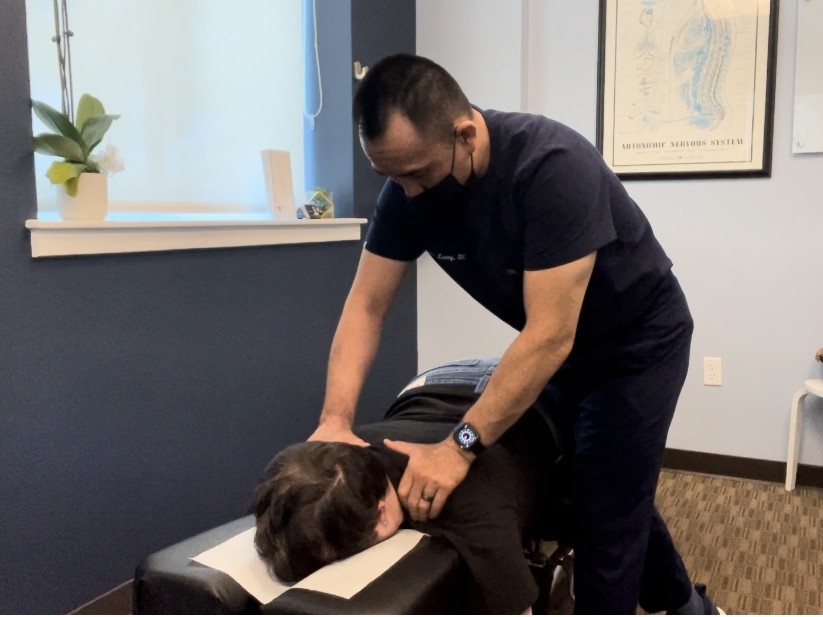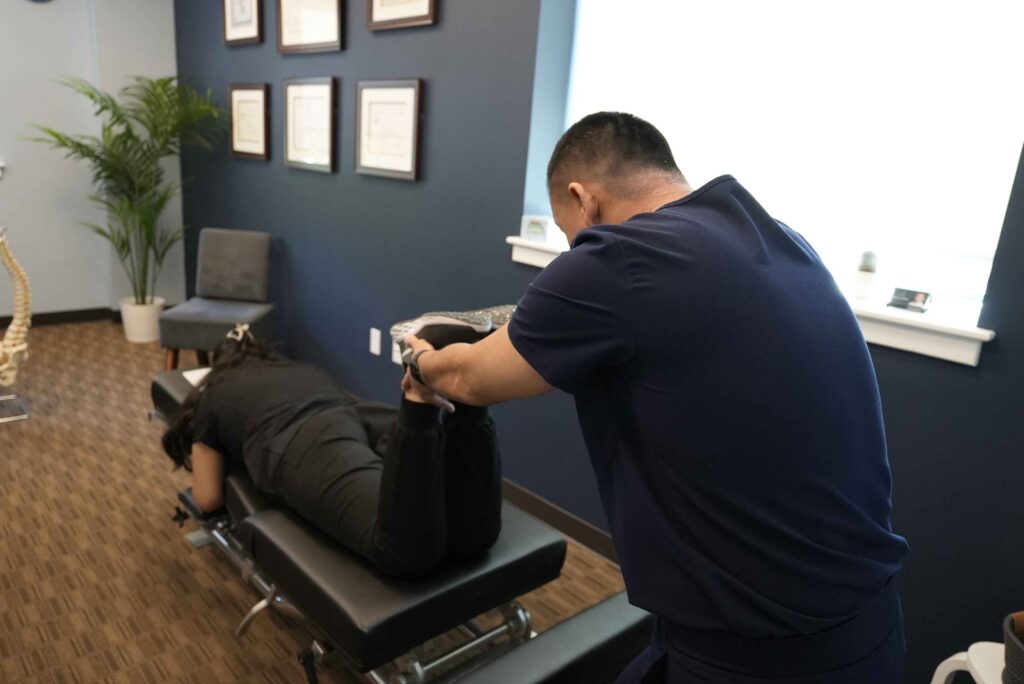
If you're experiencing upper back discomfort, you're certainly not alone, and it's important to understand the underlying causes to find relief. As a local chiropractor, I've seen many patients struggle with tension due to poor posture, stress, or weakness in the muscles that support your spine. The good news is that there are effective strategies you can implement to alleviate your discomfort.
Engaging in targeted exercises and making ergonomic adjustments to your workspace can significantly enhance your comfort and mobility. However, if you find that these conventional approaches aren't providing the relief you seek, it may be time to explore additional solutions. Chiropractic care focuses on restoring balance and alignment within your body, which can be especially beneficial for persistent upper back issues.
I encourage you to consider the benefits of a chiropractic evaluation. Together, we can develop a personalized treatment plan that addresses your specific needs and helps you regain control over your upper back health. Remember, seeking professional help is a proactive step toward a pain-free life!
Common Causes of Upper Back Pain
As a local chiropractor, I'm here to help you understand the various sources of upper back pain, which can often be elusive in terms of pinpointing the exact cause. One of the most common reasons I see in my practice is poor posture. Many of us spend extended hours hunched over desks or looking down at our phones. This slouching can strain the muscles in your upper back, leading to discomfort that may persist throughout the day.
Another frequent issue is muscle strain. Whether it's from lifting something heavy, twisting your body the wrong way, or engaging in repetitive activities, your upper back muscles can easily become overworked. If you notice that your pain intensifies with movement or specific actions, it's likely a strain that needs attention.
Injuries, such as those from falls or accidents, can also lead to significant upper back pain. For example, whiplash can cause muscle tension and soreness that may not be immediately apparent. As a chiropractor, I focus on assessing these injuries to provide appropriate care and support for recovery.
Don't overlook the impact of stress, which is another hidden factor many people don't recognize. When you're feeling anxious, your muscles naturally tighten, especially around the shoulders and upper back. This tension can manifest as pain or discomfort, highlighting the importance of addressing not just physical symptoms but also emotional well-being.
Finally, certain medical conditions like herniated discs or arthritis can play a role in upper back pain. If you suspect there's an underlying issue, I encourage you to consult with a healthcare professional.
At my chiropractic practice, I'm dedicated to helping you understand these common causes of upper back pain so we can work together on effective, natural healing solutions tailored to your needs. Understanding these factors is the first step towards finding relief and improving your overall well-being.
Effective Relief Strategies
As a local chiropractor, I want to share some effective strategies to help you manage upper back discomfort. Understanding the symptoms and the underlying causes is crucial in our approach to healing.
First and foremost, regular stretching exercises can be incredibly beneficial. I encourage my patients to incorporate movements that target the upper back and shoulders into their daily routine. Simple exercises like shoulder rolls and chest openers can alleviate tension and enhance flexibility.
If you find yourself sitting for extended periods, make it a point to stretch several times throughout the day.
Strength training is another essential component of relieving upper back pain. Strengthening the muscles in your upper back provides vital support for your spine, which can help prevent discomfort. Exercises such as rows and lat pulldowns can be particularly effective in building muscle strength and stability.
Heat therapy is also a great tool for managing discomfort. Applying a warm compress or using a heating pad can help soothe tight muscles and improve blood circulation in the affected area.
However, be mindful not to apply heat for too long to avoid skin irritation.
If you find that pain persists despite these strategies, over-the-counter pain relief options like nonsteroidal anti-inflammatory drugs (NSAIDs) can help. Of course, it's always best to consult with a healthcare professional, such as myself, before starting any medication to ensure it's appropriate for your situation.
Lastly, I can't stress enough the importance of mindfulness practices, such as yoga or meditation. These practices not only reduce stress but also mitigate the tension that may contribute to your discomfort.
By integrating these strategies into your routine, you can create a comprehensive approach to addressing your upper back pain, ultimately leading to improved overall well-being.
Posture and Ergonomics Tips
As a local chiropractor dedicated to helping you achieve optimal health, I want to share some vital insights on maintaining good posture and ergonomics to prevent upper back discomfort. Understanding how your body functions in everyday activities is essential for reducing strain and promoting overall wellness.
Here are three practical tips that can make a significant difference in your daily life:
1. Optimize Your Workspace: It's crucial to set up your workspace in a way that supports your body. Ensure that your computer screen is at eye level to avoid straining your neck. Your chair should provide adequate support for your lower back, allowing you to maintain a natural posture.
Keep your feet flat on the floor and your knees at a 90-degree angle. If possible, invest in a chair that offers adjustable height and lumbar support, which can help you stay comfortable throughout the day.
2. Be Conscious of Your Sitting Posture: Many of us fall into the habit of slouching or leaning forward while seated, which can lead to discomfort over time. Instead, sit back in your chair, allowing your shoulders to relax and keeping your elbows close to your body.
If you find yourself sitting for extended periods, set reminders to stand up, stretch, or take a short walk every hour. These breaks can greatly reduce tension in your upper back.
3. Use Proper Lifting Techniques: Lifting heavy objects without the correct technique can place undue stress on your back. When you need to lift something, remember to bend at your knees and keep the object close to your body.
Avoid twisting your torso while lifting; instead, pivot your feet to change direction. This practice minimizes the strain on your back and helps protect it from injury.
By integrating these simple yet effective tips into your daily routine, you can significantly improve your posture and ergonomics, leading to a healthier and more comfortable lifestyle.
If you're experiencing persistent discomfort or have questions about how chiropractic care can support your journey to wellness, I invite you to reach out for a consultation. Together, we can work towards achieving your health goals.
Recommended Exercises for Strength
Strengthening your upper back is crucial not only for relieving discomfort but also for improving your overall posture. As a chiropractor, I often emphasize the importance of incorporating specific exercises into your daily routine to enhance upper back strength and stability. Here are some effective exercises that can help you get started on your journey to better back health.
First, let's look at the seated row. You can do this by sitting on the floor with your legs extended in front of you. Using a resistance band or a cable machine, pull the handles toward your torso while keeping your elbows close to your body. Focus on squeezing your shoulder blades together as you pull. I recommend aiming for 3 sets of 10-15 repetitions to build strength progressively.
Next, consider adding the bent-over dumbbell row to your routine. Stand with your feet shoulder-width apart and hinge at your hips while holding a dumbbell in each hand. It's important to keep your back flat as you pull the weights toward your hips, again squeezing your shoulder blades together. Doing 3 sets of 10-12 repetitions can make a significant difference in your upper back strength.
Another great exercise is the wall angel. Stand with your back against a wall, positioning your feet a few inches away from it. Raise your arms to create a "W" shape, ensuring that your elbows and wrists remain in contact with the wall. Slowly slide your arms up into a "Y" shape, then return to the starting position. Aim for 10-15 repetitions of this exercise to improve mobility and strength.
Lastly, I encourage you to add the Superman exercise to your regimen. Lie face down on a mat with your arms extended in front of you. At the same time, lift your arms, chest, and legs off the ground, engaging your upper back muscles. Hold this position for a few seconds before lowering back down. Performing 10-12 repetitions of the Superman can greatly enhance your upper back strength.
By consistently practicing these exercises, you can promote better alignment and support your chiropractic care. Remember, a strong upper back contributes to overall well-being and helps prevent discomfort.
If you have any questions about these exercises or how they fit into your chiropractic treatment plan, please don't hesitate to ask.
When to Seek Professional Help
When you're dealing with persistent upper back discomfort, it's crucial to consider reaching out for professional assistance, especially from a chiropractor. Ignoring ongoing pain can lead to more significant issues in the future, so being proactive is essential for your well-being.
Here are some key indicators that it's time to schedule a visit:
- Severe Pain: If your discomfort is intense and doesn't improve with rest or over-the-counter medications, it's important to seek evaluation. Severe pain may indicate underlying issues that could benefit from chiropractic care, such as spinal misalignments or muscle imbalances.
- Radiating Symptoms: Pay attention to any pain that radiates into your arms, legs, or chest. These symptoms can be signs of nerve involvement or other serious health concerns. A chiropractor can assess your condition and provide the necessary adjustments to alleviate these issues.
- Persistent Symptoms: If your upper back pain persists for more than a few weeks or disrupts your daily activities, it's time to consult a professional. Chronic pain often signals that a more targeted treatment approach is required, and chiropractic care can offer effective solutions tailored to your needs.
Taking action before complications arise can prevent prolonged suffering.
As a chiropractor, I can provide a thorough evaluation, offer precise adjustments, and help you create a personalized recovery plan.
Remember, prioritizing your health is paramount. Don't wait for your discomfort to escalate; addressing it sooner can lead to a faster recovery, allowing you to return to the activities you love.
Your journey to wellness starts with taking that first step—let's work together to restore your comfort and mobility.
Conclusion
As a local chiropractor, I want to help you understand how to find relief from upper back discomfort through natural healing methods. It's important to recognize that alleviating this type of pain often requires a personalized approach. Incorporating specific exercises that target the upper back can be incredibly beneficial in relieving tension.
Good posture is another crucial aspect of maintaining a healthy back—something I emphasize to all my patients. By being mindful of how you sit and stand throughout the day, you can significantly reduce the strain on your upper back.
In addition, heat therapy can be a simple yet effective way to soothe tight muscles and promote relaxation. I recommend taking regular breaks from prolonged sitting or repetitive tasks to give your back a rest.
Engaging in mindfulness practices can also contribute to stress reduction, which is often a contributing factor to back pain. However, if you find that your discomfort persists despite these efforts, I encourage you to seek professional help. A chiropractor can assess your condition and address any underlying issues that may be contributing to your discomfort. By taking these proactive steps, you can work towards achieving a healthier, more comfortable back.