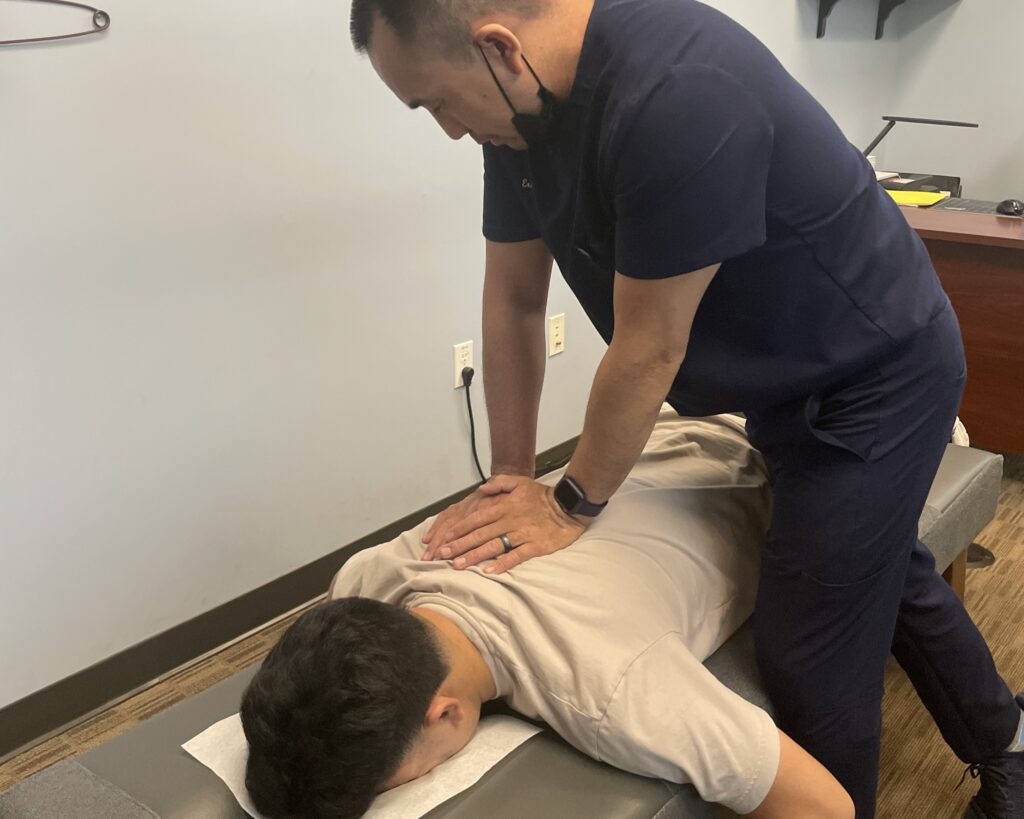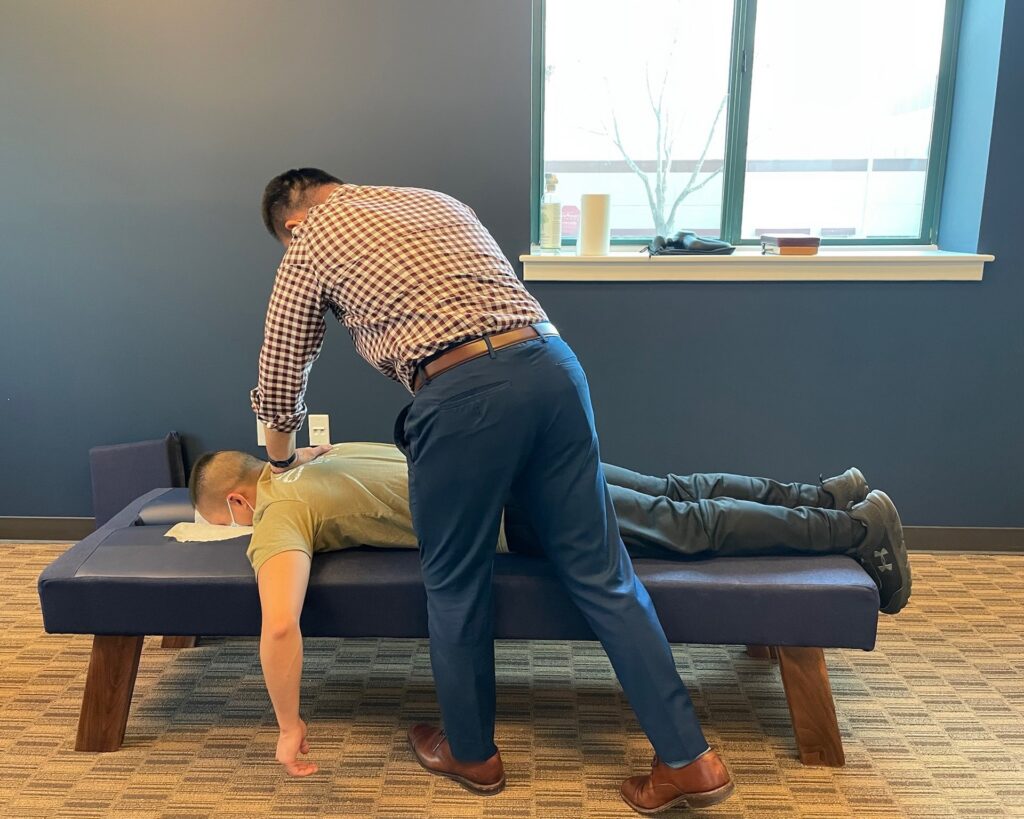
If you're experiencing upper back pain, know that you're not alone—this is a common issue for many individuals at some point in their lives. As a chiropractor, I want to help you understand that the root causes of this discomfort often relate to poor posture or repetitive strain on the muscles and joints in your upper back.
You might be surprised to discover how effective simple stretches and exercises can be in alleviating your pain. By integrating these natural methods into your daily routine, you can take proactive steps toward managing and reducing your discomfort.
So, what specific techniques should you focus on? There are various stretches and exercises designed to strengthen your back muscles and improve your posture. However, it's also crucial to recognize when it may be time to seek professional help. If your pain persists or worsens, consulting with a chiropractor can provide you with a personalized treatment plan tailored to your needs.
Together, let's explore these important aspects of upper back pain relief and help you feel better naturally.
Understanding Upper Back Pain
As a chiropractor, I want to help you understand upper back pain and its common causes and symptoms. Many patients report feelings of discomfort or stiffness in their upper back, which can manifest as anything from a dull ache to sharp, shooting pain. This area encompasses your thoracic spine along with the surrounding muscles, ligaments, and nerves.
It's important to consider how this pain may be impacting your daily life, whether that involves sitting at your desk, lifting objects, or getting a good night's sleep. You may notice that certain movements or positions exacerbate your pain, especially if you find yourself sitting for extended periods or engaging in repetitive tasks.
Muscle tension and strain are often the main contributors to these discomforts, frequently stemming from poor posture or overexertion. Additionally, emotional stress can lead to tension in your back muscles, causing your body to react with tightness in this area. If you've been feeling overwhelmed, it's possible your body is signaling distress through pain.
I encourage you not to ignore these symptoms. If your pain lingers, seeking professional advice is essential. It's vital to distinguish between minor discomfort and more serious issues. Keep an eye on any additional symptoms you may experience, such as numbness or tingling, as these may indicate nerve involvement.
By tracking your pain triggers and symptoms, you empower yourself to take an active role in your healing process. Understanding the underlying causes of upper back pain can lead to effective management and relief.
Common Causes of Discomfort
As a local chiropractor, I want to help you understand that upper back pain can often arise from everyday issues that you may not even be aware of.
Common culprits include poor posture habits, muscle strain, and a sedentary lifestyle. These factors can significantly contribute to your discomfort.
By recognizing and addressing these underlying causes, we can work together to find effective relief and promote healing through natural chiropractic care.
Your journey to better health starts with understanding how these habits affect your body!
Poor Posture Habits
As a local chiropractor, I want to shed light on how poor posture habits, such as slouching at your desk or hunching over your phone, can significantly contribute to upper back pain.
Many of you may not realize that improper sitting or standing can place considerable strain on your spine and the surrounding muscles, leading to discomfort and fatigue over time.
When you lean forward, for example, it shifts your center of gravity, compelling your upper back to work harder than it should. This strain can become chronic if you frequently use devices without the right ergonomic support, worsening your posture issues.
It's essential to be mindful of your body positioning throughout the day. Ensure your computer screen is at eye level to prevent neck strain, and keep your shoulders relaxed and pulled back.
When using your phone, try to hold it at eye level instead of bending your neck down, which can lead to further complications.
Even making small adjustments can create a significant impact on your overall well-being. I encourage you to take breaks to stand up, stretch, and realign your posture.
Remember, enhancing your posture isn't just about comfort; it's vital for your overall health. By being aware of your habits, you can help alleviate upper back pain and encourage a healthier spine.
If you have further questions or need assistance, don't hesitate to reach out for a consultation. Together, we can work towards improving your posture and enhancing your quality of life.
Muscle Strain and Tension
As a local chiropractor, I want to share some important insights about muscle strain and tension, particularly in the upper back, which many of you may experience in your daily lives.
One of the primary culprits behind this discomfort is poor posture. When you slouch or lean forward for long periods, the muscles in your upper back can become overstretched and fatigued. This strain often manifests as tightness and pain, making it difficult for you to move comfortably throughout your day.
Another common issue I see in my practice is improper lifting techniques. When you lift heavy objects by bending at your back instead of using your knees, it places excessive stress on your upper back muscles. This can lead to injuries that may persist if not treated correctly.
Repetitive movements, such as typing or using a mouse, can also contribute to muscle tension. If you're not paying attention to your posture during these tasks, it's easy to develop discomfort over time.
Additionally, stress can play a significant role in muscle tension. When you're under stress, your body tends to tighten up, particularly in the shoulders and upper back.
To help alleviate muscle strain and tension, I encourage you to focus on maintaining good posture and consider setting up an ergonomic workspace.
Regular breaks to stretch and move around can also be beneficial. By addressing these factors, you can significantly reduce discomfort and enhance your overall well-being.
Sedentary Lifestyle Effects
As a local chiropractor, I want to help you understand the significant negative effects that a sedentary lifestyle can have on your upper back, leading to discomfort and pain. Many of my patients are surprised to learn that extended periods of sitting, especially with poor posture, can weaken back muscles and increase strain.
Here are some common issues you might experience:
- Muscle Imbalance: When you sit for long hours, certain muscles can become tight while others weaken, causing imbalances that contribute to pain.
- Poor Posture: Slouching or leaning forward while seated adds extra pressure on your spine, which can lead to upper back problems over time.
- Reduced Flexibility: A lack of movement can result in stiffness in your muscles and joints, making it challenging to maintain proper posture.
To counteract these effects, it's essential to integrate regular movement into your daily routine. Even small changes, like taking short breaks to stretch or walk, can significantly help reduce discomfort.
I encourage you to set reminders to stand up or perform light exercises throughout the day. By making these adjustments, you not only relieve upper back pain but also enhance your overall well-being.
Effective Stretches to Try
As a local chiropractor dedicated to your well-being, I want to share how incorporating effective stretches into your routine can greatly alleviate upper back pain.
Many of my patients have found relief through simple exercises such as the Shoulder Blade Stretch, Cat-Cow Pose, and Thoracic Spine Rotation.
Allow me to explain how each of these stretches can enhance your comfort and flexibility, supporting your journey towards natural healing and improved spinal health.
Shoulder Blade Stretch
As a local chiropractor, I want to share with you an effective and natural way to relieve upper back tension: the shoulder blade stretch. This simple yet powerful stretch specifically targets the muscles around your shoulder blades, helping to enhance flexibility and alleviate discomfort.
By incorporating this stretch into your daily routine, you can experience significant relief from tightness and strain often caused by prolonged sitting or repetitive movements.
Allow me to highlight a few key benefits of the shoulder blade stretch:
- It improves mobility in the upper back, making it easier for you to move and engage in daily activities.
- It helps reduce the risk of injuries that can stem from repetitive motions, which many of us encounter in our daily lives.
- It encourages better posture, which is essential for overall spinal health and well-being.
Here's how to perform the shoulder blade stretch: Begin by sitting or standing comfortably. Bring your arms in front of your body and cross them at the elbows. Grasp your opposite shoulders or forearms.
As you gently pull your arms away from your body, round your upper back to deepen the stretch. Hold this position for 15-30 seconds, focusing on the sensation of the stretch across your upper back and shoulder blades.
While you're stretching, remember to breathe deeply. This will help you relax and allow your body to benefit fully from the stretch.
I encourage you to repeat this stretch a few times throughout the day, especially if you find yourself spending long hours at a desk or in front of a screen.
By incorporating the shoulder blade stretch into your routine, you can significantly alleviate upper back pain and promote your overall health and well-being.
If you have any questions about this stretch or how chiropractic care can further support your health, don't hesitate to ask!
Cat-Cow Pose
As a chiropractor, I often recommend the Cat-Cow Pose to my patients looking to relieve upper back tension and enhance spinal flexibility. This straightforward stretch effectively engages the spine, allowing you to alternate between arching and rounding your back, which can be incredibly beneficial for your overall spinal health.
To start, position yourself on your hands and knees in a tabletop stance. Ensure that your wrists are directly under your shoulders and your knees are aligned under your hips. This alignment is crucial for maintaining proper posture during the exercise.
Begin by inhaling deeply as you drop your belly toward the floor, lifting your head and tailbone upwards—this is known as Cow Pose. You should feel a gentle stretch in your upper back as you open your chest.
Next, exhale and round your back, tucking your chin to your chest while drawing your belly button toward your spine—that's the Cat Pose. I recommend repeating these movements for 5 to 10 cycles, coordinating your breath with each transition.
It's important to keep your movements fluid and gentle. Pay attention to the sensations in your upper back and neck, and take your time with each pose.
Thoracic Spine Rotation
As a local chiropractor, I want to share with you the benefits of thoracic spine rotation, a technique that can significantly alleviate upper back pain and enhance your overall mobility. Many people are unaware of how important the thoracic spine is, as it's often the source of discomfort in the upper back area.
By incorporating this stretch into your daily routine, you can improve your range of motion and relieve tension effectively. Here are several reasons to give it a try:
- Targeting Discomfort: The thoracic spine is where most upper back discomfort originates, and this rotation specifically addresses that area.
- Enhancing Flexibility: Regularly practicing this stretch can increase your flexibility, making everyday movements feel easier and more comfortable.
- Correcting Posture: By improving your thoracic mobility, you can enhance your posture, which in turn reduces strain on your back.
To perform a thoracic spine rotation effectively, begin by sitting or standing tall. Place your hands behind your head, keeping your elbows wide.
Take a deep breath in, and as you exhale, gently rotate your torso to one side, allowing yourself to feel the stretch throughout your back. Hold the position for a few seconds before returning to the center.
Repeat the movement on the opposite side. Aim for 5-10 rotations on each side, ensuring that you control the movement and don't force it.
Incorporating this simple yet powerful stretch into your daily routine can have a profound impact on your comfort and mobility.
Strengthening Exercises for Relief
As a local chiropractor dedicated to helping you understand your body and promote natural healing, I want to share some effective strengthening exercises that can significantly relieve upper back pain.
These exercises not only address discomfort but also enhance your posture and stability—key components of overall health.
Let's start with an exercise called wall angels. Simply position yourself with your back against a wall and bend your arms at 90 degrees.
Slowly slide your arms up and down the wall while ensuring they maintain contact with the surface. Aim for 10 repetitions, as this helps engage your shoulder blades effectively and encourages proper alignment.
Next, I recommend incorporating the seated row into your routine. For this exercise, use a resistance band and sit with your legs extended, wrapping the band around your feet.
By pulling the band towards you and squeezing your shoulder blades together, you'll be strengthening the muscles that support your spine. Try to perform 10 to 15 repetitions, focusing on feeling the contraction in your upper back.
Another valuable exercise is the plank, which is excellent for your back and core stability. Begin by lying face down and pushing up onto your forearms and toes, ensuring your body remains straight.
Hold this position for 20 to 30 seconds, and as you build strength, gradually increase the duration. This exercise engages multiple muscle groups and provides foundational support for your spine.
Don't overlook the bird-dog exercise, which is fantastic for coordination and back strength. Start on your hands and knees, then extend one arm forward while extending the opposite leg back.
Hold this position for a few seconds before switching sides. Aim for 10 repetitions on each side to promote balance and strengthen those crucial back muscles.
I encourage you to incorporate these exercises into your routine at least two to three times a week.
Consistency is vital, and with dedication, you'll likely experience a significant reduction in upper back pain along with improved overall strength.
Lifestyle Changes for Prevention
As a local chiropractor, I often see patients suffering from upper back pain, which can be significantly alleviated through simple lifestyle changes. Understanding how your daily habits affect your spine is crucial for promoting overall well-being and preventing discomfort. Here are some effective strategies you can easily incorporate into your routine:
- Invest in ergonomic furniture and tools.
- Schedule regular breaks if you spend long hours sitting.
- Integrate stretching exercises into your daily life.
First and foremost, investing in ergonomic furniture is essential. Chairs that properly support your spine and workstations that allow your monitor to be at eye level can greatly improve your posture. Maintaining proper alignment helps reduce the strain on your upper back, minimizing the risk of pain.
Moreover, if your job requires extended periods of sitting, it's important to take regular breaks. I recommend standing up, stretching, and moving around every hour. This not only helps to relieve tension in your back but also promotes better circulation.
Consider using a standing desk to alternate between sitting and standing throughout your workday, as this can further benefit your spinal health.
Lastly, incorporating stretching exercises into your daily routine is vital for keeping your muscles flexible and strong. Focus on stretches that target your shoulders, chest, and upper back. Even dedicating just a few minutes each day to stretching can alleviate tightness and support better posture.
By adopting these lifestyle changes, you can take important steps toward preventing upper back pain and enhancing your overall health.
When to Seek Professional Help
As a local chiropractor, I believe it's crucial for you to recognize when to seek professional help for upper back pain, as this can significantly influence your recovery journey.
If your discomfort lingers for more than a few weeks despite trying home remedies, it's a good signal to reach out to a healthcare professional like myself. Chronic pain can often hint at deeper issues that deserve expert attention.
Additionally, if your upper back pain is accompanied by symptoms such as numbness, tingling, or weakness in your arms or legs, it's important to get evaluated. These sensations may suggest nerve involvement, which can be addressed effectively through chiropractic care.
If you experience sudden, intense pain following an injury or fall, please don't hesitate to come see me. It's always better to err on the side of caution when it comes to potential fractures or serious injuries.
If your upper back pain starts to interfere with daily activities—like getting a good night's sleep or enjoying your regular exercise routine—this is another sign that it's time to consult a specialist. Pain that restricts your movement or diminishes your quality of life shouldn't be overlooked.
Lastly, if you notice any symptoms of infection, such as fever, chills, or unexplained weight loss, it's essential to seek medical attention immediately. These signs could indicate a more serious underlying condition that requires prompt treatment.
Conclusion
As a local chiropractor, I want to share some valuable insights on how you can effectively relieve upper back pain through natural methods. By incorporating specific stretches, strengthening exercises, and making some lifestyle adjustments, you can significantly reduce your discomfort. It's essential to listen to your body—if something doesn't feel right, feel free to modify your routine.
With consistent practice and the right techniques, you're not only likely to alleviate your pain but also improve your overall back health. However, if you find that your pain persists or even worsens, it's important to seek professional assistance. Chiropractic care can be a powerful tool in managing and treating upper back pain. Remember, taking charge of your health is the first step toward enjoying a more comfortable, pain-free life!