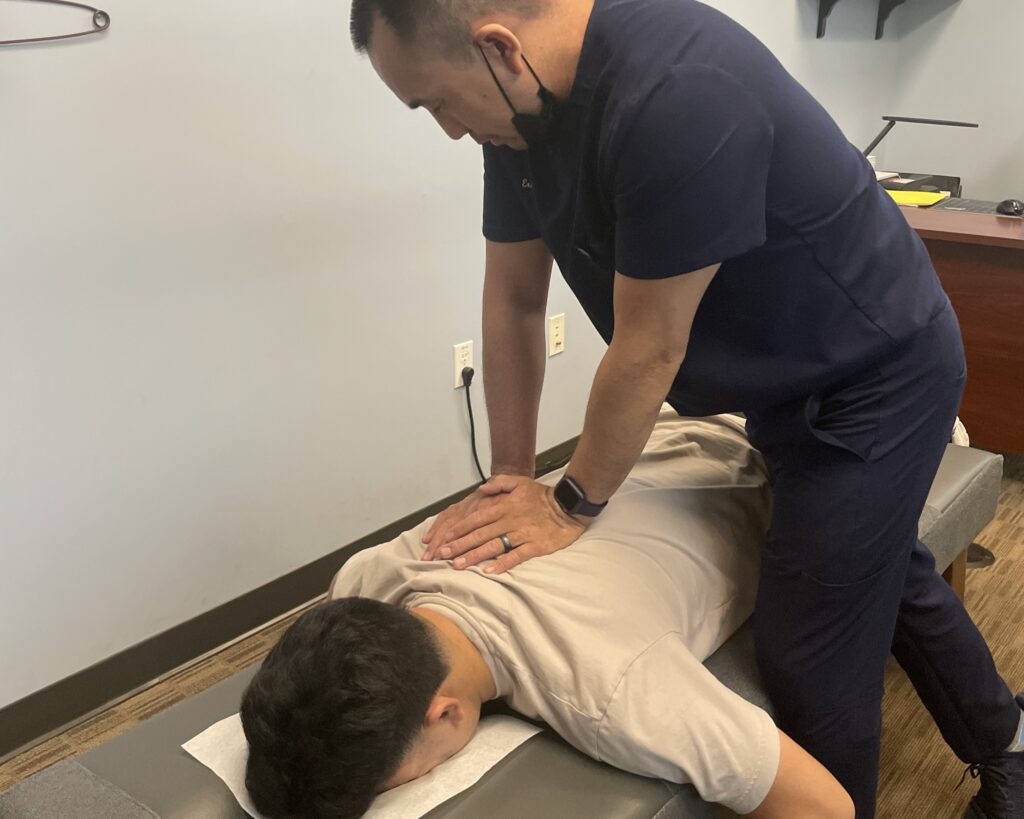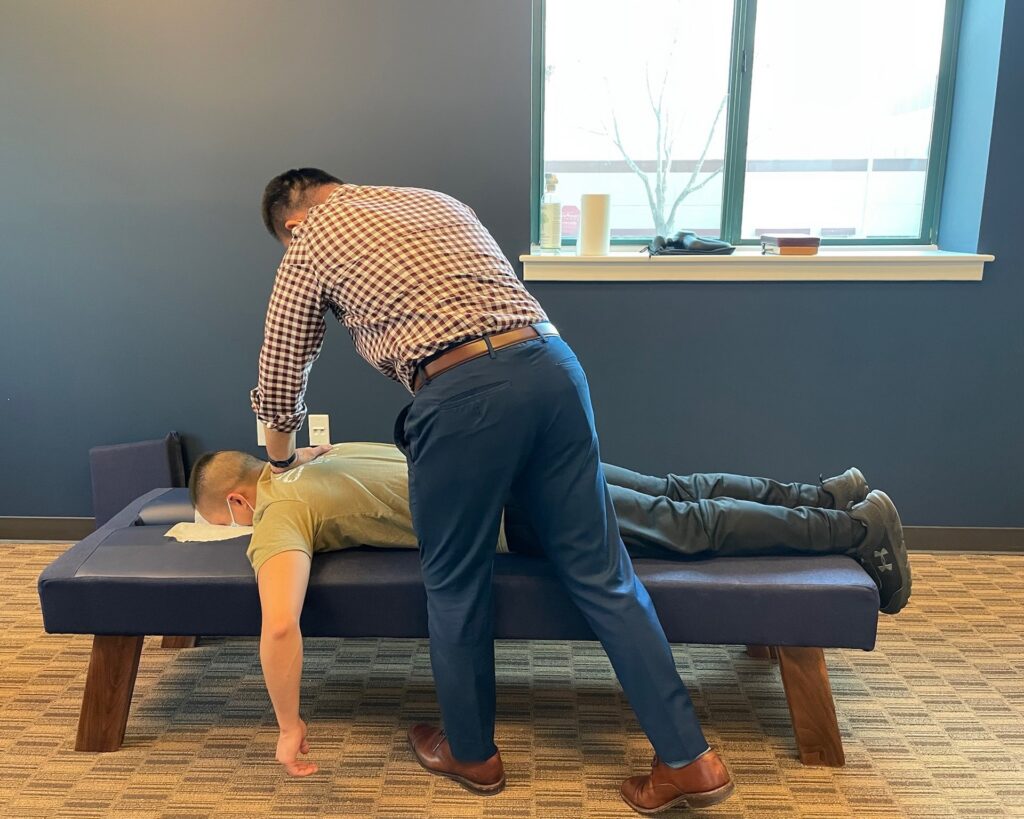
If you’re dealing with neck pain, you’re not alone. Many individuals face discomfort from poor posture or extended periods of sitting. As a local chiropractor, I want to emphasize that simple home exercises can significantly help in preventing neck issues and promoting overall spinal health. By integrating a few targeted stretches and movements into your daily routine, you can enhance flexibility and alleviate tension naturally.
Chiropractic care is an excellent way to address neck pain, focusing on restoring proper alignment and function to your spine. However, supplementing your chiropractic treatments with at-home exercises can further enhance your recovery and well-being. Here are some effective techniques you can incorporate into your routine to support your neck health:
- Neck Stretches: Gently tilt your head to one side, bringing your ear toward your shoulder. Hold for 15-30 seconds and switch sides. This stretch helps relieve tightness in the neck muscles.
- Shoulder Rolls: Roll your shoulders forward and backward in a circular motion. This exercise not only relaxes the neck but also improves circulation in the upper back.
- Chin Tucks: Sit or stand up straight and gently tuck your chin in, as if trying to create a double chin. Hold for a few seconds, then release. This helps strengthen the muscles that support proper head alignment.
- Wall Angels: Stand with your back against a wall, arms at your sides. Slowly raise your arms overhead while keeping your back and arms in contact with the wall. This promotes better posture and can alleviate strain on your neck.
- Regular Movement: If you sit for long periods, take regular breaks to stand, stretch, and move around. This helps reduce stiffness and encourages better spinal alignment.
Remember, chiropractic care is a powerful ally in your journey toward optimal health. It addresses the root causes of pain and promotes natural healing without relying on medications or invasive procedures. By combining chiropractic adjustments with these simple home exercises, you can take charge of your neck health and enjoy a more comfortable lifestyle. If you’re experiencing persistent neck pain, I encourage you to schedule an appointment to discuss how chiropractic care can benefit you. Your well-being is worth it!
Understanding Neck Pain and Its Causes
Neck pain is a common issue that can affect anyone, but understanding its causes is vital for prevention and recovery. One of the main contributors to neck pain is poor posture, particularly for those who spend long hours hunched over a desk or looking down at their phones. This prolonged strain can lead to discomfort, but the good news is that chiropractic care can help correct posture and alleviate pain.
Another common cause of neck pain is muscle strain, which can occur from overuse or sudden movements. If you’ve recently been in an accident, whiplash is a frequent culprit that may lead to significant neck discomfort. Chiropractic adjustments can be a natural and effective way to address the misalignments caused by whiplash and help your body heal.
As we age, the discs in our spine can wear down, leading to neck issues. Conditions like arthritis can also bring about inflammation and stiffness, making daily movements challenging. Chiropractic care focuses on restoring proper alignment and function to the spine, which can relieve pain and improve mobility.
Additionally, stress can manifest as tension in the neck muscles, further aggravating discomfort. Incorporating chiropractic care into your wellness routine can help manage stress and promote relaxation through spinal adjustments and muscle relaxation techniques.
To take proactive steps in managing and preventing neck pain, consider the following tips:
- Maintain Good Posture: Be mindful of your posture while sitting, standing, and using your phone. Make sure to keep your shoulders back and your head aligned with your spine.
- Take Breaks: If you work at a desk or use your phone frequently, take regular breaks to stretch and move around. This can help reduce strain on your neck.
- Strengthen Your Neck and Back: Incorporate exercises that strengthen your neck and upper back muscles. This can enhance stability and support for your spine.
- Manage Stress: Practice stress-relief techniques such as deep breathing, yoga, or meditation to help reduce muscle tension.
- Seek Chiropractic Care: Regular visits to a chiropractor can help ensure your spine is aligned, reducing the risk of pain and improving your overall wellness.
The Importance of Stretching for Neck Health
Incorporating stretching into your daily routine is an excellent way to support your neck health and prevent discomfort. As a chiropractor, I’ve seen firsthand how stretching can improve flexibility and range of motion, making it easier for you to turn your head and maintain proper posture throughout the day. Regular stretching helps to reduce muscle tension, a significant contributor to neck pain, allowing you to feel more at ease.
Additionally, stretching enhances blood circulation to the neck area, which promotes healing and reduces stiffness. This is particularly important for those who spend long hours at a desk or frequently use their phones; these habits can lead to tightness in the neck and shoulders. By dedicating just a few minutes each day to stretching, you can keep your neck muscles supple and relaxed.
Here are some simple stretches you can incorporate into your routine:
- Neck Tilts: Gently tilt your head towards one shoulder, hold for 15-30 seconds, and switch sides. This helps relieve tension on the sides of your neck.
- Chin Tucks: Sit up straight and gently tuck your chin in towards your chest. Hold for a few seconds and release. This exercise strengthens the muscles that support your neck.
- Shoulder Rolls: Lift your shoulders towards your ears, roll them back, and then drop them down. Repeat several times to ease tightness in the shoulders.
Remember, while stretching is beneficial, regular chiropractic care can further enhance your neck health. A chiropractor can provide tailored adjustments that not only alleviate pain but also promote overall wellness.
Neck Tilts: A Simple Stretch for Relief
Neck tilts are a simple yet effective stretch that can help relieve tension and promote overall wellness. As your local chiropractor, I want to guide you through this beneficial exercise that not only provides immediate relief but also supports your spinal health.
To perform neck tilts, find a comfortable seated or standing position with your back straight. Gently tilt your head to one side, bringing your ear toward your shoulder. Hold this position for about 15-30 seconds, allowing the stretch to ease any tightness along the opposite side of your neck. It’s important to keep your shoulders relaxed and avoid hunching them up—this will help maintain proper alignment, which is crucial for your spinal health.
Once you’ve held the stretch, return your head to the center and repeat on the other side. You can integrate neck tilts into your daily routine, especially if you spend long hours at a desk or looking at screens. Regularly practicing this stretch not only alleviates discomfort but also enhances flexibility in your neck muscles, contributing to better posture and overall wellness.
Remember, listening to your body is key. If you feel any pain while stretching, ease off or reach out for professional guidance. As a chiropractor, I emphasize the importance of natural healing through movement and proper spinal care.
Incorporating simple stretches like neck tilts into your day can be a great step towards achieving optimal health without the need for medications or surgeries. Prioritize your health and consider regular chiropractic care to maintain your spine’s health and function.
Chin Tucks: Strengthening the Neck Muscles
Chin tucks are a straightforward yet powerful exercise that can significantly strengthen your neck muscles and enhance your posture. As a chiropractor, I often emphasize the importance of maintaining a healthy spine and neck alignment for overall wellness.
By incorporating chin tucks into your daily routine, you can alleviate strain and prevent discomfort in your neck, ultimately supporting your body’s natural healing processes.
Here’s how to perform chin tucks correctly:
- Find a Comfortable Position: Start by sitting or standing up straight. Ensure your shoulders are relaxed and your head is in a neutral position.
- Engage Your Neck Muscles: Gently tuck your chin in toward your chest. Imagine creating a double chin while keeping your back straight. Hold this position for a few seconds.
- Release and Repeat: Slowly return to the starting position. Aim to repeat this exercise 10 to 15 times, several times a day.
By practicing chin tucks regularly, you’re not only strengthening your neck muscles but also promoting better posture, which can help reduce the risk of pain and discomfort.
Remember, a healthy spine is the foundation of your overall well-being.
Additionally, if you experience persistent neck pain or discomfort, it’s essential to consult with a chiropractor. We can help identify underlying issues and guide you towards natural healing methods tailored to your specific needs.
Chiropractic care is an excellent choice for achieving optimal health, as it focuses on restoring balance and function to your body without the need for medications or surgeries.
Incorporating simple exercises like chin tucks into your routine, along with regular chiropractic adjustments, can lead to a healthier, pain-free lifestyle.
Start today for a more vibrant tomorrow!
Benefits of Chin Tucks
One effective way to strengthen your neck muscles and alleviate discomfort is through chin tucks. As a chiropractor, I often recommend these simple exercises to my patients because they not only help improve posture by aligning the head and neck properly, but they also play a crucial role in overall spinal health.
By incorporating chin tucks into your daily routine, you can reduce the strain on your neck muscles, which often leads to pain and tension. Stronger neck muscles provide better stability and support for your head, promoting overall neck health and contributing to a healthier spine.
Additionally, these exercises can enhance blood circulation in the neck area, which is vital for overall well-being. Chin tucks are incredibly easy to perform and can be done anywhere, making them a practical choice for anyone looking to prevent neck pain.
Remember, consistency is key! Aim to practice these exercises regularly to experience the best results. For a simple way to get started, try this: Sit or stand up straight, tuck your chin gently towards your chest, and hold for a few seconds before releasing. Repeat this several times throughout the day.
While chin tucks are a fantastic addition to your wellness routine, don’t forget the benefits of chiropractic care. Regular adjustments can help ensure your spine is aligned, reduce tension, and promote overall health.
If you’re experiencing ongoing neck pain, I encourage you to reach out for personalized care that supports your journey to optimal wellness.
Proper Chin Tuck Technique
To effectively perform a chin tuck, start by positioning yourself comfortably, either sitting or standing with a straight back. This alignment is important for your overall spinal health. Keep your shoulders relaxed and your gaze forward.
Gently draw your chin back toward your neck, as if you’re trying to create a double chin. You should feel a slight stretch at the back of your neck—this is a sign that you’re engaging the right muscles.
Hold this position for about 5 seconds while breathing normally. It’s essential to avoid tilting your head up or down; the movement should be purely horizontal. Repeat this exercise 10-15 times, ensuring you maintain good posture throughout.
Incorporating chin tucks into your daily routine can significantly strengthen your neck muscles, which helps in preventing pain and discomfort. This simple exercise is a great way to support your spine’s health and align your body naturally.
Remember, consistency is key to seeing improvement over time. As your local chiropractor, I encourage you to make these small adjustments part of your wellness routine.
Shoulder Rolls: Releasing Tension in the Upper Body
Shoulder Rolls: A Simple Way to Release Tension and Enhance Well-Being
In our fast-paced lives, stress often accumulates in our upper bodies, leading to stiffness and discomfort. As a local chiropractor, I want to share a simple exercise that can help release this tension: shoulder rolls. This natural movement not only loosens tight muscles but also improves circulation and promotes relaxation, making it an excellent addition to your wellness routine.
To perform shoulder rolls, find a comfortable seated or standing position with your back straight. Take a deep breath in, lifting your shoulders toward your ears. As you exhale, roll your shoulders back and down in a smooth, circular motion. Aim to repeat this exercise 5 to 10 times. Afterward, switch directions and roll your shoulders forward.
As you engage in this exercise, you may notice a gentle release of tension, which can help alleviate the stiffness that builds up throughout the day. Incorporating shoulder rolls into your daily routine—whether during short breaks or at the end of a long day—can significantly enhance your mobility and reduce discomfort.
While shoulder rolls are a fantastic tool for self-care, it’s essential to remember that chiropractic care is the best choice for achieving optimal health and pain relief. A chiropractor can assess your specific needs, provide personalized treatments, and guide you on maintaining a healthy spine.
Upper Trapezius Stretch: Targeting Common Pain Areas
When it comes to neck pain, one of the primary culprits can be the upper trapezius muscle. This muscle plays a crucial role in supporting your neck and shoulders, and when it’s tight or strained, it can lead to discomfort.
As a chiropractor, I want to help you understand its anatomy and how stretching can promote natural healing and overall wellness.
Stretching the upper trapezius is an effective way to relieve tension and improve your range of motion. Here are some simple techniques you can try at home:
- Gentle Neck Tilt: Sit or stand comfortably. Slowly tilt your head to one side, bringing your ear towards your shoulder. You can enhance this stretch by gently pressing down on the opposite shoulder with your hand. Hold this position for 15-30 seconds and then switch sides.
- Chin Tucks: This exercise helps strengthen the neck muscles while providing a stretch. Sit up straight and gently tuck your chin in towards your chest. Hold for a few seconds and then release. Repeat several times.
- Shoulder Rolls: Stand or sit with your back straight. Roll your shoulders forward in a circular motion for 10 repetitions, then switch to rolling them backward. This can help release tension in the upper trapezius.
It’s essential to listen to your body while stretching. If you feel pain, ease up on the stretch. Incorporating these techniques into your daily routine can significantly improve your neck health.
Remember, while these stretches can be beneficial, they’re most effective when combined with chiropractic care. Regular visits to your chiropractor can help ensure your spine is aligned, reducing strain on muscles like the upper trapezius.
Chiropractic care not only addresses pain but also promotes overall health and wellness, helping you live a more active and fulfilling life.
If you’re experiencing persistent neck pain, consider reaching out to a chiropractor who can provide a personalized treatment plan to help you achieve optimal health naturally. Your body deserves the best care!
Anatomy of Upper Trapezius
The upper trapezius muscle is crucial for maintaining neck and shoulder mobility, but it can also become a source of discomfort, especially due to poor posture or stress. This muscle runs from the base of your skull, extends down to the middle of your back, and crosses over your shoulders. Its main functions include helping you shrug your shoulders and tilt your head.
When you’re dealing with stress or spending long hours sitting, the upper trapezius can become tight, leading to tension and pain. This is where understanding its anatomy becomes important; it helps you pinpoint where you might be feeling discomfort and underscores the significance of keeping this muscle flexible.
Chiropractic care is an excellent approach to alleviating tightness in the upper trapezius and enhancing your overall well-being. By visiting a chiropractor, you can receive tailored adjustments that not only relieve pain but also promote better movement and function in your neck and shoulders.
To support your health at home, consider incorporating targeted stretches into your daily routine. Simple movements, such as gently tilting your head to one side and holding for a few seconds, can help ease tightness.
Additionally, focus on maintaining good posture throughout your day, whether you’re sitting at a desk or standing.
Benefits of Stretching
Understanding the anatomy of the upper trapezius is crucial for highlighting the importance of stretching this muscle, especially when it comes to alleviating common pain areas.
As a chiropractor, I want to stress that regular stretching of the upper trapezius can significantly enhance your neck health and overall well-being. Here are some key advantages of incorporating stretches into your daily routine:
- Reduced Muscle Tension: Stretching the upper trapezius can help release tightness, providing much-needed relief from discomfort in your neck and shoulders. This is especially important for those who spend long hours at a desk or in front of screens.
- Improved Range of Motion: By regularly stretching, you can increase your flexibility. This not only allows for better movement but also reduces the risk of injuries that often arise from stiffness.
- Enhanced Blood Circulation: When you stretch, you improve blood flow to the area. Better circulation promotes healing and aids in recovery from any strain you might be experiencing.
To maximize these benefits, consider incorporating simple stretches into your daily routine. A few gentle neck stretches, such as tilting your head side to side or looking over each shoulder, can be done anywhere and only take a few minutes.
Proper Stretching Techniques
Incorporating proper stretching techniques into your daily routine can greatly help in alleviating neck pain, particularly in the upper trapezius area. As a chiropractor, I emphasize the importance of natural healing practices, and stretching is a simple yet effective way to promote wellness and maintain flexibility.
To perform the upper trapezius stretch, start by finding a comfortable position, whether sitting or standing. Gently tilt your head to one side, bringing your ear toward your shoulder. You can enhance this stretch by using your hand to apply light pressure to your head. Hold this position for 15-30 seconds, and notice the gentle stretch along the side of your neck.
Remember to repeat the stretch on the other side to ensure balanced relief. As you stretch, focus on taking deep breaths. This not only helps you relax but also increases the effectiveness of the stretch. It’s essential to avoid any sudden or jerky movements, as these can cause further strain.
Incorporating regular stretching into your routine can significantly help in preventing stiffness and reducing the likelihood of neck pain over time. It complements chiropractic care perfectly, supporting your overall journey to optimal health and wellness.
Seated Neck Rotation: Improving Flexibility
Seated Neck Rotation: A Simple Exercise for Neck Flexibility and Wellness
As a chiropractor, I often emphasize the importance of maintaining flexibility in the neck to prevent discomfort and pain. One effective way to enhance neck flexibility is through a simple exercise called the seated neck rotation. This gentle movement not only helps improve your range of motion but also contributes to your overall spinal health.
Here’s how to perform the seated neck rotation:
- Find a Comfortable Seat: Sit in a chair with your back straight and shoulders relaxed. Good posture is key!
- Gentle Rotation: Slowly turn your head to the right until you feel a mild stretch. Hold this position for 15-30 seconds, breathing deeply to help relax your muscles.
- Return to Center: After holding the position, gently bring your head back to the center.
- Repeat on the Left: Now, turn your head to the left and hold for the same duration.
Incorporating this seated neck rotation into your routine can significantly help alleviate stiffness and enhance mobility. I recommend performing this exercise a few times a week to reap the full benefits.
Remember, consistency is crucial for achieving optimal results. By prioritizing your neck flexibility, you not only feel better but also reduce the risk of future neck pain.
Chiropractic care complements these exercises beautifully, as it focuses on aligning the spine and restoring proper function to the nervous system. If you experience persistent discomfort, consider visiting a chiropractor for a personalized approach to your health and wellness.
Stay proactive about your spinal health, and enjoy the benefits of a more flexible and pain-free neck!
Building a Daily Routine for Neck Care
To maintain a healthy neck, it’s essential to build a daily routine that emphasizes care and prevention, with a focus on natural healing through chiropractic principles. Start your day with gentle neck stretches, such as tilts and rotations, to loosen tight muscles and promote flexibility.
Setting reminders to take breaks from screens can help you avoid prolonged strain; aim to take a minute every hour to stretch and reset your posture. Incorporating strength exercises, like shoulder shrugs, can also support your neck muscles and enhance overall stability.
Pay special attention to your sleep position; using a supportive pillow can significantly impact how you feel. A good pillow helps maintain proper spinal alignment while you sleep, reducing the risk of waking up with discomfort.
Throughout your day, be mindful of your posture, whether sitting or standing. Keeping your head aligned with your spine minimizes stress on your neck and promotes better overall health.
Remember, chiropractic care is a valuable resource for achieving optimal neck health. Regular visits to a chiropractor can help address any misalignments in your spine, relieve tension, and enhance your body’s natural healing abilities.
Conclusion
Incorporating simple exercises into your daily routine can significantly help in preventing neck pain and promoting overall wellness. As a chiropractor, I encourage you to regularly practice neck tilts, chin tucks, and shoulder rolls. These exercises not only enhance flexibility and strength but also play a crucial role in improving your posture—an essential factor in spinal health.
Taking just a few minutes each day to stretch and strengthen your neck can lead to long-term relief and a better quality of life. Remember, chiropractic care is designed to support your natural healing processes and help you achieve optimal health without the need for medications or invasive procedures.
Additionally, here are some general tips for maintaining neck health:
- Stay Hydrated: Drinking plenty of water can help maintain the elasticity of your spinal discs.
- Ergonomics Matter: Ensure your workspace is set up to promote good posture, with your screen at eye level and your chair supporting your lower back.
- Take Breaks: If you spend long hours at a desk, take short breaks to stretch and move around, which can relieve tension in your neck and shoulders.
So, why not start today? Give your neck the care it deserves with these exercises and consider regular chiropractic visits to support your journey toward natural wellness and pain relief. Your body will thank you!