If you’re experiencing sports-related back pain, please know that you’re not alone in this struggle. Many athletes face discomfort that can impact their performance and everyday activities. As a local chiropractor, I want to share with you some effective, natural solutions to help alleviate this pain and improve your overall well-being.
Chiropractic care focuses on the body’s alignment and function, and it can play a vital role in addressing back pain. By incorporating techniques such as targeted stretching, core strengthening exercises, and proper body mechanics, you can significantly reduce discomfort and enhance your athletic performance.
So, what are the key methods you can adopt to find relief and maintain an active lifestyle? Let’s delve into some essential approaches that I often recommend to my patients seeking relief from back pain. Together, we can explore how chiropractic care and natural healing practices can make a positive impact on your health and activity levels.
Stretching Exercises for Flexibility
As a local chiropractor, I want to emphasize the importance of incorporating stretching exercises into your daily routine. Not only do these exercises enhance your flexibility, but they can also significantly reduce the risk of developing back pain, especially if you’re active in sports.
Stretching works to lengthen your muscles, which improves your range of motion and prepares your body for physical activity, helping you move with ease. It’s crucial to pay particular attention to areas such as your hamstrings, hip flexors, and lower back. Tightness in these muscle groups can often lead to discomfort and hinder your performance.
I recommend including dynamic stretches, such as leg swings and torso twists, as part of your warm-up before any intense activities. These movements help to increase blood flow and mobility, setting you up for a successful workout.
After exercising, don’t forget to take time for static stretches. Holding each stretch for 15-30 seconds can aid in muscle relaxation, promote recovery, and reduce post-exercise soreness.
By making stretching a regular part of your routine, you’ll likely notice a remarkable improvement in how your body feels during and after sports activities. Additionally, stretching serves as a wonderful way to unwind, contributing to your overall well-being.
Strengthening Your Core Muscles
As your local chiropractor, I want to emphasize the importance of strengthening your core muscles in addition to focusing on flexibility through stretching. A strong core is vital for preventing back pain, particularly for those of you who are active in sports or physical activities.
Your core muscles play a crucial role in stabilizing your spine and pelvis, which provides the necessary support during movement and significantly reduces the risk of injury.
Incorporating exercises such as planks, bridges, and Russian twists into your routine can greatly enhance your core strength. It’s best to start with basic movements and progressively increase the intensity as you become more comfortable and stronger.
I recommend aiming for 2-3 sessions each week, ensuring you maintain proper form to truly maximize the benefits.
Remember to balance your core workouts with other forms of strength training and aerobic exercises for comprehensive fitness. It’s essential to listen to your body; if you experience any pain, don’t hesitate to modify your routine.
Strengthening your core not only helps prevent back pain but also enhances your overall athletic performance, allowing you to excel in your chosen sport.
Prioritizing core strength is a key aspect of your training, and with consistent effort, you’ll notice the positive changes in your body and performance.
If you have any questions about exercises or how chiropractic care can support your journey to a stronger core, feel free to reach out!
Proper Posture Techniques
Maintaining proper posture is crucial for alleviating back pain and enhancing your athletic performance, and as your local chiropractor, I want to help you understand how to achieve this. When you stand, sit, or move with correct alignment, you reduce the strain on your back and improve your overall efficiency.
Here are three essential techniques to help you maintain proper posture:
- Stand Tall: Start by positioning your feet shoulder-width apart. Ensure that your weight is distributed evenly across both feet, and engage your core muscles. Keep your shoulders relaxed but pulled back, and align your head with your spine. This stance not only supports your back but also promotes better breathing and circulation.
- Sit Smart: Choose a chair that provides adequate support for your lower back. As you sit, plant your feet flat on the floor and maintain your knees at a 90-degree angle. It’s important to avoid slumping or leaning forward, as this can lead to discomfort and strain. Good seating posture can significantly impact your spinal health.
- Move Mindfully: Whether you’re lifting heavy objects or going for a run, always engage your core before initiating any movement. Be mindful of avoiding any twisting of your spine, which can lead to injury. Instead, use your legs and hips to generate power for your movements. This approach won’t only protect your back but also improve your performance in physical activities.
By incorporating these techniques into your daily routine, you can take significant steps toward better posture and overall well-being.
If you have any questions or would like personalized guidance, feel free to reach out during your next visit!
Foam Rolling for Muscle Relief
As a local chiropractor, I want to introduce you to the incredible benefits of foam rolling for muscle relief. Many of my patients have found it to be a transformative addition to their routine, helping to alleviate tension and enhance flexibility.
By learning a few simple techniques, you can effectively target those tight areas that often contribute to back pain and discomfort.
Foam rolling works by applying pressure to specific muscle groups, which can help release knots and improve blood flow. This practice not only promotes relaxation but also supports your overall recovery process.
I encourage you to incorporate foam rolling into your self-care routine, as it can complement the chiropractic adjustments you receive and enhance your body’s natural healing capabilities.
Let’s explore the various methods and benefits of foam rolling, so you can make the most of this powerful tool and experience the relief you deserve.
Benefits of Foam Rolling
As a local chiropractor dedicated to educating my patients about natural healing and overall wellness, I want to introduce you to the benefits of foam rolling for muscle recovery and performance enhancement.
Incorporating foam rolling into your routine can lead to several positive outcomes:
- Improved Blood Flow: Foam rolling is an excellent way to boost circulation, which helps deliver essential oxygen and nutrients to your muscles. This increased blood flow is crucial for effective recovery after physical activity.
- Reduced Muscle Soreness: Many of my patients report reduced muscle tightness and soreness after using foam rollers. This technique can significantly alleviate discomfort following intense workouts, enabling you to train harder and more frequently without the fear of overexertion.
- Enhanced Flexibility: Regularly using a foam roller can promote a better range of motion in your joints and muscles. This increased flexibility not only helps you perform exercises with proper form but also minimizes the risk of injury—something we all want to avoid.
By incorporating foam rolling into your self-care routine, you can support your body’s natural healing processes and improve your overall physical well-being.
If you have any questions about how to get started, feel free to ask during your next visit!
Techniques for Effective Relief
As a local chiropractor, I want to share with you the benefits of incorporating foam rolling into your wellness routine for effective muscle relief and recovery. Foam rolling can be an essential tool in promoting natural healing and enhancing your overall flexibility.
First, it’s important to choose the right foam roller—whether you prefer a smooth surface for gentle relief or a textured one for deeper muscle massage. I recommend starting with your back. Gently roll from your lower to upper back, paying special attention to any tight areas. If you find a particularly sore spot, pause and hold that position for about 20 seconds.
Next, let’s move to the glutes and hamstrings. These areas often carry a lot of tension, and using your body weight to apply pressure while rolling slowly can help release that tightness.
Don’t overlook your calves and quads, as they play a crucial role in maintaining back stability and overall mobility.
For optimal benefits, I encourage you to dedicate at least 10 minutes to foam rolling after your workouts. Consistency is key!
By incorporating this practice into your routine, you’ll likely experience improved flexibility and reduced soreness, which can significantly enhance your recovery process and complement your chiropractic care.
Together, we can work towards achieving a healthier, pain-free lifestyle.
Heat and Ice Therapy
As a local chiropractor, I often see patients who are unfamiliar with the benefits of natural healing methods like heat and ice therapy for managing back pain, especially in the context of sports.
These techniques can be incredibly effective in alleviating discomfort and reducing inflammation. Let me explain how you can incorporate them into your recovery routine:
1. Heat Therapy: Applying a heating pad or a warm towel for about 15-20 minutes can work wonders. Heat helps to relax tight muscles and increase blood flow, which is particularly beneficial before engaging in any physical activity.
This can prepare your body for movement and potentially prevent injuries.
2. Ice Therapy: After your activity, using an ice pack wrapped in a cloth for 15-20 minutes is essential. Ice therapy serves to reduce swelling and numb any sharp pain you may experience, promoting a quicker recovery process.
This is especially important if you’ve exerted yourself or experienced any strain.
3. Alternating Treatments: For optimal results, consider alternating between heat and ice therapy. Start with heat to loosen and relax your muscles, and then transition to ice to combat inflammation.
This combination can provide a comprehensive approach to managing pain.
By incorporating these simple yet effective techniques into your routine, you can enhance your recovery and maintain better overall spinal health.
If you have any questions or need personalized guidance, feel free to reach out during your next visit!
Chiropractic Care Benefits
As your local chiropractor, I want to share with you the many benefits of chiropractic care that extend far beyond merely alleviating back pain. When you come to see me, you’re taking a step towards improving your overall health and well-being.
Through regular chiropractic adjustments, we can enhance your spinal alignment, which plays a crucial role in boosting your body’s natural healing abilities.
You may not realize it, but proper spinal alignment can lead to greater flexibility and improved athletic performance, allowing you to stay active and enjoy your favorite sports to the fullest.
Additionally, chiropractic care can help reduce inflammation and improve circulation, both of which are vital for recovery after intense workouts.
Many of my patients also find relief from tension headaches and other discomforts that may accompany back issues.
By making chiropractic care a part of your health routine, you’re not just addressing immediate concerns; you’re investing in your long-term wellness.
This proactive approach empowers you to maintain an active lifestyle, ensuring that back pain and other ailments don’t prevent you from achieving your full potential in sports and daily life.
I’m here to guide you on this journey to better health and vitality through natural healing.
Massage Therapy for Tension Relief
As your local chiropractor, I want to share how incorporating massage therapy into your wellness routine can significantly enhance your overall health and recovery.
While chiropractic care is crucial for maintaining spinal alignment and overall wellness, massage therapy provides additional support in relieving tension and promoting healing. It’s particularly beneficial for those who engage in intense physical activities.
Here are three key benefits of adding massage therapy to your self-care regimen:
- Improved Circulation: Massage therapy stimulates blood flow to your muscles, ensuring they receive the oxygen and nutrients necessary for optimal healing and recovery.
- Reduced Muscle Tension: Through targeted techniques, massage therapy effectively alleviates knots and tightness in your muscles, which can improve your flexibility and overall comfort.
- Enhanced Relaxation: The calming effects of massage can significantly reduce stress levels, contributing to a greater sense of well-being and relaxation.
Ergonomic Equipment Adjustments
As a local chiropractor, I want to emphasize the importance of proper ergonomics in your daily routine to help prevent chronic back pain. Many people are unaware that small adjustments to your workspace can significantly improve your posture and reduce discomfort over time.
Let’s start with your chair and desk height. It’s crucial that your feet rest flat on the ground and that your knees form a 90-degree angle. If you spend time at a computer, ensure that the monitor is positioned at eye level to avoid unnecessary strain on your neck. These simple changes can make a world of difference in how you feel throughout the day.
Additionally, I recommend using a chair with lumbar support to help maintain the natural curve of your spine. If you’re active in sports, make sure your equipment fits properly; ill-fitting gear can lead to undue strain and discomfort in your back.
Remember, whether you’re working at a desk or playing on the field, taking regular breaks to stretch and move around is essential for your overall health.
Mindfulness and Relaxation Techniques
As a local chiropractor, I often encounter patients struggling with back pain, and I want to share how mindfulness and relaxation techniques can be a valuable part of managing this discomfort.
These practices not only help in reducing stress and tension but also promote a more relaxed state of both body and mind. By integrating mindfulness into your daily routine, you can become more attuned to your body and its signals, enabling you to respond to pain with greater efficacy.
Here are three techniques I recommend for my patients:
- Deep Breathing: This is a simple yet powerful technique. Take a moment to focus on your breath. Inhale deeply through your nose, hold for a brief moment, and then exhale slowly through your mouth. Engaging in this practice for just a few minutes can significantly promote relaxation and help ease your back pain.
- Progressive Muscle Relaxation: This technique involves tensing and then relaxing each muscle group in your body, starting from your toes and working your way up to your head. It’s an excellent way to release built-up tension and enhance your awareness of how your body feels, which is crucial for managing pain effectively.
- Mindful Meditation: I encourage my patients to dedicate a few minutes each day to sit quietly, focusing on their breath or a specific mantra. This practice not only cultivates a calm mind but can also alter your perception of pain, making it easier to cope with discomfort.
Incorporating these mindfulness and relaxation techniques into your routine can be a natural complement to chiropractic care, helping you achieve better overall health and well-being.
Professional Guidance From a Sports Therapist
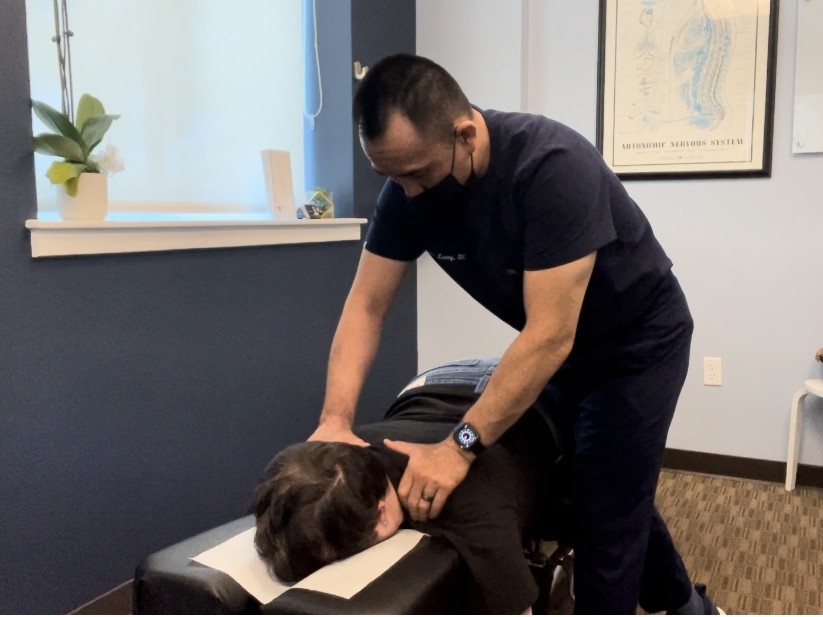
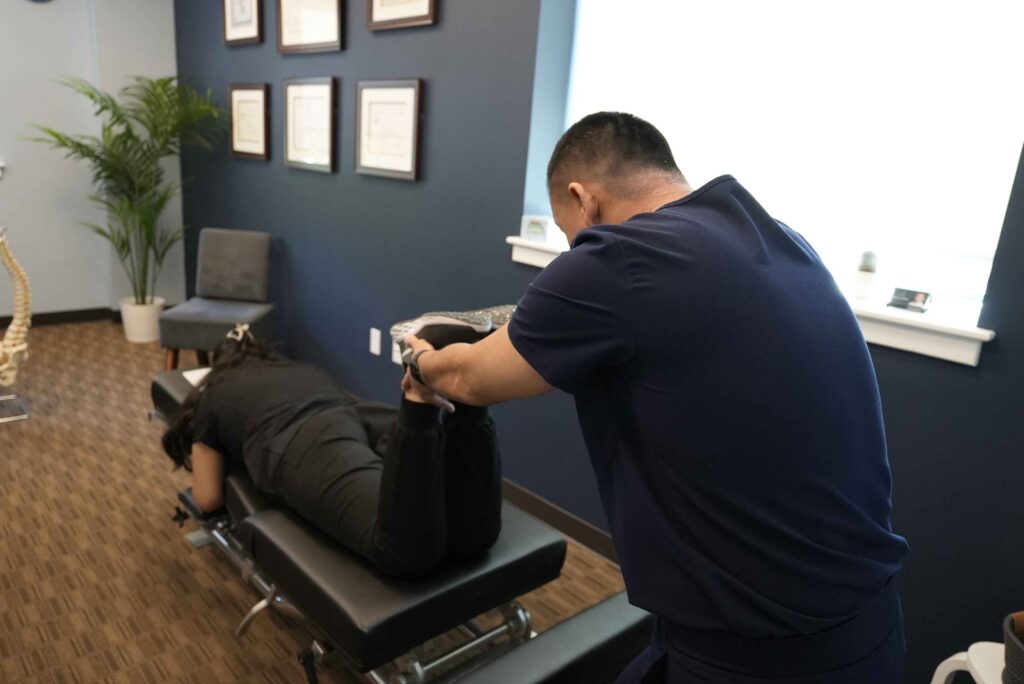
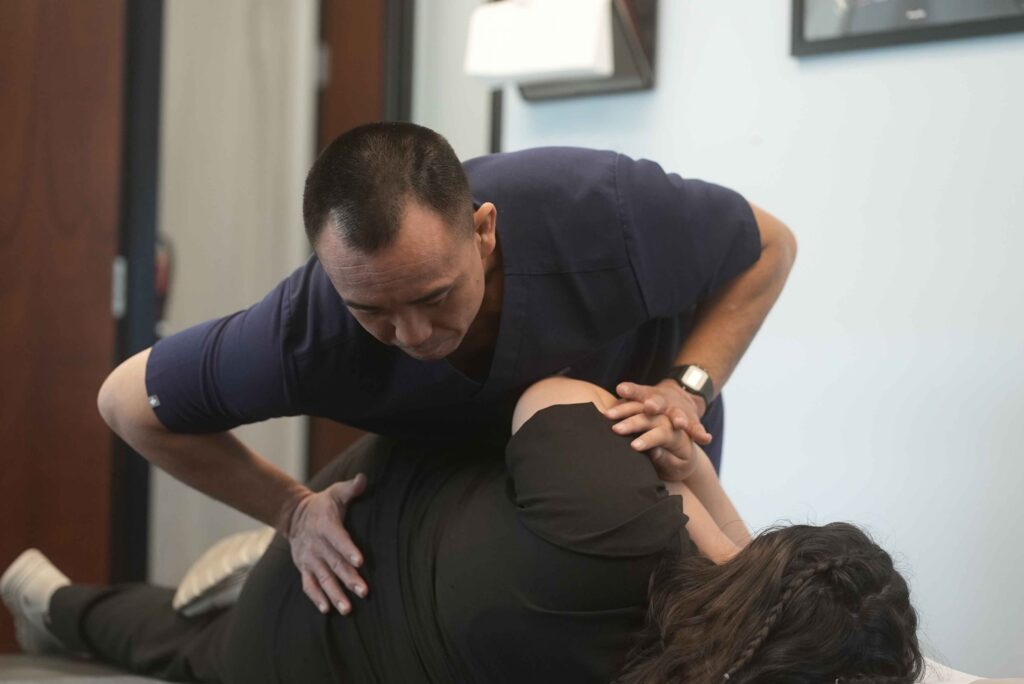
When it comes to managing back pain, seeking the expertise of a chiropractor can greatly enhance your recovery process. Chiropractors specialize in understanding how the body functions and the effects of various activities on your musculoskeletal system.
We take the time to assess your condition, uncover the underlying causes of your discomfort, and create a customized treatment plan designed specifically for you. Chiropractic care often involves precise spinal adjustments to restore proper alignment, which can relieve pressure on nerves and improve overall function.
Additionally, we may recommend specific exercises to strengthen your back and core, enhancing your stability and support. Techniques such as soft tissue therapy or rehabilitative exercises can also be incorporated to alleviate pain and facilitate healing.
Moreover, we focus on educating you about proper body mechanics and posture, empowering you with the knowledge to prevent future injuries. By working with a chiropractor, you not only address your current back pain but also gain valuable tools and strategies to boost your performance and maintain long-term wellness.
Don’t wait to take charge of your health—reaching out to a chiropractor could be the essential step towards a pain-free, active lifestyle.
Conclusion
As a local chiropractor, I want to share some valuable insights on how you can effectively manage sports-related back pain. By incorporating solutions that focus on flexibility, core strength, and maintaining proper posture, you can greatly improve your overall well-being. Techniques such as foam rolling, as well as applying heat and ice therapy, can provide significant relief from discomfort.
It’s also essential to consider seeking professional guidance, like chiropractic care, which can help address any underlying issues contributing to your pain. By prioritizing your health through mindful practices and ergonomic adjustments, you can continue to enjoy your favorite sports while minimizing discomfort. Remember, taking care of your back is crucial for your active lifestyle, and I’m here to support you on that journey to wellness!