Tension headaches can be a frustrating experience, often affecting your daily life and overall wellness. As a local chiropractor, I want to share simple techniques that can provide significant relief and help you regain control over your well-being. By incorporating natural methods, including chiropractic care, you can address the root causes of your headaches and promote long-term health.
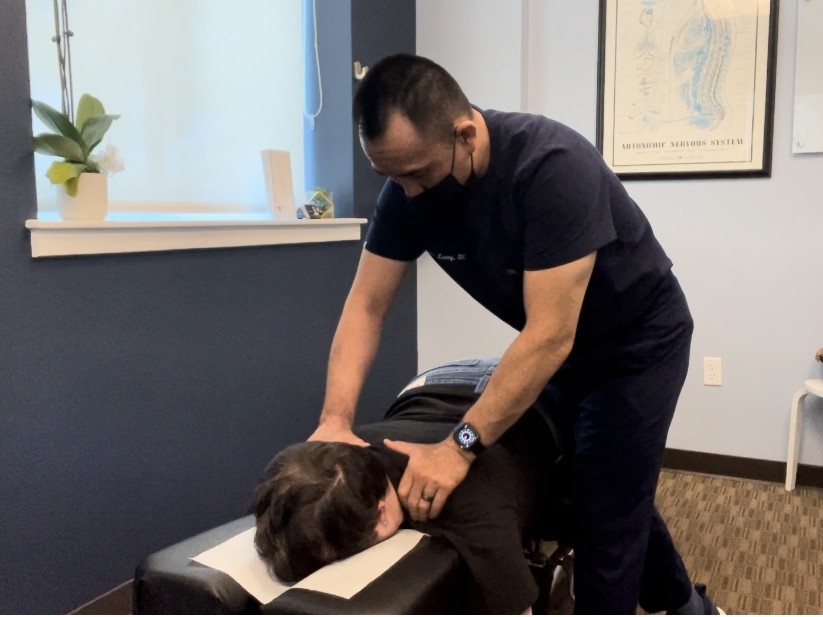
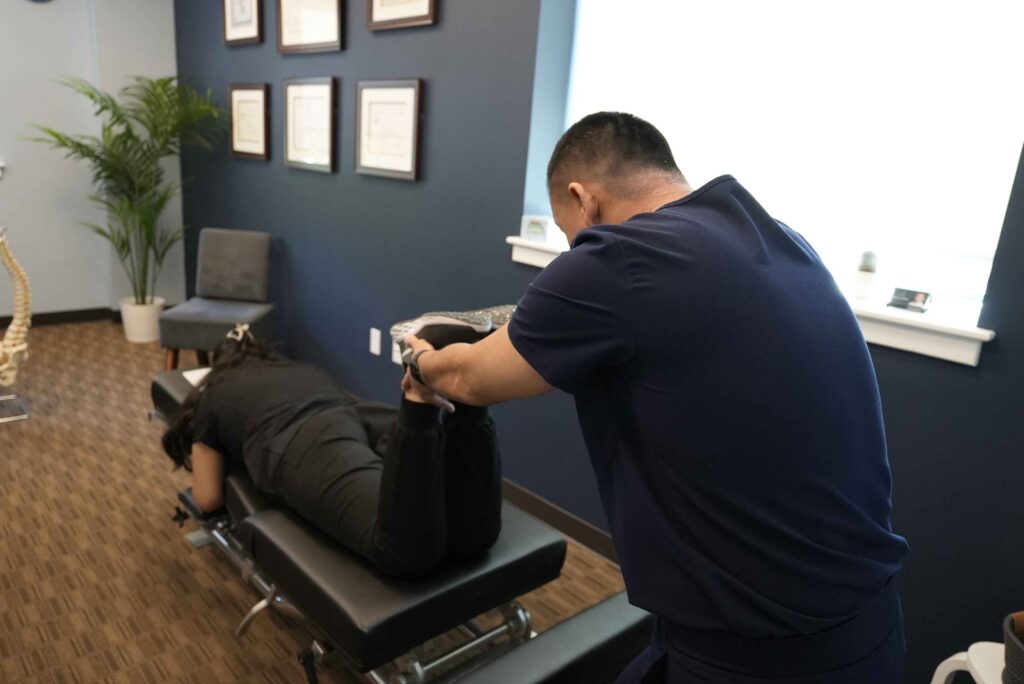
Chiropractic adjustments can be incredibly effective in relieving tension headaches. By aligning the spine and improving nerve function, we can reduce muscle tension and enhance overall bodily function. This holistic approach not only alleviates headaches but also contributes to your overall health.
In addition to chiropractic care, there are several practical methods you can use at home to manage discomfort. Here are some effective techniques to consider:
- Breathing Exercises: Deep, controlled breathing can help relax your body and reduce stress, which is often a trigger for tension headaches.
- Posture Awareness: Maintaining good posture, especially while sitting or working, can prevent muscle strain that contributes to headache pain.
- Hydration: Staying well-hydrated is crucial. Dehydration can lead to headaches, so ensure you’re drinking enough water throughout the day.
- Gentle Stretching: Regular neck and shoulder stretches can help release tension that builds up from stress or poor posture.
- Heat Therapy: Applying a warm compress to your neck and shoulders can soothe tight muscles and improve blood flow.
- Essential Oils: Aromatherapy with essential oils like peppermint or lavender can provide a calming effect and alleviate headache symptoms.
- Regular Exercise: Engaging in regular physical activity can reduce stress and tension, leading to fewer headaches.
- Sleep Hygiene: Establishing a consistent sleep schedule and creating a restful environment can improve your quality of sleep and reduce headache frequency.
- Mindfulness and Relaxation Techniques: Practices such as yoga or meditation can help manage stress levels and promote relaxation.
- Chiropractic Care: Regular visits to your chiropractor can help maintain spinal health, reduce tension, and prevent future headaches.
By incorporating these strategies into your daily routine, you can effectively manage tension headaches and enhance your overall wellness. If you’re struggling with frequent headaches, I encourage you to consider chiropractic care as a natural and effective solution. Together, we can work towards achieving optimal health and a pain-free life!
Key Takeaways
- Engage in deep breathing exercises to calm both your mind and body; this can be a great way to alleviate tension headaches naturally and enhance your overall wellness.
- Pay attention to your posture. Keeping your ears aligned with your shoulders can prevent unnecessary muscle strain, which is a key factor in avoiding tension headaches. Good spinal alignment is vital for optimal health.
- Ensure you stay well-hydrated by drinking ample water throughout the day. Aim for at least eight glasses daily to help prevent headaches related to dehydration, which is often overlooked.
- Make stretching a part of your daily routine, focusing on your neck and shoulders. This practice helps relieve tightness and improves blood flow, promoting a healthier spine and reducing headache frequency.
- If you consume caffeine, consider reducing your intake gradually. This approach helps you avoid withdrawal headaches while also managing tension more effectively. Remember, chiropractic care can support your body through these changes, bringing you closer to a balanced state.
By incorporating these techniques into your routine, you can support your body’s natural healing process and enhance your overall well-being. Chiropractic care can complement these practices, providing a holistic approach to achieving optimal health and relief from tension headaches.
Practice Deep Breathing Exercises
One effective way to relieve tension headaches is by incorporating deep breathing exercises into your routine. These exercises not only help calm your mind and relax your body but can also complement the benefits of chiropractic care, which focuses on natural healing and overall wellness.
To begin, find a quiet place where you can sit or lie down comfortably. Close your eyes and take a slow, deep breath in through your nose, allowing your abdomen to expand fully. Hold that breath for a moment, then gently exhale through your mouth. As you do this, concentrate on the sensation of your breath moving in and out, and try to let go of any distractions in your mind.
Repeat this process for several minutes. With each deep breath, you may notice that your muscles begin to loosen, and the tension in your head starts to diminish. This simple exercise can be a powerful tool for managing tension headaches and supports the chiropractic approach to pain relief.
Incorporating deep breathing into your daily routine can significantly enhance your overall wellness.
Maintain Good Posture
Maintaining good posture is crucial for not only preventing tension headaches but also for promoting overall spinal health. When you align your body properly, the strain on your neck and shoulders is significantly reduced. This means your muscles don’t have to work as hard, which can help minimize tension and discomfort.
To achieve good posture, remember to keep your ears aligned with your shoulders and your shoulders pulled back. If you’re sitting, ensure your feet are flat on the floor and your knees are at a right angle.
When working at a desk, it’s important to set your chair and computer screen to eye level. This simple adjustment can prevent you from hunching over and putting unnecessary stress on your spine.
It’s also beneficial to take breaks every hour. Stand up, stretch, and reset your posture to give your muscles a chance to relax. If you find yourself using your phone frequently, try to hold it at eye level instead of looking down, which can lead to strain on your neck.
By making these small adjustments and consistently practicing good posture, not only can you help prevent tension headaches, but you can also enhance your overall comfort and productivity.
Chiropractic care can be an excellent choice for achieving and maintaining optimal posture, as it focuses on spinal alignment and natural healing. If you’re experiencing discomfort or tension, consider visiting your local chiropractor for personalized care.
Incorporate Regular Stretching
Incorporating regular stretching into your daily routine can significantly alleviate tension headaches and enhance your overall well-being. As a chiropractor, I believe in the power of natural healing and the body’s ability to self-repair. By understanding the benefits of stretching and including specific exercises in your regimen, you can support your spine and promote better health.
Stretching helps to relieve muscle tightness and improve blood flow, which can be particularly beneficial for those who experience tension headaches. Simple stretches can relax the muscles in your neck and shoulders, areas that often hold stress and tension. Here are a few easy stretches you can try:
- Neck Stretch: Gently tilt your head to one side, bringing your ear towards your shoulder. Hold for 15-30 seconds and repeat on the other side. This helps release tension in the neck.
- Shoulder Rolls: Roll your shoulders forward and backward in a circular motion. Do this for 30 seconds to loosen up tight shoulder muscles.
- Chest Opener: Stand or sit up straight and clasp your hands behind your back, then gently lift your arms. This stretch opens up the chest and counters the forward hunch that can contribute to headaches.
Aim to incorporate these stretches into your daily routine, ideally several times a day, especially if you sit for long periods. Remember, consistency is key to maximizing the benefits.
Chiropractic care complements your stretching regimen by addressing spinal alignment and ensuring that your nervous system functions optimally. Regular adjustments can help keep your spine in alignment, reduce pain, and enhance your overall health.
By choosing chiropractic care, you’re taking a proactive step toward natural wellness and pain relief without the need for medications or surgeries. Incorporating stretching and regular chiropractic visits into your lifestyle can lead to a healthier, more comfortable life.
Take these simple steps today to ease discomfort and support your body’s natural healing abilities!
Benefits of Stretching
While stretching might appear to be a straightforward activity, it plays a significant role in alleviating tension headaches by promoting relaxation and improving circulation. As a chiropractor, I often see how tight muscles contribute to headaches. When you stretch, you’re actively releasing that muscle tightness, which not only eases discomfort but also enhances blood flow to your head and neck. This can lead to fewer and less severe headaches.
In addition to relieving tension, regular stretching can also enhance your posture. Improved posture reduces strain on your muscles and nerves, which is essential for overall spinal health. You may not realize it, but your daily habits—like sitting for long periods—can lead to muscle imbalances that affect your well-being.
Incorporating stretching into your daily routine can be a proactive approach to combat tension headaches and support your overall health. Here are a few simple tips to get you started:
- Start with Neck Stretches: Gently tilt your head side to side, holding each position for 15-30 seconds. This can help relieve tightness in the neck area.
- Shoulder Rolls: Roll your shoulders forward and backward in a circular motion. This helps release tension in the upper back and shoulders.
- Back and Spine Stretches: Reach your arms overhead and lean to each side to stretch your spine. This can promote flexibility and alleviate pressure on spinal nerves.
- Mindful Breathing: As you stretch, take deep breaths. This not only enhances the stretch but also allows you to focus on relaxation, reducing stress levels.
Remember, stretching is a natural and effective way to support your body and mind. By taking just a few minutes each day to stretch, you can promote better health and potentially reduce the occurrence of tension headaches.
For more personalized care, consider visiting a chiropractor who can provide tailored advice and adjustments to further enhance your well-being.
Recommended Stretching Exercises
How can you weave stretching into your daily routine for better health and well-being? Start by dedicating just a few minutes each day, whether it’s first thing in the morning or right before you go to sleep. Simple neck and shoulder stretches can do wonders for relieving tension—try gently tilting your head from side to side or rolling your shoulders back to release built-up stress.
A seated forward bend is another excellent choice, helping to ease tension in your back. You can seamlessly incorporate these stretches into your everyday life. For instance, take a moment during breaks at work or while relaxing in front of the TV to stretch.
It’s essential to listen to your body; if you feel tightness in a particular area, hold that stretch a little longer to encourage release.
Consistency is key! By committing to a regular stretching routine, you not only help alleviate tension headaches but also enhance your overall flexibility and well-being.
Remember, chiropractic care is a fantastic addition to your wellness journey. It complements your stretching routine by ensuring that your spine is aligned and functioning optimally. Regular visits to your chiropractor can help maintain your body’s balance, making it easier for you to stay active and feel your best.
Embrace these natural methods for a healthier lifestyle, and enjoy the benefits of pain relief and enhanced vitality!
Frequency and Duration
Regularly practicing stretching is an excellent way to enhance your flexibility and reduce tension, making it an essential part of your wellness routine. As a chiropractor, I encourage you to incorporate stretching into your daily life, aiming for at least 10-15 minutes each day. This consistent practice helps maintain muscle elasticity and alleviates tightness that can contribute to tension headaches.
If daily stretching feels overwhelming, consider doing it every other day. The key is to stay consistent. Focus on holding each stretch for about 20-30 seconds to allow your muscles to relax fully. Remember to breathe deeply during your stretches; this not only enhances your relaxation but can also help lower stress levels.
By committing to a regular stretching schedule, you’re taking proactive steps toward reducing the frequency of headaches and improving your overall well-being.
It’s important to remember that chiropractic care goes hand in hand with these healthy habits. Regular visits to your chiropractor can help ensure your spine is in alignment, further supporting your body’s natural ability to heal and manage pain.
Embracing a holistic approach that includes stretching and chiropractic care is a powerful way to achieve optimal health and wellness.
Use Heat Therapy
If you’re dealing with a tension headache, heat therapy can be a wonderful way to find relief and support your overall wellness. When you apply heat, it helps to relax the tight muscles in your neck and shoulders, which are often the culprits behind tension headaches. You can use a warm towel, a heating pad, or even enjoy a warm shower to ease your discomfort.
To get the most out of this method, ensure that the heat feels comfortable and soothing—not too intense. Aim to apply heat for about 15-20 minutes at a time, allowing your muscles to gradually relax. You might also consider pairing heat therapy with gentle stretches or a self-massage to enhance your relief.
As a chiropractor, I always emphasize the importance of addressing the root cause of headaches. Regular chiropractic care can help improve your spinal alignment, relieve tension, and promote overall well-being.
If your headache persists or worsens, seeking guidance from a chiropractor is a proactive step toward finding a natural solution.
Stay Hydrated
Staying hydrated is crucial for maintaining your overall health and can significantly help in preventing tension headaches. Even slight dehydration can lead to discomfort, so it’s important to make drinking water a priority. If you find yourself feeling fatigued, experiencing a dry mouth, or feeling dizzy, these could be signs that your body needs more hydration.
By recognizing these early warning signs, you can take proactive steps to avoid worsening symptoms. Remember, proper hydration can assist in keeping your spine healthy, which is vital for optimal nerve function and overall well-being.
In addition to drinking plenty of water, consider incorporating regular chiropractic care into your wellness routine. A chiropractor can help ensure your spine is aligned, which supports your body’s natural healing processes and enhances your overall health.
Here are some simple tips to help you stay hydrated and promote better spinal health:
- Carry a Water Bottle: Keeping a reusable water bottle with you can remind you to sip throughout the day.
- Set Reminders: Use your phone or a timer to remind you to drink water regularly.
- Eat Hydrating Foods: Incorporate fruits and vegetables with high water content, like cucumbers and watermelon, into your diet.
- Practice Good Posture: Maintaining good posture can help reduce tension in your neck and back, making it easier for you to stay relaxed and hydrated.
- Visit Your Chiropractor: Regular adjustments can help keep your body in balance and ensure that hydration and overall wellness are supported.
By taking these steps, you can help prevent tension headaches and support your overall health naturally.
Importance of Water Intake
While many factors can contribute to tension headaches, dehydration is often an overlooked culprit. As a chiropractor, I want to emphasize the importance of staying properly hydrated for your overall health, especially when it comes to managing headaches.
Water plays a crucial role in maintaining optimal brain function, regulating body temperature, and supporting proper blood flow. When you’re dehydrated, your brain can temporarily shrink from fluid loss, triggering pain receptors and leading to headaches.
Incorporating adequate water intake into your daily routine can’t only help with headache prevention but also support your overall wellness, complementing the benefits of chiropractic care. To keep headaches at bay, aim for at least eight 8-ounce glasses of water a day, adjusting based on your activity level and climate.
Remember, it’s easy to forget to drink enough water, so here are some tips to help you stay on track:
- Set reminders on your phone or use an app to track your water intake.
- Keep a reusable water bottle with you at all times, making it easier to sip throughout the day.
- Infuse your water with fruits or herbs for added flavor, which may encourage you to drink more.
- Pair your water intake with meals or snacks to create a routine.
By making hydration a priority, you’ll not only feel better but also support the effectiveness of your chiropractic care. Your brain—and your body—will thank you for it!
Signs of Dehydration
Recognizing the signs of dehydration is crucial for your overall health and well-being, especially when it comes to preventing tension headaches. As a chiropractor, I want to emphasize that maintaining proper hydration can play a significant role in how your body feels and functions. You might notice signs like increased thirst, a dry mouth, or urine that’s darker than usual. These are early indicators that your body needs more fluids to stay balanced.
If you’re feeling fatigued, dizzy, or experiencing headaches, these could also be signs of dehydration. It’s essential to listen to your body’s signals. When you notice that you’re feeling unusually tired or your focus is slipping, it’s a clear signal to rehydrate.
Additionally, pay attention to your skin; if it feels dry or lacks elasticity, this could further indicate that you’re not drinking enough water. Staying adequately hydrated isn’t just about quenching thirst; it’s about supporting your entire body’s function, including your spine and nervous system.
Good hydration can contribute to reducing tension in your muscles and improving overall wellness, which complements the benefits of chiropractic care. Make it a habit to keep a water bottle handy and take sips throughout the day. Aim to drink water regularly, especially if you’re active or in a warm environment.
Limit Caffeine Intake
Cutting back on caffeine can be a game changer for managing tension headaches, and it’s something I often discuss with my patients in the chiropractic office. While enjoying that morning coffee or afternoon pick-me-up can feel great, too much caffeine can actually trigger or worsen headaches. Finding a balance that works for you is important for your overall wellness.
As a chiropractor, I believe in a holistic approach to health, which includes being mindful of what we consume. Reducing caffeine gradually may help ease withdrawal symptoms, which can also lead to headaches. Instead of going cold turkey, consider slowly decreasing your intake to minimize discomfort.
Here’s a quick overview of some common sources of caffeine along with their approximate content:
| Beverage | Caffeine (mg) | Serving Size |
|---|---|---|
| Brewed Coffee | 95 | 8 oz (240 ml) |
| Black Tea | 47 | 8 oz (240 ml) |
| Energy Drink | 80 | 8 oz (240 ml) |
In addition to managing caffeine, chiropractic care can help alleviate tension headaches by addressing spinal misalignments and improving overall nervous system function. Regular chiropractic adjustments can promote better spinal health, reduce tension in the neck and shoulders, and support your body’s natural healing processes.
Here are some tips to help you manage tension headaches:
- Stay Hydrated: Drink plenty of water throughout the day. Dehydration can contribute to headaches.
- Practice Stress Management: Engage in relaxation techniques such as deep breathing, meditation, or yoga to help reduce tension.
- Regular Exercise: Incorporate physical activity into your routine to promote circulation and reduce stress.
- Maintain Good Posture: Be mindful of your posture, especially if you sit for long periods. Ergonomic adjustments can help reduce strain on your spine.
- Consider Chiropractic Care: Regular visits to a chiropractor can help identify and correct spinal issues that may contribute to headache pain.
Explore Essential Oils
If you’re seeking natural ways to alleviate tension headaches, essential oils can be a beneficial addition to your wellness routine, complementing the care you’ll receive from chiropractic treatments.
While chiropractic care addresses the root causes of headaches, such as spinal misalignments and tension in the neck, essential oils can provide additional relief and relaxation.
Lavender oil is renowned for its calming properties, making it an excellent choice for reducing stress and tension that can contribute to headaches. Inhaling its soothing aroma or applying diluted lavender oil to your temples can enhance your overall sense of well-being.
Peppermint oil is another great option, as it contains menthol, which helps improve circulation and soothe discomfort. You can gently dab a small amount on your forehead and massage it in, allowing the refreshing scent to uplift your mood while also assisting in pain relief.
Eucalyptus oil offers invigorating benefits as well, helping to clear sinuses and promote relaxation. Its aromatic properties can create a calming atmosphere, especially when used in conjunction with deep breathing exercises—a practice that aligns well with the holistic approach of chiropractic care.
To incorporate these oils effectively, consider using a diffuser to fill your space with their beneficial scents or a rollerball for easy application.
However, always remember to dilute essential oils with a carrier oil before applying them directly to your skin to avoid irritation.
Ultimately, while essential oils can complement your headache relief strategy, it’s essential to prioritize chiropractic care as a foundational approach to achieving optimal health.
Regular chiropractic adjustments can help ensure that your spine is aligned and functioning properly, reducing the frequency and intensity of headaches.
Schedule Regular Breaks
To effectively manage tension headaches, it’s essential to incorporate regular breaks into your daily routine. As a chiropractor, I often see how prolonged activities—such as working on a computer or studying—can lead to muscle tension and discomfort.
By setting a timer to remind yourself to take a break every hour, even for just five minutes, you can help alleviate this tension. During these breaks, stand up, stretch, or take a brief walk. These actions promote blood circulation and can significantly relieve the tightness that often contributes to headaches.
Changing your environment can also be beneficial. A quick shift in scenery can refresh your mind and help reduce stress. Use this time to hydrate as well, since dehydration can be a hidden trigger for headaches.
Remember, the key isn’t just to work hard, but to work smart. By incorporating regular breaks into your routine, you’re not only managing your tension headaches more effectively but also supporting your overall well-being.
And if you find that headaches persist, consider visiting your local chiropractor. Chiropractic care is a natural approach that focuses on spinal health and can help address the underlying causes of tension headaches, promoting better health and wellness.
Prioritizing your spinal health is a crucial step toward achieving optimal health and pain relief.
Engage in Mindfulness Meditation
While the demands of daily life can often lead to increased stress and tension, incorporating mindfulness meditation can be a valuable tool in achieving relief from tension headaches. As a chiropractor, I understand the importance of holistic approaches to health and wellness, and mindfulness meditation complements chiropractic care beautifully. By focusing on the present moment, you can reduce stress and promote relaxation, which supports your overall spinal health.
Here’s a simple table to guide you through a mindfulness meditation practice that can enhance your well-being:
| Step | Description |
|---|---|
| Find a Quiet Space | Choose a calm environment where you can sit or lie down comfortably. |
| Close Your Eyes | Block out distractions to help you focus inwardly. |
| Breathe Deeply | Inhale slowly through your nose, allowing your belly to rise, and exhale gently through your mouth. |
| Focus on Thoughts | Notice any thoughts that arise without judgment, and simply let them drift away, allowing your mind to settle. |
| Practice Regularly | Aim for 5-10 minutes daily to create a consistent habit that supports your health. |
Incorporating mindfulness meditation into your daily routine not only helps to alleviate tension headaches but also improves your overall well-being. Remember, regular chiropractic adjustments can further enhance your results by ensuring your spine is aligned and functioning optimally. Together, these practices can help you achieve a healthier, more balanced life, free from discomfort.
Consider Over-the-Counter Pain Relief
After practicing mindfulness meditation, you might still experience tension headaches. While many people turn to over-the-counter pain medications like ibuprofen or acetaminophen for relief, it’s important to consider a more holistic approach to your health.
Chiropractic care can be an effective way to address the underlying causes of headaches, such as spinal misalignments or muscle tension. Regular chiropractic adjustments can help restore balance to your body, improve spinal function, and reduce the frequency and intensity of headaches without the need for medications.
Additionally, incorporating lifestyle changes, such as staying hydrated, practicing good posture, and managing stress through relaxation techniques, can further enhance your overall well-being.
It’s always wise to listen to your body and seek natural methods for pain relief. If you’re unsure about the best approach for your situation, a consultation with a chiropractor can provide personalized guidance and care tailored to your needs.
Conclusion
Incorporating chiropractic care into your routine can significantly enhance your ability to relieve tension headaches. Regular chiropractic adjustments help align your spine, reducing nerve irritation and tension in your body, which can be a major contributor to headaches. Additionally, practicing deep breathing, maintaining good posture, and staying hydrated are essential habits that support your overall wellness and can help mitigate headache triggers.
Consider integrating essential oils, which can be a soothing addition to your natural wellness approach. Taking regular breaks throughout your day is also important; it allows your body to rest and reduces stress accumulation. Remember, consistency in these practices is vital for long-term relief.
Always listen to your body—if you notice persistent headaches, it’s a good idea to consult with a chiropractor who can provide personalized care tailored to your needs. With a few simple adjustments and a focus on natural healing, you can find relief and enjoy a more comfortable, headache-free life. Embrace chiropractic care as a cornerstone of your journey towards optimal health and wellness!